Skin Care
Guidance for confident skincare choices

8 ways to make your skin less sensitive
With almost 70% of the population suffering from sensitive skin and over 50% suffering from uncomfortable symptoms, sensitive skin is a growing issue in adult skin. How to make your skin less sensitive Sensitive skin can cause a number of issues from redness, inflammation and rashes to skin flaking and dryness. Sensitive skin can also become very tight and itchy. Women suffer more from sensitive skin than men but skin specialists suggest that this is because women use cocktails of cosmetics and chemical or perfumed skin care products on their skin on a daily basis compared to men who will only use one or two products. Research shows that the average women uses up to 16 different skincare and cosmetic products on her skin every day. It’s the amount and variety of skin care and cosmetic products that women use daily on their skin which is one of the leading causes of sensitive skin. Sensitive skin also becomes more common with age as skin becomes thinner and weaker. People with dry skin and fair complexions are also more prone to skin sensitivity. People living in cities with high pollution levels are also more susceptible to developing sensitive skin as environmental factors such as pollution can break down the skin barrier protection layer and cause skin to become more sensitive and reactive. Here are 8 tips to make your skin less sensitive; Do not wash your face regularly with water when you cleanse or clean your skin. Water is a caustic substance that can be quite harsh on skin. It also contains chlorine which can increase the risk of the skin becoming intolerant to the chlorine content of water if its exposed to tap water several times a day. Instead use a cleansing oil or water-free cream cleanser to clean your skin of cosmetics and dirt. Always wear a barrier de-sensitising base cream or primer without any chemical or perfumes in it under any cosmetics. Do not apply cosmetics directly to skin. Wear a mineral based daily SPF (even in winter) to protect skin from UV damage from sun and daylight, which can break down skin barrier function and increase the risk of sensitivity developing. Use a product that replenishes good skin flora on your skin. Environmental damage, cosmetics and many anti-bacterial skincare products can destroy good skin flora, which is essential for maintaining healthy and robust skin. People prone to breaks out and acne often over-use antibacterial products to clean their skin and end up drastically reducing their good skin flora which quickly leads to sensitive skin issues. Avoid over the counter make up removers. Most make up removers contain detergents that are vert damaging to skin barrier function, which is what keeps moisture locked into skin. Once the skin barrier function is damaged, moisture is quickly lost from the skin and dryness and sensitivity develops. This is particularly problematic around the eyes, where the skin is very fragile and thin. Use products daily that contain skin prebiotics. Skin prebiotics are food for good skin flora. Using products that contain skin prebiotics ensure that your good skin flora is constantly topped up, helping skin stay more robust against damage and dryness which lead to sensitivity. After shaving, the skin is particularly vulnerable to sensitivity and so its important to use de-sensitising and soothing post shave products that do not contain alcohol or perfumes. If the skin becomes inflamed after shaving due to skin reactions to products, then this leads to skin barrier function damage and eventually dryness and flaking skin, which in turn increases the sensitivity of the skin. As much as possible avoid skincare products, scents or aftershaves that are highly perfumed. Perfumed products are a leading cause of skin reactions and irritation. The stronger the scent of the product the more likely it is to cause skin sensitivity when used regularly on skin.
Learn more
6 ways To heal dry hands From overwashing
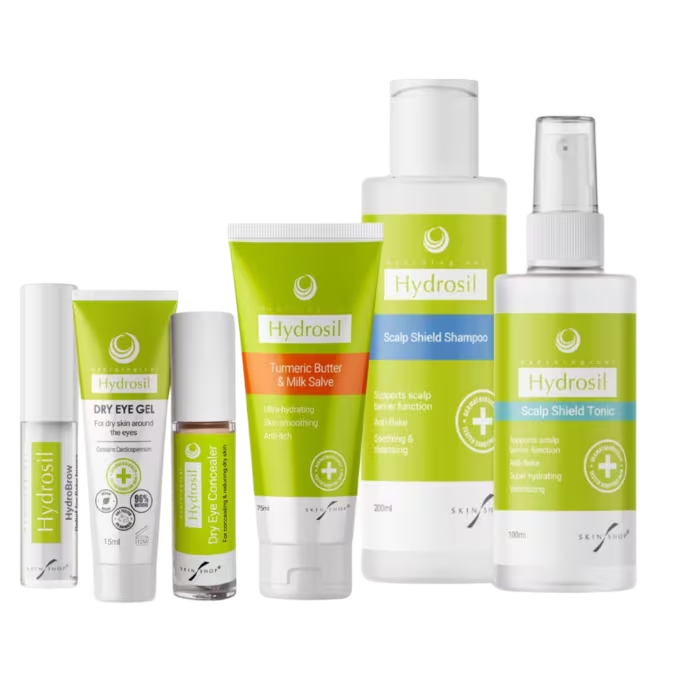
Many of us, whether we are frontline workers or just going about our every day business, will be used to the precautionary habit of cleaning our hands more often to reduce the risk of catching or spreading coronavirus. This is essential for safety purposes but many of us may be experiencing the downsides of frequent hand washing which is the discomfort of irritated, dry hands from overwashing. How Overwashing Causes Dry Hands Hand sanitisers, soaps and hand washes are packed with detergents and alcohol designed to disinfect the skin. This is necessary to stop the spread of bacteria and viruses that can be passed on through touch. However, detergents and alcohol play havoc with the skin on our hands and strip them of their natural oils designed to keep skin moisturised and healthy. As a result of more frequent hand washing, there has been a sharp rise in conditions such as eczema in the hands and hand dermatitis as well as people suffering from extremely dry and sore hands. This has prompted The British Association of Dermatologists to issue a public advice sheet on how to protect hands from dryness, cracks and eczema flare ups, while we are fighting against the spread of COVID19. 6 ways to help prevent dry hands from frequent washing and help keep them moisturised 1. Use lukewarm water instead of hot water when you wash your hands The hotter the water the more the moisture evaporates from the skin. However very cold water can also be more abrasive. Lukewarm water is the least damaging for dry hands. 2. Always wear washing up gloves when washing up or using any cleaning product Cleaning products and washing products are damaging to hands at the best of times but if they are very dry from over washing, the damage from cleaning products will be even worse. After taking hands out of washing up gloves, immediately moisturise with a hand cream specifically for dry hands. 3. If possible, wear protective gloves when washing hair Detergents in hair products can strip hands of their natural oils and make them dry and sensitive. If you can avoid direct contact with shampoos and hair products designed to clean hair, this will help to reduce the damage and dryness to your hands. 4. Use a rich nourishing hand salve without any perfumes or chemicals in it All perfumed skin care products carry the risk of skin irritation and if hands are very dry and cracked, this risk of irritated skin is heightened. We recommend sticking to salve’s rather than simple moisturisers as they are thicker and tend to stay on the skin longer. 5. Use hand products designed and tested specifically for sensitive skin Even if you may not normally have sensitive skin and your hands have become very dry from over washing, they will be more sensitive than normal and more vulnerable to skin reactions. Look out for hypoallergenic salves designed for very dry skin or skin prone to allergies and skin conditions such as eczema. Apply hand salves straight after showering while the skin is still moist and always re-apply just before bed. 6. Try to not expose your hands to direct sunlight or cold winds Sunlight and cold, harsh winds zap moisture from hands at the best of times. If your hands have become very dry then they will suffer more being exposed to these elements. If you ride a bike to work or are out and about a lot in this type of weather, wear gloves, particularly ones that are fingerless so they allow the use of the fingers. Remember to keep the main part of the hands protected and covered. Shop our Hydrosil range for dry skin and eczema prone skin If you are currently suffering from extremely dry hands due to overwashing, take a look at our products targeted specifically for dry skin. All of our products in this range are suitable for people with skin conditions such as eczema or dermatitis, and they are dermatologically tested for sensitive skin. Shop the range here.
Learn moreTypes Of Rosacea And Skin Conditions That Mimic Rosacea
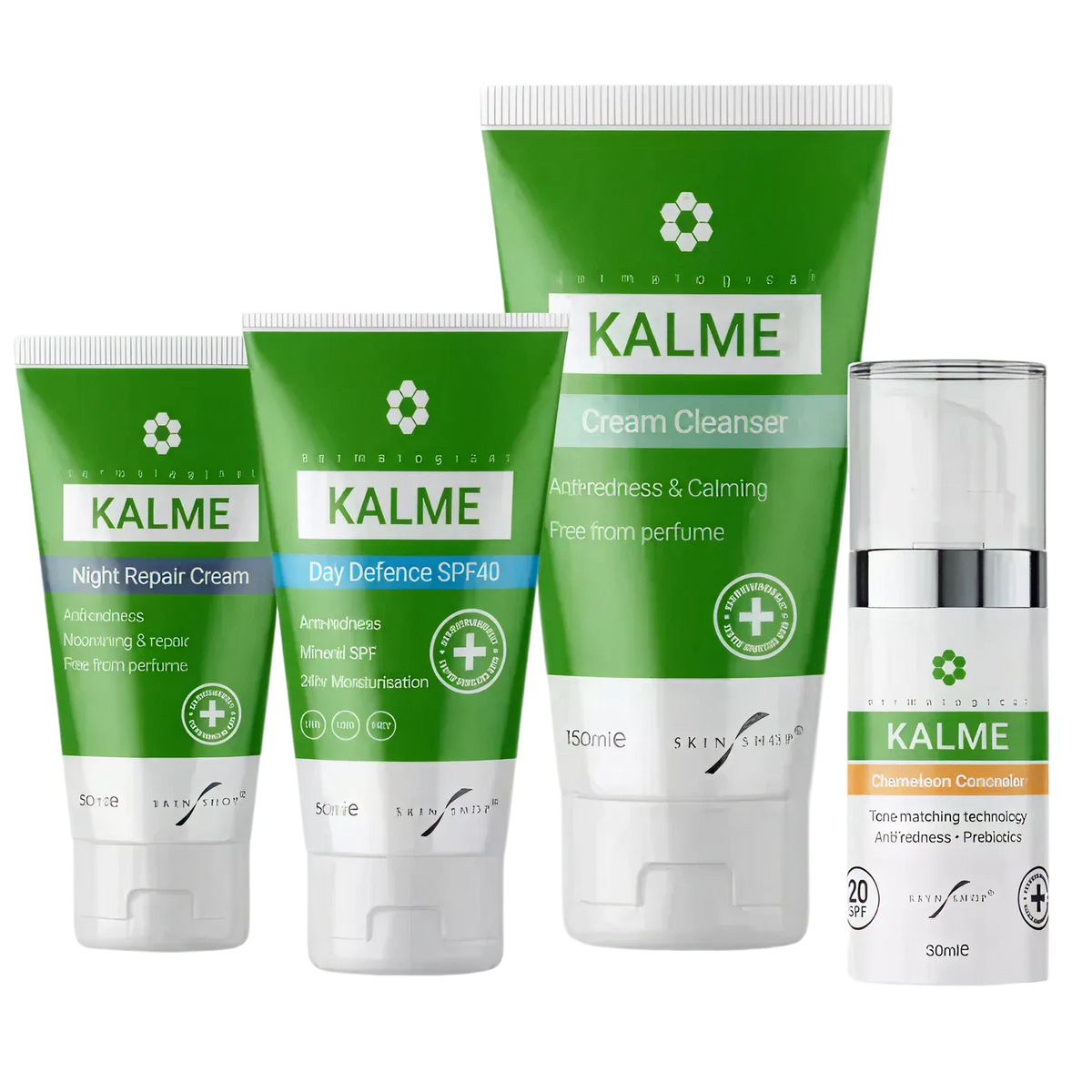
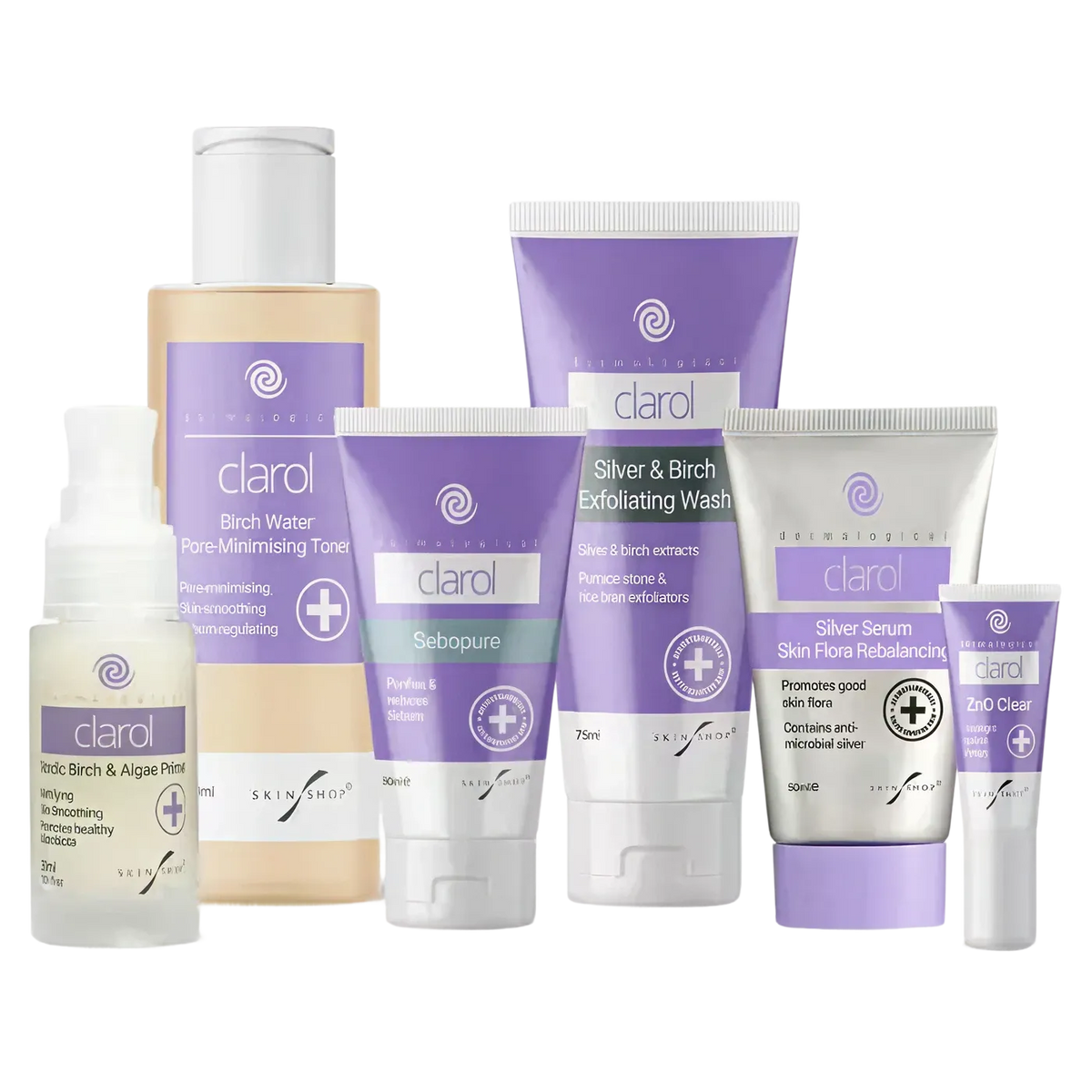
Find out the different types of rosacea along with skin conditions that mimic rosacea Although rosacea is one of the most common conditions treated by dermatologists, it also is one of the most misunderstood. There's no one-stop rosacea cure but knowing more about the different types of rosacea can help with the selection of products to help manage the condition. Rosacea is a chronic skin condition affecting the central parts of the face and is characterised by several symptoms which can all be present in only one or two. These include frequent deep flushing; persistent inflammation, itchiness interspersed with episodes of papules and pustules and frequent dry patches. Other symptoms may include burning or stinging, edema, plaques and ocular manifestations. Who gets rosacea? Rosacea is most commonly seen in adults older than 30 years and is considered to have a strong hereditary component, as it is more commonly seen in individuals of Celtic and Northern European descent as well as those with fair skin. About 30% to 40% of patients report a family member with the condition. However, although these symptoms are all consistent in all types of rosacea, it’s important to know that there are several variants of rosacea as well as some skin conditions that mimic rosacea. What are the different types of rosacea? There are approximate four different subtypes of rosacea: 1. Erythematotelangiectatic Rosacea Characterised with episodic flushing which can last longer than 10 minutes with the central face exhibiting the most intense colour. The redness also may involve the peripheral portion of the face as well as extra facial areas (eg, ears, scalp, neck, chest). Flare ups are mostly triggered by short-term emotional stress, hot drinks, alcohol, spicy foods, exercise, cold or hot weather, and hot water. 2. Papulopustular Rosacea Papulopustular rosacea generally appears with redness of the central portion of the face along with persistent or intermittent flare ups characterized by small papules and pinpoint pustules. The sides of the face and other areas are usually not affected. A history of flushing often is common however flushing is usually milder than in the erythematotelangiectatic subtype. The constant inflammation may lead to chronic edema (swelling) and phymatous changes (bulging of the pores make a bumpy surface to the skin), which occur more commonly in men than in women. 3. Phymatous Rosacea Phymatous rosacea is characterized by marked skin thickening and irregular surface nodularities, most commonly involving the nose, chin forehead, ears and eyelids. The papules and pustules that accompany this type of rosacea are often large and may be accompanied by nasal lesions. This type of rosacea frequently affects people with a history of adolescent acne with scarring. 4. Ocular Rosacea Ocular rosacea usually develops later on after any of the other three subtypes of rosacea are already established. The symptoms of burning or stinging, itching, light sensitivity, and a foreign body sensation in the eyes themselves are common with this type of rosacea. Kalme Rosacea Skin Care Skin Shop’s Kalme skin care range is targeted for people who suffer from rosacea and red skin. The products in this range aim to reduce the skin's reactivity, redness, bumpiness and dry points on the face. Take a look at the skin care range consisting of creams, cleansers and cosmetics. What are the skin conditions that can mimic rosacea? Dermatomyositis & Symptoms Dermatomyositis (DM) is an inflammatory condition characterized by varying degrees of muscle weakness and distinctive skin erythema. However, some patients lack muscular involvement and initially show symptoms of skin manifestations only. This skin condition often appears as a rash on the face with small pustules which can be easily mistaken for rosacea. Other symptoms include nail folds and cutaneous ulcers. Polymorphous Light Eruption & symptoms Polymorphous light eruption (PMLE) is characterised by swelling of the skin, papules and plaques on sun-exposed surfaces. The areas of the skin that are most commonly affected are the face, neck, outer aspects of the arms, and dorsal surfaces of the hands. Lesions may appear immediately but often develop several hours after sun exposure. Symptoms of itching and/or burning usually and unlike rosacea they are temporary. In contrast to rosacea, the onset of PMLE is abrupt, appearing quickly after sun exposure and subsiding within 1 to 7 days. Furthermore, patients with PMLE may experience systemic flu like symptoms after sun exposure. Seborrheic Dermatitis & symptoms Seborrheic dermatitis is a chronic relapsing skin disease most commonly involving sebum-rich areas such as the scalp and face. Similar to rosacea, seborrheic dermatitis appears as swollen patches, papules, or plaques; however, unlike rosacea, the distribution varies from minimal scaliness of the scalp to more widespread involvement on the scalp, eyebrows, ears and upper parts of the shoulders and neck. Although rosacea can also appear as plaques, the plaques of seborrheic dermatitis tend to be greasier in texture. Acne Vulgaris & treatment Acne vulgaris is the most common skin disease in humans and is characterised by inflammatory papules, pustules, and nodules as well as blackheads. Acne vulgaris typically affects the areas of skin with the highest density of sebaceous follicles including the face, upper aspect of the chest, and back. Inflammatory lesions in both acne vulgaris and rosacea may be clinically identical; however, unlike acne vulgaris, rosacea shows a complete absence of blackheads. As a general rule, acne peaks in adolescence, years before rosacea usually becomes prominent. However, some acne patients who are prone to flushing and blushing may develop rosacea later in life. Clarol Natural Acne Skin Care Skin Shop’s Clarol skin care range is targeted to people who suffer from acne. The aim of the range is to strengthen the skin’s acne defences using naturally effective ingredients- helping you to achieve clearer skin. Take a look at the range that consists of toners, serums cleansers.
Learn moreCommon Skincare Mistakes to Avoid
Cleansing is supposed to be the key to good skin. We are all told to do it religiously if we want to keep skin younger looking and healthy. But the way you cleanse and what you cleanse with could actually be giving you bad skin as well as prematurely ageing you. Find out our top 3 worst skincare mistakes to avoid if you are suffering from problem skin. Here are our top 3 worst skin care mistakes and how to avoid them 1. Cleansing Wipes The number one worst skincare mistake is using cleansing wipes to remove makeup. They may be cheap and quick to use but they are the worst at cleaning your face. Very little makeup wipes actually contain the correct ingredients to properly remove makeup and cleanse dirt and bacteria off of your face. Infact, while they fail at removing makeup, they increase the possibility of clogging pores and creating product and bacteria build up. Can makeup wipes be harmful to your skin? Most makeup wipes contain alcohol and the possibility of developing skin conditions like eczema and rosacea are extremely high, cleansing wipes will dry your skin out further due to the alcohol. Cleansing wipes often contain high levels of preservatives to help keep them wet, but these ingredients can be a common trigger for allergic skin reactions. If you are prone to sensitive skin, we recommend to stay away from cleansing wipes as they will increase your risk of an allergic reaction. Using cleansing wipes to remove eye makeup often means having to scrub at the delicate skin around the eye area. The abrasive and synthetic material of makeup wipes makes this motion damaging and may lead to sagging around the eye area. The fluid that is used to keep makeup wipes wet contains harsh chemicals that can leave the eye area red and sore after use. Quick Tip: If you must use a cleansing wipe for eye make removal, leave the wipes sitting over the eye for 10 seconds, then blot or dab the make up off rather than dragging the wipes across the skin. 2. Removing good skin bacteria It’s not well known that skin, like the gut, contains both good and bad skin bacteria. The skin needs good skin bacteria to stay healthy and balanced, while keeping the skin’s barrier protection layer intact. Many cleansing products contain harsh detergents and anti-bacterial agents (basically bleach) that, while effectively killing bad skin bacteria that can lead to spots and inflammation, they also strip the skin of all good skin bacteria. Regularly reducing or removing good skin bacteria from the surface of your skin via a daily cleansing and/or exfoliating routine is another major skincare mistake to avoid. This leaves skin drier, weaker and causes premature ageing. A lack of good skin bacteria allows the bad skin bacteria to take hold and multiply on the skin’s surface. The bad bacteria can easily get into weakened areas of skin from blocked pores, causing puss and inflammation. By over-cleansing and exfoliating too much, the skin’s barrier can become compromised which often makes acne worse. Quick Tip: Exfoliating and cleansing are still very important to your skincare routine, that's why we recommend to cleanse your face at least once a day (especially after exercising or sweating) and exfoliating once a week. This will help to keep your skin clean daily, and to get rid of any excess dead skin cells that linger on your skin every 7 days. Effective Cleansing for your skin The key to effective cleansing is to preserve and nourish good skin bacteria as part of your cleansing routine. That’s why Skin Shop’s Silver Serum is a product that provides that ‘food’ for skin. It contains a special colloidal silver ingredient that promotes good skin bacteria by feeding it what it needs to grow. Silver Serum is very clever as the same ingredient that feeds the good skin bacteria is repellent for bad skin bacteria. The overall result is a growth of good skin bacteria and a reduction in bad skin bacteria, leaving the skin balanced and stronger, as well as reducing spots and blackheads. 3. Cleansing with water It may sound strange, but if you have very sensitive skin, cleaning your skin too often with water can be another skin care mistake you may be making. Many people with skin conditions such as rosacea or eczema often admit to washing their faces several times a day in order to try and help their skin stay clean and fresh. However, if you are suffering from these skin conditions, washing your face twice daily with warm water can actually make your skin worse. Why is water troublesome for sensitive skin? Water evaporates on the skin, making it dry out quickly, meaning that skin prone to eczema or excessive dryness will suffer. In addition, any sudden temperature changes, especially cold to warm as when using warm water during winter time (when the air outside is very cold), can cause skin to flare or react. Water is also, believe it or not, quite a caustic substance, making it fairly abrasive to sensitive skin. If you are splashing water on your face, your fingers come into direct contact with your skin, which may spread dirt or bacteria onto the face from hands or nails. We recommend trying water-free cleansing to help protect and preserve your skin as much as possible if you suffer with extremely dry skin. Cleansing without water and with moisturising agents is the key to keeping skin clean but balanced. Skin Shop’s KALME Water-Free Cream Cleanser is a gentle cleanser that has been dermatologically tested for use on very sensitive skin. It contains a 24-hour moisturising ingredient to keep skin hydrated and supple, as well as an anti-inflammatory ingredient to address any underlying skin inflammation (including spots). The KALME Water-Free cleanser also contains an anti-redness ingredient to reduce redness and flushing. Quick Tip: It’s important to keep the surface of sensitive skin as clean as possible, so the cleanser should be applied gently with a clean cotton wool pad and dirt wiped away in small circular motions, concentrating on the higher cheeks, nose and T-zone (between the eyes most of all). Final thoughts from Skin Shop… If there’s anything to take away from this article, it is to definitely ditch those makeup wipes, slow down the excessive cleansing and invest in some new products that are beneficial for your skin. Scrap those skincare mistakes and improve your skincare routine with our tips. Shop the Skin Shop’s Clarol and Kalme range online here.
Learn moreBack to work or school? Skin care tips to avoid skin issues
You’ve just come back from a nice summer break out in the fresh air! Suddenly you’re back in a stuffy office or classroom and hit with a ton of new work, coursework and looming exams. Your skin is likely to be the first casualty. Check out top skin care tips below to avoid the skin woes. Skin care tips to protect your skin as you head back to work and school The ‘back to work’ or ‘back to school’ period is when you are most likely to get skin breakouts due to the sudden change of environment, clothing and an increased amount of stress. But if going back to work or school isn't bad enough, getting a skin breakout will only make matters worse. Here is a helpful list of the most common ‘back to work’ and ‘back to school’ skin ailments and the skincare tips to try and avoid them. Protect your skin from skin woes New heavy autumn clothes and school uniforms which are likely to both itch and make you sweat, a hot stuffy office or classroom are all likely triggers for eczema or dry skin breakouts. To combat this try and stick to linen or natural fabric clothes and stay in lighter summer clothes for as long as you can. Also try to avoid having your skin waxed or using a fake tan to prolong your tan for up to two weeks after your return from holiday. It’s also a good idea to avoid having your hair dyed or highlighted for up to two weeks after your return from holiday as the skin on your scalp may have been compromised due to sun exposure. The Hydrosil Dry Scalp Shampoo by the Skin Shop helps to alleviate a dry, itchy scalp. Make sure you are sitting near an open window if the office feels stuffy and hot and get out for a cooling de-stressing walk at lunch time. A preventative measure would be a daily application of a gel such as the Skin Shops Hydrosil Cardiospermum Gel made from an extract of Cardiospermum (balloon vine), a natural treatment for eczema and, if applied regularly, could help reduce or even prevent an eczema flare up. A UK trial on the gel found it to be more effective for some people than steroids in the treatment of eczema. The trial was carried out by a doctor, on 50 people, 28 of whom were previously using steroids for their eczema. The trial found that the Cardiospermum Gel was both more effective and significantly more pleasant to use than all existing treatment the patients had tried, including steroids. Ensure to avoid washing skin with soaps or shower gels as much as possible and carry out a twice a day moisturising routine of the skin for a month after your return from holiday. Combat the cold After a nice relaxing summer holiday returning to your stuffy office or classroom crammed with people and the busy commute to work can mean you are more likely to pick up a cold, which can lead to skin breaks outs and cold sores. To combat this, wash your hands more frequently, especially after a commute to and from work. Carry sterile wipes with you and wipe down your mouth, nose and hands regularly when on public transport or crowded public places and drink plenty of water. For the first month of the ‘back to work’ or 'back to school' period, get early nights as often as possible. Aim for around 8-9 hours sleep a night will build up your immune system and strengthen it for when the real party season kicks in during the run up to Christmas. The power of Zinc It is worth increasing your intake of Zinc. Zinc inhibits viral replication and is believed to prevent cold viruses from attaching to nasal cells. Even a mild deficiency can cause an imbalance in white blood cells, whose job it is to destroy the infective agent. Top up zinc levels by eating wholegrains, nuts and beans and sprinkling pumpkin and sunflower seeds onto breakfast cereal. Cancel out cold sores When you go back to work and are more stressed out, reaching out for less healthy snacks, probably got a cold and you are generally more fatigued so your immune system defense is lowered. This mix is a prime trigger for cold sores and means that going back to work can leave the 30 million sufferers in the UK vulnerable to an attack. It is easy to suggest that you should simply reduce your stress levels, always choose a healthy cereal bar over the muffin and get an early night. However, we all know that in the real world this advice is seldom practical. But a lip balm containing liquorice extract could be any easy way to help reduce the frequency and intensity of cold sore outbreaks. In a recent trial by the Herpes Virus Association, Liquorice Balm was found to be effective in a double-blind trial, carried out by the Herpes Viruses at reducing the severity and duration of outbreaks for over 73% of subjects. Unlike conventional treatments, due to its naturally derived ingredients, sufferers can wear the lip balm at all times, meaning that the intensity of the cold sore outbreaks could be diminished before they really have a chance to take hold. Check out our Lipq Liquorice Balm designed to help protect lips from cold sore outbreaks. Research published in the US Journal of Clinical Investigation has shown that liquorice has the ability to weaken the cold sore virus which lies dormant in the skin between outbreaks. Banish blisters and corns After the summer months spent bare foot on the beach or in flip flops and sandals your feet will have widened slightly and so will probably experience an unwelcome shock when they are forced back into restrictive and uncomfortable work or school shoes. For the first few days back to work when your feet will probably be feeling the worst try Scholl Party Feet. These great gel cushions can be slipped into your shoes and will prevent you from having to hobble around by the end of a long day. A healthier tip is to walk to and from work in nice comfy flats that you are used to wearing and save the power heels for at work only. When you get home treat your feet to a relaxing foot soak with some essential oils (try peppermint and lavender) to soothe, comfort and restore sore feet and to help prepare them for the next day at work. If you’re suffering from muscle and joint pain, try Skin Shop’s Celafen cream. Celafen is a natural product that works by lubricating the cell membranes and repelling inflammatory chemicals responsible for the pain, stiffness and reduced mobility associated with various forms of joint pain. Protect your private areas You’re back in office or school uniform again, this means heavy formal trousers or skirts and nylon tights, which can lead to thrush. Thrush is caused by a yeast-like fungal growth. Yeasts flourish in a warm, moist environment. 1. Clothing Wearing tights, nylon underwear or unbreathable trousers can create such an environment by trapping body heat and perspiration and preventing air from circulating around the genital area. Stick to wearing cotton underwear and stockings instead of tights, avoid tight trousers and pat dry the genital area thoroughly after washing. Avoid using perfumed intimate washes or wipes for up to two weeks after your return from holiday. You can also help to eliminate the thrush by focusing on a few dietary changes. Skin Shops In2mate care range is over 99% natural and works in unison to keep intimate skin cleansed, flexible, lubricated and balanced. 2. Diet You will definitely need to avoid sugar, and any foods containing sugar, as they will promote the growth of yeast. During the most vulnerable first month of the ‘back to work’ period you also need to cut down on foods that contain yeast, and any products that are fermented, such as bread, beer and wine. 3. Supplements You could also try taking ThreeLac, a supplement containing three strains of live lactic acid bacteria (Lactobacillus Sporogenes, Bacillus Subtilis and Streptococcus Faecalis) that work to stamp out yeast infections. ThreeLac has been shown in studies to get rid of candida yeast infections as fast as antibiotics.
Learn moreWhat you need to know about causes & effective Natural Eczema Treatment
Roughly 20% of the population suffer from Eczema at some point in their lives. There is no real cure for the condition and many sufferers are now looking for natural eczema treatment. This blog will explore alternative ways to manage Eczema with the minimum use of steroids. Natural Eczema Treatments For You The causes of Eczema are varied. If it is not hereditary, it can be caused by irritants and allergens such as nickel, and yeast growths. In later years, the onset of Eczema tends to be associated with poor circulation in the legs. Some recent studies have suggested that a defect in the biological ‘glue’ that bonds skin cells together could be the cause of eczema. The itchiness from eczema is not caused by the underlying condition, but from the external bacteria that gets into the cracked open skin leading to inflammation and itching. If you are suffering from eczema, further in this blog you will find out all the different kinds of natural eczema treatments. Alternative Steroid Free & Natural Treatment for Eczema Fortunately, there are some practical ways to manage the condition as well as some alternative treatments that are steroid free: 1. Plant Steroids Plant steroids are non-chemical alternatives to steroids and can, in some cases, be as effective as chemical steroids but without the associated negative side effects of steroids. Two effective plant -steroid ointments include those made with Cardiospermum or Chickweed. Skin Shop’s hydrosil dry skin gel with cardiospermum is a light and non-sticky gel that brings immediate relief for eczema symptoms. The gel contains a high potency of Cardiospermum vine extract, which has been gaining a reputation for it's natural treatment for eczema and soothing dry itchy skin. 2. Oatmeal Bath Soaks Natural oatmeal in the bath water is a great natural eczema treatment. To save the mess, it works best sewn into a little muslin bag, or you can buy pre-prepared oatmeal bath soaks for convenience. It is recommended to not take baths too regularly, but when you do, add bath oil to the water in order to keep the skin moisturised, and try to avoid soap. 3. Wear Protective clothing Stay away from woollen clothes and blankets. Studies have shown that wool and other man made fibres that contact the skin can trigger eczema flare ups. Cleaning products contain harsh chemicals that can irritate the skin and dry it out. Wearing rubber gloves with a cotton inner lining when doing house work can protect the skin from the irritants. 4. Managing a Diet As far as diet is concerned, some nutritionists believe that avoiding dairy produce may help with the condition, so switch to substitutes such as soya, rice, hazelnut or almond milk and seek out alternatives to your usual cheese and butter. Goat’s milk is another solution and if purchased fresh from the supermarket will taste similar to cow’s milk which makes life easier with the kids! 5. Using Oils There is a wealth of evidence to suggest that Omega 3 and 6 oils is a great way to naturally treat eczema. Flaxseed oil is one of the richest sources of these oils. Check Out Our Frequently Asked Questions About Natural Eczema Treatment Visit our website for more detailed information about eczema advice including the causes, treatment and how to manage the skin condition.
Learn moreHow to protect your skin in the winter
Cold weather is harsh on the skin. During the winter months skin can become drier and lose its moisture. Check out our tips on how to protect your skin during the winter. Cold weather wreaks havoc on our skin, find out how to protect your skin in the winter Skin dries out if it's deprived of water and this dryness often causes itchiness, resulting in a condition commonly referred to as "winter itch.” People prone to very dry skin, dermatitis (or known as eczema) and psoriasis are even more prone to winter itch. This blog post explains how to protect your skin in the winter. 6 Ways to protect your skin in the Winter The best way to ‘winter proof; your skin if you are prone to dry skin or have very sensitive skin is to start a new winter skin regime early. Check out our tips below on how to protect your skin in the winter. 1. Moisturise daily Ensure that you moisturise daily. Cream moisturisers are better than lotions for normal to dry skin. If you have sensitive skin, choose a moisturiser without fragrance or lanolin. 2. Use gentle cleansers Cleanse the skin, but make sure that you don't overdo it. Too much cleansing removes the skin's natural moisturisers. It is enough to wash your face, hands, feet, and between the folds of your skin once a day. While you can rinse your trunk, arms, and legs daily; it is not necessary to use soap or cleanser on these areas every day. Skin Shop’s Oregon Moisturising Wash can be used all year round as part of your preventative skincare routine. 3. Limit the use of hot water and soap If you have "winter itch," take short lukewarm showers or baths with a non-irritating, non-detergent-based cleanser such as Skin Shop’s KALME Cream Cleanser designed to cleanse dry and sensitive skin. Immediately afterwards, apply a mineral oil or petroleum jelly type moisturiser. Followed by gently patting the skin dry. 4. Use a humidifier during the winter months Humidifiers can be beneficial in reducing moisture in the air. However, be sure to clean the unit according to the manufacturer's instructions to reduce mold and fungi. 5. Protect yourself from the weather Protect yourself from harsh winter winds that can dry out the lips and make them more hospitable to the virus that causes cold sores. Research published in the US Journal of Clinical Investigation has shown that liquorice has the ability to weaken the cold sore virus which lies dormant in the skin between outbreaks. Try Skin Shop’s Lip Q Liquorice Balm to protect lips from cold sore outbreaks. Avoid extreme cold. Cold temperatures can cause skin disorders or frostbite in some people. See a doctor immediately if you develop color changes in your hands or feet accompanied by pain or ulceration. If you develop extreme pain followed by loss of sensation in a finger or toe, you may have frostbite. 6. Always use sun protection Protect your skin from the sun. Winter sun can be as dangerous to the skin. Even in the winter months you should using sunscreen with a sun-protection factor of 15 or greater, if you will be outdoors for prolonged periods. Overexposure to the sun's rays can lead to premature aging of the skin and skin cancer. Skin Shop has a wide range of products and ranges aimed at combating a number of skin conditions. Check out all ranges here.
Learn moreHair Removal Methods & Tips You May Not Know
No pain no gain is a beauty chant that has been whispered by thousands of women over decades of enduring painful procedures in the name of beauty. And perhaps one of the most eye watering that immediately springs to mind is hair removal. With many hair removal methods out there, it can be difficult to find the right solution for you. Common Hair Removal Methods As summer fast approaches and the prospect of getting our office bound bodies out on the beach looms, hair removal is the grime reality many women must face in order to risk donning that lovely little bikini they bought in the Spring. Ultimately hair removal methods (unless you are shaving or using hair removal cream as a much more temporary solution), especially in sensitive areas such as the bikini line or under the arms, is always going to cause some degree of pain. Some hair removal options, such as laser hair removal treatment, are less painful than others but require a lot of expense and several visits to a hair removal clinic. Which is why waxing remains the hair removal method of choice for most busy practical people. However although waxing does hurt, there are ways that you can lessen the ‘ouch’ factor. 7 need to know hair removal tips Below we have listed the 7 need to know, hair removal tips to help you find the best solution for you. Grow your hair long enough The longer the hair the quicker the hair extraction when waxing so try and make sure hair is at least 2mm in length before waxing. Leave skin ‘unwashed’ before waxing Although the skin should be clear of any obvious dirt or dust before waxing, you should not bath your skin before waxing as this opens up the pores and can make the skin more sensitive. Skin should ideally be cool and you should not wax any less than an hour after bathing. Do not take painkillers Some people take painkillers before waxing thinking it will help ‘dull’ the pain. In fact some painkillers such as Ibuprofen actually make the skin more sensitive to more prone to bruising. The only ‘pain relieving’ remedy may be a stiff drink before a wax to give you courage! Avoid waxing near your menstrual cycle Approximately three days before and after you begin your period is a time when your resilience to pain is lower than at other times of the month so try and avoid waxing just before and after your period. Exfoliate, don’t squeeze After enduring the pain of waxing, many of us then go on to suffer the indignity and pain of ingrown hairs and infected follicles after waxing. Try and avoid squeezing infected follicles and instead exfoliate the skin daily for up to a week after waxing. Some soothing anti-bacterial and anti-inflammatory remedies such as aloe vera lotions help to soothe irritated skin after waxing. Protect from the sun Skin that has just been waxed is more sensitive than normal skin so if you are heading straight out to the beach after waxing make sure you put an SPF cream (preferably one suitable for sensitive skin) over the area that had been recently waxed for 2-3 days after waxing. Give skin an airing Wearing loose cotton underwear and airy clothing the day after waxing can help minimise the risk of infection as sweat getting into pores of recently waxed skin is more likely to cause infection and inflammation.
Learn moreTen Natural Ways To Boost Your Energy
A busy life-style or lack of sleep? Are you often left feeling like you need a boost so you can take better advantage of the day ahead of you? Fortunately, there are things we can do to improve our energy levels, like making small changes to our diet, exercising when we can and maintaining stress levels. Follow these ten natural steps to boost your energy 1. Learn to Breathe Correctly This may sound stupid, but many people don't actually breathe properly. Your stomach should go out when you inhale and in when exhaling. When you are not breathing correctly, you can reduce the amount of oxygen you take in by up to one/third, and clearly we need oxygen to breathe. A lack of sufficient oxygen going to the cells of the brain can turn on our sympathetic nervous system, our "fight or flight" response can take effect and this makes us tense, anxious, irritable, and depressed. Many types of meditation exercises focus on breathing as a way of boosting energy. This simple meditation exercise will help you relax while also breathing correctly: Squat, resting your buttocks on your heels. Straighten your back, put your hand on your hips and inhale deeply. Hold for a few seconds, then exhale for as long as you can, contract your abdominal muscles and hold for five seconds. Repeat 2. Detoxify Through Liquids Cleansing the system through liquids is an effective way of flushing out toxins in your body. This allows the body to function way more efficiently while boosting energy levels. Try to cut out all stimulants and caffeinated drinks such as coffee, tea, alcohol and fizzy drinks, for at least two weeks. Instead, drink plenty of water, up to three pints a day and drink cleansing teas such as camomile, mint and grapefruit. You might also want to take a Milk Thistle supplement, which helps aid the detoxification of the liver. 3. Curb your Carbs Eating large amounts of stodgy carbohydrates such as bread, rice and pasta makes our digestive system have to work much harder. Carbohydrates do give us energy by providing glucose, but they can also over-burden the digestive system if we eat too many. Try cutting down by roughly 50% on carbohydrates you may eat on a regular basis. Use substitutes like lean white meat or fish, accompanied by as many green vegetables as possible, with fruit for pudding. For breakfast, try to combine high protein such as yoghurt, eggs or fish with a small amount of carbohydrate and fibre such as porridge, granola, wholemeal bread or fruit. 4. Reduce your Sugar Intake If you believe sugar gives you a boost of energy, you are highly mistaken. Eating too much sugar makes you incredibly sleepy (and not to mention bloated). This is because high sugar consumption prevents the production of Orexin, which is the chemical in the brain that gives us the feeling of being awake. Sugary foods can also have a negative effect on our skin, when your blood sugar spikes, your body makes insulin. Studies have shown that an increase of insulin in your body influences your skin to produce more sebum, which can clog pores and trigger acne. By cutting down on your sugar intake you will be taking a major burden off your metabolic system, which will give you more energy. Cut out processed sugar foods such as biscuits, cakes and pastries and focus more fruit as a means of getting your sugar fix. As well as making us sleepy, research has also shown that an over consumption of sugar can lead to cancer and can damage our immune system. 5. Increase your Minerals Nothing in the body can work without minerals, and often the reason we lack energy is because we are not absorbing enough essential minerals from our food. The main minerals we need everyday are calcium, iron, magnesium, chromium and zinc. You can find many of these minerals in nuts and seeds. Chromium, one of the most important minerals, is found mostly in whole foods, as well as asparagus and mushrooms. Many minerals are also found in green vegetables. For example, spinach is rich in iron, and magnesium is in cabbage and broccoli. But it is actually quite difficult to get the correct amount of minerals every day, so you may want to consider taking a daily mineral supplement that contains the essential minerals. 6. Eat less, more often Large meals tend to leave you feeling tired afterwards as the body is working hard to digest a lot of food in one go. Try eating five small meals or snacks a day instead of three large meals. This way you will preserve more energy, as well as reducing periods of energy dips during the day. We naturally have energy dips when our food energy has worn off. These dips tend to occur at about 11am and 3pm. So by shortening the time between meals, you are more likely to avoid these dips and feel more energised throughout the whole day. 7. Help your Bowels Sluggish bowels are a major cause of energy loss. To help your bowel function more efficiently, increase your intake of fibre, but remember not to do this through too many carbohydrates. Get your fiber from fruit, lentils, beans, seeds and lightly boiled or steamed vegetables. Also, try taking an acidophilus supplement, which will restore the level of good flora (friendly bacteria) into your gut. Good flora may deplete due to a number of reasons such as food intolerance, excess alcohol, antibiotics, a stomach bug or a intestinal fungal infection. Here’s 4 diet changes you can make to help your bowels out: Eat more fresh fruits and vegetables, either cooked or raw, and more whole grain cereals and breads. Dried fruit such as apricots, prunes, and figs are great too, and are especially high in fiber. Drink plenty of liquids, unless you have heart, blood vessels, or kidney problems. But be aware that some people become constipated from drinking large amounts of milk. Some doctors recommend adding small amounts of unprocessed bran (miller's bran) to baked goods, cereals, and fruit. Some people suffer from bloating and gas for several weeks after adding bran to their diets. Make diet changes slowly, to allow the digestive system to adapt. 8. Reduce your stress Being constantly full of tension can be exhausting. High levels of stress cause your adrenal gland to produce an excess of stress hormones. The production of these hormones improves oxygen and glucose to the muscles, which slows down digestion, repair and maintenance to the rest of the body, leaving you feeling exhausted. Whether it’s your job, family or friends causing you to feel stressed, this can take its toll on how many hours of sleep you get. When your stress levels are high, it can be much harder to fall asleep, and then stay asleep. Also, prolonged stress is known for causing chronic fatigue and in some cases, insomnia. A study in Sweden found that a more stressful work environment significantly increased the risk of insomnia. Here’s how to lower your stress levels with these simple relaxation techniques: Lie down and close your eyes. Starting at your toes first clench them as hard as you can and then relax. Work your way up your body clenching and relaxing different muscles, ending with pushing your tongue as hard as you can against the roof of your mouth and then relax it. It should take about 15 minutes. Also, some visualisation techniques can help too. This simple meditation / relaxation technique can help to manage your stress and can also help with insomnia. 9. Exercise More Exercising is the key to boosting energy levels. By exercising you speed up your metabolism so everything will get digested faster. You also burn more of your food's energy into muscle than fat, which means overall the body becomes stronger and less burdened. Make sure you do some form of exercise that speeds up your heart beat for a good 20 minutes, at least four times a week. At least two of these exercise sessions should be impact exercises such as jogging, skipping or dancing. Also, try some of the energy building techniques such as Tai Chi, Aikido or Yoga. Try exercising in the morning rather than at night as you will find it gives you more energy throughout the day, as chemicals called endorphins are released which keep energy levels high for a prolonged period after exercise. 10. Protect your Immune System When your energy levels are low it means that your immune system is likely to be low too, and that is the prime time to get ill. Protect yourself by taking a few crucial immune-boosting supplements such as echinacea, garlic and also vitamin C. However, the best immune booster is sleep, get plenty of it and stay away from late night parties for a few weeks to let your body recover. We’re sure your energy levels will be boosted after you try these simple changes to your lifestyle. Is your skin feeling the repercussions of you not getting enough sleep? Try Skin Shop’s Clarol Conceal & Shield Concealer to hide those tired eyes! Our products are 100% cruelty free and dermatologically tested, this concealer is suitable to use if you suffer from acne and rosacea.
Learn moreHow to get rid of cold sores quickly
Find out how to get rid of cold sores quickly by knowing the causes, symptoms and treatments Cold sores are also referred to as “fever blisters” or “oral herpes” as the virus that is responsible for them is Herpes Simplex virus type 1 (HSV-1). They typically appear on the lip and look like tiny clusters of fluid filled blisters, however they are not always isolated in this region. This skin condition is very common, between 65 to 90 percent of people have been infected at one time in their lives, typically during teen years. However, the most susceptible to the virus are newborns and young children due to their immune system not being as strong. What causes cold sores? Cold sores are caused by the herpes simplex virus. The first cold sores usually occur in childhood. The virus infects through the moist 'inner' skin that lines the mouth. It is commonly passed on by skin contact such as kisses from a family member who has a cold sore. After the first cold sore infection, the herpes simplex virus settles in a nearby nerve sheath and remains there for the rest of your life. For most of the time, the virus lies dormant (inactive) and causes no symptoms. However, in some people the virus becomes 'active' from time to time. When activated, the virus multiplies and travels down the nerve sheath to cause cold sore blisters around the mouth. Some people have cold sores often, others only now and then. It is not clear what causes the dormant herpes virus to become active. What triggers a cold sore? Illness Cold sores may occur during feverish illnesses such as colds, coughs, and flu. Menstruation Cold sores are common around the time of monthly periods. Stress Cold sores can be triggered by a weaker immune system or just being 'run down'. Sunshine Strong, direct sunlight may trigger cold sores in some people. What are the symptoms of cold sores? The signs of a cold sore may include a tingle or itch before the blisters appear, usually around your lips or nose. This can last several hours, or up to a day or so. After the tingle, one or more blisters appear which are usually sore. They may weep and take several days to scab. The scab slowly disappears over a week or so leaving no scar. Some virus will remain dormant in the nerve sheath ready to cause another cold sore sometime in the future. The stages of a cold sore are: You have a tingling, burning, or itching feeling. About 12 to 24 hours later, blisters form. The area becomes red, swollen, and painful. The blisters break open, and fluid comes out. This usually lasts 2 or 3 days. A scab forms on the sore. It might crack or bleed. The scab falls off and the cold sore heals. How to treat cold sores Find out how to get rid of cold sores quickly with the best ways to treat cold sores: Natural cold sore treatments An ingredient in liquorice called glycyrrhizic acid has shown to turn off the herpes simplex virus which is responsible for cold sores. Skin Shop’s LipQ Liquorice lip balm is a super smooth and natural lip treatment for people who suffer from cold sores. Medical cold sore treatments Pain can be eased by painkillers such as paracetamol or ibuprofen. A pharmacist can advise a soothing cream or gel. Antiviral medication creams. You can buy these at pharmacies or get them on prescription. These do not kill the virus, but prevent the virus from multiplying. They have little effect on existing blisters, but may prevent them from getting worse. So, if you use an antiviral cream as soon as symptoms start then the cold sore may not last as long, and may be less severe. There is debate as to how well these creams work. Some people say that they help a lot to limit symptoms. Others feel they make little difference. Lifestyle changes you can make to get rid of cold sores: 1. Wear SPF on the lips The most common trauma to your lips is excessive sun exposure. The lips suffer from the effects of the sun in the same way as the rest of your body. Even a small amount of sunlight can be a sufficient trigger in some people. So avoiding too much sunlight or wearing an SPF on your lips can be a good precautionary move if you find that sunlight triggers your cold sores. 2. Change your diet Other traumas can include certain types of food such as spicy foods or certain types of fruits which can sting the lips with the fruit acids in their juice. Although fruits and especially the naturally occuring vitamin C inside of them are excellent for a robust immune system which also plays an important role in reducing outbreaks. A healthy immune system will help to reduce the activation of the herpes simplex virus. 3. Maintain a healthy immune system People often find they have an outbreak when they are run down, stressed or suffering an emotional upset. All these causes are linked to the immune system. So good sleep, moderate exercise and a healthy diet can for some people be enough to reduce cold sores outbreaks dramatically. Shop the LipQ range for cold sores on our website If you suffer from cold sores and want to find out more information regarding our products, check out our LipQ range on our website here.
Learn moreWinter Skincare Tips
Find out how to protect your sensitive skin with our winter skincare tips Your skincare routine may need to change during winter if you suffer from sensitive skin. Sensitive skin can be caused by a number of different factors, and sometimes not always the same ones. If you have sensitive skin, it’s likely that you may be suffering from perhaps more than one condition that can trigger sensitive skin problems, especially during the colder months. Find out the ways you can protect your sensitive skin with our winter skincare tips. Here’s how to protect and treat your sensitive skin with our winter skincare tips: 1. Winter Skincare Tips for eczema Autumn and Winter are the typical times for eczema to flare up because we tend to start wearing heavier clothing and staying indoors more. Sweat and irritation from heavier clothes are a common trigger to flare ups. Eczema is most common in children, but unfortunately, some cases of eczema persist into adulthood. In a survey undergone by Allergy UK, it showed that 88% of patients said that the management of this condition affects their everyday life. How to treat eczema during winter While there is no definitive cure, doctors often prescribe topical or oral steroids to treat eczema. However, the use of steroid creams and products is only recommended for short term use. You can do your part at home by starting with a gentle daily skincare regimen in the colder months that includes daily use of non-steroid products to relieve itchiness and dryness and prevent yourself from scratching. Skin Shop’s Hydrosil Dry Skin Gel contains Cardiospermum, which is a plant that helps to calm irritated and itchy skin. This gel is a lightweight and non-sticky gel that brings immediate relief to areas affected by eczema. 2. Winter Skincare Tips for Rosacea The colder months are a common time for rosacea flare-ups. Rosacea is a sensitive skin condition that causes permanent redness across the nose and cheeks and small pussy rash-like spots and dryness. Sudden changes in temperature, wind and stress are all triggers for rosacea, as is spicy food and alcohol, in particular red wine. Autumn/ Winter are times of heightened stress, dramatic temperature changes and changes in diet, making it a prime time for rosacea flare ups. Rosacea is often mistaken for acne; however, typical acne treatment products can make rosacea symptoms worse. How to treat rosacea during winter Our Kalme skincare range is designed for people who struggle with skin conditions like rosacea. Start treating rosacea before the weather turns even colder and help to get your skin under control before the weather takes over. It’s a good idea to start treating your skin now before the Christmas season kicks in, where typically dramatic changes in diet and increased alcohol consumption can add to the problem. Introduce Skin Shop’s Kalme Day Defence Cream into your skincare routine, which has been featured on the Daily Mail. Our gentle and moisturising cream contains caper extracts that helps combat symptoms of rosacea. 3. Winter Skincare Tips for Psoriasis Psoriasis is an autoimmune disease caused by the overproduction of skin cells. The most common type is plaque psoriasis, which is characterized by raised red patches and silver or white scales that build up and flake off. Psoriasis is made worse by heightened stress levels and the onset of Autumn and colder months are associated with back to school and Christmas stress. How to treat psoriasis during winter While medical steroid treatments do work by reducing inflammation, long-term use can cause more harm than good. Steroid creams can cause premature skin thinning, stretch marks and spots. We recommend using milder options that contain salicylic acid or coal tar. While there is no definitive cure for psoriasis, it’s likely that combinations of treatments that work best for psoriasis. Daily use of milder no-steroid anti-plaque moisturisers for your skin along with the consumption of daily fish oil supplements can significantly improve psoriasis symptoms. Skin Shop’s Oregon Intensive Serum is a conditioning serum that treats small patches of sore, red and scaly skin that take that little bit longer to improve. Psoriasis is a skin condition that needs to be managed on a daily basis rather than only treated during flare ups. 4. Winter Skin Tips for Acne Acne is also another skin condition that is worse during the winter, the damper climate combined with stress can wreak havoc with acne. Believe it or not, acne skin is also sensitive. Many acne sufferers treat their acne by using harsh treatments that not only dry up the skin, but cause more redness and discomfort. How to treat acne during winter The best way to treat acne is to maintain a healthy daily skincare regimen that includes a cleanser, moisturiser and treatment products. Skin Shop’s Clarol Skincare range is made up of gentle and natural products that do not contain any harsh chemical agents. Our Silver Serum is a ‘smart’ anti-bacterial skin treatment that contains a silver ingredient that helps to feed good skin bacteria, whilst killing the bad. Our Final Thoughts about Treating your Skin throughout Winter… So while you may not be able to cure your skin condition or prevent symptoms from returning, you are in control of how you care for your skin, which can make a big difference in the health and look of your complexion during the colder months. If you start following our winter skincare tips now, by the time you get to Christmas and New Year, your sensitive skin should be under control.
Learn moreThe truth about adult acne
Adult acne is much more common than we once thought Acne is traditionally a skin problem associated with teenagers, but research reveals that acne is now dramatically on the rise among women in their 20s and 30s, resulting in adult acne. According to clinical associate professor of dermatology at NYU Langone Medical Center, Doris Day around 50 per cent of women suffer from acne at some point in their adult life. Skin experts believe that an increase in the male hormone, testosterone, is the main cause. It creates an increase of sebum production — an oily/waxy substance produced by the sebaceous glands to lubricate the skin. An increase of sebum production can cause a build-up of oil and dead skin cells in hair follicle pores. Bad skin bacteria enters the blocked pores causing redness and inflammation. In addition high consumption of junk food, excessive consumption of sugar, hormonal imbalances and stress are all thought to be contributing factors to the rise in adult acne. In the past it was thought that diet did not affect acne, but now dermatologists recognise that sugar-based foods can trigger acne. The best adult acne solutions The problem with many acne treatments is that they contain very strong antibacterial chemicals that often damage and dry out the healthy skin around the spot. Treating acne is a battle between eradicating the spots while not damaging normal skin. Below are some solutions that do not damage healthy skin. 1. Acne targeting serums Silver is excellent for destroying the bacteria that causes acne. Clarol’s Silver Serum available at the Skin Shop is the first 'smart' anti-bacterial skin treatment. It contains a special silver ingredient that kills the bad bacteria while helping good skin bacteria. 2. Anti-Acne gadgets No No Skin is a handheld gadget that directs light and heat energy deep into the skin to open pores, to soothe any inflammation and destroy the bacteria that leads to acne. 3. Acne fighting medications Retin A, which is a derivative of Vitamin A, can help with acne as it increases the skin cell turnover promoting the extrusion of the plugged material in the follicle which causes a spot. Although, Retin A can only be used for limited periods of time. Retin A Gel and other medications targeted at fighting acne are available on prescription, consult with your GP to see which treatment will work for you. 4. Acne treating masks Face masks are the best way of treating the whole face to prevent bad bacteria living on the skin’s surface. When choosing a face mask be sure to choose a gentle drying mask that includes natural minerals. Stay clear of harsh synthetic ingredients as this will only irritate and inflame the skin further. Anti-Acne Yeast Face Masque costs £1.99 (30g). Available from www.skinshop.co.uk 5. Acne soothing cleansers Buffing and exfoliating acne prone skin can be very beneficial. Cleansers or exfoliating brushes are an effective way to deep cleanse acne prone skin. Although ensure that you’re choosing a more gentle and less abrasive cleanser or brush to protect your skin. Natural Adult Acne Managements with Skin Shop If you would like more advice, or management creams - please get in touch with us at Skin Shop to see how we can help.
Learn moreEye-Mazing – how to work out why you have red, itchy & dry eyelids
Red, itchy, dry and swollen eyelids are very common but the causes are varied, ranging form eyelid eczema to cold sores. The skin surrounding the eye is so sensitive, that often other health conditions will also manifest themselves in the skin around the eye. The key is to identifying the correct cause of the symptoms and treat it with the correct product. If you treat irritated or swollen eyes or eyelids with the wrong product, it can make them a lot worse. Here are some common causes of red, swollen or itchy eye lids; Eyelid Eczema By far the most common reason for red, dry and itchy eye lids is eye lid eczema. Due to the skin around the eye being so sensitive, even if there is no eczema elsewhere on the body, eczema can occur just around the eyes. [quote] Eye lids eczema is usually accompanied by flaking and drying of the skin to the edge and under the eye too as well as flaking and dryness of the eyebrows.[/quote] The actual eye itself is usually not effected, although often people with eye lid eczema have red eye due to eth constant rubbing and itching of the skin around their eyes. How to treat Eye Lid Eczema Prescription corticosteroid eye creams can be prescribed for eye lid eczema, however steroids have been associated with side effects such as increased inner eye pressure (intraocular pressure) leading to glaucoma and damage to optic nerve. Steroids also have been known to cause the eye's natural lens to become cloudy, producing cataracts. Non-steroid alternatives for eye eczema are rare however Skin Shop’s Dry Eye Gel contains natural plant steroids to help bring down redness and prevent itching without the side effects of steroids. Unlike steroids it can be used as often as necessary. Make Up Eye Allergies A very common cause for eye lid allergies is contact dermatitis from make up. Many cosmetics contain irritants (especially those in darker colours and with glitters in). [quote]Mascara can also cause inflammation of the eye lid as it’s easy for bacteria to get into mascara bottles and multiply due to the damp and closed environment of the mascara container.[/quote] How to treat/prevent make up eye allergies Replace mascara regularly, and avoid dark or glittery eye shadows. Cleanse all make up off before bed with a non-chemical non-perfumed cream cleanser for very sensitive skin such a Skin Shop’s KALME Cream Cleanser. Do not use perfumed or chemical eye creams around the eye area. Instead use non-perfumed creams for very sensitive skin. Try applying Skin Shop’sKALME Undercoat around the eyes before applying make up. KALME Undercoat is a chemical-free light moisturising cream that can be used around the eye that contains an ingredient that can decreased skin sensitivity by up to 70% and can help protect very sensitive skin from contact allergies. Blepharitis Blepharitis is often mistake for eye eczema but in fact is a specific eye condition that causes inflammation and infection of the eyelids, eyelid margins, eye lashes, and meibomian glands. It occurs when dirt leads to bacteria in the eyelids. Symptoms include itching, redness and burning of eth eyelids and is sometimes accompanied by a sensitivity to light. Eye allergies can also accompany blepharitis. How to treat Blepharitis Steroids are often not effective for this condition and there is no specific treatment for it. Try Skin Shop’s Dry Eye Gel to help bring down the inflammation and itching on the eye lids. Regularly cleanse eye lids and rims with clean warm water to try and clear any pore blockages. Use natural or OTC eye lubricants if the eye itself is dry. Use antibiotic eye drops if the eye becomes infected. Research also shows that Omega 3 long chain fatty acids help with this condition. Flaxseed Oil is a rich source of Omega 3. Hayfever Hayfever can cause the eye lids to become red and swollen. In addition the constant watering of the eyes with hayfever can cause the skin around the eye to become very dry and irritated. Hayfever also makes the actual eye itchy and so frequent rubbing of the skin around the eyes can also cause irritation and dryness. Howe to treat hayfever Antihistamines are the most common way to treat hayfever but try to avoid those containing Diphenhydramine, which can dry the eyes out and make itching worse. [quote]Eye drops and tablets are always prescribed for hayfever but few doctors recommend products to help soothe the irritated and itchy skin around the eyes.[/quote] Skin Shop’s Dry Eye Gel is excellent for dry and itchy skin around hay fever eyes. Or try placing used cold green tea tea bags over eyes while sleeping as green tea has a strong anti-inflammatory action. Contact lens solutions Preservatives in contact lens solutions (in particular Thimerosal) can cause contact dermatitis of the skin around the eye and on the eye lids, causing redness, itching and dryness. How to treat/prevent contact lens solution eye allergies Rinse off with warm clean water any contact lens solution that runs over the skin around the eye immediately after putting contact lenses in. Apply KALME Undercoat to skin around the eye a few minutes before putting contact lenses in to help de-sensitise skin. Shampoos Some eye skin allergies are caused by hair washing products and shampoos. Most shampoos contain harsh preservatives and are highly perfumed. [quote]When washing shampoo typically runs over the face and across the eyes and can cause mild allergic skin reactions in the delicate skin around the eyes and on the eye lids. [/quote] In particular anti-dandruff shampoos that contain strong anti-fungal agents are common triggers for skin allergic reactions. How to treat/prevent shampoo eye allergies Ideally switch to a shampoo & conditioner that is chemical-free and suitable for sensitive or allergy-prone skin. Try Skin Shop’s Dry Scalp Shampoo & Conditioner. Alternatively wash hair separately with hand held shower head making sure little or no shampoo runs over the face or wear swimming goggles in the shower when washing hair to try and protect eye area from exposure to shampoo suds. Antihistamines Antihistamines (in particular Diphenhydramine) can make eyes dry and itchy due to reduced tear production. This in turn causes more frequent rubbing and blinking of the eye which can lead to skin irritation and itchiness around the eyes. How to treat/avoid antihistamine eye allergies Avoid antihistamines with Diphenhydramine in. However if antihistamines are necessary, try and reduce irritation of skin surrounding the eye caused by frequent rubbing of dry eyes. Try Skin Shop’s Dry Eye Gel to reduce surrounding irritation and use lubricating eye drops for the dryness of the eye. Conjunctivitis Conjunctivitis causes both redness of the actual eye itself and itching and redness of the skin around the eye and on the eye lids. It can be caused by either bacteria or viruses. In bacterial infections, the eyes are often bright red and the eyelids stick together, especially in the morning. [quote] Swelling of the eyelids is common due to localised bacterial inflammation.[/quote] A discoloured mucous discharge is often seen. Viral conjunctivitis causes slight redness of the eyes and a glassy appearance from tearing and often causes dryness and itching around the eye due to constant weeping of tears form the eye. How to treat/avoid conjunctivitis Conjunctivitis is highly contagious so keep away from people with it. Usually antibiotic eye drops are prescribed. However if the skin around the eye is also irritated and itchy, try Skin Shop’s Dry Eye Gel. Coldsores [quote]Although most people assume cold sores only effect the lips, in fact the Herpes virus that causes cold sores can also effect the eyes. [/quote] Apart from cold sores, the Herpes virus also causes chickenpox and shingles - all three can affect the eye and cause redness and swelling of the eye lids as well as itchiness around the eye. So if you have a cold sore and sore eyes, the two may be related. How to treat herpes eye irritation Liquorice contains anti-viral agents that are very effective against the Herpes virus. Try drinking liquorice tea. If the skin around the eye is irritated or itchy, try Skin Shop’s Liquorice Balm on the skin around the eye and on the eye lids. Helpful tips to identify different eye conditions; If your eye lids are red and flaky and dry and you have flakes in your eyebrows too, it’s most likely to be eye eczema If your eye itches and is "milky" red, it is most likely an eye allergy. If you eye burns or stings, it is probably dry eye. If your eye lids stick in the morning and is red, it is usually a bacterial or viral infection
Learn moreHand ‘eczema’ not necessarily linked to eczema
It is commonly assumed that hand eczema is linked to general atopic eczema, but a new study has found that hand eczema can exist independently from atopic eczema. The new study, published in the January edition of the British Journal of Dermatology, has found that contrary to common the common assumption that hand eczema is linked to general atopic eczema, some hand eczema exists with no link to atopic eczema but with a link to filaggrin mutations in the skin. Filaggrin is a protein that binds keratin fibres to epidermal cells and helps maintain a healthy skin barrier. Mutations in levels of Filaggrin production can be linked to hand eczema, without the presence atopic eczema. [quote]What is commonly labelled as ‘hand eczema’ is characterised by splits, itching, redness and lesions on the hands caused by very dry skin. However the new study has found that deficiencies in Filaggrin can cause similar symptoms as hand eczema, while also making the hands hyper sensitive to allergens.[/quote] Skin Magazine comments; Skin that is Filaggrin deficient has a lower tolerance to allergens than normal skin and the hands are an area of the body which are more commonly exposed to external irritants than other sites on the body, which may explain, taking the new study findings into account, why people with a filaggrin deficiency may find symptoms of their deficiency most commonly on their hands. It’s more common with hand ‘eczema’ than any other type of eczema, that steroids are ineffective. The new study, plus other studies on filaggrin deficiencies, might explain why this is the case. Logically if hand dryness and cracking is caused by filaggrin deficiency and not eczema then it’s more likely that steroids typically used for atopic eczema will not be effective. For non-eczema related hand dryness and cracking products for reducing skin sensitivity and products to reduce itching and dryness would be more helpful than steroids. So if steroids are not improving hand dryness and cracking, try products that reduce itchiness and sensitivity and increase moisture in the skin. Skin Shop’s chemical- free Defensil Rescue Serum helps reduce skin itchiness and restores moisture to very dry skin. Also bare in mind that hands that are filaggrin deficient are much more sensitive to allergens and chemicals than normal skin, so avoid hand creams and hand washes/soaps with chemicals or perfumes in, protect hands from all cleaning products using non-latex rubber gloves, avoid repeated or excessive washing of hands, be careful with nail varnishes and varnish removers on hands and keep hands regularly moisturised. Skin Shop’s KALME Undercoat helps reduce skin sensitivity (by as much as 70%) and creates an armour for sensitive skin against external irritants.
Learn more