Cold Sore-Prone Lip Care
Naturally active daily lip care for cold sore-prone, dry and sensitive lips. Cold sore-prone lips are more vulnerable when they are dry, chapped or exposed to triggers like sun, wind, cold or being run down. The LipQ range is designed as gentle, everyday protective care to soothe, soften and protect the lips, built around liquorice, a natural source of glycyrrhizic acid, and nourishing plant oils. Naturally derived, vegetarian and made in Britain.


Shop lip care for cold sore-prone, dry and sensitive lips
What are cold sores, and what are cold sore-prone lips?
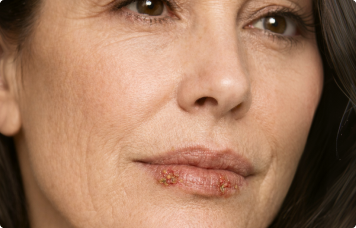
Cold sores are small, fluid-filled blisters that usually appear on or around the lips. They are caused by the herpes simplex virus, which most people carry, and they tend to come back from time to time, often starting with a tingling, itching or burning feeling before the blister appears.
Cold sore-prone lips are lips that are more likely to develop cold sores, especially when they are dry, chapped or run down. Cold sores are a viral condition, so they cannot be cured, and if yours are frequent, severe or spreading, it is worth speaking to a pharmacist or GP. Alongside any treatment, keeping the lips well nourished and protected is sensible daily care, since dry, cracked lips are more vulnerable.
Tingle: a tingling, itching or burning feeling on the lip, often the first sign.
Weeping: the blisters burst and can become sore or weep.
Healing: the scab clears and the skin recovers, usually within a couple of weeks.
Blister: small, fluid-filled blisters appear, usually on or around the lips.
Crusting: the area dries out and forms a scab or crust.
Recurrence: the virus stays in the body and can flare again when you are run down or exposed to triggers.
Cold sores usually clear on their own, but see a pharmacist or GP if they are severe, last more than two weeks, keep coming back, spread, or affect your eyes.
Being run down, tired or unwell
Strong sun and UV exposure
Hormonal changes, such as around your period
Stress and emotional strain
Cold, wind and dry weather
Lip injury, or very dry, chapped lips
You cannot always avoid these, but keeping lips nourished and protected, especially in sun, wind and cold, is sensible daily care for cold sore-prone lips.
What to look for
- A nourishing daily lip balm, used morning and night
- Naturally derived, gentle ingredients
- Extra protection in sun, wind and cold
- A soothing option to reach for at the first tingle
- Fragrance-free or gently, naturally scented formulas
What to avoid
- Letting lips get dry, chapped or cracked
- Picking at or touching a cold sore
- Sharing lip products, cutlery or towels during an outbreak
- Harsh, drying or heavily fragranced lip products
- Waiting until an outbreak to start caring for your lips
Why we recommend LipQ for cold sore-prone lips
LipQ is our lip care range developed specifically for cold sore-prone, dry and sensitive lips. It takes a gentle, everyday approach, nourishing and protecting the lips with naturally derived ingredients rather than harsh actives. LipQ is vegetarian and made in Britain.
At the heart of the range is liquorice root extract, a natural source of glycyrrhizic acid, the compound studied in relation to cold sores, alongside nourishing plant oils and protective waxes. The LipQ Liquorice Balm has been trialled with the Herpes Viruses Association.

LipQ benefits


Vegetarian and cruelty-free. Free from parabens, added perfume, SLS and MI, and made for cold sore-prone, dry and sensitive lips.


Designed as everyday protective care for cold sore-prone lips, to keep them soft, nourished and protected, used every day rather than only during an outbreak.


Built around liquorice root extract, a natural source of glycyrrhizic acid, the compound studied in relation to cold sores.


Nourishing plant oils and protective waxes soothe, soften and hydrate dry, chapped and sensitive lips.


The LipQ Liquorice Balm was tested in a double-blind, placebo-controlled study carried out with the Herpes Viruses Association.


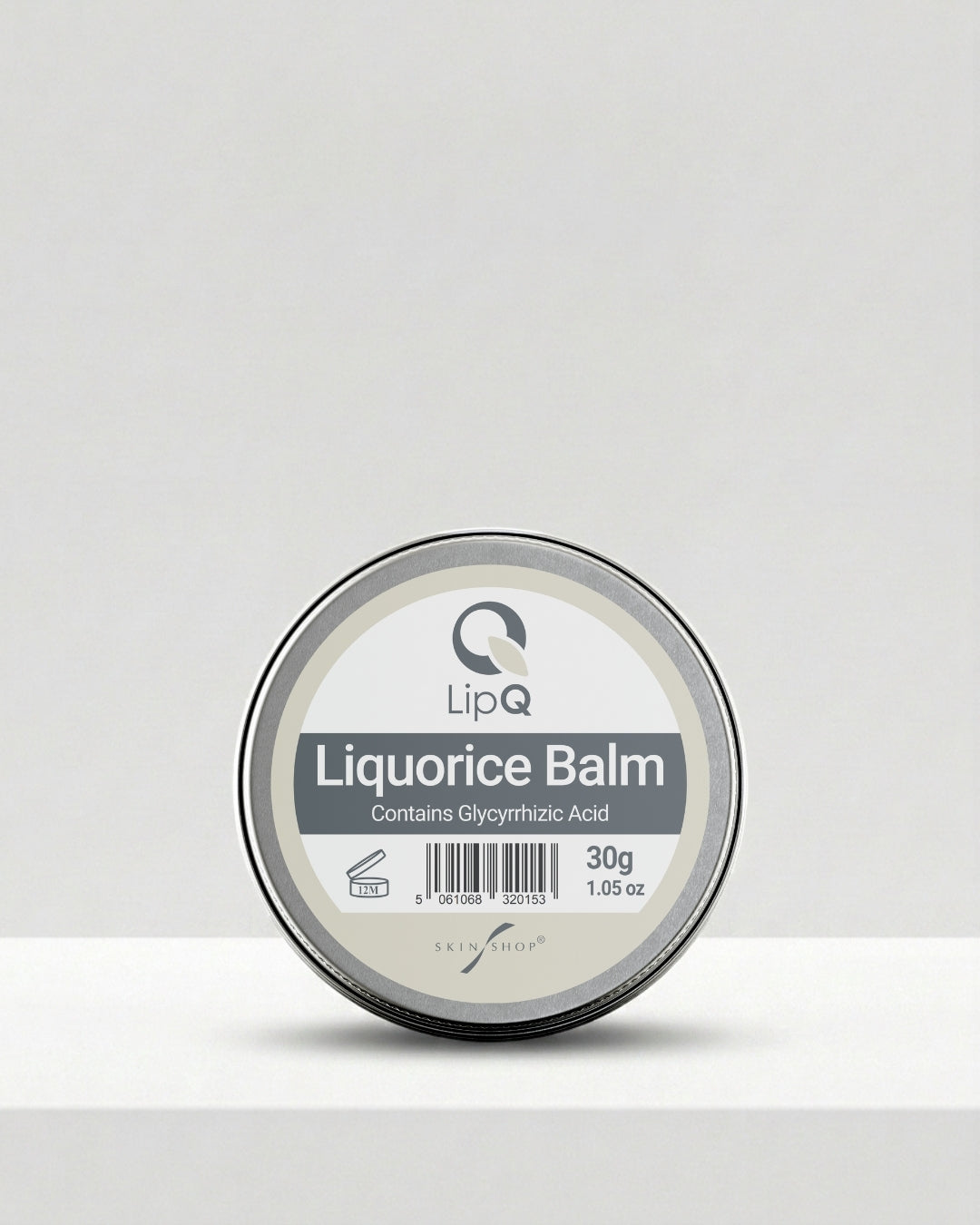
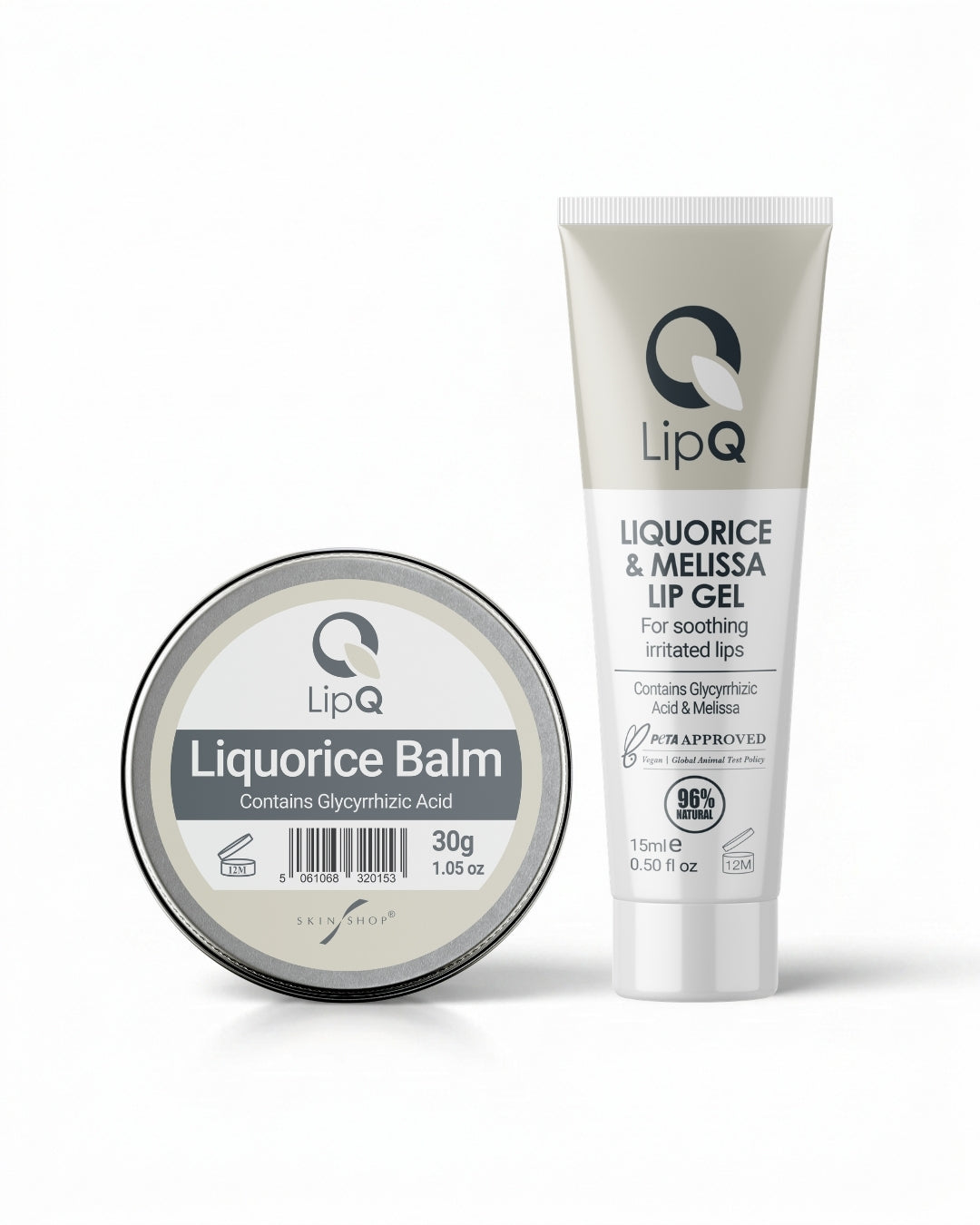
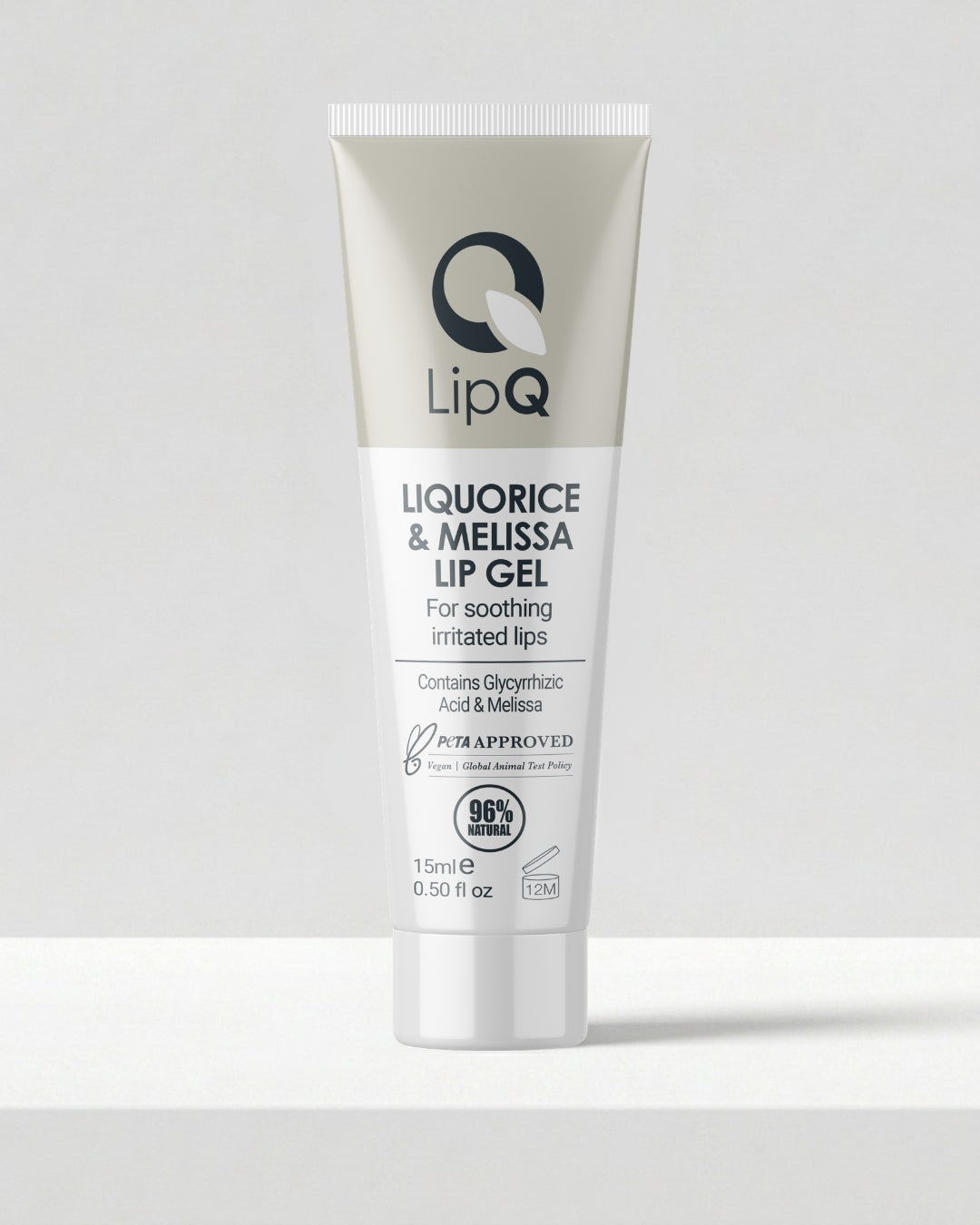
A daily Liquorice Balm to protect cold sore-prone lips, and a Liquorice & Melissa Lip Gel to reach for at the first tingle.


A smooth balm with a gentle, natural liquorice scent from aniseed oil, and a light, fast-absorbing gel, both gentle enough for daily use.


Not only for cold sore-prone lips. LipQ Liquorice Balm is a nourishing daily balm for anyone with dry, chapped or sensitive lips, in sun, wind and cold weather.
A simple daily routine for cold sore-prone lips

(every day)
Smooth a thin layer over your lips morning and night, and reapply whenever they feel dry or when lips are more vulnerable, such as in cold, wind or sun, or when you are run down. Made for daily use, including between outbreaks.
LipQ Liquorice & Melissa Lip Gel
(when you feel one coming)
Apply at the very first tingle of a cold sore, then 2 to 3 times a day until it settles. Like the balm, it is made with liquorice extract, in a fast, targeted gel.
Used together, the daily balm and the rescue gel are the complete LipQ routine.


Real results from real customers

Cold sore-prone lips do best with gentle, consistent daily care. Keeping the lips soft, nourished and protected, especially in sun, wind and cold, supports lips that are more vulnerable to dryness and cracking. I recommend the LipQ range because it is built around liquorice and nourishing plant oils to soothe and protect cold sore-prone lips every day, alongside any treatment from a pharmacist or GP.
Cold sores are caused by the herpes simplex virus and cannot be cured. If your cold sores are frequent, severe, last more than two weeks, spread, or affect your eyes, please speak to a pharmacist or GP. LipQ is daily lip care designed to soothe and protect the lips, and is not a treatment for the virus.
Cold sores and lip care: frequently asked questions
1. What causes cold sores?
Cold sores are caused by the herpes simplex virus, usually HSV-1. Most people carry the virus, and once you have it, it stays in the body for life and can reactivate from time to time, often when you are run down, stressed or exposed to strong sun.
2. Are cold sores contagious?
Yes, cold sores are contagious, especially while blisters are present and weeping. Avoid kissing and sharing lip products, cutlery, cups or towels during an outbreak, try not to touch the sore, and wash your hands often to avoid spreading it.
3. Can cold sores be cured?
No. Because they are caused by a virus that stays in the body, cold sores cannot be cured, though they usually clear on their own. Antiviral creams or tablets from a pharmacy can help with an active outbreak, and keeping lips nourished and protected is sensible daily care in between.
4. What is the first sign of a cold sore?
The first sign is usually a tingling, itching or burning feeling on the lip, often a day or so before a blister appears. This is known as the tingle stage, and it is the point at which many people reach for a soothing gel.
5. How long do cold sores last?
A cold sore usually clears on its own within about two weeks, moving through the tingle, blister, weeping, crusting and healing stages. If yours lasts longer than two weeks or is unusually severe, see a pharmacist or GP.
6. What triggers a cold sore?
Common triggers include being run down or unwell, stress, strong sun and UV, cold and windy weather, hormonal changes such as around your period, and lip injury or very dry, chapped lips. Triggers vary from person to person.
7. How does liquorice relate to cold sores?
Liquorice root extract is a natural source of glycyrrhizic acid, the compound that has been studied in relation to cold sores. LipQ combines liquorice with nourishing oils and protective waxes as daily care for cold sore-prone lips, and the Liquorice Balm has been trialled with the Herpes Viruses Association.
8. Is LipQ a treatment for cold sores?
No. LipQ is daily lip care, not a medicine, and it is designed to soothe and protect cold sore-prone lips rather than to treat the virus. For an active outbreak, an antiviral treatment from a pharmacy may help, and the LipQ Liquorice & Melissa Lip Gel is a soothing option to reach for at the first tingle.
9. When should I use the balm, and when the gel?
Use the LipQ Liquorice Balm every day, morning and night, including between outbreaks, to keep lips nourished and protected. Reach for the Liquorice & Melissa Lip Gel at the very first tingle, then two to three times a day until it settles.
10. Can I use LipQ every day, even between cold sores?
Yes, and that is exactly how it is designed to be used. Because it is made from naturally derived ingredients, the balm is gentle enough for daily use, and using it consistently is the best way to keep cold sore-prone lips cared for.
11. Can I use LipQ on ordinary dry or chapped lips?
Yes. Although it is made for cold sore-prone lips, the LipQ Liquorice Balm is also a nourishing daily balm for anyone with dry, chapped or sensitive lips, in sun, wind and cold weather.
12. Does LipQ contain SPF or protect against the sun?
No. LipQ does not contain SPF and does not claim to protect against UV. Because sun is a common trigger, keeping lips nourished and protected outdoors is sensible, but for sun protection you should use a dedicated SPF lip product alongside it.
13. Is LipQ vegan, and is it suitable for sensitive lips?
LipQ is vegetarian rather than vegan, as the balm contains beeswax. It is free from parabens, added perfume, SLS and MI, and is made for sensitive lips. As the balm contains sweet almond oil, please check the ingredients and patch test first if you have a nut allergy.
14. Can using a lip balm cause a cold sore?
No, a lip balm does not cause cold sores. Cold sores are triggered by the virus, often when you are run down, stressed or in the sun, so an outbreak can occasionally happen to coincide with starting any new product. If your lips feel irritated, stop using it and patch test before trying again.
Explore other skin concerns