Skin Facts & Advice
Guidance for confident skincare choices
Eczema
What is Eczema? 6 July, 2007 Eczema, or dermatitis as it is sometimes called, is a group of skin conditions which can affect all age groups.In the UK, up to one fifth of all children of school age have eczema, along with about one in twelve of the adult population. The severity of the disease can vary. In mild forms the skin is dry, hot and itchy, whilst in more severe forms the skin can become broken, raw and bleeding. Although it can sometimes look unpleasant, eczema is not contagious. With treatment the inflammation of eczema can be reduced, though the skin will always be sensitive to flare-ups and need extra care. What different types of eczema are there?There are several different types of eczema, many of which look similar but have very different causes and treatments. The first step in effective treatment of eczema is a correct diagnosis. It is very important to see a general practitioner in the first instance, who may make a referral to a specialist dermatologist for further diagnosis and treatment.Atopic eczema – is the commonest form of eczema and is closely linked with asthma and hayfever. It can affect both children and adults, usually running in families. One of the most common symptoms of atopic eczema is its itchiness (or pruritis), which can be almost unbearable. Other symptoms include overall dryness of the skin, redness and inflammation. Constant scratching can also cause the skin to split, leaving it prone to infection. In infected eczema the skin may crack and weep (‘wet’ eczema). Treatments include emollients to maintain skin hydration and steroids to reduce inflammation. Allergic contact dermatitis – Develops when the body’s immune system reacts against a substance in contact with the skin. The allergic reaction often develops over a period of time through repeated contact with the substance. For example, an allergic reaction may occur to nickel, which is often found in earrings, belt buckles and jeans buttons. Reactions can also occur after contact with other substances such as perfumes and rubber. In order to prevent repeated reactions it is best to prevent contact with anything that you know causes a rash.Irritant contact dermatitis – This is a type of eczema caused by frequent contact with everyday substances, such as detergents and chemicals, which are irritating to the skin. It most commonly occurs on the hands of adults and can be prevented by avoiding the irritants and keeping the skin moisturised.Infantile seborrhoeic eczema – A common condition affecting babies under one year old, the exact cause of which is unknown. Also referred to as cradle cap, it usually starts on the scalp or the nappy area and quickly spreads. Although this type of eczema looks unpleasant, it is not sore or itchy and does not cause the baby to feel uncomfortable or unwell. Normally this type of eczema will clear in just a few months, though the use of moisturising creams and bath oils can help to speed this along.Adult seborrhoeic eczema – Characteristically affects adults between the ages of 20 and 40. It is usually seen on the scalp as mild dandruff, but can spread to the face, ears and chest. The skin becomes red, inflamed and starts to flake. The condition is believed to be caused by a yeast growth. If the condition becomes infected, treatment with an anti-fungal cream may be necessary. Varicose eczema – Varicose eczema affects the lower legs of those in their middle to late years, being caused by poor circulation. Commonly the skin around the ankles is affected, becoming speckled, itchy and inflamed. Treatment is with emollients and steroid creams. If left untreated, the skin can break down, resulting in an ulcer. What treatments are there for eczema? Emollients – Emollients are necessary to reduce water loss from the skin, preventing the dryness normally associated with eczema. By providing a seal or barrier, the skin is less dry, itchy and more comfortable. Testing a small amount on the skin first is advisable, as emollients contain substances to which some people are sensitive. Emollient product reviews for eczema. Topical steroids – When eczema is under control only emollients need to be used. However in flare-ups, when the skin becomes inflamed, a steroid cream may be needed. Steroids act by reducing inflammation and are used in most types of eczema. Topical steroids come in four different strengths, mild, moderately potent, potent and very potent. The strength of steroid cream that a doctor prescribes depends on the age of the patient, the severity of the condition and, the size of the area and part of the body to be treated. Topical steroids are applied thinly to the affected area, as directed by the prescribing doctor. Many people have concerns regarding the use of topical steroids and their side-effects. Reported side-effects have been largely due to the use of very potent steroid preparations over long periods of time.
Learn moreTen Natural Ways To Boost Your Energy
A busy life-style or lack of sleep? Are you often left feeling like you need a boost so you can take better advantage of the day ahead of you? Fortunately, there are things we can do to improve our energy levels, like making small changes to our diet, exercising when we can and maintaining stress levels. Follow these ten natural steps to boost your energy 1. Learn to Breathe Correctly This may sound stupid, but many people don't actually breathe properly. Your stomach should go out when you inhale and in when exhaling. When you are not breathing correctly, you can reduce the amount of oxygen you take in by up to one/third, and clearly we need oxygen to breathe. A lack of sufficient oxygen going to the cells of the brain can turn on our sympathetic nervous system, our "fight or flight" response can take effect and this makes us tense, anxious, irritable, and depressed. Many types of meditation exercises focus on breathing as a way of boosting energy. This simple meditation exercise will help you relax while also breathing correctly: Squat, resting your buttocks on your heels. Straighten your back, put your hand on your hips and inhale deeply. Hold for a few seconds, then exhale for as long as you can, contract your abdominal muscles and hold for five seconds. Repeat 2. Detoxify Through Liquids Cleansing the system through liquids is an effective way of flushing out toxins in your body. This allows the body to function way more efficiently while boosting energy levels. Try to cut out all stimulants and caffeinated drinks such as coffee, tea, alcohol and fizzy drinks, for at least two weeks. Instead, drink plenty of water, up to three pints a day and drink cleansing teas such as camomile, mint and grapefruit. You might also want to take a Milk Thistle supplement, which helps aid the detoxification of the liver. 3. Curb your Carbs Eating large amounts of stodgy carbohydrates such as bread, rice and pasta makes our digestive system have to work much harder. Carbohydrates do give us energy by providing glucose, but they can also over-burden the digestive system if we eat too many. Try cutting down by roughly 50% on carbohydrates you may eat on a regular basis. Use substitutes like lean white meat or fish, accompanied by as many green vegetables as possible, with fruit for pudding. For breakfast, try to combine high protein such as yoghurt, eggs or fish with a small amount of carbohydrate and fibre such as porridge, granola, wholemeal bread or fruit. 4. Reduce your Sugar Intake If you believe sugar gives you a boost of energy, you are highly mistaken. Eating too much sugar makes you incredibly sleepy (and not to mention bloated). This is because high sugar consumption prevents the production of Orexin, which is the chemical in the brain that gives us the feeling of being awake. Sugary foods can also have a negative effect on our skin, when your blood sugar spikes, your body makes insulin. Studies have shown that an increase of insulin in your body influences your skin to produce more sebum, which can clog pores and trigger acne. By cutting down on your sugar intake you will be taking a major burden off your metabolic system, which will give you more energy. Cut out processed sugar foods such as biscuits, cakes and pastries and focus more fruit as a means of getting your sugar fix. As well as making us sleepy, research has also shown that an over consumption of sugar can lead to cancer and can damage our immune system. 5. Increase your Minerals Nothing in the body can work without minerals, and often the reason we lack energy is because we are not absorbing enough essential minerals from our food. The main minerals we need everyday are calcium, iron, magnesium, chromium and zinc. You can find many of these minerals in nuts and seeds. Chromium, one of the most important minerals, is found mostly in whole foods, as well as asparagus and mushrooms. Many minerals are also found in green vegetables. For example, spinach is rich in iron, and magnesium is in cabbage and broccoli. But it is actually quite difficult to get the correct amount of minerals every day, so you may want to consider taking a daily mineral supplement that contains the essential minerals. 6. Eat less, more often Large meals tend to leave you feeling tired afterwards as the body is working hard to digest a lot of food in one go. Try eating five small meals or snacks a day instead of three large meals. This way you will preserve more energy, as well as reducing periods of energy dips during the day. We naturally have energy dips when our food energy has worn off. These dips tend to occur at about 11am and 3pm. So by shortening the time between meals, you are more likely to avoid these dips and feel more energised throughout the whole day. 7. Help your Bowels Sluggish bowels are a major cause of energy loss. To help your bowel function more efficiently, increase your intake of fibre, but remember not to do this through too many carbohydrates. Get your fiber from fruit, lentils, beans, seeds and lightly boiled or steamed vegetables. Also, try taking an acidophilus supplement, which will restore the level of good flora (friendly bacteria) into your gut. Good flora may deplete due to a number of reasons such as food intolerance, excess alcohol, antibiotics, a stomach bug or a intestinal fungal infection. Here’s 4 diet changes you can make to help your bowels out: Eat more fresh fruits and vegetables, either cooked or raw, and more whole grain cereals and breads. Dried fruit such as apricots, prunes, and figs are great too, and are especially high in fiber. Drink plenty of liquids, unless you have heart, blood vessels, or kidney problems. But be aware that some people become constipated from drinking large amounts of milk. Some doctors recommend adding small amounts of unprocessed bran (miller's bran) to baked goods, cereals, and fruit. Some people suffer from bloating and gas for several weeks after adding bran to their diets. Make diet changes slowly, to allow the digestive system to adapt. 8. Reduce your stress Being constantly full of tension can be exhausting. High levels of stress cause your adrenal gland to produce an excess of stress hormones. The production of these hormones improves oxygen and glucose to the muscles, which slows down digestion, repair and maintenance to the rest of the body, leaving you feeling exhausted. Whether it’s your job, family or friends causing you to feel stressed, this can take its toll on how many hours of sleep you get. When your stress levels are high, it can be much harder to fall asleep, and then stay asleep. Also, prolonged stress is known for causing chronic fatigue and in some cases, insomnia. A study in Sweden found that a more stressful work environment significantly increased the risk of insomnia. Here’s how to lower your stress levels with these simple relaxation techniques: Lie down and close your eyes. Starting at your toes first clench them as hard as you can and then relax. Work your way up your body clenching and relaxing different muscles, ending with pushing your tongue as hard as you can against the roof of your mouth and then relax it. It should take about 15 minutes. Also, some visualisation techniques can help too. This simple meditation / relaxation technique can help to manage your stress and can also help with insomnia. 9. Exercise More Exercising is the key to boosting energy levels. By exercising you speed up your metabolism so everything will get digested faster. You also burn more of your food's energy into muscle than fat, which means overall the body becomes stronger and less burdened. Make sure you do some form of exercise that speeds up your heart beat for a good 20 minutes, at least four times a week. At least two of these exercise sessions should be impact exercises such as jogging, skipping or dancing. Also, try some of the energy building techniques such as Tai Chi, Aikido or Yoga. Try exercising in the morning rather than at night as you will find it gives you more energy throughout the day, as chemicals called endorphins are released which keep energy levels high for a prolonged period after exercise. 10. Protect your Immune System When your energy levels are low it means that your immune system is likely to be low too, and that is the prime time to get ill. Protect yourself by taking a few crucial immune-boosting supplements such as echinacea, garlic and also vitamin C. However, the best immune booster is sleep, get plenty of it and stay away from late night parties for a few weeks to let your body recover. We’re sure your energy levels will be boosted after you try these simple changes to your lifestyle. Is your skin feeling the repercussions of you not getting enough sleep? Try Skin Shop’s Clarol Conceal & Shield Concealer to hide those tired eyes! Our products are 100% cruelty free and dermatologically tested, this concealer is suitable to use if you suffer from acne and rosacea.
Learn moreHow to get rid of cold sores quickly
Find out how to get rid of cold sores quickly by knowing the causes, symptoms and treatments Cold sores are also referred to as “fever blisters” or “oral herpes” as the virus that is responsible for them is Herpes Simplex virus type 1 (HSV-1). They typically appear on the lip and look like tiny clusters of fluid filled blisters, however they are not always isolated in this region. This skin condition is very common, between 65 to 90 percent of people have been infected at one time in their lives, typically during teen years. However, the most susceptible to the virus are newborns and young children due to their immune system not being as strong. What causes cold sores? Cold sores are caused by the herpes simplex virus. The first cold sores usually occur in childhood. The virus infects through the moist 'inner' skin that lines the mouth. It is commonly passed on by skin contact such as kisses from a family member who has a cold sore. After the first cold sore infection, the herpes simplex virus settles in a nearby nerve sheath and remains there for the rest of your life. For most of the time, the virus lies dormant (inactive) and causes no symptoms. However, in some people the virus becomes 'active' from time to time. When activated, the virus multiplies and travels down the nerve sheath to cause cold sore blisters around the mouth. Some people have cold sores often, others only now and then. It is not clear what causes the dormant herpes virus to become active. What triggers a cold sore? Illness Cold sores may occur during feverish illnesses such as colds, coughs, and flu. Menstruation Cold sores are common around the time of monthly periods. Stress Cold sores can be triggered by a weaker immune system or just being 'run down'. Sunshine Strong, direct sunlight may trigger cold sores in some people. What are the symptoms of cold sores? The signs of a cold sore may include a tingle or itch before the blisters appear, usually around your lips or nose. This can last several hours, or up to a day or so. After the tingle, one or more blisters appear which are usually sore. They may weep and take several days to scab. The scab slowly disappears over a week or so leaving no scar. Some virus will remain dormant in the nerve sheath ready to cause another cold sore sometime in the future. The stages of a cold sore are: You have a tingling, burning, or itching feeling. About 12 to 24 hours later, blisters form. The area becomes red, swollen, and painful. The blisters break open, and fluid comes out. This usually lasts 2 or 3 days. A scab forms on the sore. It might crack or bleed. The scab falls off and the cold sore heals. How to treat cold sores Find out how to get rid of cold sores quickly with the best ways to treat cold sores: Natural cold sore treatments An ingredient in liquorice called glycyrrhizic acid has shown to turn off the herpes simplex virus which is responsible for cold sores. Skin Shop’s LipQ Liquorice lip balm is a super smooth and natural lip treatment for people who suffer from cold sores. Medical cold sore treatments Pain can be eased by painkillers such as paracetamol or ibuprofen. A pharmacist can advise a soothing cream or gel. Antiviral medication creams. You can buy these at pharmacies or get them on prescription. These do not kill the virus, but prevent the virus from multiplying. They have little effect on existing blisters, but may prevent them from getting worse. So, if you use an antiviral cream as soon as symptoms start then the cold sore may not last as long, and may be less severe. There is debate as to how well these creams work. Some people say that they help a lot to limit symptoms. Others feel they make little difference. Lifestyle changes you can make to get rid of cold sores: 1. Wear SPF on the lips The most common trauma to your lips is excessive sun exposure. The lips suffer from the effects of the sun in the same way as the rest of your body. Even a small amount of sunlight can be a sufficient trigger in some people. So avoiding too much sunlight or wearing an SPF on your lips can be a good precautionary move if you find that sunlight triggers your cold sores. 2. Change your diet Other traumas can include certain types of food such as spicy foods or certain types of fruits which can sting the lips with the fruit acids in their juice. Although fruits and especially the naturally occuring vitamin C inside of them are excellent for a robust immune system which also plays an important role in reducing outbreaks. A healthy immune system will help to reduce the activation of the herpes simplex virus. 3. Maintain a healthy immune system People often find they have an outbreak when they are run down, stressed or suffering an emotional upset. All these causes are linked to the immune system. So good sleep, moderate exercise and a healthy diet can for some people be enough to reduce cold sores outbreaks dramatically. Shop the LipQ range for cold sores on our website If you suffer from cold sores and want to find out more information regarding our products, check out our LipQ range on our website here.
Learn moreHow To Spot The Signs of Frostbite
Could you spot the signs of frostbite if you saw it? You might think frostbite is only something to worry about if you are scaling Everest, but incidences of frostbite are on the rise in the UK due to possible freezing weather conditions during winter. So, with the colder months creeping in, it may be useful to know how to spot the signs of frostbite. Find out how to spot the signs of frostbite along with the treatment and prevention methods Older people and young children are particularly at risk from frostbite, and fingers, toes, noses and ears are the most susceptible to damage. So it’s important to know what frostbite looks like and catch it before it causes any permanent damage to the skin. When body tissues are frostbitten, skin cells become damaged, sometimes permanently. It can only take a few minutes for skin to become frostbitten if the temperature falls below 20 degrees Fahrenheit, which can often happen with the addition of the wind-chill factor in the UK, especially the further north you go. What are the signs of frostbite? Limbs or exposed skin feeling numb or hard Skin looking white, waxy or greyish in colour Skin tingling close to the site of the frostbite Pain in the area of the frostbite prior to numbness Check every half an hour for any of the above signs Frostbite Treatment: 1. Seek medical attention immediately 2. Get to a warm room as soon as possible 3. Have a warm drink 4. Take off any wet or restrictive clothing 5. Warm the area affected in warm water, but NOT hot water for at least half an hour. The skin with frostbite is numb so putting it in very hot water will mean you will not feel if the skin is being burned. It is important to warm the area slowly, and there may be a great deal of pain as the affected area comes back to life and there may be some swelling of the skin and/or a change in colour of the skin. 6. Do not use dry heat to warm the area like a hair dryer or an electric fire heat, as again the skin may get burned without the sufferer realising. 7. Do not rub the affected area as the skin with frostbite is very delicate and so rubbing may cause further trauma to the skin. How to prevent frostbite: Wear several layers of lighter clothing rather than big heavy jumpers, this helps ventilation of the skin and also improves insulation. Check for gaps in clothing, such as at the lower back or at the gap between sleeves and gloves. With young children, always cover the nose, mouth and cheek area with insulating material, like a neck scarf pulled up, or a balaclava. Always wear a hat as a lot of heat is lost through the head and with young children preferably add a hood over the top of the hat to prevent coldness around the back of the neck. Always wear gloves. Layer gloves so that you have a light cotton or insulated gloves underneath to soak up moisture and sweat and a water resistant or woollen outer glove. For children, mittens are warmer than gloves as the finger can move about more freely inside and keep circulation going. Always wear two pairs of socks, one inner cotton light pair and then an outer thicker woollen or well insulated pair. Alcohol and nicotine both leave the skin more prone to frostbite so try not to drink and smoke just before heading out into cold weather. Have a hot drink and some hot food before going out into the cold. If clothes, gloves or socks get wet, go inside immediately and change into dry ones. * Adapted from materials provided by American Academy of Orthopaedic Surgeons (AAOS) Final Thoughts From Us… We hope our advice helps you when spotting the signs of frostbite early on. Stay safe in the colder weather as Winter is approaching quickly. For more skincare information and advice, visit our website and blogs.
Learn moreThe Effects of Stress On the Skin
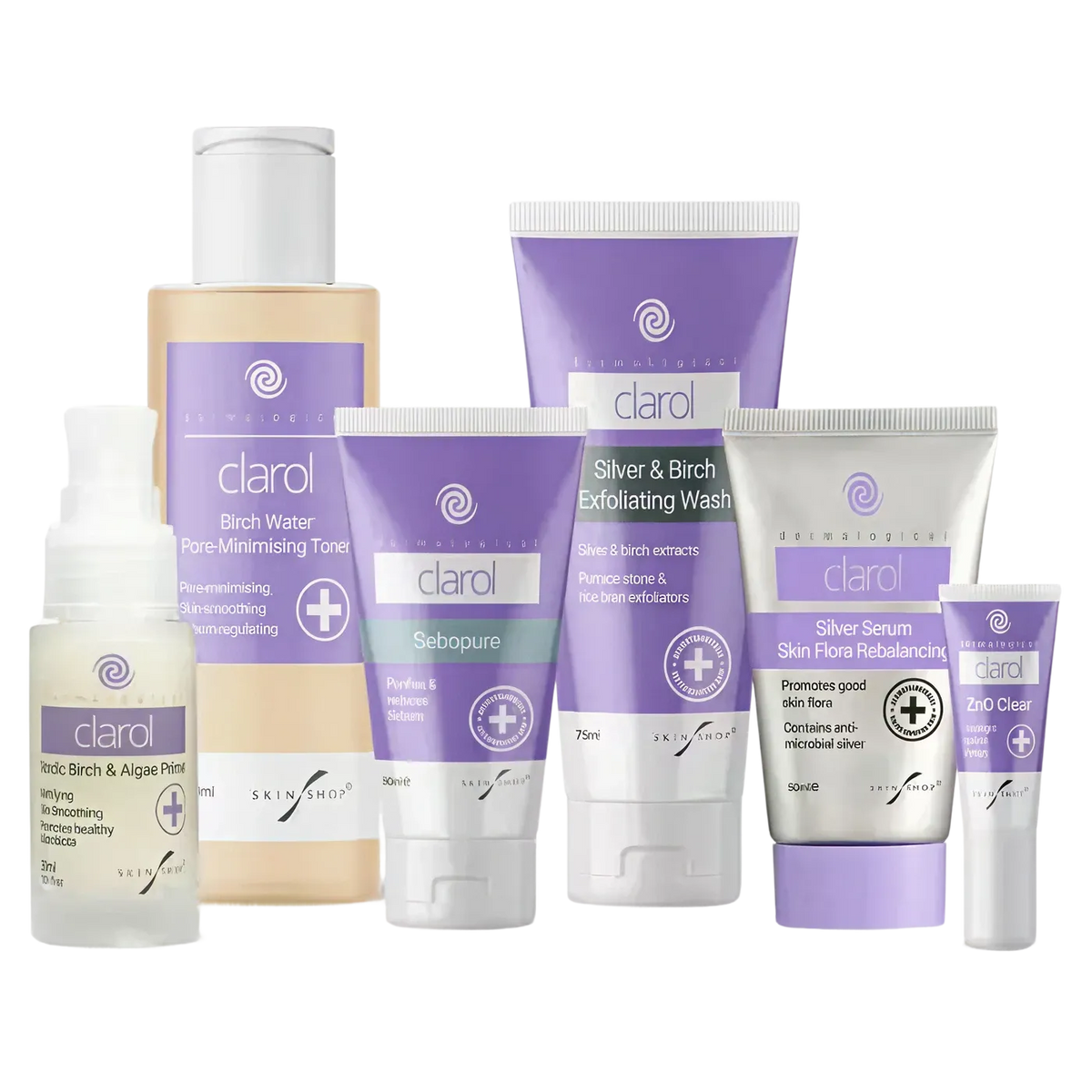
There are certain points in our lives when we feel stress more than others, often the first place that stress shows is in your skin. Find out the negative effects of stress on the skin and how to care for it Stress affects your hormones, elevating Cortisol levels which increase oil levels in your skin. There are two kinds of stress. Emotional stress is the type of stress you experience when you lose your job, or when money worries persist or when relationships go wrong. Physical stress refers to actual stresses on the body like illness, trauma from injury, pregnancy etc. Both types of stress can aggravate skin conditions such as acne, eczema and psoriasis. For those who are prone to acne, the elevated levels of Cortisol will lead to increase in acne outbreaks. It also affects nails. When a person is stressed, they have less of a threshold of pain for coping with itching skin, as well as less focused attention and interrupted sleep patterns and so tend to scratch even more. Some people who are stressed will pick at their cuticles, which damages the nail matrix and leads to ridges in the nails. Picking at the cuticles is known as a 'habit tic'. It causes damage to the growing part of the nail, resulting in ridges in the nail that may take up to a year to grow out. If a stressed person keeps picking at their cuticles, and will end up with permanent nail changes, and ridges, that can't be reversed. In this blog, you’ll find out all the effects of stress on the skin and how to take care of it in 8 easy ways. The effects of stress on the skin and how to take care of it 1. Eat Well Don’t skip meals, a poor diet will only increase symptoms of stress and can potentially affect the skin. 2. Cut Out Caffeine Cut down on caffeine, it's a diuretic and also can make you feel more anxiety and nervousness than you do already if you are stressed. Switch to soothing teas or milky drinks. 3. Lower Your Intake of Alcohol Cut down on alcohol. Alcohol can make your sleep more interrupted and is also a diuretic, so it can dry your skin out further at night. 4. Sleep Well Try and get more sleep than normal, if you are better rested you are better able to deal with stress both emotionally and physically. A good night's sleep will also give your skin sufficient time to repair itself overnight. 5. Exercise More At least 20 minutes of raised heartbeat cardiovascular exercise will help you sleep better as well as increase circulation to your skin and hair. A bit of outdoor ‘sun’ can also help with symptoms of psoriasis. 6. Use Preventative Skincare Take preventative skincare action. Rather than waiting for your skin to break out, recognise that you are feeling stressed and start with a preventative skincare regime to help lessen the severity and frequency of skin outbreaks. Start using ‘treatment’ based skincare products such as Skin Shop’s Clarol range daily designed to help your skin battle the effects that acne can take on the skin. 7. Have Baths Have baths rather than showers. Baths help to soak and soothe irritated skin. If possible also use an ‘anti-itching’ and soothing product in the bath designed for calming sensitive skin. Oats are an excellent product for soothing itchy sensitive skin and there are now specific bath products containing oats available for convenient use. In addition after a bath there is more moisture in the skin so that is an excellent time to apply any treatment creams or emollients as the damp skin will lock moisture in and make the cream more effective. 8. Avoid Perfumed Skincare Avoid as many chemical or perfumed skincare and hair care products as possible. Under stress your already sensitive skin becomes even more ‘reactive’ and sensitive so avoiding products with chemicals and perfumes in will help keep your skin calm. Final Thoughts From Skin Shop... The effects of stress on your skin can really take its toll over time, with our tips you should be able to take care of your skin and control your stress levels while helping keep your skin looking healthy. For more information and skincare advice visit our blog page.
Learn moreWinter Skincare Tips
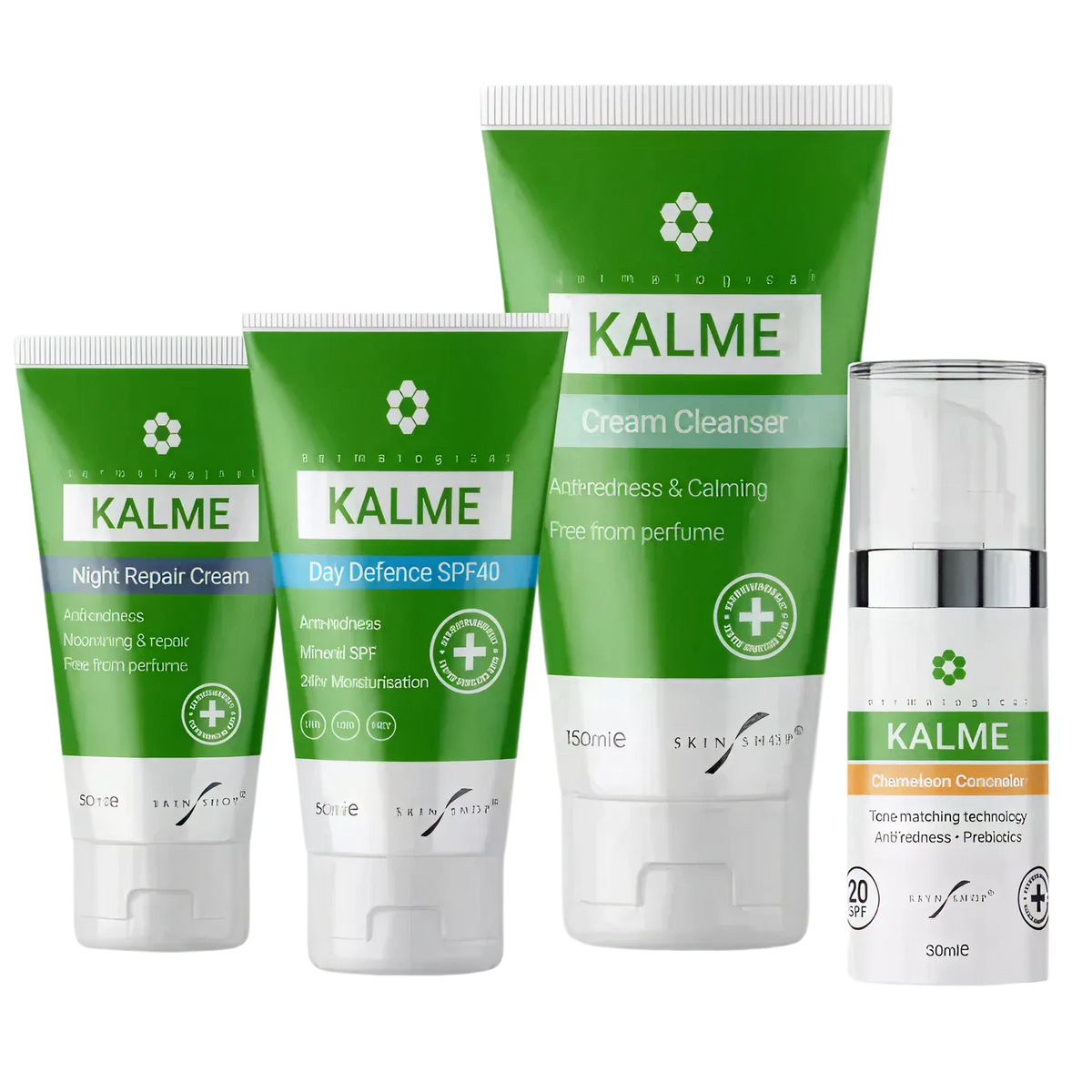
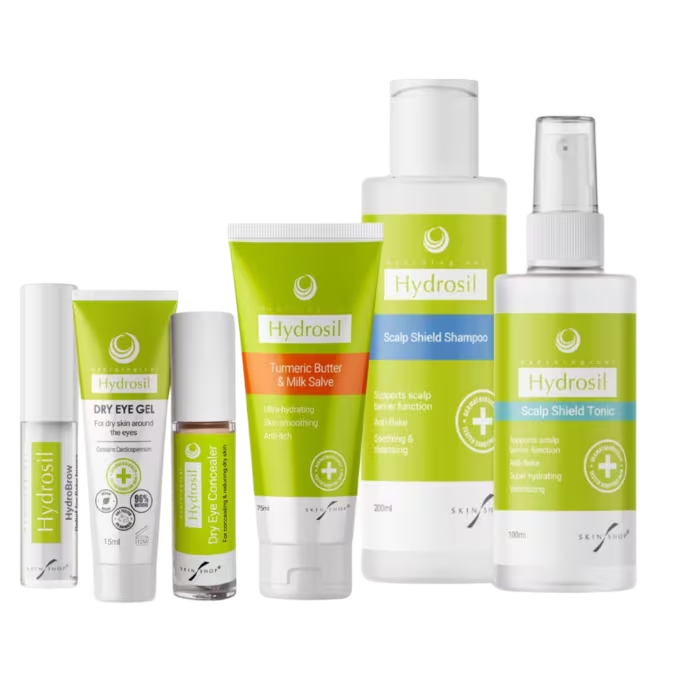
Find out how to protect your sensitive skin with our winter skincare tips Your skincare routine may need to change during winter if you suffer from sensitive skin. Sensitive skin can be caused by a number of different factors, and sometimes not always the same ones. If you have sensitive skin, it’s likely that you may be suffering from perhaps more than one condition that can trigger sensitive skin problems, especially during the colder months. Find out the ways you can protect your sensitive skin with our winter skincare tips. Here’s how to protect and treat your sensitive skin with our winter skincare tips: 1. Winter Skincare Tips for eczema Autumn and Winter are the typical times for eczema to flare up because we tend to start wearing heavier clothing and staying indoors more. Sweat and irritation from heavier clothes are a common trigger to flare ups. Eczema is most common in children, but unfortunately, some cases of eczema persist into adulthood. In a survey undergone by Allergy UK, it showed that 88% of patients said that the management of this condition affects their everyday life. How to treat eczema during winter While there is no definitive cure, doctors often prescribe topical or oral steroids to treat eczema. However, the use of steroid creams and products is only recommended for short term use. You can do your part at home by starting with a gentle daily skincare regimen in the colder months that includes daily use of non-steroid products to relieve itchiness and dryness and prevent yourself from scratching. Skin Shop’s Hydrosil Dry Skin Gel contains Cardiospermum, which is a plant that helps to calm irritated and itchy skin. This gel is a lightweight and non-sticky gel that brings immediate relief to areas affected by eczema. 2. Winter Skincare Tips for Rosacea The colder months are a common time for rosacea flare-ups. Rosacea is a sensitive skin condition that causes permanent redness across the nose and cheeks and small pussy rash-like spots and dryness. Sudden changes in temperature, wind and stress are all triggers for rosacea, as is spicy food and alcohol, in particular red wine. Autumn/ Winter are times of heightened stress, dramatic temperature changes and changes in diet, making it a prime time for rosacea flare ups. Rosacea is often mistaken for acne; however, typical acne treatment products can make rosacea symptoms worse. How to treat rosacea during winter Our Kalme skincare range is designed for people who struggle with skin conditions like rosacea. Start treating rosacea before the weather turns even colder and help to get your skin under control before the weather takes over. It’s a good idea to start treating your skin now before the Christmas season kicks in, where typically dramatic changes in diet and increased alcohol consumption can add to the problem. Introduce Skin Shop’s Kalme Day Defence Cream into your skincare routine, which has been featured on the Daily Mail. Our gentle and moisturising cream contains caper extracts that helps combat symptoms of rosacea. 3. Winter Skincare Tips for Psoriasis Psoriasis is an autoimmune disease caused by the overproduction of skin cells. The most common type is plaque psoriasis, which is characterized by raised red patches and silver or white scales that build up and flake off. Psoriasis is made worse by heightened stress levels and the onset of Autumn and colder months are associated with back to school and Christmas stress. How to treat psoriasis during winter While medical steroid treatments do work by reducing inflammation, long-term use can cause more harm than good. Steroid creams can cause premature skin thinning, stretch marks and spots. We recommend using milder options that contain salicylic acid or coal tar. While there is no definitive cure for psoriasis, it’s likely that combinations of treatments that work best for psoriasis. Daily use of milder no-steroid anti-plaque moisturisers for your skin along with the consumption of daily fish oil supplements can significantly improve psoriasis symptoms. Skin Shop’s Oregon Intensive Serum is a conditioning serum that treats small patches of sore, red and scaly skin that take that little bit longer to improve. Psoriasis is a skin condition that needs to be managed on a daily basis rather than only treated during flare ups. 4. Winter Skin Tips for Acne Acne is also another skin condition that is worse during the winter, the damper climate combined with stress can wreak havoc with acne. Believe it or not, acne skin is also sensitive. Many acne sufferers treat their acne by using harsh treatments that not only dry up the skin, but cause more redness and discomfort. How to treat acne during winter The best way to treat acne is to maintain a healthy daily skincare regimen that includes a cleanser, moisturiser and treatment products. Skin Shop’s Clarol Skincare range is made up of gentle and natural products that do not contain any harsh chemical agents. Our Silver Serum is a ‘smart’ anti-bacterial skin treatment that contains a silver ingredient that helps to feed good skin bacteria, whilst killing the bad. Our Final Thoughts about Treating your Skin throughout Winter… So while you may not be able to cure your skin condition or prevent symptoms from returning, you are in control of how you care for your skin, which can make a big difference in the health and look of your complexion during the colder months. If you start following our winter skincare tips now, by the time you get to Christmas and New Year, your sensitive skin should be under control.
Learn moreHow To Treat Blepharitis
Find out the causes, symptoms and how to treat blepharitis If you suffer from rosacea but also experience red, dry, itchy and inflamed eyelids. Then it’s likely that you have a little-known condition called rosacea-associated blepharitis. There is a range of treatments that can reduce symptoms and flare ups, however this eye condition is usually recurrent. In this blog you’ll find out what blepharitis is, the symptoms, causes and how to treat blepharitis. What is blepharitis? Blepharitis is an inflammatory condition that affects the eye area, specifically around the base of the eyelashes can affect anyone at any age. Blepharitis is very common, especially for people who suffer from oily skin, dandruff and rosacea. What are Blepharitis symptoms The main blepharitis symptoms are as following: Itchy eyelids Red eyes Irritated eyes and stingy eyes Flakey and crusty skin around the eyelashes What causes blepharitis? This eye condition is common in people with rosacea, often the two conditions are not associated with each other by doctors. The rosacea-associated blepharitis occurs because the oil glands in the lid of rosacea sufferers releases an oil which leads to swelling of the tiny glands on the eyelids, making eyelids itchy, dry, red & swollen. How To Treat Blepharitis These treatments can help reduce flare ups of rosacea-associated blepharitis and decrease their frequency; note that treatment for blepharitis only relieves symptoms and does not cure the condition. Examples of how to treat blepharitis: Apply warm clean compress to eye lids for several minutes to melt any waxy deposits on lids that may cause blockage and inflammation Cleanse around the eye with a non-chemical, non-perfumed gentle sensitive skin cleanser with a soft, organic cotton pad Skin shop’s Kalme Cream Cleanser is moisturising and water-free, that helps to combat rosacea and is dermatologically approved for sensitive skin. Gently apply non-steroid soothing and anti-inflammatory eye treatment to eye lids Skin Shop’s Hydrosil Dry Eye Gel is a light and non-sticky gel that is used to calm dry and inflamed skin around the eyes. Avoid use of eye make up during blepharitis flare up Some evidence suggests that Omega 3 fish oil or flaxseed oil supplements can help reduce the intensity and frequency of rosacea-associated blepharitis flare ups Visit our website for more information on blepharitis If you are currently suffering from rosacea-associated blepharitis symptoms, check out our range of products to help you treat blepharitis, rosacea and eczema.
Learn moreEye-Mazing – how to work out why you have red, itchy & dry eyelids
Red, itchy, dry and swollen eyelids are very common but the causes are varied, ranging form eyelid eczema to cold sores. The skin surrounding the eye is so sensitive, that often other health conditions will also manifest themselves in the skin around the eye. The key is to identifying the correct cause of the symptoms and treat it with the correct product. If you treat irritated or swollen eyes or eyelids with the wrong product, it can make them a lot worse. Here are some common causes of red, swollen or itchy eye lids; Eyelid Eczema By far the most common reason for red, dry and itchy eye lids is eye lid eczema. Due to the skin around the eye being so sensitive, even if there is no eczema elsewhere on the body, eczema can occur just around the eyes. [quote] Eye lids eczema is usually accompanied by flaking and drying of the skin to the edge and under the eye too as well as flaking and dryness of the eyebrows.[/quote] The actual eye itself is usually not effected, although often people with eye lid eczema have red eye due to eth constant rubbing and itching of the skin around their eyes. How to treat Eye Lid Eczema Prescription corticosteroid eye creams can be prescribed for eye lid eczema, however steroids have been associated with side effects such as increased inner eye pressure (intraocular pressure) leading to glaucoma and damage to optic nerve. Steroids also have been known to cause the eye's natural lens to become cloudy, producing cataracts. Non-steroid alternatives for eye eczema are rare however Skin Shop’s Dry Eye Gel contains natural plant steroids to help bring down redness and prevent itching without the side effects of steroids. Unlike steroids it can be used as often as necessary. Make Up Eye Allergies A very common cause for eye lid allergies is contact dermatitis from make up. Many cosmetics contain irritants (especially those in darker colours and with glitters in). [quote]Mascara can also cause inflammation of the eye lid as it’s easy for bacteria to get into mascara bottles and multiply due to the damp and closed environment of the mascara container.[/quote] How to treat/prevent make up eye allergies Replace mascara regularly, and avoid dark or glittery eye shadows. Cleanse all make up off before bed with a non-chemical non-perfumed cream cleanser for very sensitive skin such a Skin Shop’s KALME Cream Cleanser. Do not use perfumed or chemical eye creams around the eye area. Instead use non-perfumed creams for very sensitive skin. Try applying Skin Shop’sKALME Undercoat around the eyes before applying make up. KALME Undercoat is a chemical-free light moisturising cream that can be used around the eye that contains an ingredient that can decreased skin sensitivity by up to 70% and can help protect very sensitive skin from contact allergies. Blepharitis Blepharitis is often mistake for eye eczema but in fact is a specific eye condition that causes inflammation and infection of the eyelids, eyelid margins, eye lashes, and meibomian glands. It occurs when dirt leads to bacteria in the eyelids. Symptoms include itching, redness and burning of eth eyelids and is sometimes accompanied by a sensitivity to light. Eye allergies can also accompany blepharitis. How to treat Blepharitis Steroids are often not effective for this condition and there is no specific treatment for it. Try Skin Shop’s Dry Eye Gel to help bring down the inflammation and itching on the eye lids. Regularly cleanse eye lids and rims with clean warm water to try and clear any pore blockages. Use natural or OTC eye lubricants if the eye itself is dry. Use antibiotic eye drops if the eye becomes infected. Research also shows that Omega 3 long chain fatty acids help with this condition. Flaxseed Oil is a rich source of Omega 3. Hayfever Hayfever can cause the eye lids to become red and swollen. In addition the constant watering of the eyes with hayfever can cause the skin around the eye to become very dry and irritated. Hayfever also makes the actual eye itchy and so frequent rubbing of the skin around the eyes can also cause irritation and dryness. Howe to treat hayfever Antihistamines are the most common way to treat hayfever but try to avoid those containing Diphenhydramine, which can dry the eyes out and make itching worse. [quote]Eye drops and tablets are always prescribed for hayfever but few doctors recommend products to help soothe the irritated and itchy skin around the eyes.[/quote] Skin Shop’s Dry Eye Gel is excellent for dry and itchy skin around hay fever eyes. Or try placing used cold green tea tea bags over eyes while sleeping as green tea has a strong anti-inflammatory action. Contact lens solutions Preservatives in contact lens solutions (in particular Thimerosal) can cause contact dermatitis of the skin around the eye and on the eye lids, causing redness, itching and dryness. How to treat/prevent contact lens solution eye allergies Rinse off with warm clean water any contact lens solution that runs over the skin around the eye immediately after putting contact lenses in. Apply KALME Undercoat to skin around the eye a few minutes before putting contact lenses in to help de-sensitise skin. Shampoos Some eye skin allergies are caused by hair washing products and shampoos. Most shampoos contain harsh preservatives and are highly perfumed. [quote]When washing shampoo typically runs over the face and across the eyes and can cause mild allergic skin reactions in the delicate skin around the eyes and on the eye lids. [/quote] In particular anti-dandruff shampoos that contain strong anti-fungal agents are common triggers for skin allergic reactions. How to treat/prevent shampoo eye allergies Ideally switch to a shampoo & conditioner that is chemical-free and suitable for sensitive or allergy-prone skin. Try Skin Shop’s Dry Scalp Shampoo & Conditioner. Alternatively wash hair separately with hand held shower head making sure little or no shampoo runs over the face or wear swimming goggles in the shower when washing hair to try and protect eye area from exposure to shampoo suds. Antihistamines Antihistamines (in particular Diphenhydramine) can make eyes dry and itchy due to reduced tear production. This in turn causes more frequent rubbing and blinking of the eye which can lead to skin irritation and itchiness around the eyes. How to treat/avoid antihistamine eye allergies Avoid antihistamines with Diphenhydramine in. However if antihistamines are necessary, try and reduce irritation of skin surrounding the eye caused by frequent rubbing of dry eyes. Try Skin Shop’s Dry Eye Gel to reduce surrounding irritation and use lubricating eye drops for the dryness of the eye. Conjunctivitis Conjunctivitis causes both redness of the actual eye itself and itching and redness of the skin around the eye and on the eye lids. It can be caused by either bacteria or viruses. In bacterial infections, the eyes are often bright red and the eyelids stick together, especially in the morning. [quote] Swelling of the eyelids is common due to localised bacterial inflammation.[/quote] A discoloured mucous discharge is often seen. Viral conjunctivitis causes slight redness of the eyes and a glassy appearance from tearing and often causes dryness and itching around the eye due to constant weeping of tears form the eye. How to treat/avoid conjunctivitis Conjunctivitis is highly contagious so keep away from people with it. Usually antibiotic eye drops are prescribed. However if the skin around the eye is also irritated and itchy, try Skin Shop’s Dry Eye Gel. Coldsores [quote]Although most people assume cold sores only effect the lips, in fact the Herpes virus that causes cold sores can also effect the eyes. [/quote] Apart from cold sores, the Herpes virus also causes chickenpox and shingles - all three can affect the eye and cause redness and swelling of the eye lids as well as itchiness around the eye. So if you have a cold sore and sore eyes, the two may be related. How to treat herpes eye irritation Liquorice contains anti-viral agents that are very effective against the Herpes virus. Try drinking liquorice tea. If the skin around the eye is irritated or itchy, try Skin Shop’s Liquorice Balm on the skin around the eye and on the eye lids. Helpful tips to identify different eye conditions; If your eye lids are red and flaky and dry and you have flakes in your eyebrows too, it’s most likely to be eye eczema If your eye itches and is "milky" red, it is most likely an eye allergy. If you eye burns or stings, it is probably dry eye. If your eye lids stick in the morning and is red, it is usually a bacterial or viral infection
Learn more