Skin Facts & Advice
Guidance for confident skincare choices

Reasons Why Men with Rosacea Should Wear Concealer
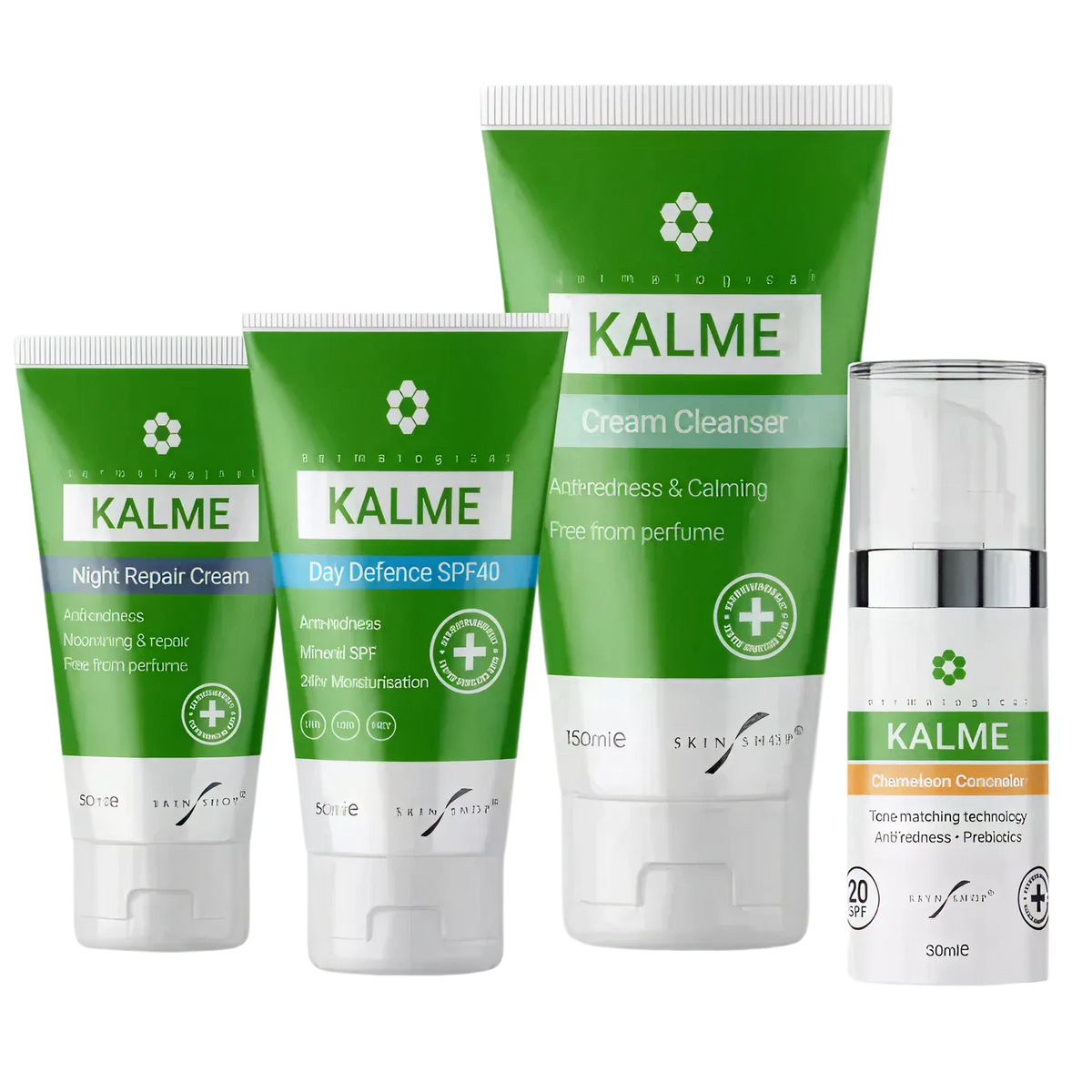
Men using any form of cosmetics is still a taboo to some degree. However men with rosacea should consider the option of a concealer not just for cosmetic reasons but because it could actually help improve the skin condition. Find out the reasons why men with rosacea should wear concealer Rosacea is a skin condition that even when it’s in remission often leaves suffers with blotchy and uneven skin tones. This issue applies to men suffering from the condition too, which is why wearing a daily concealer helps men with rosacea to improve the appearance of this skin as well as help reduce symptoms of rosacea at the same time. Concealers have come a long way these days from the powder based gloopy pore-clogging concoctions of the past. They can be natural looking and they are also much smarter and can actually help your skin recover from various skin conditions as well as making your skin look more evenly toned. Here are 5 reasons why men with rosacea should wear a concealer 1. Protects rosacea prone skin from UV damage Most concealers designed for skin prone to rosacea will contain an SPF for sensitive skin. It’s crucial if you have rosacea, that you wear an SPF daily to protect your highly sensitive skin from UV damage, even when it is not sunny. Sun damage and heat on the skin from sun exposure is the main trigger for rosacea flare ups. A mineral SPF is much better than a chemical filter SPF so look for concealer products with mineral SPF’s. 2. Evens out a blotchy skin tone Even when you don’t actually have a rosacea flare up, skin prone to rosacea often appears blotchy and uneven as it changes temperature during the day. By wearing a concealer, blotchiness is less evident which means you are less likely to try to cool down your skin by splashing your face with water. 3. Stops the spread of bacteria When you wear concealer on your skin it often prevents you from touching your face as you are aware you have a product on. This massively helps reduce bacteria getting into your already dilated skin pprs which can help prevent skin pustules that often are associated with rosacea. 4. Reduces anxiety about a red face A concealer for rosacea will typically contain green tones which cancel out the redness of rosacea. Often when a rosacea sufferer feels their skin going red the stress about how their face looks makes the flare up even worse. An anti-redness concealer hugely cancels out the redness which can make the wearer feel less anxious and stressed about their redness of their skin during a flare. 5. Contains ingredients to improve rosacea Most decent concealers designed for rosacea will also contain ingredients designed to help reduce the symptoms of rosacea such as redness, dryness, sensitivity and inflammation. So unlike normal concealers that can clog your pores, concealers for rosacea actually help repair and calm the skin while also concealing redness and protecting from exterior flare triggers. Our Kalme Chameleon Concealer helps bring back the confidence in men with rosacea Our Kalme Chameleon Concealer is a treatment concealer specially designed for skin prone to rosacea that cleverly evens the skin tone. The concealer is green at first and once rubbed in, it will adjust exactly to the colour of your skin. Chameleon concealer covers redness and leaves skin tone even and natural looking. It’s a very light formula so does not give a look like a normal thicker cosmetic concealer. The Kalme concealer also contains a mineral SPF20, anti redness ingredients and a prebiotic to help repair skin barrier function so it adds another layer of treatment ingredients to further help reduce and calm rosacea. Why not give it a try? You might be pleasantly surprised how much better your skin looks after applying it. Customer Review of Kalme Chameleon Concealer: Rosacea sufferer Bruno, 35, from Hampshire tests out the Kalme Chameleon Concealer SPF20. Bruno says; "I was very sceptical about using a concealer on my skin, I did not want to look like I was wearing makeup. But I have to admit the results were unexpected. My skin looked much more even and less blotchy yet it really didn't look like I was wearing makeup. I have been wearing the concealer every day for a week and the only comment I've had about it so far is how good my skin looks and that was from one of my male mates." Skin Shop’s Final Thoughts... Many men with rosacea who use our Kalme products tell us that people often comment on how amazing their skin looks after using this product, why not give it a try? You can find our Kalme Chameleon Concealer SPF20 here.
Learn moreHoliday Skincare Tips
While your body and mind may love everything that a holiday brings, skin prone to acne or rosacea as well as eczema-prone skin may not react as well.
Learn more
Key Benefits of Donkey Milk for Eczema and Dry Skin
Donkey milk is the most hypoallergenic milk (1) out of all animal milks and is the one closest to human breast milk in its composition. Donkey milk is high in amino acids (2) and antimicrobial proteins (3), which is why it’s so beneficial to skin conditions such as eczema.
Learn moreTypes Of Rosacea And Skin Conditions That Mimic Rosacea
Find out the different types of rosacea along with skin conditions that mimic rosacea Although rosacea is one of the most common conditions treated by dermatologists, it also is one of the most misunderstood. There's no one-stop rosacea cure but knowing more about the different types of rosacea can help with the selection of products to help manage the condition. Rosacea is a chronic skin condition affecting the central parts of the face and is characterised by several symptoms which can all be present in only one or two. These include frequent deep flushing; persistent inflammation, itchiness interspersed with episodes of papules and pustules and frequent dry patches. Other symptoms may include burning or stinging, edema, plaques and ocular manifestations. Who gets rosacea? Rosacea is most commonly seen in adults older than 30 years and is considered to have a strong hereditary component, as it is more commonly seen in individuals of Celtic and Northern European descent as well as those with fair skin. About 30% to 40% of patients report a family member with the condition. However, although these symptoms are all consistent in all types of rosacea, it’s important to know that there are several variants of rosacea as well as some skin conditions that mimic rosacea. What are the different types of rosacea? There are approximate four different subtypes of rosacea: 1. Erythematotelangiectatic Rosacea Characterised with episodic flushing which can last longer than 10 minutes with the central face exhibiting the most intense colour. The redness also may involve the peripheral portion of the face as well as extra facial areas (eg, ears, scalp, neck, chest). Flare ups are mostly triggered by short-term emotional stress, hot drinks, alcohol, spicy foods, exercise, cold or hot weather, and hot water. 2. Papulopustular Rosacea Papulopustular rosacea generally appears with redness of the central portion of the face along with persistent or intermittent flare ups characterized by small papules and pinpoint pustules. The sides of the face and other areas are usually not affected. A history of flushing often is common however flushing is usually milder than in the erythematotelangiectatic subtype. The constant inflammation may lead to chronic edema (swelling) and phymatous changes (bulging of the pores make a bumpy surface to the skin), which occur more commonly in men than in women. 3. Phymatous Rosacea Phymatous rosacea is characterized by marked skin thickening and irregular surface nodularities, most commonly involving the nose, chin forehead, ears and eyelids. The papules and pustules that accompany this type of rosacea are often large and may be accompanied by nasal lesions. This type of rosacea frequently affects people with a history of adolescent acne with scarring. 4. Ocular Rosacea Ocular rosacea usually develops later on after any of the other three subtypes of rosacea are already established. The symptoms of burning or stinging, itching, light sensitivity, and a foreign body sensation in the eyes themselves are common with this type of rosacea. Kalme Rosacea Skin Care Skin Shop’s Kalme skin care range is targeted for people who suffer from rosacea and red skin. The products in this range aim to reduce the skin's reactivity, redness, bumpiness and dry points on the face. Take a look at the skin care range consisting of creams, cleansers and cosmetics. What are the skin conditions that can mimic rosacea? Dermatomyositis & Symptoms Dermatomyositis (DM) is an inflammatory condition characterized by varying degrees of muscle weakness and distinctive skin erythema. However, some patients lack muscular involvement and initially show symptoms of skin manifestations only. This skin condition often appears as a rash on the face with small pustules which can be easily mistaken for rosacea. Other symptoms include nail folds and cutaneous ulcers. Polymorphous Light Eruption & symptoms Polymorphous light eruption (PMLE) is characterised by swelling of the skin, papules and plaques on sun-exposed surfaces. The areas of the skin that are most commonly affected are the face, neck, outer aspects of the arms, and dorsal surfaces of the hands. Lesions may appear immediately but often develop several hours after sun exposure. Symptoms of itching and/or burning usually and unlike rosacea they are temporary. In contrast to rosacea, the onset of PMLE is abrupt, appearing quickly after sun exposure and subsiding within 1 to 7 days. Furthermore, patients with PMLE may experience systemic flu like symptoms after sun exposure. Seborrheic Dermatitis & symptoms Seborrheic dermatitis is a chronic relapsing skin disease most commonly involving sebum-rich areas such as the scalp and face. Similar to rosacea, seborrheic dermatitis appears as swollen patches, papules, or plaques; however, unlike rosacea, the distribution varies from minimal scaliness of the scalp to more widespread involvement on the scalp, eyebrows, ears and upper parts of the shoulders and neck. Although rosacea can also appear as plaques, the plaques of seborrheic dermatitis tend to be greasier in texture. Acne Vulgaris & treatment Acne vulgaris is the most common skin disease in humans and is characterised by inflammatory papules, pustules, and nodules as well as blackheads. Acne vulgaris typically affects the areas of skin with the highest density of sebaceous follicles including the face, upper aspect of the chest, and back. Inflammatory lesions in both acne vulgaris and rosacea may be clinically identical; however, unlike acne vulgaris, rosacea shows a complete absence of blackheads. As a general rule, acne peaks in adolescence, years before rosacea usually becomes prominent. However, some acne patients who are prone to flushing and blushing may develop rosacea later in life. Clarol Natural Acne Skin Care Skin Shop’s Clarol skin care range is targeted to people who suffer from acne. The aim of the range is to strengthen the skin’s acne defences using naturally effective ingredients- helping you to achieve clearer skin. Take a look at the range that consists of toners, serums cleansers.
Learn moreHow to keep your vagina healthy and clean
Keeping vaginal skin feeling soft, flexible and pH balanced is crucial for maintaining good vaginal health. Not only does this improve vaginal comfort and health, it also boosts body confidence. In this blog we look at how to keep your vagina healthy and clean. Top tips on looking after your vagina In a recent survey, it was found that over 50% of women have experienced vaginal dryness and discomfort at some point. Experts say that the reason for this is that along with the rise in more extreme waxing and shaving of the vaginal area, very few women practice a regular skincare routine for their vaginal skin, which results in dryness, micro damage and frequent mild bacterial infections, all of which can lead to vaginal discomfort and painful sex. Women often take very little care when it comes to their intimate skin, even though this area is more delicate and finely balanced than many other areas of skin on the body. Here are several common mistakes that can lead to vaginal discomfort and damage. Go gentle on the cleaning Although there’s an abundance of feminine hygiene washes on the market, many experts believe we shouldn’t be vigorously washing this area too much. The general words of advice from the experts is to avoid heavily perfumed soaps, shower gels and antiseptics, as these can affect the healthy balance of bacteria and pH levels in the vagina, and cause irritation and infection. One product doesn’t fit all General soaps and shower gels are far too harsh for use on intimate skin. Even soap used for washing normal skin should not be used on intimate skin. In addition, intimate areas should be washed separately from general washing with specific products for the intimate areas so ensure no other products enter the intimate areas. Don’t try and mask smell A healthy vagina is doesn’t produce a bad odour. If a vagina is kept healthy it will smell pleasant. Overheating of the vaginal area or old sweat in this area can make for a more intense odour, but this doesn’t mean there is anything wrong. Vaginal odour should be dealt with by washing with appropriate intimate products (which should be un-perfumed), not by using perfumed products to try and mask the smell. If you practice regular vaginal washing in this way but still have a bad odour, you should go and see your doctor. Practice some subtle ‘lady gardening’ Although experts frown upon extreme waxing and shaving for maintaining optimum vagina health, some degree of trimming can be beneficial. It’s important to try and keep the area free from ingrown hairs so some subtle trimming can help. New hairs can become trapped under the skin, leading to pain and inflammation, so regularly buffing the area with a gentle scrub will prevent this. Moisturise every day Just as your skin changes with age, so does your vaginal area – becoming dryer and less plump. Vaginal dryness can lead to discomfort, itchiness and painful sex, and research has found that nearly half of women are affected by it at some point in their lives. Using a daily vaginal moisturiser can help keep intimate skin supple and more hydrated. Look for products that contain prebiotics and antioxidants to help rejuvenate and regenerate vaginal skin. Boost vaginal ‘good bacteria' Like the skin and the gut, the vagina has good and bad bacteria. Over washing with anti-bacterial products, micro damage from sex, dryness and some medications can all reduce the amounts of good bacteria in the vagina which can lead to weaker skin and make the are more prone to bacterial and yeast infections. Products that help boost the levels of good bacteria in the vaginal area can help rebalance the levels of bacteria and improve the condition of vaginal skin. Get the right pH balance Studies have shown that a healthy acidic pH in the vagina can be of significant benefit in preventing recurring, low-grade vaginal infections such as thrush and bacterial infection, both of which tend to thrive in a more alkaline environment. A healthy pH for the vagina is 4.5 or below. Choose intimate products that help maintain the correct pH balance of the vagina. Be intimate with your workouts We often all take regular trips to the gym to improve the look of what is on the outside, but research shows that fewer of us work to improve what is going on on the inside. Pelvic floor muscles give support to your bladder, bowel and vagina and working them out regularly is crucial for optimum vaginal health. Having children is the biggest risk factor, but younger women who haven’t given birth can have weak pelvic floor muscles, too. Being constipated, carrying too much weight, lifting a lot, doing too many sit-ups or aerobic exercises can weaken these muscles. Practising daily pelvic floor exercises can help improve tone and circulation in the vaginal area. In2mate products In2mate products are one of the first ranges of intimate products to contain antioxidants specifically for the vaginal area to help rejuvenate and improve flexibility and moisture retention in vaginal skin. They also contain prebiotics to increase levels of good bacteria in vaginal skin and have the correct pH balance for intimate skin. In2mate products are made from 99.7% naturally derived ingredients and are free from all perfumes. Find In2mate products on Skin Shop's website here.
Learn moreCommon Skincare Mistakes to Avoid
Cleansing is supposed to be the key to good skin. We are all told to do it religiously if we want to keep skin younger looking and healthy. But the way you cleanse and what you cleanse with could actually be giving you bad skin as well as prematurely ageing you. Find out our top 3 worst skincare mistakes to avoid if you are suffering from problem skin. Here are our top 3 worst skin care mistakes and how to avoid them 1. Cleansing Wipes The number one worst skincare mistake is using cleansing wipes to remove makeup. They may be cheap and quick to use but they are the worst at cleaning your face. Very little makeup wipes actually contain the correct ingredients to properly remove makeup and cleanse dirt and bacteria off of your face. Infact, while they fail at removing makeup, they increase the possibility of clogging pores and creating product and bacteria build up. Can makeup wipes be harmful to your skin? Most makeup wipes contain alcohol and the possibility of developing skin conditions like eczema and rosacea are extremely high, cleansing wipes will dry your skin out further due to the alcohol. Cleansing wipes often contain high levels of preservatives to help keep them wet, but these ingredients can be a common trigger for allergic skin reactions. If you are prone to sensitive skin, we recommend to stay away from cleansing wipes as they will increase your risk of an allergic reaction. Using cleansing wipes to remove eye makeup often means having to scrub at the delicate skin around the eye area. The abrasive and synthetic material of makeup wipes makes this motion damaging and may lead to sagging around the eye area. The fluid that is used to keep makeup wipes wet contains harsh chemicals that can leave the eye area red and sore after use. Quick Tip: If you must use a cleansing wipe for eye make removal, leave the wipes sitting over the eye for 10 seconds, then blot or dab the make up off rather than dragging the wipes across the skin. 2. Removing good skin bacteria It’s not well known that skin, like the gut, contains both good and bad skin bacteria. The skin needs good skin bacteria to stay healthy and balanced, while keeping the skin’s barrier protection layer intact. Many cleansing products contain harsh detergents and anti-bacterial agents (basically bleach) that, while effectively killing bad skin bacteria that can lead to spots and inflammation, they also strip the skin of all good skin bacteria. Regularly reducing or removing good skin bacteria from the surface of your skin via a daily cleansing and/or exfoliating routine is another major skincare mistake to avoid. This leaves skin drier, weaker and causes premature ageing. A lack of good skin bacteria allows the bad skin bacteria to take hold and multiply on the skin’s surface. The bad bacteria can easily get into weakened areas of skin from blocked pores, causing puss and inflammation. By over-cleansing and exfoliating too much, the skin’s barrier can become compromised which often makes acne worse. Quick Tip: Exfoliating and cleansing are still very important to your skincare routine, that's why we recommend to cleanse your face at least once a day (especially after exercising or sweating) and exfoliating once a week. This will help to keep your skin clean daily, and to get rid of any excess dead skin cells that linger on your skin every 7 days. Effective Cleansing for your skin The key to effective cleansing is to preserve and nourish good skin bacteria as part of your cleansing routine. That’s why Skin Shop’s Silver Serum is a product that provides that ‘food’ for skin. It contains a special colloidal silver ingredient that promotes good skin bacteria by feeding it what it needs to grow. Silver Serum is very clever as the same ingredient that feeds the good skin bacteria is repellent for bad skin bacteria. The overall result is a growth of good skin bacteria and a reduction in bad skin bacteria, leaving the skin balanced and stronger, as well as reducing spots and blackheads. 3. Cleansing with water It may sound strange, but if you have very sensitive skin, cleaning your skin too often with water can be another skin care mistake you may be making. Many people with skin conditions such as rosacea or eczema often admit to washing their faces several times a day in order to try and help their skin stay clean and fresh. However, if you are suffering from these skin conditions, washing your face twice daily with warm water can actually make your skin worse. Why is water troublesome for sensitive skin? Water evaporates on the skin, making it dry out quickly, meaning that skin prone to eczema or excessive dryness will suffer. In addition, any sudden temperature changes, especially cold to warm as when using warm water during winter time (when the air outside is very cold), can cause skin to flare or react. Water is also, believe it or not, quite a caustic substance, making it fairly abrasive to sensitive skin. If you are splashing water on your face, your fingers come into direct contact with your skin, which may spread dirt or bacteria onto the face from hands or nails. We recommend trying water-free cleansing to help protect and preserve your skin as much as possible if you suffer with extremely dry skin. Cleansing without water and with moisturising agents is the key to keeping skin clean but balanced. Skin Shop’s KALME Water-Free Cream Cleanser is a gentle cleanser that has been dermatologically tested for use on very sensitive skin. It contains a 24-hour moisturising ingredient to keep skin hydrated and supple, as well as an anti-inflammatory ingredient to address any underlying skin inflammation (including spots). The KALME Water-Free cleanser also contains an anti-redness ingredient to reduce redness and flushing. Quick Tip: It’s important to keep the surface of sensitive skin as clean as possible, so the cleanser should be applied gently with a clean cotton wool pad and dirt wiped away in small circular motions, concentrating on the higher cheeks, nose and T-zone (between the eyes most of all). Final thoughts from Skin Shop… If there’s anything to take away from this article, it is to definitely ditch those makeup wipes, slow down the excessive cleansing and invest in some new products that are beneficial for your skin. Scrap those skincare mistakes and improve your skincare routine with our tips. Shop the Skin Shop’s Clarol and Kalme range online here.
Learn moreHow To Get Rid of Adult Acne for Good
Everything You Need to Know About How to Get Rid of Adult Acne Acne is, unfortunately, not a skin problem experienced only by teenagers. Increasingly women in their 30’s and 40’s are developing adult acne, often out of the blue, having not experienced it in their teens. Our blog explores the causes and how to get rid of adult acne for good. What causes adult acne? Dermatologists suggest that the increasing amounts of chemicals and cosmetics we put on our skin on a daily basis. As well as changing hormonal patterns caused by the pill (often coming off it after a protracted period can lead to adult acne), HRT and later pregnancies could be to blame. Stress is also cited as a possible reason for the increase in adult acne as modern women have to juggle demanding careers with childcare. The jury is out on whether diet plays any part in the onset of adult acne, although the frequent radical diet changes from low carb to low fat endeavours of modern women (the average woman goes on 15 diets in a lifetime) to lose weight may also be having a negative effect on skin as radical changes in diet can cause shifts in hormonal balances. But there is no ‘spot on’ answer as to why adult women are becoming spottier, only theories. However, although getting spots in your 30’s seems unfair, unexpected and inexplicable, the good news is there are solutions on how to get rid of adult acne with modern skincare treatment. How to Get Rid of Adult Acne With These Acne Treatments Here are four modern technologies which have been developed for daily maintenance skincare products, as opposed to aggressive temporary antibacterial treatments, for the long term management of adult acne without destroying or drying out skin. 1. Smart Antimicrobials Smart antimicrobials are ingredients that do not kill good skin flora and only target bad skin flora. The skin, like the stomach, contains both good and bad bacteria. The good bacteria is necessary for strong healthy skin and to prevent dryness and premature ageing. Smart antimicrobials are able to distinguish between the two bacteria, leaving good skin bacteria to flourish and multiply, while killing off the bad bacteria. Anti-microbial silver is one of these smart-antimicrobials and is now being used in modern anti-acne products for adult acne as a means of controlling inflammation. Used daily as part of a skincare routine smart antimicrobial treatments can help prevent or lessen acne outbreaks and make outbreaks less severe. Skin Shop's Silver Serum is a new smart-microbial anti-acne treatment containing pure anti-microbial silver. 2. Bacterial Shields These are new ingredients that literally produce an organic ‘shield', over the skin’s surface to prevent bad bacteria from entering. These bacterial shields help create a surface that bacteria find hard to grip on to and so help prevent bacteria growing in the spot or the weakened skin barrier areas. Bacterial shields are made by a special bacterial fermentation process and are known as polysaccharides. One of these bacterial shields that has been developed for use in adult anti-acne skin care products is called Teflose. Derived from the word ‘teflon’ as it forms a Teflon-like anti-bacterial shield over vulnerable areas of acne-prone skin to stop bad bacteria latching on, while not damaging or inhibiting the healthy balance of skin under the shield. Telflose has also been shown to help prevent the formation of biofilms, which dermatologists are now researching as a possible cause of persistent and treatment-resistant acne. 3. Skin Prebiotics Skin prebiotics are literally ‘food’ for good skin bacteria. A skin prebiotic works much the same as a food supplement prebiotic for the gut, except it’s for the skin. Good skin bacteria feeds on the prebiotic and so grows faster making skin stronger and less prone to infection or weakened skin barrier, while bad skin bacteria are reduced as they don’t ‘palate’ the skin prebiotic as well as the good skin bacteria. Skin prebiotics maintain a healthy balance of good and bad skin bacteria which helps skin fight off environmental damage which can lead to weak spots and allow bad bacteria to rush in a multiple leading to spots and inflammation. One of the most recent skin prebiotics is an ingredient called Biolin, which contains five different types of prebiotic that are perfect foods for feeding good skin bacteria. 4. Sebum Preservers Sebum is a protective substance that sits in the pores of the skin to protect it. We produce more sebum due to a number of factors including hormonal fluctuations, stress and to a degree diet. Besides various fatty substances and water, sebum also contains salts, amino acids and urea. Like any other natural substance, sebum rots when exposed to warmth, which is what often makes spots swell up, become painful and go yellow, green or black (blackheads). Sebum is a very attractive breeding ground for bacteria as it has a highly nutritious content for bacteria to feed off so it starts to rot quite quickly. Fresh sebum is almost clear or white. It goes yellow and sometimes green or black when it rots. A new breed of anti-acne products contain special ingredients that act as ‘sebum preservers, so they effectively stop the sebum rotting so quickly and so prevent the formation of swelling. Final Thoughts from Us… We hope this blog has been useful in providing you tips and advice on how to get rid of adult acne. For more information and skincare advice, check out our blogs.
Learn moreBack to work or school? Skin care tips to avoid skin issues
You’ve just come back from a nice summer break out in the fresh air! Suddenly you’re back in a stuffy office or classroom and hit with a ton of new work, coursework and looming exams. Your skin is likely to be the first casualty. Check out top skin care tips below to avoid the skin woes. Skin care tips to protect your skin as you head back to work and school The ‘back to work’ or ‘back to school’ period is when you are most likely to get skin breakouts due to the sudden change of environment, clothing and an increased amount of stress. But if going back to work or school isn't bad enough, getting a skin breakout will only make matters worse. Here is a helpful list of the most common ‘back to work’ and ‘back to school’ skin ailments and the skincare tips to try and avoid them. Protect your skin from skin woes New heavy autumn clothes and school uniforms which are likely to both itch and make you sweat, a hot stuffy office or classroom are all likely triggers for eczema or dry skin breakouts. To combat this try and stick to linen or natural fabric clothes and stay in lighter summer clothes for as long as you can. Also try to avoid having your skin waxed or using a fake tan to prolong your tan for up to two weeks after your return from holiday. It’s also a good idea to avoid having your hair dyed or highlighted for up to two weeks after your return from holiday as the skin on your scalp may have been compromised due to sun exposure. The Hydrosil Dry Scalp Shampoo by the Skin Shop helps to alleviate a dry, itchy scalp. Make sure you are sitting near an open window if the office feels stuffy and hot and get out for a cooling de-stressing walk at lunch time. A preventative measure would be a daily application of a gel such as the Skin Shops Hydrosil Cardiospermum Gel made from an extract of Cardiospermum (balloon vine), a natural treatment for eczema and, if applied regularly, could help reduce or even prevent an eczema flare up. A UK trial on the gel found it to be more effective for some people than steroids in the treatment of eczema. The trial was carried out by a doctor, on 50 people, 28 of whom were previously using steroids for their eczema. The trial found that the Cardiospermum Gel was both more effective and significantly more pleasant to use than all existing treatment the patients had tried, including steroids. Ensure to avoid washing skin with soaps or shower gels as much as possible and carry out a twice a day moisturising routine of the skin for a month after your return from holiday. Combat the cold After a nice relaxing summer holiday returning to your stuffy office or classroom crammed with people and the busy commute to work can mean you are more likely to pick up a cold, which can lead to skin breaks outs and cold sores. To combat this, wash your hands more frequently, especially after a commute to and from work. Carry sterile wipes with you and wipe down your mouth, nose and hands regularly when on public transport or crowded public places and drink plenty of water. For the first month of the ‘back to work’ or 'back to school' period, get early nights as often as possible. Aim for around 8-9 hours sleep a night will build up your immune system and strengthen it for when the real party season kicks in during the run up to Christmas. The power of Zinc It is worth increasing your intake of Zinc. Zinc inhibits viral replication and is believed to prevent cold viruses from attaching to nasal cells. Even a mild deficiency can cause an imbalance in white blood cells, whose job it is to destroy the infective agent. Top up zinc levels by eating wholegrains, nuts and beans and sprinkling pumpkin and sunflower seeds onto breakfast cereal. Cancel out cold sores When you go back to work and are more stressed out, reaching out for less healthy snacks, probably got a cold and you are generally more fatigued so your immune system defense is lowered. This mix is a prime trigger for cold sores and means that going back to work can leave the 30 million sufferers in the UK vulnerable to an attack. It is easy to suggest that you should simply reduce your stress levels, always choose a healthy cereal bar over the muffin and get an early night. However, we all know that in the real world this advice is seldom practical. But a lip balm containing liquorice extract could be any easy way to help reduce the frequency and intensity of cold sore outbreaks. In a recent trial by the Herpes Virus Association, Liquorice Balm was found to be effective in a double-blind trial, carried out by the Herpes Viruses at reducing the severity and duration of outbreaks for over 73% of subjects. Unlike conventional treatments, due to its naturally derived ingredients, sufferers can wear the lip balm at all times, meaning that the intensity of the cold sore outbreaks could be diminished before they really have a chance to take hold. Check out our Lipq Liquorice Balm designed to help protect lips from cold sore outbreaks. Research published in the US Journal of Clinical Investigation has shown that liquorice has the ability to weaken the cold sore virus which lies dormant in the skin between outbreaks. Banish blisters and corns After the summer months spent bare foot on the beach or in flip flops and sandals your feet will have widened slightly and so will probably experience an unwelcome shock when they are forced back into restrictive and uncomfortable work or school shoes. For the first few days back to work when your feet will probably be feeling the worst try Scholl Party Feet. These great gel cushions can be slipped into your shoes and will prevent you from having to hobble around by the end of a long day. A healthier tip is to walk to and from work in nice comfy flats that you are used to wearing and save the power heels for at work only. When you get home treat your feet to a relaxing foot soak with some essential oils (try peppermint and lavender) to soothe, comfort and restore sore feet and to help prepare them for the next day at work. If you’re suffering from muscle and joint pain, try Skin Shop’s Celafen cream. Celafen is a natural product that works by lubricating the cell membranes and repelling inflammatory chemicals responsible for the pain, stiffness and reduced mobility associated with various forms of joint pain. Protect your private areas You’re back in office or school uniform again, this means heavy formal trousers or skirts and nylon tights, which can lead to thrush. Thrush is caused by a yeast-like fungal growth. Yeasts flourish in a warm, moist environment. 1. Clothing Wearing tights, nylon underwear or unbreathable trousers can create such an environment by trapping body heat and perspiration and preventing air from circulating around the genital area. Stick to wearing cotton underwear and stockings instead of tights, avoid tight trousers and pat dry the genital area thoroughly after washing. Avoid using perfumed intimate washes or wipes for up to two weeks after your return from holiday. You can also help to eliminate the thrush by focusing on a few dietary changes. Skin Shops In2mate care range is over 99% natural and works in unison to keep intimate skin cleansed, flexible, lubricated and balanced. 2. Diet You will definitely need to avoid sugar, and any foods containing sugar, as they will promote the growth of yeast. During the most vulnerable first month of the ‘back to work’ period you also need to cut down on foods that contain yeast, and any products that are fermented, such as bread, beer and wine. 3. Supplements You could also try taking ThreeLac, a supplement containing three strains of live lactic acid bacteria (Lactobacillus Sporogenes, Bacillus Subtilis and Streptococcus Faecalis) that work to stamp out yeast infections. ThreeLac has been shown in studies to get rid of candida yeast infections as fast as antibiotics.
Learn moreHow To Treat Thrush with Coconut Oil
Research, carried out at the Athlone Institute of Technology in Ireland and presented at the Society for General Microbiology's conference, found that coconut oil combated a number of different skin and mouth bacteria as well as the yeast that causes both oral and genital thrush. In this blog, you will find out how to treat thrush with coconut oil along with thrush prevention methods. Coconut oil may be the answer in how to treat thrush The scientists concluded that it was the breaking down of the fatty coconut oil by the enzymes that then turn into acids which are active and effective against bacteria. A 2007 study also found that a particular strain of yeast was the most susceptible to concentrated coconut oil. Suggesting that coconut oil should be used in the treatment of particular fungal conditions. How to use coconut oil to treat thrush: Pure, organic coconut oil is best to use for when treating thrush. Apply the coconut oil straight from the jar to the infected area. For thrush in the mouth, gurgle 1-2 tablespoons of coconut oil for around 15-20 minutes and then spit it out. Try not to eat or drink anything for at least half an hour after. For vaginal thrush, apply coconut oil to a clean tampon and leave in for no longer than 8 hours. Thrush is more common than you might think Believe it or not, vaginal thrush is one of the most common reasons why women consult their doctors. It is a yeast infection caused by a fungus called Candida albicans, which can be found inside the mouth, bowel or vagina. Most of the time it does no harm at all, however when it multiplies and causes an infection, it can become a problem. Hormonal changes such as pregnancy and menstruation and an unbalanced diet are common triggers. Symptoms can include internal and external itching of the vagina, white discharge, inflammation and subsequent redness and in some cases pinpoint bleeding. Thrush Prevention Methods You may know how to treat thrush, however it’s useful to know how to prevent yourself from getting thrush. Fortunately, there are several measures you can take for thrush prevention. 1. Avoid tight underwear Try to avoid tight jeans or trousers, tights and nylon underwear, as yeast thrives in warm, moist areas. Any clothing that limits the circulation of air around the body will make infection more likely and will aggravate the condition once it has been established. Wear skirts, stockings or socks and cotton underwear whenever possible. 2. Avoid perfumed body washes Wash carefully every day but avoid perfumed soaps, vaginal deodorants, disinfectants, and bubble baths. Anything that may irritate or inflame the skin makes thrush more likely, especially if the skin is scratched. 3. Avoid certain foods As far as diet is concerned, try to cut down on fats, sugars and refined foods as these could aggravate any infection. Do eat plenty of vegetables, pulses and whole grains as these will help to restore the normal bacteria in the digestive tract. You could also take an acidophilus supplement. Acidophilus is a species of friendly bacteria that helps to prevent the overgrowth of unfriendly bacteria and candida. It can be taken orally in the form of acidophilus yoghurt or in capsules or powder. Final Thoughts from Skin Shop... If you think you may have thrush, consult your doctor before trying coconut oil to treat the infection. It is important to note that you need to confirm you have a yeast infection and not something else. Or, if you have never had thrush before, talk to your doctor about using coconut oil as treatment. If you found this blog helpful, check out our other blogs for more skincare advice.
Learn moreHow To Prevent Hay Fever
Find out how to prevent hay fever by avoiding common triggers Just because you have not got it yet, doesn’t mean you wont. Hay fever can develop at any age and more middle-aged people are developing it now more than ever. This is due to increased pollen counts and air pollution. Proteins present in flowers, and plant pollen can cause everything from an itchy nose, skin rashes, streaming eyes, sore and swollen eyelids, swollen tongue and headaches. Making the sufferers life hell for a few months. In addition, pollution can make hay fever symptoms even worse, so if you suffer from hay fever and live in the city, then symptoms can sometimes be unbearable. In this blog, we have provided you with tips and tricks on how to prevent hay fever. What can cause a Hay fever trigger? 1. Air Pollution Air pollution plays a role in the severity of allergic reactions. Pollutants can make the proteins in pollen more potent. Nitric oxide from exhaust fumes slows down the clearing of mucus from the nose. Hay fever prevention tips: If you live in the city, wear a filter mask during the hay fever season Coat the inside of the nose with Vaseline to stop so many fumes and particles getting up the nose 2. Plants Birch tree pollen is the first pollen to appear in the hay fever season. Around 25% of hay fever sufferers are allergic to birch tree pollen. Birch trees are particularly problematic because of the way the body reacts to the protein the pollen produces. The ragweed plant (ambrosia artemisiifolia) is spreading throughout Europe and is also highly allergenic. Oil seed rape, oak, grass and nettles are also all common plants for hay fever sufferers to react to. Plants can also cause allergies on the skin. PhytoPhotodermatitis is an allergic reaction caused by the chemical mix of UV light and the juices produced by certain plants and shrubs that bloom in Spring in most English gardens and countryside. PhytoPhotodermatitis causes hay fever like symptoms as well as rashy, red skin. Hay fever prevention tips: Wear gloves and sunglasses (with side wings) when gardening - Try to garden when there is a breeze so pollens get blown away Garden in the early morning while plants are still dewy as there is less pollen in the air - Calamine lotion will soothe any itching After gardening take a bath in an oat bath soak to reduce itching and rashes 3. Alcohol Alcohol can make hayfever worse. Not only does it dehydrate you, making symptoms seem worse, it may also increase your sensitivity to pollen. Research has found that drinking more than two glasses of wine a day almost doubles the risk of a woman developing allergies in general. Hay fever prevention tips: Drink less alcohol during the hay fever season Drink more water than normal Water down alcoholic drinks 4. Food Many hay fever sufferers can get a swollen tongue. Some foods can make hay fever symptoms worse and cause ‘oral allergies’, as they have similar proteins in them as pollen. These include; Celery, apples, pears, cherries, apricots, plums, tomatoes, melon, peaches, kiwis, potatoes, carrots, celery, hazelnuts, almonds, walnuts, peanuts and soya beans. Hay fever prevention tips: Avoid raw fruits and root plants during hay fever season- cook all vegetables and fruits before eating as this breaks down the allergen proteins Take an omega 3 and 6 supplement for 3-4 months over the hay fever season. A German study in 2005 found that the more omega 3 fatty acids people had in their system, the risk sensitivity to hay fever is reduced. 5. Smoking Many adults who have been smokers and then quit develop hay fever. Smoking weakens the immune system, but when you quit the immune system gets a ‘kick start’ and this can trigger hay fever and other allergies. Quitting smoking is a great way on how to prevent hayfever. Hay fever prevention tips: Quit smoking in the summer to give your body as much time as possible to adjust before the hay fever season kicks in. Effective Treatments on How to Prevent Hay Fever 1. Nasal sprays for hay fever Steroid nasal spray is one of the most effective hay fever treatments. Look for ones containing fluticasone propionate (available over the counter), mometasone furoate or fluticasone furoate (both prescription-only), and start taking them two weeks before the pollen that affects you comes into season. 2. Medication and vaccines for hay fever There is a vaccine that is now available for hay fever sufferers. This usually involves having injections or tablets of the pollen you’re allergic to over a period of three years. Patients with grass pollen allergy tend to be given daily tablets, a common one is Grazax. The treatment has to be prescribed by an allergy specialist and the best results are seen four months after treatment begins. 3. Treatment for sore and red eyes Soreness, redness and dryness around the eyes is a common, uncomfortable and long lasting symptom of hay fever but it’s often the one symptom many sufferers forget to treat until it’s too late. Skin Shop’s Remedies to prevent hay fever Try Skin Shop’s Dry Eye Gel, a natural anti-inflammatory eye gel, use this gel twice daily or as soon as hay fever symptoms begin to irritate the eye area. Take a good fish oil supplement a month before and during the hay fever season to help reduce allergic symptoms. Another option is nasal air filters, which are rubber implants worn outdoors to prevent allergens from being inhaled.
Learn moreEverything You Need to Know About Common Causes for Dry Scalp
Dry, flaky scalps are a very common problem but the causes are not always as simple as you might think. Getting to the root of causes for dry scalps can be tricky! Find out all the common causes for dry scalp and treatment The scalp is often the most ignored part of the body when it comes to skin, but in fact scalps are often very sensitive and highly vulnerable to skin conditions. To add to the problem a lot of hair products on the market contain harsh chemicals, so the scalp is constantly being bombarded with harsh chemicals. In addition, sun exposure, dehydration and stress can also cause extra dry scalp issues. Below are the most common causes for dry scalp that can lead to a dry scalp, sore scalp, spotty scalp or itchy scalp; 7 Common Causes for Dry Scalp: 1. Using Hair products / hair dyes Most styling hair products and heavily scented shampoos and conditioners contain extremely harsh preservatives and foaming agents, namely Sodium Lauryl Sulphate. These can lead to dry scalp and scalp irritation. Hair dyes are also a major culprit for contact scalp dermatitis and can cause anything from mild allergic reactions to extremely severe toxic shock allergies. Contact dermatitis of the scalp from hair products can cause extreme itching and flaking that is often mistaken for normal fungal dandruff. If you have scalp psoriasis, these hair product preservatives can make the psoriasis much worse. 2. Using Anti-dandruff shampoos Normal dandruff is caused by a fungus called Pityrosporum ovale that grows on the scalp. Anti-dandruff shampoos and treatments contain harsh antifungal agents to kill the fungus on the scalp. However approximately 40% of dandruff is actually caused by dry scalp flaking due to scalp dermatitis. One of the most common forms of dry scalp dandruff is caused by Seborrheic dermatitis, and is attributed to over-active oil production by the sebaceous glands. With this type of dandruff, excess oil on the scalp mixes with dead skin cells, causing them to cluster together and form clumps of crusty, yellowish, oily flakes. Often, the scalp will itch or burn and flakes can also be found on other oily areas of the skin, including around the eyebrows or even the nose. 3. Daily Blow drying Daily blow drying of hair is a main culprit for causing scalp dryness and flaking. If you have a dry, itchy or flaky scalp, try to let hair dry as much as possible naturally before blow drying. Using a lower heat when blow drying and applying a conditioner such as the Oregon anti-plaque conditioner by the Skin Shop will help prevent any dryness. 4. Stress Stress tends to have a drying effect on the skin and the scalp is no exception. Stress can cause flare ups of both eczema and dermatitis as well as make psoriasis worse. The scalp is one of the last places on the body to receive natural moisturisation oils plus the daily stripping of these oils from chemical hair products, makes the scalp especially prone to dryness from stress. 5. A Change in Diet The scalp is very sensitive to changes in diet and if you are trying to lose weight and are cutting out fats and oils from your diet, your scalp will probably be the first place that suffers. While dieting the hair can also become weaker and the combination of an irritated and dry scalp and weakened hair can raise the risk of hair loss. Use mild and cleansing shampoos such as Skin Shops Hydrosil Dry Scalp Shampoo and cut down on hair styling products and blow drying. 6. Too Much Sun Sunburn on the scalp is very common as the head gets the most sun and very few people remember to either cover their heads or put an SPF on their scalps. Sunburn on the scalp can cause severe itchiness and flaking for many weeks after. Remember the skin on your scalp is not accustomed to sun and is usually very pale so it burns very easily. The best sun protection for a scalp is a hat. But many hair products now contain SPF or you can purchase SPF sprays to protect your scalp from sunburn. 7. Reacting to Washing Powder Many people have mild allergies to washing powders and fabric conditioners. Bedding is a common culprit for scalp dermatitis due to the length contact the scalp has with pillow bedding. Try swapping to a non perfumed washing powder for sensitive skin and see if symptoms improve. Flaky scalp treatment: For dry scalp dandruff caused by dermatitis or eczema switch to a non-chemical shampoo that specifically targets scalp dryness. Hair products containing the plant extract Cardiospermum have good evidence for helping to reduce the symptoms of dry scalp and scalp eczema or dermatitis. For spotty scalps try tea-tree and/or eucalyptus based shampoos and conditioners that have natural antibacterial actions. For moisturising a dry scalp after blow drying while also giving hair some texture try Neem, Coconut or Starflower oil. After blow drying rub a small amount on the palm of the hand and run through hair and scalp. Homemade hair masks made from honey and oats can be hugely beneficial for dry scalps. Put natural honey and porridge oats in a bowl and add a little warm water until you get a putty. Rub into hair and wrap in a warm towel and leave for 30 minutes. Rinse well and wash hair normally. For scalp psoriasis stop using normal shampoos and switch to hair products that are specifically targeted at scalp psoriasis. Hair and scalp products containing the plant steroid Oregon Grape Root are particularly effective for relieving scalp psoriasis.
Learn moreThrush and Yeast Infection Advice
Question: I tend to suffer from thrush. Are there any natural treatments you would recommend? 17 September, 2008 – 19:04 Answer: Believe it or not, vaginal thrush is one of the most common reasons why women consult their doctors. It is a yeast infection caused by a fungus called Candida albicans, which can be found inside the mouth, bowel or vagina. Most of the time it does no harm at all, however when it multiplies and causes an infection, it can become a problem. Hormonal changes such as pregnancy and menstruation and an unbalanced diet are common triggers. Symptoms can include internal and external itching of the vagina, white discharge, inflammation and subsequent redness and in some cases pinpoint bleeding. Fortunately, there are several measures you can take to help prevent thrush from taking hold. Try to avoid tight jeans or trousers, tights and nylon underwear, as yeast thrives in warm, moist areas. Any clothing that limits the circulation of air around the body will make infection more likely and will aggravate the condition once it has been established. Wear skirts, stockings or socks and cotton underwear whenever possible. Wash carefully every day but avoid perfumed soaps, vaginal deodorants, disinfectants, and bubble baths. Anything that may irritate or inflame the skin makes thrush more likely, especially if the skin is scratched. As far as diet is concerned, try to cut down on fats, sugars and refined foods as these could aggravate any infection. Do eat plenty of vegetables, pulses and whole grains as these will help to restore the normal bacteria in the digestive tract. You could also take an acidophilus supplement. Acidophilus is a species of friendly bacteria that helps to prevent the overgrowth of unfriendly bacteria and candida. It can be taken orally in the form of acidophilus yoghurt or in capsules or powder. Finally, some herbal remedies can also be effective.Tea tree oil can be diluted and used as a lotion or as part of a coconut oil-based suppository. The oil kills fungus and bacteria, including those resistant to some antibiotics and has soothing antiseptic properties. Garlic has also been shown to prevent thrush. It inhibits the growth of excess fungus and helps to restore the balance of normal bacteria in the digestive tract. If symptoms do persist, please consult your GP or pharmacist.
Learn moreTop Tips on How to Stay Healthy on Holiday
While a holiday is a time for relaxation and recuperation, it can also be a trigger for illness and health problems due to sudden changes in climate and diet, as well as increased levels of stress and dehydration from travelling. It’s difficult to stay healthy and fit when travelling but it’s important to stay healthy on holiday. How To Stay Healthy on Holiday with Our Guide Here are some common summer holiday ailments and how you can try and avoid them to stay healthy on holiday this year. Mosquito bites Great red swollen blotches all over your newly exposed body is not what you want as you hit the beach. Most bites take about a week to clear up so that will mean you are covered in red spots for the duration of your holiday. How to Avoid Mosquito Bites: By taking vitamin B12 up to two weeks before you leave for your holiday you can change the taste of your blood which makes it repellent to mosquitoes. A tincture of Lemon Balm rubbed onto the skin has also been found in trials to help prevent mosquito bites. Cold sores Cold sore outbreaks are more likely to happen on holiday as sun is a trigger for them. Add to that the stress of the flights and a few late nights and it’s a perfect environment for a cold sore attack. Cold Sore Prevention: Skin Shops LipQ Liquorice Balm helps reduce the occurrence of cold sores and has been found to have the ability to damage and in some cases destroy the cold sore virus that lies dormant in the skin between outbreaks. Start using the Liquorice Balm daily up to two weeks before you leave for best results. Eczema Increased heat and sweating gives rise to heat rashes and skin conditions such as eczema. Eczema Prevention: A natural soothing cooling gel made from Cardiospermum (a plant extract taken from the balloon vine) such as Skin Shops Hydrosil Turmeric Butter & Hypoallergenic Milk Salve is ideal for calming irritating heat trigger skin conditions. In a UK trial it was found to be as effective for some people than steroids in the treatment of eczema. Diarrhoea You are more likely to get a stomach bug on holiday than any other time. How to Prevent Diarrhoea on Holiday: Lactobacillus Acidophilus is a type of friendly bacteria that you can take up to two weeks before your holiday to help strengthen your intestine in preparation for foreign food. Hay Fever Going on holiday can also trigger an attack as high pollen seasons in foreign countries differ from those in the UK – it is now ranked as the sixth most prevalent persistent condition in major developed countries. Hay Fever Prevention Methods: Research published in the British Medical Journal found that a natural extract called Petasin, taken from a common European shrub known as Butterbur, is as effective as common antihistamines for treating Hay Fever. Histamines and leukotrienes (substances produced in allergic reactions) play an important pathobiological role in hayfever, triggering all the common symptoms. The butterbur extract Petasites Hybridus has been shown to block the synthesis of these chemicals and therefore reduce symptoms typical of hayfever. Sun Damage Sun exposure damages skin inside and out. First it attacks the epidermis, the thin, outermost tier of skin, forming a layer of dead cells that can give skin a leathery appearance. It progressively damages the upper layers of the dermis, or the bulk of the skin, leaving it thinner, less resilient and more susceptible to wrinkling. Over time, the collagen and elastin fibers that form the dermis also break down, causing gradual drooping and sagging. SunBurn Prevention: Sun creams are a necessary evil on holiday as they are needed to protect skin from UV damage, but are often very irritating for sensitive skin. Only choose sun creams that are suitable for sensitive skin, but be aware that many sun creams can become more ‘reactive’ when in direct sunlight or when the surface of the skin heats up. Sun creams are also greasier than normal face creams and pores can be blocked quickly leading to acne breakouts. Zinc, which is a natural sun block, can actually be beneficial for acne, so try and seek our sun creams that contain natural zinc oxide blocks if your skin is prone to acne. Try Skin Shop’s Clarol Silver Serum under a zinc based sunblock for skin prone to acne. Cystitis One in five women get UTI cystitis and it's more likely on holiday than any other time due to dehydration of the flight and increased heat. Cystitis Prevention: Take cranberry supplements up to two weeks before your holiday. Drinking a litre of water a couple of hours before your flight and during the flight itself can help prevent an attack of cystitis. Dry Scalp According to London trichologist Tony Maleedy people are more likely to suffer from a dry scalp and subsequent heavy dandruff while on a summer holiday than at any other time of the year, and having your holiday social life ruined by an attack of chronic dandruff is best avoided. Dry Scalp Prevention: A shampoo, formulated by Tony Maleedy and tested at Bath University, has been made specifically to help people with dry scalps contain three ingredients designed to cleanse the scalp and clear skin flakes without causing additional drying to the scalp by antifungal agents. Skin Shops Hydrosil Dry Scalp Shampoo will also address any dry scalp issues. Final Thoughts From Us... By following our guide you'll hopefully be able stay healthy and fit on holiday. Happy Holiday's! For more information and skincare advice, check out more of your blogs here.
Learn moreWhat you need to know about causes & effective Natural Eczema Treatment
Roughly 20% of the population suffer from Eczema at some point in their lives. There is no real cure for the condition and many sufferers are now looking for natural eczema treatment. This blog will explore alternative ways to manage Eczema with the minimum use of steroids. Natural Eczema Treatments For You The causes of Eczema are varied. If it is not hereditary, it can be caused by irritants and allergens such as nickel, and yeast growths. In later years, the onset of Eczema tends to be associated with poor circulation in the legs. Some recent studies have suggested that a defect in the biological ‘glue’ that bonds skin cells together could be the cause of eczema. The itchiness from eczema is not caused by the underlying condition, but from the external bacteria that gets into the cracked open skin leading to inflammation and itching. If you are suffering from eczema, further in this blog you will find out all the different kinds of natural eczema treatments. Alternative Steroid Free & Natural Treatment for Eczema Fortunately, there are some practical ways to manage the condition as well as some alternative treatments that are steroid free: 1. Plant Steroids Plant steroids are non-chemical alternatives to steroids and can, in some cases, be as effective as chemical steroids but without the associated negative side effects of steroids. Two effective plant -steroid ointments include those made with Cardiospermum or Chickweed. Skin Shop’s hydrosil dry skin gel with cardiospermum is a light and non-sticky gel that brings immediate relief for eczema symptoms. The gel contains a high potency of Cardiospermum vine extract, which has been gaining a reputation for it's natural treatment for eczema and soothing dry itchy skin. 2. Oatmeal Bath Soaks Natural oatmeal in the bath water is a great natural eczema treatment. To save the mess, it works best sewn into a little muslin bag, or you can buy pre-prepared oatmeal bath soaks for convenience. It is recommended to not take baths too regularly, but when you do, add bath oil to the water in order to keep the skin moisturised, and try to avoid soap. 3. Wear Protective clothing Stay away from woollen clothes and blankets. Studies have shown that wool and other man made fibres that contact the skin can trigger eczema flare ups. Cleaning products contain harsh chemicals that can irritate the skin and dry it out. Wearing rubber gloves with a cotton inner lining when doing house work can protect the skin from the irritants. 4. Managing a Diet As far as diet is concerned, some nutritionists believe that avoiding dairy produce may help with the condition, so switch to substitutes such as soya, rice, hazelnut or almond milk and seek out alternatives to your usual cheese and butter. Goat’s milk is another solution and if purchased fresh from the supermarket will taste similar to cow’s milk which makes life easier with the kids! 5. Using Oils There is a wealth of evidence to suggest that Omega 3 and 6 oils is a great way to naturally treat eczema. Flaxseed oil is one of the richest sources of these oils. Check Out Our Frequently Asked Questions About Natural Eczema Treatment Visit our website for more detailed information about eczema advice including the causes, treatment and how to manage the skin condition.
Learn moreHow to Avoid Insect Bites
Find out our useful tips on how to avoid insect bites Avoiding insects can be tricky, however it is important to mention that some insects can transfer harmful diseases that may not be able to be treated, so avoidance is key. We recommend getting a vaccination if you are going on holiday to Africa or places with a hotter climate. This will hopefully rule out chances of contracting any nasty diseases that can be spread from insects. Of course Insect bites can be itchy and painful, but generally speaking, insect bites tend to be more of a nuisance. However, we all would prefer to not get a pesky bite or two in the Summer or when we travel. Looking to reduce your chances of being bitten? Read further to find out how to avoid insect bites. How to avoid insect bites 5 different ways: 1. Mosquito Nets Use mosquito nets at night, making sure your sleeping quarters are secure. For added protection, spray the netting with permethrin, an insect repellent that can be used safely on bedding and clothing. 2. DEET & Insect Repellent Try to cover up as much as possible and use insect repellents on exposed skin. Conventional sprays and lotions will often contain a chemical called DEET, which can produce adverse reactions in some people, so always check the label first. 3. Eucalyptus Oil Natural alternatives could include Eucalyptus oil, which can be very effective when used topically and orally. In fact, recent studies show that eucalyptus extract is nearly as effective as DEET at repelling mosquitoes, flies and midges. 4. Stay Away from Stagnant Water Mosquitoes breed in stagnant water and rest in areas where there is tall grass, weeds and bushes. Staying clear from these areas will limit your exposure to mosquitoes. 5. Wear bright clothing You should also wear bright clothing as much as possible, as mosquitoes are attracted to dark colours and the contrast of dark on light. What if i do get bitten or stung? Sometimes, even if we try very hard to avoid getting bitten, the little critters find us somehow. Although fortunately, most common bug bites and stings can be treated very easily. Treatment for insect bites and stings: For painful stings from a bee, we suggest taking an over-the-counter painkiller, such as acetaminophen or ibuprofen. Wash the area with soap and water and apply a cold pack. For bites from mosquitoes, apply an ice pack or an over-the-counter anti-itch cream, such as hydrocortisone. Another option is to take an over-the-counter oral antihistamine everyday until the bite disappears. For inflammation, apply witch hazel and essential oil of lavender on the affected areas to ease irritation and reduce inflammation. Final Thoughts from Us… Stay safe and healthy during the Summer with our guide on how to avoid insect bites and prevention methods. Pesky insects can make Summer less enjoyable, so we hope our advice and tips help you to have a great Summer. For more information and skincare advice, visit our website and blog page.
Learn moreHow To Avoid Back To School & Protect Your Child’s Health
Although the summer holidays haven’t even arrived yet, many parents will already be planning for their children’s return back to school after the summer break. One thing that may be on your mind with the return back to school is looking after your child’s health. Protect your child’s health when returning back to school But apart from new uniforms, hair cuts and sharpened pencils, parents can also do a great deal to help prepare and protect their children’s health for the back to school period. After a summer holiday spent bare feet out in the open air - a return to a stuffy classroom, heavy, scratchy new school uniforms and the onset of colder damper weather can make ‘back to school’ quite an unhealthy period for children. Common ‘back to school’ aliments to protect your child’s health: Here is a useful guide to the most common ‘back to school’ ailments and how to try and avoid them, to protect your child’s health. Head Lice Once children are back at school there is much greater risk of them picking up head lice. Being in a classroom with lots of other children and in close contact with others in sport, means your child is likely to pick up head lice during the back to school period. Prevention of head lice: Protect your child’s health by checking your child’s hair regularly, if you find they do have head lice you will need to check your whole family so they don’t re-infect each other. At school always keep long hair tied back to avoid contact. The best treatments are over the counter lotions, which can be picked up at your local pharmacy. Once you have treated the hair regularly rub conditioner into wet hair and carefully comb through, making sure you wipe the comb with a paper towel in between each stroke so as not to put any lice back in the hair. Alternative treatments which some people find effective, included Rosemary, Lavender and Tea Tree oil however, little research has been done on their effectiveness or whether these can be toxic if used repeatedly or in the incorrect amount. Some oils can also irritate the skin or may not be suitable for children. Eczema 15% of children have eczema and going back to school is prime time for a flare up. New school uniforms tend to irritate skin. Sweating in heavy autumn clothes and in stuffy classrooms can also trigger an eczema flare up as can the stress of starting school again, especially if it’s a new school. Prevention of eczema to protect your child’s health: Steroids are often prescribed for eczema but they should not be used too often and certainly not as a preventative measure in managing your child’s eczema. Try and buy natural rather than synthetic fabrics for your children’s school uniform which help let the skin breath. Cardiospermum gel such as Skin Shops Hydrosil dry skin gel with Cardiospermum has been found to be particularly effective for use on childhood eczema because it is easy and soothing to apply to sore young skin and can be applied as often as required as a daily maintenance cream, which many parents using the gel have found actually helps prevent the eczema from reoccurring. Cold sores The cold sore virus is so prevalent that virtually all children come in contact with at least one strain of the virus before their fifth birthday. Cold sores are most likely to occur during times of change or stress which many children will be experiencing when they have to return to school in a new class after their long summer break. The matter is made worse by dirty hands and the spread of the contagious virus from child to child and close knit conditions inside classrooms and shared lunch areas etc. Prevention of cold sores: It is important to protect your child’s health by ensuring that your child keeps their hands clean and always wash their hands after the bathroom as dirty hands will transmit infection. In addition, Skin Shops Liquorice Lip Balm could help reduce the frequency and intensity of cold sore outbreaks as it is suitable for daily use on children. Unlike conventional treatments due to its naturally derived ingredients the balm can be used at all times, meaning that the intensity of the cold sore outbreaks could be diminished before they really have a chance to take hold. Verrucas Some activities children participate in at school involve being barefoot, sports, swimming and communal showers - these all increase the risk of spreading and catching verrucas. Prevention of verrucas: Try to keep feet as dry as possible as the virus can spread through wet skin, and where possible encourage children to keep their shoes on. If their verruca becomes so painful they are having difficulty walking, you can buy round pads that you can stick around the verruca to take the pressure off. Tummy bugs The average under five suffers from 3-4 tummy bugs a year and most of them are caught at school. Prevention of stomach bugs to protect your child’s health: For older toddlers and children, the best defence is frequent hand-washing. Teach kids to soap up regularly -- especially after potty. Tell them not to share food, drinks, or utensils. If a family member is ill, wash his soiled clothing and linens at once, and disinfect contaminated surfaces with chlorine bleach. In addition a recent study suggests that cranberry juice may work against gastrointestinal viruses because substances in the juice help prevent the adhesion of certain bacteria to the stomach wall. Colds The autumn back to school months are the start of the winter cold season. Children average 3 to 8 colds per year and most of them occur during the autumn term. Prevention of colds to protect your child’s health: Here are proven ways to reduce exposure to germs. 1. Wash hands Children and adults should wash hands at key moments -- after nose-wiping, after diapering or toileting, before eating, and before food preparation. 2. Use instant hand sanitisers A little dab will kill 99.99% of germs without any water or towels. It uses alcohol to destroy germs. It is an antiseptic, not an antibiotic, so resistance can't develop. 3. Get enough sleep Late bedtimes and poor sleep leave people vulnerable. 4. Drink water Little bodies need lots of fluids for the immune system to function properly.
Learn more