Skin News
Guidance for confident skincare choices

New study finds prebiotic skin products help reduce acne by over 40%
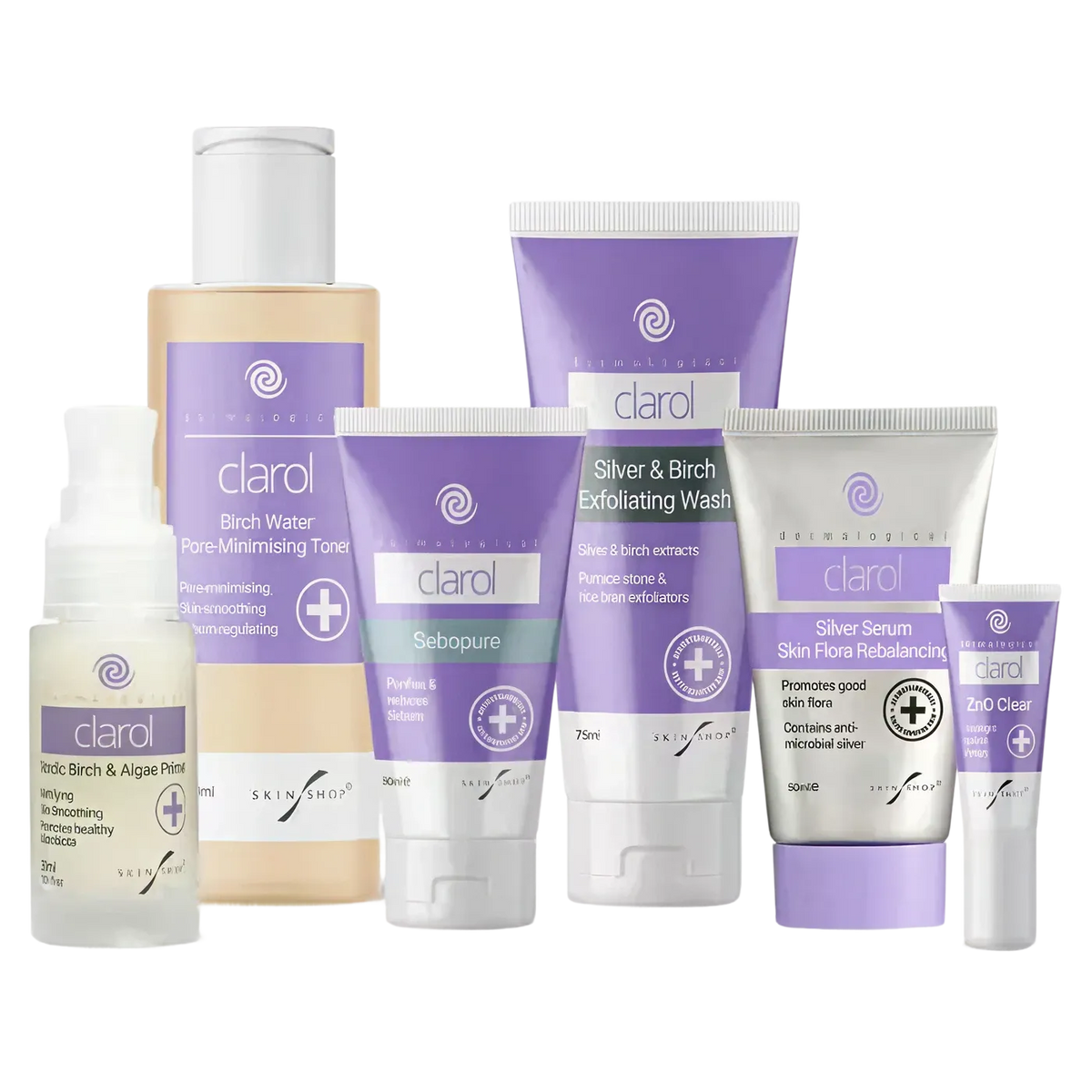
Adult acne is now the most common adult skin complaints with one in four adults suffering from it at some point. A new study is one of the first larger scale studies to confirm that prebiotics applied topically to the skin can help improve acne by over 40%. Prebiotics are skincare ingredients that selectively stimulate and encourage the growth of beneficial bacteria on the skin. Like the intestine, skin harbours both bad and good bacteria. It’s the bad bacteria that causes acne, but the good bacteria are essential for healthy skin. The study, on over 2000 acne sufferers over 25 weeks which was carried out at the Department of Dermatology at the University of Miami in the US and published in the peer reviewed medical journal Dermatology and Therapy, found that a topical cream containing prebiotics resulted in a -40.3% reduction in total acne lesions and -21% in inflammatory acne lesions. The cause of acne is an interplay of increased sebum production and colonization with cutibacterium acnes (acne bacteria). Prebiotics can aide in the reduction of acne bacteria and an increase in good skin bacteria, effectively altering the balance of bacterial growth on the skin which can result in less acne as well as strengthening skin barrier function to reduce underlying sensitivity and inflammation. The study authors concluded that the study proved that prebiotics applied topically to the skin support the growth of beneficial skin microbes by promoting good skin bacteria, while at the same time inhibiting the growth of acne bacteria and also exerting anti-inflammatory and skin barrier-protective effects. They also noted that this was a safe long-term acne therapy without any notable negative side effects. Many chemicals in both skin care products and anti-bacterial acne products destroy good skin bacteria. This in turn weakens the healthy skin barrier allowing more bad skin bacteria inside the skin pore, where it can quickly multiply. Clarol Silver Serum contains a patented prebiotic, MicroSilver ™ that specifically promotes good skin bacterial growth, while effectively starving acne bacteria. MicroSilver ™ has been found in two studies to reduce inflammation and infection in acne pustules and skin lesions and was found to be effective at reducing the severity and symptoms of acne infected skin in 70% of patients after a two-week trial period. In a longer trial on acne sufferers, 93% were able to come off other medicated treatments after applying MicroSilver ™ to their infected skin. “Microsilver ™ is a pure, metallic silver powder which is a completely natural product with no additives added in the production process. Due to its natural form, it is highly effective in reducing the pathologic microbiology load of the skin while supporting the regeneration of good skin flora, which is an effective therapy for treating acne. It stays active on the skin for up to eight hours and due to its powdered form, it remains on the top layer of the skin without any penetration into the lower dermis, making it a safe long-term acne treatment without any adverse effects,” says dermatologist Dr Eva Melegh. Charlotte, 30, is from Ashford, Kent has suffered from acne since her teens but unlike other teenagers, her acne never went away and got progressively worse through her twenties. “By my early 20’s my acne had gone from bad to worse and had developed into severe cystic acne. I was completely psychologically scarred about my skin. I had very few friends and not much of a social life and I never had a boyfriend. I simply didn’t have the confidence to face people with my skin looking the way it did. People thought I was anti-social and strange, but it was all linked to my skin,” says Charlotte. Charlotte was prescribed contraceptive pills, antibiotics, prescription creams and eventually strong systematic acne medication, which Charlotte describes as a “horrific experience.” “I got extremely depressed on the medication even though my skin improved a little, but the side effects were so awful, and I felt tired, depressed and ill all the time. After six months I had to come off the medication as I had already been on it longer than is recommended and as a result, I was left with permanently dry eyes and dry lips. When I smiled or laughed it caused all my skin on my lips and around the corners of my mouth to crack, bleed and peel off,” says Charlotte. Charlotte described feeling drained after coming off the medication and felt she wanted to clean her system of all medications to let it recover. “I had simply had enough. I’d been through so much pain and had so many side effects and had been feeling so ill for so long I just wanted to let my body just be for a moment,” says Charlotte. Charlotte more of less hid I her own home while her acne erupted after the stopped the medication. It was during her self-imposed confinement that she began some in-depth research into more natural alternatives for treating acne and that was when she eventually discovered several reviews on Clarol Silver Serum on some acne support groups. “I hadn’t really investigated the natural route for my acne, as it was so bad I chose to rely on what my doctor’s recommended, but that route had failed me, so I felt I had to at least consider other options. I tried a few suggestions including garlic gel and oatmeal face packs, which did nothing,” says Charlotte. “But the science behind Silver Serum seemed to be taking an entirely different approach to treating acne. Instead of promising to wipe out the acne and dry up sebum like all the other products did, it claimed to help increase the skin’s good bacteria which would help the skin to naturally fight the acne bacteria. I didn’t even know we had good bacteria on the skin. All the other symptoms of low levels of good skin bacteria such as red, inflamed skin beneath the acne, extreme sensitivity as well as dry patches of skin all rang very true. “The research I found on skin bacteria said that many acne medications or products wipe out all skin bacteria, good and bad, which is why after prolonged use the skin’s good skin bacteria that not only fights the acne bacteria but also protects skin barrier function, is severely depleted. I figured must have been non-existent after all the strong medications and products I had used over the years. “However, I won’t pretend that I wasn’t deeply sceptical. I did a lot more research on the product before I finally ordered some. I was mostly convinced by the large amount of very positive and obviously genuine reviews and the logic of the science behind it. “To my utter amazement when within two weeks I could start to see small but noticeably differences in my skin. The serum was immediately soothing on my skin from the first day I used it and within a few days the redness and inflammation under my acne had started to calm down. “Within two months of daily use I would say my skin was about 50% improved. I have been using the Silver Serum in combination with a weak retinol cream that someone on another blog had recommended every day and my skin is about 85% better, it has been incredible. I still cannot believe it, and I keep thinking it’s just a phase or a fluke, but my skin has now been mostly clear of live acne for a year. I do still get some spots so its not a total acne cure, but for me it feels like a miracle. People have even told me I have great skin. I have never heard anyone say that to me before. “I’m not exaggerating when I say that my entire world has changed as a result. I have begun travel. I had not even been on an aeroplane or travelled on my own. I also now have my first relationship with someone I met abroad. I have travelled to see him several times in Austria where he is from and have met his friends and family. “We’ve also been on holiday to Thailand together and it was wonderful, even though I was really nervous almost every day about the heat causing my skin to erupt again. “I’m still emotionally healing and I know that my struggle is not over yet but I’m getting there. Not that long ago I wouldn’t even leave the house let alone fly to another country to meet someone. It’s a testament to the huge distance I have come on my road to recovery from acne. “People will say it’s just spots, but it’s not. Acne is the first thing anyone sees so it ends up being the thing that defines you. To have the first reaction of most people being a horrified stare is something that leaves scars not just on your skin but emotionally and it ends up effecting everything you do and I’m still trying to get over the devastating effect it has had on my self-confidence.”
Learn more
New study finds antidepressants effective for treating rosacea
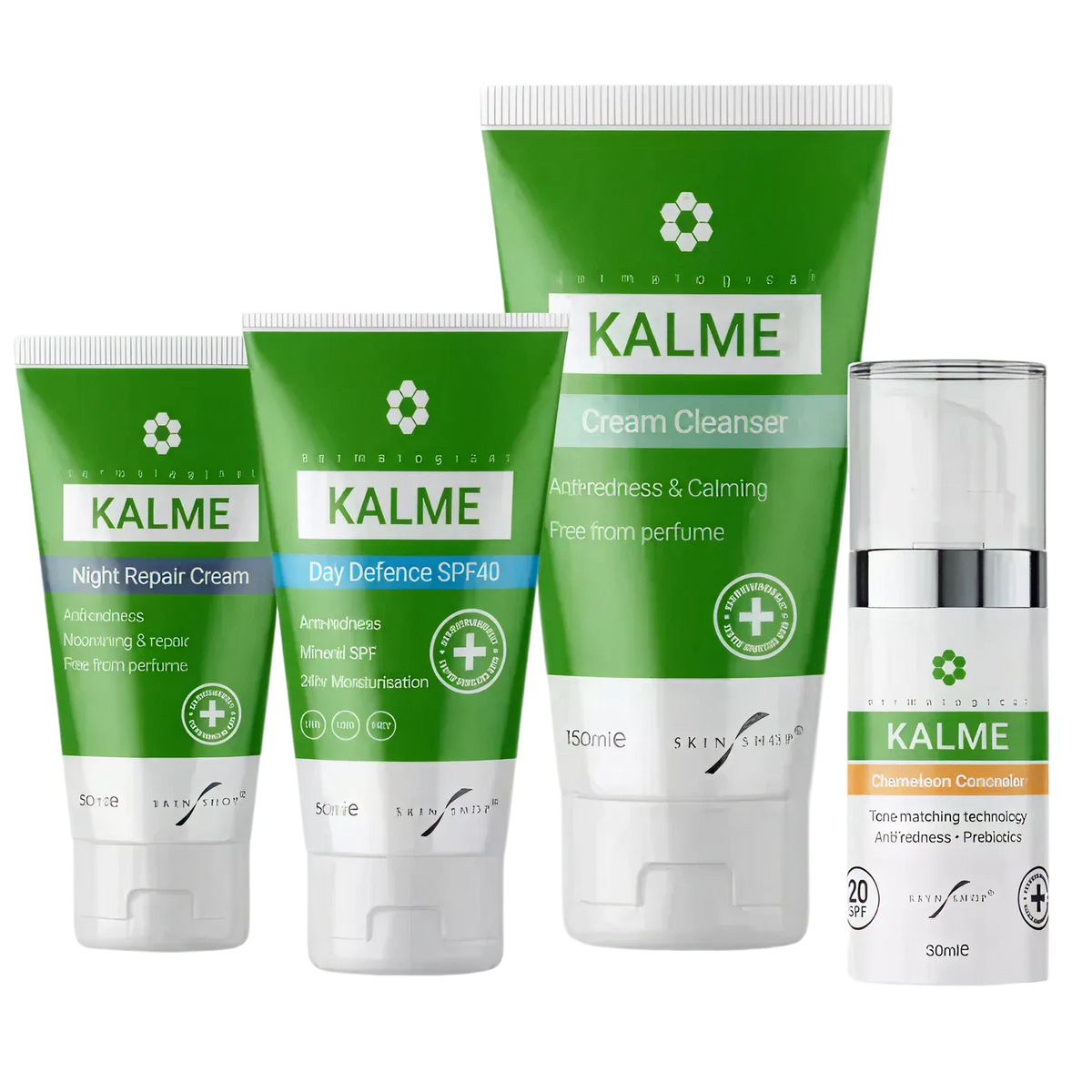
New evidence has emerged which further clarifies a growing bank of research that confirms treating rosacea is far more than a skin-deep issue. The new research has found that the use of antidepressants, which help regulate emotions such as anxiety and stress, can have a directly positive effect on reducing the symptoms of rosacea, namely facial flushing and skin sensitivity. The new study, published in the June 2026 edition of JAMA (Journal of the American Medical Association) Dermatology, looked at the effects of a particular antidepressant on regulating vascular dysfunction, neurogenic inflammation and stress. Antidepressants can generally alleviate underlying anxiety levels, which if raised can trigger a secondary reaction in the skin which is the root cause of rosacea. However, a certain group of antidepressants known as selective serotonin reuptake inhibitors, help to specifically target overactive nerve pathways and blood vessel dilation by reducing the abnormal constriction and dilation of blood vessels which causes rosacea-linked flushing as well as dampening the release of inflammatory neurotransmitters which can cause the inflammation and burning sensation often associated with rosacea. The new multi-centre double-blind randomized trial on 24 women of approximately 35 years of age over a 12- week period found that those on the antidepressants produced more of the proteins linked to regulating immune response activation that causes muscle contraction and can cause a rosacea flare as well as better insulin receptor signalling. Sally, 54, a mum of three and former police officer from Wales, experienced her first flare up of rosacea almost ten years ago when she was subjected to a prolonged bullying campaign at work which caused her severe anxiety and stress. “My rosacea was triggered due to the immense stress of being bullied out of my job as a police officer of almost thirty years. I was eventually diagnosed by my GP with stress-induced rosacea bought on by my ordeal,” says Sally. “As a result of trying to deal with a truly horrendous situation at work, my skin broke out in red, swollen blotchy patches. I felt that the despair I felt inside but was trying to hide from people at work was manifesting itself all over my face for everyone to see. One of my colleagues made a jibe at me about being a bit old for acne, I was 45 at the time and had always had great skin, so it cut me to the bone. Eventually I couldn’t cope and suffered from a period of acute depression and eventually had to take sick leave from work to try and recover. The situation at work was at the point where I was almost about lose my job, but it eventually got addressed and I was re-located. Unfortunately, there was no reprieve for my skin. When the doctor’s diagnosis sunk in with the realisation that this was a chronic skin condition that had no cure coupled with what I had just gone through at work, I can honestly say it was the traumatic period of my life. After my diagnosis I was prescribed numerous treatments by my GP for my rosacea. Over time I was given medicated creams, gels, antihistamines and antibiotics but nothing worked. In fact, some treatments made my rosacea even more furious, and my skin got much worse. I was never offered anti-depressants for my skin. My anxiety about my job turned into anxiety that I would never find a solution for my skin. By this time my skin was so bad I’d became very uncomfortable about being out in public and having to start work in a new department was awful when I felt so self-conscious of my face. To my absolute relief I came across Kalme products while researching alternative products to medications for treating rosacea as I had given up on every rosacea treatment the doctor was giving me. The Kalme products worked pretty much immediately. The redness dissipated within the first week and the pustules disappeared within a matter of weeks. The relief I felt was immense. It was actually life-changing and even to this day I see these products as one of the things that helped me feel like I was getting back control of my life again and I will be forever grateful for that. Within a few months of using the Kalme products my skin had returned more or less back to normal and has stayed that way ever since because I use the products every day and would not dream of ever stopping. I will never forget how much the distress of rosacea having affected my life and I don’t want to ever risk a relapse.”
Learn more
Boosting beneficial vaginal bacteria helps prevent 4 of the most common gynaecological issues according to new study
A new study (1) has found that increasing levels of beneficial vaginal microbiota can decrease the prevalence of four of the most common gynaecological issues, including UTI’s (urinary tract infections) BV (bacterial vaginosis) thrush (candida yeast infection) and menopausal dryness and atrophy. The study highlighted how increasing the levels of good bacteria in the vagina had a protective effect against several of the most common troublesome and uncomfortable gynaecological conditions that plague millions of women. BV (bacterial Vaginosis) According to the latest statistics (2) BV affects up to almost 30% of the female population globally. BV results from an imbalance between good and harmful bacteria and causes itching and irritation and a fishy vaginal odour. More specifically, BV is linked to an overgrowth of pathogens such as Gardnerella spp., Prevotella spp., Mobilincus spp., Megaspahera spp and Sneathea spp. The exact cause of this imbalance is not known but has been associated with washing the vagina with products that contain chemical and perfumes that are disruptive to the delicate microbiota balance of the vagina and having unprotected sex with a new or several sex partners. BV increases the risk of acquiring other STI’s (sexually transmitted infections) and if left untreated can lead to adverse effects of pregnancy. The new study found a significant link between increasing levels of beneficial vaginal flora and a diminished growth of harmful vaginal bacteria. An increase in good vaginal, particularly Lactobacillus strains, helps increase production of lactic acid and other substances that inhibit the growth of pathogenic microbes. UTI’s (urinary tract infections) About 40% of women will experience at least on e UTI in their lifetime (3) A UTI occurs when bacteria enter the bladder, usually through the urethra (urine tube), and begin to multiply. Urine contains fluids, salts and waste products but is sterile or free of bacteria, viruses and other disease-causing organisms. A UTI occurs when bacteria from another source. The most common bacteria found to cause UTIs is Escherichia coli (E. coli). Other bacteria can cause UTI, but E. coli is the culprit about 90% of cases. An untreated UTI can move up to the kidneys and cause an even more serious infection and can quickly lead to sepsis which can be fatal. Sexually active women, pregnant women and menopausal women are at increased risk for UTI. The use of antibiotics to treat UTI’s contributes to antibiotic resistance, both among uropathogenic microorganisms and other bacteria in the body. Antibiotic resistance in uropathogens is now a recognized issue, with repeated antibiotic treatments in women with recurrent UTI’s playing a major role in its development. This overuse of antibiotics also negatively affects the normal vaginal microbiota. The new study found that increasing good vaginal skin flora helped prevent and treat recurrent urinary tract infections by increasing levels of the beneficial bacteria lactobacilli. Thrush (candida yeast infection) Statistics estimate (4) that approximately 75% of women will experience thrush as some point in their lives. 6% of suffers experience recurrent infections Studies indicate that the incidence of recurrent thrush is set to rise to an estimated 158 million women by 2030. Thrush is caused by the overgrowth of the fungus Candida and causes itching, irritation and a white thick discharge, soreness and damage to the vaginal skin. The risk of thrush increases in menopausal women and women taking hormone replacement therapy and antibiotics. The new study found that increasing the levels of beneficial vaginal flora helped to maintain a vaginal pH of approximately 4.5 level that had a preventative effect on the growth of the candida yeast. Menopausal Vaginal Dryness & Atrophy Vaginal dryness is a common symptom of menopause. Statistics estimate (5) that around 50% of menopausal women will experience vaginal dryness. Menopause also makes the vaginal tissue thinner and less elastic (known as vaginal atrophy). Vaginal dryness causes multiple symptoms from soreness, to itching. It also commonly causes pain during sex and can also increase the risk of UTI’s and STI’s. The new study found that increasing levels of beneficial vaginal flora alleviated and improved all these symptoms by strengthening the genital epithelial barrier to improve water retention and elasticity in vaginal skin. Venereologist Dr Eva Melegh suggests 6 ways to increase beneficial vaginal bacteria to help boost the body’s natural defences against these common gynaecological issues; 1. Take an oral probiotic The new study highlights the beneficial role that oral supplementation with probiotics can play on increasingly good vaginal skin bacteria. Taking a daily probiotic that contains Lactobacillus acidophilus, Lactobacillus casei, Lactobacillus reuteri and Lactobacillus plantarum could help improve levels of vaginal good bacteria. Live probiotics are generally viewed as being more effective. 2. Use intimate skincare that boosts beneficial vaginal bacteria Intimate skincare can also help boost good bacteria in the vagina via prebiotics. Prebiotics are essentially the ‘food’ that feeds good bacteria and so by using daily intimate skincare with prebiotic ingredients. Try In2mate skincare which includes an intimate moisturiser, a vaginal wash and a daily use internal natural lubricant all of which contain a prebiotic ingredient specifically formulated to boost the growth of beneficial vaginal bacteria and is also over 99% natural and maintains the vaginal pH at 4.5 which helps prohibit the growth of candida. 3. Avoid perfumed intimate products Perfumes and chemicals in many intimate skincare products, as well as flavoured sexual aide products, or in general shower gels and soaps can have a destructive and damaging effect on the more fragile strains of good vaginal bacteria and are best avoided permanently. 4. Take care to wash off intimate sweat Sweat build up in the intimate area can lead to minor skin reactions and itching which can cause micro damage to the delicate vaginal skin barrier and allow bad ski bacteria to enter more easily and begin to multiply. 5. Consider HRT, bio identical HRT and topical oestrogen Menopause poses a higher risk of depleted beneficial vaginal flora resulting in vaginal dryness and atrophy. All forms of HRT combined oral supplements, bio identical equivalents and topical vaginal creams and pessaries can help with boosting good bacteria in the vagina by restoring levels of oestrogen which helps vaginal skin to retain more moisture, with better blood flow and improved elasticity. 6. Limit reliance on antibiotics Taking too many antibiotics, especially for gynaecological issues, can have a destructive effect on the growth of beneficial vaginal bacteria. While you should always take antibiotics if you are at risk of serious infection, they should not be viewed as a hassle-free ‘quick fix’ and trying to seek alternatives or taking strategic preventative action for recurring infections can help limit the reliance on antibiotics. Refs https://pmc.ncbi.nlm.nih.gov/articles/PMC12009168/ https://www.who.int/news-room/fact-sheets/detail/bacterial-vaginosis https://www.ucsfhealth.org/conditions/urinary-tract-infections https://www.manchester.ac.uk/about/news/new-figures-show-138-million-women-suffer-from-recurrent-thrush/ https://www.webmd.com/women/vaginal-dryness-causes-moisturizing-treatments
Learn more
Higher levels of good skin bacteria linked to better mental health
A groundbreaking new study (1) has discovered a direct link between improved skin quality and better mental wellbeing, measured via levels of good skin bacteria. The bacterial ‘landscape’ of skin is known as the skin’s microbiome, which varies across different parts of the body such as the face, scalp, genitals and underarms, and can influence our health in many ways. The human microbiome comprises approximately 10 trillion microorganisms that live on (skin microbiome) and inside (gut and oral microbiome) the human body. A wealth of research has shown that bacteria in the gut can affect psychological wellbeing, but the new research is some of the first conclusive evidence that the balance of bacteria on the skin can also play a significant role in improving mental wellbeing, including levels of stress, sleep quality and general mood indicating a direct link between the brain and skin quality. The new study examined skin from the face, scalp, underarm and forearm of over 50 participants. The study found that higher levels of a beneficial strain of the skin bacteria Cutibacterium, which is important for building and maintaining skin barrier function, was directly linked to improved mental health and better sleep. Cutibacterium bacteria showed consistent associations with psychological wellbeing across multiple body locations but its presence in higher levels on the face was the area most effectively linked to reduced stress. While areas like the forehead are dominated by Cutibacterium, moist areas such as the armpits and genital folds are dominated by the bacteria Staphylococci, which help modulate the innate immune response. The new study adds to a growing back of evidence of a direct relationship between psychological wellbeing and the human microbiome although the role of skin microbiome has been largely unexplored until now. The reasons behind the skin’s link to mental health could be due to both physical and psychological factors. The skin serves as the body’s physical barrier, protecting it against water loss and environmental stressors. The more robust the skin is, which is directly linked to higher levels of good skin bacteria, the more protection against water loss and external aggressors and disruptors it provides. However psychological factors, such as stress, anxiety and depression, have been shown to influence skin health and function via the hypothalamic–pituitary–adrenal axis. This new study sheds further light on a bidirectional link between the skin and the brain, whereby in one direction the brain can modulate skin condition and function via neurohormonal signalling while in the other direction skin condition can be sensed by the brain via tactile stimulation such as itching and inflammation. There’s also growing evidence that changes in the composition and diversity of the skin microbiome due to varying factors including medications, hormonal disruption and contraceptives and chemicals in many skincare products are associated with an increased risk various skin disorders, including acne, atopic dermatitis and rosacea as well as dandruff and atopic skin. 5 ways to increase good skin bacteria: “Good skin bacteria are more fragile than bad skin bacteria in all skin and typically as we age the good bacteria depletes and becomes even more fragile. Taking steps to increase levels of good skin bacteria can have a direct impact on both the physical condition of the skin as well as other health parameters. The psychological link to improved skin quality is something many dermatologists have long suspected but in terms of scientific research is still largely unproven. This study is an exciting indication that there may be a proven link and will hopefully open a door to more research and new therapeutic treatments,” says Dermatologist Dr Eva Melegh. Dr Meleg gives 5 tips on how to increase levels of good skin bacteria; Switch to water-free cleansing Like the stomach our skin contains good and bad bacteria. It’s the bad bacteria that can lead to inflammation and acne. However, it’s the good bacteria that protects and maintains the skin barrier, which is what keeps bad bacteria out and also locks in moisture and prevents dryness. Most facial washes contain anti-bacterial agents aimed at killing off harmful bacteria. However, this bacterial ‘wipe out’ approach also kills off good bacteria too. This can lead to problems for all skin types, but especially skin prone to rosacea, acne and eczema. The best way to clean skin while not compromising bacterial balance is via a gentle water-free cream cleanser with moisturising agents. Try Kalme Water-Free Cream Cleanser, which is designed to clean skin and calm down inflammation without using water or anti-bacterial agents. Feed good skin bacteria daily Somm modern skincare products contain ingredients called prebiotic that feeding good bacteria. This is one of the most effective way to increase levels of good bacteria on the skin. Try Clarol Silver Serum which contains a silver ingredient that feeds good skim bacteria while being repellent to bad skin bacteria. Used daily it can quickly alter the bacterial balance of the skin towards an abundance of good skin bacteria. Use an alternative to makeup remover Most make up removers contain solvents designed to break down the components in cosmetics to remove them. The problem is these solvents also break down and remove good skin bacteria. Using a natural skin oil such as rose hip oil, argan oil or coconut oil to loosen cosmetics and then using a gentle clarifying toner to then remove the residue is a much gentler way to remove make up without compromising good skin bacteria. Try Clarol Birch Water Pore-Minimising Toner to remove excess residue without solvents and help tighten gaping pores. Apply a daily mineral SPF Sunburn and UV damage retards good skin bacteria growth as it causes inflammation and dryness to skin. Wearing an SPF daily can help safeguard good skin bacteria levels. Mineral SPF’s offer a physical block against UV damage and zinc oxide in particular also has an anti-inflammatory effect which has an added protective factor for good skin bacteria. Try Kalme Day Defence SPF40, which has a pure micronized zinc oxide SPF plus anti-inflammatory antioxidants and anti-redness ingredients. Keep sebum pure Sebum is the skin’s most protective agents and help maintain healthier levels of good skin bacteria. However excess sebum can also harbour bad skin bacteria which can turn some strains of good skin bacteria such as Cutibacterium, pathogenic, which if allowed to build up can quickly multiply, leading to inflammation, infection and acne. The answer is not to try and reduce sebum or dry it up as this can damage good skin bacteria production, but to keep the sebum free from contamination with exterior bacteria. New skincare products containing sebum purifying agents help sebum flow out cleanly through the skin’s pore by repelling the build up of contaminating bad bacteria. Try Clarol Sebopure which contains a patented sebum preserver called Pixalia, made from wild mustard leaf extract. Ref: 1. British Journal of Dermatology, Volume 193, Issue Supplement_2, October 2025, Pages ii6–ii14
Learn more
Could weight loss jabs also work for improving psoriasis?
It’s been established in several studies that being overweight can cause psoriasis to get worse or even trigger it, and the more overweight a person is the worse the psoriasis is. Therefore, it logically follows that modern weight loss jabs could inadvertently also help with reducing the severity of psoriasis due to weight loss. Weight loss drugs work by mimicking the effects of a naturally occurring hormone called glucagon-like peptide-1 (GLP-1), which plays a role in regulating blood sugar and appetite. They help lower blood sugar levels, slow down digestion and reduce appetite, which can lead to weight loss. Whilst these drugs are commonly prescribed to people with diabetes to help manage their blood sugar, nowadays they are increasingly used to help people lose weight. There are now some preliminary studies (1,2,3,4) suggesting that weight loss drugs really do have a beneficial effect on psoriasis, especially in people with type 2 diabetes. A recent study at King’s Collage London (5) on people in the UK with psoriasis found that it’s not just overall obesity that increases the severity of psoriasis but specifically belly fat. The researchers examined 25 different body fat measures using traditional methods and advanced imaging techniques, to assess how each was associated with psoriasis. They found the waist-to-hip ratio on a person was the strongest risk factor for psoriasis. The research didn’t go on to theorise as to why belly fat poses such a particular risk factor for psoriasis, but Dermatologist Dr Eva Melegh’s says, “fat tissue can affect the delicate hormonal balance, and in obese people the hormone leptin is often produced at higher levels. Leptin is a trigger for an inflammatory response in skin, so this is perhaps why obesity can trigger more severe psoriasis flares.” A separate study last year (6) found that psoriasis patients who were taking glucagon-like peptide-1 receptor agonists for type 2 diabetes showed a significant reduction in PASI scores, which are a measuring scale for the severity of psoriasis, with fewer markers for of inflammation in layers of the skin and reduced auto immune responses. Now researchers and doctors are calling for wider clinical trials to further explore the potentially positive effect of weight loss drugs for the treatment of psoriasis in obese patients both with and without diabetes. “What would be interesting to assess now are not only a more in-depth look at the effects of weight loss drugs on the treatment of psoriasis but also the results of combined therapies such as biologic drugs, UV therapy or topical treatments combined with GLP-1 agonist therapies,” says Dr Melegh. “UV therapy and topical therapies such as steroids or non-steroid options such as Oregon Skincare, which contains oregon grape root that studies have shown (7,8,9) has an inhibitory effect on ketosis (skin cell production), combined with significant weight loss achieved from weight loss jabs maybe have the potential to tackle psoriasis in a more profound way.” Refs; 1 Hogan AE, Tobin AM, Ahern T, et al. Glucagon-like peptide-1 (GLP-1) and the regulation of human invariant natural killer T cells: lessons from obesity, diabetes and psoriasis. Diabetologia. 2011;54: 2745-2754. 2 Buysschaert M, Tennstedt D, Preumont V. Improvement of psoriasis during exenatide treatment in a patient with diabetes.Diabetes Metab. 2012;38 :86-88. 3 Lin L, Xu X, Yu Y, et al. Glucagon-like peptide-1 receptor agonist liraglutide therapy for psoriasis patients with type 2 diabetes: a randomized-controlled trial. J Dermatolog Treat. 2022;33 :1428-1434. 4 Chen P, Xu X, Lin L, et al. Treatment with Liraglutide, a Glucagon-like Peptide-1 Analogue, Effectively Improves Skin Lesions in Psoriasis Patients with Type 2 Diabetes: A Prospective Cohort Study.Diabetes Res Clin Pract. 2019;150: 47-54. 5 https://www.kcl.ac.uk/news/study-finds-central-body-fat-more-strongly-linked-to-psoriasis-risk-than-overall-body-fat 6https://pmc.ncbi.nlm.nih.gov/articles/PMC11575455/ 7 Mahonia aquifolium – A new type of topical treatment for psoriasis Gieler U.; Von der Weth A.; Heger M. Journal of Dermatological Treatment (United Kingdom), 1995, 6/1 (31-34) 8 Mahonia aquifolium in patients with Psoriasis vulgaris – an intraindividual study. Wiesenauer M, Ldtke R Planta Med. 1994;60:421–424 9 Plant extracts for the topical management of psoriasis: a systematic review and meta-analysis. Deng S1, May BH, Zhang AL, Lu C, Xue CC. 2013 British Association of Dermatologists. Br J Dermatol. 2013 Oct;169(4):769-82. doi: 10.1111/bjd.12557.
Learn more
New study discovers why some people with psoriasis also develop psoriatic arthritis
New research (1) may finally have come up with the answer to a question that has been puzzling scientists for years; why do some people with the autoimmune skin condition psoriasis also go on to develop psoriatic arthritis? Psoriatic arthritis (PsA) is a type of joint inflammation that can, in a significant minority of sufferers, be a secondary condition of psoriasis on the skin. Estimates suggest that as many as 30% of people with psoriasis also get psoriatic arthritis. Scientists from The Australian National University (ANU) have discovered that when a person with psoriasis has two copies, or clones, of the mutated gene that causes skin psoriasis by triggering abnormal function of T cells that are the body’s gatekeeper immune cells, they are highly likely to go on to develop psoriatic arthritis. The research found that these cloned mutated T cells are able to pass from the blood into the joint fluid. This is the first scientific discovery that has been made on the precise cause of psoriatic arthritis and goes some way to explain why only some people with psoriasis go on to also develop chronic joint pain and inflammation. Psoriasis and psoriatic arthritis are both autoimmune diseases, which is whereby the immune system attacks healthy cells after mistakenly seeing them as a threat. Mild psoriatic arthritis is sometimes referred to as oligoarticular, meaning it affects four or fewer joints in the body. More severe psoriatic arthritis is often called polyarticular, meaning it affects five or more joints. Regardless of the severity, psoriatic arthritis can be very painful and can affect the ability to do daily tasks and move comfortably. While psoriatic arthritis is often described simply as that, there are in fact five types of psoriatic arthritis. Arthritis mutilans This is the most severe and destructive form of PsA, causing significant joint damage, particularly in the hands and feet. It can lead to telescoping digits due to bone loss. Spondylitis: This type involves inflammation and stiffness in the spine (neck, lower back, and sacroiliac joints) and can also affect peripheral joints. Asymmetric oligoarticular PsA This type affects fewer than five joints, and these joints are not necessarily on both sides of the body. For example, it might affect the knee on one side and a couple of fingers on the other. Symmetric polyarthritis This type affects five or more joints, and the affected joints are typically symmetrical (eg, both hands, both knees). It can resemble rheumatoid arthritis but often includes involvement of the distal interphalangeal joints (closest to the fingernails and toenails). Distal interphalangeal predominant (DIP) PsA: This type primarily affects the DIP joints, the ones closest to the fingernails and toenails, and can cause pitting, cracking, or separation of the nails. Treatments for skin psoriasis Skin psoriasis is characterised by clearly defined, red and scaly plaques, made of over-proliferating skin cells called keratinocytes. It is classified as an immune-mediated inflammatory disease. It can pop up as a single patch, but it usually appears as several and can even affect the better part of the body and the scalp. Signs and symptoms often fluctuate in severity and extent. Prescription treatments for psoriasis When treating skin psoriasis via prescription medications, one or more of the following are usually the first line of defence; Topical steroids Topical steroid creams or ointments (topical corticosteroids) are commonly used to treat mild to moderate psoriasis in most areas of the body. The treatment works by reducing inflammation, which slows the production of skin cells and reduces itching. Vitamin D Creams Vitamin D analogue creams are also commonly prescribed along with or instead of steroid creams. They work by slowing the production of skin cells as they also have an anti-inflammatory effect. Calcineurin Inhibitors Calcineurin inhibitors are ointments that reduce the activity of the immune system and help to reduce inflammation. They're sometimes used to treat psoriasis affecting sensitive areas, such as the face, the genitals but can cause skin irritation or a burning and itching sensation. Non-Prescription Treatments for Psoriasis Oregon Grape Root Skincare The Oregon Skincare Range, is a natural psoriasis treatment option for the skin and scalp whose main ingredinet Oregon Grape Root (OGR) is a plant used traditionally by native Americans for skin diseases, which has been widely tested in preclinical and controlled clinical trials and shown to be effective in decreasing proliferative activity of the keratinocytes and downregulate pathological immune mechanisms in skin, both of which are beneficial for . Dermatologist Dr Eva Melegh says, “The Oregon skincare range has a track record of over 10 years of use on thousands of psoriasis sufferers due to its therapeutical effects without evidence of any significant negative side-effects (which is the main concern about benchmark steroid-based therapies for psoriasis.) This backs up the findings in clinical trials on the therapeutic benefits of Oregon grape root extract for skin prone to psoriasis.” Lifestyle factors that can help ease psoriasis Fish Omegas Fish from oily fish such as mackerel and sardines can hugely help improve the moisture and flexibility of skin prone to psoriasis. Tinned fish is just as beneficial when it comes to getting your daily dose of omegas as fresh fish so there is no excuse that you can’t get to the fish market. UV Exposure Exposing your skin to sunlight can still hugely benefit skin prone to psoriasis. It’s a misconception that is has to be bright and sunny for the skin to benefit from UV exposure. Cloudy overcast days still allow UV rays through so getting your skin out for at least half an hour to an hour a day can help you get a regular dose of UV light therapy for your psoriasis. Reduced Hair Styling Scalp psoriasis in one of the most common places for psoriasis to occur and is very uncomfortable and highly visible. One of the reasons cited by skin experts on the rise and prevalence of scalp psoriasis is the over-use of hair styling products. Hair products that contain sticky or clay like ingredients as well as hair dyes can all cause additional bacteria to get into and stick to the scalp, which can trigger psoriasis flare ups as the bacteria causes inflammation which can then trigger a psoriasis flare. Dyes and perfumes in hair products as well as detergents to remove grease can also cause the already sensitive scalp of psoriasis sufferers to become hyper-sensitive and inflamed which can trigger a flare up. Using hair products designed specifically for scalps prone to psoriasis with anti-plaque ingredients can help prevent scalp psoriasis flare ups and when they do come keep them to a minimum. Oregon Anti-Plaque Shampoo and Oregon Anti-Plaque Conditioner has been developed by hair scientists and trialled at Bath University for helping to reduce the inflammation and plaque build-up associated with scalp psoriasis. "The results of the trial show a very high success rate for Oregon Anti-Plaque Shampoo which was rated highly by testers because of its effect at not only clearing the scalp of scales but also preventing their return, reducing any underlying erythema (inflammation) and causing a marked reduction in irritation and sensitivity of the scalp," says trichologist Tony Maleedy, who carried out the trial. Treatments for Psoriatic Arthritis Psoriatic arthritis (PsA) is a chronic disease that causes swelling, pain, and stiffness in joints and entheses (places where tendons and ligaments connect to bones). Psoriatic arthritis can develop at any age and can occur regardless of the severity of skin psoriasis but it almost always develops as a secondary condition from skin psoriasis. PsA tends to be worse in the mornings and symptoms include joints that are red, discoloured, or warm to the touch, joint tenderness or stiffness, dactylitis (sausage-like swelling in fingers or toes), swollen feet and ankles, changes to the nails, such as pitting or separation from the nail bed and sometimes pain in the lower back. Prescription treatments for psoriatic arthritis When treating psoriatic arthritis via prescription medications, one of the following is usually the first line of defence; Non-steroidal anti-inflammatory drugs (NSAIDs): These can help with mild pain and inflammation but may not be sufficient for everyone and used long-term can have side effects, namely stomach issues. Disease-modifying anti-rheumatic drugs (DMARDs): DMARDs are used for moderate to severe symptoms and can take several months to show effect. Biologics These medications target specific parts of the immune system to reduce inflammation and are often used when DMARDs are not effective enough. Non-Prescription Treatments for Psoriatic Arthritis Actimas Celafen There’s a rising concern about long-term use of NSAID’s because they come with a list of negative side effects, so the use of natural joint pain relief to reduce reliance on medicated pain relief are increasingly encouraged. Actimas Celafen is a natural joint pain relief skin therapy that contains a specific long-chain fatty acid preparation which has been shown to aide in joint lubrication and joit pain relief and is proven to take effect within 30 minutes of application to reduce pain and inflammation and improve morning joint mobility. GP Dr Donald Grant says, “There’s good evidence for the efficacy of long chain fatty acids in preparations such as Celafen for the treatment of chronic joint stiffness, an is especially effective in the extremities such as fingers and toes and hands and feet. Anything that can lower the reliance and habitual use of conventional painkillers is a bonus because they so often carry negative side effects for many patients using them on a regular basis.” Applying Celafen 20-30 minutes before getting up while you are still warm in bed can aide the process even more. Lifestyle factors that can help ease psoriatic arthritis Bed stretching Before getting out of bed in the morning, do some gentle stretching for 5-10 minutes while you are still warm under the covers. Start with gently doing wrist and ankle circles. Then bend your knees. Gently lift one hip and then the other off the bed and slightly rotate it upwards. Turn onto your front and stretch your arms gently forward with your knees in a kneeling position to stretch out your lower back. Gently rotate your head clockwise and then anticlockwise. Warm Shower The warmth of the shower or bath can help further relieve stiff morning joints by boosting circulation to the joints. Put on a pre-warmed bath robe after showering to continue to keep morning joints warm. Add joint-lubricating supplements with breakfast Adding omega oil supplements along with glucosamine and chondroitin to your morning routine can help with lubricating joint cartilage and many studies have shown that chondroitin helps reduce joint stiffness. Drink anti-inflammatory morning drinks Studies have also found that tart cheery juice contains compounds that can modulate inflammatory signalling pathways, helping to reduce inflammation in the joints. Green tea is well known for its anti-inflammatory effects. Refs 1. Frank Penkava et al. (2020) Single-cell sequencing reveals a clonal expansion of pro-inflammatory synovial CD8 T cells expressing tissue homing receptors in psoriatic arthritis. Nature Communications DOI: 10.1038/s41467-020-18513-6
Learn more
Could your skincare be damaging your immune system?
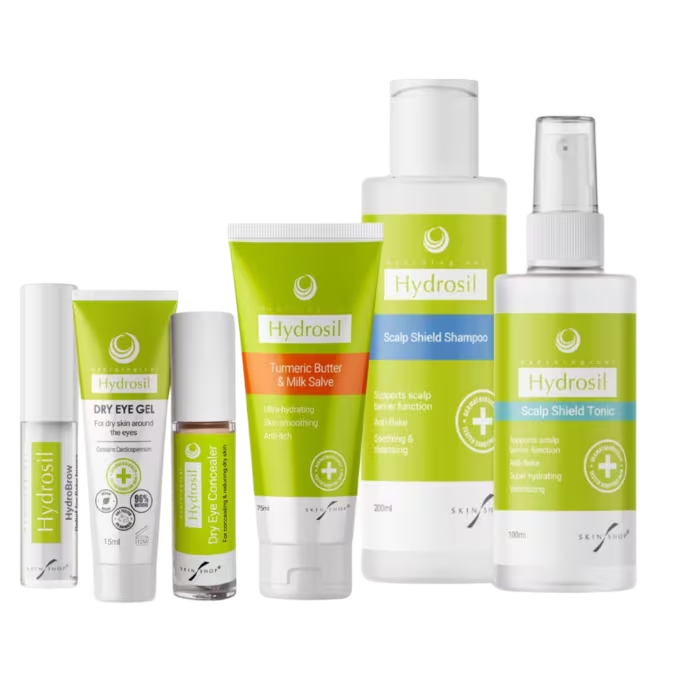
Using certain popular skincare products and shampoos could harm your body's ability to fight off infections and serious diseases, scientists have warned. A new report which outlines a proposal for a new bill to be passed by the House of Commons in the UK has warned that antibacterial chemicals called ‘biocides’ present in many anti-dandruff shampoos, facial cleansers, facial wipes and mouthwashes could be wiping out the skin’s beneficial bacteria that is crucial for healthy and resilient skin that can fights off infections. Experts have raised the alarm about antibacterial chemicals called 'biocides', which are substances in many hygiene and skincare products designed to indiscriminately wipe-out out all bacteria, viruses and microscopic fungi. However, these biocides also kill the trillions of microorganisms on our skin that help protect us from disease. One commonly used biocide, called benzalkonium chloride, is found in many anti-bacterial facial cleansers, especially for acne, and body washes as well as hand sanitisers and baby wipes. It's also used in many standard OTC anti-dandruff shampoos used by millions of people daily to keep dandruff under control. Research suggests using mouthwashes containing another common biocide called chlorhexidine can wipe out 90% of protective bacteria in your mouth. This biocide is also present in many dental floss products. The new bill, currently being debated in the House of Lords, seeks to limit the use of biocides in over-the-counter personal care, skincare and haircare products. Former leader of the Green party Natalie Bennett, who is tabling the bill, wrote in a policy brief that biocides are hidden in most people’s everyday skincare routines. Baroness Bennett has told the press this week that before many of us even sit down for breakfast we have subjected our skin to a barrage of biocides. She added that use of the chemicals in common household personal care products is unnecessary given there are many non-biocide alternatives. Other scientists involved in the drafting of the proposed bill have claimed that outside of healthcare, the benefits of biocides are at best speculative, but that the harms are potentially significant. Supporters of the bill are calling for a broad spectrum ban on unjustified use of biocides in over-the-counter skin and hair care products. There’s an increasing bank of research that is exploring the benefits of products that help build and replenish the skin’s microbiome, which can help keep out bad bacteria that can lead to infection and disease by repairing and reenforcing the skin’s barrier protection. This method works by focusing on aiding the repair and recouperation of the skin’s natural barrier function to help fend off infection rather than wiping out all bacteria. Bad bacteria get into weakened skin much more easily which is why skin that is dry or cracked from skin conditions such as eczema and psoriasis or inflamed from skin conditions like rosacea, can end up becoming infected. So, what is the best thing for skincare and caring for the skin’s good bacteria? There are number of options in evolved skincare products that have already identified the risk associated with harsh anti-bacterial agents and are already moving towards addressing the issue of skin infections including acne and skin conditions such as eczema, rosacea and psoriasis which cause significant damage to the ski microbiome, in a different way. Rather than using harsh anti-bacterial agents to blitz all the bacteria from the skin’s surface, in so doing destroying all the skin’s beneficial bacteria in the process, these new ingredients are smarter and more selective and work with the skin’s natural defence mechanisms. MicroSilver ™ is a patented naturally sourced ingredient that is smart anti-bacterial agent that specifically starves bad skin bacteria while at the same time leaving good skin bacteria intact, allowing it to multiply and grow. This way the problematic bacteria that leads to acne and infections in dry and cracked atopic skin is reduced and the good bacteria begins to populate and dominate. MicroSilver ™ has been found in two studies to reduce skin inflammation and infection. Clarol Silver Serum is a skin serum that contains MicroSilver ™. The use of prebiotics acts as a food source for good skin bacteria, so while not killing off the bad bacteria, skin prebiotics are repellent to the bad bacteria while aiding in the growth of good skin bacteria. Biolin is a potent natural plant-based skin prebiotic is taken from chicory root. Dermatologist Dr Eva Melegh says, “Biolin, which is a patented skin prebiotic made from chichory root, is an excellent skin prebiotic as it supports the restoration of the microbiota environment in skin and helps skin recover and replenish skin barrier repair faster while at the same time repressing the growth of harmful skin bacteria. It’s ideal for use in formulations for dry and atopic skin, skin prone to rosacea, redness and sensitivity as well as vaginal skin prone to dryness and irritation.” Biolin can be found in Hydrosil Dry Eye Concealer. Its also used in several hair and brow products as a naturally effective alternative to warding off dandruff and dry itchy scalp and so can be found in Hydrosil HydroBrow, Hydrosil Scalp Shield Shampoo and Hydrosil Scalp Shield Tonic. It’s also used in the In2mate intimate skincare range help feed good vaginal bacteria and keep harmful vaginal bacteria that leads to itchiness from bactieral overgrowth under control. Agave, the plant used to make tequila, is another of nature’s potent skin prebiotics and is especially good for intense moisturisation and anti-redness making it excellent for skin prone to rosacea. PreBIULIN AGA agave extract is a patented prebiotic taken from the agave plant that is repellent to a particular skin bacteria associated with triggering rosacea flare ups, called bacillus oleronius. “Skin prone to rosacea has a volatile reaction to an increase of bacillus oleronius bacteria that results in the classic cyclical symptoms of redness, inflammation and hyper-sensitivity,” says Dr Melegh. “An ingredient that is repellent this particular bacteria while promoting the growth of beneficial bacteria can be hugely beneficial to skin prone to rosacea.” Aside from reducing bacillus oleronius, PreBIULIN AGA also helps replenish the skin’s microbiome, which is typically damaged from repeated rosacea flares and leads to dryness and tightness of the skin, a common symptom of rosacea. PreBIULIN AGA is also proven to be more moisturising than Hyaluronic Acid, and so prevents the extreme dryness associated with rosacea, which can further damage skin microbiome. Kalme TeQ Serum contains both PreBIULIN AGA plus a second extract of pure Blue Agave, whose science name is Agave Tequilana (TeQ) that has prebiotic properties to help reinforce the action of PreBIULIN AGA as well as offering additional hydration and an anti-inflammatory action.
Learn more
New study finds juniper extract in scalp psoriasis shampoo speeds up wound healing
Juniper extract has been found in a a new study to contain triterpenes and flavonoids that displayed significant results in speeding up wound healing as well as having a strong anti-inflammatory action on scalp skin. The study published in the Journal of King Saud University found that juniper extract accelerated wound healing and increased hair growth due ot the high percentage of tannins, alkaloid, saponin, terpenes and phenolic present in the extract. Oregon Anti-Plaque Shampoo, which contains extracts of Juniper (juniperus excelsa) and Oregon Grape Root (OGR), has been developed by one of UK’s leading trichologists and trialed at Bath University for use on scalp psoriasis. Oregon Grape Root (OGR) has been extensively examined in published studies as an effective treatment for inflammatory skin conditions including psoriasis. Oregon Anti-Plaque Shampoo incorporates these two extracts to help clear the scalp of plaque build-up without causing irritation, speed up the healing of psoriatic lesions and reduce inflammation and itching to bring fast and effective relief to scalps effected by psoriasis. According to London trichologist Tony Maleedy, ‘95% of users on the trial found that the Oregon Anti-Plaque Shampoo improved itching, dryness and redness and reduced plaques in scalps affected by psoriasis.’ Oregon Anti-Plaque Shampoo is low-odor and FREE from coal-tar, parabens, SLS and fragrance and is suitable for use on scalp psoriasis. Ref: https://www.sciencedirect.com/science/article/pii/S1018364722006279
Learn more
New study finds Donkey Milk is effective Natural Treatment for Eczema
<p> </p> <p>A new study has found that donkey milk helps repair and strengthen skin barrier function making it a helpful skin therapy when condiering non-steroid options for what is the best cream for eczema</p> <p>Donkey milk is known as the most ‘hypoallergenic’ of milks as it has the lowest risk of irritation due to it being the closest to human breast milk in its composition.</p> <p><img src="https://cdn.shopify.com/s/files/1/1033/4001/5961/files/donkies.jpg" alt=""></p> <p>Donkey milk is very high in amino acids and antimicrobial proteins, making it beneficial for dry and eczema prone skin. It also contains more lactoferrin and lysozyme than cow’s milk so can help calm skin irritation. The vitamin C content in donkey milk is almost four times more that of cow’s milk.</p> <p>The new study *, published in the March edition of the medical journal <em>Frontiers In Nutrition</em>, found that donkey milk applied topically in vivo and in vitro to skin samples repaired UV damage to skin barrier function.</p> <p>In ancient Egypt, Cleopatra bathed daily in donkey milk to stave of dryness and it was commonly used to treat babies and children with skin allergies.</p> <p>During the Renaissance period the first scientific studies on the skin benefits of donkey milk proved its positive effects on skin.</p> <p>Donkey milk gained a reputation in Europe as a skin healer when Napoleon’s sister used it to treat her eczema and sensitive skin.</p> <p><strong><span style="color: #3598db;"><a style="color: #3598db;" href="/products/hydrosil-turmeric-butter-hypoallergenic-milk-salve">Hydrosil Turmeric Butter & Hypoallergenic Milk Salve </a></span></strong>contains donkey milk and a patented turmeric butter Biochemica® and is formulated to quickly reduce inflammation and help repair damaged skin barrier function in eczema-prone skin.</p> <p><img src="https://cdn.shopify.com/s/files/1/1033/4001/5961/files/eczema.jpg" alt="" width="600" height="400"></p> <p>Turmeric is notoriously difficult to use topically as it doesn’t easily absorb into the skin. In this patented ingredient, it’s been blended in a ‘butter base’ made from bisabolol, a natural viscous essential oil taken from German chamomile (Matricaria recutita. Bisabolol has been shown to enhance the skin’s absorption of turmeric. It’s also known to have anti-irritant, anti-inflammatory, and anti-microbial properties.</p> <p>Biochemica® Turmeric Butter has been proven in studies to deliver fast-acting anti-inflammatory action to very dry skin and irritated skin. Studies also proved it reduced TEWL (Trans Epidermal Water Loss) within two hours of application.</p> <p>Hydrosil Salve also contains a high potency of cardiospermum vine extract, which has been shown in pubslihed research and a UK cosumer trial to be an effective phystosteroid for calming down eczema and soothing dry itchy skin.</p> <p>Hydrosil Turmeric Butter & Hypoallergic Milk Salve is cruelty-free, vegetarian and FREE from chemicals, SLS, MI, petroleum and perfumes and can be used on adults and children</p> <p><strong><span style="font-size: 12px; color: #3598db;"><a style="color: #3598db;" href="*%20Front%20Nutr%202023%20Mar%209;10:1121498.%20doi:%2010.3389/fnut.2023.1121498.%20eCollection%202023">* Front Nutr 2023 Mar 9;10:1121498. doi: 10.3389/fnut.2023.1121498. eCollection 2023</a></span></strong></p>
Learn more
Turmeric butter brings new relief for eczema prone skin
Turmeric has been used as a treatment for very dry, inflamed and eczema-prone skin since Egyptian times. It’s also been used in Indian Ayurvedic medicine for treating skin inflammation and eczema for over 1500 years.
Learn more
Key Benefits of Donkey Milk for Eczema and Dry Skin
Donkey milk is the most hypoallergenic milk (1) out of all animal milks and is the one closest to human breast milk in its composition. Donkey milk is high in amino acids (2) and antimicrobial proteins (3), which is why it’s so beneficial to skin conditions such as eczema.
Learn moreCould hard water be making your eczema worse?
If you live in an area of hard water, which accounts for 60% of British homes, your daily shower or bath could be making your eczema worse, according to new research. Hard water is known for causing skin to become dry and itchy because it has a higher mineral content - mainly calcium and magnesium. These two minerals have a drying effect on skin and scalps and have been linked to an increased risk of eczema. When the skin's barrier function is weakened, such as in eczema, the minerals can enter the skin as allergens causing inflammation. When hard water is combined with the use of soaps and detergents, this leaves a skin residue which blocks pores trapping oil, leading to irritation, dryness, blemishes and itching. If you live in a hard water area, there are ways to minimise or stop its negative effects on eczema. It will not be an eczema cure but can help control symptoms. A water softener will reduce these skin issues, and convert the minerals found in hard water, into more soluble minerals that are less harmful for the skin. Ecocamel have created the Shower Head ORB SPA which can convert hard water into soft water. In addition using skin smoothing and calming chemical-free bath soaks rather than bubble bath and using skin calming creams or gels straight after showering or bathing while skin is still damp can all help.
Learn moreSea Anenome Venom is new weapon for sensitive skin
Over 50% of people are classed with having sensitive skin and it’s a growing problem with more people diagnosed every year. Sensitive skin is not just an annoying skin type, it can lead to more serious skin conditions such as eczema, rosacea and skin infections due to the breakdown of the skin barrier function caused by frequent inflammation of the skin’s surface through over sensitivity. A new and unusual answer to controlling skin sensitivity has been discovered in the form of the venom produced by sea anemone in order to paralyse their prey as well as to protect itself from attack. There’s a single peptide present in the sea anemone venom that inhibits the pain receptor in skin that is responsible for an ‘over-reaction’ to external irritants. However, harvesting real sea anemone venom would be impossible, so a synthetic version of the peptide found in the sea anemone venom has now been manufactured. UK company Venomtech, who specialise in venom based products, have made SensAmone 5, a synthetic copy of the sea anemone venom peptide which can be used in creams to help reduce skin sensitivity. A double blind placebo trial on SensAmone 5 found that it calmed over-reactive skin in just one application, minimised the skin’s response to stress and reduced itching.
Learn moreNew SPF that allows vitamin D production in skin
We all know we should wear sun cream in order to protect our skin from the sun. Yet a growing concern about always wearing SPF creams is that our production of vitamin D is reduced. Until now all high factor sun creams also block the production of vitamin D in the skin. An SPF of 30, properly applied, reduces the capacity of the skin to produce vitamin D by 97.5%. However a breakthrough in SPF technology has paved the way for the first sun cream that blocks the sun’s harmful rays but allows the skin to still produce vitamin D from the sun. The body needs vitamin D to absorb calcium and promote bone growth. Too little vitamin D results in soft bones in children (rickets) and fragile, misshapen bones in adults (osteomalacia). We also need vitamin D for other important body functions. At least 80% of the human body’s need in vitamin D is synthesized in the skin through exposure to sunlight, only a small amount of vitamin D is taken in by the diet. Estimates suggest that as much as 40% of adults and children have some degree of vitamin D deficiency in the Western world. Vitamin D deficiency has been linked to certain cancers, autoimmune diseases (type 1 diabetes, multiple sclerosis and rheumatoid arthritis), infectious diseases, neurocognitive dysfunction including Alzheimer’s disease, heart disease, depression and weight gain. As a result of the dilemma between the dangers of skin cancer and the body’s need for vitamin D, there is an urgent need to develop optimized sunscreens that enable vitamin D formation while also offering sun protection factor (SPF). The new sun cream, called Solar D, has been developed by scientists in Poland and trialled in a published study in the January 2016 edition of on line medical journal Plos One. Solar D is the first SPF product that allows vitamin D production from the sun while protecting skin from harmful UV rays. The study demonstrated a 50% increase of the vitamin D production using the new optimized sunscreen compared to normal sunscreen. Solar D is designed with compounds with differing filter compositions to maximize vitamin D3 production while maintaining its sun protection for reducing UV damage.
Learn morePeople with psoriasis cannot tolerate stress in the same way
A new study has found that people suffering from psoriasis have a more exaggerated physiological reaction to situations of stress, which can make the condition even worse. The study, published in the April edition of the British Journal of Dermatology, found that people with psoriasis had heightened autonomic and neuroendocrine responses to stress than those without the skin condition or those with rheumatoid arthritis, another chronic inflammatory condition. The study involved 90 patients in total, 30 of whom had psoriasis. All the patients were subjected to a standard psychological test to determine stress levels and their reaction to stress. The saliva of each of the patients was tested for levels of the stress hormone, cortisol, before and after the stress test. After exposure to a stressful situation, the cortisol levels were higher in patients with psoriasis compared with other patients. The study found that after exposure to stress, people with psoriasis had higher levels of the stress hormone than other patients. The researchers concluded that people with psoriasis might have a different physiological reaction to stress than other people. The study results suggest that stress plays a far more significant role in triggering or worsening psoriasis than was previously thought. The message that this new study sends to people with psoriasis is too look carefully at their lifestyle and their stress triggers to see if there is anything that they can do reduce their exposure to stress. The good news is that if people with psoriasis can manage to avoid typical stress triggers and learn to deal with stress better, then this could help improve their psoriasis. De-stressing lifestyle techniques such as meditation, yoga and reflexology can all help to reduce stress levels and also help people to find methods to lower stress levels.
Learn moreAcne medication can double the risk of eye infections
Many teens and young adults take medication for their acne, but a new study has found that popular acne medications can double the risk of eye infections. Infections of the eye, including conjunctivitis or sties, have been associated with acne drugs in the past but this study, published in the May edition of the Archives of Dermatology, is the first to actually prove and quantify a statistical link between acne treatments and eye infections. Researchers from the School of Public Healthat the Sackler Faculty of Medicine,Tel Aviv University found that on a study of 15,000 young adults, with a percentage taking acne medications for their acne, double the percentage of those on the acne medication developed eye infections than those who were not on any medication for their acne. A common side effect of acne medication is dryness of skin and lips, so it's logical that these medications would also effect the lubrication of the eyelids, specifically the oil glands along the rim of the eyelid, which explains the eye infection link. Tears are crucial as they wash away bacteria and viruses that can lie on the eye or its lid. Infection of the gland itself can lead to sties, which are also more common in people taking medication for acne. [quote]Rubbing of the eyes due to dryness can also increase the risk of infection and also lead to dry and inflamed skin around the eye.[/quote] So if you are taking or considering taking acne medication, minimise the risk of eye infections by; use lubricating eye drops clean eye lids with a warm water compress regularly use an anti-inflammatory and anti-itching eye product around the eye to help prevent inflammation of the eyelids or excessive eye rubbing or itching
Learn more