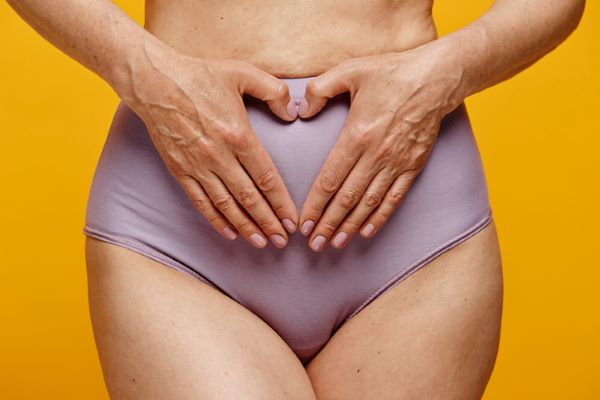
Extreme heat can be a major trigger for fibromyalgia flares, so the current series of heatwaves sweeping the UK and much of Europe will mean that pain levels will be at an all-time high for many sufferers.
High temperatures, humidity, and dehydration can cause fibromyalgia to flare as heat causes generalised swelling in the body and can making sleeping harder which results in fatigue.

Many people with fibromyalgia have an overactive central nervous system, which impairs the body's ability to regulate its internal temperature.
Sweating depletes the body of vital fluids and for people with fibromyalgia, this can lead to intensified muscle cramps.
Approximately one in 50 people in the UK are estimated to suffer from fibromyalgia, but only a quarter of those are officially diagnosed. Recent research presented by the University of Aberdeen found that, on average, in the UK it takes about three years to get a professional diagnosis.
Doctors diagnose fibromyalgia based on four features: widespread pain for at least three months, multiple tender areas, fatigue or poor sleep; and no other condition to explain the symptoms.
Symptoms of fibromyalgia can fluctuate and overlap with other illnesses – such as chronic fatigue syndrome, arthritis, thyroid disorders or depression, some of which can also get worse in very hot weather, giving a double whammy of a risk of a fibromyalgia flare.
6 coping techniques for reducing fibromyalgia flares in the heat.
1 Keeping moving in the heat – The heat can make us move less and for people with fibromyalgia the pain often stops sufferers moving because they’re frightened of making it worse. However, research shows that even gentle walking or stretching – helps retrain the nervous system to see movement as safe, reducing the body’s overreaction to pain. Strength work and stretching also stop muscles from weakening, which can make discomfort worse and increase fatigue.

Try a gentle walk in the early morning when the heat is at its lowest. Try and walk in shaded green areas rather than on exposed concrete as the air and ground is cooler and softer in the heat. Find shaded green areas with a breeze to do your stretches in, rather than indoors, which may be hot and stuffy in the heat.

Or switch to water exercises, move your gentle physical therapy stretches to a pool or the sea to keep cool while you work out.
2. Switch to a cooling joint pain relief rub – Joint rubs with pain relieving ingredinets can be a useful way to manage joint pain and muscle pain and reduce reliance of oral painkillers. In the heat ones that also help cool down swelling and inflammation are particularly beneficial.

Actimas Celafen contains a unique clinically tested and patented ingredient called Celadrin®, which is a complex of esterified fatty acids (EFA’s). Celadrin ® has been shown in published research to deliver effective natural joint pain relief within just 30 minutes, making it 15% faster than conventional painkillers. Actimas Celafen also contains menthol, which helps to quickly cool down the affected area as well speed up the activation of the other active ingredients.
Carly, 36, is a civil servant from Coventry who was diagnosed with fibromyalgia ten years ago.
“It was my brother-in-law who suggested I try Celafen. He’d read how a lady suffering with fibromyalgia had managed to reduce the number of painkillers she was taking thanks to the cream. I was on a few different medications at the time, and they were making me feel ill.

“Having gone through hell and back with a long history of different medications, I was highly sceptical a £11 cream would be able to help. But as James said, what did I have to lose? We ordered the cream and when it arrived James applied it to my lower back and shoulders. Within twenty minutes I was able to lean forward without my muscles screaming at me. A simple movement that anyone else would take for granted, but for me, being able to do this without being in any pain was momentous. I was so relieved I cried.

“I continued to use Celafen on a daily basis and gradually I was able to shower unaided, take a walk to the shops and I started to do the normal day to day things that most people take for granted. I’ve been using the rub for about eight months now and I feel so much better. I’m in much less daily pain, I’m happier in myself and I’ve even got a bit of a social life back and see the girls now and then.”
3. Cool pulse points - When nerve and muscle pain starts to flare, apply ice packs or cool, damp cloths directly to your wrists, the back of your neck, and your ankles to lower body temperature rapidly.

4. Take tepid showers - People with fibromyalgia should avoid cold showers to cool off in the heat because the sudden cold can cause muscles to seize up or cramp, instead opt for lukewarm showers to lower your temperature gently.

5. Shift your schedule: In the middle of a heatwave, temperatures are at their highest during the middle of the day so to avoid the risk of a heat related pain flare it helps to re-arrange your schedules, if possible, to carry out an errands, light housework, or stretching routines during the early morning or late evening hours.

It also helps to take a nap in a cool darkened room during the hottest part of the day which can help fight heat related fatigue, lower core temperature and make up for any sleep lost during the night due to heat related sleep interruptions.
6. Take a daily electrolyte – Dehydration during a heatwave becomes a real issue for most people, but especially for people who suffer from fibromyalgia. Loss of salts and minerals through excessive sweating can trigger both muscle weakening and nerve sensitivity.

Drinking more water than normal is essential but often its not enough alone. Replenishing salts and minerals with a daily electrolyte during very hot weather can help fight dehydration losses.