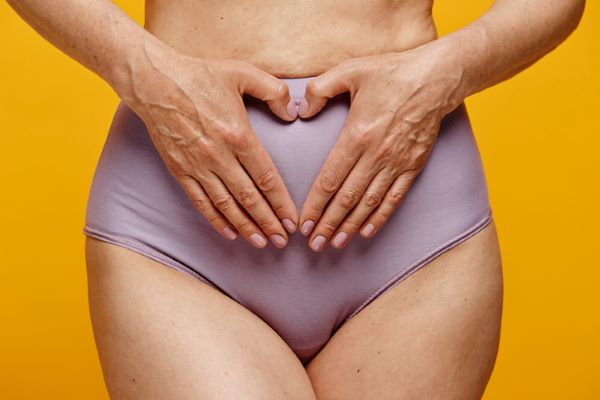
Menopause is a transitional phase when women experience often multiple symptoms due to the sudden drop in female sex hormones at the onset of menopause. Most menopausal symptoms are temporary and decline post menopause. However, vaginal dryness is one of the symptoms that can become chronic, lasting far beyond the transitional phase of menopause as it can cause permanent physical changes to the vagina.
Estimates are that approximately 50% of menopausal women experience vaginal dryness, while more than 90% of those don’t seek medical help about it. Yet studies show that early intervention and treatment of menopausal vaginal dryness can help prevent or even reverse the damage caused.

The hormone oestrogen keeps the vagina healthy by acting as a natural lubricant. It also stimulates the cells in the lining of the vagina to encourage the growth of ‘good’ bacteria that protects against infection.
As oestrogen levels in the body decline during the perimenopause and menopause, the vagina, vulva, and urinary tract can suffer from a lack of oestrogen. The tissue lining the vagina thins (known as vaginal atrophy) and becomes drier. The bladder and the tube running from it (urethra) also thin and become weaker which can cause the need to go to the toilet more often and more urgently. As oestrogen helps cells to fight off harmful bacteria, a lack of this hormone makes you prone to urinary tract infections, such as cystitis.
A lack of oestrogen to the vagina and vulva can cause a range of problems; symptoms that, although very common, are often not mentioned due to embarrassment. Symptoms can present in the earlier years of your perimenopause or may not occur at all until years after menopause.
Lower oestrogen also directly diminishes local blood flow, which starves the vaginal tissues of oxygen and nutrients. This causes the tissue to shrink and lose the plumpness and elasticity it once had.
Vaginal drynes is not just a problem for women who are sexually active, in more severe cases, the discomfort can be present all the time and affect normal everyday activities, such as doing sport of even just sitting down.

Some women experience intermittent, or even constant, pain at any time of the day, regardless of what they are doing. For others, discomfort is felt only when the tissue is stretched, such as during sex or when using tampons. This is because, as well as being drier, the tissue around the vagina has become less flexible and doesn’t expand as easily as it did before.
A common feature of vaginal dryness is also for the tissue to thin and become more sensitive. This often makes it feel sore and itchy, and become red and inflamed (your skin may feel itchy in other areas too). Scratching the itch leads to more soreness, redness and inflammation.

“This kind of damage to the vaginal skin can become a more permanent issue, even after other menopausal symptoms have abated, if it’s not treated early on. Once the vaginal skin becomes damaged and weakened, it tends to get extremely sensitive and can become chronically reactive to other products, lubricants and even water,” says venereologist Dr Eva Melegh.
A common treatment offered by doctors to treat vaginal dryness during and after menopause is to take HRT. Many doctors may also prescribe a topical oestrogen gel or cream to apply directly to the vaginal skin. However, many women worry about the idea of using HRT or vaginal oestrogen as some studies have associated them with a higher risk of cardiovascular disease and breast cancer. The Women's Health Initiative, a 15-year study that began in 1991, found a threefold increase in the risk of breast cancer and stroke among women who took oral oestrogen for a sustained period after menopause.

Not only does the risk factor put some women off, the cost of monthly prescriptions for oestrogen creams can be prohibitively high for many women.
Aside from taking either HRT or vaginal oestrogen, using a daily internal vaginal lubricant and external vaginal moisturiser has been found in studies to be as effective and considerably cheaper.
A study published in JAMA Internal Medicine compared two common treatments for vaginal dryness, vaginal oestrogen and a vaginal moisturiser. The researchers found that vaginal oestrogen and the vaginal moisturizer performed about the same when it came to relieving vaginal dryness, irritation, and pain in postmenopausal women.
The researchers found that the vaginal oestrogen tablet and the vaginal moisturizer both relieved symptoms in the women who used them by 50% to 70%.
“Not all lubricants and vaginal moisturisers are beneficial for treating menopausal vaginal dryness,” says Dr Melegh. “Menopausal women should aim to avoid any lubricants or moisturisers that contain glycerine as this can feeds yeast and can trigger recurrent yeast infections. Petroleum Jelly and mineral oil can cause skin irritation and parabens, and propylene glycol can trigger severe allergic reactions and dry out delicate, menopausal tissues. Anything flavoured or fragranced should also be ruled out chemicals and dyes added for taste or scent can burn or irritate sensitive vulvar tissue.”

“Daily vaginal lubricants and moisturisers which contain ingredients to help replenish and boost good vaginal bacteria and actively repair weakened vaginal skin are actively beneficial for treating menopausal vaginal dryness as they don’t just lubricate, they re-structure. This helps improve the elasticity of vaginal skin and helps guard against micro damage from sexual activity, tampons or just general abrasions from sport or daily activities,” says Dr Melegh.
“I recommend In2mate Moisturiser and Lubricant because they use a unique combination of three natural ingredients that work together to offer significant rejuvenation effects on vaginal skin; Oleuropein, a compound found in olive leaf extract reactivates the proteasome proteins who job it is to keep vaginal skin cells healthy, Levan, a natural plant fructose that helps lock in vaginal moisture via the formation of a natural microfilm over the cell surface and Biolin, a natural prebiotic from chicory root which boosts the growth good vaginal bacteria.”