Skin Features
Guidance for confident skincare choices

Almost 80% of vaginal moisturisers could cause skin reactions says new study
Vaginal moisturisers are designed to help relieve dryness and irritation in vulval skin due to reduced vaginal lubrication due to hormonal changes such as after pregnancy and during and after menopause. However, some medications, stress and other illnesses, as well as psychological issues can also lead to vaginal dryness. But a new review published in the Journal of the American Academy of Dermatology has revealed that many vaginal moisturisers could be doing more harm than good. The review found that the majority of vaginal moisturisers sold for addressing vaginal dryness contain at least one known allergen which can cause contact allergies when applied to the vulval skin. The review also found that several vaginal moisturisers that were described as ‘hypoallergenic’ or ‘fragrance free’, were not supported by their ingredients. The study found that of the 66 most popular vaginal moisturisers that were reviewed, overall, 77% of products contained at least one ACDS allergen. An ACDS allergen is any skincare ingredient that is listed by the American Contact Dermatitis Society (ACDS) as having a risk of triggering allergic contact dermatitis (ACD), which is an itchy, immune-driven skin rash triggered by direct contact with an allergen. Common ACDS allergens include metals, such as nickel and cobalt, fragrances including standard fragrance mixes and specific components and common preservatives used in cosmetics and skincare as well as chemical accelerators that give immediate ‘sensation’ feelings when applied to the skin. Chemical compounds of vitamin E, anti-fungal and anti-bacterial agents were the most common allergens found in the vaginal moisturisers that were reviewed, with vitamin E compounds found in a significant majority of them. The published review also found that out of the vaginal moisturisers that were labelled "fragrance-free," almost 25% % contained fragrance-related ingredients. The review also found that out the vagina moisturisers that were labelled 'hypoallergenic," over 70% did not meet the industry standard criteria for that claim. In addition, almost 26% of products studied in the review contained no ingredients with any notable moisture retaining (humectants) or vulval skin barrier protecting (occlusives) ingredients. Petra Bryant, is an actress from Walsall in the West Midlands who starred in films including For The Love of George and My Guardian Angel. “I strolled into Boots looking for a vaginal moisturiser because I had recently gone on the contraceptive pill, which had caused some vaginal dryness as a side effect, which is quite common,” says Petra. “Most products I tried were awful. They were sticky and scented and the moment I used them felt uncomfortable and did the opposite of helping the situation,” say Petra. Having suffered with UTIs and unpleasant burning sensations from previous products, Petra instinctively knew she needed to find a more natural vaginal moisturiser and natural lubricant that didn't contain irritants or fragrances. “Most things on offer were either aimed at making sex ‘more fun’ or treating the issue almost as a medical condition “I didn’t have a medical condition, nor did I need my sex life spicing up, I was just experiencing something that one in four women experience of all ages, which is vaginal dryness. I wanted something non-scented, as natural as possible and which was beneficial to my vaginal health and didn’t irritate it with perfumes or chemical cleaning agents. I also wanted a product that didn’t just have a momentary effect, but actually improved my vaginal health “Many vaginal moisturisers seem to be aimed primarily at scenting the area, which can potentially cause more damage than good. It’s no wonder that may women, like me, are suffering from more frequent bacterial infections. “During my research I came across a range of products which honestly made me almost let out a whoop of joy. “In2mate products claim to be for everyday use to help rejuvenate and repair vulval skin and not just momentarily moisturise it as well as offer natural feeling everyday lubrication internally. They're over 99% natural, un-scented and made from plant-based ingredients. They also include a prebiotic suitable for repairing internal vaginal skin and vagina-friendly antioxidants to rejuvenate vaginal skin as well as a polymer which soaks up and holds large amounts of moisture. “Unlike any other products I’d read about, these didn’t just focus on lubrication but included vaginal rejuvenation and skin barrier protection as a means of improving overall vaginal comfort and conditioning. “From the first week of using the in2mate products daily, things began to improve. My vaginal skin started to feel less fragile and healthier, and the lubricating element felt natural and comfortable. I felt so delighted with the results that I wrote about it on my blog and it’s the most viewed blog of all my blogs on women’s vaginal health, which should tell us all something.”
Learn more
6 coping techniques for taming fibromyalgia flares in the heat
Extreme heat can be a major trigger for fibromyalgia flares, so the current series of heatwaves sweeping the UK and much of Europe will mean that pain levels will be at an all-time high for many sufferers. High temperatures, humidity, and dehydration can cause fibromyalgia to flare as heat causes generalised swelling in the body and can making sleeping harder which results in fatigue. Many people with fibromyalgia have an overactive central nervous system, which impairs the body's ability to regulate its internal temperature. Sweating depletes the body of vital fluids and for people with fibromyalgia, this can lead to intensified muscle cramps. Approximately one in 50 people in the UK are estimated to suffer from fibromyalgia, but only a quarter of those are officially diagnosed. Recent research presented by the University of Aberdeen found that, on average, in the UK it takes about three years to get a professional diagnosis. Doctors diagnose fibromyalgia based on four features: widespread pain for at least three months, multiple tender areas, fatigue or poor sleep; and no other condition to explain the symptoms. Symptoms of fibromyalgia can fluctuate and overlap with other illnesses – such as chronic fatigue syndrome, arthritis, thyroid disorders or depression, some of which can also get worse in very hot weather, giving a double whammy of a risk of a fibromyalgia flare. 6 coping techniques for reducing fibromyalgia flares in the heat. 1 Keeping moving in the heat – The heat can make us move less and for people with fibromyalgia the pain often stops sufferers moving because they’re frightened of making it worse. However, research shows that even gentle walking or stretching – helps retrain the nervous system to see movement as safe, reducing the body’s overreaction to pain. Strength work and stretching also stop muscles from weakening, which can make discomfort worse and increase fatigue. Try a gentle walk in the early morning when the heat is at its lowest. Try and walk in shaded green areas rather than on exposed concrete as the air and ground is cooler and softer in the heat. Find shaded green areas with a breeze to do your stretches in, rather than indoors, which may be hot and stuffy in the heat. Or switch to water exercises, move your gentle physical therapy stretches to a pool or the sea to keep cool while you work out. 2. Switch to a cooling joint pain relief rub – Joint rubs with pain relieving ingredinets can be a useful way to manage joint pain and muscle pain and reduce reliance of oral painkillers. In the heat ones that also help cool down swelling and inflammation are particularly beneficial. Actimas Celafen contains a unique clinically tested and patented ingredient called Celadrin®, which is a complex of esterified fatty acids (EFA’s). Celadrin ® has been shown in published research to deliver effective natural joint pain relief within just 30 minutes, making it 15% faster than conventional painkillers. Actimas Celafen also contains menthol, which helps to quickly cool down the affected area as well speed up the activation of the other active ingredients. Carly, 36, is a civil servant from Coventry who was diagnosed with fibromyalgia ten years ago. “It was my brother-in-law who suggested I try Celafen. He’d read how a lady suffering with fibromyalgia had managed to reduce the number of painkillers she was taking thanks to the cream. I was on a few different medications at the time, and they were making me feel ill. “Having gone through hell and back with a long history of different medications, I was highly sceptical a £11 cream would be able to help. But as James said, what did I have to lose? We ordered the cream and when it arrived James applied it to my lower back and shoulders. Within twenty minutes I was able to lean forward without my muscles screaming at me. A simple movement that anyone else would take for granted, but for me, being able to do this without being in any pain was momentous. I was so relieved I cried. “I continued to use Celafen on a daily basis and gradually I was able to shower unaided, take a walk to the shops and I started to do the normal day to day things that most people take for granted. I’ve been using the rub for about eight months now and I feel so much better. I’m in much less daily pain, I’m happier in myself and I’ve even got a bit of a social life back and see the girls now and then.” 3. Cool pulse points - When nerve and muscle pain starts to flare, apply ice packs or cool, damp cloths directly to your wrists, the back of your neck, and your ankles to lower body temperature rapidly. 4. Take tepid showers - People with fibromyalgia should avoid cold showers to cool off in the heat because the sudden cold can cause muscles to seize up or cramp, instead opt for lukewarm showers to lower your temperature gently. 5. Shift your schedule: In the middle of a heatwave, temperatures are at their highest during the middle of the day so to avoid the risk of a heat related pain flare it helps to re-arrange your schedules, if possible, to carry out an errands, light housework, or stretching routines during the early morning or late evening hours. It also helps to take a nap in a cool darkened room during the hottest part of the day which can help fight heat related fatigue, lower core temperature and make up for any sleep lost during the night due to heat related sleep interruptions. 6. Take a daily electrolyte – Dehydration during a heatwave becomes a real issue for most people, but especially for people who suffer from fibromyalgia. Loss of salts and minerals through excessive sweating can trigger both muscle weakening and nerve sensitivity. Drinking more water than normal is essential but often its not enough alone. Replenishing salts and minerals with a daily electrolyte during very hot weather can help fight dehydration losses.
Learn more
Could you be part of the silent herpes epidemic sweeping the UK?
New research into the extent of the herpes virus in the UK, which causes cold sores as well as genital herpes, has lead researchers in the public health sector to claim that there is potentially a silent herpes epidemic sweeping the UK. Previous estimates were that approximately 50% of the population carries the herpes virus but those estimates have recently been updated to almost 70% of the population who could be carrying the HSV-1 virus that causes cold sores. The problem with estimating the exact prevalence of the virus is that many people carrying it are asymptomatic or if they do have herpes symptoms, they are not correctly diagnosed due to a lack of routine testing or that many adults refuse to seek a diagnosis despite suffering symptoms due to social stigma surrounding the virus and how it perceived to be transmitted, which is not always accurate. The herpes simplex virus exists in two distinct types, each with different characteristics and typical patterns of infection. Herpes Simplex Virus Type 1 (HSV-1) is an oral form of herpes, commonly known as cold sores and is usually caught during in childhood through non-sexual contact. Oral herpes can also be transmitted via kissing and also into genital herpes via oral sex and vice versa. The concerning thing about oral herpes is that transmission of the virus often takes please when there are no visible symptoms of a cold sore. Many people may not even have experienced a cold sore while still carrying the virus. In recent years the prevalence of cold sores has become higher in older age groups. Herpes Simplex Virus Type 2 (HSV-2) is a form of genital herpes and is typically transmitted through sexual contact. HSV-2 is less common than cold sores and affects approximately 15% of adults, with the highest prevalence being among 20–35-year-olds and is more common in women than men. Up to 80% of people carrying genial herpes show no visible symptoms of the virus. Public health officials suggest that recently the epidemiological landscape of transmission of the herpes virus has changed and that rather than transmission happening mostly in childhood, the sharp increase of prevalence of cold sores in adults could be due to an increase in oral sex. How to protect yourself and others from the spread of the herpes virus The virus is at its most infectious when there are physical symptoms present so any form of tinging, itching or the start of an actual herpes sore should be treated as a danger zone period for transmitting the virus to others. Testing is another way to protect yourself and others from potentially catching the virus, so if you have any concern that you may be showing symptoms of the herpes virus you should get tested. Doctors recommend that anyone engaging in regular physical contact, either genital or oral, with new partners should potentially get regular tested for the herpes virus because as statistics show, a large percentage of people carrying the herpes virus display no symptoms, so voluntary testing is the only reliable method of screening for the virus. Open communication with new partners is also vital for reducing the risk of transmitting the virus. Telling new partners that you get cold sores or genital herpes if you do, is crucial for making sure the virus isn’t passed on. Also, if you are concerned that you may have developed symptoms of the virus but have yet to be diagnosed, this should also be openly communicated with new partners. Using barrier protection during sex with new partners is also the best way to prevent the virus from being transmitted. Applying anti-viral lip balms daily, and also before and after engaging in close oral contact could also help reduce the risk of transmitting the virus orally as well as reducing the frequency of live cold sore outbreaks. Lip Q Liquorice Balm contains a highly concentrated extract of liquorice extract (glycyrrhizic acid) and according to a study by the Herpes Virus Association, if used daily the transparent and odourless lip balm helps reduce the frequency and intensity of cold sore outbreaks. Additionally, research published in the US Journal of Clinical Investigation has shown that glycyrrhizic acid has the ability to weaken the cold sore virus which lies dormant in the skin between outbreaks. “Liquorice root has strong anti-viral properties and is particularly effective against the cold sore virus. Research shows that glycyrrhizic acid specifically targets the genes that are required to maintain the virus in its latent state by interfering with the production of special proteins that feed the infected cells. It has also been found in studies to help protect the skin again UV damage. This is helpful for preventing cold sores as sun is one of the main triggers for cold sore outbreaks,” says consultant dermatologist Dr Eva Melegh. Lip Q Liquorice Balm can be worn under lip stick and is beneficial if applied before kissing. It may also aide in the prevention of cold sore outbreaks if applied more frequently during times of high stress of lowered immunity such as after illness as well as before, during and after flights and when exposed to increased sun, such as on summer or ski holidays. It may also be beneficial if worn regularly by new mums and by anyone in regular close contact with newborn babies.
Learn more
Experts warn vaginal dryness can become a permanent menopausal symptom if not treated
Menopause is a transitional phase when women experience often multiple symptoms due to the sudden drop in female sex hormones at the onset of menopause. Most menopausal symptoms are temporary and decline post menopause. However, vaginal dryness is one of the symptoms that can become chronic, lasting far beyond the transitional phase of menopause as it can cause permanent physical changes to the vagina. Estimates are that approximately 50% of menopausal women experience vaginal dryness, while more than 90% of those don’t seek medical help about it. Yet studies show that early intervention and treatment of menopausal vaginal dryness can help prevent or even reverse the damage caused. The hormone oestrogen keeps the vagina healthy by acting as a natural lubricant. It also stimulates the cells in the lining of the vagina to encourage the growth of ‘good’ bacteria that protects against infection. As oestrogen levels in the body decline during the perimenopause and menopause, the vagina, vulva, and urinary tract can suffer from a lack of oestrogen. The tissue lining the vagina thins (known as vaginal atrophy) and becomes drier. The bladder and the tube running from it (urethra) also thin and become weaker which can cause the need to go to the toilet more often and more urgently. As oestrogen helps cells to fight off harmful bacteria, a lack of this hormone makes you prone to urinary tract infections, such as cystitis. A lack of oestrogen to the vagina and vulva can cause a range of problems; symptoms that, although very common, are often not mentioned due to embarrassment. Symptoms can present in the earlier years of your perimenopause or may not occur at all until years after menopause. Lower oestrogen also directly diminishes local blood flow, which starves the vaginal tissues of oxygen and nutrients. This causes the tissue to shrink and lose the plumpness and elasticity it once had. Vaginal drynes is not just a problem for women who are sexually active, in more severe cases, the discomfort can be present all the time and affect normal everyday activities, such as doing sport of even just sitting down. Some women experience intermittent, or even constant, pain at any time of the day, regardless of what they are doing. For others, discomfort is felt only when the tissue is stretched, such as during sex or when using tampons. This is because, as well as being drier, the tissue around the vagina has become less flexible and doesn’t expand as easily as it did before. A common feature of vaginal dryness is also for the tissue to thin and become more sensitive. This often makes it feel sore and itchy, and become red and inflamed (your skin may feel itchy in other areas too). Scratching the itch leads to more soreness, redness and inflammation. “This kind of damage to the vaginal skin can become a more permanent issue, even after other menopausal symptoms have abated, if it’s not treated early on. Once the vaginal skin becomes damaged and weakened, it tends to get extremely sensitive and can become chronically reactive to other products, lubricants and even water,” says venereologist Dr Eva Melegh. A common treatment offered by doctors to treat vaginal dryness during and after menopause is to take HRT. Many doctors may also prescribe a topical oestrogen gel or cream to apply directly to the vaginal skin. However, many women worry about the idea of using HRT or vaginal oestrogen as some studies have associated them with a higher risk of cardiovascular disease and breast cancer. The Women's Health Initiative, a 15-year study that began in 1991, found a threefold increase in the risk of breast cancer and stroke among women who took oral oestrogen for a sustained period after menopause. Not only does the risk factor put some women off, the cost of monthly prescriptions for oestrogen creams can be prohibitively high for many women. Aside from taking either HRT or vaginal oestrogen, using a daily internal vaginal lubricant and external vaginal moisturiser has been found in studies to be as effective and considerably cheaper. A study published in JAMA Internal Medicine compared two common treatments for vaginal dryness, vaginal oestrogen and a vaginal moisturiser. The researchers found that vaginal oestrogen and the vaginal moisturizer performed about the same when it came to relieving vaginal dryness, irritation, and pain in postmenopausal women. The researchers found that the vaginal oestrogen tablet and the vaginal moisturizer both relieved symptoms in the women who used them by 50% to 70%. “Not all lubricants and vaginal moisturisers are beneficial for treating menopausal vaginal dryness,” says Dr Melegh. “Menopausal women should aim to avoid any lubricants or moisturisers that contain glycerine as this can feeds yeast and can trigger recurrent yeast infections. Petroleum Jelly and mineral oil can cause skin irritation and parabens, and propylene glycol can trigger severe allergic reactions and dry out delicate, menopausal tissues. Anything flavoured or fragranced should also be ruled out chemicals and dyes added for taste or scent can burn or irritate sensitive vulvar tissue.” “Daily vaginal lubricants and moisturisers which contain ingredients to help replenish and boost good vaginal bacteria and actively repair weakened vaginal skin are actively beneficial for treating menopausal vaginal dryness as they don’t just lubricate, they re-structure. This helps improve the elasticity of vaginal skin and helps guard against micro damage from sexual activity, tampons or just general abrasions from sport or daily activities,” says Dr Melegh. “I recommend In2mate Moisturiser and Lubricant because they use a unique combination of three natural ingredients that work together to offer significant rejuvenation effects on vaginal skin; Oleuropein, a compound found in olive leaf extract reactivates the proteasome proteins who job it is to keep vaginal skin cells healthy, Levan, a natural plant fructose that helps lock in vaginal moisture via the formation of a natural microfilm over the cell surface and Biolin, a natural prebiotic from chicory root which boosts the growth good vaginal bacteria.”
Learn more
Are you missing out on the most powerful arthritis treatment of all?
Osteoarthritis is the most common type of arthritis and longer lifespans, more sedentary habits, and rising rates of obesity are fuelling this increase. Stiff and swollen joints may seem like an inevitable part of aging, but experts suggest that much of the health care advice people receive about how to cope with the onset of osteoarthritis is getting it all wrong and that many people are missing out on the most powerful treatment of all. Despite osteoarthritis affecting nearly 600 million people worldwide, and according to recent study published in the The Lancet medical journal this looks to rise to a billion by 2050, the most powerful treatment is being largely overlooked. The answer lies not in a packet of pills or under the surgeon’s knife, it’s in exercise. Mounting evidence suggests that movement, not medication or surgery, is what nourishes cartilage, strengthens muscles, reduces inflammation, and even reshapes the biological processes driving joint damage. Osteoarthritis may feel like inevitable wear and tear, but science is proving increasingly that movement is one of the most powerful ways to protect and even heal joints that have already started to be affected by osteoarthritis. Yet despite irrefutable evidence that exercise reduces pain and slows the progression of arthritis, many patients are still directed towards medications and surgery before trying this simple, proven therapy. Stiff knees, sore hips, and persistent joint pain are often brushed off as normal signs of aging and the standard advice is to recommend more rest and less activity along with anti-inflammatory drugs to help preserve joints and bring down inflammation. However, the science finds that the total reverse acheieves this more effectively and fundamentally. Many joint experts now suggest that the biggest gap in effective treatment of arthritis is not a lack of options, but a failure to use the most effective ones. In many healthcare systems, patients are rarely directed initially towards the one therapy proven to reduce pain and protect joints, which is exercise. Even though exercise is increasingly recognized as one of the most effective treatments for osteoarthritis, studies have revealed that fewer than half of people diagnosed with osteoarthritis are referred to exercise programs or physical therapy by their doctor. More than 60% of people with osteoarthritis receive treatments recommendations that do not include exercise and about 40% are referred to a surgeon before non-surgical options have been properly explored. To understand why exercise and movement are so effective, it helps to look at how joints actually function and why describing osteoarthritis as wear and tear on joints is misleading. Osteoarthritis is better described as a long process of breakdown and repair. Regular movement plays a central role in maintaining the repair part of this process and invloves the health of the entire joint which can biologically lower the risk of developing osteoarthritis as well as reduce its severity. People often describe osteoarthritis as the biological breakdown of cartilage due to age. Cartilage is the smooth tissue that cushions the ends of bones, and it doesn’t have its own blood supply and so relies solely on movement to stay healthy. When you walk or put weight on a joint, cartilage is gently compressed, pushing fluid out. When the pressure is released, it draws fluid back in, bringing nutrients and natural lubricants with it, which helps nourish and maintain the joint. Therefore, exercise is one of the main elements that maintains cartilage rather than eroding it. Osteoarthritis does not only affect cartilage, but it also involves the entire joint, including joint fluid, underlying bone, ligaments, surrounding muscles, and even the nerves that control movement, which is why muscle weakness if often cited as one of the early symptoms of osteoarthritis. Weakened muscles increase the risk of both developing osteoarthritis and cause a faster progression of the condition. Targeted exercise can address many of these components at the same time and in particular resistance training, can actually help reverse symptoms. Exercise programs, such as Pilates and targeted strength trainingt hat focus on improving movement quality, balance, and core strength are the most effective for preventing and improving osteoarthritis. The goal with improving arthritis pain and improving mobility is to enhance joint stability and re-train weakened muscles to have confidence in movement. The benefits of exercise for osteoarthritis go far beyond strengthening muscles and supporting cartilage. It also addresses inflammation, metabolic changes, and hormonal shifts such as during menopause for women, that contribute to the disease. Obesity is a major risk factor for osteoarthritis, and the reason is not only because it adds stress on the joints, but excess body fat is also linked to higher levels of inflammatory molecules in joint tissues, which can damage cartilage and speed up the progression of arthritis. Regular physical activity helps counter these effects at a molecular level. It can lower inflammatory markers, reduce cell damage, and even influence gene expression in ways that support joint health. As opposed to painkillers which carry their own risks ad side effects, natural topical treatments that focus on improving lubrication for better joint mobility rather than just bringing down inflammtion can be a really useful tool in helping to make exercise less painful and easier to accomplish. The effect of regular exercise is accumulative, so the more you do the better the effects, which means anything that makes exercise easier and less painful is a huge bonus. Long chain fatty acid formulas, such as Celafen, have been proven to be really effective at improving joint lubrication, reducing morning stiffness and makig it easier to get joints moving. While exercise can often help prevent or improve the symptoms of arthritis, for some patients the disease does still progress to a point where surgery may become necessary, but it is a major procedure and does not work equally well for everyone. However, exercise should be the first treatment step and can, in many cases slow down the progression of the disease enough to avoid surgery or at least prolong the time before it becomes necessary, which as was the case for retired nurse, Judith,77, who managed to put-off her scheduled knee surgery after finding a treatment that helped increase her ability to do exercise. “I had to have a right knee replacement after I developed chronic osteoarthritis from a long nursing career. Luckily, I had the operation just before covid. The other knee was scheduled to be replaced too but due to covid my operation was cancelled,” says Judith. “I began researching things aside from painkillers I could take to help with the pain and swelling of my left knee in case the surgery was delayed for a long time. I was taking two anti-inflammatory a day which concerned me as it can cause stomach upsets and also has a blood thinning effect if taken too regularly. “As a nurse I know how bad the side effects of taking painkillers are and so I was very keen to try and find an alternative to manage the pain and swelling in my left knee. “During my research I discovered that Frankincense was excellent for bringing down the swelling from OA so I started searching for topical creams that contained it. Very quickly I came across Actimas B&C Joint Rub, which contained both Frankincense and Myrrh. I then researched Myrrh and found that also had great results for use on OA swelling and pain and seemed to be exactly what I was looking for. As soon as I began using the B&C Joint Rub, I noticed the difference. I put in on every night when my knee was sore and stiff and by morning the stiffness had really eased up. Before discovering this cream, I was finding it hard to walk without pain and I was advised to rest more. I could just about hobble down the end of our road before I had to sit down and my knee was throbbing. After using the B&C Joint Rub for a few weeks I was able to walk about a mile without too much pain, which felt miraculous. I have always been a very active person, and I think not being able to do exercise had really affected me and it seemed to make my knee feel worse. Within weeks of walking every day I felt so much better all round, and after about a month my left knee improved by about 70% and my mobility was much better. “I was really surprised at the results, which were far better and longer lasting than any painkiller I had taken yet without the worrying side effects. The beneficial effect was also accumulative as my knee felt better and better as the weeks went on. Due to the vast improvement in my knee pain, I’m not currently looking to book my knee replacement surgery. I know eventually I may have to have the operation but the longer I can put it off the better. I feel for now that if I can exercise daily without much pain then I don’t urgently need to have a knee replacement. Other than some multivitamins, I don’t use anything else for my knee pain other than the B&C Joint Rub, which has basically got me moving again and is honestly the most impressive product I’ve tried. I recommend it to everyone.” Osteoarthritis is not simply about worn out joints. It is shaped by muscle strength, inflammation, metabolism, and lifestyle factors. Regular, structured exercise addresses many of these drivers at the same time, helping protect cartilage, support the entire joint, and improve overall health. Before turning to surgery, science is starting to prove that movement is one of the most effective treatments available.
Learn more
4 hacks to reduce itchy scalp and dry scalp from braids, dreadlocks and extensions
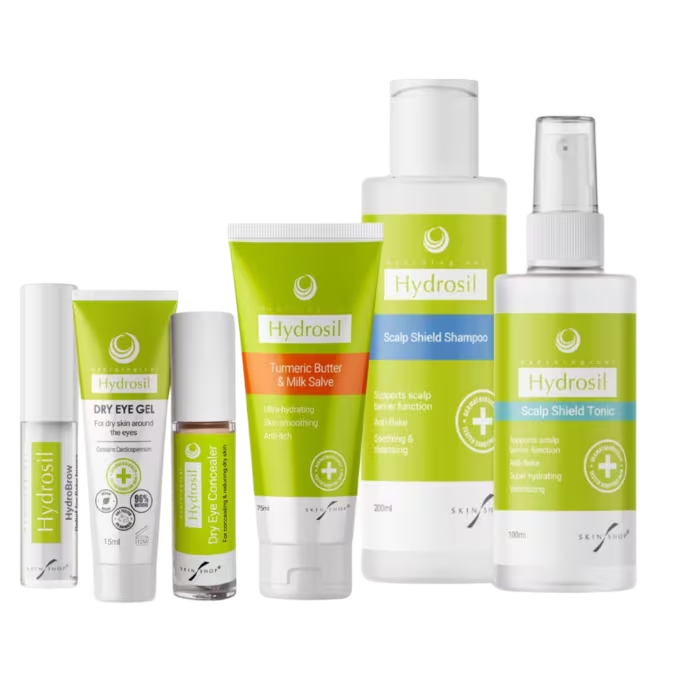
If you have found that days and sometimes just hours after getting braids or extensions or having your dreadlocks re-twisted, your scalp starts to get really itchy and uncomfortable, then you are not alone. Itchy dry scalp from braids and extensions is really common, estimates suggest about 30-40% of people suffer from it, and it can last for days or weeks, often developing into severe flaking and a very sensitive scalp. If left untreated it can go on to trigger more fundamental scalp issues such as scalp eczema or scalp dermatitis, with many people in these situations having to remove their braids or extensions due to the irritation to the scalp. Scalp irritation over a longer period can also increase the risk of hair loss. Synthetic coatings, glues and dyes in extensions and braids along with acetone are all known skin irritants and can trigger contact dermatitis of the scalp. Some stylists will tell you that an itchy or irritated scalp is just one of downsides of these procedures but actually you don’t have to suffer an uncomfortable itchy or flaky scalp, you can get rid of the problem as long as you take the right steps. Here are four scalp management steps to take during and after you’ve had your braids or extensions put in or had your dreadlocks re-twisted; Prevent scalp bacteria growth Your scalp produces natural oils (sebum) and when extensions or synthetic braids are installed, the scalp typically become sweatier. In addition, synthetic hair retains moisture for longer adding to the problem. Extensions, braids and dreadlocks also attract more dust and dirt. All this can lead to an overgrowth of bad scalp bacteria. Combined with common microdamage from traction tension from braids, extensions and dreadlcoks, both of these issues can end up depleting and damaging the scalp barrier function, allowing bad bacteria to enter the scalp dermis and begin multiplying, leading to a cycle of itching and inflammation, followed by flaking. Contrary to a lot of advice, this kind of flaking is not due to fungal overgrowth, and so normal anti-fungal shampoos for dandruff do not work, in fact they may make the problem worse. The cause is dry scalp dandruff caused by bacterial over-growth and requires a different treatment approach. Prebiotics that help feed beneficial scalp bacteria while inhibiting the growth of bad scalp bacteria are the most effective way to prevent bacterial build up in braided hair, dreadlocks or with extensions. Hydrosil Scalp Shield Tonic is a light non-greasy scalp spray designed for treating dry, irritated and sensitive scalps by instantly calming down itching via a widely reseacrhed plant-derived steroid-mimicking ingredient and strengthening scalp barrier function by boosting good scalp bacteria and inhibiting bad skin bacteria via a patented scalp probiotic. The prebiotic ingredient is derived from a polyfructose extract from chicory root and is proven to rebalance scalp bacteria by encouraging beneficial scalp microbiota while reducing the growth of non-beneficial microbes. Sarah Smith, a qualified loctician behind The Locs Smith in South London that specialises in dreadlocks says; "Many of my clients suffer from dry, itchy scalps... Hydrosil Scalp Tonic has been a game changer. Used twice weekly, it quickly cools and soothes my scalp and my clients' after styling. It's vegan-friendly, and I ensure all clients receive dermatologically tested products - it's greatly improving their scalp health and comfort, one scalp at a time." Jason, 41, a builder from Croydon says: “If you have dreadlocks or braids you probably know what it’s like to have a dry itchy scalp. Dust from work really sticks to my hair making my scalp itch and hair oils I’ve tried to reduce the dryness and flaking just seem to make things worse. Some days the itching drives me crazy, especially in warmer weather or at night. “I’ve been looking for years for something that’s light and has minimal build up that quicky eases the itching but I wasn’t finding anything effective until a friend recommended Hydrosil Scalp Shield Tonic. The results were amazing and instant. All I have to do now is spray this tonic onto my scalp a few times a week and it immediately gets rid of any itching and leaves me with a fresh feeling scalp. I honestly couldn’t be more pleased.” Opt for traction-easing techniques Braids are installed by pulling sections of natural hair tightly into the style, while extensions are attached by gluing extension hair to strands of natural hair. While a snug install helps both braids and extensions last longer, too much tension can irritate the nerves around the hair follicle. When your braids or extensions are installed too tightly or too close to the scalp they can cause inflammation and redness and you may notice little bumps around your hairline or feel itchiness and pain at the roots of where the braids or extensions have been attached. Over time, constant traction through braids or extensions or tightly twisted dreadlocks may lead to traction alopecia, a form of hair loss caused by repeated tension on the scalp. For braids and dreadlocks, asking for a slightly looser installation can help avoid or reduce traction tension. It might mean more frequent trips to get your braids re-done but having a less irritated scalp and avoiding the risk of hair loss is definitely worth it. For extensions, tape extensions can be a much better option than individual loop or bonded extensions as they put less traction pressure on the scalp by spreading the tension across a wider area. Dry hair just at the roots on low heat Leaving braids or extensions to dry naturally can cause moisture to sit on the scalp which can trigger irritation and increase the likelihood of fungal growth, which is what can lead to conventional dandruff. However, drying the roots with heat can also dry out the scalp and contribute to dryness, flaking and itching. A good compromise is to use a hairdryer on a low heat setting and hold it at least 10m from the scalp and concentrate on just drying drying the roots and not the whole head of hair, which you can leave to dry naturally and then style once dried. Reduce product buildup Whether its gels, creams, sprays or hair oils, when used over time consistently or if overused, they can accumulate on the scalp, clog pores and trap dirt close to the scalp. This can significantly add to bacterial build up. Shampoos that help cleanse the scalp of product build up as well as control bacterial overgrowth are ideal when caring for braided hair dreadlocks or extensions. Hydrosil Scalp Shield Shampoo is chemical- free and fragrance-free with a natural plant-based foaming agent to avoid any irritation from chemical foaming agents. It also contains a scalp prebiotic that promotes the growth of beneficial scalp bacteria to repair and regenerate scalp microbiota while inhibiting the growth of problematic scalp bacteria which can lead to itching and irritation. Using a leave-in conditioning product rather than a wash off one, applied to the ends and mid-hair but not at the roots can also help avoid product build up next to the scalp.
Learn more
6 Spring Scares for Psoriasis Prone Skin
Warmer Spring weather means it’s a time to enjoy all the health benefits, both mentally and physically, or being outside more, getting more fresh air and outdoor exercise and wearing less clothing. However, for skin prone to psoriasis, these lovely Spring benefits can come with a few skin scares if not managed carefully. Dermatologist Dr Eva Melegh highlights six potential Spring skin scares for psoriasis-prone skin and offers advice on how best to manage them. Allergies 25% of people suffer from Spring allergies which means that a significant percentage of psoriasis sufferers also experience Spring allergies, such as grass and pollen allergies. While psoriasis and allergies are two different issues, allergic Spring allergies can irritate skin and generally agitate inflammatory receptors in skin, which in turn can trigger a psoriasis flare up. Sunburn Exposure to UV radiation in moderation can help improve psoriasis in many cases, but it’s a fine line between what can help or what can make things worse when it comes to sunlight. The problem with Spring sun is that is can be unpredictable in terms of strength and when it appears, which is why sunburn is more common in Springtime than in the middle of summer. Any form of sun damage on skin prone to psoriasis can trigger a flare up. Additionally, many SPF creams due to the chemicals and perfumes in them can also be problematic for skin prone to psoriasis. Chaffing In Springtime the mornings and evenings can still be chilly, but the midday and afternoon temperatures can soar, making clothing choices tricky to gage. Skin trapped under unbreathable or heavier fabrics when midday heat suddenly hits can quickly become chaffed. Chlorine Chlorine can both irritate and dry out skin, making it itchier which can potentially trigger or worsen psoriasis symptoms. Insect Bites Any injury to your skin, including bug bites or stings, may cause a psoriasis flare. This is known as Koebner phenomenon, which is a systematic response that can cause a cascade effect of inflammatory responses in the skin. Sweat Old sweat is a magnet for bad bacteria which can begin to multiple quickly in old sweat that hag got contaminated with dirt. Once bad bacteria begin to bread its gets into small cracks and micro damage in areas of skin prone to psoriasis and can quickly trigger a flare up. Six ways to help reduce the risk of Spring psoriasis scares 1 - Apply sunscreen with a sun protection factor (SPF) of 30 or higher on any exposed skin during the Spring months but to use one that is suitable for sensitive skin and does not contain perfumes or multiple filters or chemicals. This is why mineral suncreams are best for skin prone to psoriasis. Zinc oxide is the mineral SPF with the lowest reactivity risk for sensitive skin such as Kalme Day Defence SPF30, which contains a pure zinc oxide SPF and anti-inflammatory ingredients while being free form chemicals and perfumes. 2 - In order to reduce the risk of insect bites burn citronella candles if sitting outdoors in the evenings and wearing long sleeves light fabric tops and a hat both sprayed with insect repellent. Spray clothing on the outside as opposed to skin, as the chemicals in the repellent can aggravate ski and may trigger a psoriasis flare. 3 - Grass and tree pollen is the most common cause of Spring allergy irritation so wearing long socks when walking in the grass can help protect your skin. Also always put a scarf or blanket down when sitting on grass, to avoid skin to skin contact. 4 - Sweating in warmer weather is unavoidable. But when you have psoriasis, trapped sweat and heat can lead to discomfort, itchiness, and flare-ups so choose loose, breathable clothing (think cotton, linen or silk fabrics) and try to shower soon after getting home to remove bacteria from the skin. Carrying a small portable fan to use when you start to overheat can also help control sweat flares. 5 - Apply anti-chafing creams or powders to areas that are prone to friction and avoiding synthetic and textured fabrics can also help reduce the risk of chaffing. Also carry a light cotton scarf or small towel with you if wearing shorts or skirts to put on any plastic or concrete seating to avoid friction damage and sweat rashes. 6 - Shower off straight after swimming to rinse off any irritants. Moisturize immediately after showering to lock in hydration. The sun causes an increase in skin cell production, so moisturising with a cream that helps dampen this process can be especially beneficial for controlling psoriasis flares during sunnier weather. PSoregon Maintenance Cream is a daily psoriasis treatmemt emollient which contains Oregon grape root extract that studies have proved helps dampen down skin cell turnover. During warm weather you should aim to moisturise skin twice daily and after swimming. If you are swimming in the sea, salt water may have a positive effect on psoriasis. The National Psoriasis Foundation (NPF) notes that swimming in salt water can help remove dead skin and improve the appearance of psoriasis. But moisturising after swimming in salt water is also essential.
Learn more
5 expert tips to tame a cold sore outbreak
Cold sores are an incredibly common and an undoubtedly annoying and painful problem which are caused by the Herpes Simplex Virus, estimated to now be carried by a whopping 75% of the population. The virus is typically picked up in childhood usually through a kiss from a family member or in teenage years when young people begin to have intimate relations. There is sadly no cold sore cure, because once the herpes simplex virus enters the body, it never leaves and lays dormant in the nerve cells near the spine. A percentage of people who carry the virus are asymptomatic, while others can experience regular cold sore outbreaks, sometimes as often as once a month when the virus is reactivated. While you can never rid the body of the cold sore virus, there are several ways in which sufferers can lessen the intensity and frequency of cold sore outbreaks. Dermatologist Dr Eva Melegh highlights five ways to help tame a cold sore as well as ways to reduce the frequency of outbreaks. Take Immediate Action Time is of the essence when it comes to preventing a cold sore getting worse. Preventative treatment is most effective right at the start, during the tingling itchy phase before any blisters have appeared. LipQ Liquorice & Melissa Lip Gel contains a highly concentrated extract of liquorice extract and can help reduce the intensity and duration of a cold sore if applied at the first sign of tingling of an impending cold sore. The lip gel was trialed by the herpes Virus Association on cold sore sufferers and found to reduce the intensity and frequency of cold sore outbreaks in the majority of test subjects. The two key cold sore fighting ingredients in the rescue lip gel are Glycyrrhizic Acid (GA) from liquorice root and Melissa oil. GA specifically targets the genes that are required to maintain the virus in its latent state by interfering with the production of special proteins that feed the infected cells. Published research has shown that GA has the ability to weaken the cold sore virus which lies dormant in the skin between outbreaks. Melissa oil is renowned for its strong anti-viral action. Published research has found that topical application of concentrated melissa oil extract has a significant anti-viral effect on the herpes simplex virus. “I got my first cold sore when I was twelve years old an dthey continued to plague me throughout my adulthood, says mum of two Louisa, 36, a customer services advisor in the health care industry from East Sussex. " I would sometimes get three cold sores at the same time, which was agony and also very upsetting as they were so visible. I would always get a cold sore appear when I was having a night out or when a special event is coming up. They have ruined quite a few dates and special nights in the past. " "With each of my children I got a terrible outbreak afterwards, which is an extra worry as you can’t get your lips close to your baby when you have a live cold sore so you have to be really careful." "My saviour came when my stepdad saw an article about Lip Q Liquorice Lip Gel. When I first started using the lip gel the cold sores would emerge but wouldn't last as long as they did before and wouldn’t be as big or painful. After years of using the lip gel, as long as I apply it several times at the very first sign of a tingle in my lip, the cold sore often goes away completely without even developing into an open sore. Or ifa sore does appear, it’s much smaller and less painful. " "I only get a few cold sores a year now, whereas before they were every two months and much more severe. Its honestyl change my life.” Keep A Cold Sore Diary Most people who suffer from regular cold sores have specific triggers that lead to an outbreak. Common triggers are colds and flu, fatigue, stress and sudden sun. By keeping a diary or journal of exactly what happened in the run up to a cold sore outbreak, suffers can start to get a clearer picture of what triggers their outbreaks and therefore predict that they may happen and take preventative action in advance to try and reduce the intensity of an outbreak or even prevent one taking old at all. Practice Pre-Holiday Prevention Sun is almost always a trigger for most people who suffer with regular cold sore outbreaks which is why so may people get cold sores when they go on holiday. Predicting this likely risk in advance can help people take steps to reduce their risk of a cold sore outbreak. Start using a preventative topical treatment in the weeks running up to a holiday. Avoid any lip trauma such as waxing or threading of the top lip just before a holiday. Drink plenty of water on the flight to a holiday destination and keep lips constantly hydrated during the flight by using a lip balm. On arrival wear a large, brimmed hat, apply an SPF lip product and try and avoid direct sun exposure to lips for at least the first few days of a holiday. Avoid Lip Trauma Triggers During periods of vulnerability hopefully identified in your cold sore diary, try and avoid anything that can cause trauma to the lips. This can range from sipping hot drinks, to avoiding matt lipsticks as they can zap moisture from the lips and cause dryness and chapping. Keep lips from chapping in dry or cold winds by using a scarf and frequently applying a lip balm and wear a protective lip SPF on any sunny days, even in winter. Also avoid eating sharp and salty foods such as crisps or crusty bread. Remember Regular Immune Boosting Routines Cold sores tend to take hold when the body’s immunity is lower. This can happen for a multitude of reasons, but illness, hang overs, stomach issues, lack of sleep, stress and even menstruation can cause temporary dips in the body’s immunity. Embarking on regular immune boosting routines, especially during any periods of illness or stress, can have a significant preventative effect. Refraining from alcohol, taking vitamin C and zinc supplements, having a period of earlier nights, taking regular top ups of probiotics for gut health and making sure you embark on regular immune boosting diets can all have a significant impact on cold sore prevention. There is also a daily supplement called lysine, which research has shown may have a preventative effect on cold sores.
Learn more
Five acne treatment mistakes that could make skin worse
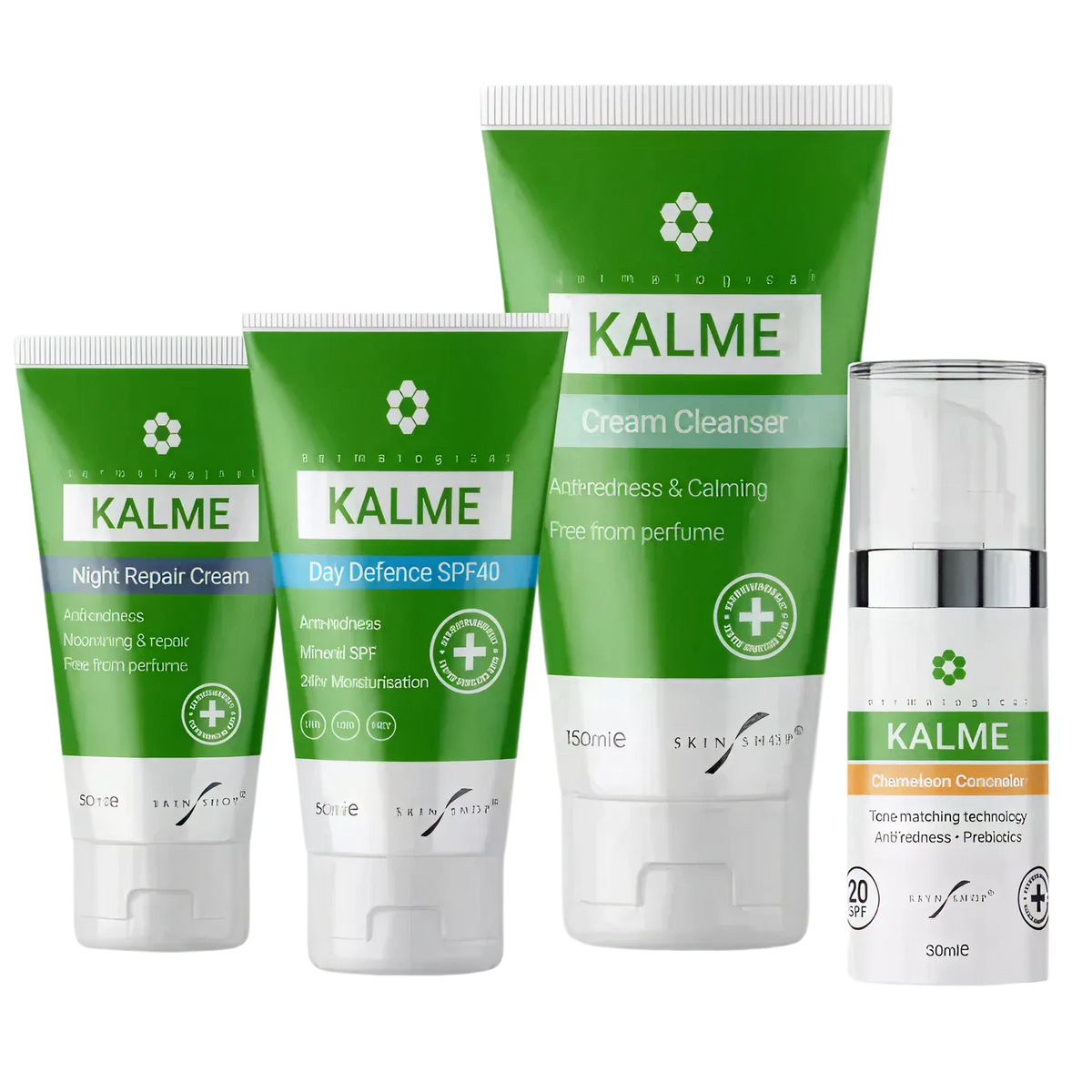
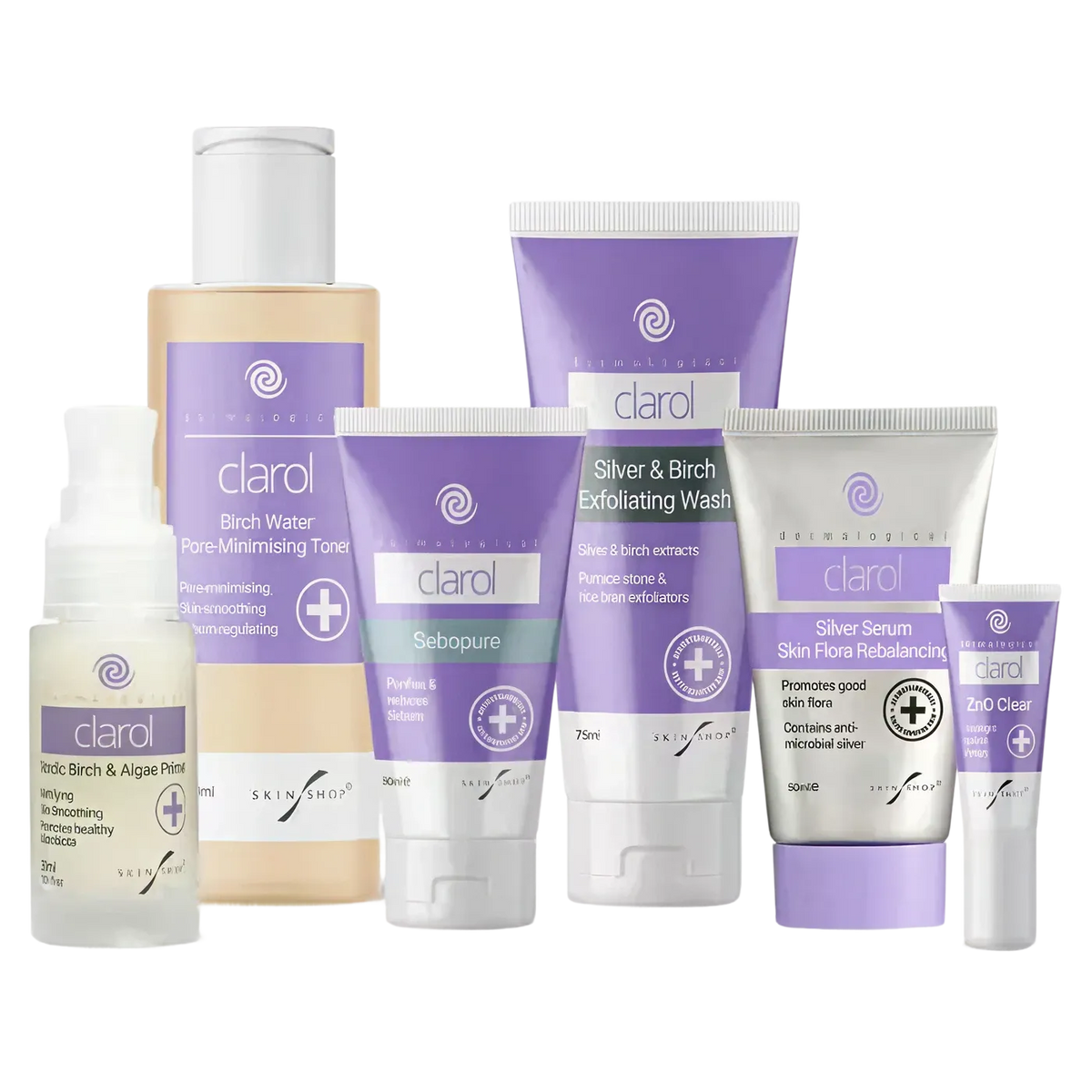
When is something too much of a good thing? When it comes to treating acne, too many acne products can quickly become too much and end up potentially causing more problems than helping. Combining lots of different active ingredients to combat acne, such as combining salicylic acid, benzoyl peroxide and retinoids which many people with acne often do, can quickly end up damaging the skin barrier, leading to irritation, dryness, and even more breakouts. Once the skin barrier is compromising or damaged, external bacteria can get into the skin pore more easily and lead to contamination of sebum which is the main cause of acne. Additionally using several combined anti-acne ingredients that dry out the skin, can cause skin that is prone to producing higher levels of sebum to produce even more sebum, causing blockages in the skin poor that also leads to infection and acne. Recently several social media skincare influencers and even some celebrities using ‘pimple patches’ from a well-known brand have been reporting getting itchy, raised, red and dry skin from the patches with some claiming they fear they have been left them with permanent skin damage from the acne treatment patches. Many users have also been reporting experiencing more severe acne breakouts after using the patches than before starting with this popular acne treatment. Skincare companies via social media influencers are cashing in on the influential power of these influencers to convince young people of typically teenage years who are the biggest age group to suffer with hormonal acne to treat their symptoms with multiple products from chemical exfoliants to strong anti-bacterial washes and sebum drying patches. “The risk of irritation and inflammation in acne-prone skin gets higher the more multiple active ingredients that are repeatedly used at the same time, especially things like hydroxy acids,” says consultant dermatologist Dr Eva Melegh. “When social media influencers are promoting the use of this or that product, they are not making it clear to people following their advice that they should avoid combining certain products with other products with different actives. If someone comes to a dermatologist and is prescribed a certain treatment or product, they will be given clear guidelines on what products should and should not be used alongside the treatment. This is not the case when it comes to skincare advice offered on social media. You see people with extremely problematic skin who have been applying ten or more treatment products to their skin at once. This will almost completely overload the skin and will cause more harm than benefits and may even cause new problems to add to the existing ones.” Dr Melegh highlights five common acne treatment mistakes than could be making acne worse rather than improving it and offers her suggestions on how to reverse skin damage from treatment overload to help acne-prone skin get back on track to clearer and calmer skin. Over-Cleansing It’s still a commonly held myth that spotty skin is caused by skin being dirty, prompting many people with acne to practice cleaning their skin several time a day, often opting for deep cleanse products and exfoliants. However, you can’t ‘clean away’ acne. Over-cleansing creates a vicious cycle whereby the skin is stripped of its natural oils so it produces even more oil to compensate, leading to more breakouts, which prompts even more aggressive cleaning. This can result in irritated, inflamed skin that’s more susceptible to inflammation and breakouts. Gentle cleansing is crucial for managing acne prone skin. There isn’t any need for multiple cleansing products. Cleansers with as few chemicals as possible are preferable. Cream cleansers can be better than foaming cleansers as they are much less drying for skin and can also remove make up at the same time as dirt, which means you don’t need to use make up removers which are very harsh on skin. Kalme Cream Cleanser contains virtually no chemicals and is perfume-free and also had an anti-redness action on spotty red and sensititive skin. Drying Up Sebum Many people with acne produce higher levels of sebum but acne isn’t caused by greasy skin, it’s the sebum pooling and then going ‘rotten’ in the skin pore that causes the problem. Acne is caused by the oxidisation of excess sebum as it reaches the skin’s surface mixed with external dirt and bacteria. This contaminated mix causes the sebum to quickly become rancid, leading to pore blockages and inflammation. The key to preventing pore clogging from increased sebum production is not trying to dry up sebum using multiple ‘blotting’ products and trying to de-grease skin, which only results in the body producing more sebum to compensate, but instead to ensure that the sebum being produced remains pure and uncontaminated as it passes out through the skin pore. Clarol Sebopure is a light natural skin serum whose sole function is to keep sebum production pure via a patented ingredient derived from wild mustard leaf oil called Pixalia™. This ingredient doesn't attack the skin’s natural sebum production process through the use of sebum blocking mechanisms. Sebopure works in harmony with the skin’s natural sebum production, keeping sebum pure to prevent acne while not damaging or drying skin. Frequent & Multi-Chemical Exfoliation Many people with acne create complex daily routines with multiple exfoliating products such as retinols, AHAs, BHAs, benzoyl peroxide, and vitamin C. This overkill approach to exfoliation often does more harm than good. Combining multiple exfoliating actives can cause severe irritation as well as damage skin barrier, which can lead to more breakouts and delayed healing of existing acne lesions. One simple mild manual daily exfoliant, preferably one that contains as few chemicals as possible, is all that is required. If you can find an exfoliant with natural equivalents to salicylic acid all the better. Clarol Silver & Birch Exfoliating Wash is a mild manual exfoliant that contains natural equivalents of both salicylic acid and methyl salicylate, two synthetic chemicals commonly used in anti-acne products. Birch Bark detoxifies and cleanses the skin but does not dry it like many chemical exfoliants treatments do. Birch Bark also contains betulin to help reduce inflammation in acne-prone skin as well as Lupeol and Erythrodiol which studies prove can help increase the production of proteins in skin cells to speed up the healing process of acne lesions. It also contains MicroSilver ™, a smart anti-bacterial agent that kills off bad acne bacteria while feeding good skin bacteria, helping to re-balance skin flora that helps skin be more resilient against future acne break outs. Regular Swapping of Products Switching products frequently or using treatments sporadically is more common among acne sufferers than any other skincare group. People suffering from acne crave instant results from products when they get a breakout and end up often abandoning products after just a few days or weeks when they don’t see fast improvements. Acne treatments typically take 6-12 weeks to show significant results and for the skin to adapt to the new routine. Constantly changing products prevents your skin from adapting and can cause ongoing irritation from repeatedly introducing new ingredients. Patience and consistency are key. Stick with a routine for at least 8-12 weeks before making changes. Not using an SPF Many people with acne mistakenly think that using an SPF on their skin can make their acne worse and also there is a myth that sun exposure can ‘dry up’ oily skin and help control acne. Both these assumptions are wrong. Without SPF, skin can become more inflamed, worsening breakouts and slowing healing of acne lesions due to damage to the skin barrier. UV rays can also darken acne scars making the more visible. Choosing a sunscreen that supports acne-prone skin helps protect it while promoting a healthier complexion. Certain SPF ingredients can actively help calm inflammation as well as protect skin from UV damage. Zinc oxide is a natural mineral SPF that offers a physical block to UV rays. It’s one of the most stable SPF’s and so is ideal for sensitive skin and it has a natural anti-inflammatory action and so helps fight against acne as well as protect against sun damage. Kalme Day Defence contains a pure micronized zinc oxide SPF30 as well as anti-redness ingredients and antioxidants to help reduce inflammation in red and spotty skin. It’s also chemical and perfume free so has a very low incidence of skin reactions.
Learn more
8 causes of suddenly itchy and flaky eyebrows
The clocks have changed the evenings are longer and summer is around the corner. Even during Springtime, we will begin to experience periods of balmy summery weather. For skin, these sudden increases of temperature and exposure to much stronger UV rays can bring with it a host of potential hazards. One area of skin that is often overlooked in preparations for summer skin care, are eyebrows. Yet many people can find that as the hotter weather begins to kick in, that brows can become suddenly flaky and itchy. So why is it that the onset of more summery weather can often cause brows to become irritated and flaky? Dermatologist Dr Eva Melegh highlights eight potential causes of itchy eyebrows and flaky eyebrows and what you can do to prevent them. Eyebrow Seborrheic Dermatitis Seborrheic dermatitis is a very common, non-contagious condition causing itchy, red patches and scaly skin in the eyebrows which is caused by an overgrowth of malassezia yeast. This fungus is naturally present on the skin and it feeds on sebum (skin oil) and breaks it down into fatty acids, triggering irritation, redness, and flaking. The very function of eyebrows is to prevent sweat from the forehead running into the eyes so therefore during warmer weather the eyebrows accumulate much more sebum than almost anywhere else on the body, which is what can trigger a sudden increase in malassezia yeast production and trigger a flare up of Seborrheic Dermatitis. Eyebrow Sunburn While we all know to apply suncream to our skin during hotter weather, few of us think about protecting the eyebrows from sun burn. Yet they are in one of the most exposed areas of the face and so are vulnerable to UV damage. UV damage to the eyebrows weakens brow barrier function and can quickly lead to TEWL (trans epidermal water loss) that can cause severe dryness and flaking. Eyebrow Hay fever Spring and early summer allergies can put skin into a state of extreme sensitivity. Swelling of skin around the eyes from allergic reactions to pollen can spread up into the eyebrows. Allergic inflammation can weaken the brow barrier function leading to water loss, dryness and flaking. Eyebrow Acne Excess of sebum from sweating can pool in the brow hair follicles causing clogging. This attracts external bacteria which can lead to inflammation and infection. Small spots can quickly form in the brow follicles, leading to itching and irritation. Eyebrow Contact Dermatitis Contact dermatitis is an allergic reaction to external irritant. The main culprits are chemicals and perfumes in skin care products. IFor the brows, often products with dyes and chemicals are used to tint brows and its these that can a trigger an allergic reaction that causes flaking and itching. Eyebrow Eczema Hotter weather can lead to eczema flare ups in those with atopic skin due to excess sweating and heat triggered water loss which is why eyebrow eczema is prone to flaring up in hotter weather. Eyebrow Psoriasis While UV light can help improve symptoms of psoriasis, heat and excess sweating is also a trigger for psoriasis flare ups so the brows are one of the first places where a psoriasis summer flare up can first appear, along with skin in cracks and crevices. Eyebrow psoriasis appears as red, scaly patches in the eyebrows that quickly become dry and extremely flaky. Cosmetic Eyebrow Treatments Both brow tinting with brow dyes, microblading and brow wasxing can all cause trauma and allergic reactions in the brows. This can result in the brows becoming inflamed (sometimes severely), itchy and red, often with a burning sensation that can occur almost immediately or up to 48 hours after a dying treatment. How to combat itchy flaky eyebrow - For any form of dryness, itching and flaking caused by contact dermatitis, eczema, sunburn, allergies or cosmetic eyebrow treatments, topical steroid treatments are not suitable for use in the eyebrows. Instead opt for a brow product that will help repair skin barrier function reduce ithcing and intensely hydrate the brows. Hydrosil HydroBrow is a clear brow serum that contains an extract from chicory root, a natural prebiotic to improve brow barrier function by replenishing beneficial brow microbiota plus an extract of passion fruit seed, with proven anti-inflammatory action to sooth itching and hydrate brows. - To avoid the risk of sunburn to the brows, a light SPF spray is the best option for protecting exposed brows from sunurn. Spray a few spritz along the top of each brow and gently rub into teh brows to help protect brows from sunburn. - For contact allergies to eyebrow dyes, a wash containing a solution of potassium permanganate, dip a cotton pad in the wash and apply to the brows. This can help fully oxidize the oxidative pigment used in brow dyes to make dark colours and what is often the cause of skin reactions. These pigments are more reactive when they’re only partially oxidised. Then apply a mild antiseptic gel to help reduce irritation and reduce the risk of bacteria getting into the inflamed or blistered brows. - In cases of hay fever triggered itchy eyebrows, taking an oral antihistamine from the chemist to help reduce inflammation alongside a topical anti-inflammatory brow gel should help further alleviate symptoms. - In the case of brow seborrheic dermatitis using a mild anti-dandruff shampoo from the chemist can be used on fungal brows. Apply and then rinse off like normal shampoo. - Brow exfoliation daily to remove grease and dead skin cells that may have pooled in the brow follicles can help alleviate eyebrow acne. Use a fine exfoliant without chemicals and preferably one that helps replenish good brow bacteria. Clarol Silver & Birch Exfoliating Wash includes a silver ingredient to re-balance brow microbiota and birch bark to dissolve grease and clean out clogged brow follicles. - For eyebrow psoriasis, the use of a shampoo that helps prevent plaque build up can be used to wash the brows. PSoregon Anti-Plaque Shampoo contains Oregon grape root that studies have proven helps dampen down the mechanism that triggers accelerated skin cell production in psoriatic skin. Use a cotton bud dipped in the shampoo to gently wash the eyebrows and then cleanse off with a damp cotton pad.
Learn more
Five Spring scourges for menopausal skin
Spring can be a challenging time for women going through perimenopause because the start of menopause can cause several changes in the body that can make skin more unstable and less able process sensitivity to the many skin aggravators that come with Spring conditions. Dermatologist Dr Eva Melegh outlines five skin conditions that can be triggered or exacerbated by Spring weather when women are entering menopause. Inflamed allergic eyes Menopause can drastically affect the body’s ability to manage histamine levels because the rapid drop in oestrogen reduces the body’s efficiency at processing histamine release, allowing more inconsistent and higher releases of histamine in response to external irritants. Women’s immune systems effectively become more sensitive and reactive as a result of the rapid drop in oestrogen at the onset of menopause. Oestrogen also has a natural anti-inflammatory effect on the skin, which is why puffiness and skin sensitivity increases during the onset of menopause. This factor can also worsen the effects of allergic reactions. In addition, the mucus membrane in the nose and throat also become thinner and more fragile during the sonnet of menopause, which can add to the risk of developing allergic reactions because the body’s natural defences against external irritants are weakened. In Spring one of the biggest threats is allergic reactions to pollen. Even if you’ve never experienced hay fever before, it’s not uncommon for the onset of menopause to trigger hay fever symptoms. If you already suffer from mild hay fever, menopause can make symptoms much worse. Menopause also causes the skin to become much drier, particularly affecting the skin around the eyes so this combined with an increased susceptibility to hay fever, means that menopausal women are more likely to experience particularly irritated, dry and inflamed eyes during the hay fever season. Swollen dry and sore eyes lids and dry cracked skin at the corners of the eyes can not only be one of the more painful symptoms of hay fever, especially menopausal hay fever, they can also be the longest lasting ones, often continuing for weeks or even months after many of the other symptoms have abated. How to treat Spring allergy eyes Anti histamines will help dampen down the body’s allergic response which can help with sneezing and general respiratory inflammation in the nose and throat. The physical effect of swollen and itchy eyes also needs to be treated with separately and topically. Steroids are not suitable for use around the eyes as they can thin the skin and cause permanent discolouration. Using eyes creams won’t help with the inflammation and may cause further irritation on very reactive skin around the eyes. An eye product that has an anti-inflammatory action is essential for treating swollen, red and itchy hay fever eyelids. Hydrosil Dry Eye Gel is a light natural eye gel specifically formulated for calming and relieving dry, itchy and irritated skin around the eye and on the eyelids. It contains an extract of cardiospermum halicacabum, which is a natural plant steroid and delivers anti-inflammatory and anti-itching benefits without damaging or irritating the delicate skin around the eye and can be used as often as required. It can also be worn under make up to help protect irritated eyes from further reaction to cosmetics and is free from perfumes. Red spotty cheeks Menopause frequently triggers or worsens rosacea due to declining oestrogen, which increases inflammation. Hot flushes that can come with menopause often cause intense, persistent facial flushing, acting as a primary trigger for flare-ups in women aged 45–55. In Spring with fluctuating temperatures and sudden bursts of intense sunshine, skin inflammation and hot flushes can intensify, often leaving cheeks red, hot and spotty. How to treat red spotty Spring cheeks Wearing a wide brimmed hat when out in Spring sunshine and always wearing a daily SPF of at least 30 are the two best ways to reduce Spring red cheeks. Kalme Day Defence SPF40 is an anti-redness moisturiser that helps control both the acne and the redness associated with rosacea but keeps the skin moisturised. It contains a pure zinc mineral SPF that while offering barrier protection against UV rays also has an anti-inflammatory action on red swollen skin. Rashy neck In perimenopausal skin, the skin barrier function becomes weaker due to the drop in oestrogen, which is what gives skin its elasticity and helps lock in moistures. A weakened skin barrier function leads to dryness and increased sensitivity as well as being more vulnerable to external bacteria. Sweat and chaffing clothes during Spring weather can quickly cause a dry rashy neck for women entering menopause because the sweat gets into the weakened skin barrier and chaffed skin and leads to inflammation and itching. How to treat rashy Spring neck It helps to wear a light neck scarf during Spring weather to absorb sweat and protect from sun burn. Avoid wearing stiff collared clothing or highly synthetic clothing around the neck area. Salves are more effective than creams for retaining moisture and remaining on the skin longer. Hydrosil Turmeric Butter & Milk Salve contains a natural plant steroid to reduce itching and turmeric to reduce inflammation and hypoallergenic donkey milk to calm down furious skin and keep it moisturised. Itchy intimates Spring usually means we all have a burst of outdoor activities - from longer walks and weekend cycles to a return to running routines and gardening. But with the extra movement and warmer weather can come a little less welcome side effect: intimate discomfort, especially during perimenopause. Vaginal dryness, itching and discomfort are very common symptoms of menopause experienced by 1 in 3 women during menopause and can often be very distressing as well as painful. Not only does the reduction in oestrogen cause vaginal dryness but thinning of the skin in the vaginal wall can also make the vagina more fragile and prone to dryness and micro damage, leading to bacterial and fungal infections. Sweat and chafing are two of the most common triggers for vaginal itchiness and irritation, as both can contribute to bacterial build up and micro damage to delicate skin. Activities like cycling, jogging, hiking or even simply spending more time outdoors can increase heat and friction, making it especially important to support and protect your intimate area. How to treat Spring intimate itch As well as external vaginal moisturisers that help protect external vaginal skin there are vaginal lubricants that are designed for daily use and that contain rejuvenating, protective and repairing ingredients to not only lubricate but also help strengthen and it and reduce the risk of bacterial and fungal infections. For women entering perimenopause, using both an internal and external vaginal rejuvenating and repairing intimate skincare regime can significantly reduce the risk of itchy dry vaginal discomfort during sweaty Spring weather. In2mate Lubricant and Moisturiser both contain a natural plant based lubricating ingredients along with antioxidants specially designed for vaginal use and to help rejuvenate and protect vaginal skin as well as prebiotics to help increase the growth of good bacteria in the vagina. Used daily internally and externally during Spring weather, these can help repair micro damage and improve the quality and elasticity of vaginal skin. Blistered lips Cold sores become more common during menopause if you’re in the 50% of people who suffer from cold sores. The decline in oestrogen causes lips to become drier and more brittle as oestrogen is directly involved in the production of collagen which keeps lips plumper and more elastic. This drop in collagen production is seen in the body’s extremities first and often the lips along with eyes are one of the first places to suffer menopausal dryness. Dry lips can flake chap and crack more easily. Any form of micro trauma to lips allows the cold sore virus to rush in a wreak havoc. As a result, you may find that as you begin to enter the stages of menopause your cold sore outbreaks are increasing both in intensity and frequency. In lovely Spring weather we will all be spending more time outside. Sun is the main trigger for cold sore outbreaks and surprise outbursts of hot Spring sun can catch cold sore prone lips unawares, especially if they are drier and chapped. So Spring can be a double whammy for menopausal lips prone to cold sores. How to treat Spring blistered lips Type 1 collagen is considered the best type of collagen supplement for menopause as it has an abundant role in supporting skin, hair, and nail health, as well as promoting bone strength and joint flexibility. Taking a collagen supplement can really help with keeping lips less dry. Wearing a protective lip balm daily can also hugely help reduce the risk of dryness and chapping. Lip Q Liquorice Balm is a natural lip balm designed for daily use which contains a highly concentrated extract of glycyrrhizic acid (liquorice root extract.) Glycyrrhizic acid has found in published research to have anti viral action and a trial by the Herpes Virus Association found Lip Q Liquorice Balm reduced the severity and duration of cold sore outbreaks for the majority of trial participants.
Learn more
7 things that can make hay fever eyes worse
The unusually intense and protracted deluge of rain that we have experienced for the first two months of 2026 with reports saying it has rained virtually every day since the star of the year, followed by a sudden rise in temperature that we are about to experience over the next few weeks means that doctors are predicting a much earlier than usual pollen burst this year. Usually, the main hay fever season runs from late April to early June, but this year forecasters are saying it may start as early as the first few weeks of March. Hay fever is caused by an over-reaction of the immune system to grass, tree and flower pollen and affects about 18 million people in the UK during the hay fever season. Common hay fever symptoms include itchy and swollen eyelids, streaming eyes, intense sneezing, congestion in the sinuses and throat, generally itchy skin and fatigue. “Often swollen, sore and dry eyelids are one of the most uncomfortable symptoms of hay fever and the one that can last long after the other symptoms have started to calm down,” says consultant dermatologist Dr Eva Melegh. “The skin on the eyelids is much more vulnerable than almost anywhere else on the body because it is thinner and doesn’t have the same protective fat layer beneath. Eyelid skin also has a relatively high concentration of blood vessels, which makes the skin in this area much more sensitive and prone to inflammatory reactions. Add to that the constant exposure of the eyelids and surrounding skin around the eyes to tears from streaming hay fever eyes plus abrasive rubbing and external bacteria from itchy gritty feeling eyes and you have multiple triggers for swollen and irritated eyelids.” However, if hay fever eyes aren’t bad enough, there are several other factors that can make them even worse and give you a particularly uncomfortable hay fever season. Dr Melegh highlights seven things that can furth infuriate sore and swollen hay fever eyes; Early pollen bursts Abrupt changes in temperature and weather systems early in the year such as forecast for this year, can cause hay fever symptoms to start very suddenly and with increased intensity due to the immune system not being exposed to any pollen at all during several months of rain and cold weather. Retinol Retinol is now one of the most used anti-ageing skincare ingredients in modern skincare and use of them are increasing rapidly year on year. However, when it comes to eyes affected by hay fever, retinols can end up exacerbating symptoms. Retinol used on swollen or vulnerable skin can cause ‘retinol burn’. The increased cell turnover of using retinols temporarily sloughs off more dead skin cells which creates a lag time before new, healthy cells come to the surface of your skin. Retinol burn is caused by the changes in your skin cell turnover and usually by introducing too high a strength retinol, using a retinol product too often or applying it on vulnerable areas of skin. Although we don’t put retinol products around the eyes, with streaming hay fever eyes it’s very easy for the retinol product to migrate to skin around the eyes. If retinol gets near eyes that are already swollen and sensitive from hay fever, the effect of retinol burn around the eyes could make hay fever symptoms considerably worse. Quitting smoking Quitting smoking of any kind can cause a temporary over reaction of the immune system that can suddenly trigger hay fever allergies because smoking supresses the immune system. When someone gives up smoking the immune system can go into a period of overdrive which is often why people develop hay fever and allergies after giving up smoking or existing allergies get significantly worse. Perimenopause If you are entering perimenopause, this could also make your hay fever symptoms much worse. The skin around the eyes and on the eyelids is particularly susceptible to dryness caused by the sudden drop in oestrogen during perimenopause as its very thin and so can’t retain much moisture. Oestrogen is also a major factor for collagen production which keeps skin flexible and moisturised. This hormonal triggered dryness can trigger dry and itchy eyelids. Menopausal belpharitis is often one of the first symptoms of perimenopause. When this underlying dryness and inflammation is combined with hay fever, the symptoms can be much worse. Make up removers Most make up removers contain solvents and alcohol. Solvents are chemicals that are designed to dissolve grease and dirt and are used to break down eye cosmetics like mascara. Alcohol helps remove grease and residue from cosmetics. Sodium Lauryl Sulfate is an effective solvent used in the majority of make-up removers, but SLS is also a prime culprit for contact dermatitis. If the eyes are already swollen and itchy from hay fever then using make up removers can trigger a double whammy of allergy plus contact dermatitis. UV Exposure Due to the higher concentration of blood vessels in the eyelids, inflammation of the eyelids from UV exposure occurs more easily and can happen even with very short sun exposure times. If the eyelids are already swollen from hay fever, UV damage can make the swelling and redness and ensuing dryness much worse. Shampoo Most shampoos contain strong fragrances to make hair smell fresher and harsh solvents to get rid of greasiness. Both these elements can trigger contact dermatitis in vulnerable or cracked skin. Aside from highly fragranced shampoos, those with additional ingredients for lightening, straightening, colouring or for extra oily hair are likely to be even more problematic. With eyes and eyelids that are already irritated from hay fever, shampoo residue that runs into swollen, cracked and irritated eyelids can be very painful and cause more severe and protracted inflammation. Dr Melegh’s tips for treating swollen hay fever eyes; · Steroids are usually the first port of call for calming inflammation and itching in reactive skin, but these are not suitable for use around the eyes. However, standard ‘moisturising’ eye creams won’t do much good for inflamed and itchy hay fever eyes. An eye product that has an anti-inflammatory action is essential for treating swollen, red and itchy hay fever eyelids. Hydrosil Dry Eye Gel is a light natural eye gel specifically formulated for calming and relieving dry, itchy and irritated skin around the eye and on the eyelids. It contains an extract of cardiospermum halicacabum, which is a natural plant steroid and delivers anti-inflammatory and anti-itching benefits without damaging or irritating the delicate skin around the eye and can be used as often as required. It can also be worn under make up to help protect irritated eyes from further reaction to cosmetics and is free from perfumes. · Don’t rinse red swollen itchy eyes with water as it can be very drying on already dry and skin and tap water also contains chlorine which can further irritate already reactive hay fever eyes. · Avoid make up removers that contain solvents or alcohol and don’t use any form of foaming cleansers. You want to keep all anti-bacterial ingredients that present in most foaming cleansers away from reactive hay fever eyes. Switch to a natural cleansing oil to remove make up or a cream cleanser that doesn’t contain perfumes or chemicals. Kalme Cream Cleanser is perfume-free and doesn’t contain solvents and is designed for use on reactive skin and removes make up without the need for water. · Cleanse your lashes. During hay fever season when rubbing itchy eyes becomes a daily habit and our hands touch many surfaces throughout the day, gathering dirt we cannot physically see. Daily lash cleansing is a routine that can help reduce the risk of bacterial infection of vulnerable dry and damaged skin around the eyes. Cleaning lash roots twice a day with a non-perfumed and ultra mild baby shampoo diluted in warm water helps to keep bad bacteria from getting into already weakened dry and potentially cracked skin on the eyelids and around the eyes. Do this by dipping a cotton bud into the shampoo solution and run it along the lash line (top and bottom). This helps remove the build-up of bacteria as well as any pollen lingering on the lashes which may be contributing to irritation. · Wash your hair with a hand-held shower head with head tipped backwards to avoid getting shampoo residue around the eye area. · Wear sunglasses at all times during the hay fever season not only to protect against UV damage to swollen and vulnerable eyelids but also to protect eyes from pollen dust. Keep wearing them at dusk even though the sun has gone down, as this is the time when pollen dust it at highest concentrations. · Avoid using products containing retinol during the hay fever season · If you have given up smoking in the previous 6-10 months expect and prepare for the possibility that you may develop hay fever symptoms for the first time, or that existing allergies may become more intense. · Use moisturising eyes drops 1-2 times daily to prevent gritty feeling eyes and help reduce eye rubbing. · If possible, switch to using glasses instead of contact lenses through the hay fever season. Contact lens solution can exacerbate irritated skin around the eyes and on the eyelids from hay fever. The glasses themselves also offer a degree of protection from pollen dust.
Learn more
Can weight-loss injections trigger eczema or skin irritation?
Weight-loss injections have rapidly become one of the most talked-about trends in the UK. While much of the discussion has focused on their effectiveness in helping people lose weight, dermatologists are increasingly observing that significant and rapid weight changes can also affect the skin. As the body adjusts to these changes, some people may notice dryness, sensitivity or irritation appearing in areas where the skin is particularly delicate. With approximately 3% of the UK population, which is 1.6 million people, currently taking weight loss jabs like Ozempic, Wegovy or Mounjaro, these medications are fast becoming more than just a fad or trend with many people settling into the acceptance of taking weight loss jabs for the long-term so these figures are only set to rise over the coming years. While these drugs can work wonders for weight loss, they are not without significant side effects, one of which is changes in skin. Ozempic Face has become a common social media term, which refers to the loss of volume in the face caused by sudden and rapid weight loss. What is less commonly discussed, although is now emerging as another skin issue related to weight loss jabs, is atopic or eczema-like symptoms which can also be a common side effect of rapid weight loss from the use of weight loss jabs. “Significant weight loss of two stone or more over a short period of time such as 4-6 months depletes the skin of essential nutrients and can disrupt the skin barrier function,” says dermatologist Dr Eva Melegh. “Dehydration along with nutrient deficiencies (namely vitamins E and C as well as zinc and Omega 3 and 6 fatty acids) as well as hormonal shifts due to these deficiencies can cause the skin to become significantly thinner, drier and more reactive from sudden depletion of skin barrier function. In addition, when fat cells shrink, the skin’s nerve endings get irritated. This happens because fat cells release their contents, causing inflammation so skin can also become irritated inflamed and itchy. These two factors mean that rapid weight loss can often trigger eczema-like symptoms.” Dr Melegh outlines four common areas on the face affected by sudden and rapid weight loss and how to counteract these issues to prevent skin from developing into more chronic and long-term eczema or dermatitis. Red & Dry Eyelids The skin on the eyelids is thinner than anywhere else on the body, so it doesn’t have the same protective fat layer beneath it. This makes it more vulnerable to even minor changes in skin barrier function and any reduction in collagen production so its often the first place where dryness and irritation appears. Eyelid skin also has a higher concentration of blood vessels, which makes it more sensitive to irritants such as chemicals in skincare or cosmetics. Rapid weight loss from weight loss jabs can lead to sudden deficiencies in essential nutrients like Vitamin A, Vitamin E, and Omega-3 fatty acids which is likely to quickly trigger dry, red and irritated eyelids. How to treat Ozempic Eyelids Avoid make up removers. Most make up removers contain solvents and alcohol. Solvents are chemicals that are designed to dissolve grease and dirt and are needed to break down eye cosmetics like mascara. Alcohol helps remove grease and residue from cosmetics. Sodium Lauryl Sulfate is an effective solvent used in the majority of make-up removers, making them a prime culprit for irritation of dry and vulnerable skin on the eye lids. Instead switch to a cream cleanser without any chemicals or perfumes in it that is designed to remove make up and dirt and contains moisturising ingredients such as Kalme Cream Cleanser which is designed for ultra-sensitive skin. Steroids are often the first port of call for eczema prone skin, but its not recommend to use steroids around the eye area due to the thinness of skin, so you need to find an alternative that helps calm down itching and irritation so that the skin barrier can start to repair. Hydrosil Dry Eye Gel is a light natural eye gel specifically for calming and relieving dry, itchy and irritated skin around the eye. It contains an extract of Cardiospermum Halicacabum, which is a natural ‘plant steroid’ derived from a Sri Lanken vine. The eye gel delivers anti-inflammatory and anti-itching benefits without damaging or irritating the delicate skin around the eye and can be used as often as required and can be worn under make up as a protective barrier. Increased Skin Sensitivity Many people on weight loss jabs begin to quickly experience increased skin sensitivity, even if their skin was previously resilient. Rapid weight loss and sudden changes in nutritional intake, especially reduced fatty acids and protein, can affect the mechanism in which collagen is produced. When subcutaneous fat pads disappear rapidly, nerve endings become more exposed which can lead to a sudden increase in skin sensitivity. This combined with nutritional deficiencies which can also affect healthy nerve cell support and skin barrier weakening can trigger very sensitive and dry skin, which is more prone to skin reactions to external irritants such as pollution, chemicals in skincare products, suncreams and make up, UV rays, chlorine from pools and even in normal tap water. How to treat Ozempic Sensitivity Sensitive skin can become very vulnerable to exfoliants, in particular retinols, so it’s best to avoid retinol use while the body is going through rapid weight loss. Even normal manual exfoliation should also be reduced to only a few times a week as skin in this state is often too fragile to cope with daily exfoliation. Stick to manual and gentle exfoliants. Clarol Silver & Birch Exfoliating Wash is a gentle exfoliant with natural ingredients that also contains a patented silver ingredient that promotes the growth of good skin bacteria to help repair skin barrier function while repelling the growth of bad skin bacteria which can further exacerbate sensitivity and inflammation leading to dryness and tightness. Skin prebiotics fundamentally address dryness, sensitivity and underlying inflammation caused by a weakened skin barrier function as they feed good skin bacteria which is the building block of the skin barrier. Prebiotic serums are better than creams as they can pack more concentrated amounts of ingredient into them and are a better carrier for prebiotics. Kalme TeQ Serum contains a patented skin prebiotic from Mexican agave extract and is both super hydrating and skin barrier function repairing for skin prone to redness, dryness and sensitivity. Reducing inflammation in the body can significantly help reduce inflammatory reactions in skin so taking a super antioxidant over the winter months can help calm down inflammatory skin responses. Reservatrol is one of the strongest antioxidants available and is a natural compound found in plants like red grapes, peanuts, and berries. It’s known for its anti-inflammatory properties and can be taken as a daily supplement. You can also manually decrease the skin’s nerve ending response by using a de-sensitising barrier cream under all other skincare products. Kalme Undercoat is a light base cream that contains a specific patented de-sensitising ingredient that can help reduce skin sensitivity by up to 70% and should be worn under all cosmetics, suncreams as well as under other skincare products and at night. Chapped & Blistered Lips Rapid weight loss can cause lips to quickly loose some of their fatty tissue bulk making them more dehydrated and drier and causing them to lose volume. The loss of fat in the lips combined with increased dryness can mean that lips can quickly become chapped and split. For the 50% of people who carry the herpes simplex virus that causes cold sores, this sudden change in lip volume and dryness can trigger a cold sore outbreak, leaving them both dry and blistered. How to treat Ozempic Lips There isn’t much available in pharmacies to help prevent cold sores, only treatments for once the sore has broken out but preventing this from happening is preferable to waiting for a sore to arrive, which can last anywhere from 5-10 days and is often painful and further damaging to the skin barrier. Liquorice and lemon balm are two natural plant extracts which have proven preventative actions against the herpes simplex virus. The key cold sore fighting ingredient in liquorice is glycyrrhizic acid (GA). GA specifically targets the genes that are required to maintain the herpes simplex virus in its latent state by interfering with the production of special proteins that feed the infected cells. Published research has shown that liquorice has the ability to weaken the cold sore virus which lies dormant in the skin between outbreaks. Melissa oil, more commonly known as lemon balm, is also well researched for its strong anti-viral action and there is a bank of evidence, both published and anecdotal, to show that topical forms of Melissa oil are effective at preventing cold sores. Lip Q Lquorice & Melissa Lip Gel contains high concentration of both GA and melissa oil and has been proven by the Herpes Virus Association to help reduce the intensity and duration of cold sore outbreaks as well as reduce their frequency. Using the lip gel regularly in between outbreaks reduced the severity and duration of outbreaks for over 73% of subjects tested. Furthermore, 83% of subjects reported experiencing less severe outbreaks. The lip gel can be used daily and can also be combined with a daily liquorice lip balm which only contains GA and also has a intensely moisturising action as a preventative lip care program for vulnerable dry lips during periods of rapid weight loss. It’s also helpful to avoid matt or long stay lipsticks as these further remove moisture from lips and avoid any cosmetic lip injections during periods of rapid weight loss so as not to give any further trauma to dry or cracked lips. Flaky Brows Brows, like the scalp, have their own microbiota and rapid weight loss can drastically disrupt this delicate balance of bacteria living in the brows and lead to brow barrier dysfunction that causes dry and flaking eyebrows. Add to that localised trauma from typical brow maintenance procedures such as waxing, threading or microblading and the fact that rapid weight loss slows down would healing and brows can become even more damaged, flaky and dry. We also tend to touch our brows a lot so the combination of weakened brow barrier function combined with rubbing external bacteria into our brows can cause brow eczema flares. Brow eczema or dermatitis can make brows very flaky and itchy and uncomfortable. How to treat Ozempic Brows Topical steroid ointments are usually the first port of call for atopic skin flares but like the eyelids, it’s not recommended to use them around the eye area as the skin on the brows is thin. Opt for a brow product that will help repair brow barrier function and intensely hydrate the brows. Hydrosil HydroBrow is a unique clear brow serum that contains an extract from chicory root, which is a natural prebiotic that helps repair brow barrier function by replenishing beneficial brow microbiota plus an extract of passion fruit seed, with proven anti-inflammatory action to sooth itching and hydrate brows. It also contains a plant steroid that mimics the action of chemical steroids to quickly relieve itching and irritation. It’s best to not do any microblading or brow tinting procedures during periods of rapid weight loss. Also try to avoid allowing residue from shampoos run into the brow area when washing hair as solvents and chemicals in normal shampoos can cause irritation to vulnerable dry brows, making itching, irritation and flaking worse. Apply a spray SPF to brows when out in sunny conditions as dry and flaky brows with compromised brow barrier function are much more vulnerable to UV damage, which can cause further dryness and inflammation.
Learn more
6 skin doctor tips to quickly recover skin from retinol burn
If you’ve ever experienced something called retinol burn, you’ll already know how uncomfortable and worrying it can be. However, if you experience retinol burn, which is becoming an increasingly common side effect of regular retinol usage, swift action can significantly reduce the impact. There are a few simple steps you can take to quickly repair the damage of retinol burn and get your skin back to normal. Retinoic acid, which is the modern formula used in retinol-based skincare, is made from retinoid compounds. Despite being advertised as the modern holy grail of anti-ageing preventative skin care, retinoids have in fact been in use since the 1940’s. Retinoids, which are a chemical derivative of vitamin A, were first isolated in the 1930’s but were wildly unstable substances that were not suitable for use on skin. It was only once retinoic acid was developed in the early 1940’s that retinoids started to become feasible for use in skincare, namely for treating acne in prescription formulas. But it wasn’t until the 1980’s that what we now call retinols, which are less potent versions of retinoids, began to be used in mainstream skincare for anti-ageing purposes. Retinols are now one of the most commonly used anti-ageing skincare ingredients in modern skincare and use of them are increasing rapidly year on year. Retinols do a lot of good things for skin. They work by basically speeding up cell turn over, which helps thicken the top layer of the epidermis. This process also increases the skin’s production of natural hyaluronic acid, which is what keeps skin plumper and better moisturised. Retinols also stimulate collagen production and inhibit the breakdown of collagen that already exists as well as dampen the skin’s inflammatory responses, reducing redness and spots. Retinal (retinaldehyde), which is also a retinol, is now available in non-prescription formulas but retinal is stronger and faster-acting because it's only one conversion step from the active retinoic acid, while retinol takes two steps. In the quest for ever more youthful skin as we age, the non-prescription over-the-counter use of retinols has perhaps become slightly overzealous and there’s a fine line and a strict usage guide between retinols, especially higher strength ones, improving your skin and damaging your skin. The damage that over use or too higher strength retinols can cause is called ‘retinol burn’ which can be quite painful and typically takes 2-4 weeks to heal, though severe burns may take up to a month to heal. The increased cell turnover of using retinols temporarily sloughs off more dead skin cells which creates a lag time before new, healthy cells come to the surface of your skin. Your new skin is exposed before it’s ready, and sensitivity discoloration and irritation can result. Retinol burn is caused by the changes in your skin cell turnover and usually by introducing too high a strength retinol too often to unaccustomed skin. Over time skin builds up a tolerance to retinol but if too much is introduced too quickly or a higher strength is used too often, this can result in retinol burn. Additionally, the skin becomes more sensitive to UV rays when using retinol and so sun burned skin can also be more reactive to retinol. Retinol burn usually starts with a moderate to severe burning sensation that then develops into tight irritated red skin which then over the period of about a week turns into very dry and very flaky skin. For a while, skin can look like it has aged about ten years in a matter of weeks. Luckily this is usually a temporary effect. Dermatologist Dr Eva Melegh offers six tricks of trade to treat retinol burn and get your skin back on track as quickly as possible. 1. Use a hypoallergenic recovery salve If you experience retinol burn you must stop using all retinol products immediately until your skin has repaired itself. But its also essential to intensely moisturise your skin to help it stay flexible as it heals. Salves are more effective than creams when used for the purpose to dry and flaking skin repair. It’s crucial to use a skin recue salve that contains minimal chemicals and preservatives and no perfumes at all and is designed for ultra-sensitive skin because during a retinol burn phase your skin is highly sensitive. Hydrosil Turmeric Butter & Milk Salve is designed for atopic and very sensitive skin and contains intensely hydrating, anti-inflammatory and soothing ingredients for dry flaking and tight skin as well as ingredients to dampen itching and irritation. 1. Reduce Eye Inflammation Although we don’t put retinol products around the eyes, when retinal burn occurs often the burning effect migrates to skin around the eyes. In addition, when retinol burn first occurs it’s eyes tend to water which can cause us to rub our eyes causing the retinol product elsewhere on the skin to end up around the eyes. More than anywhere else on the face during a retinol burn, its crucial to be extremely careful what product you use around the eyes to soothe the burn. The skin around the eyes is especially delicate so the effects of retinol burn will be even more intense around the eye area often leading to red, inflamed eyelids and skin around the outer corners of the eyes followed by very dry crepey skin around the eye area. You don’t want to use any heavy eye creams on retinol burn or anything with any chemicals in as the skin will be hypersensitive. Stick to lighter eye gels and ones which don’t have any perfumes or chemicals in and have soothing anti-inflammatory actions. Hydrosil Dry Eye Gel is a light natural eye gel designed for use on very sensitive skin and atopic skin that contains a natural plant steroid which is proven to quickly reduce inflammation and sooth red, inflamed and itchy skin. Apply it several times a day and under any cosmetics until skin around the eyes had calmed down and the flaking and dryness has healed. 2. Switch to water-free cleanser Water contains chlorine and can also be very drying and caustic on very sensitive skin so when the skin is in recovery mode from retinol burn its best to avoid washing the face with water and also avoid any foaming cleansers or make up removers as both usually contain solvents which can be very harsh on recovering skin. During the 2–3-week recovery period from retinol burn its best to switch to water-free cleansing, both for cleaning skin and for make up removal. Use a cream cleanser that is for very sensitive skin and is free of chemicals and perfumes and if it contains moisturising ingredients too then all the better. Kalme Cream Cleanser is a richly moisturising water-free, chemical-free and perfumes-free cleanser for very sensitive and red skin and will clean off most dirt and make up and leave skin moisturised after use. 3. Re-balance skin bacteria The skin, like the intestine, is naturally inhabited by both good and bad skin bacteria which live in the skin’s microbiome. Good skin bacteria help feed skin barrier repair. Retinol burn temporarily damages the skin barrier and when this happens bad skin bacteria can get deeper into the epidermis and cause inflammation and infection. To prevent things escalating, its essential to keep bad bacteria supressed and allow good bacteria to flourish and multiple while the skin is recovering from retinol burn. Using anti-bacterial washes to control bad bacteria are not the answer when the skin is in such a vulnerable state as they also wipe out good skin bacteria at the same time and these types of products are too harsh when the skin is in an ultra-sensitive state. Clarol Silver Serum is a light skin serum that contains a patented silver ingredient that is proven to supress the growth of bad skin bacteria, while not inhibiting the growth of good skin bacteria. It’s perfume-free and chemical-free formula makes it safe to use on very sensitive skin and over a given period it can quickly re balance bacteria on damaged skin allowing good skin bacteria to grow while being repellent to bad skin bacteria. 4. Boost skin barrier repair Boosting the growth of good skin bacteria is a key to re-building healthy skin barrier function again after retinol burn damage. The best way to do this is via skin prebiotics which are essentially food for good skin bacteria to feed off and grow and multiply. Serums can hold more concentrated amounts of prebiotics in than creams and can be layered under other products and cosmetics. Kalme TeQ Serum contains two extracts of Mexican agave, both of which are potent skin prebiotics. One extract is proven to be more hydrating than hyaluronic acid so this is an excellent prebiotic and ultra moisturising serum to use on skin recovering from retinol burn. 5. Wear a mineral SPF Skin that is exposed to retinols is much more vulnerable to UV damage and skin recovering from retinol burn is even more vulnerable. A daily SPF when using retinol is a non-negotiable essential come rain or shine, winter or summer. Due to recovering skin being so sensitive, the SPF used during this period needs to be as low-reactive risk as possible and for this mineral physical block SPF’s are better than chemical filters and of the two common mineral SPF’s, zinc oxide and titanium dioxide, zinc is the more stable option and its also anti-inflammatory. Kalme Day Defence SPF40 is a day cream for very sensitive skin that contains anti-inflammatory and anti-redness ingredients as well as 24-hour moisturisation and a pure zinc SPF40. It’s designed for ultra-sensitive and is free from both chemicals and perfumes. While retinol burn is not healthy for your skin, the good news is that your skin will recover with the right treatment and should hopefully look more glowing and smoother than it did before the retinol burn. Treated correctly, retinol burn should start to recover within 2-3 weeks. The burning and irritation itself should subside after a week and then the recovery from the dryness and flaking should be competed with a maximum of four weeks. Even if skin recovers sooner, keep on your recovery routine for eight weeks and don’t re-introduce any retinol products before then. If your skin has not recovered within eight weeks, you should see a dermatologist for an assessment.
Learn more
Skin Doctor’s one week regimen for well-behaved Valentine’s skin
Having problematic skin for Valentines can be a big worry for the one in four people who suffer from skin conditions such as acne, rosacea and eczema, but with targeted Valentines skincare preparation, many of the worst fears can be significantly reduced or potentially entirely avoided. “Preparing volatile skin and making some effective preventative lifestyle changes about a week in advance of Valentines can make about 70-80% difference in the likelihood of having problematic skin during the Valentines weekend,” says dermatologist Dr Eva Melegh. “The worst thing you can do is panic a few days before Valentines when skin starts to play up and then try and fix the problem with instant-fix products. This is more likely to trigger more reactive or disruptive skin than doing nothing at all because these products are not designed for problem skin. Give unstable skin a week’s regimen of specialised preventative care, and you are much more likely to ensure clearer, calmer and healthier skin for Valentines.” Follow Dr Melegh’s 7 tip regimen for well-behaved Valentines skin. 1.Ban Blitzing For at least a week before Valentines simply stop all forms of trying to blitz your skin. This means avoiding all products that aim to strip the skin of oils in the name of cleaner skin, such as foaming washes, cleansing wipes etc. I’d also recommend refraining from using make up removers for a week before Valentines as they contain solvents that can make skin reactive and dry. Instead use a natural light cleansing oil like rosehip or squalene to gently remove make up for a week before Valentines and try and wear less make up than normal to make the process easier. 2. Ease Up Exfoliation Exfoliation is generally good for skin but so many of us overdo it and man people mistakenly think that increase exfoliation in preparation for a special occasion will give glowing skin on the day. In fact, the opposite is often the case. Addition exfoliation can cause skin to looker redder and may increase dryness so needs to be done during a controlled period and not as a last-minute panic move. In fact, I would suggest decreasing exfoliation during the week before Valentines in order to let the skin become as calm as possible and to allow natural oils to accumulate slightly on the skin. Skip on any strong actives such as potent ingredients like retinol or high strength exfoliants to prevent any risk of redness or sensitivity. Use a mild non-chemical exfoliant just 2-3 times during the week to slough off dull, dead skin cells to help brighten your complexion and ensures your makeup sits better but not to deep exfoliate skin. Silver & Birch Exfoliating Wash with Birch Bark contains natural equivalents of both Salicylic acid and Methyl salicylate, Betulin to help reduce inflammation and Lupeol and Erythrodiol which studies prove can help increase the production of proteins in skin cells to speed up the healing process. 3. Balance Bacteria Maintaining sufficient levels of good skin bacteria is a base-line defence against acne break outs and dry and reactive skin flares and can be achieved quickly by using products that boost good skin bacteria instead of reducing it. Many chemicals in anti-bacterial skincare products and make up removers destroy good skin bacteria. This, in turn, weakens the healthy skin barrier allowing more bad skin bacteria inside the skin pore, consequently causing worsening and more frequent break outs and skin flares. Silver Serum contains MicroSilver ™ a form of micronized silver that specifically starves bad skin bacteria while leaving good skin bacteria intact, allowing it to multiply and grow, effectively re-balancing the skin’s bacteria and effects can be seen in as little as 4-5 days. 4. Boost Skin Barrier Boosting the skin barrier in the week before Valentines will result in a much lower risk of dry or flaky skin or reactive skin. It will also lower the risk of any reactions from cosmetics used for Valentines dates. The best way to do this is by the daily application of skin prebiotics for the week before Valentines, which will help nourish and bolster the skin’s microbiome. TeQ Serum contains two extracts of Mexican Agave, both of which are potent skin prebiotics and have been proven to reduce redness, tightness and sensitivity as well as being more moisturising than Hyaluronic Acid to also guard against dryness. The serum formula means more of the crucial ingredient can be packed into the suspension while keeping it light and easier to absorb than a cream. It should be worn in a thin scrim under make up to reduce the risk of skin reactions as well as overnight. 5. Abstain From Alcohol Studies prove that stopping alcohol can show visible, positive improvements in skin hydration and reduction of facial puffiness within a week. While initial days might involve dryness or temporary breakouts, within a week most people experience significantly improved complexion, less puffiness, reduced redness, clearer eyes, and better skin elasticity. Therefore, if you stop drinking for a week before Valentines, you almost guaranteed that your skin will look calmer, clearer and less puffy. It will also help improve your sleep, which adds even more positives to the skin complexion. 6. Cleanse & Tone Without Water Water isn’t actually very good for skin in general and I’d recommend trying to avoid washing with it as much as possible, especially if you have dry or sensitive skin. It’s full of chlorine which can make sensitive skin drier and more sensitive and the temperature changes of rinsing with warm or cold water can trigger red skin flares. But even if you can’t imagine not regularly treating your skin to a good rinsing with water, for the sake of more hydrated and calmer skin, try a water-free cleansing routine for just one week before Valentines and tell me if you don’t see some major improvements. Try a water-free cream cleanser with as few chemicals in as possible and no perfumes. Then swipe freshly cleansed skin with a pore reducing toner such as Birch Water Pore-Minimising Toner in order to clarify skin and ‘close’ pores and remove any lingering residue, make up or dirt. If you are used to cleansing with water it might feel a bit strange for the first few days (especially if you are prone to acne), like your skin is not clean enough, but bear with it and see how your skin feels at the end of a week. It should feel softer, less reactive, less red and more hydrated. 7. Prevent Purging With the reduction in exfoliating products and water-free cleansing, many of people who are prone to oily skin and acne will be freaking out that their skin will purge. It’s true it may well do. Don’t panic because with some preparation this can be prevented. Purging is simply when the skin naturally temporarily produces excess sebum which then pools in the skin pore, gets contaminated by external bacteria which leads to congestion and then inflammation and acne. However, if the sebum doesn’t get contaminated, it passes out through the skin pore freely and without congestion and much of the problem is avoided. This can be achieved via sebum purifying products such as Sebopure, which is a lightweight serum that contains a patented ingredient from wild mustard leaf with a proven ability to preserve and purify sebum and works immediately. This product worn daily in the week before Valentines should significantly reduce the risk of skin purging as well as keeping skin naturally more moisturised and glowing via free-flowing and uninhibited sebum production.
Learn more
Are your medications or vitamins the cause of your problem skin?
In the depths of winter is the time of year when many of us have had to resort to medications or have upped our vitamins to cope with winter bugs and lack of sunshine and outdoor activity. However, to add to the misery, many common medications such as antibiotics and statins and everyday vitamins such as B vitamins and Vitamin A while helping to improve your symptoms, can have some adverse effects on your skin. Thankfully most skin reactions to medications or vitamins are temporary but can still be very uncomfortable and are best treated swiftly to avoid any escalation. Dermatologist Dr Eva Melegh takes us through some of the most common medicines and vitamins that can cause certain skin issues and what to do about them. Antidepressants - itchy dry skin Certain types, including SSRIs, can cause dry itchy skin as a side effect. How to treat it If you start to develop dry itchy skin after starting to take anti-depressant medication, make sure you try and treat the skin issues as soon as possible as they can disturb restful sleep which will slow down the positive effects of the medications. Shower in lukewarm water before sleeping, wear natural cotton bed clothes, avoid synthetic clothing during the day next to skin, wash off any excessive sweat on the skin such as after exercising and use an anti-inflammatory and hypoallergenic skin salve am and pm on the patches of skin most irritated skin. Salves are better than cream for patches of dry ad itchy skin as they are more intensive and stay on the skin longer. Try Hydrosil Turmeric Butter & Milk Salve , which contains a natural plant-steroid that has an immediately relieving effect on itchy skin and also contains anti-inflammatory turmeric and hypoallergenic donkey milk. Antibiotics - bumpy sensitive skin and UV sensitivity A common skin reaction caused by certain antibiotics is hives which appears as an itchy red bumpy rash. As several sites on the body. Antibiotics for UTI’s and respiratory infections can also cause the skin to become more sensitive to UV rays causing blistering and peeling. How to treat it You need to treat both the rashes and the sensitivity. For the hives focus on relieving itching and swelling with cool baths or showers, loose cotton clothing and avoid triggers like scented and chemical-heady skincare or cosmetics, heat, excessive sweating and alcohol. You can also apply and desensitising base cream to the affected area to reduce the ski’s reactivity. Try Kalme Undercoat which contains a specific ingredient that dampens down the ski reactivity response while also being perfume free and chemical free. For the UV sensitivity wear a daily SPF in all weathers. I favour mineral SPF’s are they are less likely to trigger reactions in very sensitive skin. Zinc oxide is the least reactive mineral SPF. Try Kalme Day Defence, which contains anti-redness and sensitivity ingredients and a pure zinc oxide SPF40. Vitamins B – jawline acne High doses of Vitamin B6, B12, or D can result in raising testosterone levels which can trigger acne, especially along the jawline and on the lower face. How to treat it Higher testosterone can cause the skin to produce excess sebum (oil). This increased oil production, mixes with dead skin cells, causing contamination and clogging pores and leading to inflammation and acne. Drying up the sebum or drying to black it only causes the body to produce more sebum. They key to dealing with hormonal excess sebum acne is not focus on keeping the sebum pure rather than trying to reduce it. Try Clarol Sebopure uses a patented ingredient derived from wild mustard leaf oil that has been scientifically proven as an active sebum purifier, allowing it to pass out through the skin pore without pooling and clogging. Diuretics - dry eyebrows and dry scalp Prescribed for high blood pressure, these flush excess water, leading to overall dehydration and dry skin, especially on the face, eyebrows and scalps as well as the hands. How to treat it Avoid exfoliation and cleansing of the face with any anti-grease chemicals present in most foaming facial cleanser. For the same reason also avoid make up removes which contain solvents to break down cosmetics. Instead switch to a water-free cream cleanser with moisturising agents that will clean both the dirt from the skin and cosmetics. Try Kalme Cream Cleanser, which doesn’t contain perfumes or chemicals. For dry flaky eyebrows try Hydrosil HydroBrow which is a clear brow serum that contains a skin prebiotic to help rebuild brow barrier to lock in moisture and reduce dryness, itching and flaking. For dry scalp try Hydrosil Scalp Shield Tonic, which is a nongreasy leave in scalp tonic with a skin prebiotic for repairing scalp barrier function and reduce flaking and a natural plant-steroid to reduce itching. Protein Powders – open pores Protein powders, particularly whey, are linked to acne breakouts because they increase insulin and IGF-1, which can trigger acne-related inflammation and stretched pores. How to treat it Switch to a plant-based protein powder such as pea or soy and switch to a pore minimising toner for cleansing to help reduce inflammation and close pores but without damaging the skin through chemical exfoliation. Clarol Birch Water Pore-Minimising Toner is a bioactive skin toner containing two Nordic plant extracts, Nordic Birch Sap and Wild Red Clover, that help to minimise open pores and cleanse and clarify acne-prone skin without damaging the skin barrier. Top of Form Vasodilators - rosacea flares Vasodilators, a common class of blood pressure medications that open up the blood vessels, have been linked with triggering acne rosacea due the vasodilating effects of the blood vessels below the skin’s surface. How to treat it Cut down on alcohol, especially white wine or fizzy alcoholic drinks, avoid spicey food and beware of sudden temperature changes from cold to hot (or vice versa) environments such as overly heated car sin cold weather or hot showers. Switch to skincare designed specifically to reduce redness with low chemical content, simplified ingredients and no perfumes such as Kalme Skincare. The range also makes a treatment concealer that can conceal as well as treat redness. Statins – dry tight skin Cholesterol-lowering drugs that can sometimes lead to very dry and flaky skin because these drugs affect the lipids in your skin, which may cause your skin to feel more dry and tighter than usual. How to treat it Skin tightness can be very uncomfortable and is best treated using ultra hydrating skincare and avoiding hot water on the skin as much as possible. I favour using hydrating serums for tight skin as they penetrate the skin better and can carry more ingredient in their suspension than creams. For tight skin, a skin serum can be layered under any cosmetics or suncreams during the day and also at night under any other skincare products. Try Kalme TeQ Serum which contains an extract of Mexican agave that is more hydrating than hyaluronic acid and also acts a skin prebiotic to help repair a weakened skin barrier function. Antihistamines - dry itchy eyelids Used for allergies, these can reduce moisture in the skin, in particular around the eyes and on the eyelids. How to treat it Often allergies can cause itchy swollen eyes and eyelids. However, although antihistamines can help dampen the allergic reaction they themselves can also cause a reduction in moisture in the skin, in particular around the eyes. Once the skin on the eyelids and around the ayes gets too dry it can become itchy and inflamed and very uncomfortable. However, steroids, often used for atopic reactions, are not suitable for use around the eyes and there are not many alternatives that can bring instant relief to itchy and inflamed skin around the eyes. Try Hydrosil Dry Eye Gel which is a light and absorbent gel that contains a plant-steroid that mimics the effects of chemical steroids but it safe for use around the eyes and on the eyelids and can be used as often as is necessary and can be worn under cosmetics to help prevent further skin reactions on dry itchy eyelids. Collagen - purge acne When you start taking collagen, your body might begin repairing tissues and flushing out toxins that have been sitting under the surface. This process can speed up cell turnover, meaning your skin starts shedding dead cells faster than usual. As a result, you may experience temporary acne breakouts, also known as a skin purge. How to treat it During this kind of skin purge it can help to exfoliate your skin more often, but you want to make sure in doing so you don’t damage the skin barrier at the same time to you need a gentle daily exfoliant that also protects the skin’s integrity as the same time. Try Clarol Silver & Birch Exfoliating Wash with natural birch bark that contains natural equivalents of both salicylic acid and methyl salicylate. These two synthetic chemicals commonly used in anti-acne products. Birch Bark detoxifies and cleanses the skin but does not dry or damage it like many chemical treatments do. Birch Bark also contains betulin to help reduce inflammation in acne-prone skin. It also contains MicroSilver ™,a smart anti-bacterial agent that kills off bad acne bacteria while feeding good skin bacteria. It effectively re-balances skin flora and leaves acne-prone skin clearer and stronger. Vitamin A – itchy scaly skin and itchy lips Taking high doses of this vitamin might be the reason for your itching. Symptoms of high doses of vitamin A can include itching and a scaly skin as well as itching, chapped lips. How to treat it Scaly skin is caused when skin cell production increases, leading to raised itchy and scaly patches of skin. Simply moisturising these scaly patches often isn’t enough. Psoregon Skincare is a range that contain an extract or Oregon grape root that is proven to dampen down skin cell production to reducing scale build up. Itchy and chapped lips can trigger a cold sore in the 50% of people who carry the herpes simplex virus so protecting lips from chapping from high dose vitamin A intake can help prevent a very uncomfortable skin issue. Try Lip Q Liquorice Balm , which is a natural and neutral odourless lip balm that contains highly concentrated glycyrrhizic acid which specifically targets the genes that are required to maintain the cold sore virus in its latent state by interfering with the production of special proteins that feed the infected cells and has been proven by the Herpes Virus Association to reduce the intensity and frequency of cold sore outbreaks.
Learn more