Warmer Spring weather means it’s a time to enjoy all the health benefits, both mentally and physically, or being outside more, getting more fresh air and outdoor exercise and wearing less clothing.
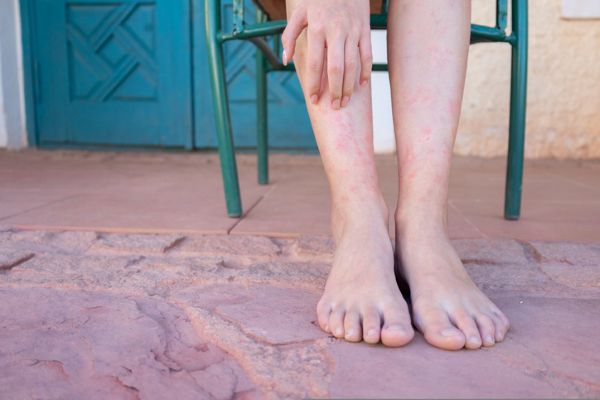
However, for skin prone to psoriasis, these lovely Spring benefits can come with a few skin scares if not managed carefully.
Dermatologist Dr Eva Melegh highlights six potential Spring skin scares for psoriasis-prone skin and offers advice on how best to manage them.
Allergies
25% of people suffer from Spring allergies which means that a significant percentage of psoriasis sufferers also experience Spring allergies, such as grass and pollen allergies. While psoriasis and allergies are two different issues, allergic Spring allergies can irritate skin and generally agitate inflammatory receptors in skin, which in turn can trigger a psoriasis flare up.

Sunburn
Exposure to UV radiation in moderation can help improve psoriasis in many cases, but it’s a fine line between what can help or what can make things worse when it comes to sunlight. The problem with Spring sun is that is can be unpredictable in terms of strength and when it appears, which is why sunburn is more common in Springtime than in the middle of summer.
Any form of sun damage on skin prone to psoriasis can trigger a flare up.

Additionally, many SPF creams due to the chemicals and perfumes in them can also be problematic for skin prone to psoriasis.
Chaffing
In Springtime the mornings and evenings can still be chilly, but the midday and afternoon temperatures can soar, making clothing choices tricky to gage. Skin trapped under unbreathable or heavier fabrics when midday heat suddenly hits can quickly become chaffed.

Chlorine
Chlorine can both irritate and dry out skin, making it itchier which can potentially trigger or worsen psoriasis symptoms.

Insect Bites
Any injury to your skin, including bug bites or stings, may cause a psoriasis flare. This is known as Koebner phenomenon, which is a systematic response that can cause a cascade effect of inflammatory responses in the skin.

Sweat
Old sweat is a magnet for bad bacteria which can begin to multiple quickly in old sweat that hag got contaminated with dirt. Once bad bacteria begin to bread its gets into small cracks and micro damage in areas of skin prone to psoriasis and can quickly trigger a flare up.

Six ways to help reduce the risk of Spring psoriasis scares
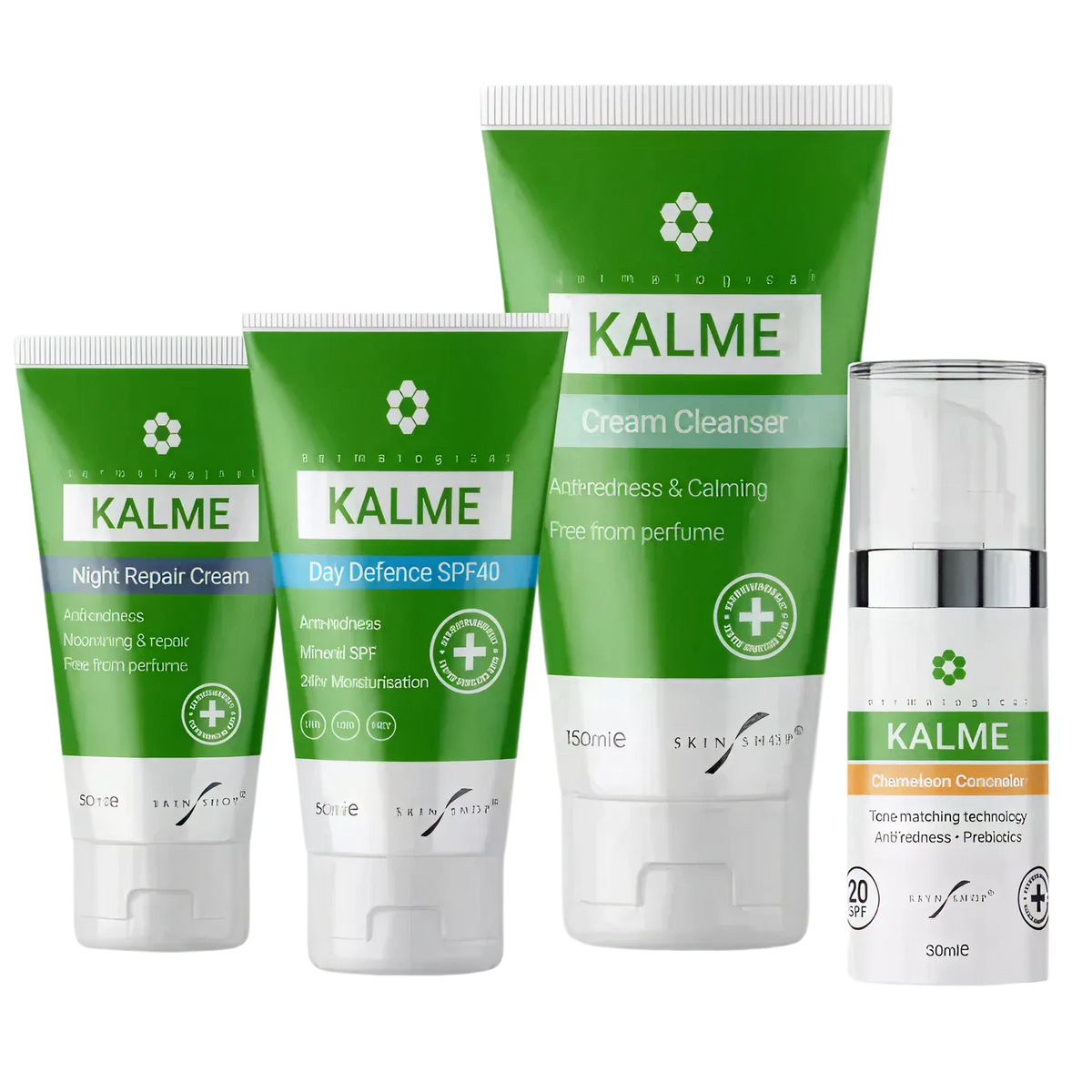
1 - Apply sunscreen with a sun protection factor (SPF) of 30 or higher on any exposed skin during the Spring months but to use one that is suitable for sensitive skin and does not contain perfumes or multiple filters or chemicals. This is why mineral suncreams are best for skin prone to psoriasis. Zinc oxide is the mineral SPF with the lowest reactivity risk for sensitive skin such as Kalme Day Defence SPF30, which contains a pure zinc oxide SPF and anti-inflammatory ingredients while being free form chemicals and perfumes.
2 - In order to reduce the risk of insect bites burn citronella candles if sitting outdoors in the evenings and wearing long sleeves light fabric tops and a hat both sprayed with insect repellent. Spray clothing on the outside as opposed to skin, as the chemicals in the repellent can aggravate ski and may trigger a psoriasis flare.
3 - Grass and tree pollen is the most common cause of Spring allergy irritation so wearing long socks when walking in the grass can help protect your skin. Also always put a scarf or blanket down when sitting on grass, to avoid skin to skin contact.
4 - Sweating in warmer weather is unavoidable. But when you have psoriasis, trapped sweat and heat can lead to discomfort, itchiness, and flare-ups so choose loose, breathable clothing (think cotton, linen or silk fabrics) and try to shower soon after getting home to remove bacteria from the skin. Carrying a small portable fan to use when you start to overheat can also help control sweat flares.
5 - Apply anti-chafing creams or powders to areas that are prone to friction and avoiding synthetic and textured fabrics can also help reduce the risk of chaffing. Also carry a light cotton scarf or small towel with you if wearing shorts or skirts to put on any plastic or concrete seating to avoid friction damage and sweat rashes.
6 - Shower off straight after swimming to rinse off any irritants. Moisturize immediately after showering to lock in hydration. The sun causes an increase in skin cell production, so moisturising with a cream that helps dampen this process can be especially beneficial for controlling psoriasis flares during sunnier weather. PSoregon Maintenance Cream is a daily psoriasis treatmemt emollient which contains Oregon grape root extract that studies have proved helps dampen down skin cell turnover. During warm weather you should aim to moisturise skin twice daily and after swimming. If you are swimming in the sea, salt water may have a positive effect on psoriasis. The National Psoriasis Foundation (NPF) notes that swimming in salt water can help remove dead skin and improve the appearance of psoriasis. But moisturising after swimming in salt water is also essential.