Skin Features
Guidance for confident skincare choices

10 common psoriasis triggers: What can cause psoriasis and make it worse?
Psoriasis is an auto immune condition, which means that the immune system attacks normal tissues
Learn more
How To Treat Rosacea
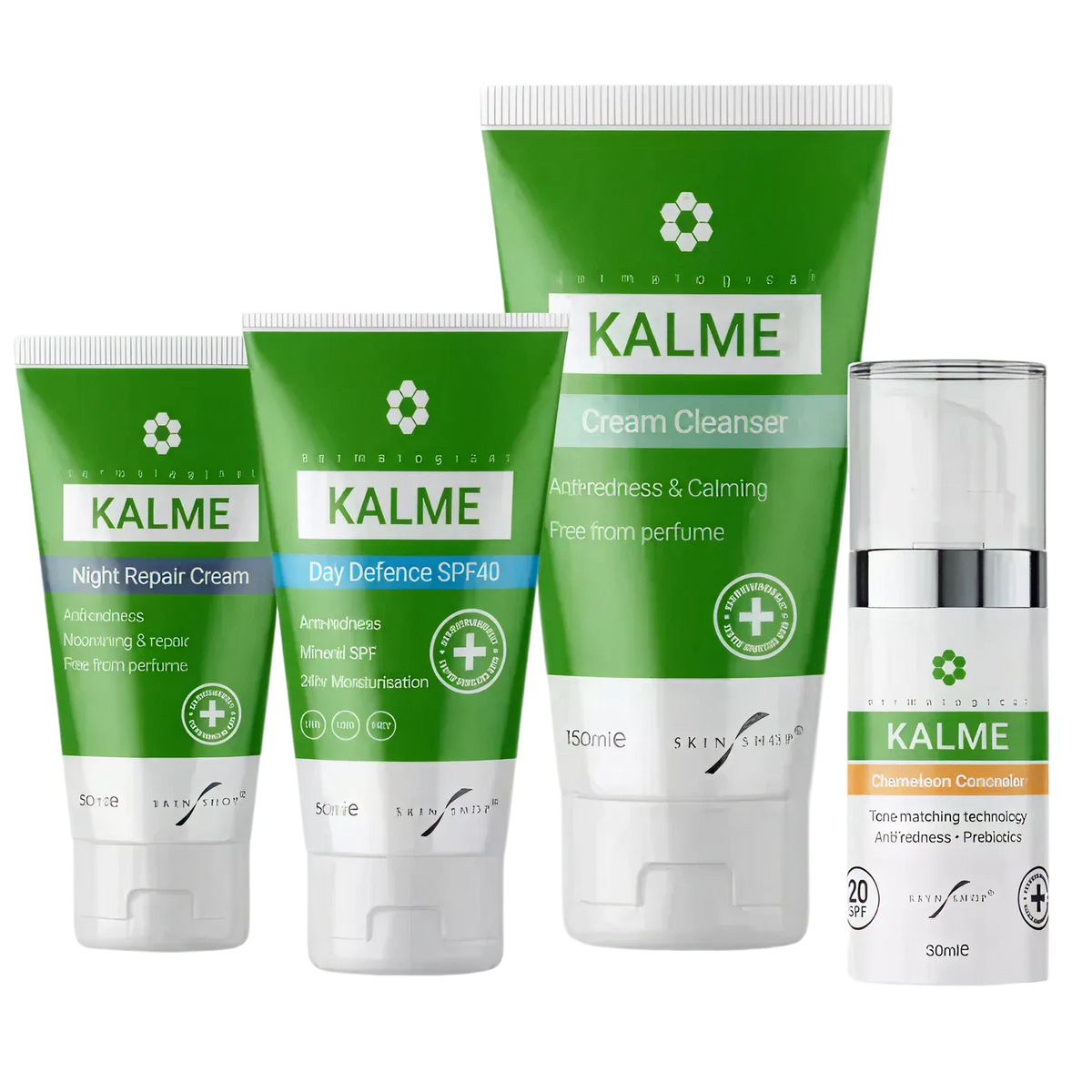
<p><span style="font-weight: 400;">Although rosacea is one of the most common skin conditions, it also is one of the most misdiagnosed and there is no single cure that gets rid of rosacea. Knowing more about rosacea, the different types and the triggers can help with the selection of products and lifestyle factors to help manage the skin condition. In this blog post we have provided you with everything you need to know about how to treat rosacea - looking at types, triggers and treatment.</span></p> <p> </p> <h2><span style="font-weight: 400;">Here's all you need to know about how to treat Rosacea: types, triggers & treatment</span></h2> <p> </p> <h3><span style="font-weight: 400;">What is Rosacea?</span></h3> <p> </p> <p><span style="font-weight: 400;">Rosacea is a chronic skin condition affecting the central parts of the face, mostly the cheeks, nose, the forehead (between the eyes) and the chin. It causes blood vessels in the face to enlarge, therefore giving a flushed appearance to the upper cheeks and nose seras. Rosacea often has several symptoms which can all be present, or some people may only have only one or two. </span></p> <p>Symptoms of rosacea include: frequent deep flushing, persistent inflammation, itchiness, small white papules and pustules and dry patches. Other symptoms may include, burning or stinging of the skin, redness or itchiness in the eyes.</p> <h3>What are the different types of rosacea?</h3> <p> </p> <p>1. Erythematotelangiectatic Rosacea</p> <p><span style="font-weight: 400;">Erythematotelangiectatic Rosacea is a subtype of rosacea and is characterised by frequent flushing which can last longer than 10 minutes. The redness will be strongest in the central parts of the face, but may also involve the peripheral portion of the face as well as extra facial areas like the ears, scalp, neck, chest. </span></p> <p><span style="font-weight: 400;">2. Papulopustular Rosacea</span></p> <p><span style="font-weight: 400;">Papulopustular rosacea is the most classic presentation of rosacea. Redness appears in the central portion of the face, along with persistent or intermittent flare ups, accompanied by small papules and pinpoint pustules. The sides of the face and other areas are usually not affected. The constant inflammation may lead to chronic oedema (swelling) and phymatous changes (bulging of the pores make a bumpy surface to the skin), which occur more commonly in men than in women.</span></p> <p><span style="font-weight: 400;">3. Phymatous Rosacea</span></p> <p><span style="font-weight: 400;">Phymatous rosacea is characterised by marked skin thickening and irregular skin surface, most commonly involving the nose, chin forehead, ears and eyelids. The papules and pustules that accompany this type of rosacea are often large, and may involve nasal lesions. This type of rosacea frequently affects people with a history of adolescent acne.</span></p> <p><span style="font-weight: 400;">4. Ocular Rosacea</span></p> <p><span style="font-weight: 400;">Ocular rosacea usually develops later, after any of the other three subtypes of rosacea are already established. Symptoms like burning or stinging, itching, light sensitivity, and a foreign body sensation in the eyes, are all common with this type of rosacea. </span></p> <h3><strong>What triggers a rosacea flareup?</strong></h3> <p> </p> <p><span style="font-weight: 400;">There are many different triggers for rosacea including stress, sun exposure, alcohol and foods. The most common triggers for rosacea in women is skincare products and cosmetics- especially toners and perfumed soaps. However for men, the biggest cause for a flare up are shaving creams and lotions. </span></p> <h3><span style="font-weight: 400;">How to Avoid Rosacea Flare Ups</span>?</h3> <p> </p> <ol> <li style="font-weight: 400;"><span style="font-weight: 400;">Wearing a daily SPF that’s suitable for skin prone to rosacea and keeping your face covered by a hat or shade when out in direct sun can drastically help reduce flare ups. Our </span><a href="https://www.skinshop.co.uk/kalme/kalme-day-defence-cream-spf-30"><span style="font-weight: 400;">Kalme day defence cream +</span></a><span style="font-weight: 400;"> is a moisturiser that contains SPF 30 and dermatologically tested ingredients that help to combat the symptoms of rosacea. </span></li> <li style="font-weight: 400;"><span style="font-weight: 400;">Any sudden temperature changes to the skin, such as washing with warm or cold water, can cause rosacea to flare up, as the temperature change increases circulation to the surface of the skin. Water is also a caustic substance, making it fairly abrasive to very sensitive skin. We recommend using </span><a href="/products/kalme-cream-cleanser-150ml"><span style="font-weight: 400;">Skin Shop’s Klame water-free cleanser</span></a><span style="font-weight: 400;">. This is an effective cream that cleanses all the impurities on your skin, without the use of water. </span></li> <li style="font-weight: 400;"><span style="font-weight: 400;">Use cosmetic products that are specifically for skin prone to rosacea. Our range of </span><a href="/collections/skin-shop-kalme"><span style="font-weight: 400;">Kalme products</span></a><span style="font-weight: 400;"> are for people who suffer from rosacea and <a href="/blogs/news/red-skin-syndrome-a-growing-problem-for-people-with-eczema-acne-and-rosacea">red skin</a>. </span></li> <li style="font-weight: 400;"><span style="font-weight: 400;">Avoid using any type of perfumed soap, body wash and face wash, as the perfume chemical can react and trigger rosacea. </span></li> <li style="font-weight: 400;"><span style="font-weight: 400;">When possible, avoid alcohol, caffeine and spicy food consumption. All of these can cause a rosacea flare up. </span></li> </ol> <p> </p> <h3><strong>How to Treat Rosacea Effectively</strong></h3> <p> </p> <p><span style="font-weight: 400;">There is no one-stop cure for rosacea as it’s a very complex skin condition. Effective treatments normally involve a combination of several products (either prescription or alternative) that work for the individual, along with relevant lifestyle changes. </span></p> <h3><strong>Medication for Rosacea</strong></h3> <p> </p> <p><span style="font-weight: 400;">Typically, most people with rosacea will be prescribed antibiotics either topical or oral. Results are varied and often repeated flare ups occur once the antibiotics courses are finished. Prescriptions may also include topical creams or gels that help restrict blood flow to the skin that contain either brimonidine or oxymetazoline. </span><span style="font-weight: 400;">Topical creams for addressing the pustules may also be prescribed and normally contain azelaic acid.</span></p> <h3> </h3> <h3><span style="font-weight: 400;"><strong>Natural Treatments for Rosacea</strong></span></h3> <p> </p> <h4><span style="font-weight: 400;"><strong>Capers</strong></span></h4> <p> </p> <p><span style="font-weight: 400;">Caper bud extract is known to control and reduce the symptoms of rosacea, as capers are rich in flavonoid compounds, rutin and quercetin. Both these compounds are potent sources of antioxidants. Antioxidants prevent free radical damage, the main cause of inflammation in skin. Rutin is proved to be helpful in treating strained or dilated blood vessels. </span></p> <p><a href="/products/kalme-day-defence-cream-spf-25"><span style="font-weight: 400;">Skin Shop’s Kalme Day Defence</span></a><span style="font-weight: 400;"> contains a patented caper extract called Derma Sensitive, which has been proven in clinical trials to reduce skin redness and sensitivity by up to 70%.</span></p> <h4>Agave</h4> <p> </p> <p><span style="font-weight: 400;">An extract from Mexican Agave, the plant uniquely used to make tequila, has been shown to help reduce symptoms of rosacea. Agave extract is a potent skin prebiotic that helps increase levels of good skin flora and helps repair damaged skin microbiomes. Agave extract is also more moisturising than Hyaluronic Acid, and so prevents the extreme dryness associated with rosacea that can lead to more microbiome damage and worse flare ups.</span></p> <p> </p> <h3><span style="font-weight: 400;">Skin Shop Is Here To Help</span></h3> <p> </p> <p><span style="font-weight: 400;">If you suffer from rosacea or red skin,</span> <a href="https://www.skinshop.co.uk/rosacea-prone-skin"><span style="font-weight: 400;">visit our website</span></a> <span style="font-weight: 400;">for more information and advice about this skin condition. </span></p> <p> </p> <p> </p>
Learn moreTequila is just the shot for skin prone to rosacea
Thought tequila was just a tipple? A patented extract from Mexican Agave, the plant uniquely used to make tequila, has been shown to help reduce rosacea in more ways than one.
Learn moreHoliday Skincare Tips
While your body and mind may love everything that a holiday brings, skin prone to acne or rosacea as well as eczema-prone skin may not react as well.
Learn moreDo not attack acne, help your skin fight it
Advice and products about getting rid of acne generally focus around aggressive forms of attacking the acne itself, with little regard for what damage this does to healthy skin.
Learn moreBeating acne the Russian way
Ever heard of Parenie for treating acne? If not, then you will soon. It’s the Russian method of detoxifying congested skin using a combination of steam and birch bark and its already arrived in the UK in the form of Banyas (Russian steam rooms).
Learn moreHow to avoid winter vagina
Vaginal dryness affects almost 20% of women aged over 40, rising to over 30% of women over 50. This can be caused by a number of different factors, namely menopause as well as post-pregnancy recovery and some medications and cancer therapies. During the winter months our skin can become compromised, including our intimate skin Vaginal dryness happens to many women during the menopause but only half report it, according to research published in the medical journal Menopause. The North American Menopause Society (NAMS) followed 2,700 women over a 17-year period and discovered 19 per cent of those aged 42 to 53 reported vaginal dryness, rising to 34 per cent of those aged 57 to 69. Vaginal dryness due to menopause is caused by sudden fluctuations in hormone levels. When the female hormone oestrogen drops during the menopause, it can lead to the thinning of the vaginal walls, known as vaginal atrophy. This can cause vaginal skin to damage more easily during sex which can lead to micro tears that can become infected with bacteria causing thrush to take hold in the weakened areas of skin. Vaginal dryness can make sex and urination painful and everyday tasks uncomfortable. But as winter approaches, even for those who only suffer mild or occasional bouts of vaginal dryness, the problem can get worse during the winter months. Spending a lot of time in centrally heated rooms or offices can zap moisture from the skin and that includes vaginal skin too. In addition, the drier colder air outside can also have a drying effect on all skin including intimate vaginal skin. Wearing heavier winter tights and trousers can also stifle ventilation to intimate skin, creating a breeding ground for bacteria and fungus. More exercise is indoors tpp, adding to the sweatier and less airated intimate environment. During the winter skin can become drier and chaff or crack more easily. As a results vaginal skin can become more easily damaged from sex, tampon use and exercise cause micro tears which can then quickly lead to infection with bad bacteria. Protect your intimate parts with In2mate vaginal skin care In order to combat vaginal dryness in winter, experts recommend avoiding perfumed soaps and body washes. Skin Shop’s In2mate range contains almost 100% natural ingredients to help rejuvenate and repair vaginal skin suffering from dryness and discomfort. The key to preserving vaginal skin and keeping it younger and more flexible is antioxidants. In2mate products contain a patented antioxidant, PROTEOLEA® which has been proven to help rejuvenate vaginal skin slowing down age-related oxidised cellular waste degradation by optimising cellular recycling. Increase good vaginal bacteria Healthy bacterial balance in intimate skin is crucial for maintaining good intimate health. The humid and airless environment of intimate skin especially during winter combined with sexual activity, makes it an ideal place for the breeding of bad bacteria. In2mate skincare products contain a patented prebiotic Biolin ®. Proven to help increase the good flora in the vagina while inhibiting the growth of bad vaginal bacteria, that can lead to bacterial vaginosis, thrush and other bacterial infections. Biolin ® also repairs and strengthens vaginal skin damaged by age-related thinning, chaffing and abrasions. To combat dryness, In2mate products contain Levan, a natural plant fructose that protects plants against damage from frost and drought by locking in moisture via the formation of a natural microfilm over the plant’s surface. Used on the skin it does the same thing. This ingredient is used in the In2mate lubricant to give internal vaginal skin a smoother more slippery feel. Maintain a healthy vaginal pH In2mate have struck a healthy balance between the skin around the vagina and the tissue within. 4.5 is the perfect pH ‘balance’ because it’s not too high for the vagina and not too low for the skin. Use non-chemical non-perfumed vaginal products. All In2mate products are vegan and use 99% natural ingredients. They contain no perfumes, parabens and only minimal preservatives, just enough to keep them safe. Dr Elena Arias, director of the Graal Clinic in Puerto Banus, Spain and a qualified medical doctor and an international aesthetic doctor who specialises in non-invasive vaginal therapies says: “As a specialist in non-invasive vaginal therapies I’m experienced in the ageing process of vaginal skin. Women come to me to try and help combat the aging symptoms of vaginal skin, which can cause a degree of pain and discomfort.” “People mistakenly assume vaginal rejuvenation therapies are only for cosmetic reasons, but in my experience the majority of women are seeking them predominantly to improve vaginal comfort, both during sex and in everyday activities. However, therapies are only one option. A regular nourishing vaginal skincare regime is also crucial for preserving vaginal skin. The majority of intimate skincare products focus predominantly on anti-bacterial or cleansing actions, but a clean vagina is not necessarily a healthy one, in fact many intimate anti-bacterial agents can dry out vaginal skin and remove crucial healthy bacteria that the vagina needs.” “Antioxidants are crucial for helping to slow down the ageing process of skin and in2mate products are the first intimate skincare products I have come across that contain antioxidants, which is a brilliant addition for products designed for use on the vaginal area.” Combat dryness with your diet In addition to a vaginal skincare regime, eating more greens per day can also boost circulation and help combat the dryness. Drinking coconut water, which contains lauric acid, can help fight the bacteria that can cause vaginal infections. The worst thing you can do is to just try and ignore vaginal dryness as it rarely improves on its own. With careful management it can be greatly improved if not avoided altogether making sex more enjoyable and general life more comfortable with less risk of vaginal bacterial or fungal infections.
Learn moreCardiospermum is a natural ‘cortisone’ for eye eczema
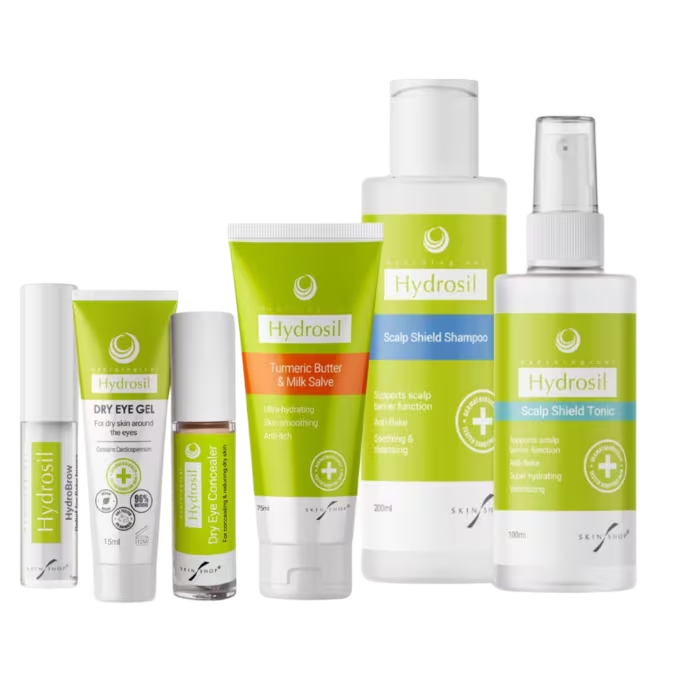
Eye eczema is an increasingly common skin condition due to eye cosmetics worn daily by millions of women. Normal eczema is usually caused by an underlying genetic predisposition to eczema. However, eye eczema is mostly Eye make-up removers are also culprits that can trigger eye eczema as they typically contain detergents aimed at dissolving make up, which when used on a daily basis can cause irritation to the skin around the eyes. Other irritants that can contribute to eye eczema are contact lens solutions and chlorine from swimming pools. Frequent air travel can also add to the problem due to dehydration at altitudes. Sun creams with high SPF factors can also act as triggers for contact eye eczema. Eye eczema tends to become more prevalent in middle age due to the skin becoming naturally drier with age and also due to the skin’s intolerance to cosmetics that builds over several years of over- exposure to these chemicals that can end in contact eye eczema. The problem with eye eczema is that cortisone creams containing steroids are not really suitable for use in the eye area as the skin is so thin they can cause permanent damage such as discoloration of the skin and scarring. The maximum recommended period of use is a week so if the eye eczema returns, there are few other options available to treat the condition. Hydrosil Dry Eye Gel is a light natural eye gel designed specifically as an eye eczema treatment. It's not eye eczema cure, but it helps to quickly calm and relieve very dry, itchy and flaky skin around the eye. Hydrosil Dry Eye Gel contains what many homeopathic doctors call a ‘natural cortisone’ or in medical terms a ‘ Cardiospermum halicacabum comes from the seeds of a vine and belongs to the plant family of Sapindaceae. It’s also known as the “balloon vine” or “love in a puff” and is a climbing plant that grows in abundance in Sri Lanka and other parts of Asia. The species name of “Cardiospermum” comes from the small-sized, black-brown coloured seed, which have a white heart-shaped spot. The term “halicacabum” is translated from Greek meaning “salt barrel”. The appearance of the fruit that looks inflated hence why its nickname is balloon-vine. The surface of the cardiospermum plant contains active phytosterols which have an anti-redness properties and help relieve itching because they act as modulators of inflammation by reducing the amount of enzymes and pro-inflammatory peroxides. A UK trial and several published research trials (* 1-7) have been carried out on cardiospermum due to its calming and restorative effects on inflammatory conditions of the skin including eczema and dermatitis. Hydrosil Dry Eye Gel delivers anti-inflammatory and anti-itching benefits without damaging or irritating the delicate skin around the eye. It can be applied daily to dry, itchy skin around the eye and is ideal for use under make-up. Unlike cortisone creams, Dry Eye Gel can be used as often as is necessary to relieve itching, redness and dryness around the eyes. Even between flare ups, it can be worn daily as a protective measure and works perfectly as a skin primer under make up, to help protect vulnerable skin from further irritation from eye cosmetics. If concealing and brightening of dryness, redness or general eye bag discolouration of skin around the eye is required Hydrosil Dry Eye Concealer comes in a natural skin tint and contains brightening and light reflecting particles to help concealer and brighten dull, red and dry skin around the eyes. Both Hydrosil Dry Eye Gel and Hydrosil Dry Eye Concealer are free from parabens, perfumes MI and SLS and are 100% vegan. * Ref's Complement Ther Med. 2013 Oct;21(5):453-9. doi: 10.1016/j.ctim.2013.07.002. Epub 2013 Aug 17. Plant-based ointments versus usual care in the management of chronic skin diseases: a comparative analysis on outcome and safety. Asian Pac J Allergy Immunol. 2014 Jun;32(2):140-4. doi: 10.12932/AP0381.32.2.2013. Sanpao herbs inhibit development of atopic dermatitis Indian J Exp Biol. 1999 Apr;37(4):411-4 Antipyretic activity of Cardiospermum halicacabum. Asha VV, Pushpangadan P.Rajiv Gandhi Centre for Biotechnology, Thiruvananthapuram, India. Z Hautkr. 1989 Apr 15;64(4):274, 277-8 Cardiospermum--a new phytogenic drug in dermatology? Gehring W, Gloor M. Hautklinik des Stadtischen Klinikums Karlsruhe. Journal of Ethnopharmacology Volume 133, Issue 2, 27 January 2011, Pages 743–750 Antioxidant and anti-inflammatory properties of Cardiospermum halicacabum and its reference compounds ex vivo and in vivo Journal of Medicinal Plants Research Vol. 6(1), pp. 154-160, 9 January, 2012 DOI: 10.5897/JMPR11.1364 Evaluation of antioxidant and antibacterial properties of six Sapindaceae members UK Trial Comparison between Cardiospermum Gel and existing Eczema Treatments - A Consumer Study. Author-Dr D.Grant MBChB General Practitioner. Abstract A preparation of Cardiospermum Gel was examined for its effects in helping dry skin conditions. A trial was conducted to compare this product with existing eczema treatments in a randomly selected group of respondents.
Learn morePsoriasis through the ages and how best to treat it
Psoriasis is a chronic skin condition that once it has occurred tends to reoccur throughout a lifetime. Psoriasis can be triggered at different ages from teen years all the way to older age. However, depending at what age you are, can change the way you need to deal with psoriasis as although the causes of the underlying condition remains the same, the actual skin itself alters with age producing different symptoms and needing different treatments. For example, what works well for younger psoriasis sufferers with typically normal or oily skin doesn’t necessarily work for older more fragile and drier skin. Even gentle scrubs suitable for younger stronger skin can be too abrasive older thinner skin. And while some moisturizers specifically target sensitive skin, some sufferers might have a need for a moisturizer that is especially rich and hydrating, as well, while others need a lighter less greasy serum type application. What is suitable for psoriasis sufferers of all ages? As a general rule all products used on skin prone to psoriasis should be hypoallergenic, alcohol-free, fragrance-free and suitable for sensitive skin. Moisturizers with ceramides, lipids and hyaluronic acid often are preferable because they help keep the upper layer of the epidermis well hydrated. These components are naturally present in skin and are essential for normal function. In addition, any products containing prebiotics that are suitable for sensitive skin can help repair the skin barrier and lock in moisture. Also crucial for keeping skin prone to psoriasis protected is sunscreen. While a good dose of vitamin D from sunshine can be beneficial to those with psoriasis, a high SPF sunscreen for the whole body is vital as sunburn or sun damage to infected and active psoriatic skin can cause further damage and inflammation to already vulnerable skin. However, SPF creams should be preferably mineral-based and tested for use on sensitive skins. Chemical SPF’s can irritate fragile psoriasis-prone skin and even trigger flare ups. But while these general psoriasis skincare rules apply, tailoring your regimen to your needs as you age can be tricky. What worked for you in your teens and 20s likely to be different to what your skin needs in your 30s, 40s and beyond. Here’s a look at the role that psoriatic disease plays at different ages, what accompanying skin issue you may encounter and the ingredients and products to use (and avoid) for the best care for your skin as you age with psoriasis. Teens & 20s Common issues: Oily scalp, face and body acne The treatments for acne and psoriasis are quite different, but it’s likely that you will probably need to use both. The key is to take huge care about what acne products you use. Common teen acne products tend to contain harsh anti-bacterial agents, namely benzoyl peroxide, which can be irritating even to strong skin, and can be damaging for psoriasis prone skin. Consider using formulations that are less irritating to the skin and do not contain harsh anti-bacterial agents. Modern acne products fight bacterial by feeding good skin flora and reduce levels bad skin bacteria. This is a more natural and less harsh way to deal with bacterial build up than simply blitzing bad bacteria with chemical anti-bacterial products, which can leave skin dry and irritated. Higher levels of good skin flora not only fight acne but also strengthens skin and improves flexibility. Sebum purifiers as opposed to sebum inhibitors are a better way to tackle acne on psoriasis-prone skin. These products help keep sebum production clear to prevent pore blockages while letting the skin continue to produce sebum which can help keep psoriatic skin stay more moisturised and flexible. Light and not too abrasive exfoliating products can also benefit younger psoriatic skin to help slew off scales and roughness. Use products that contain only natural exfoliants and have a skin softening as well as exfoliating action Many younger psoriasis sufferers have redness and scale in their scalp and along their hairline, which can be due to active oil glands and hormonal changes. But using an anti-dandruff shampoo meant for fungal dandruff can be a huge mistake as they really irritate scalp psoriasis. In addition, hairspray and hair gels should be avoided as their sticky chemical composition can clog hair pores and increase bacterial build up on open psoriatic wounds as well as exacerbate symptoms due to high chemical contents. Most fake tan products have a high potential to make psoriatic symptoms worse so they are best avoided at all times. A light and carefully controlled natural tan is better for psoriatic skin. 10-15 minutes a day sun exposure is recommended to build up a light tan and help give psoriatic skin a daily safe dose of vitamin D. 30s & 40s Common issues: Sun damage, dryness, age spots and wrinkles, uneven skin tones Retinoids are the single-best thing for anti-aging because they keep skin smooth, lighten brown spots and diminish wrinkles. However, prescription-strength retinols can sometimes be too harsh for patients suffering from psoriasis. Use a gentler over-the-counter retinoid usually for use only overnight. As skin ages, it gets more fragile and thinner so sun damage becomes a bigger issue for ageing psoriatic skin. Wearing a SPF daily becomes more important with older skin. But SPF’s with chemical sunscreens in them can do more harm than good to psoriatic skin. Opt for either SPF creams or concealers containing pure mineral SPF’s, either zinc or titanium dioxide. Zinc can also help reduce inflammation. Often a tinted concealer or tinted moisturiser containing mineral sunblock is better as it masks the white tint that most mineral sun blocks have, and can also concealer psoriatic lesions and redness. Aim for a minimal mineral block of SPF20. Look for cosmetics and products containing prebiotics suitable for sensitive skin. Prebiotics help feed good skin flora which can reinforce the skin barrier to lock in moisture and improve skin flexibility as well as even out skin tone. Avoid exfoliating products as older skin becomes more fragile. Opt instead for cream cleansers for cleansing and cleaning skin that do not contain detergents or require water. Cleansing balms can also be very beneficial for older psoriatic skin. Avoid toners as they tend to have a drying effect on skin. Switch to mineral based cosmetics and avoid the use of mattifying powders or foundations which can be drying to older skin. Switch instead to tinted moisturisers or lighter concealers with moisturising and protective ingredients. 50s & beyond Common issues: Hair and scalp changes, use of cosmetic procedures, dry skin. Over 50 with psoriasis should switch to greasier emollient type creams suitable for skin prone to psoriasis or very hydrating serums or skin oils as opposed to gels or lotions and apply them twice daily. These formulations work better for dryer older skin prone to psoriasis. Gels can be very drying due to their higher alcohol content, and lotions have fewer emollients in them. People with psoriasis over the age of 50 should also turn to skin products. containing a high content of hyaluronic acid. As we age, the body decreases production of hyaluronic acid, which makes replacing it vital to maintaining healthy skin. Serums containing pure hyaluronic acid are helpful when layered underneath daily emollient creams for double moisturisation. Many over-50 people colour their hair, but the dye is a potential irritant to the scalp and can exacerbate scalp psoriasis. Darker tones using natural vegetable based hair dyes suitable for sensitive skin are a better option and patch tests should always be carried out before using on the entire scalp. Any hair dyes containing bleach should be avoided. A helpful tip is to avoid shampooing your hair within 24 hours of colouring to help retain scalp moisture. Apply a rich mask and sleep with it overnight before colouring your hair as this will nourish the scalp. 50 and beyond is the age at which many people begin considering cosmetic procedures. If you are considering cosmetic surgery or laser procedures and have psoriasis, first consult with your doctor as any trauma to psoriatic skin can trigger a flare up. But that is not to say these procedures cannot be enjoyed by people with psoriasis. As a general guide, micro injections of botox, hyaluronic acid and vitamins to small specific sites on the skin are less problematic than all over laser treatments or chemical peels. Practice regular nourishing face masks with naturally intensely moisturising ingredients. Consider taking a daily Omega oil supplement to help support and maintain natural oils in skin.
Learn moreDetox your lips to prevent a cold sore outbreak
Every cold sore sufferer’s biggest dread is getting a cold sore just before an important event. And with over 30 million people in the UK who are infected with the herpes simplex virus, it means that almost half of us are at risk. Cold sores typically last between 5-10 days and so can ruin a entire holiday or important event. Cold sores tend to be triggered by three things, stress, lowered immunity from illness or fatigue and sun. So typically in the run up to any big event, a wedding, a work presentation, a new date, an anniversary, a mile stone birthday, there is often higher levels of stress which means a rise in the risk of a cold sore outbreak. Similarly holiday get-aways often mean sudden exposure to more sun. Combine that with some pre-holiday stress and dehydration on the flight and it’s a perfect storm for a holiday cold sore outbreak. Combine any of the above scenarios with getting over a cold or flu, and a cold sore outbreak becomes even more likely. But you can take steps to minimise your risk of getting a cold sore before an important event buy following this one week lip detox plan. Make sure your lips are in peak condition for the important event in your life the by following this one week lip 10 step detox regime; Cut down on at least one coffee (preferably two) a day Coffee is a strong diuretic, which means it takes moisture from the body. Cold sores are often triggers by dry, cracked or weakened lips so it’s important to try and retain as much moisture as possible during the lip detox. Drink one pint of warm water a lemon first thing each morning Overnight is when the body and lips become most dehydrated. Drinking one pint of warm water before you eat or drink anything else is the ultimate way to rehydrate on waking. The warmness of the water means the body absorbs it immediately. The lemon has a mild antiseptic effect and is a great source of vitamin c to help boost immunity. Avoid wearing any matt or brightly coloured lip sticks Matt lips sticks or brightly coloured lipsticks contain more wax in them than lighter more glossy shades. Wax in lipsticks tends to dry out lip skin quickly. If you want colour, use a lighter shade with a glossy effect and use a little lip balm over the top to keep lips moist and to seal in moisture Cut out alcohol Alcohol is another diuretic and it zaps moisture away from the skin and lips. It’s also a stimulant to tends to disrupt sleep, so you wake up feeling unrested and dehydrated. Alcohol mild immune suppressant. So fatigue combined with dehydration and compromised immune system is a perfect combination for a cold sore outbreak. Eat at least one portion of ‘greens’ per day Use Liquorice Lip Balm three times daily and overnight Liquorice Balm was found to be effective in a double-blind trial, carried out by the Herpes Viruses Association on forty people. It reduced the severity and duration of herpes outbreaks for over 73% of subjects tested and, furthermore, 83% of subjects using the liquorice balm reported experiencing less severe outbreaks than when using their conventional treatments. While using the liquorice balm, testers reported that on average their outbreaks were only half their normal length. The key cold-sore fighting ingredient in liquorice is glycyrrhizic acid (GA). GA specifically targets the genes that are required to maintain the virus in its latent state by interfering with the production of special proteins that feed the infected cells. Unlike conventional treatments, due to its naturally derived ingredients, the lip balm can be worn daily without any negative side-effects, meaning that it can be used to prevent outbreaks before they could take hold. Keep lips covered with a natural fabric scarf in the cold and a lip SPF if the sun’s out. Dryness and sun are the enemies of lips prone to cold sores, so any direct exposure to cold weather or sun will increase the risk of a cold sore outbreak. Wearing a soft non-abrasive scarf over the chin and lips in cold weather can help prevent drying and chapping. In sunny hot weather, wearing a lip SPF can help protect cold sore prone lips from UV damage, which can trigger cold sores. However be careful as many lip SPF’s can be drying and most contain chemicals which can irritate fragile skin. Use a non-chemical lip balm on lips first before applying the lip SPF. Cleanse lips each evening using a natural oil cleanser It’s not widely known how important it is to cleanse lips. Typically some kind of lip product is worn during the day which can attract dirt and bacteria to stick to the lips. Also lips so not sweat and so can’t cleanse themselves like normal skin. So cleansing the lips of dirt and bacteria at the end of the day is an important part of trying to prevent cold sore outbreaks as if bad bacteria gets into micro cracks in the lips, it can lead to inflammation which can then trigger a cold sore. But it’s important to use a natural non-chemical lip cleanser if you are prone to cold sores so as not to aggravate the lip skin or strip them of their natural moisturising agents. You should also avoid lip exfoliators for the same reason. The best lip cleansers are natural cleansing oils, that gently remove direct and bacteria, but still leave the lips moisturised. Avoid or minimise make up and foundation around the lip area Foundations and cosmetics tend to attract external bacteria as they are sticky substances that allow bacteria to cling to them. Also many foundations will also be contaminated with bad bacteria passed into them from fingertips etc. So try to avoid applying foundation on the lips themselves or on the skin close to the edges of the lips. Try to avoid touching lips during the day Most people touch their lips up to 20 times a day, which is OK if you’re not prone to cold sores. Fingertips harbour more bacteria than almost any other part of the body so rubbing your lips with them if you are prone to cold sores is a sure way to increase your risk of a cold sore. Drink warm (not too hot) Liquorice Tea If you are prone to cold sores, its important when drinking hot drinks to only drink them at a temperature as sudden changes in temperature can trigger a cold sore as can any mild scalding to the lip tissue. Add boiling water to the liquorice tea but then leave to cool for 10-15 minutes before drinking. Drinking liquorice tea, which contains glycyrrhizic acid (GA) that can help supress the cold sore virus, twice daily will help the body to fend off the cold sore virus.
Learn moreDo you have flecks complex from dandruff?
A new survey by the British Skin Foundation has found that dandruff, which effects roughly fifty percent of the population at some point in their lives, can cause psychological distress, lower self-esteem and reduce quality of life. Of the 400 people surveyed, one in five had been bullied about their dandruff and one in three had avoided social situations due to their dandruff. So although dandruff is such as common and clearly upsetting problem for many people, not that much is known about it. Many wrongly assume dandruff is caused by dirty hair or slack personal hygiene, but the medical causes for dandruff are actually quite varied. Fungal dandruff This is the most common form of dandruff and is caused by yeast that lives naturally on everyone’s scalp. They feast on oils there and secrete waste products. In those prone to dandruff, this speeds up the production of new skin cells and the shedding of old cells. The old cells clump together, producing the visible flecks of skin we know as dandruff. Fungal dandruff can occur with greasy or clean hair. Aside from the flaking the scalp feels pretty normal save for a slight itchiness. The scalp is usually not over sensitive or sore. Sensitive scalp dandruff This is caused by mild allergic scalp reactions to shampoos or hair products. The scalp becomes itchy and then dries and flakes. This is very common and many people mistake this type of dandruff for fungal dandruff. With sensitive scalp dandruff the scalp feels tender and sensitive and usually very itchy. Often the sufferer also gets a mild rash or itching around the hair line or behind the ears so that is a good way to check for this type of dandruff. Normal anti-fungal dandruff shampoos do not work on this type of dandruff and can actually make the irritation worse. In addition all hair care products containing high levels of chemicals (in particular SLS) and also many hair dyes can make this condition much worse. Aim for mostly natural hair care products suitable for sensitive skin and avoid styling products and hair dyes as much as possible. Dry scalp dandruff This type of dandruff is caused by extreme dryness of the scalp, typically caused by eczema but also caused by dehydration, chlorine from pools, sun burn to the scalp or stress. This type of dandruff causes extreme flaking and the scalp feels itchy and tight. Anti-fungal dandruff shampoos and treatments can make this condition considerably worse and can cause scalp inflammation and sensitivity. Specialist shampoos for very dry scalp are the most helpful way of treating this type of dandruff. Try Hydrosil Dry Scalp Shampoo by Skin Shop, which is free from chemicals and contains natural ingredient to help restore moisture to the scalp and reduce itching and scalp inflammation. Also try to avoid drying the hair with a hairdryer as much as possible as this further dries out the scalp and can make the healing process longer. Scalp psoriasis dandruff This is dandruff caused by the skin condition psoriasis which may or may not be present elsewhere on the body. Scalp psoriasis causes raised red and silvery skin plaques, usually oval in shape, on the scalp which then crust, dry and flake off. The condition is often very itchy. Specialist shampoos, conditioners and scalp treatments formulated for scalp psoriasis need to be used on this type of dandruff, even normal hair care products can make the condition worse. Try Oregon Hair Care by Skin Shop which is specifically for treating scalp psoriasis without using harsh chemicals.
Learn moreA Wig Wearer's Guide - 5 tips to avoiding a dry itchy scalp
Wigs are worn by thousands of people, but the texture, glue or tape and lack of ventilation from wigs often leads to a dry itchy scalp for regular wig wearers. Wigs are worn for many reasons that are not related to hair loss, but also to confidence after hair loss conditions such as alopecia and other hair thinning conditions as well as hair loss related to chemotherapy treatment. The side effects of chemotherapy can also cause dry skin as well as hair loss, makig itchy dry scalp even more common in wig wearing patients recovering from chemotherapy treatment. No matter what the reason for wearing a wig is, regular wig wearers often experience an intolerable dry itchy scalp caused by the fabric of the wig itself, bacterial build from sweating under the wig or skin reactions to the glue or tape used to keep wigs in place. How to protect your scalp and combat dry itchy scalp when wearing wigs Here is our guide on how to help reduce scalp itching and irritation from wigs: 1. Human hair vs synthetic hair A good quality wig is essential to reduce a dry itchy scalp. Although it is widely assumed that good quality wigs are made from human hair, this is not necessarily the case. Good quality, well made synthetic wigs can actually cause less irritation than wigs made from human hair. They also wash more easily than human hair wigs and have a tendency for less product build up. Residue or product build left on the hair of a wig can irritate the scalp. 2. Scalp protection If you’re wearing a wig all day, it helps to refresh your scalp several times. Witch hazel (alcohol-free and unscented) helps to refresh the scalp by removing excessive build up of oils, which can harbour bacteria and lead to small localised infections. Simply place a few drops of witch hazel on a damp cloth or natural cotton cleansing pad and wipe over your scalp once every 2-3 hours. Disinfecting your scalp regularly can help reduce the risk of infections and infected hair follicles on your scalp. Zinc is a natural antibacterial and can help prevent infections. Any natural zinc lotion either in spray form or as a wound healing skin lotion will be suitable for disinfecting your scalp and should be used once a week. This can also help with glue or tape reactions which are usually bacterial infections caused by the wig glue mixing with sweat, which becomes a breeding ground for bacteria. Unlike normal dandruff, which is caused by fungal infections of the scalp, dry scalp dandruff is caused by underlying dry skin conditions such as eczema or contact dermatitis from external environmental irritants or chemicals in hair care products. Stress and sunburn can also lead to dry scalp dandruff. If an itchy and flaking scalp does not improve or gets worse after using anti-fungal dandruff products then it’s likely to be dry scalp dandruff. Hydrosil Scalp Shield Tonic is a soothing, repairing and hydrating leave-in scalp tonic specifically designed for dry scalp sneistivity, itching and flaking. It contains natural patented complexes to improve scalp barrier function, address flaking, increase scalp hydration and bring relief to itchy dry scalps. It contains an extract of passion fruit seed, passiflora edulis, a natural polyphenol piceatannol has been incorporated into a patented active complex with proven antioxidant and anti-inflammatory properties. Normally passion fruit seeds are discarded in during processing of the fruit for consumption so not only are the extracts from the seeds beneficial scalp health but are also upcycled.The passion fruit seed complex been proven in trials to soothe sensitive scalps, improve scalp barrier function and improve the scalps natural defenses by replenishing beneficial scalp microbiota and improving scalp hydration. Hydrosil Scalp Shield Tonic also contains a polyfructose extract from chicory root (Cichorium Intybus) which has been incorporated in a patented natural prebiotic complex that is proven to repair and strengthens scalp barrier function by encouraging the growth of beneficial scalp microbiota while inhibiting the growth of none-beneficial microbiota. 3. Rinse your wig thoroughly When washing your wig you need to make sure you rinse it thoroughly. This will ensure that no shampoo or other hair styling products are left on the wig as this can cause dry itchy scalp and skin irritation. Ideally you should wash your wig once a week to remove dead skin build up and bacteria entrapped in the material of the wig. It shoudl be washed with a shampoo that does not cause any irritation to sneistive dry scalps. Hydrosil Scalp Shield Shampoo is a soothing and scalp-cleansing shampoo containing natural patented complexes to cleanse scalp and hair, improve scalp barrier function, address flaking and bring relief to itchy dry scalps. Aside from other ingreident to help improve scalp barrier functiion and reduce irritation and dryness it also contains an amino acid derived from rice protein and combined with fatty acids from coconut that produces a rich creamy lather that cleanses hair and wigs of excess oils and dirt and bacteria build up without drying or irritating skin. 4. Wear a cotton or silk wig liner A 100% cotton or silk liner can be worn under your wig, which will help absorb moisture and heat, making your head feel more comfortable. 5. Maintain your wig Wear and tear of wigs can cause its owner significant irritation and itching. You can help reduce this tendency by brushing and combing carefully and regularly checking for stray loose hairs and removing them as well as trimming with scissors any fraying or loose threads or material inside the wig's 'cap' that has direft contact with the scalp.
Learn moreOpen Your Eyes – how to make the most of your eyes
Ageing is a constant battle, however there are some areas of the face which reveal the signs of aging or skin problems more than others, and the eyes are the most apparent of all. Yet we all notice eyes more than almost any other part of the body, which his why they are referred to as the windows to the soul. Having healthy, youthful and nourished skin around the eyes can knock years of your real age and make the entire face appear younger and brighter. Which is why looking after the skin around your eyes is crucial for staving off the years and keeping a youthful appearance. Here is a practical 4-step guide on the main causes of ageing and skin problems for the skin around the eye and what types of products and tips are best for treating those problems and preserving and enhancing the skin around your eyes. Problem - Crow’s Feet These are often the first sign of ageing and can start in your late 20’s if you don’t; look after the skin around your eyes. Crow’s feet develop because the skin around the eyes is thinner and drier than on other areas of the face, which is why they develop lines first. Lines develop in this area from UV damage, facial expressions, over use of cosmetics and rough make up remover or cleansing habits. Solution For protecting eye skin from the early development of crow’s feet the best eye creams to use are emollients containing mild retinol (vitamin A) ingredients and an SPF of at least SPF20 on a daily basis from mid 20’s onwards. Vitamin A helps collagen production, which is crucial for around the eye skin as it’s typically less elastic than skin elsewhere on the face. [quote]For skin that is very sensitive vitamin C peptides can be a gentler and less irritating alternative to vitamin A, which can irritate very sensitive skins.[/quote] ALL anti-ageing eye creams should also contain at least one powerful antioxidant. The area around the eye should be regularly, 1-2 times a month, exfoliated to encourage skin renewal. Eye exfoliating products containing glycolic or alpha hydroxy acids are a gentle and progressive way to slough off dead skin around the eyes and encourage skin re-generation. During the days following eye exfoliation, use a higher SPF eye cream product to protect the newly exfoliated skin from UV damage. Tip: It is advisable with retinol skin products to begin gradually with lower doses until the skin gets used to it and then slowly increase the strength of the retinol content. Problem - Dark Under Eye Circles These tend to develop with age, and can begin to develop from early 30’s onwards. Dark under-eye circles are mostly caused by the thinning of the skin around the eye making blood vessels below the eye more visible and also due to some leakage of those blood vessels resulting in permanently discoloured skin. UV pigment damage and hormonal disruptions such as pregnancy and menopause can also make dark under-eye circles worse. Solution Eye creams with lightening ingredients can lighten the appearance of dark under eye circles. Chemical skin lighteners suitable for around the eye include hydroquinone and niacinamide. Natural skin lighteners include liquorice extract, vitamin C and kojic acid. In addition camouflage cover up eye creams with light reflecting technology in them and tints can help deflect the appearance of dark circles and also camouflage the skin colour. [quote]New technology known as Nanoblur has recently been developed which uses tiny glass balls suspended in a cream to reflect light off the skin and also ‘fill in’ fine lines at the same time and is highly effective for use under and around the eye to mask the effects of both dark under-eye circles and for reducing the appearance of crow’s feet.[/quote] Tip: Apply an under eye concealer that is one shade lighter than your normal foundation or tinted moisturiser as this gives a brightening effect to the skin around the eyes. Avoid using powder or powder compacts around the eyes as it can settle in fine lines and actually make them look worse. Problem - Dryness & itching The skin around the eyes contains also no oil glands an so it is very prone to extreme dryness. Dry and flaky skin around the eyes is very common and can cause itching and discomfort as well as make eyes look older than they really are by accentuating crow’s feet. In addition daily and heavy use of cosmetics and eye make up remover products can also strip the already delicate skin around the eye of moisture and cause dryness and irritation. If you are at all prone eczema or dermatitis then the skin around the eyes and on the eye lids is likely to be one of the first places that is effected. With age the skin around the eyes naturally becomes drier, so many people find themselves developing eye eczema or dermatitis later in life. Solution Eye creams containing Hyaluronic acid are good for locking in moisture if the skin around the eyes is very dry. However if the skin is both dry and itchy, its likely that eczema or contact dermatitis from cosmetics are the cause of the problem and therefore treating the itch is more important than the dryness. [quote]Steroids are often used to treat eczema and dermatitis but they are not suitable for use on the delicate skin around the eye as they can permanently discolour the skin. A natural phytosteroid called Cardiospermum has been found in many studies to help relieve the itching and irritation of dry eye skin while being suitable for use around the eyes.[/quote] Tip: after applying dry and itchy skin products around the eyes, cover eyes with warm damp compress or warm damp towel for 15 minutes to help lock in the moisture. Problem - Puffiness Puffy skin both above and below the eyes can make you look older as it shrinks the size of eye itself which has an instant aging effect. Puffy eyes can be caused by many factors from hormone changes, tiredness and dietary deficiencies to mild skin allergies to foods or skincare products and cosmetics. Allergies, even mild ones, can have a very visual effect on the eyes as the skin is very delicate and susceptible to swelling around the eyes. Solution Puffy eyes tend to be more of a problem in the mornings than during eth day or evenings. Eye creams containing caffeine used immediately in the morning can help reduce puffiness as caffeine helps constrict blood vessels under the eye and so reduce fluid retention. In addition calming eye gels containing aloe vera or chamomile can also help calm down puffiness. Tip: If you suffer from frequent puffy eyes, put eye products in the fridge over night as the coldness of the cream when applied also helps constrict blood vessels and can reduce puffiness. Other helpful eye care habits Wear sunglasses all year round to reduce squinting and to protect against UV damage. . Have multiple inexpensive pairs on hand in your car and bag. Oversized shades offer more eye protection to a larger part of the face. Also have sunglasses with lenses for both bright sun and darker days so you always have a pair that is suitable for the weather conditions. Do not be tempted to use greasy or thick emollients meant for other areas of eth face or body around the eyes. Although these may have great moisturising effects, the eyelash follicles are very delicate and can easily block wit greasy which can lead to infection. Heavy face creams uses around the eye run the risk of blocking the lash follicles and can also cause more puffiness. Avoid sleeping on your stomach or side, which can lead to your skin becoming creased against your pillow for hours and contribute to the formation of crow’s feet Use a silk pillowcase, which help your skin stay smooth as you sleep. Sleeping with your head slightly raised above the rest of your body can help prevent fluid from pooling beneath the eyes and help prevent puffiness High salt content in your diet can also cause puffiness around the eyes. Always remove makeup before bed as sleeping in make up can cause puffiness and irritation. Try to sleep with a little heating on as possible at night as central heating while sleeping drains the skin of moisture and the eyes will suffer most. If using contact lenses, always cleanse away lens solution from around the eye area immediately after putting lenses in. Avoid washing the area around the eyes with water. Water can be abrasive to delicate eye skin. Make up removers can also lead to dryness and irritation. Instead opt for a mild and moisturising cream cleanser to remove make and direct from this area.
Learn moreFestive Skin Sins
By Amy Anderson Christmas is a time that can play havoc with your skin. From too much alcohol to new party clothes and scented gifts, your skin doesn’t rejoice at this festive time of year! So while you may return to work or school having had a joyful Christmas break, often your skin looks ruddy, spotty, dry and lack luster. Here are 10 typical commited Skin Sins and easy tips on how to avoid them; Skin Sin – Too much alcohol & not enough rehydration The liver is a filter system for the skin and the skin is the last organ in the body to receive nutrients, so it’s the first organ to show liver abnormalities. So if you consume a large amount of alcohol, your skin won't be as radiant as it could be. Alcohol also dilates the capillaries, some of which are near the skin's surface and when the skin is in poor condition, these fine blood vessels are visible. The dehydration caused by alcohol is also bad for the skin. The problem for your skin is that a lot of the body's water is held in the skin so, if you're dehydrated, your skin will shrivel and age much more quickly than normal. Skin Solutions - Drink one soft drink (without too much sugar) or preferably water for every one glass of alcohol to prevent the skin dehydrating - Take a liver cleansing supplement for a week before Christmas and during the festive period, such as milk thistle. Try Milk Thistle caps from Lloyds Pharmacy (£6.89 for 30 caps www.lloydspharmacy.com) - Drink liver cleansing drinks the morning after drinking, cranberry juice is a great liver cleanser - Try and drink regular antioxidant drinks throughout the festive period to decrease capillary dilation, green tea is packed with anti oxidants and is the best tonic for the skin 2. Skin Sin – Not removing make up or cleansing Staying in guest rooms or hotels, late nights, parties and doing to bed means that at Christmas and New Year is a time when we forget out skin acre routines and often go to sleep with make up on or without cleansing. Make up clogs the pores and creates sebum build up, which is likely to quickly give you spots. Leaving mascara and eye shadows on at night can also cause eye dermatitis or an infection. Skin Solutions - Leave a water-free cleanser next to your bed and some cotton pads. Try Skin Shop’s KALME Water Free Cleanser this means that even if you can’t be bothered to go to bathroom to remove make up, you can get the worst of with a few quick wipes. [quote]- During the day use an anti-inflammatory and skin soothing eye cream to counteract the extra eye make up and heavy dark colours we tend to wear during the festive season and to reduce risk of eye dermatitis.[/quote] Try Skin Shop’s anti-inflammatory Dry Skin Eye Gel (www.skinshop.co.uk) to reduce itchy, red or dry skin around the eyes or on the eye lids. Skin Sin – Dry chapped lips Due to the drop in humidity and frequent dry cold winds our lips tend to dehydrate much more quickly in winter. Lips shed skin regularly, but when they get dry, the skin shedding becomes uneven and that is when chapping and flaking appears. Also unlike skin, lips do not have oils glands and so their natural moisture retention is scare at the best of times, so dehydration from alcohol can make lips extra dry and fragile. Add to this frequent abrasive nose wiping due to streaming colds which are typical at Christmas and a lowered immune system from too much alcohol, this all lead to an outbreak of cold sores, leaving lips looking flaky, chapped and blistered. Skin Solutions - Don’t lick lips, this makes them even dryer and causes chapping - When outside wear a scarf of natural fibers over your mouth to prevent extra drying from the cold - Avoid wearing lips sticks during the day as these contain wax and can be drying and irritate chapped lips and may even cause some infection or inflammation as lip sticks are often harboring bacteria. - Wear a nourishing lip balm. Try Skin Shop’s Liquorice Balm containing an extract of liquorice. Liquorice helps reduce the severity and duration of cold sores, according to a study carried out by the Herpes Virus Association (www.herpes.org.uk) The lip balm reduced the severity and duration of outbreaks for over 73% of subjects tested and, furthermore, 83% of subjects using the liquorice balm reported experiencing less severe outbreaks than when using their conventional treatments. 4. Skin Sin – New scents & beauty products There is nothing more wonderful than opening a gorgeous new fragrance on Christmas morning. But the joy of such a gift can often be marred because blotchiness, rashes and swollen bits on the neck and decolage are common problems that arise from wearing new fragrances. [quote]The problem is that many people’s skin is sensitive and reacts easily to some fragrances, especially heavier winter ones, resulting in rashes, blotches and localised swelling.[/quote] Skin Solutions - Patch test new scents on the inside of the wrist first before applying to the neck area - Don’t overload skin with new scented products, if you want to try a new perfume then do, but don’t try new creams, new soaps, and new beauty products all at the same time. Your skin needs gradual and careful introduction to new products. If you overload it all at once, allergic reactions are more likely - If you suffer form sensitive skin, prepare your skin in advance. Try using Skin Shop’s KALME Undercoat for a week in advance of Christmas. [quote]Kalme Undercoat is a unique new one-stop solution of skin reactions as it contains a tetrapeptide ingredient called Skinasensyl, which has been dermatologically tested to reduce the skin’s sensitivity to allergic reactions. [/quote] Apply to the neck and decolage area to help de-sensitise skin. Skin Sin - Ruddy skin Christmas can leave skin looking ruddy and furious. The combination of bitter cold, stress of Christmas shopping and visiting family, hot steamy kitchens, rich food and a higher than normal alcohol intake can make skin rage. Skin Solutions - Champagne or fizzy alcoholic drinks make skin that is prone to redness redder than non fizzy drinks, so try and avoid the bubbly - Spicy food can also make red skin worse [quote]- Washing a hot face with cold water causes red skin to go even redder due to the sudden temperature change so avoid splashing a hot face with water. Stick to a water-free cleanser when washing the face and use gentle fanning or go to a cooler room to cool face down rather than using cold water o stepping outside in the cold night air to cool down.[/quote] - Winter sun can be just as bad as summer sun for skin prone to redness and add to that harsh cold winds and skin can become ruddy from sun and wind exposure, so always wear an SPF during the Xmas break for outdoor walks and activities. - Start using an anti-redness skin care product a few weeks before Christmas. Try Skin Shop’s KALME anti-redness skincare range which offers a scientifically tested 3 in 1 action which can reduce redness by up to 70% as well as reduce dryness with a 24-hour moisturisation ingredient and a chemical free SPF25 to protect red skin from further aggravation by UV light. 6. Skin Sin - Lack of sleep Late nights and lack of sleep are typical over the festive period. But sleep deprivation leads to spots and can also increase the likelihood of eczema and psoriasis flare ups as it causes increased inflammation in the body. [quote]A study in the Journal of Clinical Endocrinology & Metabolism (www.jcem.endojournals.org) reports that a lack of sleep increases inflammatory cytokines. This helps explain why skin flare-up occur in response to sleep deprivation. Even modest sleep restriction, such as 1-2 hours less a night, adversely affects inflammatory cytokine levels.[/quote] Lack of sleep can also in crease insulin resistance and increased stress levels, both of which make acne, eczema and psoriasis flare ups far more likely. Skin Solution - If you have a very late night, try to have a small siesta in the afternoon the following day. One hour of sleep during the day is approximately equivalent to two hours at night. - Avoid caffeine drinks after 6pm so at lest you can get to sleep when you get in. - Try and urinate before you get into bed, even if you don’t need to so that you have a solid block of sleep and don’t have to wake needing the toilet. Alcohol is a diuretic which means if you have been drinking you are far more likely to need to urinate during the night. But blocks of uninterrupted sleep even for shorter periods of time, are more beneficial to the body and your skin that longer periods of interrupted sleep. Skin Sin – Over indulgence in sugar We all eat more sugar at Christmas, but it can play havoc with your skin. [quote]Sugar hastens the degradation of elastin and collagen, both key skin proteins. Sugar triggers a process in the body called glycation. This is where the sugar molecules bind to your protein fibers – which are the springy and resilient collagen and elastin fibers that are the building blocks of skin. The glycation process causes these proteins to mutate, creating harmful new molecules called Advanced Glycation End products (AGEs), which accumulate and cause inflammation and damage to your skin, which can increase the likelihood of eczema, rosacea and psoriasis flare ups.[/quote] Skin Solutions - For the festive period use a moisturizer that specifically targets elasticity in the skin. Try Dr Brandt’s Lineless Anti-Glycation Gel (www.spacenk.co.uk) [quote] - Take an omega 3 & 6 fish oil supplement for a month over the festive period as these help skin stay more elastic and are excellent preventatives for eczema & psoriasis in particular.[/quote] - Try to cut out your regular sugar intakes to compensate for the extra sugar you consumer over the festive period. So you have sugar in tea and coffee try just for this period to cut it out for a week, same goes for drinks, try and avoid sugary soft drinks and alcoholic ones with lots of sugar in. - Drink regular antioxidants such as green tea and white tea, which help to neutralise AGEs. 8. Skin Sin – Tight & itchy party clothes Tight, sequined, glittery, spangly dresses and costume jewelry are typical attire for the festive season, but they can cause contact irritation to sensitive skin. In addition the constriction from tight non-breathable party clothes can also increase the temperature, making skin itchier and skin flare ups more likely as well as increasing likelihood of thrush. Skin Solutions - Remove all tight clothing as soon as you get home and have a cooling shower afterwards to reduce skin swelling and heat. Also take out labels from clothes to minimize abrasions or irritation. - Wear a cotton vest or cotton under garment under party clothing to protect skin and wear cotton knickers or boxer shorts to let skin breath and to help avoid thrush. - Wear stockings instead of nylon tights if possible to let the crouch area breath - Only put party clothes on just before leaving, and remain in loose cotton clothing for as long as possible beforehand. - Never wear new costume jewelry for the first time to a party in case of a skin reaction. Test the item first during the day to check it does not cause an allergic reaction. Skin Sin – Cleaning Frenzy With the house usually full of house guests and family at Christmas, most of us have to do more cleaning than normal not to mention increased washing up of dirty dishes. But for sensitive skin this can cause reactions. Skin Solutions - Don’t be tempted to use more fabric or air fresheners just because you have guests. Christmas tends to mean much more time trapped inside stuffy rooms and on sofas, which fabric fresheners contain harsh chemicals which can irritate sensitive skin and cause flare ups. Open windows to air and if you have one, use a de-humidifier to reduce room stuffiness. - Wear rubber gloves with cotton gloves on the inside for ALL cleaning to avoid contact dermatitis from cleaning products. - Keep pets outside as much as possible and groom them more often than usual over festive period to avoid allergies - Use anti-dryness skin savers on hard working hands. Try Skin Shop’s Defensil Rescue Serum. [quote]Defensil reduces dryness and irritation[/quote] . Use on hands and elbows at night to reduce dryness and irritation. Skin Sin – Sweaty & Sedentary At Christmas we all spend more time indoors and on sofas, which can mean hours sitting in sweaty and sedentary positions, which are triggers from skin flare ups of eczema and psoriasis as well as an in creased likelihood of fungus such as athletes foot or thrush. Skin Solutions - Sweat itself can cause dermatitis skin flare ups so wear breathable looser clothes - Wear loose fitting cotton underwear if sitting indoors for long periods to avoid thrush and try and sit on harder chairs rather than soft deep sofas that do not let the crouch area breath - Don’t wear bare skin against furniture fabrics as this can increase risk of both contact dermatitis and sweating - Invest in natural fiber or wool slippers instead of synthetic ones as these let feet breath and reduce risk of athletes foot.
Learn more