Skin Features
Guidance for confident skincare choices

5 reasons why you shouldn’t wash your face every day
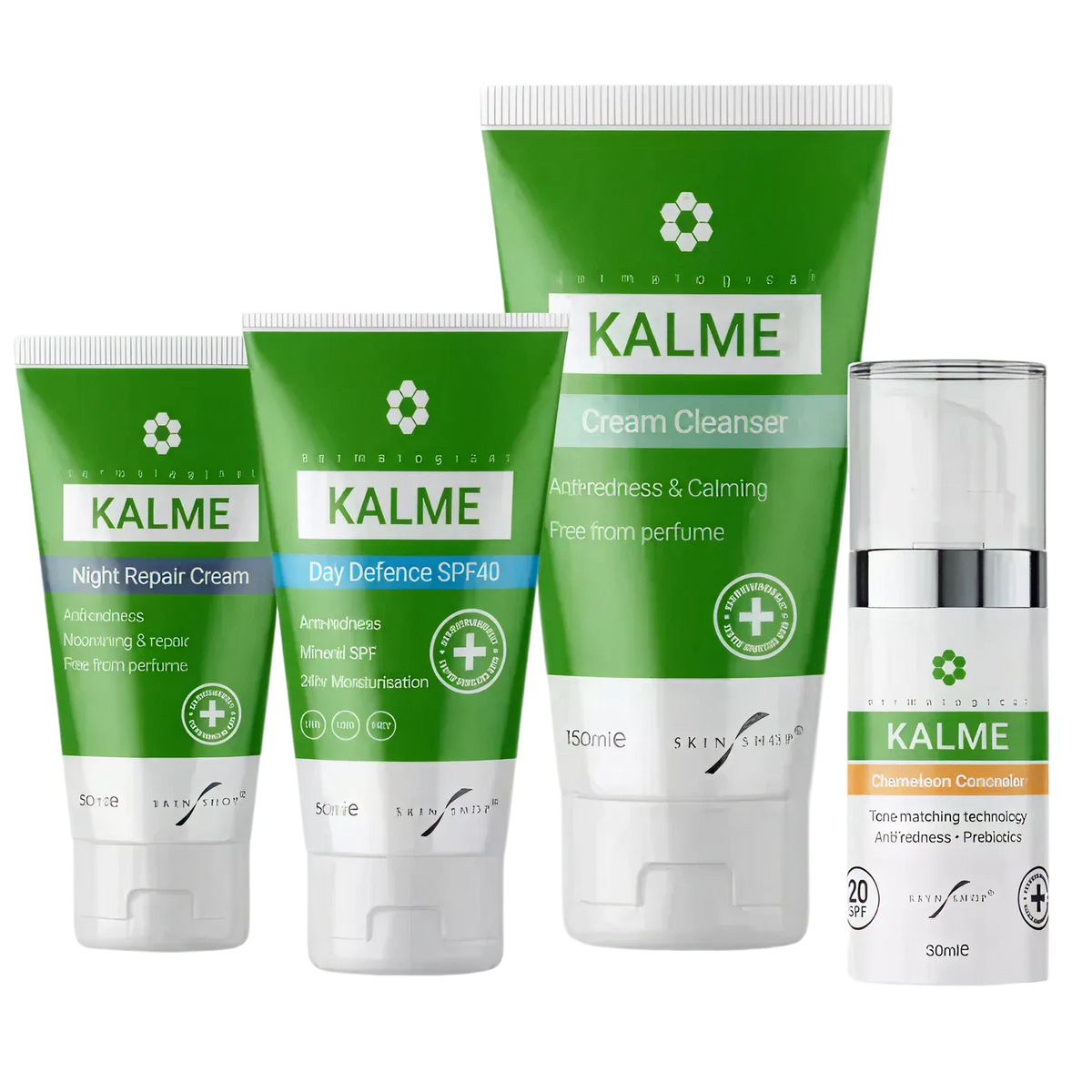
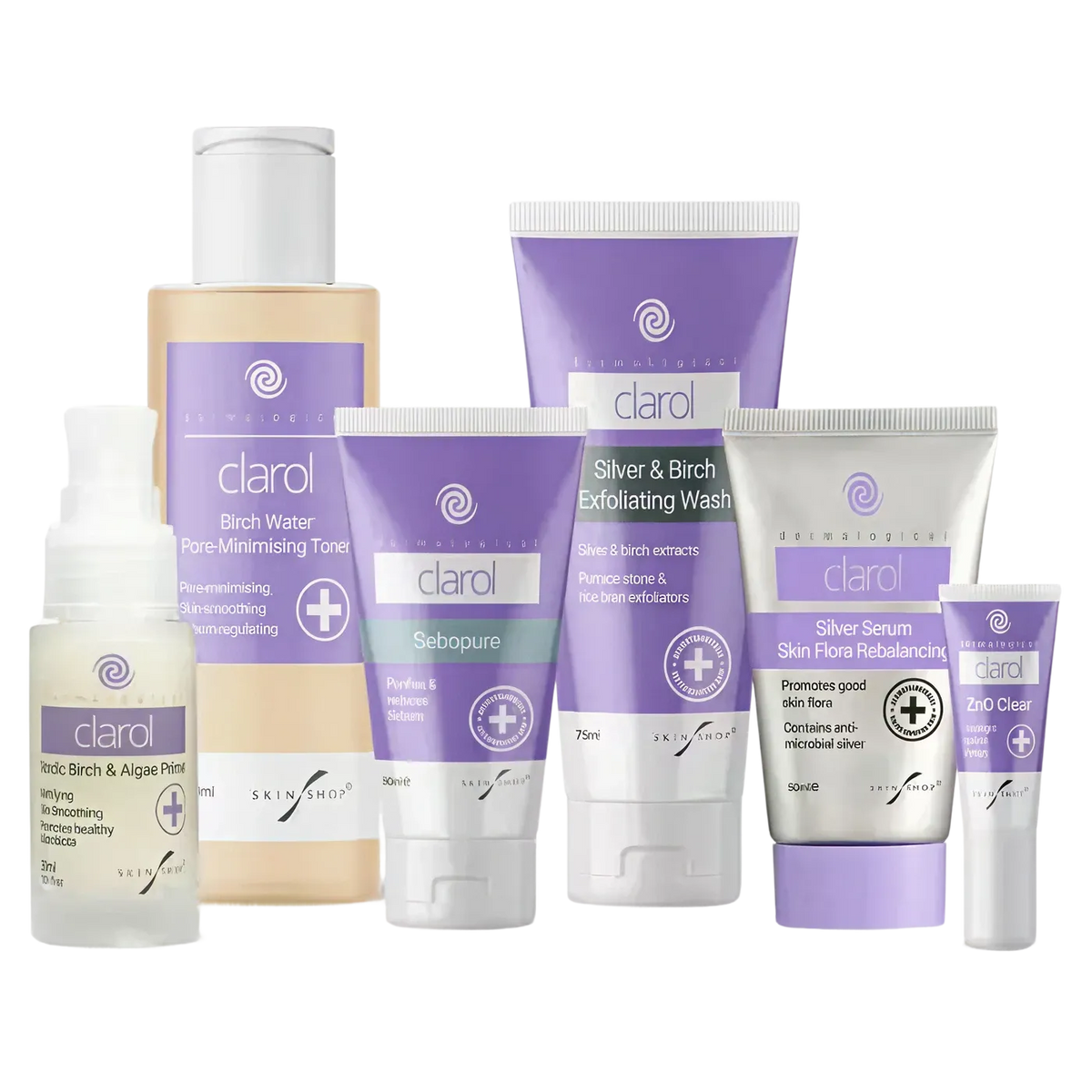
Traditional skin care advice is to wash your face every day, sometimes twice a day, to avoid skin problems such as acne and greasy skin. However, washing your face every day can cause more harm than good, even if you suffer from acne. Hollywood actor Cameron Diaz recently admitted to almost never washing her face. Cameron has claimed to suffer from acne and rosacea so she may be doing the best thing for her skin according to dermatologist Dr Eva Melegh. Here Dr Melegh gives five reasons why washing your face every day isn’t necessarily the key to clear, calm and glowing skin. Washing your face daily does not reduce greasiness Sebum is an oily, waxy substance produced by your body's sebaceous glands. It coats, moisturises, and protects your skin. We need sebum for healthy skin. People who suffer from hormonal acne, teen acne or adult acne often produce higher levels of sebum. This can be due to genetics and hormonal disruptions such as puberty, or in women pregnancy or menopause. Stress can also increase sebum production. Washing your face more often with detergents and solvents often present in facial washes and cleansers for greasy skin removes the natural oils from the skin’s surface, leaving it drier and so will often cause the body to produce even MORE sebum to compensate. Facial cleansing with a non-comedogenic facial cleansing oil followed by gentle exfoliation once every 1-2 days is better than washing daily with facial washes aimed at dissolving grease. Try Clarol Silver & Birch Exfoliating Wash Washing your face daily does not stop acne forming It’s a misconception that it’s the excess sebum itself that causes acne, it’s not and so washing your face daily to reduce the sebum is not getting at the root cause of the acne. It’s the oxidisation of sebum when it nears the skin’s surface and mixes with air and external bacteria that can cause the sebum to go ‘rancid’ and pool in the skin pores causing blockages and inflammation that leads to pimples and acne. So the key to reducing acne is keeping the sebum from oxidising, not simply trying to wash it away with facial washing. Products that are sebum ‘preservatives’ help keep the sebum from becoming contaminated as it passes out through the skin pore. This results in the skin remaining protected and moisturised by the sebum without it getting oxidised and going rancid which is what leads to pore blockages. Incidentally if sebum is left to flow freely and not being constantly washed away, the end result will be that gradually the body will regulate itself and start producing less sebum. The paradox is often that people with greasy skin and acne immediately start off by washing their skin more, which in turn actually increases sebum production. Cleaning skin using a gentle exfoliant once a day and follow it with a sebum purifying serum is a better way to control sebum production and help prevent pimples and acne forming. Try Clarol Sebopure Washing your face daily can make rosacea worse If you suffer from rosacea and sensitivity, washing your face with water can actually make the condition worse. Water is a very caustic substance that also contains chlorine and so if you have very sensitive skin prone to rosacea this alone can trigger skin flares. But equally importantly it’s the temperature difference of using either warm or cold water to wash your face that can also trigger a rosacea skin flare due to the vascular dilation of the blood cells below the skin’s surface. Water-free cleansing with a moisturising cream-cleanser for very sensitive skin is much more beneficial for skin prone to redness and rosacea than daily facial washing. Try Kalme Water-Free Cream Cleanser Washing your face daily can remove good bacteria making dry skin even drier Like the stomach our skin contains good and bad bacteria. It’s the bad bacteria that can lead to inflammation and acne. However, it’s the good bacteria that protects and maintains the skin barrier, which is what keeps bad bacteria out and also locks in moisture and prevents dryness. Most facial washes contain anti-bacterial agents aimed at killing off harmful bacteria. However, this bacterial ‘wipe out’ approach also kills off good bacteria too. This can lead to problems for all skin types, but especially skin prone to dryness and eczema. The skin barrier is crucial for keeping skin moisturised and supple. People who are prone to eczema often have a genetically compromised skin barrier function. So killing off the good skin bacteria that helps to repair a damaged or compromised skin barrier will only make matters worse. If you suffer from dry skin, washing your face daily can lead to even more dryness. The best way to clean skin prone to dryness and eczema while protecting the skin barrier is with an oil-based cleansing product or a water-free cream cleanser with moisturising agents followed by a skin serum containing prebiotics to feed good skin bacteria, especially if used overnight which is when skin cell re generation is most active. Try Kalme TeQ Serum with agave prebiotics Washing your face daily can make open pores worse Open pores and blackheads can be caused both by genetics but also by a lack of elasticity and collagen production in the skin itself. Stripping away essential skin oils through daily facial washing can make the skin less elastic and so leave pores more open. It’s much better to gently exfoliate normal skin once every 2-3 days or greasy skin every 1-2 days in order to clean out open skin pores than to wash facial skin every day. Exfoliation speeds up skin cell regeneration, whereas facial washing with anti-bacterial washes dries out skin and reduces elasticity. The best combination for open pores is exfoliation once every few days for normal to dry skin or once a day in the most affected areas for greasy skin followed by daily toning with a gentle pore minimizing toner to remove surface dirt. Try Clarol Birch Water Pore Minimising Toner
Learn more
#5 tips to help predict the state of your acne through your monthly cycle
When it comes to hormonal acne, causes are not always consistent through the monthly cycle and therefore different treatments may be more effective at differnt times of the month. If you can predict which days your skin will be glowing and which days it will be ghastly, you can prepare with changes to your skin care routine to try and combat the problems before they arise. Three hormones impact your skin during your monthly cycle: Oestrogen, progesterone and testosterone. These hormones fluctuate through the duration of your cycle, and their shifting ratio is what causes changes in skin tone and break outs. Here are #5 tips from dermatoligist Dr Eva Melegh on the hormonal skin changes that affect your skin and how best to treat your acne according to your monthly cycle. #Tip 1 – Predict when your skin will be more sensitive and dry During the first seven days of your cycle, when you have your period, your hormones are at an all-time low. Sebum production may decrease, and without the help of oestrogen, your skin may have difficulty retaining moisture. As a result, your skin will likely look and feel dull and flaky and probably more sensitive. During this first week, your body also produces more prostaglandins. These compounds with hormone-like effects usually control inflammation but, when off balance, increase pain sensitivity. This can cause your skin to feel more tender and reactive. This is not a good time to wax your skin and you should also reduce exfoliation and avoid any retinol products. Also switch to a mineral based foundation and add more hydrating serums to your routine. Serums containing skin prebiotics that help feed good skin bacteria are also beneficial as this is a time when the skin barrier function is likely to become most damaged and could benefit from some help to replenish it. Try Kalme TeQ Serum, made with blue agave extract that is more hydrating than hyaluronic acid and a natural skin prebiotic. #Tip 2 – Predict when you will get jawline acne Testosterone remains constant throughout your cycle but takes the lead when oestrogen and progesterone dip during actual menstruation during the first week of your cycle. Testosterone activates the sebaceous glands, triggering them to produce more oil but when testosterone is in the lead, the sebum production is thicker and tends to concentrate more along the jawline line and lower part of the face. So, its common to end up with bigger deeper jawline spots and dry cheeks with smaller surface pimples during menstruation, what is known as combination acne. This is a time to really try and avoid holding your phone against your lower cheek or resting your face in your hands and tie long hair back at night. It’s a good time to apply a detoxifying clay face mask to the lower part of your face. Your skin woul also hugely benefit frmo a rebalancing of the bacteria in your skin as its easy at this time for bad skin bacteria to get out of control. Use products that reduce bad skin bacteria and increase good skin bacteria to control your bacterial balance. Try Clarol Silver Serum, a bacterial re balancing serum. Spot on treatments using zinc oxide can help reduce underlying inflammation of larger lesions overnight. Try Clarol ZnO Clear #Tip 3 – Predict when you will have more moisturised and radiant skin The second week of your monthly cycle is dominated by the production of oestrogen. This is when you skin should start to become plumper and more moisturised. Right before ovulation (days 12-16), oestrogen is at its peak. During this time, moisture levels are at their highest and the increase in collagen and elastin gives your skin more radiance. This is a great time to use a retinol product and regenerating mask as your skin is at its most robust and so by boosting the production of skin cell regeneration can help make it more robust against weakness to acne triggers later in the cycle. #Tip 4 – Predict when you will have greasier skin & blackheads In week three of your cycle, the levels of progesterone rise. Progesterone stimulates the production of sebum and, as it rises, causes your skin to swell and compress your pores. This compression can lead to a build-up of oil and acne breakouts as well as blackheads. This is the time when you should start to exfoliate daily to clean out pores congested with sebum. Try Clarol Silver & Birch Exfoliating Wash At the same time reduce moisturisation and use a sebum purifying product to make sure the extra sebum being produced pushes out through the skin pore without causing congestion and attracting bacteria and dirt into the skin pore. Try Clarol Sebopure, a sebum purifying acne cream. #Tip 5 – Predict when you will have open pores, bloating and redness Week four is entering into full blown PMS territory and when your skin will be at its most volatile. Progesterone and oestrogen levels fluctuate causing bloating and puffiness. You generally have more inflammation in your body which can add to the boating. Your skin may appear extra shiny and, as your pores loosen, they may begin to look larger. You may also experience more inflammation and redness during this stage of hormonal flux. This is an ideal time to make sure you use a daily pore minimising toner on your skin after exfoliation. These two actions will help close open pores, tighten bloated skin and clean out congestion. Try Clarol Birch Water Pore Minimising Toner with noridic birch water. Products that focus on reducing inflammation and redness and concealers with tone matching technology that can adjust to blotchy or flushed skin can be a life saver during this turbulent time. Try Kalme Chameleon Concealer SPF20 for sensitive skin and skin prone to redness. Limiting your intake of inflammation-causing foods like sugar and refined carbohydrates can also help during this part of your cycle.
Learn more
To tone or not to tone – 6 tips on why you should use a toner
When it comes to skin care, a lengthy fiddly regime isn't for everyone. Modern skincare regimes are all about being time and cost efficient. Products that do several things at the same time are favoured for their simplicity and ease of use. However even if you prefer to keep your skincare regime short and simple there are a couple of easy additions which can’t be part of a multi-functional product but that can make a world of difference in the look, feel, and long-term quality of your skin as well as improve many aspects of problem skin such as congestion, redness and inflammation. One of those is a toner. Toners used to be a key addition to any serious skin care regime but in recent years they have gone out of fashion, especially among younger generations. But toners are not a flash in the pan skincare fad or something that only your granny uses, but an essential part of an effective skincare routine which is why we have started to see toners emerging back into the skincare arena. Modern toners are more targetted than the old fashioned toners and the better ones contain natural ingredinets rather than chemiclas to help clean, tighten and tone skin without causing any irritation to sensitive and problem skin. While some toners simply clean the skin, others actively help prevent acne and contain anti redness ingredients. So why is it that toners are so useful and what do they actually do? Facial toners are a quick no-fuss way to even skin tone, reduce oily patches and close open pores in skin prone to acne as well as ‘double cleanse ’congested skin and reduce redness and inflammation in sensitive skin and skin prone to rosacea. A toner takes just a few seconds to swipe over freshly cleansed skin and yet the benefits it brings will last all day. Here are 6 tips on why you should use a toner; Pore minimizing Facial toners that have specific pore minimizer ingredients help close open pores after cleansing and create a more luminous appearance so if you prefer to can go bare faced your skin feels fresh and ‘sealed’ after toning. A toner also creates a balanced and smoother base for the use of cosmetics. Helps protect sensitive skin from the elements A toner for sensitive skin is formulated to help your skin stay clean and undamaged by environmental stressors by closing pores and reduing inflammtion. Open skin pores and inflammed skin let in more pollution and dirt which adds to the risk of blackheads and localised inflammation of the congested skin pore in skin prone to acne or redness and itching in skin prone to rosacea or eczema. Temporarily tightens skin Facial toners are an amazing skin rejuvenator. They help to give skin a tighter, firmer appearance and can reduce the appearance of fine lines. Leaves skin feeling more refreshed than water Spritzing your skin with toner is a great way to start (and end) your daily routine. It leaves skin feeling fresh and revived much better than a washing your face with water. Soothes irritated and red skin Facial toners for sensitive skin often have anti-inflammatory ingredients in them which help reduce redness and sooth irritation. They are especially useful after a shower or washing the face with warm water or used on stressed and hot skin which has a tendency to swell blood vessels below the surface and give skin a redder, puffier and more blotchy appearance. A toner closes the skin pore which reduces redness and gives a more even appearance. Double cleansing results Adding a facial toner to your regime after cleansing removes any final traces of dirt and make up left behind from your normal cleansing process.
Learn more
8 tips to avoid a cold sore for Valentines
Valentines is a time when our lips can play a fairly important role in the proceedings so an emerging cold sore, which affect almost 50% of the population, could pour cold water on a hot date night. A survey carried out by Skin Shop on 1000 cold sores sufferers found that 80% admitted that they had cancelled dates in the past due to cold sore outbreaks while 40% admitted they would rather cancel a date than let their dates see them with cold sores. 30% admitted their cold sores had ruined at least one Valentines in the past. We know there's no cold sore cure but after seeing the results from our survey we felt compelled to seek some expert advice from skin specialist and consultant dermatologist Dr Eva Melegh to get her top tips for avoiding a cold sore before Valentines; # Tip 1 - Leave out lip fillers Having injections of lip fillers significantly raises the risk of triggering a cold sore. Research shows that lip fillers can sometimes trigger the cold sore virus that has been laying dormant in the skin around the lips for a long time, sometimes even years. If you do want lip fillers but are prone to cold sores, you can ask your doctor to prescribe a prophylaxis anti-viral medication for a few days before having the lip fillers which can reduce your risk of triggering a cold sore. However, the risk is still raised by having lip fillers so they are best avoided two weeks before Valentines if you are hoping to have an amorous Valentines. # Tip 2 - Ditch hot drinks February is typically a cold time or year in the Northern Hemisphere and there’s a temptation to increase your intake of hot drinks to warm up. But heat, especially sudden heat on the lip area, can trigger a cold sore as heat irritates the skin and causes micro inflammation which can in turn activate the dormant cold sore virus in the skin around the lips. So, in the run up to Valentines try to only sip on room temperature beverages and stand nearer the radiator to warm up instead. # Tip 3 - Fake it dont bake it Skin typically looks paler and more pallid during January and February due to lack of sun in the Northern Hemisphere, with some places seeing only a few hours of daylight let alone sun during the month of January. Many sun-starved skins seek tanning salons to give their skin some sun-kissed colour and especially in the run up to Valentines when bodies are perhaps more likely to be on display. But before you head for a tan top up at your local tanning salon in anticipation of your Valentines date, think twice if you suffer from cold sores. The main trigger for cold sore outbreaks is UV light. UV light damages the immune system in the skin, which is why it often triggers a cold sore outbreak. So a sun bed can trigger one in the same way as the sun can, in fact a sun bed is more likely than eve the sun as the UV radiation is more concentrated over a short period of time. If you really want a sun kissed complexion for Valentines its safer all round and especially if you suffer from cold sores to go for a fake tan product than a sun bed. # Tip 4 - Hold on the hangovers A lowered immune system is high in the risk factor for a cold sore outbreak and so getting drunk enough to end up with a hangover means that you temporarily low your immune system, which can raise the risk of a cold sore outbreak. If you have a lot riding on your Valentines date it might be wise to go tee total for the week preceding Valentines so the risk of an immunity impaired cold sore outbreak is completely avoided. Try not to get too drunk during your Valentines date too as if things go well as an impaired immune system the next day could trigger a cold sore and might mean you are out of dating action for at least a week after February 14th. # Tip 5 - No nuts The cold sore virus requires arginine (amino acid) to replicate and thrive in your body. Depriving the virus of arginine can help reduce the duration and severity of a cold sores. Nuts and seeds are one of the richest sources of arginine so to ensure you reduce your risk of a cold sore outbreak, skip the muesli and step away from the bar nuts for a week prior to Valentines. # Tip 6 - Opt out of outdoor exercise Stress is a major trigger for cold sores so exercising is a great way to keep cold sores at bay as its one of the best stress relievers. However, exercising outdoors in the typically very cold weather at the start of February can cause your lips to become quickly dry and chapped as the heavier breathing from doing exercise combined with cold air and biting wind zaps moisture quickly from the lips. Baring this in mind stopping exercising should not be the solution but perhaps taking your regular exercise indoors at the gym or a few workouts in your living room might be prudent in the week before Valentines just to make sure your lips stay supple and moisturised. In addition, wear a beneficial lip balm 2-3 times daily for the two weeks preceding Valentines. Try Lip Q Liquorice Balm a natural lip balm containing a highly concentrated extract of liquorice which can help protect lips from cold sores, according to a study carried out by the Herpes Virus Association. The key cold sore fighting ingredient in liquorice is glycyrrhizic acid (GA). GA specifically targets the genes that are required to maintain the virus in its latent state by interfering with the production of special proteins that feed the infected cells. # Tip 7 - Cut the crusty bread and crisps Any trauma to the lips can trigger a cold sore outbreak and aside from chapping from dehydrated lips, abrasive foods such as crusty bread and crisps, are the easiest way to damage lips and risk a cold sore outbreak. Even tiny micro cuts from crusty breads and crisps to the lips and corners of the mouth raise the risk of triggering a cold sore. Stick to soft bread and avoid crisps in the week before Valentines to keep your lips free of any damage. # Tip 8 - Leave matt lipstick alone Anything that dries out the lips in a hazard to lips prone to cold sores and matt lipsticks and long-stay lipsticks are particular culprits. The very ‘mattness’ of matt lipsticks relies on drawing moisture out of the lips for the colour to stay put for longer and for there to be no shine. Avoid matt lipsticks and long stay lipsticks for up to five days before Valentines, in fact its preferable to avoid all lipsticks. Stick to moisturising lip balms instead. It may also be wise to avoid a heavy lip stick on your actual Valentines date as even if a cold sore does not develop before Valentines, one may be triggered on the date itself which means in the days after one may develop, which could ruin any potential follow up dates for at least a week.
Learn more6 Tips to Avoid Festive Skin Fails
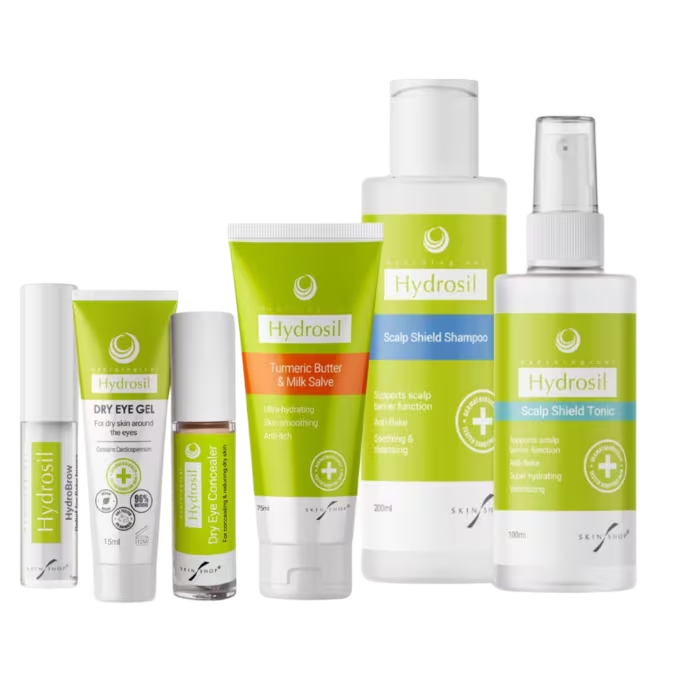
The last thing you want is a festive ho ho ho to turn into a oh no no no! Skin breakouts, rashes, flare ups and flakes can ruin your festive fun and quickly turn a merry Christmas into a miserable one. Skin fails can be greatly reduced or even avoided with a bit of pre-festive preparation. Here dermatologist Dr Eva Melegh gives her #6 tips to avoid common festive skin woes and have yourself a clear-skinned Christmas. #1 Rudolf Nose Sufferers of very sensitive skin and skin prone to rosacea often describe their face in festive family photos as ‘the one with the Rudolf nose’. The combination of crowed family gatherings often inside hot rooms with rich food and more alcohol than normal can quickly trigger a rosacea flare. Rosacea flares normally affect the face in a butterfly rash, leaving mostly on the nose and upper cheeks with a bright red flush. Fail Safe Festive Skin Do not be tempted to try any gifted new skincare products or cosmetics over the festive period. Avoid fizzy alcohol and do not try splashing or washing hot skin more frequently with cold water. Embark on a redness calming skincare routine 2-3 weeks prior to the festive season to get skin fully calmed down beforehand and use a de- sensitising base cream under all cosmetics over the festive period. Try the Kalme range for skin prone to rosacea, its not a rosacea cure but it can help calm down and reduce redness and sensitivity #2 Snowflake Shoulders A flaking scalp is not only uncomfortable and itchy but can also be very visible on party clothes. Flaking itchy scalp in the winter is often due to dry scalp dandruff as opposed to fungal infections as with normal dandruff. Cold weather, low humidity and dry air from central heating can dry our winter scalps and leave them flaking and sensitive. Add a large dollop of pre-festive stress and you perhaps have yourself snowflake shoulders for the festive holidays. Fail Safe Festive Skin Reduce the heat of your showers and stop using any hair styling or perfumed hair products. If anti dandruff shampoos are not working, then switch to a shampoo and scalp treatment specifically for dry scalp. You need to do this at least a week before the festive period begins as dry scalp flaking often lasts several days once it starts. Try Hydrosil Scalp Shield Shampoo and Scalp Tonic for dry scalps and scalps prone to scalp eczema and scalp dermatitis. #3 Mistletoe Mishaps Nothing can ruin that hope of a chance kiss under the mistletoe more than a cold sore. For 50%of the population who suffer from cold sores which are caused by the herpex simplex virus, Christmas is a prime time for a cold sore attack. The cold weather, higher rates of colds and flu, excess of alcohol, lack of sleep and stress can mean it’s the perfect storm for the worst outbreak of the year. Once a cold sore is established it usually takes 6-10 days to go so can blight the whole festive period. Fail Safe Festive Skin Don’t wear matt lipsticks, keep lips covered with thin scarf while out in the cold, avoid sipping hot drinks, don’t have any lip fillers or injections in the four weeks prior to Christmas and start applying a lip balm 3-4 daily 2 weeks in advance. Try Lip Q Liquorice Balm, which is a neutral and non-scented natural balm that not only keeps lips conditioned but also contains concentrated glycyrrhizic acid (liquorice root extract) that’s proven to have anti-viral actions and offers some preventative protection against cold sores. #4 Christmas Bauble Face If you suffer from greasy skin, then the often-raucous festivities over the holiday season can leave your face resembling a shiny Christmas tree bauble. Fail Safe Festive Skin The key to keeping the shine only on the Christmas tree decorations is not washing your skin more but regulating the production of your sebum in the run up to the festive period. The more you try and clean oily skin often the more sebum you produce when it comes to oily skin. So sometimes to have to almost take the opposite approach. Sebum is actually very good for skin as its nature’s moisturiser. Trying to inhibit it’s production with sebum ‘drying’ products and endlessly trying to wash it away often makes the problem even worse. By letting the sebum flow naturally for a 3-4 week period before Christmas and using as fewer skin ‘cleaning’ products as possible and keeping the skin from becoming congested or infected should help regulate your sebum production. Then applying a mattifying primer under cosmetics over the festive period should help to keep the shininess at bay. Try Clarol Sebopure for helping to keep sebum clean and pure as you let it flow naturally and Clarol Nordic Birch & Willow Primer with mattifying effect to keep oiliness under control and make up in place during the festivities. #5 Gift Rashes New perfumes and scented beauty products are a lovely gift but to reduce the risk of getting an uncomfortable skin rash, avoid the temptation to slather on your new products over the festive period. Sensitive and dry skin already has a hard time staying calm over the festive period what with pine needles from the tree, dog or cat hairs from family pets and hot stuffy indoor environments. So sensitive skin may already be in a high sensitivity state. Scents and ingredients in many heavily scented Christmas beauty or bath products and perfumes can quickly trigger an allergic skin reaction. Fail Safe Festive Skin Stick to beauty and cosmetic products you have been using for the 3-4 week period before the festive season. Do a one-week skin detox before the festive period where you cut out as many products as you can bare to let your skin really calm down. Just use non-scented but highly moisturising products with skin calming actives to try and calm your skin down and get as much moisture into your skin in the run up to the festive period. Don’t wear highly synthetic clothes over the festive period and in general try and wear less clothes than more to keep skin cool in stuffy rooms as heat rash can then trigger other skin rashes and reactions. Try Hydrosil Tumeric Butter & Hypoallergenic Milk Salve on all patches of dry skin and itchy skin and Hydrosil Dry Eye Gel all around eyes in the run up to Christmas and under all eye make up over the festive period to reduce the risk of contact skin allergies from eye cosmetics #6 Spicey Surprise The festive period is a time when we all like to take some time out of our busy hectic lives and let ourselves go a little. Whether taking a mini hotel breaks or going on a holiday for some of the festive holiday, you might want to take the chance of this time out to spice things up a bit in the romance department. This is good for mind and body but can be swiftly ruined by any fun with festive scented intimate massage oils or lubricants. Anything spicey smelling should be avoided at all costs in intimate areas. Fail Safe Festive Skin Massage oils should not be used internally, even if they are not scneted ones. Lubricants are one of the best ways to help address vaginal dryness caused by any number of issues from sexual anxiety to side effects of medications or hormonal fluctuations. 1 in 4 women will experience vaginal dryness during their lifetime. Lubricants are an excellent way to relieve the discomfort and make sex more enjoyable for both partners. However, to avoid adding to any discomfort, lubricants which are chemical, perfume, petroleum, silicone and alcohol free and preferably also have some degree of protective action for internal vaginal skin are a sensible choice. Try in2mate Lubricant which is un-perfumed, over 99% natural and contains an intimate prebiotic to help repair and rejuvenate vaginal skin as well as a plant-based lubricating ingredient that closely mimics natural vaginal lubrication.
Learn more
#5 habits to get into NOW for an easier menopause later
All women know that their menopause is coming at some time or another but there’s still a tendency not to prepare for it but rather wait and see how bad symptoms are before seeking help or making changes. Doctors are often less than helpful when it comes to preventative measures for menopause. Typically, if a patient mentions any concerns or raises any questions with her doctor about menopause the first thing she will be asked is ‘do you have any symptoms.’ If the answer is no then usually the subject will be dismissed until such times as symptoms appear. However, the problem is that when symptoms do arise, the very symptoms themselves, such as disturbed sleep, physical discomfort and mood swings, often make women incapable or less effective at making the sudden barrage of changes to their lifestyles to help ease menopausal symptoms. The sheer amount of information and advice on combatting the menopause can be overwhelming at a time when women are already feeling overwhelmed and less resilient. Too often women in this situation will quickly resort to medications in order to deal with the sudden onslaught of menopausal symptoms which if they are unprepared for can often feel un-manageable. It’s easy to not think too much about something if it’s not actually happening to you. Menopausewill happen for all women at some point so getting prepared for it before it arrives can help minimise the impact. This process of change and preparation should ideally begin in the 4-5 years preceding menopause before symptoms have begun to appear for the process to be easier and less impacting on women’s health, mental state and self-confidence. Here are #5 helpful habits to think about adopting in the years preceding the menopause in order to help make the menopause a little easier when it does finally arrive; Get into the #1 habit of making lists Brain fog and short-term memory loss are a common symptom of menopause, with studies estimating that up to 60% of menopausal women experience some degree of brain fog. Brain fog can be caused by a number of issues, often a combination of disturbed sleep, low mood and vascular changes linked to hormonal fluctuations. One of the most effective ways to prepare for brain fog is instead of trying to remember everything, also get into the habit of making lists. Check out new apps and other ways to make lists to help keep you feeling organised and in control. In addition, new hobbies that put the brain through its paces such as learning to play chess or a memory app or computer game, learning a new language, crosswords and puzzles can help make memory more robust. Women often focus on their physical health in the run up to menopause due to weight gain, collagen and muscle loss, but brain fog or memory loss will be can have a domino effect which prevents you from doing many of the other lifestyle changes that can help reduce menopausal symptoms. Get into the #2 habit of using a lubricant every day Vaginal dryness and discomfort are very common symptoms of menopause experienced by 1 in 3 women during menopause and can often be very distressing as well as painful. Not only does the reduction on female sex hormones cause vaginal dryness but thinning of the skin in the vaginal wall can also make the vagina more fragile and prone to dryness and micro damage, leading to bacterial and fungal infections. Having a regular and enjoyable sex life can ward off a number of physical menopausal symptoms because sex keeps female hormones stimulated. Regular and enjoyable sex also relaxes the mind and body for better sleep as well as having a positive effect on body confidence. Vaginal dryness can cause discomfort during sex, causing disruptions to enjoyment and arousal of sex. A natural lubricant (without perfumes or chemicals) can help address vaginal dryness and improve both physical comfort for both partners as well as improve sexual confidence. However, lubricants in the run up to menopause should not only be considered for sex as in younger women. Menopausal vaginal dryness can cause discomfort in other daily activities such as during sport or even just when moving around during daily tasks. Menopausal vaginal dryness is something that can be addressed and prevented on a daily basis and not just when it comes to sex. Preventing vaginal dryness by rejuvenating vaginal skin before menopause hits is key to minimising vaginal dryness. There are vaginal lubricants that are designed for daily use and that contain rejuvenating, protective and repairing ingredients to not only lubricate vaginal skin for sex but to also help strengthen and it and reduce the risk of bacterial and fungal infections. Like any area of skin, vaginal skin ages and needs attention to keep healthy and feeling younger. In2mate Lubricant not only contains a natural plant based lubricating ingredients is also contains antioxidants specially designed for vaginal use and to -anti-age’ vaginal skin as well as prebiotics to help increase the growth of good bacteria in the vagina. Used daily in the run up to menopause, In2mate Lubricant can help repair micro damage and improve the quality and elasticity of internal vaginal skin which can help guard against damage cause by menopause related vaginal dryness. Get into the #3 habit of exercising before lunch There is little debate among experts that exercise helps combat the symptoms of menopause as it helps control menopause related weight gain, increases feel good hormones, helps relieve stress and improves bone mass density. However, starting an exercise regime once you begin to feel menopause symptoms coming on can be daunting and draining as you are often lacking in energy and not used to working into you lifestyle the time it takes to regularly exercise. Beginning to integrate a daily exercise regime into your life should begin years before any menopausal symptoms appear. Most fitness experts agree that a combination of quick bursts of exercise such as sprinting, circuit training or spinning, to raise the heart beat combined with weight bearing exercises, so weight lifting, are the best combination for pre-menopausal weight control and muscle strength building. But in the run up to the menopause hitting the gym at 8pm or taking a late-night spin class after work like you did in your 20’s is not ideal for preparing for menopause. The most beneficial time of day to work your exercise into your daily routine is any time before lunch and preferably earlier rather than later in the mornings. The reason for this is that providing you have a balanced breakfast, this is the time of day when hormones and energy are at their most stable. In addition, insomnia is one of the most physical and mood disrupting symptoms of the menopause and exercise is a stimulant. So, if you exercise later in the day or in the evening its likely to add to problems in getting off to sleep. The earlier you exercise in the day, the more tired you will feel towards bedtime. Even if you can’t make it to the gym every morning, a 40-60 minute HITT workout either at home or in an outside area is sufficient. For many HITT work outs you can use objects like chairs or stairs to complete your work out, you don’t necessarily need lots of home gym equipment. They key is to get into the habit of getting your exercise in earlier rather than later in the day to help boost your mood during the day and to not stimulate you before bed time. Get into the #4 habit of sleeping naked Night sweats are most women’s biggest fear of menopause. Some women may experience worse night sweats than others but almost all women will experience some degree of fluctuating temperature during the night as hormonal levels start to change. Therefore, getting used to sleeping naked in bed can be very helpful for controlling night sweats and allowing your body to cool off more quickly and naturally than if you are in bed clothes and underwear. Many people find it hard to get used to sleeping naked and so it’s a good idea to start getting used to habit before menopause symptoms appear. Maybe try starting off in the summer when its warmer and get used to feeling and then invest in an electric blanket in winter that allows you to continue to sleep naked during the cold weather. Get into the #5 habit of hormone hit breakfasts Diet can contribute to helping to regulate hormonal fluctuations during menopause but dietary changes are not a quick hit can take a long time to take effect and the types of food that are most effective can be hard to incorporate into normal daily family meals. During the years before menopause there will be less and less of your own body’s oestrogen floating around. At this stage, if you incorporate plant based oestrogens (phytoestrogens) into your daily diet, these will bind to free oestrogen receptors and exert an oestrogenic effect. So not only is it a good idea to get into the habit of adapting your diet to a more hormone boosting one before menopause hits and while your body is still producing some of its own oestrogen, it’s also helpful to work out the most efficient and easiest way to do this so it does not become too hard work to adapt your diet. Breakfast is the easiest meal of the day to pack in a hormone boosting hit because the types of foods you need to eat more of are most suited to breakfast. Phytoestrogens are found in their highest doses in soy-based products as well as in apricots, berries, certain seeds (sesame, flaxseed and pumpkin), some nuts (peanuts) cereals (bran) pulses (chickpeas) and heavy greens (kail and spinach). Studies suggest that doses of between 45mg and 90mg of isoflavones, which translates to about two to three servings of phytoestrogen rich foods per day, is needed to be effective for boosting oestrogen production. So, soya yoghurt with berries, pumpkin seed, flaxseed and sesame sprinkles with a soy milk latte is a quick and easy hormone boosting breakfast hit. Bran and oat porridge made with soy milk with tinned apricots, tofu, pumpkin seed and spinach omelettes, tofu and kail scramble or a soya and peanut protein powder and mixed berry smoothie would all make up a high hormone hit breakfast. If you get your hormone hit early in the day there’s less pressure to try and pack these hormone boosting foods into office lunches or family evening meals. Miso soup and chickpeas are also high in phytoestrogens so if you can throw a few of these in by adding humus to sandwiches plus a miso soup before dinner then all the better, but the easiest meal of the day to really pack in a high hormone punch is breakfast.
Learn more
7 ways to reduce dry winter skin
Like the seasons, skincare routines should change with the weather. As the temperature drops towards winter and the humidity in the air does too so it becomes drier. Low humidity outside combined with central heating inside too often leads to drier, redder, itchier and flakier skin due to acerated TEWL (transepidermal water loss) especially if you have a pre-existing dry skin condition such as eczema or rosacea. Layering more than one product (up to 3-4 is fine if they are targeted and compatible) for dry skin, sensitive skin and red skin can help prevent your skin becoming a casualty of winter. Consultant dermatologist Dr Eva Melegh gives her advice on seven ways to reduce the risk of winter dry skin; 1. Call in a creamier cleanser It’s best to reduce exfoliation in winter to 1-2 times a week if you are prone to dry skin or redness. Instead switch to a daily gentle and preferably water-free cream cleanser to clean skin and avoid washing the face too much with water. Water can evaporate more moisture from the surface of the skin when it dries making it drier and more reactive. A cream cleanser is gentler and more moisturising on dry winter skin. Similarly for washing generally, a hot bath might feel great on a cold day, but too hot water will remove the layer of seum from the skin. It is better to switch to lukewarm and fairly quick showers during the winter months and then immediately moisturise skin afterwards while skin is still slightly damp. 2. Soothe skin sensitivity Dry skin often becomes red skin too as the dryness makes it more sensitive and once skin is sensitive it often becomes inflamed and red which accelerates TEWL and will lead to even more dryness and flaking. Reducing sensitivity can be achieved by using a base product applied straight after cleansing and shaving with targeted de-sensitising ingredients to decrease the release of pro-inflammatory neuromediators in the skin. This may sound complicated but there are many natural products that help reduce the skin’s sensitivity. Also use a SPF of at least 20 either as a stand along product or as part of foundation or concealing product over your base product during the winter months as even if the sun is not shining. Cold windburn and UV reflection from clouds can inflame skin sensitivity and increase TEWL and red skin. Make sure the SPF product also contains moisturising ingredients and is suitable for sensitive skin. 3. Moisturise under make-up In summer skin can become sweaty and greasy making cosmetics slide off more easily, but in the winter if the skin is drier cosmetics can actually have a more drying effect, especially matt foundations and powders. In winter it's very beneficial to use a moisturising product under cosmetics even if you are using a tinted moisturiser or concealer. That extra layer of moisture will help prevent winter skin from drying out. Look for products that contain ingredients with 24 hour moisturing claims. It’s also crucial in winter to wear an eye product for dry skin and irriated skin around the eyes and on the eye lids under any eye cosmetics. The skin around the eyes is particularly vulnerable to dryness during the winter months and needs protection from the wintry elements. Look for eye products that address dryness as well as itching and irritation. 4. Seal in moisture with serums overnight Overnight is when winter skin becomes most dehydrated due to internal heating. So just a single night skincare product is often not sufficient for dry skin during winter. A winter overnight skincare routine should include more than one product with humectant and occlusive ingredients. Humectants draw water to the epidermis while occlusives seal that moisture in and protect it from evaporating. Aside from a base product applied after cleansing, a rich and repairing night cream with antioxidants and essential fatty acids plus a non-comedogenic oil-based serum layered over the top is a good combination for keeping dry skin moisturised all night. If you can add a prebiotic to that too all the better as these help repair skin barrier function overnight to keep moisture locked in. Effectively moisturised skin should still be flexible and comfortable by morning and not dry or tight. Any form of heating systems including airconditioning reduce moisture in the air. Use a humidifier device and be sure that the heating control is kept on low or moderate temperature to avoid extra dryness in the air. Slather on a buttery salve Salves are a saviour for winter dry skin and should be added to daily skincare routines and used liberally on all areas of rough dry or cracked skin such as elbows, ears, nostrils, eyebrows, knees and feet. Salves that contain natural butters as well as anti inflammtory ingredients are great for dry itchy winter skin. Feed skin barrier function Healthy skin barrier function is the key to keeping moisture locked in but dryness and inflammation are the two things that weaken skin barrier function the most. Skin prebiotics are like fuel for skin barrier function and help to keep it teaming with good skin bacteria that keeps it more robust against wintry elements. For winter skin, prebiotics are more helpful than probiotics as they are the nutrients the skin barrier needs to stay hardy. Look for products that feed good skin flora. Keep lips lubricated Lips are one of the first areas suffer when air humidity drops and winds turn colder. Chapped and cracks can appear quickly which can immediately trigger a cold sore outbreak if you are in the 50% of the population that carries the cold sore herpes simplex virus. The key to preventing cold sores is to always keep lips extra lubricated and flexible during winter. The best way to do this is to use a natural perfume and colour free lip balm preferably with natural cold sore fighting ingredients in it. Use a lip balm several times a day, take it with you when you are out and about and keep applying it. Avoid lipsticks in heavy colours or matt versions. If you need some colour just add a little lip stick over the lip balm but wear the balm first and always wear a lip balm thickly applied overnight. If you have a good skin flora product you can swipe a layer over and around the lips too for good measure to help repair lip barrier function. Also try and not to sip hot drinks. Let them cool down a bit first.
Learn more5 habits that can make psoriasis worse
Psoriasis is a chronic inflammatory skin condition that causes skin cells to renew faster than normal resulting in the build of skin plaques. Psoriasis is a genetic condition, though the first flare up and subsequent flares can be triggered by non-genetic factors such as illness, medications, emotional trauma or stress. Once psoriasis has been triggered the first time, subsequent flare ups are forever a risk and they can come frequently or infrequently. Therefore, treating psoriasis successfully is more about managing and reducing flare ups that trying to find an ultimate cure. There are several common habits that can make psoriasis flare ups occur more frequently and perhaps with more severity. Here are 5 habits that could be making psoriasis worse; #1 Bad habit - Smoking Widespread research suggests that smoking increases the risk of psoriasis and makes flare ups worse and more frequent. Research has found that nicotine alters the immune system, which may partially explain the link between psoriasis and smoking. Some research indicates that tobacco smoke may also cause a type of cell damage called oxidative damage, which may also explain why smoking makes psoriasis worse. For people who also have psoriatic arthritis, the effects of smoking can be even more pronounced. #2 Bad habit – Over styling Scalp psoriasis in one of the most common places for psoriasis to occur and is also very uncomfortable and highly visible. One of the reasons cited by skin experts on the rise and prevalence of scalp psoriasis is the over-use of hair styling products. Hair products that contain sticky or clay like ingredients as well as hair dyes can all cause additional bacteria to get into and stick to the scalp, which can trigger psoriasis flare ups as the bacteria causes inflammation which can then trigger a psoriasis flare. Dyes and perfumes in hair products as well as detergents to remove grease can also cause the already sensitive scalp of psoriasis sufferers to become hyper-sensitive and inflamed which can trigger a flare up. Regular blow drying and blow-drying products can also add to the dryness of the scalp. Psoriasis typically results in very dry raised plaques of skin that cause damage to skin barrier function and blow drying only adds to this and can cause chronic skin flaking and cracking. Using non-chemical hair products designed specifically for scalps prone to psoriasis with anti - inflammatory properties as well as those that help repair skin barrier function can help prevent scalp psoriasis flare ups and when they do come keep them to a minimum. #3 Bad Habit – Tight jeans Both sweat build up and skin chaffing can trigger psoriasis flares which is why psoriasis tends to be worse in the body’s cracks and crevices. Wearing tight clothing can do both but in particular tight jeans (which are especially abrasive to sensitive skin), heavy material or synthetic material tight trousers can trigger psoriasis in problematic areas such as behind the knees, in the groin area and between the buttock cheeks. Heavy nylon tights also cause the same problems as tight trousers. Looser trousers or trousers in lighter and more breathable material or skirts help keep psoriasis flares to a minimum. When its cold its better to wear a pair of cotton long johns or light leggings under a pair of lighter outer trousers or cotton tights under a longer skirt than wearing a pair of tight heavy jeans or nylon tights. #4 Bad Habit – Staying in UV light in small doses is actually a treatment for improving psoriasis so the more psoriasis prone skin is outside in the sunlight or just the daylight the better it is for preventing psoriasis flare ups, especially in the winter months when psoriasis often gets worse due to lack of UV exposure. It’s important during the winter months to try and expose skin as much as possible to UV. Obviously in summer when the sun is stronger, exposure should be reduced as getting sunburned is far more detrimental than the benefits of UV light for psoriasis. However regular daily exposure to UV light during the winter months, even if its cloudy, is hugely beneficial for helping reduce and prevent psoriasis flare ups. Getting skin out in the fresh air is daunting when it’s cold weather but the benefits to psoriasis prone skin are worth putting up with the chill. Try to wear warm shorts and have arms exposed out in the daylight, even if it’s just for half an hour. Wear a warm gilet and a scarf and warm socks but try to expose arms, legs and head to UV light for at least an hour a day, even if it’s in small bursts of 15-20 minutes. #5 Bad Habit – Irregular showering Sweat, in particular old sweat, attracts bad skin bacteria which then gets into areas of vulnerable skin and causes inflammation and can trigger a psoriasis flare up. So regular showering is important to skin prone to psoriasis. Skipping a shower until morning after a long day is tempting when tiredness hits and its late but showing off the sweat and bacteria build up from the day will help stave off the risk of a psoriasis flare up. Showering does not have to involve a lot of soaps or shower gels. In fact, the less washing products used the better. Natural soap is sufficient. The key is to just gently wash off the old or dry sweat. If excessive sweating has taken place such as after exercise then showering a soon as possible afterwards if hugely beneficial. However regular showering can lead to drier skin so it’s essential after showering to always get into the habit of applying a non-chemical and psoriasis specific moisturising cream or serum immediately after showering to make sure skin does not become dry.
Learn more
What your dandruff tells you about your health
Not all dandruff is formed equal. Although dandruff may just appear as a flaky scalp to the naked eye, in fact types of dandruff and what causes it can differ widely as can the best treatments for it. Here consultant dermatologist Dr Eva Melegh identifies 7 different types of dandruff and what your scalp flakes tells you about your health; 1. Large waxy flakes - scalp fungus A lot of dandruff is caused by a fungus called Malassezia globose that feeds off the oils on our skin and hair. It produces oleic acid, which can irritate our skin. In some people, this sets off an immune response which can lead to a rapid turnover of skin cells that is what produces fungal dandruff. Flake state Large waxy flakes, often appear with greasier hair. Scalp solution Anti dandruff shampoos containing pyrithione zinc which is the most common anti-fungal ingredient. However over use of anti-dandruff shampoos can lead to a dry and sensitive scalp and cause different sort or dandruff so their use should be limited. 2. Small dry white flakes, with tight scalp and itching – scalp allergy Studies show that around 10% of the population suffer from an allergy to a common preservative used in most standard shampoos called MITT (Methylisothiazolinone). In addition, allergies to perfumes and detergents in shampoos and can also trigger scalp allergies. Over-use of anti-dandruff shampoos for fungal dandruff can lead to dry scalp dandruff instead. Flake State Small dry and white flakes with an itchy tight feeling scalp that is often worse soon after washing hair. Scalp Solution Chemical-free and reparative scalp treatments to reduce irritation, improve scalp moisturisation and repair Skin Barrier Function through the use of prebiotic ingredients. Try Hydrosil Scalp Shield Tonic. 3. Fine dry white flakes without itching – burned scalp While we all slather on the sun cream, few of use realise how exposed and sensitive the scalp is to UV damage. Sunburn to the scalp is very common, especially if you have thin hair, and even hot water from the shower can mildly burn the scalp. So if you have been out in the sunshine at the weekend or on holiday or have been turning up the heat in the shower and a week later you have a flaky scalp, chances are you may have burned your scalp. Flake State Fine white flakes and tight feeling scalp Scalp Solution Highly moisturising shampoos without perfumes and leave-in scalp serums for improved scalp conditioning. Stick to tepid showers and wear a hat during sunlight hours until things improve. 4. Yellow flakes on scalp, eyebrows (beard) with inflamed scalp - scalp eczema Seborrheic dermatitis is an underlying inflammatory skin condition caused by damaged skin barrier function moisture loss and then usually secondary bacterial infection form the oil of the hair follicles. It’s likely that patches of eczema will be present on other areas of the body, most likely the cracks of the arms and knees and behind the knees, although sometimes it can appear just on the scalp. Flake State Yellowish coloured flakes that appear in the hair (more concentrated around the hair line) eyebrows and other facial hair with underlying scalp or skin redness, blistering and itching. Often accompanied by a greasier scalp and hair. Scalp Solution A prescribed mild corticosteroid scalp wash can calm the inflammation though corticosteroids are not suitable for use over long periods. As a preventative for daily use to use in use a chemical free, perfume-free and scalp cleansing shampoo that helps repair skin barrier function. Try Hydrosil Scalp Shield Shampoo with prebiotics for scalp barrier repair. Avoid any sticky or perfumed hair products. 5. Small white flakes with hair loss – vitamin deficiency Iron, copper and zinc deficiencies as well as a lack of essential fatty acids, often as a result of low-calories weight loss diets, can cause your scalp to flake and hair loss. Flake State Small fine white flakes with increased and sudden hair loss Scalp Solution Vitamin B12, biotin, zinc and omega fatty acids supplements. Try The Ordinary Multi-Peptide Serum for Hair Density. 6. Large silvery flakes with grey & red scaling on scalp and hairline– scalp psoriasis Scalp psoriasis is one of the most common places for psoriasis to appear first and is often mistaken for normal dandruff. Psoriasis affects around 2% of the UK population. It is caused by an acceleration of skin cell production. Normally a skin cell matures in 21-28 days. Psoriatic cells, however, turn over in 2-3 days and in such profusion that the live cells reach the surface and accumulate with the dead cells still in visible plaques. Flake State Large silvery flakes with red and greyish round skin plaques on the scalp Scalp Solution Coal tar shampoos are commonly prescribed for treating scalp psoriasis but are messy, smelly and not particularly effective. Instead try Oregon Shampoo & Conditioner, two hair care products developed by a UK trichologist and trialled at Bath University for use on scalps prone to psoriasis. 95% of users on the trial found that Oregon hair care products improved itching and dryness and softened and reduced scalp plaques. These are designed to recue plaque build-up without irritation or dryness and are low-odour. 7. Greasy small yellowy flakes with spots on the scalp – scalp acne (folliculitis) Scalp acne occurs when hair follicles become blocked with oil and dead skin cells, or bacteria, and subsequently become inflamed or infected. Hormonal changes such as puberty, pregnancy and menstruation can be a trigger for scalp acne. In addition, sticky or pore clogging hair products like gels and hair sprays can also add to the problem. Flake State Greasy yellowy flakes with spots or cysts on the scalp Scalp Solution Prescription medicated shampoos normally containing salicylic acid and or glycolic acid can help treat the problem or in more severe cases benzoyl peroxide. Shampoos or scalp tonics containing tea tree oil or birch water can also help as preventatives for everyday use.
Learn more
Are you suffering from Urban Acne and 5 tips to treat it
City living is creating a new type of acne. Pollution and pore clogging oily particles in the air, a rich and complex mix of foreign bacteria, cigarette and engine smoke, dry skin damage from air conditioning systems and higher levels of cortisone hormones from the daily stresses of city living are creating a new type of acne causes, now known as urban acne. ‘The air and water pollution in urban environments and the stress of urban lifestyle increases the chance of acne and aggravates the symptoms,’ according to Dr Eva Melegh M.D. consultant dermatologist. ‘Pollutants and oily particles in the air are deposited on the surface of the skin can clog the pores and pollution from smoke and petrol particles can change the pH of the skin, thereby promoting the growth of harmful microorganisms. The pollution damage to skin plus the higher levels of stress cortizone hormones means that urban skin becomes overwhelmed and the natural skin cleaning processes can fail resulting in congested and inflamed skin, or urban acne.’ Urban acne is a combination of hormonal acne with environmental acne, making it particularly complex to treat as treatments need more than one action to help reduce and prevent it. ‘Products to treat urban acne need to be multi-functional and not too harsh. They need to actively preserve the skin’s natural defenses against acne while also helping protect the skin in certain areas where it may get overwhelmed from environmental damage,’ says Dr Melegh. 5 tips on how to prevent urban acne Tip 1: Keep sebum clean It’s well known that increases sebum production often causes acne. Several studies have proved that skin in urban environments produces more sebum than skin in more rural environments. Increased sebum production can lead to more oxidisation of sebum as it reaches the skin’s surface causing pore blockages that lead to acne. But simply trying to dry up or reduce serum production in urban skin can lead to other issues as sebum also offers certain levels of protection for urban skin. Sebum is nature’s moisturiser for our skin and urban skin needs to stay hydrated. The biggest threat from urban living to skin hydration is air conditioning. Congested and dry skin often starts producing more sebum to protect it from further damage so reducing sebum is not an ideal solution for urban acne. What works better for controlling pore blockages from increased sebum production while not reducing sebum is to keep the sebum preserved and clean as it passes out through the skin pore. There are modern skincare products that help achieve exactly this which makes them ideal for using on skin exposed to urban environments to help prevent urban acne. Clarol Sebopure is a sebum cleaning product that contains a unique sebum preserver ingredient that helps reduce sebum contamination from oxidisation. Tip 2: Ensure skin bacterial balance Modern urban environments contain a complex and foreign mix of damaging bacteria that our skin is not used to dealing with. This mix of foreign bacteria further increases the risk of infected pore blockages because the increased sebum attracts the bacteria and creates an ideal habitat for it to quickly breed and multiply. However, simply using strong anti-bacterial products aimed at mostly teen acne can lead to further issues for urban acne, especially in adult skin. Urban skin needs higher levels of protection and so it’s crucial that things like skin barrier function remain in good condition to prevent moisture from escaping and bacteria from getting in. Skin barrier function is maintained via good skin bacteria. Using normal anti bacterial products for acne wipes out all skin bacteria, both good and bad, resulting in drier and more fragile skin that then lets in more foreign bacteria that leads to more acne. So, maintaining or preferably increasing levels of good skin bacteria in urban skin is the most effective way to protect skin from bacterial acne. Some modern skin care products are known as ‘smart’ anti bacterials in that they only attack bad skin bacteria and preserve good skin bacteria. This is an ideal action for preventing and protecting the skin against urban acne. Clarol Silver Serum contains a smart antibacterial agent made from micronised silver that starves bad skin bacteria while feeding good skin bacteria. Tip 3: Reduce oxidative skin stress & inflammation The body produces some degree of natural protection against pollution though antioxidants generated within the skin that reduce oxidative stress on the skin which appears as inflammation and redness. Oxidative stress on skin is much higher in urban environments so typically the skin’s natural defences against it can become overwhelmed. This is where targeted skincare can come to the rescue. Skincare containing high levels of easily absorbed and protective antioxidants can significantly help reduce oxidative stress and inflammation. In the case of urban acne, antioxidant skin care should differ from anti-ageing skincare containing antioxidants because acne prone skin is also prone to oiliness and pore blockages. Antioxidant skincare aimed at anti-ageing is often quite rich and heavy and so is not ideal for skin prone to acne. Lighter skin serums or primers for use on oily skin and under cosmetics that contain antioxidants are ideal for using on urban skin to help prevent and protect against urban acne. Tip 4: Shield skin In the same way that a large hat is ultimately the best barrier against UV damage, a physical skin shield against pollution and bacteria would be the ultimate solution for protecting the skin from urban acne. This being both impractical and uncomfortable, we need to look at ingredients in skin care that can, to a degree, shield the skin from external pollutants and bacteria. Luckily such products do exist and are an excellent option for helping to protect the skin from the risk of urban acne. Teflose ® is a natural ingredient that offers a protective ‘teflon’ like coating over blemishes and inflamed skin and is proven to shield blemishes from bacteria and reduce inflammation at the same time. Clarol Conceal & Shield contains Teflose ® and is designed to both conceal blemishes redness and shield them from infection from external bacteria. Tip 5: Always wear an anti-acne SPF Inflammation is the biggest threat to urban skin as it stretches skin pores, reduces moisture, increases sensitivity and weakens skin barrier function. UV damage directly causes skin inflammation, so it is crucial to wear an anti-acne SPF in the city every day. UV reflection from windows and buildings or from inside vehicles as well as blue light damage from computer screens means that UV damage risk in the city can be higher than in rural or beach locations. A daily SPF of at least 25 should be worn in the city. Its preferable to use an actual physical block in the form of a mineral SPF as opposed to a chemical filter SPF. Zinc oxide is an excellent mineral SPF as not only does it provide a highly effective block against UV and UVB ray damage it also reduces inflammation. If a product can also offer protection against HEVL (blue light) too, then this is even more ideal for protecting skin against urban acne.
Learn more
6 common health conditions linked to rosacea
Rosacea or acne rosacea is a skin condition that is caused by dilation of blood cells below the skin’s surface caused by an underlying inflammatory response. It’ the dilation of the blood cells that causes the typical flushing associated with rosacea and also eventually leads to leaking capillaries (thread veins). There's no definitive rosacea cure, although the condition can be managed usually with a combination of some limited medication, targetted skincare products and a strict and regular skincare routine. However, its the inflammatory response elements know to be resposible for rosacea triggers that has lead researchers to link it to several other health conditions that are also triggered or linked to inflammation. While its not known if a predisposition to rosacea is the primary link to other inflammatory health conditions or whether the other inflammatory health conditions are what trigger rosacea as a secondary condition is still unknown. There is nevertheless a link between rosacea and certain common health conditions so if you suffer from one of the following six health conditions and also find you are getting frequently flushed and bumpy red cheeks, thread views and small itchy pustules on the cheeks and nose area you can probably assume that your skin condition is rosacea. Hay fever Ocular rosacea that does not have other symptoms of rosacea is often misdiagnosed as allergies or hay fever. Yet in 20% of people with rosacea, ocular signs are the first indication of the condition Ocular rosacea is characterized by foreign-body sensation in the eye, burning, stinging, itchy eyes; ocular photosensitivity (light sensitivity); blurred vision, telangiectasia of the sclera or other parts of the eye, or periorbital edema. However, to complicate matters people who suffer from hay fever or allergies are more likely to also suffer from rosacea as well. The two conditions require different treatments so it’s important to get diagnosed properly. Cystitis A recent study on 65 people with rosacea at Johns Hopkins University and published in the American Academy of Dermatology identified associations between rosacea and urogenital diseases such as urinary tract infection (cystitis). The researchers concluded that it was likely that the connection between rosacea and cystitis involves mechanisms that underlie chronic inflammatory conditions coupled with barrier skin tissues issues. Acid Indigestion Many studies show that rosacea is linked to acid indigestion, which may be linked to an underlying inflammation of the stomach lining. The most common cause of acid indigestion is low stomach acid production (Hypochlorhydria)and studies show that a significant amount of people with rosacea also have hypochlorhydria. At the top of the stomach (a muscular bag) there is a ring muscle called the lower oesophageal sphincter (LES). It opens to allow food in via the oesophagus (food pipe) and closes when the stomach is full and very acidic. The acidity is thought to be a trigger for this muscle to shut. If the lower oesophageal sphincter is open, even a little, the food mass backs up into the oesophagus and cause a burning sensation which is known as acid reflux. Hydrochloric acid (human stomach acid) is a very strong acid and would burn normal skin if applied directly. However, for digestion, controlling of bacteria and absorption of essential vitamins from food, Hydrochloric Acid is really important. Hydrochloric Acid stimulates the release of an exclusive carrier protein necessary for the transportation of vitamin B12 which is crucial for brain and nervous system function as well as the formation of red blood cells. Insufficient stomach acid results in reduced absorption of vitamin B12. This may be why rosacea sufferers commonly experiences anxiety, depression and fatigue which may all be due to vitamin B12 deficiency from their acid reflux. Celiac disease Rosacea has a significant association with celiac disease (wheat intolerance) Researchers in Denmark conducted a population-based, case-control study of 6,759 patients with rosacea. Women with rosacea on the study were found to have a significant association with celiac disease. This may be dure to an underlying inflammation of the stomach lining that causes sensitivity to wheat-based products. Diabetes Research published in the European Journal of Dermatology found a possible relationship between rosacea and insulin resistance – a metabolic disorder that may be a precursor to diabetes – as well as between rosacea and some elements of metabolic syndrome. The researchers noted that rosacea and metabolic disorders appear to have similar pathogenic pathways. Metabolic syndrome is related to an increased risk of type 2 diabetes. Insulin resistance was calculated according to a standard method that compares insulin and glucose levels in the blood. The researchers measured these physical parameters and others in 47 rosacea patients and 50 individuals without rosacea. The investigators found that rosacea patients were significantly more likely to have insulin resistance. The researchers suggested that the potential association between rosacea and insulin resistance may be explained by the fact that increased cathelicidin levels, inflammatory cytokines and oxidative stress are present during the pathogenesis of both rosacea and insulin resistance. Arthritis Most people don't associate skin conditions with arthritis, but in fact, the skin is one of the organs commonly affected by rheumatoid arthritis (RA). RA can cause inflammation of the blood vessels in the skin which is what is likely to be the link between RA and rosacea. A Danish study at the University of Copenhagen, also found that there may be a genetic link between rosacea and autoimmune diseases including RA. Rosacea occurs more than three times more often in women than men, which is a similar ratio seen in people with RA. The University of Copenhagen study found that women with rosacea were more than twice as likely to have a concurrent autoimmune disorder like RA than their rosacea-free counterparts. Aside from a genetic autoimmune link, one of the researchers from the Danish study also suggested that there was is a good chance that some of the association between rosacea and RA was due to medication. TNF-inhibitors and oral corticosteroids are used to treat RA, and both have been associated with rosacea development.
Learn more
6 surprising causes of vaginal dryness
One in four women suffer from vaginal dryness at some point in their lives. Most women are aware that vaginal dryness can often occur as a result of hormonal imbalances, most commonly in the approach to and during the menopause as oestrogen level start to deplete as well as after childbirth. Lack of sexual arousal and anxiety about sex are also common causes for vaginal dryness. However, what if you are not of menopausal age, have not recently given birth and are in a happy and fulfilling sexual relationship yet you are still experiencing vaginal dryness? Here are 6 surpsiing things that might be adding to or even causing the problem. 1. Smoking One of the side effects of smoking can be vaginal dryness. Vaginal lubrication relies on increases blood flow to the vagina during sexual arousal. Smoking restricts blood flow to your body’s tissues, including your vagina. This can impact sexual stimulation, arousal, and lubrication. 2. Hay fever Most people who suffer from hay fever take antihistamines to control their symptoms, yet a relatively unknown side effect of anti histamines is vaginal dryness. Antihistamines block the action of histamines, which are inflammatory compounds from the immune system. While antihistamines block the effects of allergic responses, they can also block responses that regulate neurotransmitters responsible for vaginal lubrication. So, while antihistamines may dry out your sinuses they can also reduce vaginal lubrications and leave you with vaginal dryness. 3. Your washing powder Its tempting when washing underwear to use fragranced washing liquids so your smalls smell sweet. However, the more fragrance a washing liquid has the more likely they are to cause an allergic skin reaction in your vagina. Vaginal skin reactions typically cause itching, which if scratched can lead to micro skin damage and vaginal dryness. Many women mistake vaginal skin reactions from underwear for vaginal thrush and use anti-fungal creams to try and clear it up. However, if the problem is a skin reaction and not a fungal infection, then anti fungal creams can make the situation even worse and cause extreme dryness and soreness in the vulva. Its much healthier for your vagina to stick to non biological non perfumed washing products for your underwear. 4. Alcohol Many of us like to have a few drinks to loosen up before sex, but in fact alcohol could be causing more problems than it solves. Alcohol is a diuretic which means it takes moisture from your body, and this includes your vagina. If you body has less fluid it will concentrate it in the most crucial areas and this does not include your vagina so it will be one of the first areas to suffer if you do not have enough fluid in your body. In addition, alcohol is also a central nervous system depressant. This means that your nerve endings become less when you drink alcohol, meaning your clitoris will become less sensitive and reduce your body’s response to produce lubrication. 5. Your workout Sports vagina is an actual term used for vaginal discomfort that occurs with exercise. Your vulval and vaginal areas produce quite a lot of sweat when you work out, which can quickly lead to bacterial or fungal growth in the vagina which can cause discomfort and dryness if the sweat is not washed off fairly soon after exercise. The vulva and vagina should be rinsed off straight after exercise and fresh underwear put on to avoid bacterial or fugal build up. 6. Antidepressants These are designed to make you feel happier but they may not make your vagina feel very happy. Some of the most common antidepressants, such as selective serotonin re-uptake inhibitors (SSRIs) and tricyclic antidepressants are designed to alter communication between nerve cells and the brain. While this can be beneficial to mood, it also can slow communication from your vagina to your brain, resulting in less lubrication. The effects of antidepressants are highly related to their dose. The higher the dose you’re on, the more likely you are to experience vaginal dryness. While you shouldn’t ever just stop taking your antidepressants, you should talk to your GP if you are experiencing vaginal dryness side effects and use a natural lubricant or a progesterone cream to relieve the problem. Shop our range of vaginal skincare products here
Learn more
Is vaginal rejuvenation the best way to avoid vaginal dryness?
Vaginal dryness and discomfort effects 1 in 4 women and is a major concern for women’s health. According to the experts, vaginal rejuvenation is still a taboo subject yet its key to avoiding vaginal dryness and discomfort later in life. Women’s health experts say the key role of vaginal rejuvenation is not about making the vaginal area look better but making vaginal skin more resilient after damage from pregnancy, sex and hormone depletion and is something all women should pay more attention to so as to avoid vaginal drynes and discomfort. What the experts say about vaginal rejuvenation; Dr Eva Melegh M.D. consultant dermatologist & venereologist says; ‘Unfavourable factors like bacteria, fungus or any changes in vaginal skin tissue due to hormonal alterations or physical trauma from pregnancy or sexual intercourse, mean that vaginal rejuvenation therapy is essential to ensure long-term vaginal health. Disappointingly this area is often overlooked in general anti-ageing and restorative therapies for skin.’ Dr Debjani Mukhopadhyay, consultant NHS gynaecologist says; 'Vaginal dryness is caused by a drop in oestrogen — this can lead to the acidic pH level of the vagina becoming more alkaline, which is ideal for bad bacteria to flourish and infections to develop. The use of restorative prebiotic compounds in vaginal skincare encourages the growth of good bacteria which studies show can help repair chafed and infected skin in vaginal tissue.’ Dr Elena Arias, director of the Graal Clinic in Puerto Banus, aesthetic doctor and specialist in vaginal rejuvenation says; “Much of the medical profession mistakenly assume vaginal rejuvenation therapies are only for cosmetic reasons, but the majority of women are seeking them predominantly to improve vaginal comfort. Aside from in-clinic therapies, a regular vaginal anti-ageing regime is also crucial for preserving and rejuvenating vaginal skin.’ In2mate vaginal skincare In2mate is a vaginal skincare range that contains a basket of natural and targeted ingredients to help rejuvenate vaginal skin through a unique combination of vaginal friendly prebiotics, antioxidants and protective lubricants. Rejuvenating Vaginal skin is affected by age like any other area of skin on the body. In2mate products contain a natural rejuvenating compound PROTEOLEA® Dr Melegh says; ‘PROTEOLEA® contains two plant-based ingredients that work together to offer significant rejuvenation effects on vaginal skin. Oleuropein is a compound found in olive leaf extract which reactivates the proteasome proteins who job it is to keep vaginal skin cells fresh and healthy with a high level of stress-resistance. Proteasome decreases with age or due to vaginal skin damage such as after pregnancy but Oleuropein helps boost its production. Jujube extract is an antioxidant that helps block the formation of unwanted oxidized proteins which cause skin to age and weaken. This antioxidant helps strengthen the skin`s repair system to rejuvenate vaginal skin.’ Dr Elena Arias says; ‘Antioxidants are crucial for helping to slow down the ageing process of skin and In2mate products are the first intimate skincare products I have come across that contain antioxidants. Antioxidants help improve elasticity and increase moisture retention in ageing skin and so are highly beneficial to vaginal skin for maintaining structural integrity of this fragile area, which can help improve overall vaginal comfort and health. Repairing In2mate skincare contains a vagina-friendly prebiotic Biolin ®, proven to feed good flora in the vagina. Dr Mukhopadhyay says; ‘I'm impressed by the addition of the biolin in In2mate products as it’s a 'prebiotic' compound that encourages the growth of good bacteria. A 2016 study by the respected Dermoklinika Medical Centre in Poland found this ingredient can help chafed, higher pH and infected skin, so I'm confident it would do the same for vaginal tissue.' Dr Melegh says; ‘Biolin is a natural prebiotic taken from chicory root. It supports the restoration of the microbiota environment in vaginal skin. It helps good vaginal bacteria to recover and grow faster while repressing the harmful bacteria and is clinically proven to prevent certain skin conditions that lead to vaginal discomfort.’ Lubricating All skin loses moisture with age, but in particular the thinner intimate skin begins to lose moisture when female sex hormones begin to deplete in the run up to the menopause. In2mate products contain Levan, a plant fructose that forms a natural film to protect plants against dehydration. Dr Mukhopadhyay says; ‘Levan contributes to vaginal lubrication and has been shown in plant studies to form a biofilm to protect leaves.’ Dr Melegh says; ‘Levan is a natural plant fructose that helps lock in vaginal moisture via the formation of a natural microfilm over the skin’s surface. This layer helps vaginal skin stay moisturised and lubricated.’ The right vaginal pH? In2mate products keep vaginal at a pH of 4.5 or below. Normal skin is not as acidic as the vagina. Any product whether it’s a moisturiser, lubricant or wash will also be in contact with skin near the vagina. So In2mate have struck a healthy balance between the skin around the vagina and the tissue within. Dr Melegh says; ‘In2Mate products are set on the moderately acidic 4.5 pH, which is the higher end of the physiological vaginal pH, which makes them beneficial for vaginal skin but also tolerable for skin surrounding the vaginal region.’ The In2Mate skincare range is over 99% natural and VEGAN and includes a gentle, non-perfumed intimate wash, a light non-sticky non-perfumed intimate moisturiser and a natural-feeling non-perfumed rejuvenating lubricant. Shop our in2mate vaginal skincare range here;
Learn more
6 tips to avoid Christmas skin breakouts, flare ups and redness
With the festive period almost on our doorsteps, everyone is getting geared up. However, for those who suffering from common skin conditions such as acne, rosacea, dry, itchy skin and eczema and cold sores, the Christmas period can be a time when Christmas skin conditions flare. The stuffy heated environments indoors, cold biting winds outdoors, increased alcohol, a change in diet and less sleep and more stress than normal, are all triggers for potential Christmas skin mares. Add to that new cosmetics, skincare products and perfumes that often comes as gifts at Christmas and your skin could be freaking out this Christmas. Here are our top 6 tips to help you avoid Christmas skin problem triggers and not let a skinmare ruin your festive fun. Make it simple Calming sensitive skin prone to rosacea and break outs down before the festive period is essential to staving off a flare up or break out over Christmas and new year. The best way to do this is by simplifying your skincare regime. For a few weeks before the festive period is to try and cut out as many chemicals and perfumes being applied to skin via skincare products. Try and switch to chemical and perfume free skincare products and reduce your skincare to the bare minimum in the run up to Christmas. The less products you use the better. Many people do the opposite in a bid to try and get clearer skin for the party season by increasing their skincare with facials, exfoliants and face masks, but this can do more harm than good for sensitive and problem skin. Using a de-sensitising moisturiser that is free from chemicals and perfumes can dramatically help calm skin down in the run up to the festive season. Save your sebum If you suffer from acne and breaks outs its often tempting to try and ‘dry up’ greasy skin with sebum blocking products in preparation for the party season. However, this can have the opposite effect because skin can become more sensitive when drier and also with new cosmetics and skin care products often applied over Christmas often means skin becomes more sensitive which means more break outs. Sebum is actually nature’s best protector for your skin, so keeping it flowing over the festive period will help keep your skin more robust and protected against dry central heating, new and heavier cosmetics and the general stress, lack of sleep and over-indulgence that come with the festive season. The key is to keep your sebum pure and not let it get contaminated with bad bacteria as it reaches the skin’s surface, which is what leads to pimples, acne and breakouts In the run up and over the festive season use a sebum purifier rather than sebum blocking products to keep your skin purer, hydrated and protected over the festive period. Do some lip service Anyone who gets cold sores (which is approximately half the population) will be painfully aware how common it is to get a cold sore over the Christmas period. But rather than just waiting in dread for the first tingle to appear, take action and use prevention methods in the run up to Christmas to help reduce the risk of getting a cold sore over the festive period. Avoid eating crunchy baguettes, salted crisps or anything abrasive or sharp a week before Christmas. Also avoid sipping on very hot drinks. Avoid dark coloured, mattifying or flavoured lip sticks or glosses and never let lips get dry during the day. Avoid any lip treatments such as fillers or any trauma to the lips such as lip exfoliants for at least two weeks before Christmas. Use a cold sore preventing balm 2-3 times daily up to two weeks before Christmas. Boost your bacteria Skin has good and bad bacteria and put quite simply, the more bad bacteria you have on your skin the more vulnerable your skin is to break outs, acne, redness and flare ups. The more good bacteria you have on your skin the stronger and less sensitive your skin is. So, it’s a good idea in the run up to Christmas to fortify your skin by boosting your good skin bacteria. This can be achieved in two ways, by reducing he amount of chemicals and preservatives on your skin (by following tip 1) and using a good bacteria promoting skincare product for a few weeks before and over the festive period. Switch down your haircare When talking about sensitive skin and skin conditions everyone always talks about skin care. But, in fact, what you use on your hair can also drastically affect sensitive skin as well as cause itchy scalp. Hairdressers are typically booked out over Christmas and New year with people rushing to have their hair done for the party season. So before you head to the salon for that festive new do, switching to a more natural and clarifying hair care product for a few weeks before Christmas will give your skin and your scalp a much-needed break to calm down before the party season. Its also helpful to avoid blow dries for at last a week before the party season kicks off. It doesn’t mean you have to have simpler flatter hair forever, it just helps prepare your skin and scalp for the onslaught of styling products and blow dries over the party season. Get a bit dirty It may sound like the opposite of what you envisage for the party season but preparing your skin to reduce the risk of dryness and eczema flare ups means washing a little less than normal. Dry and sensitive skin and skin prone to eczema suffers from too much washing, so slightly reducing your washing regime in the few weeks before the festive period might significantly help your skin retain more of its natural oils in preparation for the party season when you are likely to be grooming and washing more often. Dry to reduce face washing as much as possible and use a natural water free cream cleanser instead to remove dirt and cosmetics. If showing, have quick tepid showers and use a natural body wash.To avoid any intimate itching, discomfort and vaginal dryness use a separate natural intimate wash. If bathing, use a moisturising and skin smoothing bath soak in every bath for a few weeks before Christmas. Shave less than normal. Heavily moisturise skin with chemical and perfume free ultra moistursing salves for very dry skin twice daily in the run up to the festive season.
Learn more
What causes adult acne?
Acne is traditionally a skin problem associated with teenagers, but increasingly research reveals that adult acne is now dramatically on the rise among adults, in particular in women in their 30’s and 40’s. Find out what may be causing acne breakouts in your 20‘s and 30’s and how to treat adult acne. Studies reveal that 50 per cent of women suffer from adult acne at some point in their adult life. Adult acne often occurs lower in the face and is usually found around the mouth, on the jaw line, and on the chin and is often paired with sensitivity or dehydration, making treatment that much more difficult. Adult acne is often formed as clumps of smaller pussy or bumpy spots under the surface rather than individual larger blackheads or pustules as with teen acne. Unlike teen acne, adult acne is also often accompanied by a red, flushed underlying skin. Although getting spots in your 30’s seems unfair, unexpected and inexplicable, the good news is that the problem (and solution) of adult onset acne is being increasingly targeted by modern skincare technologies and is more responsive to treatments than teen acne. Unlike teen acne, which is often temporary but severe and often unresponsive to treatments due to its purely hormonal cause, adult acne is often less severe and can be dramatically improved with modern targeted skincare treatments over a longer period of time. Here are 5 things that might cause adult acne; Testosterone Skin experts believe that an increase in the male hormone, testosterone, is a major cause of adult acne in women. Increased levels of stress, the contraceptive pill and HRT, junk food and high levels of exercise can all lead to an increase in testosterone. Testosterone creates an excess of sebum — an oily/waxy substance produced by the sebaceous glands to lubricate the skin. Too much sebum causes a build-up of oil and dead skin cells in hair follicle pores. Bad skin bacteria then make their way to the blockage, and this causes the redness and inflammation of a spot. Beauty products and cosmetics Adult acne can also be triggered by over sensitive skin due to a build up intolerance to chemicals in skincare and cosmetics products, leading to acne-like reactions to skin care products and cosmetics. Adult acne accompanied by flushing and redness is caused by changes and weakening in the vascular structure of the blood vessels of beneath the skin that gets worse with age. Changes in pore structure As you age, the strength of the cellular wall of a pore weakens. This makes the pore stretch out and become larger, which means that it may be more likely for the pore to become clogged with surface dirt and debris from your skin’s top layer (the epidermis). While most adult acne is caused by hormonal shifts, the changes in the structure of your skin and the size of your pores due to ageing could lead to ‘patches’ of inflamed blemishes. So products that can help reduce pore size can be helpful for improving adult acne. Dieting The jury is out on whether diet plays any part in the onset of adult acne, although the frequent radical diet changes from low carb to low fat endeavours of modern women (the average woman goes on 15 diets in a lifetime) to lose weight may be having a negative effect on skin as radical changes in diet can cause shifts in hormonal balances. Low levels of good skin bacteria Due to over cleansing and the use of too many anti-ageing products and dryness due to age-related moisture loss, often levels of good skin bacteria run low in older skin as the skin microbiome is disturbed. Once this happens skin barrier function and the integrity of the skin is weakened allowed bad skin bacteria to get in more easily into the epidermis, which can lead to bacteria relate adult acne. How do you treat adult acne? Adult acne tends to be more persistent than teen acne but in the long run is often more responsive to treatments providing they are gentle and more progressive. The main issue with treating adult acne is that typically the skin is more sensitive which makes treatments more problematic as if you irritate or aggravate it while treating your acne, you may end up with even more redness, bumps and irritation. Adult acne responds well to combinations of more natural, gentle and multi-action anti-acne skincare regimes. It can’t just be treated with one ‘blitz’ method like teen acne Here are 5 tips for treating adult acne; Avoid acne products for oily skin Spot treatments aimed at teens are not suitable for adult skin as they contain harsh anti-bacterial agents, typically salicylic acid and/or peroxide (bleach), which although are effective at killing all bacteria on the skin’s surface, they strip the skin of all natural oils and leave adult skin incredibly dry and flaky and cause premature ageing. For adult acne its best to try and avoid products aimed at oily acne prone skin or teen skin which contain anti-bacterial chemicals such as benzoyl peroxide or azelaic acid. It’s also best to avoid any product with any more than 2% salicylic acid in it, as this really strips the skin of oils and can dry it out and cause further irritation. Build up good skin bacteria The key difference in treating adult acne as opposed to teen acne is maintaining the integrity and balance of good skin bacteria in the healthy skin around the acne, while at the same time attacking the bacteria getting into the acne lesions. It’s crucial that skincare regimes and products do BOTH, as skin is more fragile, drier and more sensitive. Product that contain skin prebiotics to fee good skin bacteria are essential for skin prone to adult acne. Higher levels of good skin bacteria on the surface of the skin helps in two ways, it reduces the levels of bad bacteria which can get into acne lesions and blocked pores and cause swelling and puss, it also helps strengthen the integrity of older skin, helping to reduce pore stretching which can lead to acne. Don’t over cleanse Adult acne is responsive to the use of facial oils, so instead of stripping the skin of oils with anti-bacterial agents to clean it. Birch bark oil is excellent for keeping skin supple but fighting inflammation from adult acne. Over-cleansing can irritate blemishes and dry out adult acne skin. Water-free cleansing just once a day can help as it doesn’t strip the natural oils away from the face while cleaning the surface of the skin. Use a daily mineral SPF to avoid UV related inflammation Sun damage can further add to inflammation and dryness and therefore damage the skin barrier further which leads to more bad skin bacteria entering the epidermis. Using a daily SPF is crucial for skin prone to adult acne. A mineral SPF containing zinc is idea as pure zinc mineral SPF do not irritated sensitive skin and also have an anti-inflammatory action on spots and underlying redness. Don’t use sebum blocking products Many acne products for teen skin claim to block or inhibit sebum production. However, sebum is very important for adult skin as adult skin is prone to dryness and damage and sebum is the skin’s natural moisturiser so adult needs all the sebum it can get. So even if you have adult acne which is caused by infected sebum you should avoid products that claim to inhibit sebum production. A better option is to choose products that help purify and preserve the sebum so that it does not oxidise on the skin’s surface which can then lead to pore blockages and spots.
Learn more
5 tips to avoid mask acne and other mask related skin issues
Although helpful for public safety, wearing a mask can be a nightmare for skin conditions such as acne, rosacea, eczema, psoriasis, cold sores and sensitive skin. Mask acne, rosacea flare ups, contact allergy rashes and cold sores are all typical skin problems that arise from wearing face masks for regular periods of time. Heat and sweat generated behind the mask can lead to flare ups of temperature-related skin conditions such as rosacea. Rosacea is very sensitive so heat and any signifcant changes in skin temperature can quickly lead to a rosacea flare up, particularly on the cheeks, nose and chin area. Inside the confined space of the mask combined with the heat is a breeding ground for bacteria that can lead to mask acne breaks outs. Acne prone skin is typically oiler than normal skin and its when the sebum becomes contaminated with bad skin bacteria on the skin's surface that breaks outs occur. Abrasions and irrittaion frim the mask itself, especially behind the ears and along the seams of the mask can irritate sensitive or allgery prone skin and lead to itching and flaking, especially in sensitive skin and skin prone to eczema. If you are prone to cold sores the additional heat and airless conditions behind the mask, along with abrasions from the fabric itself are all triggers for a cold sore outbreak. Protecting lips from heat and chaffing are crucial for avoiding cold sore outbreaks. Here's 5 tips to help avoid mask acne and other mask related skin issues; Wash your mask regularly Regularly wash your mask to get rid of sweat and the build up of bacteria. However wash your mask with none detergent washing powder to reduce the risk of contact irritation. 2. Avoid make up under your mask Avoid the use of thicker foundations and cosmetics worn on the skin under the mask. Any products used should contain good skin bacteria promoting ingredients to help reduce the build up of bad skin bacteria. 3. Wear a daily barrier protection cream for senstive skin under your mask Find a suitable barrier product that helps reduce sensitivity of skin and reduce dryness and irritation in skin under and around the mask area. 4. Cleanse twice daily when wearing a mask Thoroughly cleanse the skin before wearing a mask and as soon as the mask is removed at the end of the day. Preferably use a cream based cleanser rather than a wash off water one to avoid additional dryness. 5. Protect mask-covered lips from cold sores If you are prone to cold sores, the heat build up behind a mask and the airless conditions can trigger a cold sore. Wear a daily lip balm under the mask that can help protect against cold sores and dryness. Here are some products that may help protect your skin from mask related skin flare ups and break outs; Kalme Undercoat, an armour for sensitive mask fatiugued skin KALME Undercoat is a unique one-stop solution to reducing skin reactions and sensitivity. It contains a tetrapeptide ingredient called Skinasensyl, which has been dermatologically tested to reduce the nerve response to external irritants by decreasing the release of pro-inflammatory neuromediators in the skin. By doing this the skin’s tolerance is increased and sensations of pain and discomfort are reduced. The conclusion of the trial was that a cream containing 2% Skinasensyl significantly reduced skin sensitivity and irritation. After a period of just 30 minutes the skin was found to be less reactive and sensations of pain, itching and discomfort were reduced. KALME UNDERCOAT can be applied as an ‘undercoat’ under masks and other skin care products to help protect skin from mask damage and sensitivity. Allow for 15 minutes before for UNDERCOAT to sink into skin before applying other products. KALME Undercoat is FREE from, SLS, MI, parabens and perfumes and is suitable for use during pregnancy and on children. Find Kalme Undercoat here Hydrosil Tumeric Butter & Hypoallergenic Milk Salve for protecting and soothing dry, irritated and mask-damadged skin Hydrosil Turmeric Butter & Hypoallergenic Milk Salve brings instant relief to patches of very dry and irritated masked skin. Donkey milk is known as a ‘hypoallergenic milk’ and has the lowest risk of irritation due to it being the closest to human breast milk in its composition of all the milks. Donkey milk is high in amino acids and antimicrobial proteins, making it beneficial for dry and eczema prone skin. It also contains more lactoferrin and lysozyme than cow’s milk so can help calm skin irritation. The vitamin C content in donkey milk is almost four times more that of cow’s milk. Biochemica® Turmeric Butter is a patented 100% organic skin butter containing high potency turmeric actives. Turmeric is notoriously difficult to use topically as it doesn’t easily absorb into the skin. In this patented ingredient, it’s been blended in a ‘butter base’ made from bisabolol, a natural viscous essential oil taken from German chamomile (Matricaria recutita. Bisabolol has been shown to enhance the skin’s absorption of turmeric. It’s also known to have anti-irritant, anti-inflammatory, and anti-microbial properties. Biochemica® Turmeric Butter has been proven to deliver fast-acting moisturisation to very dry skin. In a panel test to evaluate skin surface hydration levels, Biochemica® Turmeric butter was measured against cocoa butter. The study found that Biochemica® Turmeric butter was significantly better at two hours against cocoa butter for its hydrating effects. It was also tested for Transepidermal Water Loss (TEWL) against an industry standard petroleum-based ointment. Biochemica® Turmeric butter mimicked the petroleum product’s moisture-retaining effectiveness but in less time. The new skin salve also contains a high potency of cardiospermum vine extract, which has been shown in a UK trial to be as effective as steroids for calming down eczema and soothing dry itchy skin. Cardiospermum is a South Asian vine extract known for its potent anti-inflammatory actions on skin prone to eczema. Hydrosil Turmeric Butter & Hypoallergenic Milk Salve is a cruelty-free, vegetarian and FREE from chemicals, SLS, MI, petroleum and perfumes and can be used on adults and children. Find Hydrosil Turmeric Butter & Hypoallergenic Milk Salve here Lip Q Liquource Balm for protecting masked lips from cold sores Lip Q Liquource Balm contains a concentrated extract of liquorice that helps protect lips from cold sores, according to a study carried out by the Herpes Virus Association. Cold sores are caused by the herpes simplex virus and once you have contracted the virus they can reappear annoyingly from various triggers including increased heat and damage to lips through drynnes or abrasions. Liquorice lip balm was found to be effective in a double-blind trial, carried out by the Herpes Viruses Association. It reduced the severity and duration of outbreaks for over 73% of subjects tested and, furthermore, 83% of subjects using the liquorice balm reported experiencing less outbreaks than when using their conventional treatments. While using the liquorice lip balm, testers reported that on average their outbreaks were only half their normal length and the time between outbreaks was much longer. The key cold sore fighting ingredient in liquorice is glycyrrhizic acid (GA). GA specifically targets the genes that are required to maintain the virus in its latent state by interfering with the production of special proteins that feed the infected cells. Research published in the US Journal of Clinical Investigation has shown that liquorice has the ability to weaken the cold sore virus which lies dormant in the skin between outbreaks. Unlike conventional treatments, due to its naturally derived ingredients, the balm can be worn at all times while wearing a without any negative side-effects, meaning that it could help prevent mask related cold sore outbreaks. Lip Q Liquorice Balm is FREE from parabens, perfumes, MI and SLS and comes in a handy 30ml hand baggage-friendly pot. Find Lip Q Liquorice Balm here
Learn more