Skin Features
Guidance for confident skincare choices

5 skincare habits everyone should adopt before 30 to prevent problem skin conditions later
<p>Many of us mistakenly only start getting serious about skincare in our 40’s when signs of aging such as wrinkles, dryness, redness and pigmentation start to become more noticeable.</p> <p>But according to consultant dermatologist Dr Eva Melegh, there are five crucial skincare habits we should all adopt before we turn 30 in order to prevent premature aging and reduce the risk of developing common age-related skin conditions such as eczema, rosacea, adult acne and skin sensitivity in our 40’s and 50’s.</p> <ol> <li> <h3>Wear an SPF Everyday</h3> </li> </ol> <p>Everyone should be wearing a daily SPF on their skin by the time they are 30, come rain or shine, winter or summer.</p> <p>Preferably opt for a mineral SPF with a high percentage of zinc oxide in as zinc is the most stable of mineral SPF’s and is great for sensitive skin and has the added benefit of reducing inflammation.</p> <p><img src="https://cdn.shopify.com/s/files/1/1033/4001/5961/files/30_skin_2.jpg" alt=""></p> <p><strong><span style="color: #00ccff;"><a style="color: #00ccff;" href="/products/kalme-day-defence-cream-spf-25">Kalme Day Defence SPF25</a> </span></strong>is a day cream that contains a pure zinc mineral SPF with the additional benefits of anti-redness, super antioxidant and 24-hour moisturising ingredients, so an all-inclusive buffet for preserving and protecting skin from UV damage.</p> <ol start="2"> <li> <h3>Boost Good Skin Bacteria</h3> </li> </ol> <p>Like the gut, the skin has both good and bad bacteria populating it. Bad skin bacteria is caused by external dirt and pollution as well as oxidisation of skin sebum as it reaches the skin’s surface and mixes with air.</p> <p>Bad skin bacteria can cause inflammation and infection of skin pore which leads to acne as well as get into cracks and weak spots on the skin and cause itching, swelling and slow down healing. Bad skin bacteria can also damage skin barrier function which leads to skin dryness and cracking.</p> <p><img src="https://cdn.shopify.com/s/files/1/1033/4001/5961/files/30_skin_1.jpg" alt=""></p> <p>Good skin bacteria is bacteria that’s beneficial to skin growth and helps maintain and protect skin barrier function, makes skin more flexible and robust against external pollutants and chemicals from other skin care and cosmetic products and reduces infection of the skin pore from sebum oxidisation as well as keeping the skin pore more flexible.</p> <p>The key is to keep levels of good skin bacteria up and levels of bad skin bacteria down, in doing so this will prevent a number of skin issues that can easily arise if the balance is reversed. As skin ages and becomes thinner and drier, its easier for the balance to be reversed.</p> <p>So daily skincare that helps keep the balance right is crucial for maintaining more robust and flexible skin.</p> <p><strong><span style="color: #00ccff;"><a style="color: #00ccff;" href="/products/silver-serum">Clarol Silver Serum</a> </span></strong>is a light skin serum that contains a specific ‘smart’ silver ingredient that feeds good skin bacteria while starving bad skin bacteria. Wear this daily straight after cleansing under cosmetics and overnight under any overnight skincare products to maintain and boost levels of good skin bacteria while reducing levels of bad skin bacteria.</p> <ol start="3"> <li> <h3>Use Retinol to Regenerate Skin</h3> </li> </ol> <p>Retinol helps stimulate collagen growth and increases skin cell turnover. A medium strength retinol product used 2-3 times a week should be something we are all practicing by the time we enter our 30’s.</p> <p><img src="https://cdn.shopify.com/s/files/1/1033/4001/5961/files/30_skin_5.jpg" alt=""></p> <p>The Ordinary Retinol 0.5% in Squalane (boots.co.uk) is a simple medium strength retinol formula suspended in a highly hydrating natural oil, worn overnight it will help speed up the regenerate skin during the most efficient period for skin growth.</p> <ol start="4"> <li> <h3>Don’t Wash Your Face</h3> </li> </ol> <p>Sebum is an oily, waxy substance produced by your body's sebaceous glands. It coats, moisturises, and protects skin. We need sebum for healthy skin yet too often we strip the skin of this vital substance in the name of cleanliness.</p> <p>Scrubbing your face with cleansing washes with water in order to clean out pores and wash away dirt, cosmetics and general ‘grease’ also results in removing the majority of the skin’s natural oils, leaving it drier and more fragile.</p> <p><img src="https://cdn.shopify.com/s/files/1/1033/4001/5961/files/30_skin_3.jpg" alt=""></p> <p>You can clean away all the dirt and make up from your face while protecting and preserving the skin’s natural oils by using a non-comedogenic water-free cream cleanser daily coupled with exfoliation every 2-3 days to gently clean out any sebum build-up in pores either with a physical exfoliating product (make sure it’s a gentle one) or with an AHA peeling product. This method is far more beneficial for preserving your skin and promoting skin cell renewal than washing daily with facial washes or foaming cleansers and water, especially as you enter your 30’s when skin naturally starts to become drier.</p> <ol start="5"> <li> <h3>Wear Sunglasses Whenever its Daytime</h3> </li> </ol> <p>Most sunscreens are too heavy for use close to the eye area and yet this area of skin is not only the most fragile due to its thinness but also the first place to show signs of ageing.</p> <p>The most effective way to protect this highly delicate and vulnerable area is to wear UV blocking shades whenever its light enough outside to warrant it.</p> <p><img src="https://cdn.shopify.com/s/files/1/1033/4001/5961/files/30_skin_4.jpg" alt=""></p> <p>Getting into the habit of wearing sunglasses in daylight hours even when it’s not sunny (unless it’s very dull indeed) is one of the single best things you can do to preserve the skin around your eyes from ageing.</p> <p>A helpful tip is to own two pairs of sunglasses, one darker pair for when its really bright and sunny and one pair with a lighter and more illuminating lens for when it’s a bit gloomy. But come gloom or sun, wearing shades during daylight hours protects eyes form UVA, UVB and HEVL (daylight) rays which can all damage and prematurely age skin around the eyes and the eyes themselves.</p> <p> </p> <p> </p> <p> </p> <p> </p> <p> </p>
Learn more
8 tips to manage mature dry skin in winter
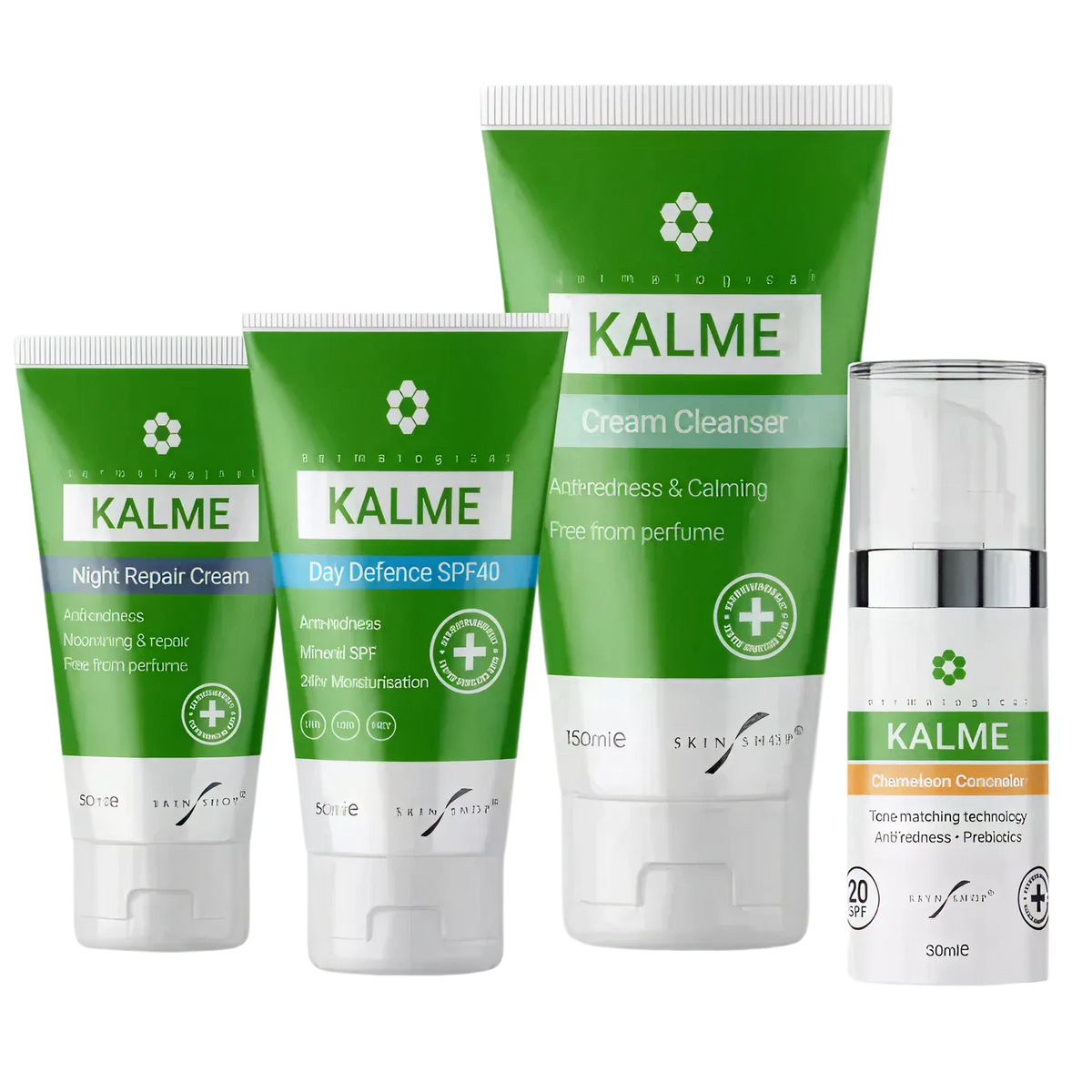
Like the seasons, skincare routines should change with the weather and even more so for mature skin. Mature skin is drier than younger skin and in colder weather the humidity in the air drops and so skin becomes even drier. Low humidity outside combined with central heating inside too often leads to drier, redder, itchier and flakier skin due to accelerated TEWL (transepidermal water loss) especially for mature skin. Consultant dermatologist Dr Eva Melegh gives her tips on how to best manage mature skin in winter to prevent additioal dryness, redness and sensitivity. Stay Protected from Winter Sun One of the biggest mistales people make is to stop using SPF products in winter. Although it may not seem this way, watery winter sun can be as damaging as summer sun, even when its cloudy, so UV protection is crucial for preserving and protecting mature skin in winter. Cold windburn and UV reflection from low lying clouds can inflame skin sensitivity and increase TEWL and red skin. Always use an SPF of at least 20 either as a stand along product or as part of foundation or concealing product layered over your base product during the winter months even if the sun is not shining. Make sure the winter SPF product also contains moisturising ingredients and is suitable for sensitive skin. I’d always pick a pure mineral SPF over a chemical filter for sensitive mature winter skin as they have a much lower incidence of reaction and are generally kinder to skin and offer physical barrier protection to UV rather than only being a filter. Don’t forget that a mineral SPF is a physical block and so an SPF of 20-25 is the equivalent to a higher chemical filer SPF. Call in a Creamier Water-Free Winter Cleanser It’s best to reduce exfoliation in winter to 1-2 times a week if you are prone to dry skin or redness. Instead switch to a daily gentle and water-free cream cleanser to clean skin and avoid washing the face too much with water during thr winter months. Water can evaporate more moisture from the surface of the skin when it dries making it drier and more reactive. A cream cleanser is gentler and more moisturising on mature winter skin and your skin will thank you for it during the dryier colder months. Moisturise Under Make-up In winter it's very beneficial to use a moisturising product under cosmetics even if you are using a tinted moisturiser or concealer. That extra layer of moisture will help prevent mature winter skin from drying out. In summer make up tends ot slide off sweaty skin but in winter, when skin is dier and colder, make up can actually steal moistire from skin so additional moisturising is key to keeping moisture levels optimum. I favour a serum as oppose to a heavier moisturiser for this purpose as it absorbs more quickly and sits better under cosmetics. Try Kalme TeQ Serum, a super hydrating serum containing an extract of blue agave which is more hydrating than hyaluronic acid and is a natural skin prebiotic which helps repair skin barrier function. It also contains an extract of young caper buds with a proven anti-redness action. Keep A Close Eye on Winter Eyes It’s crucial in winter to wear an eye product both day and night as its often the first place where skin becomes drier and more irritated in colder weather, especially in menopausal skin due to the drop in oestrogen which frequently first manifests itself in dry and irritated skin around the eyes and eye eczema. The skin around the eyes is particularly vulnerable to dryness and inflammation during the winter months due ot watering eyes and cold drying winds and so needs constant protection and hydration. However, it’s a mistake to put too heavier eye product on mature skin, as they can add to puffiness. Look for lighter formulations to wear under cosmetics that address dryness as well as itching and irritation. Try Hydrosil Dry Eye Gel which contains a natural plant steroid to reduce itching, redness and inflammation while also offering moisturisation and can be worn under eye cosmetics during the day and under a nighttime eye serum overnight. Soothe Winter Sensitivity Dry skin often becomes red skin too in winter as the dryness and cold makes skin more sensitive to temperture chanages leading to more frequent red skin flares as the skin constantly goes from warm indoor conditions to dry cold outside weather. Reducing sensitivity can be achieved by using a base product applied straight after cleansing with targeted de-sensitising ingredients to decrease the release of pro-inflammatory neuromediators in the skin. This may sound complicated but there are many natural products that help reduce the skin’s sensitivity. Try Kalme Undercoat, which is a perfume and chemical-free base coat product designed for wearing under other products that contains a naturally sourced de-sensitising ingredient. This not only helps reduce skin sensitivity but provides another layer of moisturisation. Layer Up Overnight Overnight is when winter skin becomes most dehydrated due to internal heating. So just a single night skincare product is often not sufficient for dry mature skin during the winter months. A winter overnight skincare routine should include more than one product with humectant and occlusive ingredients. Humectants draw water to the epidermis while occlusives seal that moisture in and protect it from evaporating. Aside from a base de sensitising product applied after cleansing, a non-comedogenic oil-based serum with a rich and repairing night cream with antioxidants and essential fatty acids plus layered over the top is an ideal combination for keeping mature skin moisturised all night. If you can find a serum with a prebiotic in it all the better as these help repair skin barrier function overnight to keep moisture locked in. Effectively moisturised skin should still be flexible and comfortable by morning and not dry or tight. Slather on Buttery Salve Salves are a saviour for mature dry skin in winter and should be added to daily skincare routines and used liberally on all areas of rough dry or cracked skin such as elbows, ears, nostrils, eyebrows, knees and feet. are great for dry itchy winter skin. Try Hydrosil Turmeric Butter & Hypoallergenic Milk Salve, a rich salve with naturally active ingredients with anti-inflammatory action for very sensitive dry skin and skin prone to eczema. Feed Skin Barrier Function Healthy skin barrier function is the key to keeping moisture locked in. Dryness and inflammation are the two things that weaken skin barrier function most in mature skin. Skin prebiotics are like food for skin barrier function and help to keep it teaming with good skin bacteria that keeps it more robust against wintry elements. For mature winter skin, prebiotics are more helpful than probiotics as they are the nutrients the skin barrier needs to stay hardy. Look specfically for products that feed good skin flora. Keep Lips Lubricated Lips are one of the first areas suffer when air humidity drops and winds turn colder. Chapped and cracks can appear quickly which can immediately trigger a cold sore outbreak if you are in the 50% of the population that carries the cold sore herpes simplex virus. Mature lips are also more prone to cold sore outbreaks than younger lips as the lip skin is thinner and more delicate and with age out immunity begins to weaken against all viruses, including teh cold sore virus. The key to preventing cold sores is to always keep lips extra lubricated and flexible during winter. The best way to do this is to use a natural perfume and colour free lip balm with natural cold sore fighting ingredients in it. Try Lip Q Liquorice Balm, which contains a natural concentrated extract of liquorice root and is proven by the Herpes Virus Association to reduce the severity and frequency of cold sore outbreaks. Use the lip balm several times a day, take it with you when you are out and about and keep applying it. Avoid lipsticks in heavy colours or matt versions. If you need some colour just add a little lip stick over the lip balm but wear the balm first and always wear a lip balm thickly applied overnight.
Learn more
Adult acne affects 1 in 4 women & these two sufferers have discovered the best adult acne cream
Adult acne affects 1 in 4 women & these two sufferers have discovered the best adult acne cream. <h3><strong> Adult acne sufferer Jade Rice, 30, is a stay at home mum to two children from Bristol and lives with her partner Liam, a delivery driver</strong></h3> <p>“I didn’t have any acne until after I had my first child. Once I developed acne everything seemed to trigger it, stress, my period, changes in my diet, my skin was breaking out all the time," says Jade.</p> <p>Jade claims she tried every single spot cream and wash she could afford. "The worse my acne got the worse I felt. For the first time in my life I often felt ugly and I got to the stage where I refused to leave the house without a full face of camouflage make up.</p> <p><img src="https://cdn.shopify.com/s/files/1/1033/4001/5961/files/Jade_Rice_before_acne.jpg" alt="" /></p> <p>Jade kept telling herself it was a temporary thing, a hormonal disruption after her daughter was born and that soon her skin would return to normal but it never did. It just got worse and worse over time.</p> <p>"I tried specific diets that I found on the internet or that other acne sufferers on blogs say help, I tried medicated soaps and various other things to try and reduce my acne but all it did was get worse.</p> <p>I stopped letting people take photos of me because I couldn’t stand how I looked in the photos. A day wouldn’t go past when I didn’t think about my skin. People stare and I’ve been asked if I’m ill when my face was red and blotchy, " says Jade.</p> <p>! spent a lot of my free time researching new products or treatments recommended on blogs and forums and that was when I came across <strong><span style="color: #00ccff;"><a style="color: #00ccff;" href="/products/silver-serum">Clarol Silver Serum,</a></span></strong> which builds up good skin bacteria while hindering the growth of bad skin bacteria.</p> <p><img src="https://cdn.shopify.com/s/files/1/1033/4001/5961/files/Jade_Rice_acne_after.jpg" alt="" /></p> <p>"The reviews on it were so good and from so many clearly genuine acne sufferers that I felt it stood out from many of the other acne treatments I had read about. I ordered some and within less than two weeks I saw quite a significant change in my skin. The redness and lumps under my skin looked massively different. Within the first month of the using the serum my skin improved about 70%.</p> <p>" I still get hormonal acne outbreaks around my period, they are much milder than before and they don’t stay around for long. Most of the month my skin is now pretty clear. It’s by far the best treatment I’ve ever tried on my acne and there’s no way I’d stop using it.” </p> <h3><strong>Adult acne sufferer and mum of two Becky Vonlandau, 30, is a healthcare assistant from Hampshire and lives with her partner David, 30, a welder</strong></h3> <p> </p> <p>‘Like any other girls my age, I had moderate teen acne from about the age of 13 and it went away like everyone else's in my late teens. But unlike almost everyone else’s teen acne, mine came back with a vengeance in my adult life after I had my first child," says Becky.</p> <p>Becky used to cake her face in make up and used as many over counter products as she could and get rid of it. "Washes, masks, creams. You name it I tried it." says Becky.</p> <p>"It’s hard to put into words how acne has made me feel at times. It made me feel ashamed and completely self-conscious. I’ve felt compelled to cancel social plans due to how my skin made me feel. One thing is having acne as a teen when many others have it, another is having it as an adult, people make you feel like there is something wrong with you.</p> <p><img src="https://cdn.shopify.com/s/files/1/1033/4001/5961/files/Rebecca_Vonlandau_acne_before.jpg" alt="" /></p> <p>"I have been asked if I have chicken pox because of my skin. People say things like’ its such a shame about your skin as you have such lovely eyes’ or ‘you could be so pretty if your skin cleared up’. Things like that. They are trying to be nice, but in fact saying things like that really hurts. Its like, you could be pretty but….</p> <p>And the endless advice offering of this product or that facial. I’m an adult woman and I work in the healthcare sector, as if I haven’t tried all the obvious routes already! The point is for adult acne, many products either don’t work or are too aggressive for adult skin.</p> <p>"I've seen more GP’s about my acne than I can remember. I’ve been to see a dermatologist twice. I was prescribed prescription acne medication twice and I have also been prescribed antibiotics as well as other creams and topical ointments.</p> <p>The acne medication worked for a few months but my acne came back worse than it was before as soon as I finished both courses. It also made my skin very sore and dry during the treatment. It’s is a brutal drug whose side effects are almost worse than the acne itself.</p> <p>With antibiotics, it was the same outcome but with less severe side effects. They worked for a while then my acne would come back soon after finished the course.</p> <p>When I was pregnant I couldn’t take medications and so after having my son I had my worse flare up ever. My spots where huge and I developed cystic acne. They were so painful and my skin was so red that I couldn’t even hide it with makeup. </p> <p>This drastically effected my confidence and self-esteem. I felt like a monster.</p> <p>"Luckily, I 've been with my partner through most of my adult acne battle, he is incredibly supportive. During the early stage of our relationship I would always wear makeup around him as I was embarrassed, but he eventually managed to make me feel comfortable without it on. </p> <p>Career wise I probably haven’t quite got where I want to be and I put this partly down to my acne as I have really lacked confidence when facing the public or work colleagues, especially as I work in health care. If you don’t feel comfortable in your own skin it can make everything so difficult. Mentally it has been hard, it has made me very anxious at times and paranoid that people were looking at me and commenting on my skin. " </p> <p>Becky says she was in a place of deep despair about her skin when her mum read a health article about an adult acne sufferer who was a mum much like her who had used <span style="color: #000000;"><strong><span style="color: #00ccff;"><a style="color: #00ccff;" href="/products/silver-serum">Clarol Silver Serum</a></span></strong><a style="color: #000000;" href="/products/silver-serum">.</a></span> "My mum knew I’d be negative as I had tried so many products without results so she just bought me some and insisted that I at least give it a go," says Becky.</p> <p><img src="https://cdn.shopify.com/s/files/1/1033/4001/5961/files/Rebecca_Vonlandau_acne_after.jpg" alt="" /></p> <p>"As she had spent money, I promised to use it. Nothing happened at first and I almost gave up. But after about four weeks I started to notice the underlying redness and soreness of my skin had begun to reduce.</p> <p>After about five weeks I noticed the spots where starting to clear up. Within six weeks or so I stopped getting new cysts forming under the skin and the whiteheads on the surface of the skin began to dry up.</p> <p>I would say my skin has improved about 80% since using Silver Serum, which I have been using now for about eight months and will use forever more.</p> <p>Aside from actually getting rid of all live acne, I found Silver Serum was so kind on my adult skin unlike any other treatment I have tried before. Previous products have left my skin feeling like it was burning. They would leave my skin very sore and dry for weeks after the spots has subsided.</p> <p> I honestly can’t believe it. Everyone has noticed the change in my skin. I don’t wear makeup anymore day to day as I feel confident in my own skin for the first time about 15 years, its truly incredible.</p> <p>I’m still getting used to having clear skin. Like I still find it hard look at a camera and let someone take a photo of me as I’m used to hiding my skin, but I’m starting to slowly open up. Its liberating.”</p> <p> </p> <p> </p> <p> </p> <p> </p> <p><br /><br /></p> <p> </p> <p> </p> <p>HTML code must be valid, all CSS & JavaScript must be wrapped in their HTML elements. Advanced Alignment Default Left Center Right Border Default Border Color No Color Border Width Default px Border Radius Default px CSS Classes Space separated list of classes. Margins and Padding Margin Default Default Default Default Padding Default Default Default Default</p>
Learn more
Four tips to avoid Gym Skin
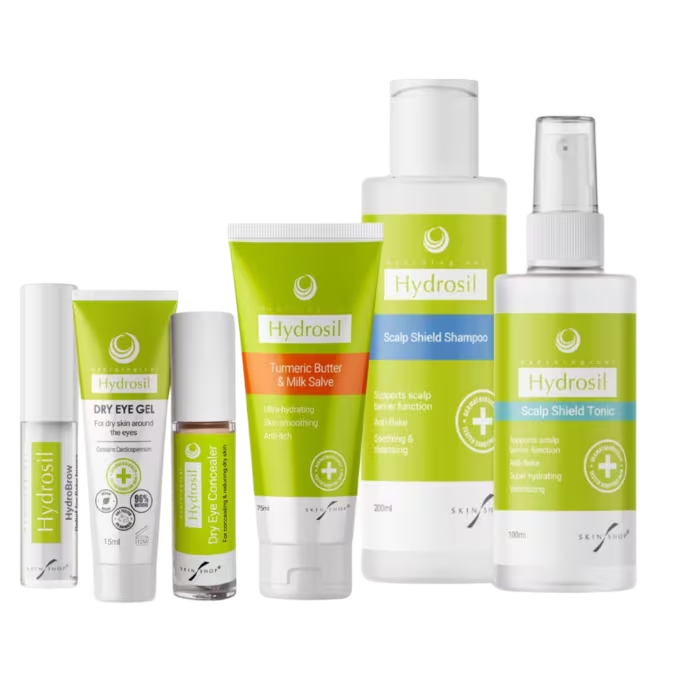
Many of us have made New Year resolutions to hit the gym and get in shape for 2023, but getting your winter skin out in public after its been hidden away for months under heavy clothes can be intimidating. Gym Skin can be one of the major issues that can cause gym anxiety, from back acne, or bacne, to dry flaky skin, dandruff and itchy bits, here's dermatologist Dr Eva Melegh advice on four of the most common gym skin issues and how to avoid them; Gym Bacne Getting into your New Year work out gear only to catch a glimpse of your back in the gym mirror peppered with spots can put a dent in anyone’s confidence. Bacne is more common among gym goers due to sweat build up and friction on the back area. ‘Bacne’, is caused by the oxidisation of the excess sebum during sweating as it reaches the skin’s surface mixed with external dirt and bacteria, especially in a gym environment. This contaminated mix causes the sebum to quickly become ‘rotten’ leading to pore blockages and inflammation and back acne, ie bacne. Clarol Sebopure controls bacne by keeping sebum production pure while sweating using a patented ingredient derived from wild mustard leaf oil. Via purifying sebum production, pore blockages and inflammation are reduced while the body can continues to process sebum naturally. Sebopure contains a patented natural ingredient called Pixalia ™* made from a concentrated leaf oil extract from the Cleome Gynandra (wild mustard) plant. Pixlalia ™ has been scientifically proven as an active preserver due to naturally derived Rutin and hydroxycinnamic acid present in the plant extract. Gym Dandruff There’s nothing worse than looking at yourself in a full length gym mirror and seeing a fine dusting of dandruff covering your nice new gyn work out gear. Unfortunately, the very act of working out increases the risk of dry scalp dandruff due to the build up of sweat on the scalp plus the more frequent washing of sweaty gym hair and blow drying. Unlike normal dandruff, which is caused by fungal infections of the scalp, dry scalp dandruff is caused by sweat, reactions to chemicals and perfumes in hair care products and too much blow drying – all of which are common occurrences at the gym. Hydrosil Scalp Shield Tonic is a non-greasy tonic which can be applied to damp hair after washing for helping to prevent dry scalp dandruff. It contains naturally derived proven ingredients to help relieve itching, dryness and flaking and to help support scalp barrier function. The scalp tonic contains a polyfructose extract from chicory root (Cichorium Intybus) that has been incorporated in a patented natural prebiotic complex that is proven to repair and strengthens scalp barrier function by encouraging the growth of beneficial scalp microbiota while inhibiting the growth of none-beneficial microbiota. The scalp tonic also contains a patented extract of passion fruit seed, which is a natural polyphenol piceatannol with proven antioxidant and anti-inflammatory properties. Normally passion fruit seeds are discarded in during processing of the fruit for consumption so not only are the extracts from the seeds beneficial scalp health but are also upcycled. Gym Crouch There are few things more embarrassing than being caught scratching at your crotch during a work-out session. Sweat build-up of heat, friction, sweat and bacteria in the crouch area while working out at the gym (especially during spinning classes) often leads to itcher, irritated and smellier vaginal skin, so intimate skincare both during and after gym work outs are crucial to avoid the pitfalls of ‘gym crouch’. The majority of intimate skincare products focus only on cleaning actions but simply cleaning the vagina is not all that’s needed to protect it from gym workouts. In fact, many intimate cleaning products can result in vaginal dryness and remove crucial healthy bacteria that the vagina needs to stay healthy during work outs. Vaginal skin can get easily damaged through abrasion and micro tears during gym works out which in turn increases the risk of bacterial and fungal infections. Antioxidants and prebiotics are two highly beneficial elements in intimate skincare products to help improve elasticity, repair micro skin damage and increase moisture retention to dry vaginal skin or itchy vaginal skin. In2mate products, which are over 99% natural and perfume-free, contain plant-based prebiotics and antioxidants that help repair vaginal micro damage and chaffing as well as improve intimate skin elasticity and maintain a healthy pH balance. These products are ideal for using before and after gym work outs to ensure intimate skin is protected against damage and bacterial and fungal build up as a result of gym workouts. Gym Shins Getting skin out at the gym that has been hidden under clothing all winter can expose flaky dry skin, especially on the shins which are prone to dryness during the winter months. Floor exercises that put friction and weight on the knees can make the problem worse. For dry skin and flaking skin on the shins, knees and elbows a salve is far more effective than a cream as it will stay on the skin for longer and not run off with sweat during work outs. It’s best to avoid salves with any perfumes in, as well as ones that contain MI, SLS, Lanolin, petroleum or alcohol. Ideally use a salve that is certified for use on sensitive skin and contains low-reactivity and hypoallergenic moisturising and ani-inflammatory ingredients. Hydrosil Turmeric Butter & Hypoallergenic Milk Salve (hydrosil.co.uk) is a rich dry skin salve that contains hypoallergenic donkey milk to soften and soothe dry sore skin, a patented turmeric butter to intensely hydrate dry skin and the phytosteroid cardiospermum to help reduce any inflammation or itching.
Learn more
5 causes of late bloom adult acne and how to treat it
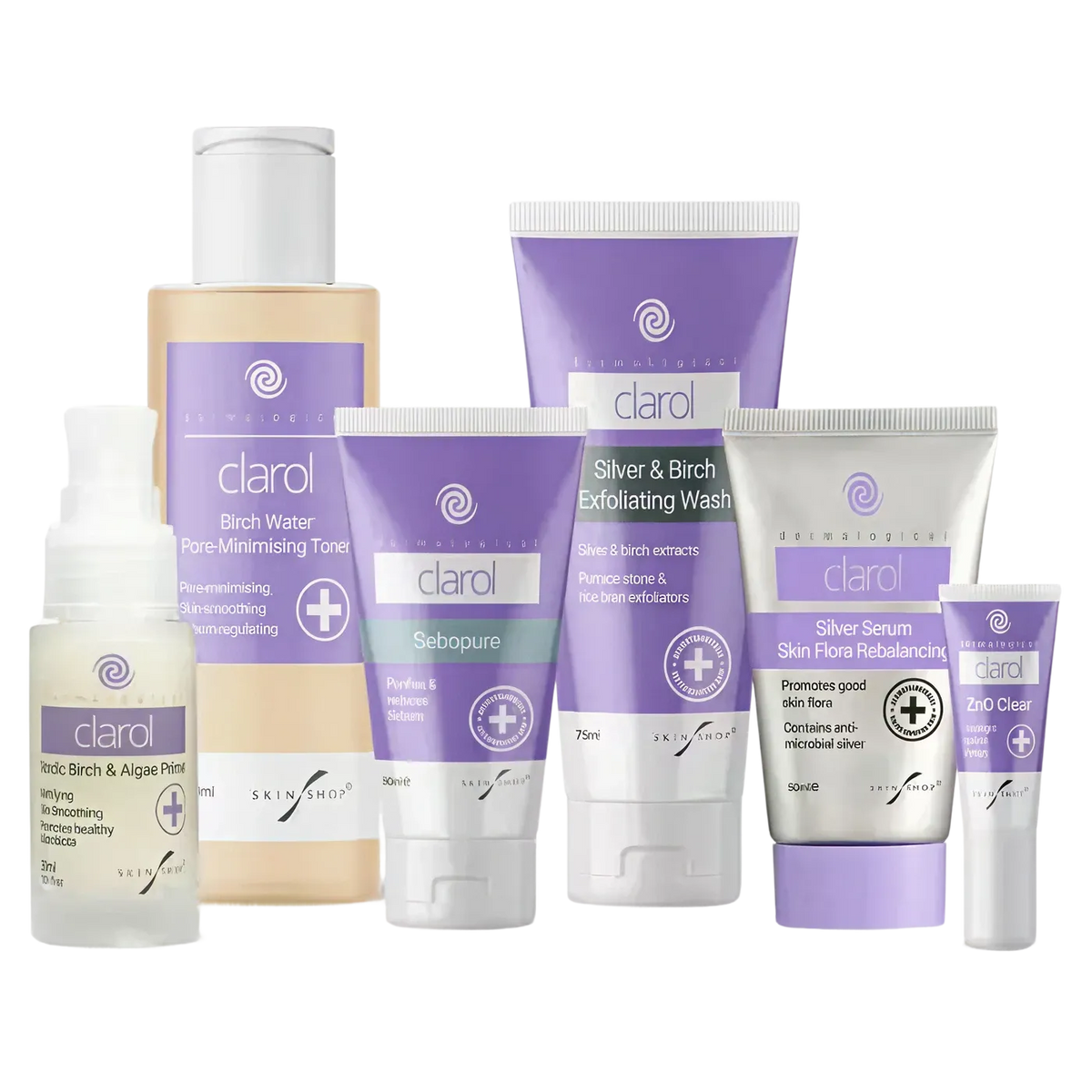
Acne is traditionally a skin problem associated with teenagers, but increasingly research reveals that adult acne is now dramatically on the rise adults later in life, in particular women in their 40’s and 50’s who are approaching menopause. Studies reveal that 50 per cent of women suffer from adult acne or menopausal acne at some point in their adult life. “Late bloom acne is often formed as clumps of smaller pussy or bumpy spots under the surface rather than individual larger blackheads or pustules as with teen acne,” says consultant dermatologist Dr Eva Melegh. “Unlike teen acne, late bloom adult acne is also often accompanied by a bumpy red skin or flushed skin.” Although getting spots later in life seems unfair, unexpected and inexplicable, the good news is that the problem (and solution) of late bloom adult acne is being increasingly targeted by modern skincare technologies and is more responsive to treatments than teen acne. Unlike teen acne, which is often temporary but severe and often unresponsive to treatments due to its purely hormonal cause, late bloom adult acne is often less severe and can be dramatically improved with targeted skincare treatments used over a longer period of time. Dr Eva highlights five causes of late bloom adult acne; Adult acne cause 1 - Testosterone fluctuations Skin experts believe that an increase in the male hormone, testosterone, is a major cause of adult acne in women. Increased levels of stress, the menopause, HRT and high levels of exercise can all lead to an increase in testosterone. Testosterone creates an excess of sebum — an oily/waxy substance produced by the sebaceous glands to lubricate the skin. Too much sebum causes a build-up of oil and dead skin cells in hair follicle pores. Bad skin bacteria then make their way to the blockage, and this causes the redness and inflammation of a spot. Adult acne cause 2 - Beauty products and cosmetics Adult acne can also be triggered by over sensitive skin due to a build up intolerance to chemicals in skincare and cosmetics products, leading to acne-like reactions to skin care products and cosmetics. Adult acne accompanied by flushing and redness is caused by changes and weakening in the vascular structure of the blood vessels of beneath the skin that gets worse with age and is most prevalent in women over the age of 45. Adult acne cause 3 - Changes in pore structure As you age, the strength of the cellular wall of a pore weakens. This makes the pore stretch out and become larger, which means that it may be more likely for the pore to become clogged with surface dirt and debris from your skin’s top layer (the epidermis). While most adult acne is caused by hormonal shifts, the changes in the structure of your skin and the size of your pores due to ageing could lead to ‘patches’ of inflamed blemishes. So products that can help reduce pore size can be helpful for improving adult acne. Adult acne cause 4 - Dieting The jury is out on whether diet plays any part in the onset of adult acne, although the frequent radical diet changes from low carb to low fat endeavours of modern women (the average woman goes on 15 diets in a lifetime) to lose weight is likely to have a negative effect on skin as radical changes in diet can cause shifts in hormonal balances, especially in women entering menopause. The key to controlling late bloom acne is to try and keep hormones as balanced as possible during the run up to menopause and entering on new or radical diets on a frequent basis is likely to contribute considerably to hormonal flux. Adult acne cause 5 - Low levels of good skin bacteria Due to over cleansing and the use of too many anti-ageing products and dryness due to age-related moisture loss, often levels of good skin bacteria run low in older skin as the skin microbiome is disturbed. Once this happens skin barrier function and the integrity of the skin is weakened allowed bad skin bacteria to get in more easily into the epidermis, which can lead to bacteria relate adult acne. How to treat late bloom adult acne Late bloom adult acne tends to be more persistent than teen acne but in the long run is often more responsive to treatments providing they are gentle and more progressive. The main issue with treating adult acne is that typically the skin is more sensitive which makes treatments more problematic as if you irritate or aggravate it while treating your acne, you may end up with even more redness, bumps and irritation. Late bloom acne responds well to combinations of more natural, gentle and multi-action anti-acne skincare regimes. It can’t just be treated with one ‘blitz’ method like teen acne Here are Dr Eva’s 5 tips for treating late bloom adult acne; Avoid acne products for oily skin Spot treatments aimed at teens are not suitable for adult skin as they contain harsh anti-bacterial agents, typically salicylic acid and/or peroxide (bleach), which although are effective at killing all bacteria on the skin’s surface, they strip the skin of all natural oils and leave adult skin incredibly dry and flaky and cause premature ageing. For adult acne its best to try and avoid products aimed at oily acne prone skin or teen skin which contain anti-bacterial chemicals such as benzoyl peroxide or azelaic acid. It’s also best to avoid any product with any more than 2% salicylic acid in it, as this really strips the skin of oils and can dry it out and cause further irritation. Build up good skin bacteria The key difference in treating adult acne as opposed to teen acne is maintaining the integrity and balance of good skin bacteria in the healthy skin around the acne, while at the same time attacking the bacteria getting into the acne lesions. It’s crucial that skincare regimes and products do BOTH, as skin is more fragile, drier and more sensitive. Product that contain skin prebiotics to fee good skin bacteria are essential for skin prone to adult acne. Higher levels of good skin bacteria on the surface of the skin helps in two ways, it reduces the levels of bad bacteria which can get into acne lesions and blocked pores and cause swelling and puss, it also helps strengthen the integrity of older skin, helping to reduce pore stretching which can lead to acne. Try Clarol Silver Serum, which is a smart anti-bacterial serum that only attacks the bad acne bacteria while building up good skin bacteria to help strength and improve skin quality and contains no harsh anti-bacterial agents or chemicals. Don’t over cleanse Over-cleansing can irritate blemishes and dry out adult acne skin. Adult acne is much better off with the use of facial oils for cleansing instead of stripping the skin with anti-bacterial agents as with younger oilier skin. Natural cleansing oils such as coconut oil or rosehip oil can remove most dirt and comsetics. Or alterntively a chemical and perfume free gentle water-free cleanser is much more benficial for adult acne than anti-bacterial or solvent based foaming cleansers. Try Kalme Water-Free Cleanser for very sensitive skin prone to redness and inflammtion. If oil or water-free cleansing doesn't leave the skin quite clean enough for individual preferences the bets way to cleanse skin prone to adult acne is to gentle double cleanse with a toner after water-free or oil cleansing. This removes any final traces of dirt or make up and leaves skin feeling fresher and tlighter but without stripping or drying the skin. Birch bark water is an excellent natural toning ingredient for gently cleaning skin and tightening pores as well as calming down inflammation from adult acne. Try Clarol Birch Water Pore-Minimising Toner which is free from checmials and perfumes. Use a daily mineral SPF to avoid UV related inflammation Sun damage can further add to inflammation and dryness and therefore damage the skin barrier further which leads to more bad skin bacteria entering the epidermis. Using a daily SPF is crucial for skin prone to adult acne. A mineral SPF containing zinc is idea as pure zinc mineral SPF do not irritated sensitive skin and also have an anti-inflammatory action on spots and underlying redness. Try Kalme Day Defence, a day cream containing a specific anti-redness ingredient from caper buds, a super strong antioxidant to reduce inflammation, 24-hour moisturising ingredient and a pure zinc mineral SPF to protect very sensitive and red skin from UV damage. Don’t use sebum blocking products Many acne products claim to block or inhibit sebum production. However, sebum is very important for adult skin as adult skin is prone to dryness and damage and sebum is the skin’s natural moisturiser so adult needs all the sebum it can get. So even if you have late bloom acne you should avoid products that claim to inhibit sebum production. A better option is to let sebum flow freely but use products that help purify sebum so that it does not oxidise on the skin’s surface which can then lead to pore blockages and spots. Try Clarol Sebopure, a natural sebum preserver that helps keep sebum uncontaminated as it reaches the skin’s surface and pushes out through the skin pores, reducing the risk of pore blockages while allowing skin to retain moisture from its natural sebum production.
Learn more
Bullied police officer's stressed-triggered skin was transformed with best rosacea cream
<p>Mum of three Sally Quest, 54, is a former metropolitan police officer from Gwynedd in Wales </p> <p>“My rosacea was triggered due to the immense stress of being bullied out of my job as a police officer of almost thirty years,” says Sally.</p> <p>“In 2017 I was diagnosed by my GP with stress-induced rosacea bought on by what I had been going through at work.</p> <p><img src="https://cdn.shopify.com/s/files/1/1033/4001/5961/files/Sally_Quest_3_before_Kalme_4_years_ago.jpg" alt=""></p> <p>Aside from trying to deal with a truly horrendous situation at work, my skin was breaking out in red, swollen blotchy patches. I felt that the despair I felt inside but was trying to hide from people at work was manifesting itself all over my face and everyone kept staring at me. When someone made a jibe at me ‘aren't you too old for spots” it was a joke, albeit a hurtful one, but it cut me to the bone.</p> <p>I felt my whole world had been turned upside down. In the end I couldn’t cope and suffered from a period of acute depression and eventually had to take sick leave from work to get myself better,” says Sally.</p> <p>Consultant dermatologist Dr Eva Melegh says: “Rosacea is a skin condition that is caused by dilation of the blood vessels below the surface of the skin and can be triggered my periods of extreme emotional stress or trauma. Stress-related rosacea is common and can often come on suddenly and be quite severe.”</p> <p>The situation at Sally’s work eventually got addressed and she was re-located after several months off being off work with long term sickness and faced being dismissed.</p> <p>“Thankfully my work representative backed me all the way,” says Sally.</p> <p>“Unfortunately, the same could not be said for my skin. Before I developed rosacea, I had always been blessed with really good skin. So, when the doctor’s diagnosis sunk in along with the realisation that this was a chronic skin condition that had no cure coupled with my mental health issues due to what I had been going through at work, it really was the most traumatic period of my life.</p> <p><img src="https://cdn.shopify.com/s/files/1/1033/4001/5961/files/Sally_Quest_2_before_Kalme_4_years_ago.jpg" alt=""></p> <p>After my diagnosis I was prescribed numerous treatments by my GP for my rosacea. Over time I was given a range of prescribed treatments (cream, gel, antihistamines and tetracycline) but nothing worked. In fact, some treatments made my rosacea even angrier and my skin got much worse.</p> <p>I became really concerned and anxious that I would never find a solution for my skin. By this time my skin was so bad I’d became very uncomfortable about being out in public and was really self-conscious of my face.</p> <p><img src="https://cdn.shopify.com/s/files/1/1033/4001/5961/files/Sally_Quest_4_before_Kalme_4_years_ago.jpg" alt=""></p> <p>To my absolute relief I came across<span style="color: #00ccff;"><strong><a style="color: #00ccff;" href="/collections/skin-shop-kalme"> Kalme products for rosacea</a> </strong></span>while researching alternative products to medications for rosacea treatment as I had given up on everything the doctor was giving me.</p> <p>The Kalme products worked pretty much immediately. The redness dissipated within the first week and the pustules disappeared within a matter of weeks. The relief I felt was immense. It was actually life-changing and the best cream for rosacea I had ever tried. Even to this day I see these products as one of the things that helped me feel like I was getting back control of my life again and I will be forever grateful for that.</p> <p>Within a few months of using the Kalme products my skin had returned more or less back to normal and has stayed that way ever since because I use the products every day and wouldn't dream of ever stopping. I will never forget how much the distress of having rosacea effected my life and I don’t want to ever risk a relapse.</p> <p><img src="https://cdn.shopify.com/s/files/1/1033/4001/5961/files/Sally_Quest_1_after_2_months_Kalme.jpg" alt=""></p> <p>“Rosacea is a chronic skin condition which once triggered stays with you for life. Flare ups can be manged and reduced with regular and diligent preventative skin care as well as lifestyle changes such as reducing stress levels, keeping skin out of direct sunlight and always wearing an SPF and reducing alcohol intake,” says Dr Eva.</p> <p>Before her dreadful experience at work Sally says she had always been a very positive person,</p> <p>“Slowly I've been taking steps to being that person again,” says Sally. “Having my skin back to normal and getting compliments about how good my complexion is for my age has been a huge part of helping me feel much more confident and positive about the future.</p> <p>I’ve given myself a fairy major image change in the last year and I feel honestly like a different person than a did a few years ago."</p> <p><img src="https://cdn.shopify.com/s/files/1/1033/4001/5961/files/Sally_Quest_2022.jpg" alt=""></p> <p> </p> <p> </p> <p> </p>
Learn more
Is your relationship responsible for your problem skin?
Sometimes it’s hard when in a relationship to see any negative issues that it may be causing. However, one of the first signs that all may not be right in your relationship can be seen through your skin. “Studies report that 25 % of all patients with skin diseases also show signs of depression, anxiety, or somatoform disorder (SSD) which is a mental health condition that causes an individual to experience physical bodily symptoms in response to psychological distress reactions,” says consultant dermatologist Dr Eva Melegh. So, what could certain skin conditions say about your relationship? Dr Eva highlights some common dermatological links between emotional stress triggers and certain skin conditions and what you can do about them. Jawline Acne Jawline acne can often point to a spike or raised level of testosterone in women. A common issue of raised testosterone, which can be caused by a number of issues, is low libido and weight gain. These two factors plus facial acne can be detrimental to intimacy due to lack of body confidence as well as triggering feelings of frustration and isolation on both sides, making the problem worse. Causes of a testosterone spike are varied, but lack of exercise, being overweight and high blood sugar are a few common causes, along with PCOS and an underactive thyroid. How to address the problem Getting a diagnosis of what might be causing higher testosterone is beneficial. Things you can try yourself such as altering your diet by eating less processed sugary foods and embarking on a regime of regular exercise will help stabilise testosterone levels along with aiding body confidence and libido. Dr Eva’s Skin Salvation With this kind of hormonal acne, harsh bacteria-obliterating anti-acne treatments or medications aimed at younger skin are not the ideal solution as the problem is typically not as fundamental as other types of acne. Adult acne is often a skin issue that effects middle-aged women either in or approaching perimenopause whose skin is more sensitive and not resilient enough for anti-acne treatments aimed at younger skin or more severe acne. Acne treatments that are gentle and beneficial for the surrounding skin while guarding against the build-up of acne bacteria are less damaging for this type of adult acne and typically female hormonal acne. Clarol Silver Serum is a ‘smart’ chemical free anti-bacterial serum containing a patented silver ingredient that boosts the production of good skin bacteria in surrounding skin while starving the production of acne bacteria is ideal for this type of predominately female hormonal adult acne. Cracked Dry Hands Several studies have found that people with hand eczema suffer from a higher incidence of depression and anxiety and the occurrence of hand eczema has been found to be higher in divorced or widowed people. Therefore, re-occurring hand eczema that cannot be linked to an occupational or physical cause or if the sufferer doesn’t have eczema anywhere else on their body, might indicate a heightened anxiety about abandonment or feelings of rejection or lack of self-worth. How to address the problem Talk to your partner or someone in your support network about why you may be fearing abandonment or experiencing feelings rejection or isolation to see if there is anything they can do to reassure you. Also look at things that help independently improve your self-worth such as a sport or hobby you enjoy without your partner and try to socialise with friends who are not necessarily part of your life due to your partner. Dr Eva’s Skin Salvation Cracked hands and fingers need two-step action to relieve the problem. First reduce inflammation and itching and then intensely hydrate preferably with a more intense salve rather than a cream which is designed for atopic skin that does not contain chemicals or perfumes. Hydrosil Turmeric Butter & Hypoallergenic Milk Salve is an intense rescue salve that uses a specially formulated turmeric butter to reduce inflammation and itching and intensely nourish the skin along with donkey milk, which is the most hypoallergenic milk of all the milks to deeply moisturise and smooth rough, cracked and dry skin without causing any irritation or reaction. Blistered Lips Studies confirm that long-term underlying stress is associated with more frequent outbreaks of the herpes simplex virus which causes cold sores and which is carried by 50% of the population. Evidence suggests that with the frequency of cold sore outbreaks, its long-term stress in particular that is linked to cold sores, rather than short-term emotional distress. Some of the most common causes of long-term stress in a relationship is financial strain, problematic in-laws and over-controlling behaviour. How to address the problem Talk to your partner or someone in your support network about your money concerns, don’t try and hide them. Find the confidence to address and defuse problematic in-laws, don’t just tolerate the situation. If you have feelings of being trapped or controlled, seek advice from friends or a therapist about how best to gain back some control for yourself. Dr Eva’s Skin Salvation There is very little available for the prevention of cold sores. Most treatments are for use once the sore has appeared and focus mainly on pain relief and healing aides for broken skin rather than preventing the cold sore from surfacing. There is no cold sore cure as such, but prevention is key to reducing the intensity and frequency of outbreaks. The problem is that once a cold sore has broken out it greatly reduces the quality of life for the sufferer during the cycle of the blister forming and healing (a cycle of approximately 8-14 days) and often dents confidence in the process. Intimacy with a partner is discouraged while a cold sore is live, which can put a huge strain between partners. Lip Q Liquorice Balm is a lip balm that contains a concentrated extract of glycyrrhizic acid (GA). GA specifically targets the genes that are required to maintain the herpes virus in its latent state by interfering with the production of special proteins that feed the infected cells. Research suggests that due to its anti-viral actions, GA has the ability to weaken the cold sore virus which lies dormant in the skin between outbreaks. The lip balm was tested in a consumer trial by the Herpes Virus Association on cold sore sufferers and shown to help reduce the intensity and frequency of outbreaks. Flushed face and neck A frequently flushed face and neck can indicate an underlying skin condition called rosacea. However, the frequency and intensity of rosacea flares can be triggered (often almost immediately) by emotional stress, namely anger and frustration as well as embarrassment. How to address the problem Try to note down in a diary how you felt when you get a flushed skin flare. Was it triggered by any identifiable emotions such as anger, annoyance or embarrassment and who caused it? If someone you have a close relationship with emerges as one of the main triggers for your red skin flares, you need to talk to them about why or how they are making you feel angry or annoyed or embarrassed and the effect it’s having on your skin. Dr Eva’s Skin Salvation Rosacea is an underlying and inherited skin condition linked to over -reactive blood vessel dilation, which can be triggered by a number of things from changes in temperature to spicy food, alcohol and, most commonly, emotional stress. There is no rosacea cure, but the more the skin flares are controlled the less acute the problem becomes. When it comes to rosacea skin flares triggered by emotional stress, the very visible nature of the flare and the feeling of uncomfortable hotness and tightness can add to the emotional stress and have a domino effect. So, finding solutions to reduce the physical mechanism of flushing and dampening the skin’s sensitivity response as well as reducing the resulting dryness and tightness that follows a flare can significantly help the situation. Kalme Skincare is a chemical-free and perfume-free range that contains a patented ingredient from capers that has been proven to reduce redness and sensitivity in rosacea-prone skin by up to 70%, as well as basket of other ingredients to address dryness, tightness and inflammation associated with rosacea flares. Sore irritated eye lids When we get an anxiety attack or feel overwhelmed, we produce adrenaline, which speeds up our heart rate and directs more blood to essential functions and less blood to extremities. One extremity that is often the first places to suffer from this is the thin and delicate skin around your eyes. It’s no wonder that women entering menopause often experience eye eczema, seen through irritation and dryness on their eyes lids and around their eyes as hormonal fluctuations can cause both anxiety attacks and feelings of being overwhelmed. This can often be one of the first and most visible and distressing not to mention uncomfortable symptoms of menopause. However, relationships can also cause anxiety attacks or a feeling of being overwhelmed, often due to feelings of being criticized or undermined or as well as a lack of empathy. Typical reports from many women entering menopause is that their partners lack empathy or compassion for what they are going through, as well as increasing feelings of being useless or emotionally weaker than they used to be. Many women describe a feeling of ‘loss of control’ over their emotions. How to address the problem Recognise that the menopause can cause emotional fluctuations that you are not used to and that it’s not necessarily your partner’s fault that you are feeling these emotions. However, its also essential that the partner of someone going through menopause understands that their partner’s emotions are not necessarily ‘them’ or that they are able to be so easily controlled in the same way as usual. Empathy, patience and kindness are essential for supporting someone dealing with menopause. Dr Eva’s Skin Salvation If your eyes are stinging and itchy like crazy its very hard to feel fine (and even more so if you are entering menopause), especially when the problem is so visible. Eye eczema needs to be managed quickly to avoid it having an even more detrimental effect on feelings of anxiety and being overwhelmed. The even more frustrating aspect of this particular skin issues is the lack of available treatments for it and the common misdiagnosis of the cause of the problem. Its often mistaken by doctors, for example, as an allergic reaction or an allergy and treated with antihistamines, which of course will not be effective. The usual treatment for atopic skin flares are topical steroids, but these are not suitable for eye eczema. Hydrosil Dry Eye Gel contains a plant phytosterol, which is a gentler plant equivalent of chemical steroids and can be used effectively around the eye area to quickly reduce inflammation, irritation ad dryness without damaging the delicate skin around the eyes and can also be used o a longer-term management basis to keep eye eczema under control.
Learn more
5 signs a Christmas cold sore is coming
Over 50% of the population carries the herpes simplex virus that causes cold sores. Since lockdown due to Covid 19, there has reportedly been an increase in people contracting the herpes simplex virus as well as an increase in cold sore outbreaks, maybe due to lowered immunity due to contracting covid itself or an increase in the contracting of other infections and bugs due to lack of exposure during lockdown. There’s also suggestions by doctors that after lockdown, intimate physical contact spiked as people got back on the dating scene, which is another risk factor for catching the virus. ‘Winter and in particular the festive season is often one of the times of the year for peak cold sore triggers, due to the colder weather, seasonal illness, increased alcohol consumption and festive socialising habits,’ says consultant dermatologist Dr Eva Melegh. There is no cold sore cure as such, and most treatments that are avaiable are only for when a cold sore has broken out but once this has happened the sore is going to take its course and likey crust, burst and then scab. The key is to try and prevent this from happening. The earlier an emerging cold sore is caught the less severe the outbreak is likely to be and the sore can even be prevented from breaking out at all, so knowing the signs that a cold sore is coming is crucial in order to try and prevent the sore actually breaking out and running Christmas. Dr Eva Melegh advises on 5 signs a cold sore could be coming; Cold Sore Alert 1: Chapping & cracking With cold winter winds outside and dry centrally heated environment insides, winter is a time when lips get very dry and often chap or crack. Even the smallest injury or abrasion to lips prone to cold sores significantly increases the risk of a cold sore outbreak. At areas on lips prone to cold sores, the skin is even more fragile and tends to crack or chap more easily than in other areas of the lips so if this happens, then a cold sore is highly likely to follow. Cold Sore Alert 2: Tingling & itching A sure sign that a cold sore is on its way is a tingling or itching feeling on your lip at the site the cold sore is going to appear about 2-3 days before a small hard lump begins to form at the site of the emerging cold sore. Cold Sore Alert 3: Painful gums & metallic taste Often the skin on the inside of the lips and the gums can also give off warning signs that a cold sore is soon to emerge. Aching gums and prickly sensitive and metallic tasting skin on the inside of the lips, similar to a feeling when you have eaten abrasive salty food, is a tell tale sign of a cold sore coming. Cold Sore Alert 4: Sore throat & feverish When a cold sore is on its way it means that the herpes simplex virus that lies dormant in your spine and in the skin around yours lips is in an active stage. When the virus is active it can put the body into a state of alert. A slight sore throat and mild feverishness without the presence of the other symptoms of a cold can mean that a cold sore is on the way in a few days. Cold Sore Alert 5: Swollen lymph nodes Lymph nodes in the neck swell when the body has low defences or a virus or bacterial infection is present and are often an early tell tale sign that a cold sore is about to be active. Small pea-sized lumps just below and behind the ears and a slightly sore neck are both signs of swollen lymph nodes. What to do when a cold sore is on the way; 1. Start drinking a lot of water (if drinking from a bottle clean the lid after each time you drink from it) 2. Stop drinking alcohol 3. Avoid hot water and hot drinks getting in contact with the lips 4. Stop using lipsticks 5. Do not exfoliate or scrub the lip area 6. Don't touch the lips 7. Drink tepid Liquorice Tea 8. Apply a preventative treatment several times a day at the first warning signs of a cold sore. Try Lip Q Liquorice & Melissa Rescue Gel which has been proven by the Herpes Virus Association to help reduce the intensity of outbreaks due to its strong anti-viral action. Sufferers should apply the lip gel at the first warning signs of a cold sore. If possible use a cotton bud to apply the gel, or a clean dry finger that you wash immediately afterwards.
Learn more
8 tips to ward off winter eczema
People who suffer from eczema are likely to experience more flare ups of dry, itchy or peeling during the winter months,’ says Dr Eva Melegh consultant dermatologist. ‘This is due mostly to the drop in air humidity, central heating and friction from winter clothing as well as lowered immunity from frequent colds and flu. General statistics report that about 1 in 10 people suffer from atopic skin and eczema, however a recent survey by the Skin Life Science Foundation found that in the UK, eczema has recently increased by almost 400%, with a shocking 44% of people surveyed experiencing atopic skin issues. Many of those surveyed cited the stress and anxiety of lockdown as the cause of their itchy skin. More than half of those surveyed said that their hands were the most affected part of their body. With winter around the corner and the cost-of-living crisis looming this winter has a rather gloomy outlook for those suffering form atopic skin issues. Typical first point of call treatment for eczema flares is steroids, they bring fast and spectacular improvement, but they do have negative side-effects and become less effective over long-term use. Due to the concerns about over-use of steroids prescribed by doctors, natural products are starting to play a major role in the management of atopic skin One effective alternative to steroids are phytosterols (which are plant-derived steroid-like components) known to be structurally similar to cholesterol, the basis of steroids. But unlike normal steroids, phytosterols offer anti-inflammatory effects without the undesirable side-effects of steroids. Many trials on these plant steroids prove their efficacy to reduce itching and inflammation in skin. Eyelids prone to eczema can get particularly effected during the winter months as the skin around the eyes is very thin and prone to dehydration from the winter elements and overnight central heating. Steroids should not be used around the eye area so only natural alternatives are suitable for this area of skin. Phytosterols are safer for use around the eyes and can greatly relieve inflamed dry and itchy eyelids. Scalps exposed to dry harsh winter winds can also easily become drier which can trigger a scalp eczema flare. Often scalp eczema is mistaken for normal dandruff as both produce scalp flakes. However normal dandruff is caused by fungus and is not eczema or dry scalp. Using anti-fungal dandruff shampoos on scalp eczema will likely make the problem worse not better. The main difference between scalp eczema flakes and fungal flakes is in the size and colour. Scalp eczema produces fine white dry flakes and the scalp is usually very itchy. Fungal dandruff produces larger greasier flakes and the scalp is usually not that itchy, although the scalp can feel irritated. Here’s Dr Eva's 8 tips on how to help manage winter eczema; Consider Plant ‘Steroids’ As an alternative to steroids, the phytosterol Cardiospermum halicacabum is very effective for use on eczema. It’s extracted from a vine mostly grown in Sri Lanka, which offers an effective anti-inflammatory action for skin prone to eczema. The main active is extracted from the flowering parts of the cardiospermum vine. These components mimic anti-inflammatory steroidal action making it a worthwhile plant-based alternative to steroids for atopic skin with the negative side effects. Hydrosil products for both atopic skin and scalps contain Cardiospermum halicacabum and are formulated for use on skin prone to eczema to relieve itchy skin and inflammation. The Hydrosil range includes a skin salve, an eye gel and a scalp tonic for relieving eczema in these different areas. Turn Down the Heat Its tempting to turn up the heat of winter showers when its cold outside. But this can be problematic for skin prone to eczema and dryness as the hot water increases evaporation of water on the skin and can contribute to skin dryness and sensitivity. Stick to tepid water for showers and try and keep showers as short as possible in order to reduce moisture evaporatoin as much as possible. Try also to reduce cnetral heating overnight as much as possible to again help prevent skin from drying out overnight. Switch to a Salve Donkey milk is an excellent natural skin soother for eczema flares and had been used in skin salves for dry and irritated skin throughout Europe’s history. It is particularly helpful for eczema in children as donkey milk is the closest substitute for human breast milk and rich in vitamin A, B1, C, D E and essential fatty acids and contains high amounts of calcium, lyzozim and has four times less fat than cow`s milk. It’s often given to children prone to allergies to drink who cannot tolerate cow’s milk. Donkey milk contains superb moisturizing active ingredients that have the ability to absorb 50 times its weight in water, hydrating the skin very effectively. Donkey Milk also has a strong antioxidant activity and is rich in immune-boosting substances that benefit the human immune system. It`s antimicrobial effects also help prevent secondary bacterial infections of dry and cracked skin, making it an excellent therapy for atopic skin. Donkey milk can be incorporated into rich and hydrating skin salves and is also made into soaps for use on eczema prone skin. The milk is ethically sourced in the same way as all other milks and is not harmful to donkeys in any way. Most donkey milk comes from Greece. Wash Off Winter Sweat Strangely we tend to sweat as much in cold weather as we do in the heat, largely due to layers of winter clothing and heating inside offices, houses and public buildings. We also tend to do more exercise indoors in gyms. Sweating under heavy clothes or in gyms causes two issues for eczema prone skin. The heat itself can cause atopic skin to become irritated an the enclosed unbreathable damp environments can then cause the sweat to lead to bacterial inflammation of crevices of sweaty skin such as in the groin area, under the arm pits and breasts and in the cracks of the elbows and knees. Ideally shower off sweat from winter or gym clothing as soon as possible, don’t leave it to sit on the skin. Or if you have to leave it for a while due to circumstances, try and find a way to ‘aerate’ the area for a while. Try Turmeric Butter Turmeric has been used for thousands of years in Indian for skincare for atopic skin. Many studies confirm the anti-inflammatory properties of turmeric powder. Turmeric as a powder is quite difficult to absorb through the skin. However, when turmeric powder is blended with an essential oil it makes a rich ‘butter` which is much more effectively absorbed through the skin. Turmeric butter has potent anti-irritant, anti-inflammatory, and anti-microbial properties and enhances the percutaneous absorption of certain molecules and is highly beneficial for skin prone to eczema and extreme dryness and so is excellent for use as a super hydrating and anti - inflammtory skin salve. Monitor When To Moisturise Adding your skin moisturiser or emollient while the skin is still damp after bathing can help lock in more moisture. Even better is to then wrap skin in a robe or towel while the moisturiser sinks in. Boost Good Skin Bacteria Eczema, dry skin and cracked skin is caused by a malfunction on the skin’s barrier function, which causes the skin's natural moisture to escape more easily. Prebiotics applied directly to the skin can help replenish and repair the skin’s microbiota which is crucial for maintaining and repairing damaged skin barrier function. Skin serums containing skin prebiotics can be very beneficial to skin prone to winter eczema and dryness of worn under other skincare products or cosmetics during the day and under any night creams at night as feeding the skin’s good bacteria helps build more resilient and robust skin. Kalme TeQ Serum is a super hydrating skin serum for use on dry and sensitive skin containing potent skin prebiotics from blue agave plus plant-based squalene. Supplement Dry Skin Omega oils are crucial for improving skin moisturisation and through diet few of us get enough, especially those who suffer from dry and atopic skin. So taking a high-strength fish oil or plant-based omega supplement (such as flaxseed) will help give skin an added moisture boost over the winter months.
Learn more
3 tips for glowing cost-of-living skin
We're all making cuts to our budgets this winter and beauty is no exception. Sales of cosmetics and high end beauty products have already started dropping as people start to prioritise their spending. However, having less money to spend on your skincare doesn't necessarily mean your skin will suffer. Getting radient skin on a budget requires a more simplified, progressive and patient skincare routine that prioritises simple but effectuve products to boost the skin’s natural resources rather than applying several different products that offer a short-lived impression of better looking skin but in the long run cost you more money while achieving less fundamental results for your skin. "When it comes to skincare, products that claim to work in a few days or even a few weeks are not really worth their price tag if you want to spend less on getting better skin. Frequently swapping and changing products to try and get faster results will only cost you more money and potentially even delay your skin's improvement at the same time, especially when it comes to problem skin such as acne, rosacea and dry skin types," says consultant dermatologist Dr Eva Melegh. "To improve problematic skin conditions or prematurely aged or damaged skin takes time rather than money via a fundamental and regular skincare routine with products that progressively preserve and boost the skin's structural process." Dr Eva suggests three core things in your skincare routine to focus on for getting the best return on your money when it comes to achieving better skin on a budget. 1. Impair Inflammation It might be tempting in hard times to get your natural glow from the sun. It’s true, the sun does give the skin a lovely glow, momentarily, until the damage sets in. For plumper and more luminous skin, keep it protected from UVA and UVB rays at all times and don’t ever let it become inflamed. One of skin’s greatest enemies in inflammation. A cornerstone to retaining a more youthful and radient skin tone as well as slowing down the signs of aging is controlling inflammation of the skin. The first and most crucial daily skin care essential is an SPF. As a dermatologist I can’t express strongly enough how important sun protection is. I recommend daily protection rain or shine, winter or summer, for all skin types, not just fairer complexions. The first thing you should look at in any day cream is its SPF factor, the rest is less important. I also prefer mineral blocks as opposed to chemical filters for SPF products. Ideally you don’t want any rays getting through and a mineral block is the most effective way to achieve this. A mineral SPF20-25 is the equivalent of a much higher chemical filter and is sufficient to protect even the most sensitive skins. Talking of sensitive skin, mineral SPF’s are preferable for reducing the incidence of skin reactions as when in direct sunlight they remain more stable than chemical filters .The two main mineral SPF’s are zinc oxide and titanium dioxide. Both are good but I have a preference for zinc oxide as it’s even more stable than titanium dioxide and so is very good for reactive and sensitive skin types and skin prone to redness. It also has anti inflammatory action on skin so is beneficial for controlling any inflammation or redness as well as reducing acne. Zinc oxide is a simple and relatively cheap ingredient that does many wonders for skin. Antoxidants are an added bonus when it comes to controlling inflammation of the skin. If you can find a mineral SPF of at least 20 with added antioxidants, you have yourself a winner. I also favour skincare products without perfumes and with minimal preservatives and chemicals (such as SLS or MI) in order to reduce the risk of minor skin reactions. Even small reactions to a perfume or chemical ingredient (which are very common in all skin types) causes inflammation in the skin. Try Kalme Day Defence SPF25, a day cream with pure micronized zinc oxide SPF and anti-inflammatory ingredient Derma Sensitive formulated from young caper buds plus a super antioxidant and free from perfumes, SLS and MI 2. Deter Dryness Aside from reducing inflammation, the second biggest skin enemy is dryness. Dry skin appears dull, flaky and blotchy, but you dont need to spend a fortune to combat it as it's about retaining the moisture rather than paying for complex and costly products to add to it. An effective skincare routine should focus on retaining as much moisture in the skin as possible, which means reducing everything that tries to scrub away or remove the skin’s natural oils and sebum, not only saving your skin but also saving you money. How you clean your skin can significantly add or detract from your skin’s natural moisture. Cleansing oils or water-free cream cleansers are preferable to facial washes ( and avoid facial cleansing wipes at all times) and make up removal should use these methods before resorting to (if at all) make up removers that contain solvents as they are not kind on skin. By using these methods for cleaning skin the skin’s natural oils are retained while the dirt or cosmetic is removed, keeping skin more resiliant and more elastic. Depending on skin type, exfoliation with a gentle and natural exfoliant helps re-generate skin cells faster which can improve the luminosity of skin and are just as effective as expenisve AHA products. However, if skin is dry, exfoliation should be less frequent, 1-2 times a week. If skin is oily and more prone to congestion then exfoliation can be increased to once every 1-2 days. You can monitor how much exfoliation you need from the dryness or your skin, if it appears to becoming a little drier or more sensitive reduce exfoliation. Try Clarol Silver & Birch Exfoliating Wash, with naturak birch bark and rice bran exfoliants. After cleansing, moisturisation is key no matter what your skin type is and should be done both am and pm. A thin coating of a highly hydrating serum under any daytime SPF or cosmetic product helps maintain the skin's moisture throughout the day. At night again a thin layer of hydrating serum with a richer and repairing night cream layered over the top and a light anti-inflammatory eye product is an optimal overnight routine. The hydrating serum should be simply that and the simpler the better. The night cream should be adapted to your skin type. The eye product should always be a light simple formula to avoid puffiness and, if possible, anti-inflammatory. One of the biggest mistakes in skincare is over doing it on eye products. They are also one of the more expensive items in many skincare regimes. Less is more when it comes to eye products. Try Hydrosil Dry Eye Gel, a light hydrating eye gel containing an extract of cardiospermum halicacabum, a natural phytosterol for calming puffy and irritated skin around the eyes and on the eyelids. 3. Boost Bacteria In the quest for more radiant and resilient skin another crucial cornerstone is the maintenance of optimal skin microbiota. The skin, like the gut, has both good and bad bacteria living on it. The key to radiant skin is similar to a healthy gut, keep the levels of good bacteria high and the levels of bad bacteria low. Skin that is overrun with bad bacteria from external pollutants and dirt will appear redder, drier and duller and require more products to try and counteract the damage. Skin that is teaming with good bacteria has a much stronger resistance to many problem skin conditions including rosacea, acne and dry skin issues, while for normal skin a high level of good skin bacteria improves radiance and skin texture. Skin prebiotics are food for good skin microbiota, quite simply put. A twice daily application of a skin prebiotic serum under other skincare products or cosmetics can offer far more benefits than complex formulas offering promises of luminosity or cell renewal. Building the fundamentals of more resilient skin rather than treating the symptoms of weakened skin results in an aesthetically younger looking complexion as well as helping reduce eruptive skin, reactive skin and improving barrier function in dry skin on a long-term basis.’ Try Kalme TeQ Serum (this can be used as your anti-dryness day and night serum under other products), a skin repairing prebiotic serum containing extract of blue agave and pure plant-based squalane which is effective for replenishing damaged skin microbiota for rapid repair of red, dry, senstive and eruptive skin
Learn more
Are you part of the flaky brow epidemic?
Do you find yourself scratching at your brows more often? Do you wake up with irritated and flaky brows? You could be part of the flaky brow epidemic that’s currently on the rise, according to skin specialists. “Brows, like the scalp, have their own microbiota and many modern beauty and cosmetic practices aimed are creating sculpted and fuller brows as well external irritants are causing damage to this delicate bacterial balance resulting in flaking, irritated dry brows,” says consultant dermatologist Dr Eva Melegh. Dr Eva gives five reasons why our brows are getting itchier and flakier; Brow Acne Plucking, waxing and threading all basically rip the brow hairs clean out of the hair follicle. Brow hairs are by nature quite course hairs so the trauma to the follicle is greater when they are removed. This trauma can lead to folliculitis, which is a is a skin condition that causes the hair follicles to become inflamed. This condition usually stems from a bacterial infection in the hair follicle as bad bacteria gets into the open and empty follicle socket. This condition appears as small red bumps that can become pussy and look like acne. Brow acne can also be caused by actual hormonal acne too, where the excess of sebum produced during hormonal flux pools in the hair follicle attracting bacteria to stick to it and leads to inflammation and infection. Abundant use of brow ‘smoothing’ products or Vasaline to smooth down bushy brows can also add to the risk of the brow follicles getting clogged, which can lead to bacterial build up and cause inflammation and brow acne. What to do about it Brow exfoliation daily to remove grease and dead skin cells that may have pooled in the brow follicles is crusial for clear and conditoned brows. Use a fine exfoliant without chemicals and preferably one that helps replenish good brow bacteria. Try Clarol Silver & Birch Exfoliating Wash that includes a silver ingredient to re-balance brow microbiota and birch bark to dissolve grease and clean out clogged brow follicles. Brow Allergies Both brow tinting with brow dyes and microblading can cause allergic reactions in the brows from chemicals in the brow dye. This can result in the brows becoming inflamed (sometimes severely), itchy and red, often with a burning sensation that can occur almost immediately or up to 48 hours after a dying treatment. What to do about it Use a wash containing a solution of potassium permanganate, dip a cotton pad in the wash and apply to the brows. This can help fully oxidize the oxidative pigment used in brow dyes to make dark colours and what is often the cause of skin reactions. These pigments are more reactive when they’re only partially oxidised. Then apply a mild antiseptic gel to help reduce irritation and reduce the risk of bacteria getting into the inflamed or blistered brows. Take an oral antihistamine from the chemist to help reduce inflammation. Avoid all brow cosmetics until the inflammation and itching have completely gone. Brow Eczema The trauma from any brow sculpting, sun burn, stress, preservatives in brow cosmetics, dehydration, sweat and dirt from sunglasses or external pollution may trigger a flare of brow eczema or dermatitis if you’re prone to getting it elsewhere. The brows are quite vulnerable to atopic flares as the skin is thin and very exposed in this area. We also tend to touch our brows a lot so the combination of a trigger combined with rubbing external bacteria into our brows can cause atopic brow flares. Brow eczema or dermatitis can make brows very flaky and itchy. The flakes are often small, white and dry. What to do about it Topical steroid ointments are usually the first port of call for atopic skin flares but its not recommended to use them around the eye area. Instead opt for a brow product that will help repair skin barrier function, and intensely hydrate the brows. Hydrosil HydroBrow is a clear brow serum that contains an extract from chicory root, a natural prebiotic to improve brow barrier function by replenishing beneficial brow microbiota plus an extract of passion fruit seed, with proven anti-inflammatory action to sooth itching and hydrate brows. Brow fungus Like fungal dandruff in the hair, the brows can also suffer from ‘brow dandruff’. The brows can have a mild reaction to this fungal overgrowth and become flaky. Trauma to the brows from brow-shaping as well as excess sweat or the residue from oily face creams, sun creams or cosmetics that get left in the brows can all increase the risk of fungal overgrowth in the brows. Fungal brow dandruff is usually not too itchy but produces greyish greasier flakes. What to do about it A mild anti-dandruff shampoo from the chemist can be used on fungal brows. Apply and then rinse off like normal shampoo. Menopause Brows The steep drop in oestrogen production at the start of menopause can cause the skin to quickly become very dry and often highly reactive. While this can happen progressively to all the skin in the facial and neck area over the course of the menopause, often the first sign of it is around the eye area where the skin is particularly thin and fragile. The skin on the eyelids can suddenly become dry and often quite red and furious. This dryness and irritation can also extend upwards into the brows. What to do about it This kind of reactive skin needs to be calmed as quickly as possible as its often quite sudden and very uncomfortable. An effective alternative to steroids for use around the eye area are phytosterols (which are plant-derived steroid-like components) which are structurally similar to the basis of steroids but gentler which makes them suitable for use around the delicate eye area. The physosterol cardiospermum halicacabum has been widely studied for its beneficial effect for use on reactive skin. Hydrosil Dry Eye Gel with Cardiospermum is a light eye gel containing cardiospermum halicacabum which can be used on the eyelids and upwards into the brows to quickly relieve irritation and itching.
Learn more
4 causes of open pores and how to minimise them
The word 'pores' has almost 3 billion search hits on Google with the most commonly asked question being 'how to get rid of open pores?' So open pores are a major issue for many poeple. However pore old pores get a bit of a hard time as they are key to keeping our skin healthier. Pores help moisturise our skin as well as allowing both sebum and the hair follicle to pass through to the surface of the skin, so they're a function that our skin really needs to keep working efficiently. So why are so many products aimed at 'closing' or 'shrinking' pores? It's a myth that we can 'close' pores as skin pores are always open and need to stay that way for the healthy functioning of our skin. However, Dr Eva Melegh, consultant dermatologist says, 'open pores are more of a perception in that pores on the facial area, especially on the nose, appear wider and more visible because the skin is thinner and more stretched and more light is reflected onto the face than other areas of the body.’ ‘Inflammation is also a major factor in the appearance of widened skin pores. according to Dr Eva. ‘Facial skin is thin and sensitive so prone easily to inflammation from many factors including UV damage, pollution, reactions to chemicals in skincare products, spicey food, alcohol, illness, side effects from medications, stress and hormonal disruptions. Even a small amount of facial swelling can make the pores appear wider and more pronounced.’ Sebum is another factor in the pore widening process. ‘It can often pool in the pore as it oxidises with air on reaching the skin’s surface appearing darker and therefore accentuating the appearance of the pore,’ says Dr Eva. ‘In addition, dead skin cells from the natural skin renewal process stick in the pooled sebum. The skin pore therefore has to expand to fit all this matter, causing the appearance of a wider more visible pore.’ As we get older the skin cell renewal cycle gets longer, ‘this means that more matter accumulates in the pores before being naturally processed through cell renewal meaning that pores appear slightly darker and ‘expanded’ for longer periods,’ says Dr Eva. ‘With age less collagen is produced, meaning that the expanded pore doesn’t ping back to its normal size as quickly once the pore has been cleansed of debris due to the skin being less elastic.’ Dr Eva offers her advice on four practical steps and products to help reduce the appearance of open pores; Pore Minimising tip 1 - Reduce Inflammation Reducing inflammation of the skin primarily by avoiding sun exposure plus being mindful of anything that triggers flushing such as sun exposure, excess heat from weather or central heating, chemical and highly perfumed skincare and beauty products, spicy foods and alcohol. Some skin care products can also help dampen the inflammatory response of the skin in skin that is prone to flushing and inflammation. Kalme skincare contains an extract of young caper buds that have natural compounds called Cappaprenols that aide in the reduction of the inflammatory response in skin as well as strong antioxidants to reduce inflammation linked to oxidative stress. Pore Minimising tip 2 - Keep sebum pure Reducing the oxidisation of sebum by keeping the sebum preserved and pure so that it passes out through the pore without pooling and darkening. Products that block or dry up sebum are often promoted as beneficial for reducing open pores and acne but the reality is if sebum is ‘dried up’ the skin becomes dry and so the body produces even more sebum to compensate. New generation skincare products are tackling open pores and acne with sebum preservers as opposed to sebum driers as this approach keeps the skin sufficiently moisturised by letting sebum flow freely, which is essential for preserving skin, while reducing the oxidisation process. Clarol Sebopure is a sebum preserving skin serum that contains a polyphenol extracted from the African cleome gynadra plant. Pore Minimising Tip 3 - Double cleanse Removing dead skin cells and debris from the pore through a process of exfoliation and cleansing is necessary for keeping the appearance of open pores to a minimum. Gentle as opposed to vigorous exfoliation is better so as not to further inflame the skin and an exfoliant with natural exfoliating ingredients can help reduce the risk of any minor skin reactions, which can also lead to inflammation. Clarol Silver & Birch Exfoliating Wash uses natural birch bark and rice bran exfoliants and also contains a silver ingredient that promotes the growth of good skin bacteria while reducing the growth of bad skin bacteria, so helping prevent contamination of debris in the skin pore. Double cleansing with a dedicated pore-conditioning toner after exfoliation can further enhance the pore cleansing and pore retraction process. Clarol Nordic Birch Pore Minimising Toner contains Nordic birch sap which is abundant in several fruit and amino acids that augment skin cell production and also helps with pore retraction after the pore has been exfoliated. Pore Minimising Tip 4 - Increase Moisturisation It’s a misconception that skin prone to open pores shouldn’t be overly moisturised the pores. for fear of ‘clogging’ In fact, it should be more moisturised to improve the skin’s elasticity to help the skin pore retract more easily after its been cleansed. Products with super hydrating actions (Hyaluronic acid, squalene, vitamins E and B5) are essential for improving the skin elasticity to help pores retract faster after exfoliation. Kalme TeQ Serum is made with extract of blue agave that is more hydrating than Hyaluronic acid plus plant-based squaline to super hydrate skin without clogging pores.
Learn more
5 skin signs that you're in perimenopause
<p> </p> <p>When are women officially in menopause? This is the question many women would like to know but too often doctors may not be able to give a definitive or immediate answer without specialist referrals and waiting times.</p> <p>However, there’s something much closer to home that could be the most accurate barometer to let you now that you have entered menopause – your skin.</p> <p>Here consultant dermatologist and venereologist Dr Eva Melegh gives five clear signs in your skin that could tell you that you’ve entered menopause.</p> <p>‘Changes in levels of the female sex hormone oestrogen that happen at the start of menopause are most obviously manifested in the skin,’ says Dr Eva. ‘When certain changes in the skin start to happen and in quite quick succession or at the same time and that have not happened before, this is a fairly accurate sign that menopause has started. These skin signs can occur before more well-documented symptoms like hot flushes or irregular menstruation.’</p> <h3>Dark spots on forehead & cheekbones</h3> <p>The decrease of oestrogen that occurs at the start of menopause can lead to disruptions and ‘clumping’ of production of melanin, which can cause dark spots (age spots) to appear on the skin.</p> <p><img src="https://cdn.shopify.com/s/files/1/1033/4001/5961/files/meno_skin_6.jpg" alt=""></p> <p>Several of these dark spots can appear quite quickly as the onset of menopause, particularly on the upper part of the forehead and on the cheek area under the eyes and along the outer part of the cheek bones.</p> <p>What to do about it</p> <p>Depending on how dark the spots are and how quickly you treat them, some higher strength retinoids (tretinoin) creams might help fade them.</p> <p>However, the most effective treatments are salon-based laser treatments, freezing (cryotherapy), dermabrasion, microdermabrasion, microneedling, and chemical peels.</p> <h3>Itchy & red skin around the eyes</h3> <p>The steep drop in oestrogen production at the start of menopause causes the skin to quickly become drier and less elastic. While this will happen progressively to all the skin in the facial and neck area over the course of the menopause, often the first sign of it is around the eye area where the skin is particularly thin and fragile.</p> <p><img src="https://cdn.shopify.com/s/files/1/1033/4001/5961/files/meno_skin_5.png" alt=""></p> <p>The skin on the eyelids and around the corners and just below the eyes can suddenly become irritated, dry and flaky, often becoming quite red and furious and often mistaken for hay fever when in fact its a sign of manupausal skin.</p> <p>What to do about it</p> <p>Typical first point of call treatment for atopic skin flares is steroids, they bring fast and spectacular improvement, but for this very delicate area around the eyes steroids are not recommended for eye eczema or blepharitis.</p> <p>An effective alternative to steroids for eye eczema or blephariris are phytosterols (which are plant-derived steroid-like components) which are structurally similar to the basis of steroids but gentler which makes them suitable for use around the delicate eye area.</p> <p>The physosterol Cardiospermum halicacabum has been widely studied for its beneficial effect for use on atopic and reactive skin. <a href="/products/dry-skin-eye-gel">Hydrosil Dry Eye Gel</a> is a light eye gel containing Cardiospermum halicacabum.</p> <h3>Jawline Acne</h3> <p>Acne is usually caused by hormonal disruptions such as during puberty and pregnancy. Menopause is no exception, except with menopausal acne its common for it to appear only along the jawline and on the chin area as this is where testosterone-linked acne often occurs.</p> <p><img src="https://cdn.shopify.com/s/files/1/1033/4001/5961/files/meno_skin_4.jpg" alt=""></p> <p>When the two sex hormones oestrogen and in particular progesterone drop or fluctuate during the onset of menopause, testosterone levels can temporarily surge, which is what can cause this tell-tale menopausal acne.</p> <p>What to do about it</p> <p>Menopausal acne or adult acne shouldn’t be treated by the same products as for teen acne as menopausal skin is thinner, drier and more sensitive and often can’t tolerate the harsh anti-bacterial agents in acne products aimed at younger skin.</p> <p>Gentle daily exfoliation of the area is very beneficial for improve skin cell production and cleaning out of the skin pores using an exfoliant that doesn’t contain any antibacterial agents but instead uses natural exfoliating ingredients is preferable for menopausal acne. Retaining moisture and avoiding any risk of skin reaction is crucial when treating menopausal acne, so ideally treatments for this type of acne should be chemical-free and aim to repair skin barrier function and reduce inflammation while at the same time reducing hostile skin bacteria.</p> <p><a href="/products/clarol-silver-birch-exfoliating-face-wash">Clarol Silver & Birch Exfoliating Wash</a> (with natural birch bark exfoliant) and<a href="/products/silver-serum"> Clarol Silver Serum</a> both contain a micronized silver ingredient which has a duel action of feeding good skin bacteria to help repair and maintain skin barrier function while starving hostile skin bacteria.</p> <h3>Thicker palms & soles</h3> <p>The skin condition known as Keratoderma Climactericum is characterised by oval-shaped hyperkeratotic patches (which often become itchy and then dry and cracked) quickly develop on the centre of the palms (and then spread outwards) and soles of the feet (especially around the heels.) giving a feeling and appearance of thicker, dryer and paler skin. </p> <p><img src="https://cdn.shopify.com/s/files/1/1033/4001/5961/files/meno_skin_2.jpg" alt=""></p> <p>The exact cause of this condition is still unclear, but it is disproportionately associated with women at the onset of menopause, especially in women who are overweight.</p> <p>What to do about it</p> <p>Highly hydrating emollients for atopic skin, keratolytic agents (topical treatments that contain Salicylic acid, Lactic acid, alpha hydroxy acids and Propylene glycol), topical retinoids and topical vitamin D can help to relieve this skin condition.</p> <p>On the heels dermabrasion or skin ‘sanding’ can help remove some of the dead layers of dry skin before treatments are applied.</p> <h3>Vaginal Dryness & Irritation</h3> <p>The other common place for the sharp drop in oestrogen to first manifest itself is in vaginal skin. Contrary to common believe that it’s the vulva that’s most affected (the vulva has less oestrogen receptors), its the skin around the vaginal opening that suffers first and most at the onset of menopause, a condition known as Atrophic vulvovaginitis.</p> <p><img src="https://cdn.shopify.com/s/files/1/1033/4001/5961/files/meno_skin_3.jpeg" alt=""></p> <p>Symptoms include an onset of vaginal itching and tenderness sometimes also accompanied by a burning sensation and painful urination.</p> <p>What to do about it</p> <p>Any creams, washes, douches or lubricants containing perfumes or chemicals should be strictly avoided along with abrasive and artificial fabric underwear. Sweat build up in the area from exercise, exertion or hot weather should be rinsed off as soon as possible and underwear changed.</p> <p>Intimate skincare products that are perfume and chemical free while being moisturising are the most helpful for managing this condition, while vaginal prebiotics that help repair vaginal barrier function can be highly beneficial.<a href="/products/in2mate-full-range"> In2mate skincare products</a> are free from chemicals and perfumes and contain a special vaginal prebiotic to help rebuild good vaginal skin flora both externally and internally.</p> <p> </p> <p> </p>
Learn more
Seven types of summer itch and how to stop them
Itchy skin is one of the most common ailments of hot weather and can cause heatwave hell, preventing you from sleeping or relaxing as well as distracting you from work and generally making life very uncomfortable. Here consultant dermatologist Dr Eva Melegh gives her advice on the seven most common types of summer itch and how to get rid of them. Itchy shins The shins are often the first place where dry skin manifests itself, so if you are dehydrated from sleeping or working in air conditioned rooms your shins will be the first place where you are likely to get dry itchy and flaky skin. Itching on the shins may also be caused by a contact allergy to grass from walking bare legged in the countryside or garden. This causes inflammation along with intense itching and will likely get wore at night. How to treat it If the shin skin is red, raised and itchy then its most likely a grass or plant contact allergy in which case an anti-histamine cream from the chemist should alleviate the problem. If the skin is flaky and itchy without being raised or red then it’s more likely to be dehydration causing the problem. Use a non-perfumed intense salve or emollient on the area straight after showering in the evenings and re-apply in the morning. For both causes avoid shaving or waxing the area until the itching and dryness has subsided. Keep legs out of direct sun and if possible keep them covered with light natural fibre clothing until they improve. Itchy intimates Itchy intimate areas are most likely to be caused by an infection caused by fungal overgrowth, commonly known as thrush or ‘scrotrot’, due to extreme heat building up in intimate areas. Fungal growth flourishes in warm damp conditions so if you have vaginal itching or itching around the anal region its most likely to be fungal overgrowth causing the problem. How to treat it Anti-fungal creams for intimate skin containing the anti-fungal ingredient Clotrimazole are the quickest way to treat the problem. However, once the itching has subsided fungus can still lurk in the intimate skin waiting for another chance to multiple again in the hot humid conditions. After a fungal infection the affected skin is often weaker and more vulnerable so its important to carry out diligent after care of the area while the heat is on in order to prevent a repeat fungal overgrowth. Avoid any perfumed or chemical intimate products either for washing or lubrication purposes. Intimate skincare products that do not contain perfumes and contain ingredients for increasing good intimate skin bacteria are extremely beneficial for preventing re-infection with fungal over-growth. Try In2mate skincare which has a natural intimate wash and natural lubricant that are over 99% natural and contain a special prebiotic designed for both internal and external intimate skin. Itchy palms Dyshidrosis is a skin condition that causes small, fluid-filled blisters to form on the palms of the hands and sides of the fingers. Sometimes the bottoms of the feet are affected too. This is a condition that is often triggered by extreme heat and is often referred to as ‘heat blisters’. How to treat it This condition is quite tricky to get rid of and can last for weeks. A treatment for insect bites such as Fenistil Gel, avaiable from the chemist, can initially reduce the intense itching from this condition. Once the itching has subsided its likely very dry hands will follow with the palms beoming flaky and the finger tips cracked. A rich perfume-free hypoallergenic hand salve designed for atopic skin should be used 2-3 times daily until the dryness and flaking has improved. It’s important not to just use any hand cream as the skin is likely to be in a state of hyper-sensitivity during the recovery process and a chemical or perfume in a hand cream could kick the problem off again. Hand salves containing turmeric are particularly helpful as turmeric has an anti-inflammatory action. Wear rubber gloves with a cotton internal glove for all household chores and do not get any cleaning products on hands. Wear thin latex or not latex gloves when washing hair to avoid getting shampoo chemicals on hands while they are still recovering. Itchy eyelids Itching, redness and flaking of the eyelid is likely to be caused by a combination of summer allergies to pollen and dust particles combined with sweat in extreme heat. They may also be caused by an allergy to a sun cream (especially chemical filter ones) which while the rest of the face is not affected, the skin on the eyelids and around the eyes of much more delicate and so may react to the ingredients in SPF creams more easily. Its better to apply SPF to the whole face but protect the eye area with sun glasses when in direct sun. In addition, if you are of peri-menopausal age and have not previously suffered from hay fever but develop irritated and itchy eyelids this might be a condition called blepharitis, a common yet lesser-known early symptom of menopause caused by a drop in oestrogen. This condition can be triggered by extreme heat, much like hot flushes. How to treat it This condition it particularly uncomfortable and also very visible yet unfortunately the usual go-to treatment of hydrocortisone creams for atopic skin flares are not suitable for the delicate area around the eyes as they can cause permanent damage. However phytosterols, which are natural substances from plants with a similar yet milder action to chemical steroids, are gentle enough to use in this area and can be effective for quickly relieving itching, inflammation and dryness around the eye area. Try Hydrosil Dry Eye Gel which contains the phytosterol cardiospermum halicacabum. Itchy scalp In very hot conditions an itchy scalp is often the result of sunburn to the scalp. Many of us forget that the scalp can get sunburned too, and while using SPF’s on the rest of the body, the scalp is often left exposed to direct UV rays and can easily get burned, resulting in dryness and itching followed by fine flaking that can last for several weeks. Sweat, chlorine from pools and cheap hotel shampoos can also cause irritation, itching and dryness of the scalp. How to treat it The worse thing you can do for itching and flaking caused by sun burned scalp is to use an anti-dandruff shampoo, this will likely make it worse not better. Anti-dandruff shampoos are designed for fungal dandruff, this is dry scalp dandruff. The best treatment is to avoid all shampoos and hair products that contain perfumes and chemicals until the itching and flaking subsides. Opt for a natural shampoo and preferably one that helps re-build scalp microbiota which will have been damaged by the sunburn. Try Scalp Shield Shampoo & Tonic which contains a scalp prebiotic ingredient from passion fruit seeds to help repair damaged scalp microbiota. Use a natural un-perfumed hair oil for conditioning while the hair is still damp after washing. Run a bit of oil through the ends of the hair to moisturise and condition them. Avoid using a hair dryer if possible while scalp is recovering, or if you do use one use the lower heat setting. Itchy crevices Intense itching and inflammation in the cracks and crevices of the skin such as elbows, behind knees and ears, under the armpits and in the thigh and anal cracks are likely to be eczema. Many adults who had eczema as children grow out of it as adults. However, in extreme heat conditions its not uncommon to see a recurrence of adult eczema in these vulnerable areas. The heat combined with increased sweat along with chaffing from damp swimwear and sweaty clothing and underwear can trigger an eczema flare in adults that may not have experienced flares for several years. How to treat it A low dose hydrocortisone cream is the quickest way to relieve the problem but try not to use it for too long. As soon as the itching and redness subsides begin vigorous moisturising of the areas with a hypoallergenic emollient or salve 2-3 times daily. Avoid any clothing that is rubbing on the effected area and try and keep it as aired and dry as possible until the skin improves. Shower in tepid water rather than hot water to reduce evaporation. Ideally sleep naked and keep the area from getting sweaty whenever possible. If sweat does build up, try and shower the dry sweat off as soon as possible and re-moisturise afterwards. If possible, avoid chlorine from pools until the skin has improved. Itchy lips Hot itchy skin around the lip area or under the nose is most likely the first sign of an emerging cold sore, which is caused by the herpes simplex virus, carried by about half the population. The virus lies dormant in the skin around the lip area and direct sun and heat are the main triggers for activating it. Before a cold sore actually appears, usually the area of skin around the lips or under the nose becomes hot and very itchy. How to treat it Once a cold sore has burst out there’s not a lot to be done. Most cold sore treatments are only for when an actual sore emerges such as Compeed Patches, aviable from chemists, which can help speed up the recovery process and also hide the sore from view to a degree. However, the key with an emerging cold sore it to try and prevent it breaking out and an itch if often the earliest warning of an immanent cold sore. Keep the area out of the sun, don’t touch it, don’t put make up on it and use a cold compress on it. There are not many preventative treatments for cold sores, however one that has been trialled by the Herpes Virus Association is Lip Q Liquorice Balm which was found in the trial to reduce the severity and duration of cold sore outbreaks as well as increase the duration between outbreaks if used regularly and especially during periods of increased sun exposure.
Learn more
6 tips to avoid sore hay fever eyes
Experts are warning that this year’s hay fever season, which effects millions of people in the UK, is going to be longer and more intense than ever and that sufferers may have more problems with their eyes this year as a result. A recent study found the pollen season increased by 20 days and got stronger over 20% stronger between 1990 and 2018. With the extended length of the hay fever season, the skin around the eyes and on the eye lids that is constantly exposed to itching, wiping and anti-histamine eyedrop residue can become dry, inflamed and very sore, possibly triggering skin conditions such as eye eczema or blepharitis as well as styes and conjunctivitis which can add to or prolong the misery of hay fever symptoms. Dermatologist Dr Eva Melegh gives her 6 tips on how reduce and calm sore and inflamed hay fever eyes; Rinse eyes with saline water daily Pollen counts are at their highest in the early evening meaning that hay fever symptoms often get worse towards the end of the day. So as soon as you get in, rinse your eyes out with saline water. You can get this from the chemist. The individual ampules are best as that ensures the water is uncontaminated each time you use it. This can help reduce inflammation from allergens and may help avoid block hair follicles that may lead to styes. Find an alternative to make up removers Make up removers are great for removing make up but most contain solvents to break down the make up. These solvents can be quite drying at the best of times but if the skin around the eye is already irritated and damaged, they can cause inflammation and stinging too and can trigger eye conditions such as blepharitis. Instead use a natural oil first to break down the make-up, then use a water-free super gentle cream cleanser to gently remove the loosened make up residue. Try Kalme Water-Free Cleanser for very sensitive skin (kalme.co.uk) Use a protective eye product under cosmetics & suncreams Allergies to eye cosmetics, beauty products and sun creams are very common, but are even more of a risk in eyes already inflamed and hyper-sensitive from hay fever. Sensitive and irritated eyes will need extra protection during the hay fever season to ensure that a flare of contact dermatitis is not triggered to add to the misery of hay fever symptoms. Try Hydrosil Dry Eye Gel, a light calming eye gel that contains natural plant steroids to help calm down itching and irritation around the eyes. It can be worn on the eyelids and around the eyes under make up and sun creams to help keep the skin less reactive and irritated. It can also be worn overnight to calm irritated and inflamed skin around the eyes. Bedtime showers are better than mornings It’s preferable to shower before bed rather than in the morning during hay fever season as your skin and hair is likely to be full of pollen particles from the day’s activities so rinsing them all off before you get into bed means that your bed sheets and clothes will not also be contaminated with pollen. Wear sunglasses whenever possible Sunglasses can help protect eyes from pollen dust to a degree. The larger the style and the more they wrap around the face the better. Visor and sporting styles are the most effective barriers to pollen particles. Make sure you frequently wipe your sunglasses down with a clean cloth to remove pollen build up on the lenses and frames. Ditch daytime mascara Although mascara is an essential cosmetic for many people, if you suffer from hay fever it can add to the problem. Mascara is by its nature a sticky and durable substance that clings to the eyelashes. But once pollen is in the air its clingy consistency means pollen sticks to it too. For the hay fever season, if possible, avoid mascara, at least during the daytime. Eyelash tinting can be a less sticky alternative for the hay fever season.
Learn more
6 tips to prevent cracked dry hands this Spring
The joy of Spring is more outdoor activities and blooming gardens. But with every positive there’s sometimes a downside and dry hands that flake and crack are often a result of Spring living. Cracked dry hands are often not caused simply by hard-working Spring hands. Sore cracked dry hands are more likely caused by underlying skin conditions, namely eczema or contact dermatitis from cleaning products or chemicals in personal care products as well as less common conditions such as exfoliative keratolysis. So, Spring activities can be a trigger for dry hands flare ups but not the root cause. It’s important when choosing a hand cream for very dry, chapped and cracked Spring hands to make sure it’s also hypoallergenic and free from ingredients that can make skin conditions such as eczema and dermatitis worse. Dermatologist Dr Eva Melegh gives her 6 top tips on how to prevent cracked dry hands this Spring; # Tip 1 – Don’t scrub your hands clean after gardening If you love gardening, then it’s likely that you don’t mind getting your hands dirty. However, when it comes to cleaning hard-working gardening hands, it’s important not to use over scrub hands or use stronger forms of detergents, hand washes or soaps to get the dirt off. Even if fingers and nails are stained, never be tempted to use any form of bleach or solvents to get the dirt off. Most dry hand skin conditions such as eczema, dermatitis and exfoliative keratolysis are made worse by exposure to irritants such as soaps, detergents and solvents. Scrubbing hands with a nail brush or loafer is also very abrasive and may cause micro damage to sensitive and over-used hands that can trigger an eczema flare. It’s better to soak dirty hands and nails in warm (not hot) water with some natural oil in it such as rosehip or even normal olive oil until the dirt gently soaks off. # Tip 2 – Put sun cream on backs of your hands The last place that most of us think of putting sun cream is on our hands. If you are doing an activities that requires your hands to be exposed in the sun, such as cycling, playing golf, riding or gardening, its important to use an SPF on your hands to avoid sun burn from Spring sun. Sun burn to the hands can quickly lead to dryness and flaking and can also trigger flares of both hand eczema and dermatitis. Preferably use a mineral based SPF designed for sensitive skin. #Tip 3 - Wear cotton gloves inside gardening gloves to prevent dry hands If you are wearing gloves to do the gardening that’s great as they help protect hands from damage. However gardening gloves can also be quite abrasive to hands, especially if you are doing heavy gardening work. In addition, the materials of many gardening gloves combined with the sweat the builds up inside the glove can be irritating to hands prone to eczema, dermatitis and exfoliative keratolysis and lead to a flare up of dryness and cracking. To avoid this, wear a pair of thin cotton inner gloves under your gardening gloves. #Tip 4 – Protect hands from BBQ heat Those lovely warm Spring days means many of us will be getting the BBQ out. What people don’t realise is how much the heat from BBQ’s can dry out hands. If the BBQ can cook sausages, it also does a degree of roasting of hands too. Wear heat-protective gloves when tending the BBQ and use longer BBQ utensils so that hands don’t get too close to the coals. #Tip 5 – Beware of blisters from chapped hands Spring hands are not used to working after a long winter of being indoors, so hand blisters are common during the first few weeks of Spring activities. Exfoliative keratolysis is a skin condition that causes small blisters, mostly on the fingertips and palms. It’s tempting to pop blisters but try to resist. Once a blister is popped, the skin barrier function is damaged and quickly bacteria can get in and lead to inflammation which can trigger a hand eczema or dermatitis flare as well as increased moisture loss. # Tip 6 – Use Hypoallergenic hand creams on dry hands Considering the fact that many dry and cracked hands are caused by underlying skin conditions, hand creams used to re-hydrate them should be hypoallergenic. If your hands are prone to dryness, cracking and flaking it’s best to avoid hand creams with any perfumes in, as well as ones that contain MI, SLS, Lanolin, petroleum or alcohol. Ideally use a rich hand cream or salve that’s low in chemical preservatives, is certified for use on sensitive skin and eczema and contains low-reactivity and hypoallergenic moisturising ingredients. Try Hydrosil Turmeric Butter & Hypoallergenic Milk Salve 2-3 times daily which contains hypoallergenic donkey milk to soften and soothe dry sore skin, turmeric butter to intensely hydrate dry skin and the phytosteroid cardiospermum to help reduce any inflammation or itching.
Learn more