If you’ve ever experienced something called retinol burn, you’ll already know how uncomfortable and worrying it can be.
However, if you experience retinol burn, which is becoming an increasingly common side effect of regular retinol usage, swift action can significantly reduce the impact. There are a few simple steps you can take to quickly repair the damage of retinol burn and get your skin back to normal.

Retinoic acid, which is the modern formula used in retinol-based skincare, is made from retinoid compounds. Despite being advertised as the modern holy grail of anti-ageing preventative skin care, retinoids have in fact been in use since the 1940’s.
Retinoids, which are a chemical derivative of vitamin A, were first isolated in the 1930’s but were wildly unstable substances that were not suitable for use on skin. It was only once retinoic acid was developed in the early 1940’s that retinoids started to become feasible for use in skincare, namely for treating acne in prescription formulas. But it wasn’t until the 1980’s that what we now call retinols, which are less potent versions of retinoids, began to be used in mainstream skincare for anti-ageing purposes.
Retinols are now one of the most commonly used anti-ageing skincare ingredients in modern skincare and use of them are increasing rapidly year on year.
Retinols do a lot of good things for skin. They work by basically speeding up cell turn over, which helps thicken the top layer of the epidermis. This process also increases the skin’s production of natural hyaluronic acid, which is what keeps skin plumper and better moisturised. Retinols also stimulate collagen production and inhibit the breakdown of collagen that already exists as well as dampen the skin’s inflammatory responses, reducing redness and spots.
Retinal (retinaldehyde), which is also a retinol, is now available in non-prescription formulas but retinal is stronger and faster-acting because it's only one conversion step from the active retinoic acid, while retinol takes two steps.

In the quest for ever more youthful skin as we age, the non-prescription over-the-counter use of retinols has perhaps become slightly overzealous and there’s a fine line and a strict usage guide between retinols, especially higher strength ones, improving your skin and damaging your skin.
The damage that over use or too higher strength retinols can cause is called ‘retinol burn’ which can be quite painful and typically takes 2-4 weeks to heal, though severe burns may take up to a month to heal.
The increased cell turnover of using retinols temporarily sloughs off more dead skin cells which creates a lag time before new, healthy cells come to the surface of your skin. Your new skin is exposed before it’s ready, and sensitivity discoloration and irritation can result.
Retinol burn is caused by the changes in your skin cell turnover and usually by introducing too high a strength retinol too often to unaccustomed skin. Over time skin builds up a tolerance to retinol but if too much is introduced too quickly or a higher strength is used too often, this can result in retinol burn. Additionally, the skin becomes more sensitive to UV rays when using retinol and so sun burned skin can also be more reactive to retinol.
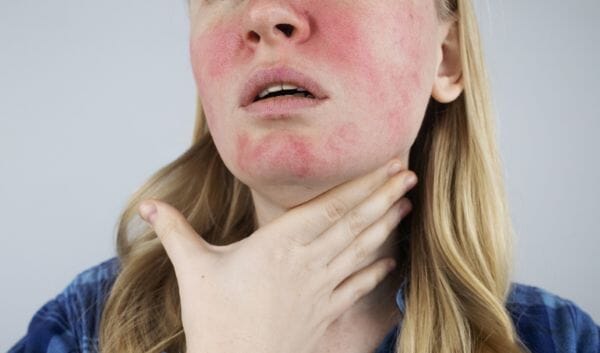
Retinol burn usually starts with a moderate to severe burning sensation that then develops into tight irritated red skin which then over the period of about a week turns into very dry and very flaky skin. For a while, skin can look like it has aged about ten years in a matter of weeks. Luckily this is usually a temporary effect.
Dermatologist Dr Eva Melegh offers six tricks of trade to treat retinol burn and get your skin back on track as quickly as possible.
1. Use a hypoallergenic recovery salve
If you experience retinol burn you must stop using all retinol products immediately until your skin has repaired itself. But its also essential to intensely moisturise your skin to help it stay flexible as it heals.

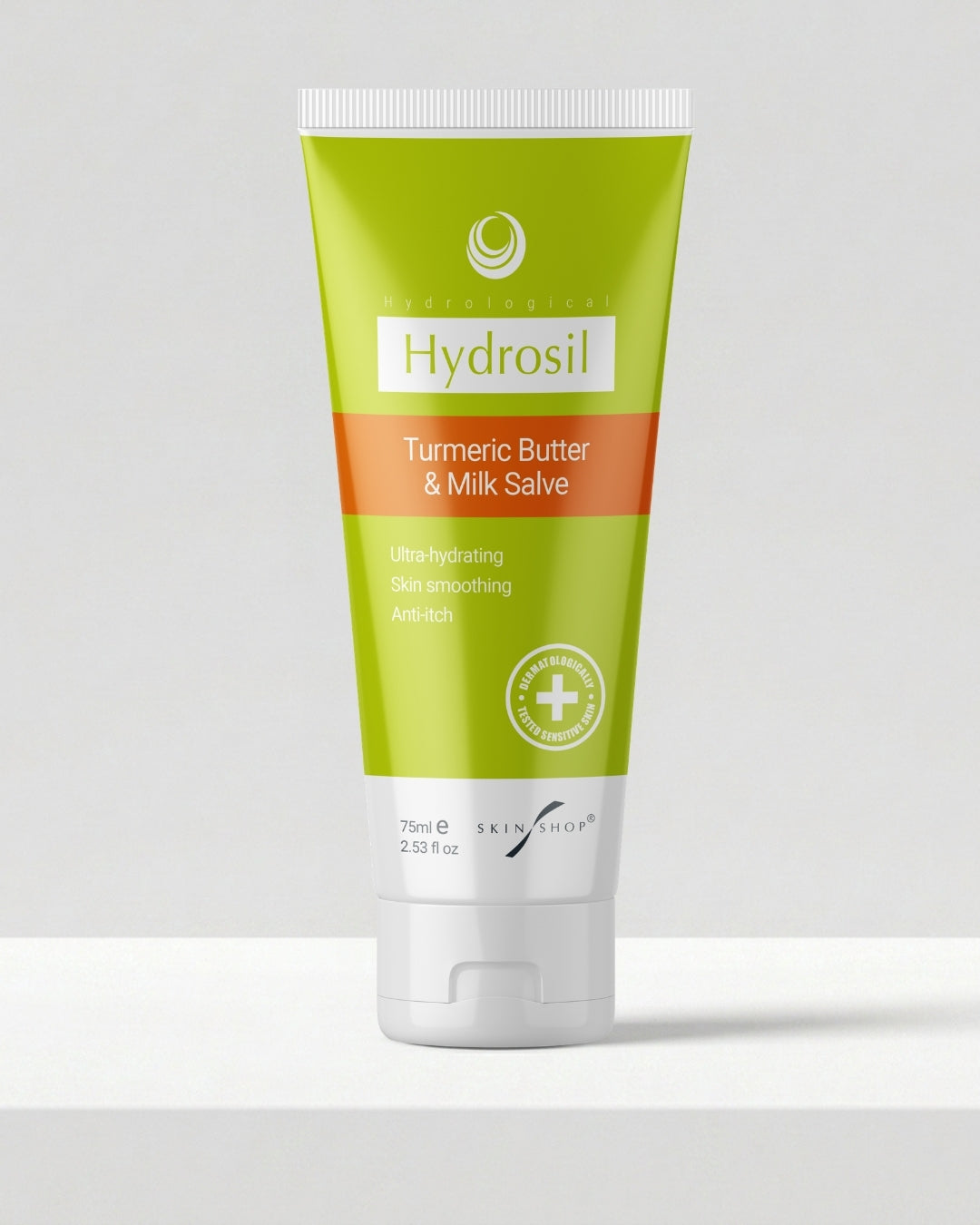
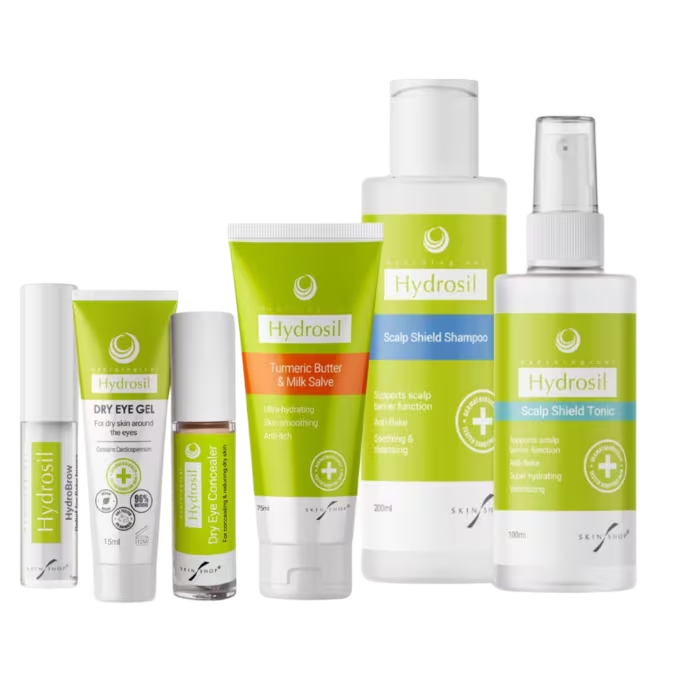
Salves are more effective than creams when used for the purpose to dry and flaking skin repair. It’s crucial to use a skin recue salve that contains minimal chemicals and preservatives and no perfumes at all and is designed for ultra-sensitive skin because during a retinol burn phase your skin is highly sensitive. Hydrosil Turmeric Butter & Milk Salve is designed for atopic and very sensitive skin and contains intensely hydrating, anti-inflammatory and soothing ingredients for dry flaking and tight skin as well as ingredients to dampen itching and irritation.
1. Reduce Eye Inflammation
Although we don’t put retinol products around the eyes, when retinal burn occurs often the burning effect migrates to skin around the eyes. In addition, when retinol burn first occurs it’s eyes tend to water which can cause us to rub our eyes causing the retinol product elsewhere on the skin to end up around the eyes.

More than anywhere else on the face during a retinol burn, its crucial to be extremely careful what product you use around the eyes to soothe the burn. The skin around the eyes is especially delicate so the effects of retinol burn will be even more intense around the eye area often leading to red, inflamed eyelids and skin around the outer corners of the eyes followed by very dry crepey skin around the eye area.
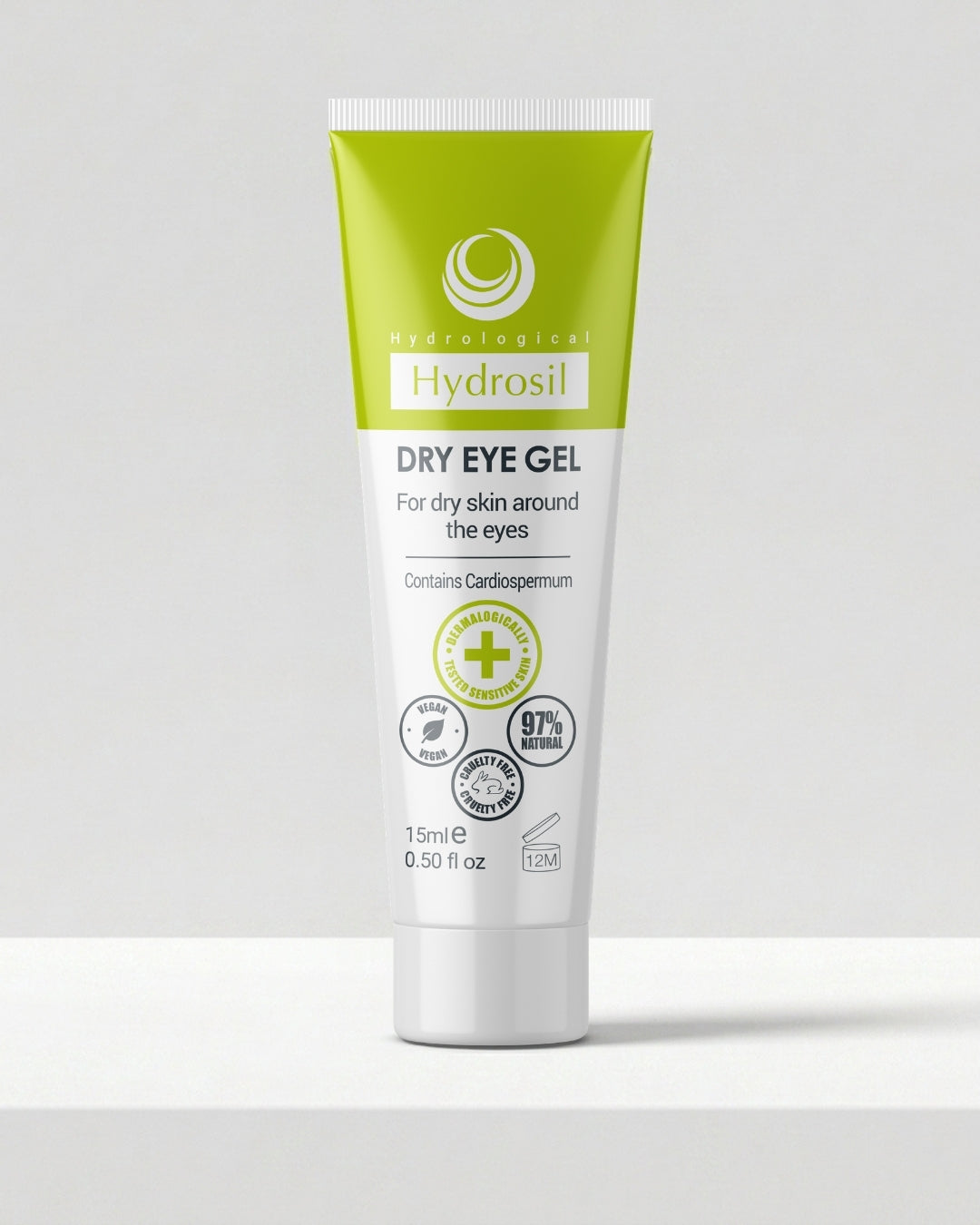
You don’t want to use any heavy eye creams on retinol burn or anything with any chemicals in as the skin will be hypersensitive. Stick to lighter eye gels and ones which don’t have any perfumes or chemicals in and have soothing anti-inflammatory actions. Hydrosil Dry Eye Gel is a light natural eye gel designed for use on very sensitive skin and atopic skin that contains a natural plant steroid which is proven to quickly reduce inflammation and sooth red, inflamed and itchy skin. Apply it several times a day and under any cosmetics until skin around the eyes had calmed down and the flaking and dryness has healed.
2. Switch to water-free cleanser
Water contains chlorine and can also be very drying and caustic on very sensitive skin so when the skin is in recovery mode from retinol burn its best to avoid washing the face with water and also avoid any foaming cleansers or make up removers as both usually contain solvents which can be very harsh on recovering skin.

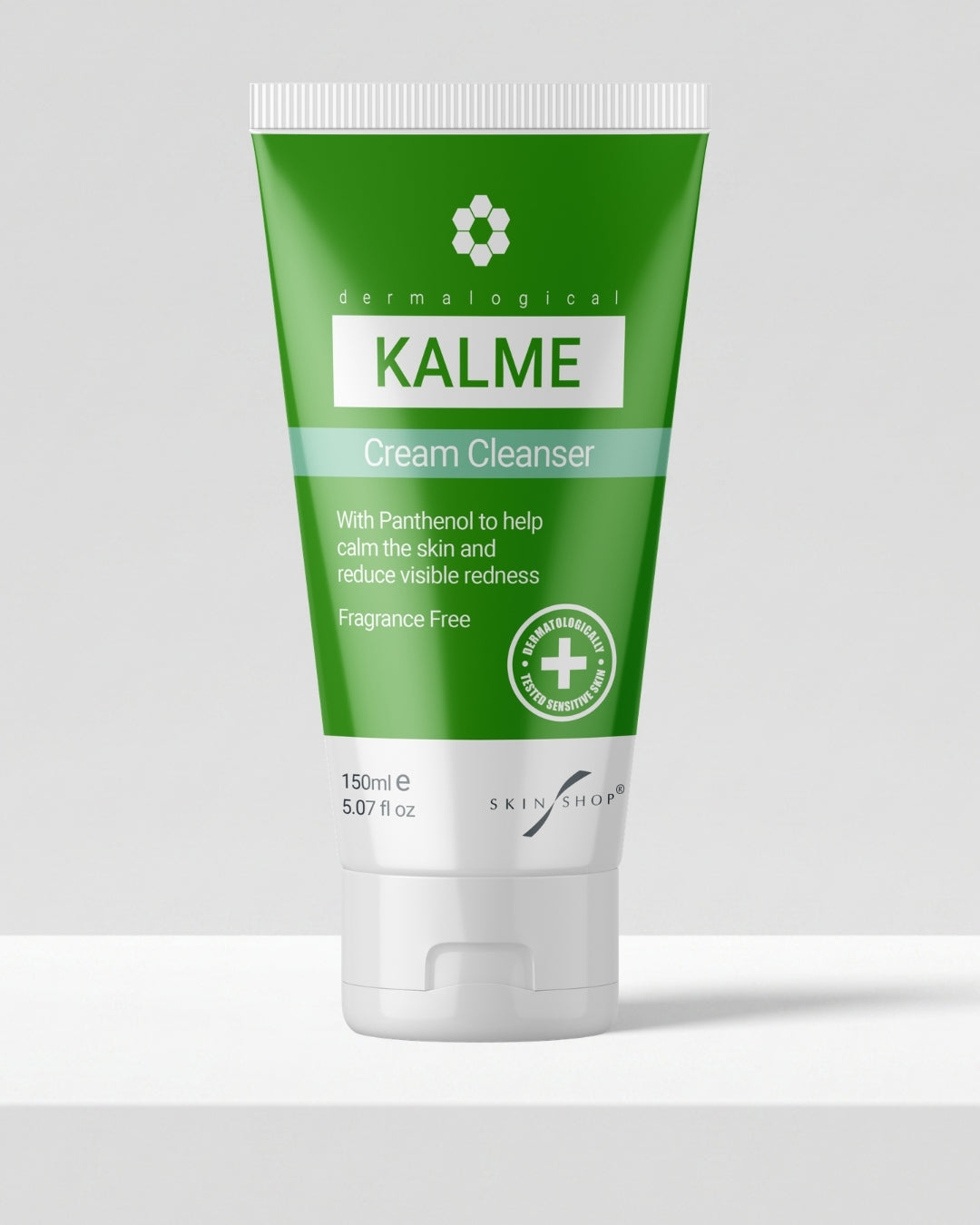
During the 2–3-week recovery period from retinol burn its best to switch to water-free cleansing, both for cleaning skin and for make up removal. Use a cream cleanser that is for very sensitive skin and is free of chemicals and perfumes and if it contains moisturising ingredients too then all the better. Kalme Cream Cleanser is a richly moisturising water-free, chemical-free and perfumes-free cleanser for very sensitive and red skin and will clean off most dirt and make up and leave skin moisturised after use.
3. Re-balance skin bacteria
The skin, like the intestine, is naturally inhabited by both good and bad skin bacteria which live in the skin’s microbiome. Good skin bacteria help feed skin barrier repair. Retinol burn temporarily damages the skin barrier and when this happens bad skin bacteria can get deeper into the epidermis and cause inflammation and infection. To prevent things escalating, its essential to keep bad bacteria supressed and allow good bacteria to flourish and multiple while the skin is recovering from retinol burn.
Using anti-bacterial washes to control bad bacteria are not the answer when the skin is in such a vulnerable state as they also wipe out good skin bacteria at the same time and these types of products are too harsh when the skin is in an ultra-sensitive state.

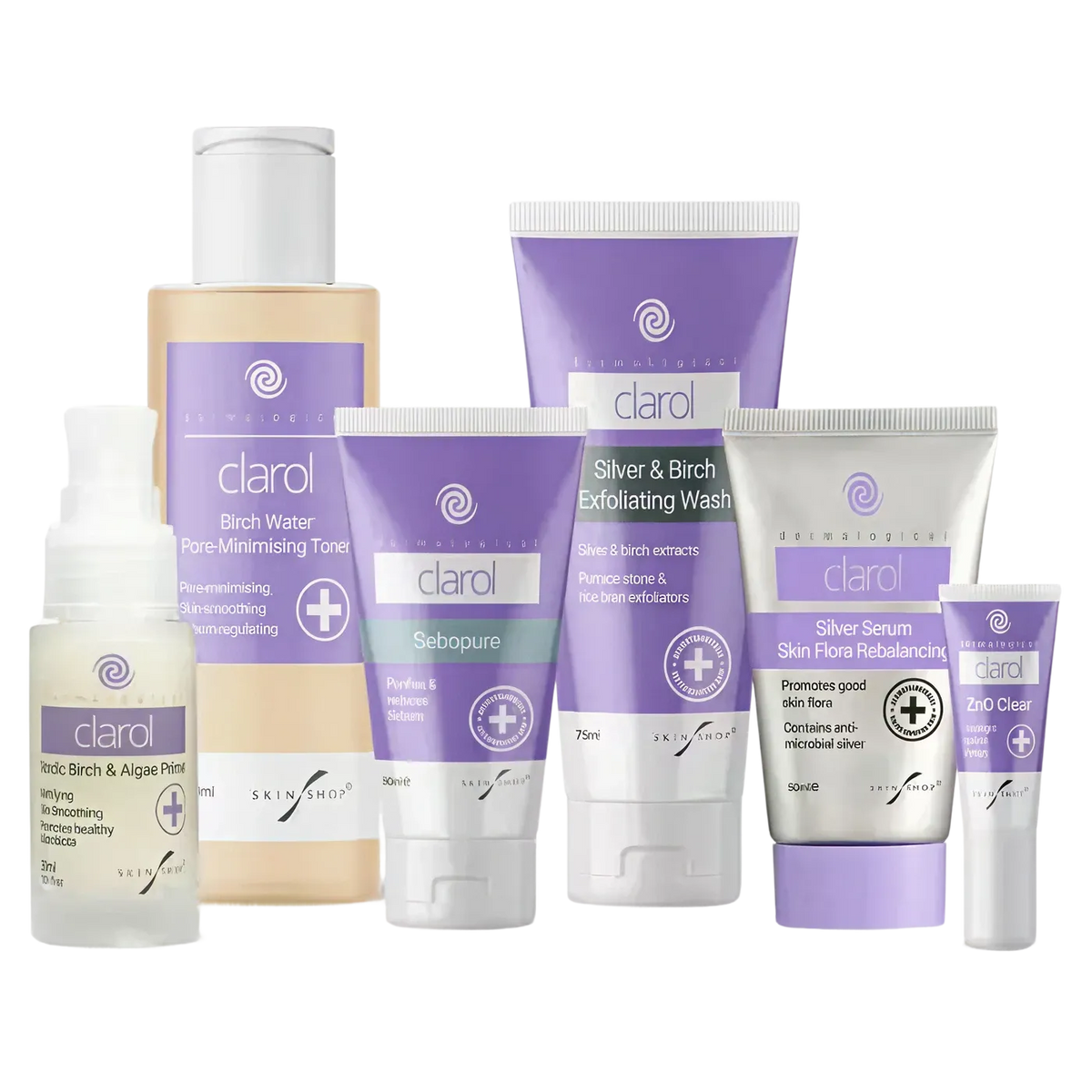
Clarol Silver Serum is a light skin serum that contains a patented silver ingredient that is proven to supress the growth of bad skin bacteria, while not inhibiting the growth of good skin bacteria. It’s perfume-free and chemical-free formula makes it safe to use on very sensitive skin and over a given period it can quickly re balance bacteria on damaged skin allowing good skin bacteria to grow while being repellent to bad skin bacteria.
4. Boost skin barrier repair
Boosting the growth of good skin bacteria is a key to re-building healthy skin barrier function again after retinol burn damage. The best way to do this is via skin prebiotics which are essentially food for good skin bacteria to feed off and grow and multiply.

Serums can hold more concentrated amounts of prebiotics in than creams and can be layered under other products and cosmetics. Kalme TeQ Serum contains two extracts of Mexican agave, both of which are potent skin prebiotics. One extract is proven to be more hydrating than hyaluronic acid so this is an excellent prebiotic and ultra moisturising serum to use on skin recovering from retinol burn.
5. Wear a mineral SPF
Skin that is exposed to retinols is much more vulnerable to UV damage and skin recovering from retinol burn is even more vulnerable. A daily SPF when using retinol is a non-negotiable essential come rain or shine, winter or summer. Due to recovering skin being so sensitive, the SPF used during this period needs to be as low-reactive risk as possible and for this mineral physical block SPF’s are better than chemical filters and of the two common mineral SPF’s, zinc oxide and titanium dioxide, zinc is the more stable option and its also anti-inflammatory.

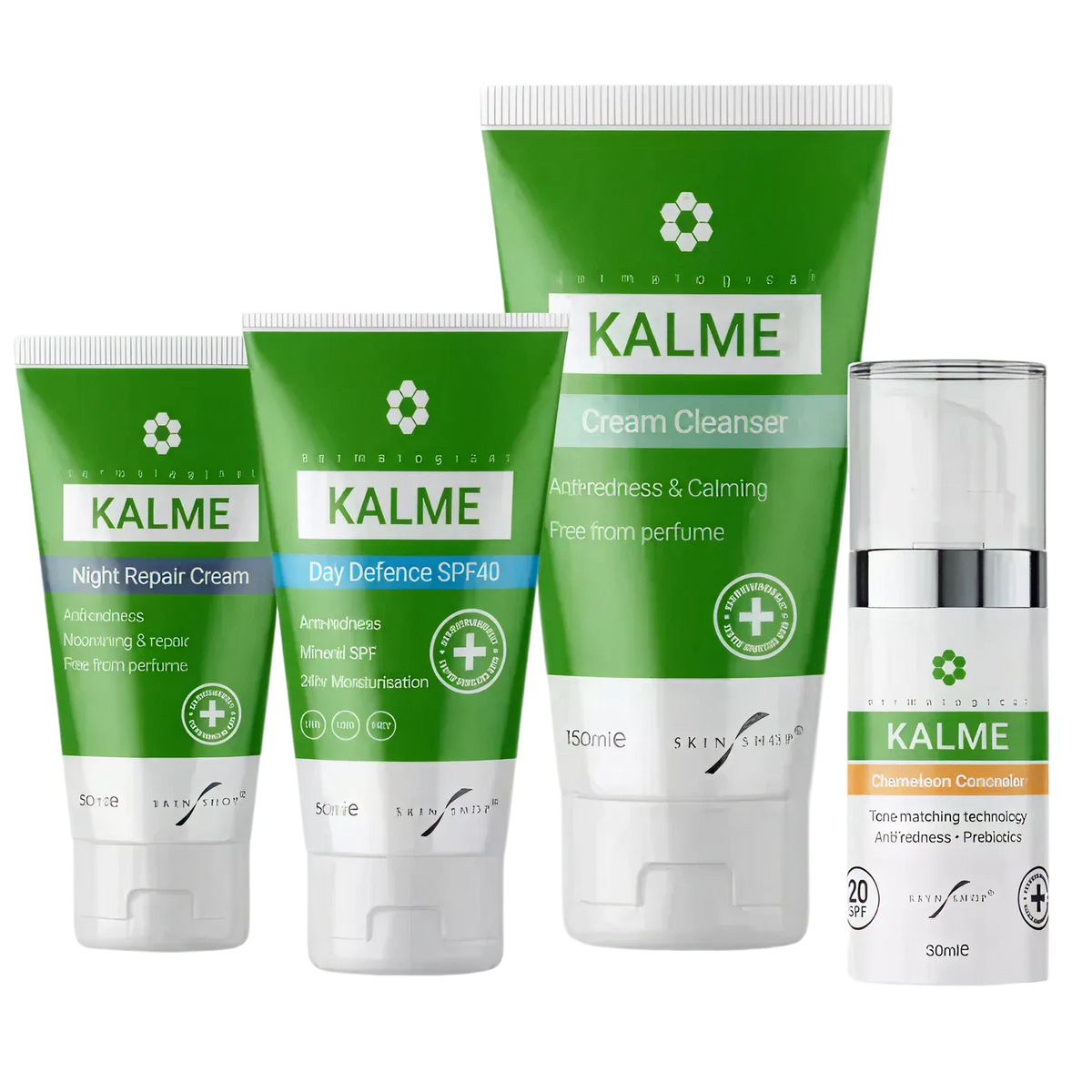
Kalme Day Defence SPF40 is a day cream for very sensitive skin that contains anti-inflammatory and anti-redness ingredients as well as 24-hour moisturisation and a pure zinc SPF40. It’s designed for ultra-sensitive and is free from both chemicals and perfumes.
While retinol burn is not healthy for your skin, the good news is that your skin will recover with the right treatment and should hopefully look more glowing and smoother than it did before the retinol burn.
Treated correctly, retinol burn should start to recover within 2-3 weeks. The burning and irritation itself should subside after a week and then the recovery from the dryness and flaking should be competed with a maximum of four weeks.
Even if skin recovers sooner, keep on your recovery routine for eight weeks and don’t re-introduce any retinol products before then. If your skin has not recovered within eight weeks, you should see a dermatologist for an assessment.