The unusually intense and protracted deluge of rain that we have experienced for the first two months of 2026 with reports saying it has rained virtually every day since the star of the year, followed by a sudden rise in temperature that we are about to experience over the next few weeks means that doctors are predicting a much earlier than usual pollen burst this year.
Usually, the main hay fever season runs from late April to early June, but this year forecasters are saying it may start as early as the first few weeks of March.

Hay fever is caused by an over-reaction of the immune system to grass, tree and flower pollen and affects about 18 million people in the UK during the hay fever season. Common hay fever symptoms include itchy and swollen eyelids, streaming eyes, intense sneezing, congestion in the sinuses and throat, generally itchy skin and fatigue.
“Often swollen, sore and dry eyelids are one of the most uncomfortable symptoms of hay fever and the one that can last long after the other symptoms have started to calm down,” says consultant dermatologist Dr Eva Melegh.
“The skin on the eyelids is much more vulnerable than almost anywhere else on the body because it is thinner and doesn’t have the same protective fat layer beneath. Eyelid skin also has a relatively high concentration of blood vessels, which makes the skin in this area much more sensitive and prone to inflammatory reactions.

Add to that the constant exposure of the eyelids and surrounding skin around the eyes to tears from streaming hay fever eyes plus abrasive rubbing and external bacteria from itchy gritty feeling eyes and you have multiple triggers for swollen and irritated eyelids.”
However, if hay fever eyes aren’t bad enough, there are several other factors that can make them even worse and give you a particularly uncomfortable hay fever season.
Dr Melegh highlights seven things that can furth infuriate sore and swollen hay fever eyes;
- Early pollen bursts
Abrupt changes in temperature and weather systems early in the year such as forecast for this year, can cause hay fever symptoms to start very suddenly and with increased intensity due to the immune system not being exposed to any pollen at all during several months of rain and cold weather.
- Retinol
Retinol is now one of the most used anti-ageing skincare ingredients in modern skincare and use of them are increasing rapidly year on year. However, when it comes to eyes affected by hay fever, retinols can end up exacerbating symptoms. Retinol used on swollen or vulnerable skin can cause ‘retinol burn’.

The increased cell turnover of using retinols temporarily sloughs off more dead skin cells which creates a lag time before new, healthy cells come to the surface of your skin. Retinol burn is caused by the changes in your skin cell turnover and usually by introducing too high a strength retinol, using a retinol product too often or applying it on vulnerable areas of skin. Although we don’t put retinol products around the eyes, with streaming hay fever eyes it’s very easy for the retinol product to migrate to skin around the eyes. If retinol gets near eyes that are already swollen and sensitive from hay fever, the effect of retinol burn around the eyes could make hay fever symptoms considerably worse.
- Quitting smoking
Quitting smoking of any kind can cause a temporary over reaction of the immune system that can suddenly trigger hay fever allergies because smoking supresses the immune system. When someone gives up smoking the immune system can go into a period of overdrive which is often why people develop hay fever and allergies after giving up smoking or existing allergies get significantly worse.

- Perimenopause
If you are entering perimenopause, this could also make your hay fever symptoms much worse. The skin around the eyes and on the eyelids is particularly susceptible to dryness caused by the sudden drop in oestrogen during perimenopause as its very thin and so can’t retain much moisture. Oestrogen is also a major factor for collagen production which keeps skin flexible and moisturised. This hormonal triggered dryness can trigger dry and itchy eyelids. Menopausal belpharitis is often one of the first symptoms of perimenopause. When this underlying dryness and inflammation is combined with hay fever, the symptoms can be much worse.
- Make up removers
Most make up removers contain solvents and alcohol. Solvents are chemicals that are designed to dissolve grease and dirt and are used to break down eye cosmetics like mascara. Alcohol helps remove grease and residue from cosmetics. Sodium Lauryl Sulfate is an effective solvent used in the majority of make-up removers, but SLS is also a prime culprit for contact dermatitis. If the eyes are already swollen and itchy from hay fever then using make up removers can trigger a double whammy of allergy plus contact dermatitis.

- UV Exposure
Due to the higher concentration of blood vessels in the eyelids, inflammation of the eyelids from UV exposure occurs more easily and can happen even with very short sun exposure times. If the eyelids are already swollen from hay fever, UV damage can make the swelling and redness and ensuing dryness much worse.

Shampoo
Most shampoos contain strong fragrances to make hair smell fresher and harsh solvents to get rid of greasiness. Both these elements can trigger contact dermatitis in vulnerable or cracked skin. Aside from highly fragranced shampoos, those with additional ingredients for lightening, straightening, colouring or for extra oily hair are likely to be even more problematic. With eyes and eyelids that are already irritated from hay fever, shampoo residue that runs into swollen, cracked and irritated eyelids can be very painful and cause more severe and protracted inflammation.

Dr Melegh’s tips for treating swollen hay fever eyes;
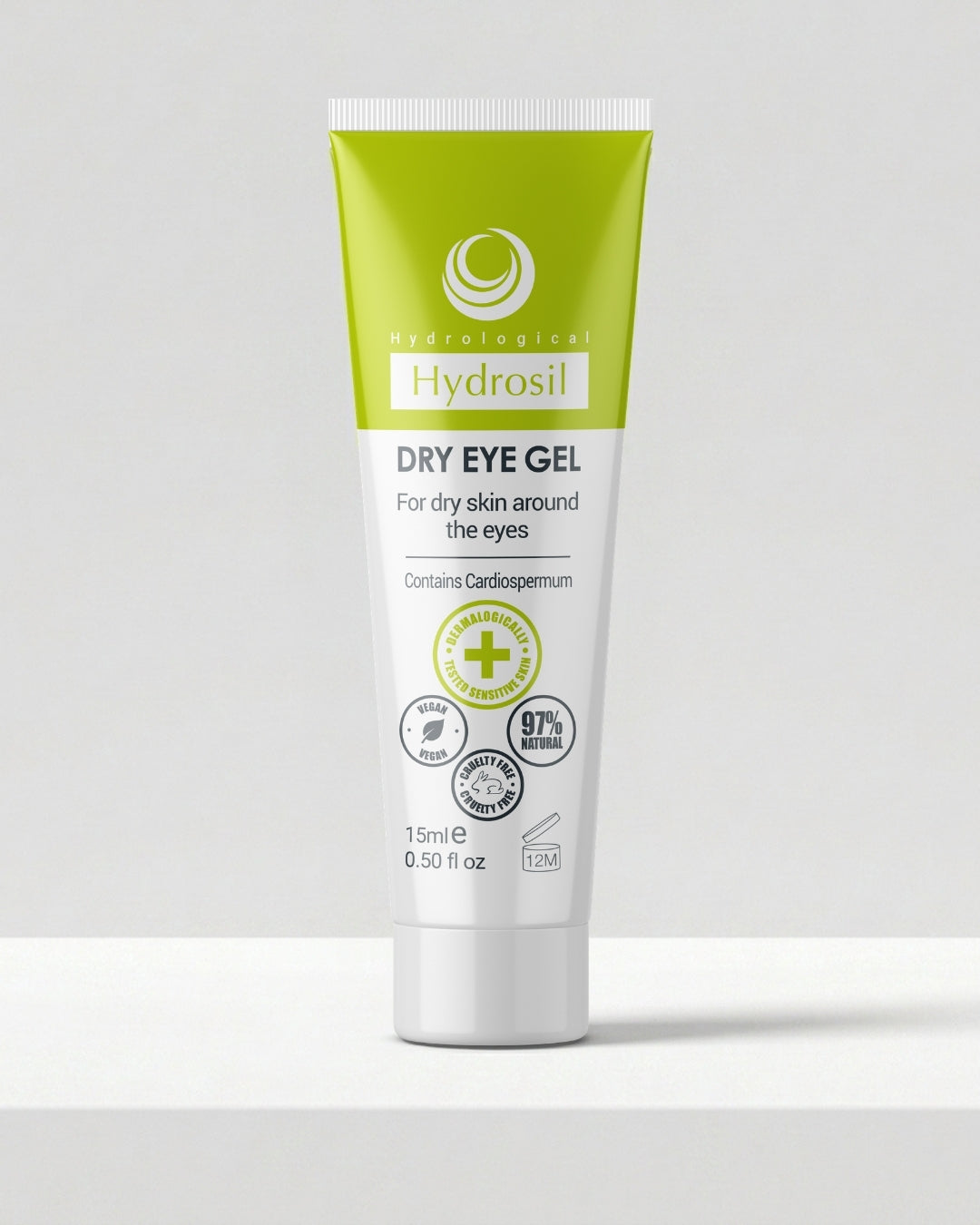
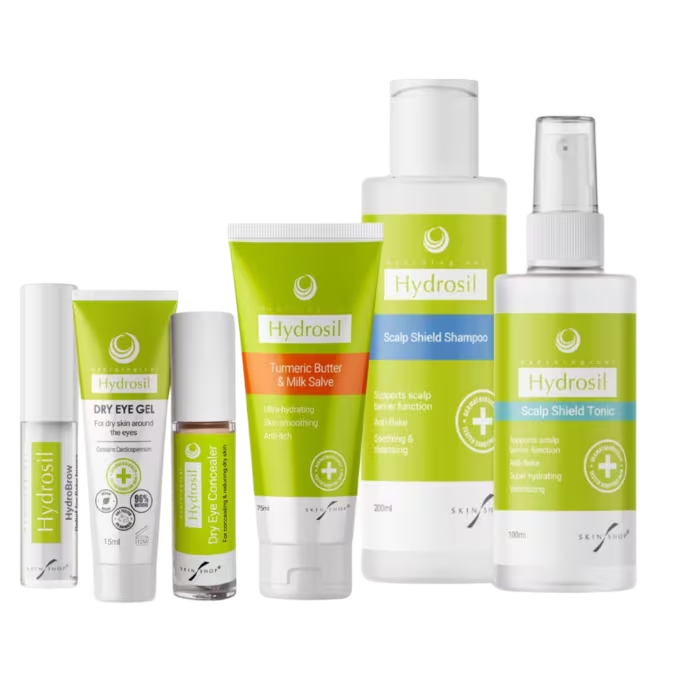
· Steroids are usually the first port of call for calming inflammation and itching in reactive skin, but these are not suitable for use around the eyes. However, standard ‘moisturising’ eye creams won’t do much good for inflamed and itchy hay fever eyes. An eye product that has an anti-inflammatory action is essential for treating swollen, red and itchy hay fever eyelids. Hydrosil Dry Eye Gel is a light natural eye gel specifically formulated for calming and relieving dry, itchy and irritated skin around the eye and on the eyelids. It contains an extract of cardiospermum halicacabum, which is a natural plant steroid and delivers anti-inflammatory and anti-itching benefits without damaging or irritating the delicate skin around the eye and can be used as often as required. It can also be worn under make up to help protect irritated eyes from further reaction to cosmetics and is free from perfumes.
· Don’t rinse red swollen itchy eyes with water as it can be very drying on already dry and skin and tap water also contains chlorine which can further irritate already reactive hay fever eyes.
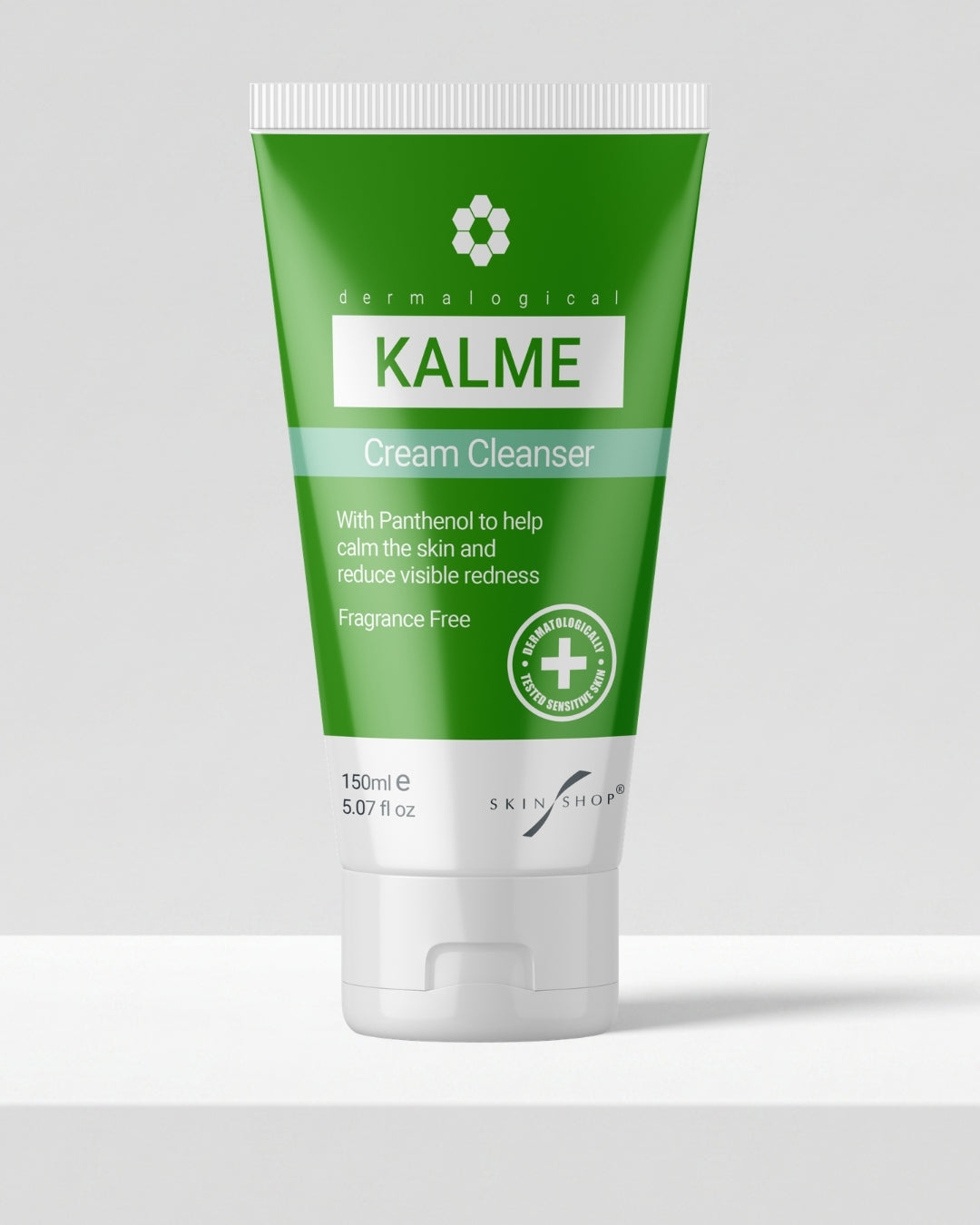
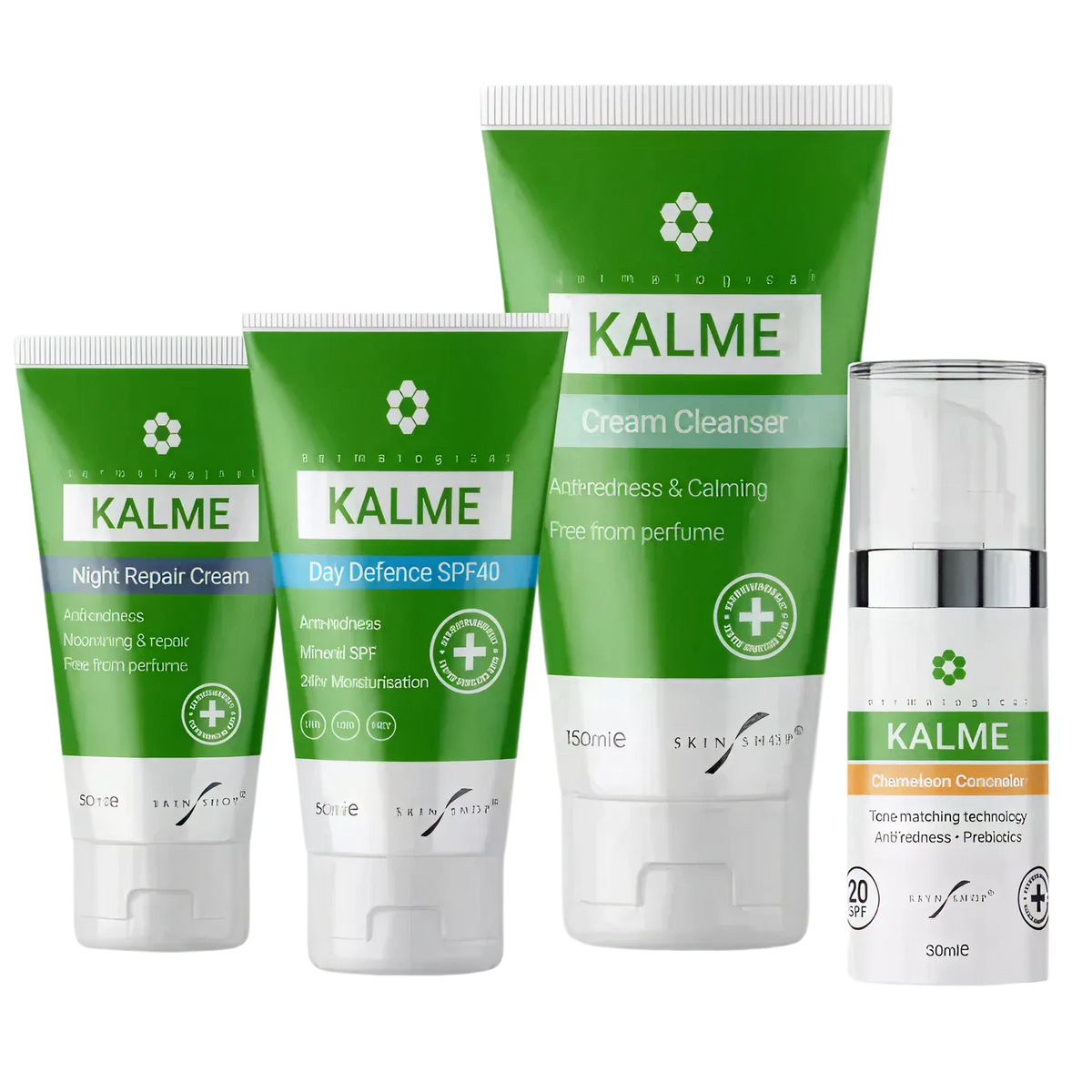
· Avoid make up removers that contain solvents or alcohol and don’t use any form of foaming cleansers. You want to keep all anti-bacterial ingredients that present in most foaming cleansers away from reactive hay fever eyes. Switch to a natural cleansing oil to remove make up or a cream cleanser that doesn’t contain perfumes or chemicals. Kalme Cream Cleanser is perfume-free and doesn’t contain solvents and is designed for use on reactive skin and removes make up without the need for water.

· Cleanse your lashes. During hay fever season when rubbing itchy eyes becomes a daily habit and our hands touch many surfaces throughout the day, gathering dirt we cannot physically see. Daily lash cleansing is a routine that can help reduce the risk of bacterial infection of vulnerable dry and damaged skin around the eyes. Cleaning lash roots twice a day with a non-perfumed and ultra mild baby shampoo diluted in warm water helps to keep bad bacteria from getting into already weakened dry and potentially cracked skin on the eyelids and around the eyes. Do this by dipping a cotton bud into the shampoo solution and run it along the lash line (top and bottom). This helps remove the build-up of bacteria as well as any pollen lingering on the lashes which may be contributing to irritation.
· Wash your hair with a hand-held shower head with head tipped backwards to avoid getting shampoo residue around the eye area.

· Wear sunglasses at all times during the hay fever season not only to protect against UV damage to swollen and vulnerable eyelids but also to protect eyes from pollen dust. Keep wearing them at dusk even though the sun has gone down, as this is the time when pollen dust it at highest concentrations.

· Avoid using products containing retinol during the hay fever season
· If you have given up smoking in the previous 6-10 months expect and prepare for the possibility that you may develop hay fever symptoms for the first time, or that existing allergies may become more intense.
· Use moisturising eyes drops 1-2 times daily to prevent gritty feeling eyes and help reduce eye rubbing.

· If possible, switch to using glasses instead of contact lenses through the hay fever season. Contact lens solution can exacerbate irritated skin around the eyes and on the eyelids from hay fever. The glasses themselves also offer a degree of protection from pollen dust.