Spring can be a challenging time for women going through perimenopause because the start of menopause can cause several changes in the body that can make skin more unstable and less able process sensitivity to the many skin aggravators that come with Spring conditions.
Dermatologist Dr Eva Melegh outlines five skin conditions that can be triggered or exacerbated by Spring weather when women are entering menopause.
Inflamed allergic eyes
Menopause can drastically affect the body’s ability to manage histamine levels because the rapid drop in oestrogen reduces the body’s efficiency at processing histamine release, allowing more inconsistent and higher releases of histamine in response to external irritants. Women’s immune systems effectively become more sensitive and reactive as a result of the rapid drop in oestrogen at the onset of menopause.
Oestrogen also has a natural anti-inflammatory effect on the skin, which is why puffiness and skin sensitivity increases during the onset of menopause. This factor can also worsen the effects of allergic reactions.

In addition, the mucus membrane in the nose and throat also become thinner and more fragile during the sonnet of menopause, which can add to the risk of developing allergic reactions because the body’s natural defences against external irritants are weakened.
In Spring one of the biggest threats is allergic reactions to pollen. Even if you’ve never experienced hay fever before, it’s not uncommon for the onset of menopause to trigger hay fever symptoms. If you already suffer from mild hay fever, menopause can make symptoms much worse.
Menopause also causes the skin to become much drier, particularly affecting the skin around the eyes so this combined with an increased susceptibility to hay fever, means that menopausal women are more likely to experience particularly irritated, dry and inflamed eyes during the hay fever season.
Swollen dry and sore eyes lids and dry cracked skin at the corners of the eyes can not only be one of the more painful symptoms of hay fever, especially menopausal hay fever, they can also be the longest lasting ones, often continuing for weeks or even months after many of the other symptoms have abated.
How to treat Spring allergy eyes
Anti histamines will help dampen down the body’s allergic response which can help with sneezing and general respiratory inflammation in the nose and throat.
The physical effect of swollen and itchy eyes also needs to be treated with separately and topically. Steroids are not suitable for use around the eyes as they can thin the skin and cause permanent discolouration. Using eyes creams won’t help with the inflammation and may cause further irritation on very reactive skin around the eyes.
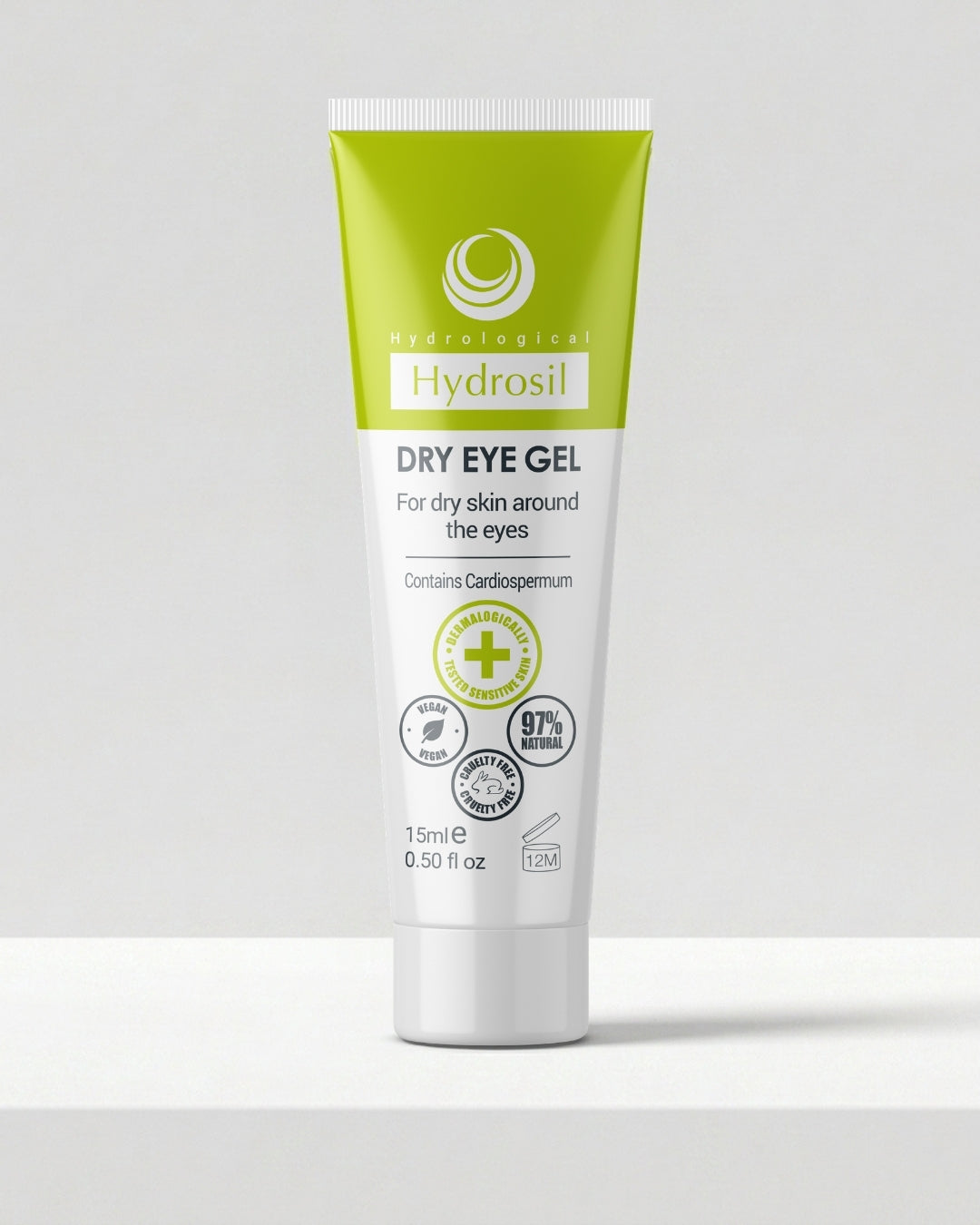
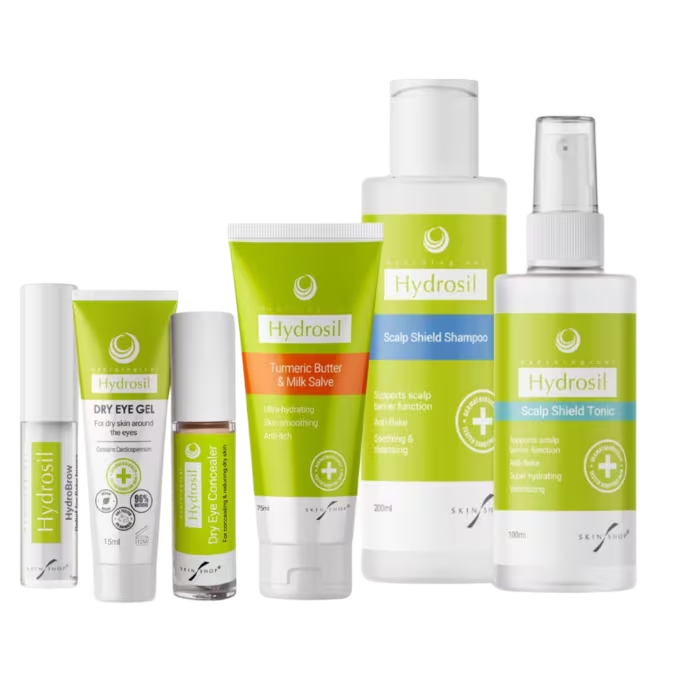
An eye product that has an anti-inflammatory action is essential for treating swollen, red and itchy hay fever eyelids. Hydrosil Dry Eye Gel is a light natural eye gel specifically formulated for calming and relieving dry, itchy and irritated skin around the eye and on the eyelids. It contains an extract of cardiospermum halicacabum, which is a natural plant steroid and delivers anti-inflammatory and anti-itching benefits without damaging or irritating the delicate skin around the eye and can be used as often as required. It can also be worn under make up to help protect irritated eyes from further reaction to cosmetics and is free from perfumes.
Red spotty cheeks
Menopause frequently triggers or worsens rosacea due to declining oestrogen, which increases inflammation. Hot flushes that can come with menopause often cause intense, persistent facial flushing, acting as a primary trigger for flare-ups in women aged 45–55.

In Spring with fluctuating temperatures and sudden bursts of intense sunshine, skin inflammation and hot flushes can intensify, often leaving cheeks red, hot and spotty.
How to treat red spotty Spring cheeks
Wearing a wide brimmed hat when out in Spring sunshine and always wearing a daily SPF of at least 30 are the two best ways to reduce Spring red cheeks.
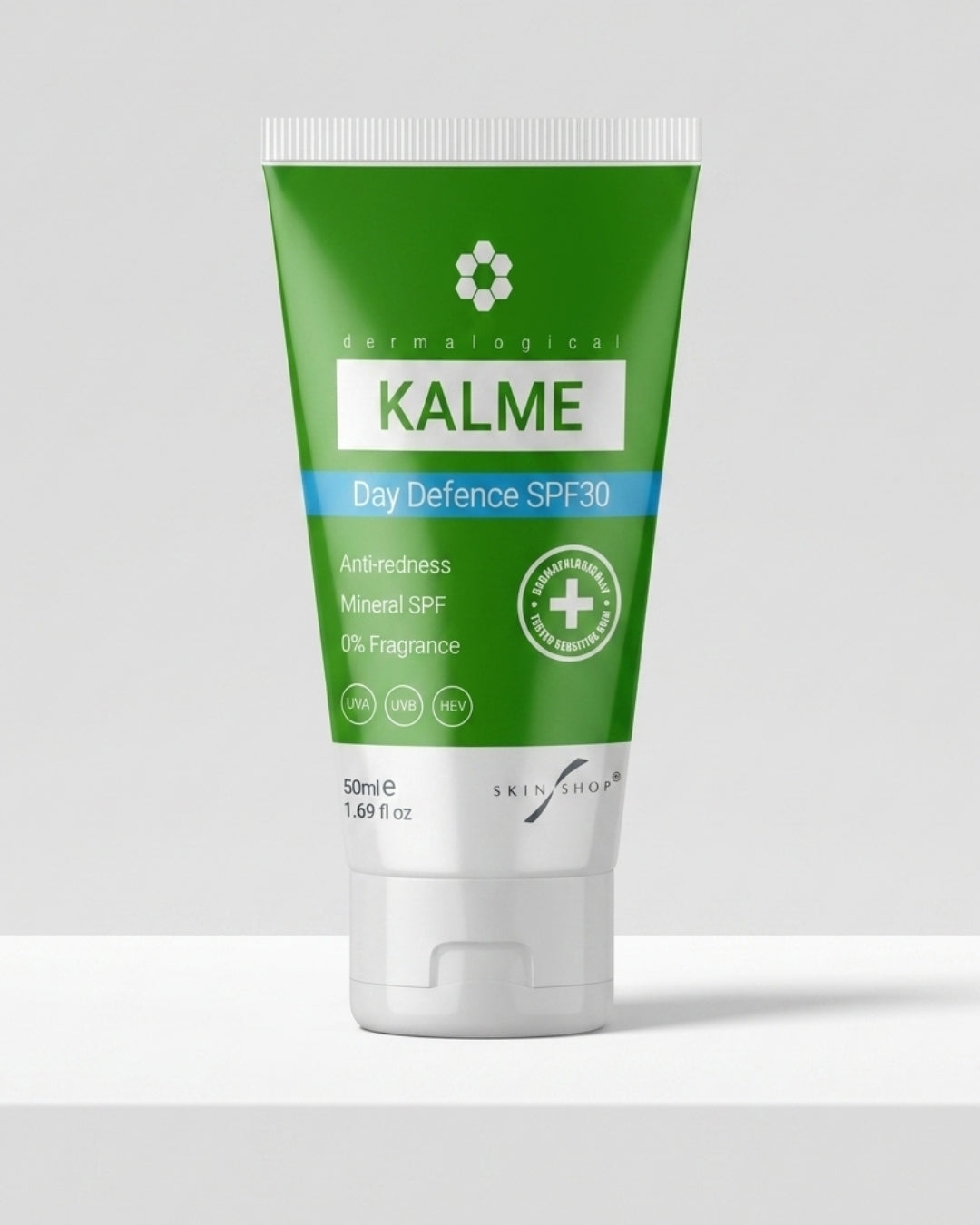
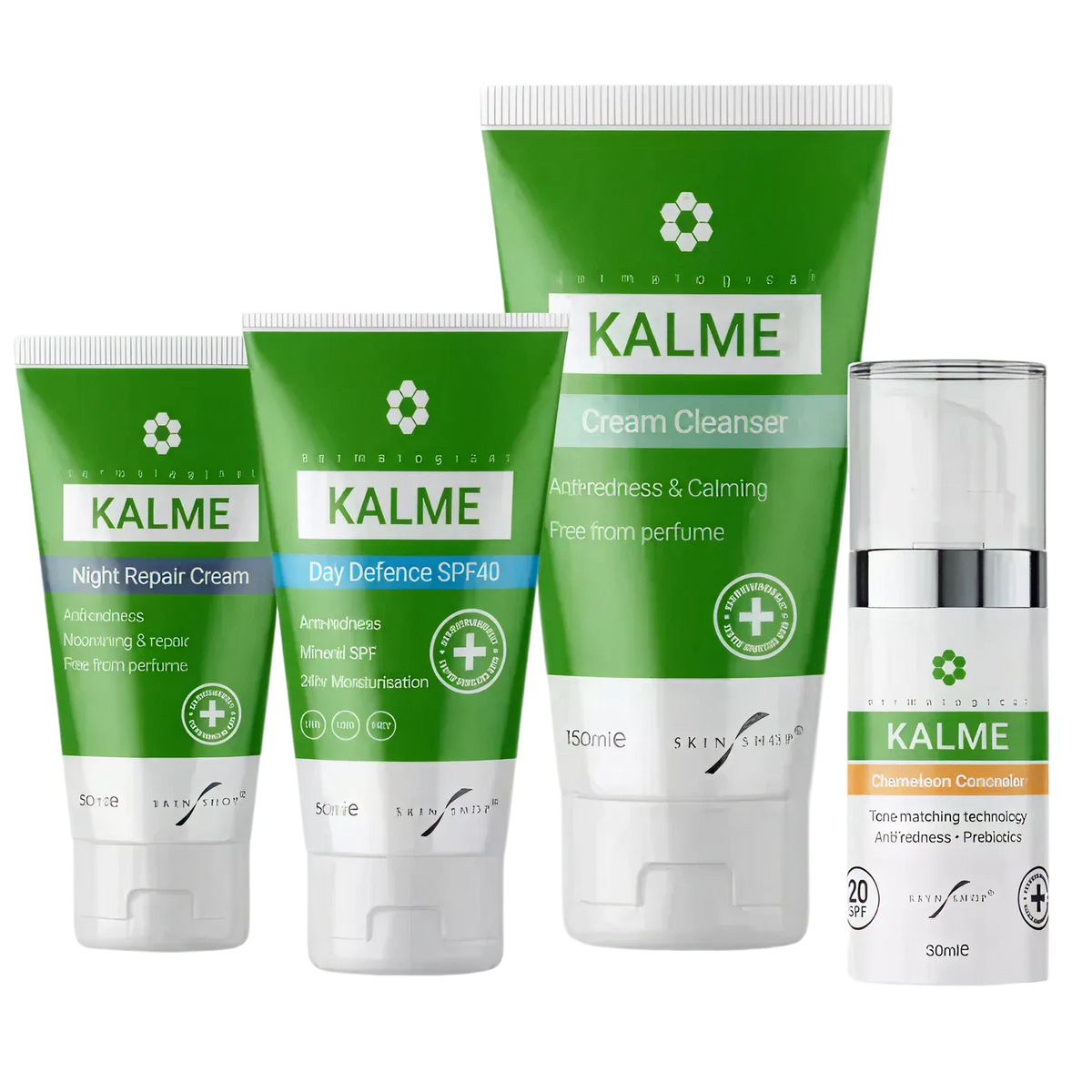
Kalme Day Defence SPF40 is an anti-redness moisturiser that helps control both the acne and the redness associated with rosacea but keeps the skin moisturised. It contains a pure zinc mineral SPF that while offering barrier protection against UV rays also has an anti-inflammatory action on red swollen skin.
Rashy neck
In perimenopausal skin, the skin barrier function becomes weaker due to the drop in oestrogen, which is what gives skin its elasticity and helps lock in moistures.
A weakened skin barrier function leads to dryness and increased sensitivity as well as being more vulnerable to external bacteria.

Sweat and chaffing clothes during Spring weather can quickly cause a dry rashy neck for women entering menopause because the sweat gets into the weakened skin barrier and chaffed skin and leads to inflammation and itching.
How to treat rashy Spring neck
It helps to wear a light neck scarf during Spring weather to absorb sweat and protect from sun burn. Avoid wearing stiff collared clothing or highly synthetic clothing around the neck area.
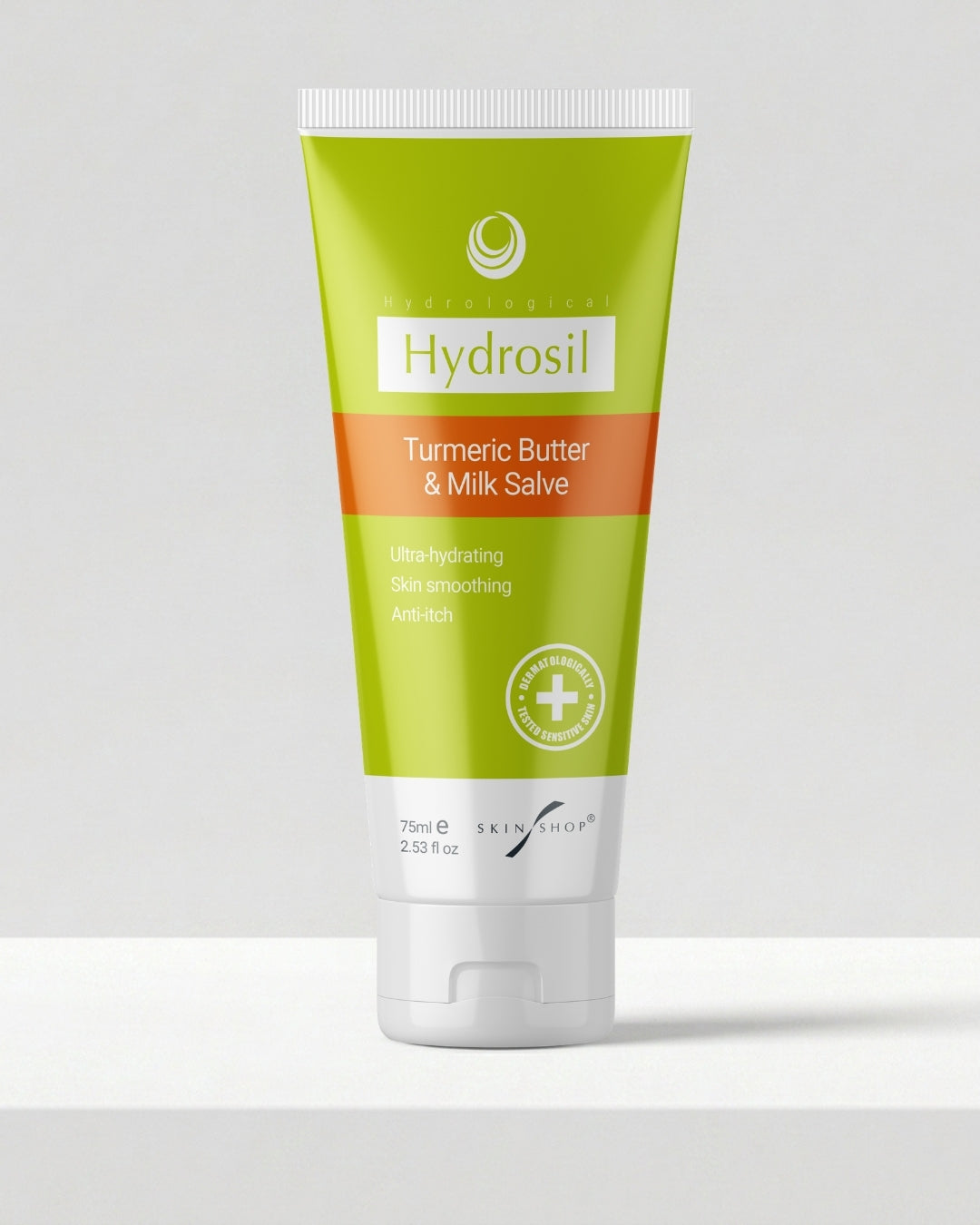
Salves are more effective than creams for retaining moisture and remaining on the skin longer. Hydrosil Turmeric Butter & Milk Salve contains a natural plant steroid to reduce itching and turmeric to reduce inflammation and hypoallergenic donkey milk to calm down furious skin and keep it moisturised.
Itchy intimates
Spring usually means we all have a burst of outdoor activities - from longer walks and weekend cycles to a return to running routines and gardening. But with the extra movement and warmer weather can come a little less welcome side effect: intimate discomfort, especially during perimenopause.
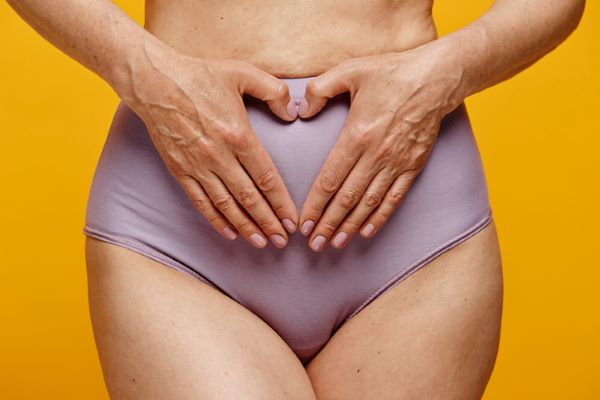
Vaginal dryness, itching and discomfort are very common symptoms of menopause experienced by 1 in 3 women during menopause and can often be very distressing as well as painful. Not only does the reduction in oestrogen cause vaginal dryness but thinning of the skin in the vaginal wall can also make the vagina more fragile and prone to dryness and micro damage, leading to bacterial and fungal infections.

Sweat and chafing are two of the most common triggers for vaginal itchiness and irritation, as both can contribute to bacterial build up and micro damage to delicate skin. Activities like cycling, jogging, hiking or even simply spending more time outdoors can increase heat and friction, making it especially important to support and protect your intimate area.
How to treat Spring intimate itch
As well as external vaginal moisturisers that help protect external vaginal skin there are vaginal lubricants that are designed for daily use and that contain rejuvenating, protective and repairing ingredients to not only lubricate but also help strengthen and it and reduce the risk of bacterial and fungal infections. For women entering perimenopause, using both an internal and external vaginal rejuvenating and repairing intimate skincare regime can significantly reduce the risk of itchy dry vaginal discomfort during sweaty Spring weather.
In2mate Lubricant and Moisturiser both contain a natural plant based lubricating ingredients along with antioxidants specially designed for vaginal use and to help rejuvenate and protect vaginal skin as well as prebiotics to help increase the growth of good bacteria in the vagina.
Used daily internally and externally during Spring weather, these can help repair micro damage and improve the quality and elasticity of vaginal skin.
Blistered lips
Cold sores become more common during menopause if you’re in the 50% of people who suffer from cold sores. The decline in oestrogen causes lips to become drier and more brittle as oestrogen is directly involved in the production of collagen which keeps lips plumper and more elastic. This drop in collagen production is seen in the body’s extremities first and often the lips along with eyes are one of the first places to suffer menopausal dryness. Dry lips can flake chap and crack more easily. Any form of micro trauma to lips allows the cold sore virus to rush in a wreak havoc.
As a result, you may find that as you begin to enter the stages of menopause your cold sore outbreaks are increasing both in intensity and frequency.

In lovely Spring weather we will all be spending more time outside. Sun is the main trigger for cold sore outbreaks and surprise outbursts of hot Spring sun can catch cold sore prone lips unawares, especially if they are drier and chapped.
So Spring can be a double whammy for menopausal lips prone to cold sores.
How to treat Spring blistered lips
Type 1 collagen is considered the best type of collagen supplement for menopause as it has an abundant role in supporting skin, hair, and nail health, as well as promoting bone strength and joint flexibility. Taking a collagen supplement can really help with keeping lips less dry.
Wearing a protective lip balm daily can also hugely help reduce the risk of dryness and chapping. Lip Q Liquorice Balm is a natural lip balm designed for daily use which contains a highly concentrated extract of glycyrrhizic acid (liquorice root extract.) Glycyrrhizic acid has found in published research to have anti viral action and a trial by the Herpes Virus Association found Lip Q Liquorice Balm reduced the severity and duration of cold sore outbreaks for the majority of trial participants.