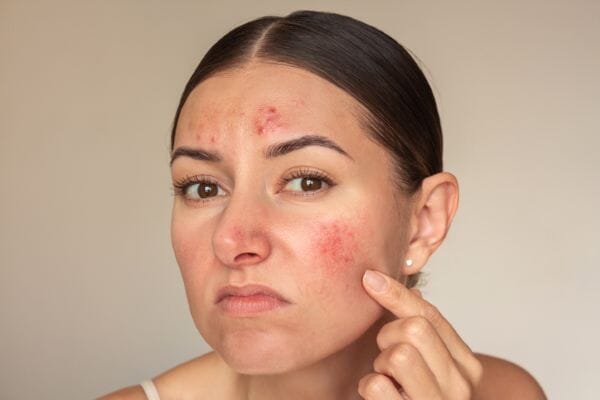
When is something too much of a good thing? When it comes to treating acne, too many acne products can quickly become too much and end up potentially causing more problems than helping.
Combining lots of different active ingredients to combat acne, such as combining salicylic acid, benzoyl peroxide and retinoids which many people with acne often do, can quickly end up damaging the skin barrier, leading to irritation, dryness, and even more breakouts. Once the skin barrier is compromising or damaged, external bacteria can get into the skin pore more easily and lead to contamination of sebum which is the main cause of acne.
Additionally using several combined anti-acne ingredients that dry out the skin, can cause skin that is prone to producing higher levels of sebum to produce even more sebum, causing blockages in the skin poor that also leads to infection and acne.

Recently several social media skincare influencers and even some celebrities using ‘pimple patches’ from a well-known brand have been reporting getting itchy, raised, red and dry skin from the patches with some claiming they fear they have been left them with permanent skin damage from the acne treatment patches. Many users have also been reporting experiencing more severe acne breakouts after using the patches than before starting with this popular acne treatment.
Skincare companies via social media influencers are cashing in on the influential power of these influencers to convince young people of typically teenage years who are the biggest age group to suffer with hormonal acne to treat their symptoms with multiple products from chemical exfoliants to strong anti-bacterial washes and sebum drying patches.
“The risk of irritation and inflammation in acne-prone skin gets higher the more multiple active ingredients that are repeatedly used at the same time, especially things like hydroxy acids,” says consultant dermatologist Dr Eva Melegh.
“When social media influencers are promoting the use of this or that product, they are not making it clear to people following their advice that they should avoid combining certain products with other products with different actives. If someone comes to a dermatologist and is prescribed a certain treatment or product, they will be given clear guidelines on what products should and should not be used alongside the treatment. This is not the case when it comes to skincare advice offered on social media. You see people with extremely problematic skin who have been applying ten or more treatment products to their skin at once. This will almost completely overload the skin and will cause more harm than benefits and may even cause new problems to add to the existing ones.”
Dr Melegh highlights five common acne treatment mistakes than could be making acne worse rather than improving it and offers her suggestions on how to reverse skin damage from treatment overload to help acne-prone skin get back on track to clearer and calmer skin.
Over-Cleansing
It’s still a commonly held myth that spotty skin is caused by skin being dirty, prompting many people with acne to practice cleaning their skin several time a day, often opting for deep cleanse products and exfoliants. However, you can’t ‘clean away’ acne.

Over-cleansing creates a vicious cycle whereby the skin is stripped of its natural oils so it produces even more oil to compensate, leading to more breakouts, which prompts even more aggressive cleaning. This can result in irritated, inflamed skin that’s more susceptible to inflammation and breakouts.
Gentle cleansing is crucial for managing acne prone skin. There isn’t any need for multiple cleansing products. Cleansers with as few chemicals as possible are preferable.
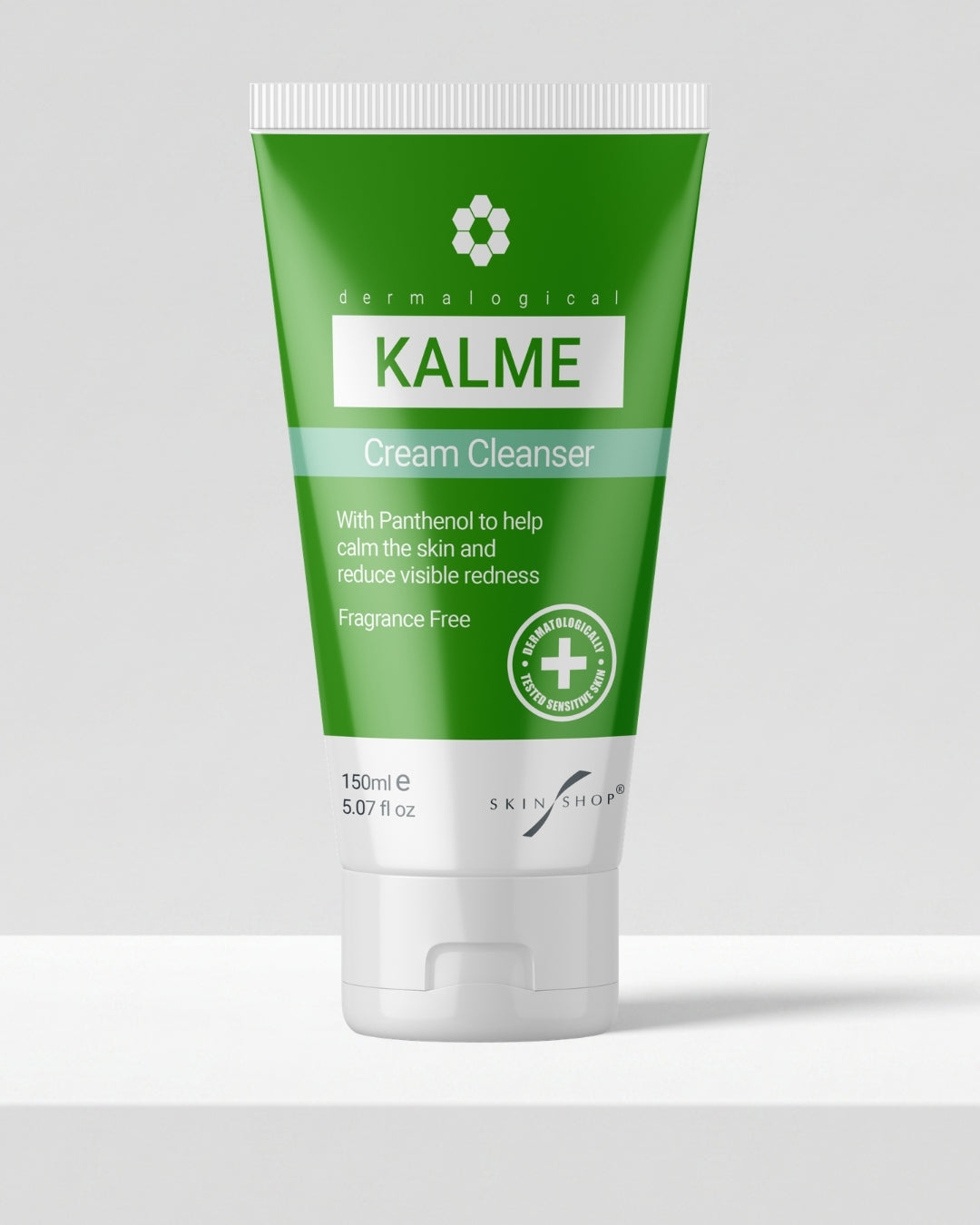
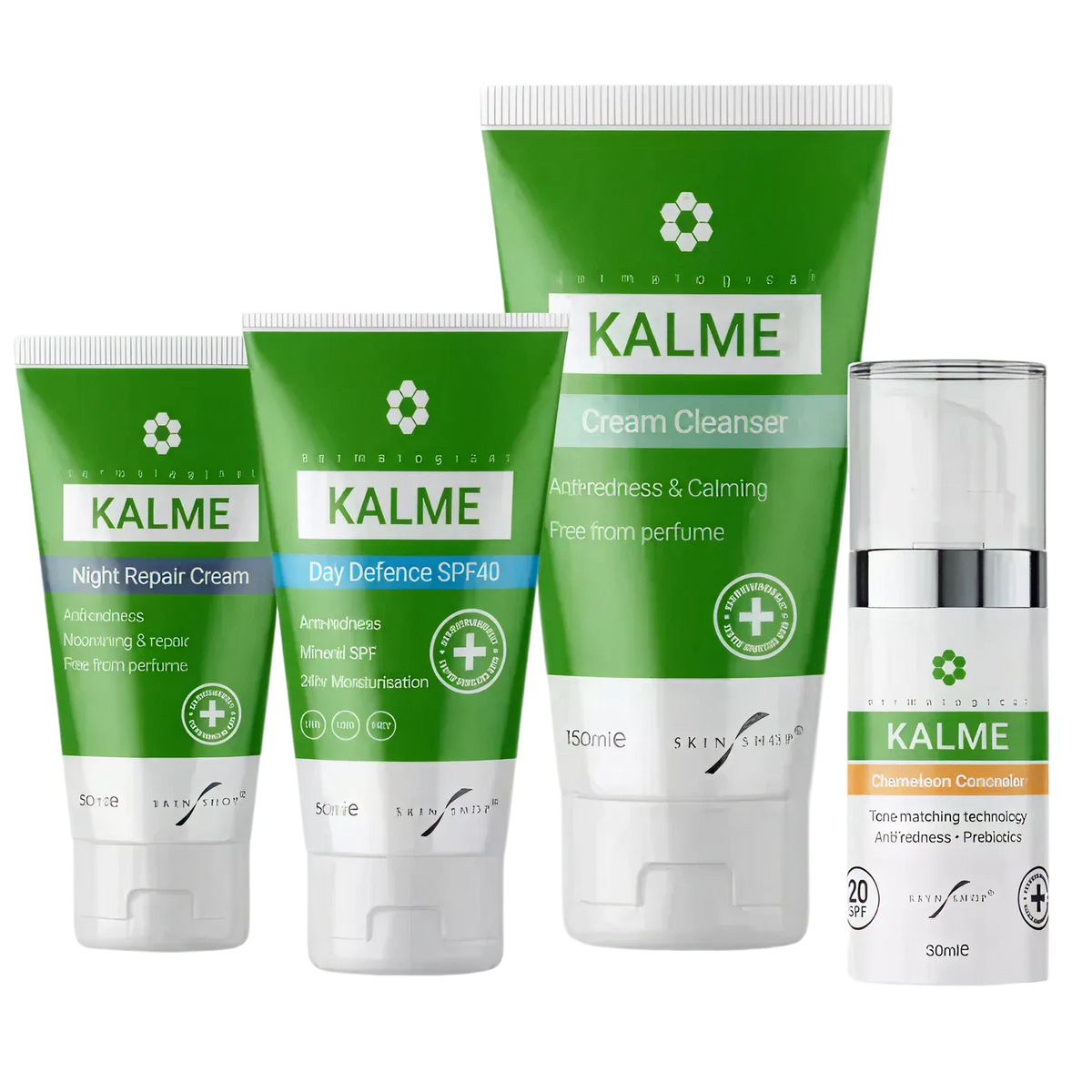
Cream cleansers can be better than foaming cleansers as they are much less drying for skin and can also remove make up at the same time as dirt, which means you don’t need to use make up removers which are very harsh on skin. Kalme Cream Cleanser contains virtually no chemicals and is perfume-free and also had an anti-redness action on spotty red and sensititive skin.
Drying Up Sebum
Many people with acne produce higher levels of sebum but acne isn’t caused by greasy skin, it’s the sebum pooling and then going ‘rotten’ in the skin pore that causes the problem. Acne is caused by the oxidisation of excess sebum as it reaches the skin’s surface mixed with external dirt and bacteria. This contaminated mix causes the sebum to quickly become rancid, leading to pore blockages and inflammation.

The key to preventing pore clogging from increased sebum production is not trying to dry up sebum using multiple ‘blotting’ products and trying to de-grease skin, which only results in the body producing more sebum to compensate, but instead to ensure that the sebum being produced remains pure and uncontaminated as it passes out through the skin pore.
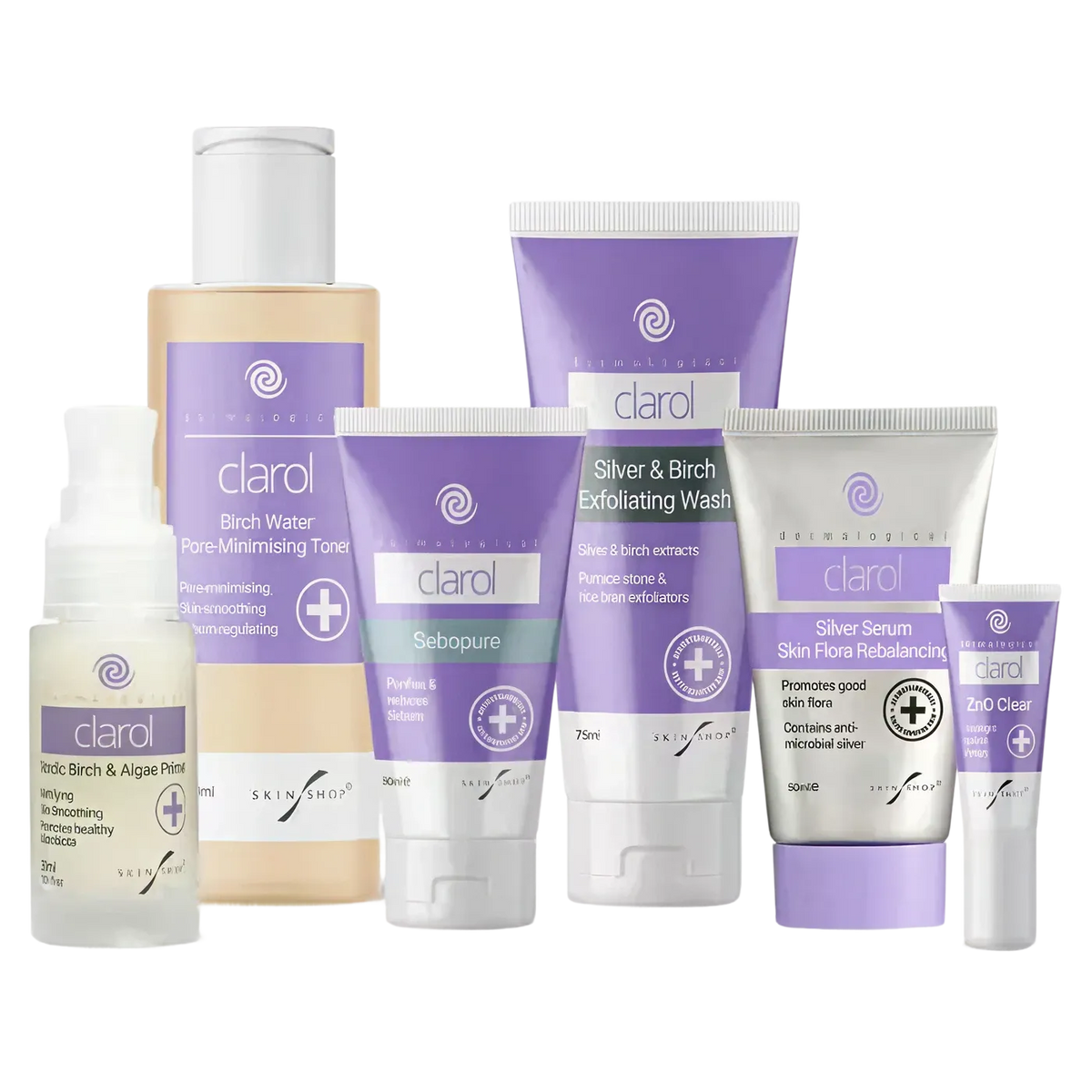
Clarol Sebopure is a light natural skin serum whose sole function is to keep sebum production pure via a patented ingredient derived from wild mustard leaf oil called Pixalia™. This ingredient doesn't attack the skin’s natural sebum production process through the use of sebum blocking mechanisms. Sebopure works in harmony with the skin’s natural sebum production, keeping sebum pure to prevent acne while not damaging or drying skin.
Frequent & Multi-Chemical Exfoliation
Many people with acne create complex daily routines with multiple exfoliating products such as retinols, AHAs, BHAs, benzoyl peroxide, and vitamin C. This overkill approach to exfoliation often does more harm than good.

Combining multiple exfoliating actives can cause severe irritation as well as damage skin barrier, which can lead to more breakouts and delayed healing of existing acne lesions.
One simple mild manual daily exfoliant, preferably one that contains as few chemicals as possible, is all that is required. If you can find an exfoliant with natural equivalents to salicylic acid all the better.
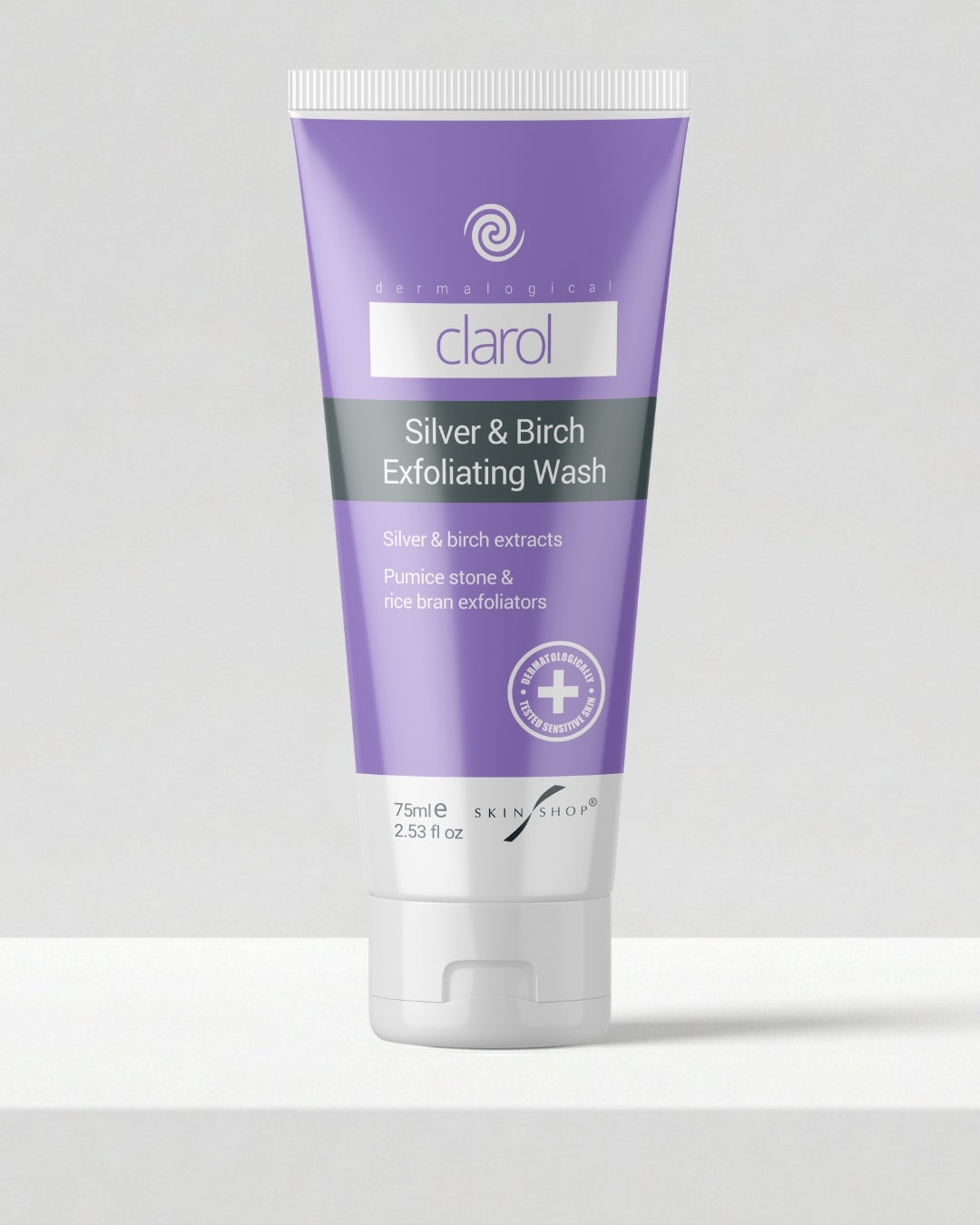
Clarol Silver & Birch Exfoliating Wash is a mild manual exfoliant that contains natural equivalents of both salicylic acid and methyl salicylate, two synthetic chemicals commonly used in anti-acne products.
Birch Bark detoxifies and cleanses the skin but does not dry it like many chemical exfoliants treatments do. Birch Bark also contains betulin to help reduce inflammation in acne-prone skin as well as Lupeol and Erythrodiol which studies prove can help increase the production of proteins in skin cells to speed up the healing process of acne lesions. It also contains MicroSilver ™, a smart anti-bacterial agent that kills off bad acne bacteria while feeding good skin bacteria, helping to re-balance skin flora that helps skin be more resilient against future acne break outs.
Regular Swapping of Products
Switching products frequently or using treatments sporadically is more common among acne sufferers than any other skincare group. People suffering from acne crave instant results from products when they get a breakout and end up often abandoning products after just a few days or weeks when they don’t see fast improvements.

Acne treatments typically take 6-12 weeks to show significant results and for the skin to adapt to the new routine. Constantly changing products prevents your skin from adapting and can cause ongoing irritation from repeatedly introducing new ingredients.
Patience and consistency are key. Stick with a routine for at least 8-12 weeks before making changes.
Not using an SPF
Many people with acne mistakenly think that using an SPF on their skin can make their acne worse and also there is a myth that sun exposure can ‘dry up’ oily skin and help control acne.
Both these assumptions are wrong. Without SPF, skin can become more inflamed, worsening breakouts and slowing healing of acne lesions due to damage to the skin barrier. UV rays can also darken acne scars making the more visible.

Choosing a sunscreen that supports acne-prone skin helps protect it while promoting a healthier complexion. Certain SPF ingredients can actively help calm inflammation as well as protect skin from UV damage. Zinc oxide is a natural mineral SPF that offers a physical block to UV rays. It’s one of the most stable SPF’s and so is ideal for sensitive skin and it has a natural anti-inflammatory action and so helps fight against acne as well as protect against sun damage.
Kalme Day Defence contains a pure micronized zinc oxide SPF30 as well as anti-redness ingredients and antioxidants to help reduce inflammation in red and spotty skin. It’s also chemical and perfume free so has a very low incidence of skin reactions.