Skin Features
Guidance for confident skincare choices

Best rosacea cream for menopause rosacea helped lawyer save face after family mistook it for tipsy cheeks
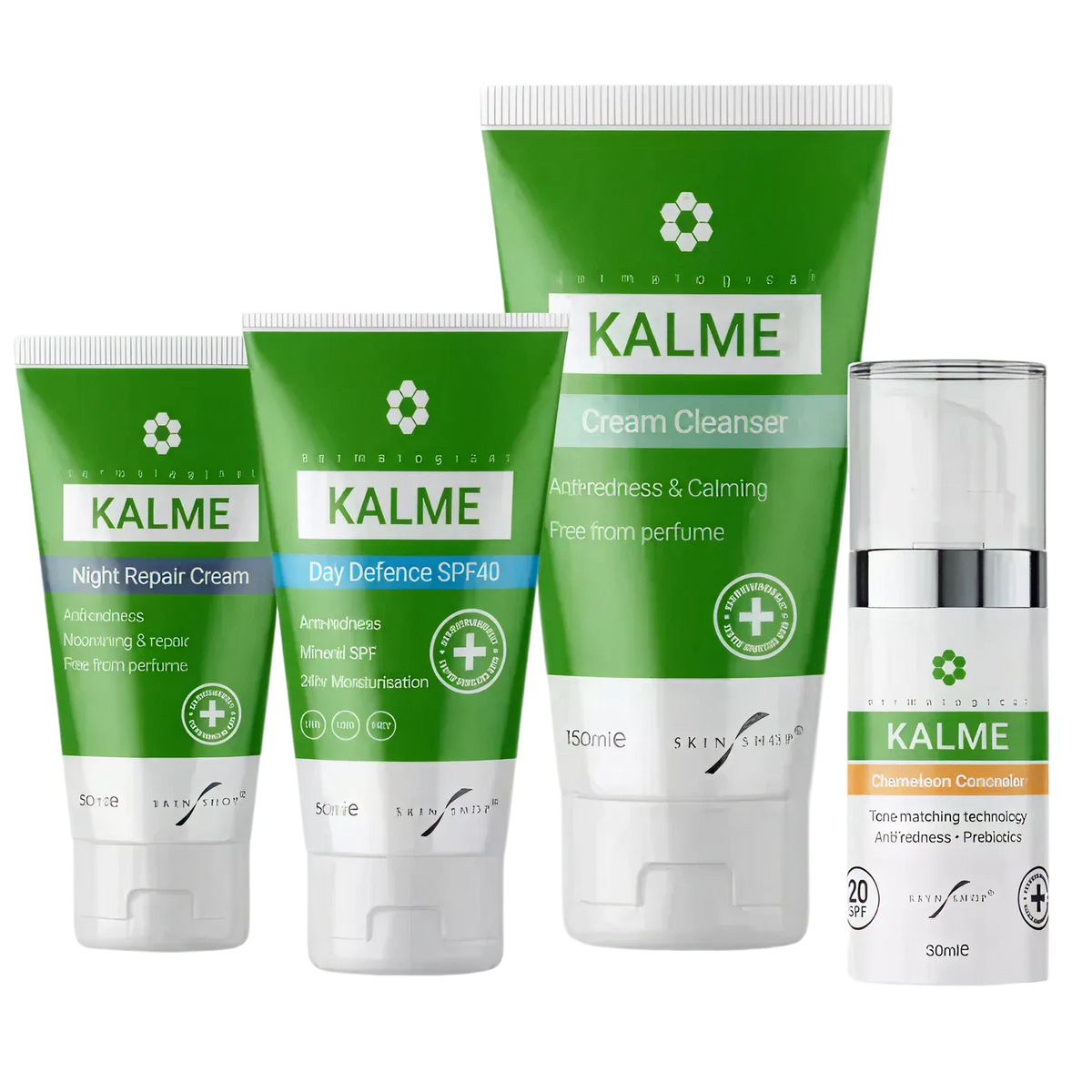
Ursula, 51, is a lawyer and married mum of one and a step-mum to another son from Texas in the US but with British heritage. Two years ago Ursula suffered from a rapid onset of severe menopausal rosacea at the start of her menopause. She was left upset and confused about what was happening to her skin. No doctors or dermatologists told her that her menopause may be responsible for the sudden change in her skin, which until that point had been clear for her whole adult life. Ursula says; “My whole life I’ve always had near-perfect skin aside from a bit of teen acne. As an adult woman I never suffered from any skin issues like adult acne and was always blessed with a clear and glowing complexion. However, in my late forties I suddenly started to develop red skin, reactive skin and spotty skin which appeared almost seemingly overnight. I ended up asking first my gynaecologist and then a dermatologist for advice about what on earth was going on with my skin and none of them ever suggested that it might be a menopausal skin condition that I was suffering from. Two years ago, the dermatologist diagnosed me with acne rosacea but didn't mentioned that it could be linked to the fact that I had recently entered menopause nor did anyone ever suggest I switch to any kind of specific menopausal skincare. I was put on prescription HRT and oestrogen and progesterone cream for my menopausal symptoms, and I still am. Yet still no one mentioned that my acne rosacea may also be a menopause symptom pr that menopause is one of the common rosacea triggers. I thought teh two were completely unrelated and I was worried sick about why my skin had suddenly started behaving in such a crazy way after a lifetime of clear skin. I was obviously distraught about if it would get worse, which of course it did. Eventually I worked it out for myself that my menopause and my rosacea were related, and that there is literally a condition called rmenopausal rosacea when I read an article last year on Winona, which was honestly more helpful than any doctor I saw about my skin, about lesser-known signs and symptoms of menopause and they included acne rosacea as often being triggered by menopause. They also said that rosacea menopause was especially sensitive and reactive. Over the past two years I have literally tried everything to try and calm and clear my furious-looking painful bumpy skin. Nothing that the dermatologist or gynaecologist prescribed worked at all. I was prescribed Niacin cream which is for rosacea probably in younger skin or maybe male skin and not menopausal rosacea, which is much more sensitive. Not only was the cream super expensive, but it also didn’t work and was panful when applied and in fact made my skin worse as it became very sensitive, especially to sun. Having lost faith in prescription treatments, I tried doing my own research and trialled a whole collection of various creams and potions. No matter what I tried, over time my rosacea just got worse and worse. Not only was my skin red and bumpy it also started to really hurt which made sleeping uncomfortable and I was very aware of it during the day at work or out socially. On some days I didn’t even want to leave the house due to the state of my skin, let alone go to work and face clients and colleagues. I found having to wear lots of makeup to cover up my skin uncomfortable and it would often cake and melt due during the day due to the heat and redness of my skin and end up looking even worse than if I wore no make-up at all. I was always having to go and touch it up and check it and was conscious of it sliding off my skin as my skin flushed red and hot at various times during the day. I started to get comments from friends and colleague about why my face was so red and what was wrong with my face, things like that. I know people didn’t mean it badly but when you are already perfectly well aware of how your face looks and then someone points it out to you, it makes you even more conscious of it. I’m also an attorney so having a red flushed face is a long way from ideal in my type of work. At family gatherings I’d get people making jokes about me having a few too many drinks etc. At one Christmas I was told I looked like Rudolf the red-faced gal with a tipsy red face, when in reality I had barely touched a drop as I knew how much my skin was affected by alcohol. I tried to laugh off the jibes as I know they were not meant to upset me but obviously it did upset me as my skin was such a mess and felt completely out of my control. I was starting to lose hope that I’d ever find anything that calmed my skin down when I came across an account from a lady who had experienced similar symptoms to me during my research. She was British and had tried a British skin treatment for her rosacea menopause called Kalme Skincare. I have British and Irish ancestry and so it made sense to me that a skin care product made for rosacea in the UK might work for my skin too, so I decided to order some. The ingredients were not only mostly natural but also totally different to anything I had tried in the US. The main ingredient was an extract from capers to control redness and reduce sensitivity. That was last year and almost immediately, like within 2-3 days, my skin was calmer and less painful. It was the best cream for rosacea menopause I had tried. The products, which came in a range, calmed both the redness, and cleared the spots and bumps as well as reducing the uncomfortable tight skin. My skin was soon virtually back to how it was before my menopause started, the improvements were rapid and tremendous. I feel now that I couldn’t do without these products. It was so comforting to discover something that has given me assurance that my skin is not going to stay the way it was forever or, my biggest dread of all, that it might get even worse. I feel I’ve finally got control back over my crazy sensitive skin after a long battle and that’s a huge relief.”
Learn more
6 Most Visible & Common Skin Issues In Men
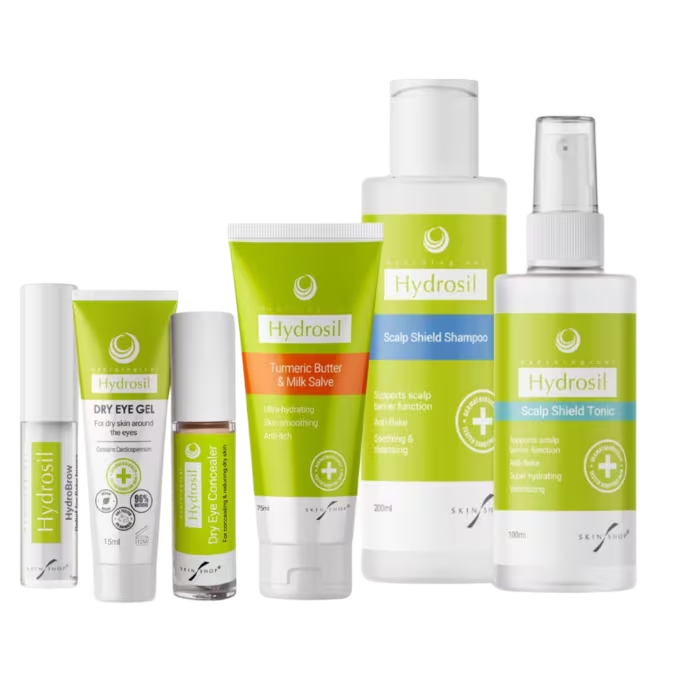
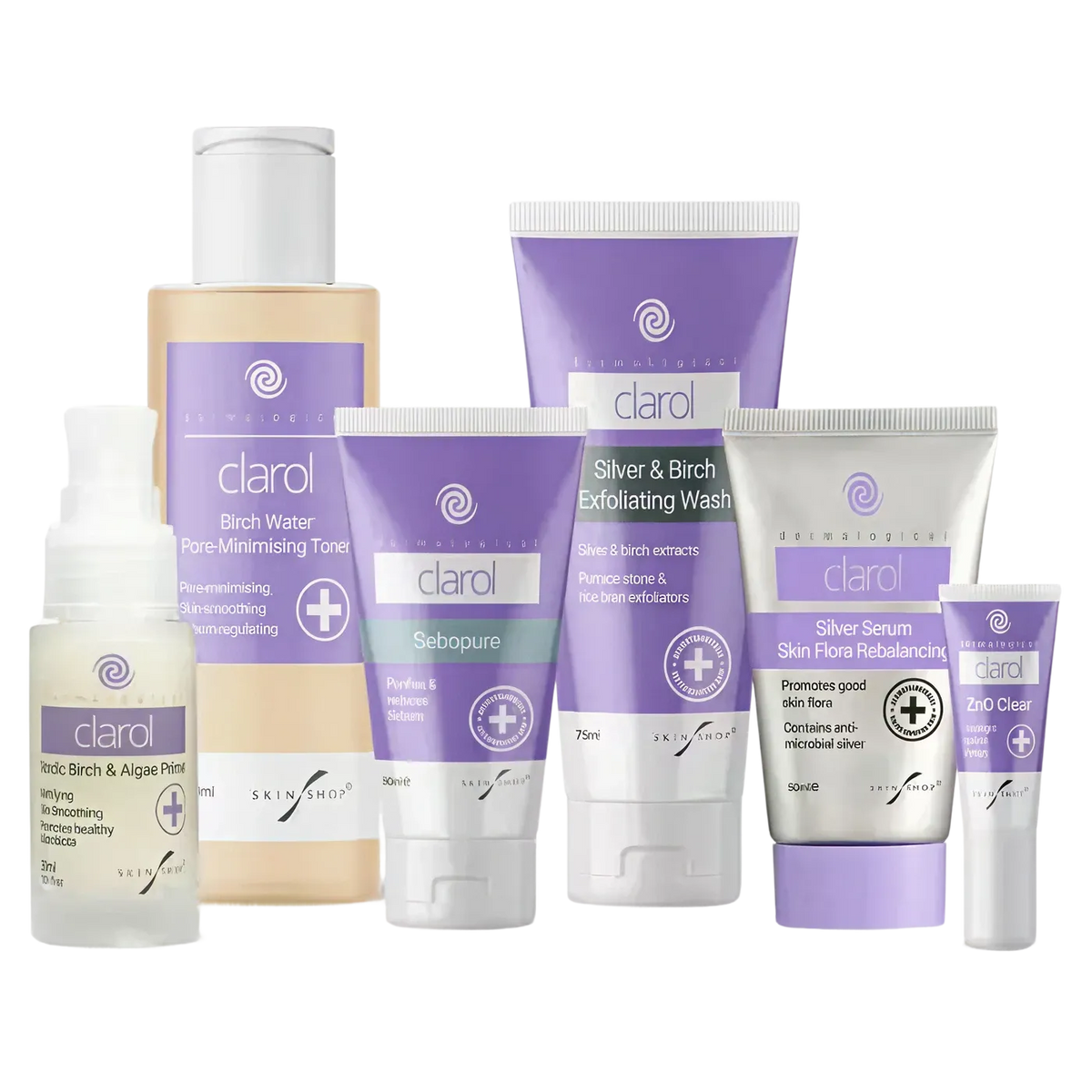
Men and women have biologically different skin plus typically different lifestyle habits, diet and attention to skincare, meaning that the most common skin issues for men are different than for women. The five main biological differences between men's skin and women’s skin are; 1. Men have thicker skin than women (about 25% thicker) 2. Men produce more sebum than women making their pores appear larger and their skin oilier 3. Men have more hair in more areas of the body than women and the hair is thicker 4. Men produce more sweat than women. 5. Men’s skin is darker and less flexible than women’s in all racial groups Due to these skin differences men are susceptible to a host of slightly different skin issues to women. Dermatologist Dr Eva Melegh highlights the six most common and visible skin issues in men and what to do about them; 1. Flaky Scalp & Beard Flaky scalps and beards are common in men due to men being more prone to fungal scalp infections and scalp and beard dermatitis, both of which can be triggered by excessive sweating. However, it’s important to determine which skin condition is causing the flaking. Fungal flaking tends to be larger, greasier flakes with a greyish tinge and no itching. Scalp dermatitis flakes are smaller, whiter and drier and the scalp and beard will be very itchy and irritated. For fungal scalp and beard infections, topical anti-dandruff shampoos are usually the best treatment approach. However, for scalp dermatitis and beard dermatitis, anti-dandruff shampoos will not work and may make the flaking and irritation worse. Specific shampoos for dry scalp treatment and scalp dermatitis and beard dermatitis should be used for itchy scalps and dry scalps and beards that itch with fine white flakes. Hydrosil Scalp Shield Shampoo and Scalp Shield Tonic are designed for use on scalps and beards prone to dermatitis and contains ingredients to reduce itching and help repair scalp and beard barrier function to prevent and reduce symptoms. 2. Razor Rash Male hormones also contribute to hair growth on the face, therefore, men tend to shave their faces regularly. Constant shaving can lead to skin problems such as irritation and redness which can appear shorty after shaving. It’s important to cleanse the face before shaving to remove any dirt. Use a clean blade or razor, and change them regularly to avoid infections. It’s best to avoid scented aftershave lotions on freshly shaved skin. Aftershave skin balms help to guard against razor rash. Kalme Undercoat is a skin balm that contains a specific de-sensitising ingredient that instantly aides in calming and desensitising post-shave skin to help prevent razor rash and reduce sensotive skin. 3. Redness & Rosacea From the age of 40 men’s skin becomes thinner and more sensitive. It’s also less flexible than women’s skin so can be more prone to gaping pores with age. Persistent facial bumpiness, open pores and redness on the nose and cheek area is caused by a chronic skin condition called rosacea and men over the age of 45 are prone to male rosacea. The condition tends to worsen with time resulting in ruddier skin and visible blood vessels in the affected areas. Left untreated, the condition can lead to permanent redness, a red nose and thickened skin due to excess tissue. The lifestyle habits of men, such as drinking too much alcohol and not wearing regular suncream can also add to the increased risk of developing rosacea. A recent survey has found that only 18% of men use sunscreen on their face, compared to 42% of women. Men are also less likely than women to seek early treatment or prevention of rosacea. Wearing an SPF daily from the age of 30 onwards and using a preventive skincare regime at the very early signs of rosacea can hugely help stave off and manage the condition. Kalme Skincare is a no-mediated skincare system designed to help manage and prevent the progression of the multiple symptoms of rosacea. It’s designed to use daily and not just when a flare up occurs and includes a daily pure zinc mineral SPF25 which is a physical block to UV rays as well as being beneficial for reducing inflammation. 4. Folliculitis The thickness of male hair growth combined with thicker skin and frequent shaving means that men are more prone to folliculitis and ingrowth hairs, which is when the base of the hair shaft gets infected from external bacteria. Regular exfoliation of vulnerable areas combined with the boosting of good skin bacteria are the two most effective ways to prevent folliculitis. Clarol Silver & Birch Exfoliating Wash contains Nordic tree bark extracts that help dissolve sebum while exfoliating the surface of the skin with ground pumice stone to clean out the hair shaft and free trapped hairs. Clarol Silver Serum is a light skin serum that can be applied after exfoliation to replenish and increase good skin bacteria while repelling bad skin bacteria to prevent infections forming. 5. Oily Skin Acne & Blackheads Men produce more oil on their skin. Male hormones, called androgens, contribute to the increase in the size of the oil glands, leading to increased secretion of sebum and the appearance of larger pores and greasy skin, both of which lead to acne and blackheads. The face, neck, uppers shoulders and back are the most commonly affected areas for male acne. However, its not the actual excess sebum that causes oily skin acne and blackheads, it’s when the sebum mixes with air as it reaches the skin’ surface and oxidises combined with external bacteria which enters the pooled sebum collected in the gaping skin pore that causes blackheads and acne. Using anti-bacterial products does the job of killing off the bacteria in the short term, but in the long terms causes the skin to product even more sebum as well as killing off all good skin bacteria which leads to redder and more sensitive skin. Keeping the excess sebum uncontaminated as it passes out through the skin pore is a more effective way to prevent acne in greasy skin. Clarol Sebopure is a sebum purifying skin serum that effectively ‘preserves’ the sebum in the skin pore so that it’s less prone to becoming contaminated by oxidisation and external bacteria as it reaches the skin’s surface. 6. Under-Eye Dark Circles Due to men’s skin being in general darken than women’s in all racial groups, men are more prone to the appearance of dark circles under their eyes. Due to men’s skin being less flexible and that fact that men tend to pay less attention to skin care than women, the under-eye area can also become drier as well as discoloured. Under eye concealers ad dark circle conealers are tpp often avoided by men as they are considered a cometic yet they are an effective treatment for discoloured underye skin and many contain ingredients to repair skin barrier function to also improve and prevent under eye dryness. Hydrosil Dry Eye Concealer contains light reflecting particles to brighten and lighten under eye dark circles as well as a skin prebiotic to help repair skin barrier function and improve under eye dryness.
Learn more
6 Tips To Avoid A Post-Summer Eczema Flare
Its National Eczema Week and an appropriate time to consider and prepare for the possibility of a post-summer eczema flare. Post summer dry skin is typically even drier and more reactive after months of UV exposure, applications of sun creams, excessive sweating and external holiday abrasives such as chlorine, sand and salt. Add to that the drier humidity levels in the UK, back to work stress and constrictive sweaty office clothes and it’s a perfect storm for a post summer eczema flare. Consultant dermatologist Dr Eva Melegh gives six tips on how to prevent post-summer eczema flares to help you ease calmly into the back-to-work routine. 1. Soothe Post-Summer Senstive Skin Dry skin and increased sensitivity if typical in post-summer skin. This can make skin more reactive than normal which accelerates TEWL and can lead to an eczema flare. The key to avoiding a flare is to take steps to reduce skin sensitivity during this vulnerable post-summer period. Start by simplifying your skincare and body care routine. Avoid using any new perfumes or skincare products that contain perfumes or multiple ingredients. Stick to moisturising products that are largely natural and do not contain perfumes or long lists of preservatives. Kalme Undercoat is a perfume and chemical-free base coat moisturising product designed for very sensitive skin to use under other products that contains a naturally sourced de-sensitising ingredient. Do the same with your shampoo and hair care products as detergents and perfumes in most shampoos can trigger contact eczema flares during vulnerable periods when the residue runs over the skin on the face neck and shoulders. Switch to a non perfumed and chemical free shampoo designed for very sensitive and dry scalps. 2. Call in a Creamy Water-Free Cleanser It’s best to reduce exfoliation during the post-summer period. Instead switch to a water-free cream cleanser to clean skin and avoid washing the face too much with water. Water can evaporate more moisture from the surface of the skin when it dries making it drier and more reactive. A cream cleanser is gentler and more moisturising on skin prone to dryness and eczema. Kalme Cream Cleanser (kalme.co.uk) is a water-free moisturising cream cleanser formulated for very sensitive and dry skin that is free from perfumes and chemicals. 3. Moisturise Dry Skin Under Make-up During the post-summer period its beneficial to skin prone to eczema to use a moisturising product under any cosmetics during the day even if you are using a tinted moisturiser or concealer. That extra layer of moisture will help prevent dry skin from further drying out during the course of the day. A serum is preferable to a heavy moisturiser for this purpose as it absorbs more quickly and sits better under cosmetics. Kalme TeQ Serum is a super hydrating serum containing an extract of blue agave which is more hydrating than hyaluronic acid and is a natural skin prebiotic which helps repair skin barrier function. It also contains an extract of young caper buds with a proven desensitising action. 4. Layer Up Dry Skin Overnight Overnight is when eczema-prone skin becomes most dehydrated. So just a single night skincare product during the post-summer period is often not sufficient. A post-summer overnight skincare routine for skin prone to eczema should include more than one product with humectant and occlusive ingredients. Humectants draw water to the epidermis while occlusives seal that moisture in and protect it from evaporating. An oil-based serum with a rich and repairing night cream with antioxidants and essential fatty acids layered over the top is an ideal combination for keeping eczema-prone skin moisturised all night. If you can find a serum with a prebiotic in it all the better as these help repair skin barrier function overnight to keep moisture locked in. Try Kalme TeQ Serum with Kalme Night Repair Cream layered over the top for maximum overnight skin repair and hydration along with anti-redness and anti-sensitivity actions. Effectively moisturised skin should still be flexible and comfortable by morning and not dry or tight. 5. Slather on a Buttery Dry Skin Salve Salves are a saviour for post-summer patches of dry, rough and cracked eczema-prone skin and should be added to daily skincare routines and used liberally on all vulnerable areas such as elbows, ears, nostrils, eyebrows, knees and feet. Salves that contain natural butters as well as anti-inflammatory ingredients are essential aides for preventing a post-summer eczema flare. Hydrosil Turmeric Butter & Hypoallergenic Milk Salve is a super-rich salve made from a patented butter infused with turmeric for anti-inflammatory action and hypoallergenic donkey milk for instant relief and repair of patches of very sensitive skin, dry skin and cracked skin. 6. Feed Skin Barrier Function Healthy skin barrier function is the key to keeping moisture locked in but skin prone to eczema is prone to a weaker skin barrier function. Once the skin barrier is weakened, external bacteria gets in more easily which leads to inflammation and itching typical of an eczema flare. Skin prebiotics are like fuel for skin barrier function and help to keep it teaming with good skin bacteria that keeps it more robust against post-summer skin barrier assaults such as sunburn and external abrasives like chlorine and salt. Clarol Silver Serum is a naturally active skin serum that contains a prebiotic silver ingredient that feeds good skin bacteria, while starving out bad skin bacteria.
Learn more
10 types of spots that aren’t acne
If you have spots, you tend to assume you have acne, though this is not always the case. In fact a lot of ‘spots’ are caused by other factors, including skin allergies such as eczema or dermatitis, underlying health conditions such as rosacea or psoriasis, infections such impetigo or viruses such as herpes simplex. Dermatologist Dr Eva Melegh highlights what causes actual acne and the other skin conditions that may often look like acne but aren’t. 1. Actual Acne Normal acne is caused by a blockage of the sebaceous glands on the surface of the skin. Many things can cause this blockage. The main cause of typical acne experienced by 90% of teenagers is that hormonal changes, (namely the surge of testosterone that occurs in both teenage girls and boys) can cause the skin to harden slightly and block the sebum gland causing pimples to form. Adult acne is also on the rise with 1 in 4 adult women experiencing acne during their adult life, which may also be due to hormonal surges linked to stress and modern forms of contraception as well as HRT during menopause. How to know if you have normal acne; You are a teenager and suddenly get spots or you are an adult and are under higher levels of stress. You are using a new contraceptive, you are pregnant or in post pregnancy stage or you have entered perimenopause and/or are on HRT. You have spots in particular in the T zone which is between your eyebrows, on your nose and across your cheeks and jawline. Acne Treatment For teen skin over the counter anti-bacterial washes and exfoliants aimed at teen skin. For adult acne which is not as greasy as teen acne and more fragile and dry, a different approach to treatment is required. Clarol Silver Serum is a less harsh acne treatment aimed at adult skin which helps increase good skin bacteria to improve skin quality and resilience in adult skin while reducing the acne bacteria without drying out adult skin. 2. Allergy Acne Skin allergies to external irritants can also cause spots but are not actually acne. Skin allergies to skin creams, SPF creams, beauty products and perfumes are on the rise and can cause small rash like spots to form usually on the sides of the face and neck. Allergic spots can be repeatedly triggered by an irritant and so appear like normal acne. Another common cause of allergy spots is from shampoo. Normal shampoos contain detergents and strong perfumes. When people with long hair sleep on their hair after washing it with shampoo, this can cause spots to form on the sides of the face and neck. Simply tying hair back at night and swapping to a non-chemical non-perfumed shampoo can often clear up allergy acne. How to know if you have allergy acne; If the spots itch at all You have spots mostly on the sides of your face You have long hair and sleep with it loose at night and have used a new shampoo recently Your spots get worse or better when you change either skin creams, cosmetics or perfumes You have spots just around your neck (this could be allergy spots caused by a reaction to a washing powder on the collar of your clothes) Allergy acne treatment Prescription topical steroids (although these should not be used near the eye area and used with caution and limited use only on the face). Plant-based steroids known as phytosterols are a good alternative option for allergy acne on the facial area or near the eyes. Hydrosil Turmeric Butter & Hypoallergenic Milk Salve and Hydrosil Dry Eye Gel both contain the phytosterol cardiospermum which has a calming and anti-itch effect on atopic skin reactions without the associated risks of using steroid creams on the facial and eye area. 3. Acne Rosacea Rosacea is a skin condition that causes spots but is not normal acne. Rosacea is caused by a dilation of the blood vessels just below the skin’s surface. This causes the skin to swell and the skin pores to expand letting in more surface bacteria which can then cause small pustules to form. How to know if you have acne rosacea; Your nose and/or cheeks are often flushed, itchy and sensitive The spots are small and pussy and only on your cheeks and nose and in the areas of red itchy skin. You were over the age of 40 when you started to get the spots (in particular if you are female as women are more prone to this skin condition than men) The red patches of skin feel bumpy and tight. Your spots and redness get worse in the heat or the cold, after direct sun, after drinking alcohol or eating spicy food, after you use certain skincare products and sun creams and if you are more stressed than normal. Acne rosacea treatment Rosacea is often treated by doctors with antibiotics (both oral and topical). However, many sufferers find their skin quickly becomes resistant or is reactive to antibiotics and needs more frequent treatments which is not possible as antibiotics should not be taken too frequently. Acne rosacea is a chronic skin condition so needs constant management, therfore a targeted skincare regime can be very beneficial. Kalme Skincare is a range of products designed specifically for rosacea-prone skin with anti-redness and de-sensitising ingredients as well as a mineral SPF which can help managing symptoms, allowing less frequent use of antibiotics and only for severe flare ups when necessary. 4. Fungal Acne Yeast infections of the skin are called cutaneous candidiasis and this type of skin fungus can appear on the face and cause what looks to be small clusters of ‘acne like’ spots. How to know if you have facial fungal acne; The spots are small and always puss filled with not much inflammation around them and appear in clusters. You have or have had other fungal infections elsewhere on your body in recent months (feet, scalp and genitals are common places) The spots get worse with anti-acne treatments The spots are located mostly on the chin, upper lip and mouth area or among facial hair or stubble You have a white coating on your tongue You also have dandruff Fungal acne treatment Prescription topical anti-fungal creams 5. Itchy Scalp Acne Itchy scalp acne is often actually scalp dermatitis or scalp eczema. Normal scalp acne does ot itch. Scalp eczema or scalp dermatitis can cause small spots to appear around the hair line and on the neck as well as the scalp because the actual dermatitis makes the scalp very dry and irritated and scratching it causes small scabs on the scalp that can become infected and appear like spots. Scalp dermatitis/eczema is often caused by a reaction to shampoo, hair sprays, hair dyes or any other perfumed or chemical hair products. Frequent blow drying at high temperatures can also lead to scalp dermatitis. How to know if you have itchy scalp acne or scalp dermatitis The spots you have are mostly clustered around the hairline, behind the ears or on the crown of the scalp. You have a very itchy scalp You have a flaking scalp with dry white small flakes Your dandruff but does not improve with anti-dandruff shampoos, in fat may get worse. Scalp dermatitis acne treatment Anti-dandruff shampoos are made for fungal dandruff and not dry scalp dandruff so using them could actually make the condition worse. You need hair products for dry scalp such as Hydrosil Scalp Shield Shampoo & Scalp Tonic which contain plant steroids to reducing the itching and irritation and ingredients to repair scalp barrier function to reduce dryness. 6. Herpes Acne The Herpes Simplex virus lives in the base of the spin but lies dormant in the skin cells around the mouth and causes cold sores. While most commonly appearing on the lips, herpes sores can also appear on the skin under or around the nose and sometimes on the chin and cause small fluid and puss filled blisters that resemble acne. If facial herpes appears without cold sores on the lips, the condition can sometimes be misdiagnosed as acne by doctors. How to know if you have herpes acne; The spots are only around the mouth area and on the chin The spots contain lots of fluid and burst easily, even without squeezing. The burst spot leaks clear liquid The spots are large and quite red The spots felt hot and itchy before they could be easily seen The spots do not respond to any acne treatments Herpes acne treatment Over the counter cold sore treatments, but these are for only when the sores have appeared. There are relatively few preventative treatments for cold sores with the exception of LipQ Liquorice Balm which is an odourless lip balm containing a concentrated extract of liquorice root that has been trialled by the Herpes Virus Association and found to reduce the frequency and intensity of cold sore outbreaks if used daily in between outbreaks. 7. Hives Acne Hives appear as raised, flat-topped bumps that are smooth to the touch and typically red in colour. They can occur anywhere on your face and neck, including the ears. Hives are genetically linked and sufferers get several outbreaks over a long period of time. Facial hives are often incorrectly identified by doctors as acne. How to know if you have hives acne; The spots rarely come to a head, but can look red and raised like normal acne does before puss appears The spots are very itchy The spots appeared after sun exposure You recently took a course of antibiotics You were recently bitten by an insect You also get hay fever You recently had a severe flu, tooth infection or sinus infection Your face is slightly swollen Hives acne treatment Specific prescription anti histamines or oral corticosteroids 8. Psoriasis Acne Psoriasis is a skin condition that is caused by the over activity of skin cell division and is genetically linked, although certain lifestyle factor scan trigger it or make it worse such as stress, smoking, obesity, physical and emotional trauma, some medications and viruses. There are two types of psoriasis, pustular and gutate. Pustular psoriasis on the face alone is not as common as on othe parts of the b ody but when it does appear it can look like acne. How to know if you have psoriasis acne You have red clusters of pussy spots between your eyes, around your nose, near your hairline and behind your ears and on yoru neck There is some scaly greyish skin around the spot clusters Your skin flakes a bit The spot clusters are getting progressively bigger and joining together The spots seems worse and more irritated in the mornings when you wake up You have similar patches on your shoulders Psoriasis acne treatment Topical steroids and coal-tar treatments are often prescribed for psoriasis but are not advised for regular use on the face. Facial psoriasis is often made worse by detergents and perfumes in normal shampoos when the residue runs over the facial skin and hairline. This can trigger something called ‘morning psoriasis’ which is when symptoms seem to flare overnight and we worse in the morning when waking up. Targeted shampoos for scalp psoriasis such as Oregon Anti-Plaque Shampoo are helpful for managing and reducing trigger points for for scalp and facial psoriasis. 9. Impetigo Acne Impetigo is a contagious, superficial bacterial infection of the skin and is most likely to occur in warm and humid environments and is most commonly spread by close contact (such as family members). There are two types of impetigo, bullous and non-bullous impetigo, the non-bullous type causes small pussy spots that look similar to acne. How to know if you have impetigo acne; The spots start as small red bumps more like insect bites Later the spots have puss in them that then turn to a honey coloured scab The spot formation continues in one-week cycles The spots are mainly clustered around the nose and between the nose and lips Your lymph glands feel slightly tender Other members of your family or people you have been close to have similar symptoms Impetigo acne treatment Prescription antibiotics 10. Perioal Acne This is a type of dermatitis that often appears on the face and can look very similar to acne. How to know if you have Perioal Acne Perioal acne usually appears on the face with inflammatory papules with underlying redness patches of about 1-2 mm in diametre which are clustered most commonly around the mouth and nose but can also appear around the eyes. Woman between 25 and 45 are more prone to it You often use oily face creams Your symptoms do not repond to any acne treatments, in fact they are making it worse. The spots are itchy Perioal Acne Treatment Topical antibiotics Try to avoid anything with harsh chemicals or strong scents until the spots clear up. Avoid using acne cleansers with acne-fighting ingredients, such as benzoyl peroxide or salicylic acid as they can make it worse. Sometimes, even fluoride toothpaste can aggravate perioral dermatitis which is near the mouth.
Learn more
6 Tips to Avoid a Back-To-Work Cold Sore
As we all head back at work or school, the weather is on the turn and cold and flu season is just around the corner - it’s an alert zone for cold sore outbreaks if you’re in the 50% of people who suffer from cold sores. Cold sores triggers for outbreaks are increased sun exposure from summer holidays, stress and a lowered immune system from colds and flu. Which means the post-summer holiday back to work period is a likley time for a cold sore outbreak. Here’s 6 tips on how to make sure your lips remain cold sore-free as you head back to the work after a summer holiday. Tip 1 - Fake it don’t bake it A summer tan is what many of us see a sign of a good summer holiday. And heading to a tanning bed to top up that holiday tan is a common habit. But think twice before using tanning beds if you suffer from cold sores. The main trigger for cold sore outbreaks is UV light. UV light damages the immune system in the skin, which is why it often triggers a cold sore outbreak. So a sun bed can trigger a cold sore. To get your sun kissed summer holiday complexion to last longer, it’s safer all round and especially if you suffer from cold sores to go for a fake tan product than a sun bed or sun bathing. Tip 2 - Leave out lip fillers Having lip filler injections significantly raises the risk of triggering a cold sore. Research shows that lip fillers have a high chance of triggering the cold sore virus that lies dormant in the skin around the lips. If you do want lip fillers but are prone to cold sores, you can ask your doctor to prescribe a prophylaxis anti-viral medication for a few days before having the lip fillers which can reduce your risk of triggering a cold sore. However, the risk is still raised by having lip fillers so they are best avoided in the post-summer holiday period. Tip 3 - No to nuts The cold sore virus requires arginine (amino acid) to replicate and thrive in your body. Depriving the virus of arginine can help reduce the duration and severity of a cold sores. Nuts and seeds are one of the richest sources of arginine so to ensure you reduce your risk of a cold sore outbreak, skip the muesli and step away from the bar nuts on those back to work Friday drinks. Tip 4 - Cut out crusty snacks Any trauma to the lips can trigger a cold sore outbreak and aside from chapping from dehydrated lips, abrasive foods such as crusty bread and crisps, are the easiest way to damage lips and risk a cold sore outbreak. Even tiny micro cuts from crusty breads, crackers and crisps to the lips and corners of the mouth raise the risk of triggering a cold sore. Stick to soft bread and avoid crisps in post-summer period to ensure your vulnerable lips stay free of any damage. Tip 5 – Don’t meddle with matt lips Anything that dries out the lips in a hazard to lips prone to cold sores and matt lipsticks and long-stay lipsticks are particular culprits. The very ‘mattness’ of matt lipsticks relies on drawing moisture out of the lips for the colour to stay put for longer and for there to be no shine. Avoid matt lipsticks and long stay lipsticks as you head back to work. Stick to moisturising lip balms instead. Tip 6 – Apply liquorice to lips Liquorice extract has been found in studies to have a cold sore prevention action. The key cold sore fighting ingredient in liquorice is glycyrrhizic acid (GA). GA specifically targets the genes that are required to maintain the virus in its latent state by interfering with the production of special proteins that feed the infected cells. Lip Q Liquorice Balm, a natural lip balm containing a highly concentrated extract of glycyrrhizic acid, has been shown to reduce the severity and duration of cold sore outbreaks as well as increase the time between outbreaks according to a study carried out by the Herpes Virus Association.
Learn more
7 Triggers Of Morning Psoriasis
Recently reality TV star Kim Kardashian recently announced that she had woken up with ‘morning psoriasis’. This is where psoriasis suddenly, sometimes overnight, appears on the face.
Learn more
Telltale Skin Signs of PCOS
Polycystic ovary syndrome (PCOS) has become a more wide spread condition in adult women over the last five years. PCOS is caused by an imbalance in reproductive hormones that results in clusters of small cysts on the ovaries. The condition is usally diagnosed by irregular periods, diffficulty getting pregnant, unexplained weight gain, higher levels of androgen (male hormones) shown in blood tests or an ultrasound exam of the ovaries. There are also some symptoms that manifest on the skin which can also be telltale signs of PSOS. Consultant dermatologist & venereologist Dr Eva Melegh highlights two of the post common skin signs that may indicate PCOS; Folliculitis Acne PCOS often causes an increase in body and facial hair (hirsutism) due to higher androgen levels caused by hormonal changes linked to PCOS. An increase in facial and body hair growth can cause the hair follicle to become more easily blocked and inflamed, leading to folliculitis acne, which is when external bacteria get into the hair follicle and infects it. Folliculitis acne linked to PCOS often appears on the face (especially along the jawline), on the navel, on the back and around the pubic area. How to prevent it Studies suggest that hormonal flux linked to PCOS may instigate changes in the skin’s microbiome (the bacteria living on the skin’s surface) and negatively influence the number of good bacteria living on the skin’s surface, with reductions in the diversity of these beneficial bacteria. Therefore, replenishing good skin bacteria can be a good line of defence against folliculitis acne or adult acne caused by PCOS. Clarol Silver Serum is a skin serum containing a targeted micronized silver ingredient that directly feeds good skin bacteria while repelling bad skin bacteria. This can quickly and effectively address this tendency towards bacterial imbalance in skin affected by PCOS. Exfoliation is also an effective way to prevent folliculitis acne. However, exfoliation of adult skin and in intimate areas must be gentle with a fine and natural exfoliant as the skin is more fragile and sensitive. Exfoliants aimed at teen acne are too harsh for adult skin prone to PCOS and should also not be used in intimate areas. Daily manual exfoliation with an acid exfoliation with AHA’s (do not use in intimate areas) once every three days is a good routine for skin prone to folliculitis acne and should keep hair follicles less congested and therefore preventing inflammation. In between AHA exfoliation use a natural exfoliant for adult acne such as Clarol Silver & Birch Exfoliating Wash, which contains Nordic birch bark that has natural ingredients to dissolve contaminated sebum in the hair follicle. Bacterial Vaginitis More recent studies have found that PCOS can cause changes in vaginal flora leading to a higher incidence of bacterial vaginitis (BV), which is a common bacterial infection on the skin in and around the vagina caused by an overgrowth of anaerobic bacteria that disrupts the balance of healthy bacteria that live within the vagina. The most common symptom of bacterial vaginosis is a fishy vaginal odour, even after washing. How to prevent it First course of action is to start using an un-perfumed vaginal wash that replenishes good bacteria in the vagina. In2mate Natural Wash is a natural wash that contains vaginal prebiotics to replenish good vaginal bacteria and also helps re-balance vaginal pH as well as reduces itching and discomfort. If BV is accompanied by dryness and/or irritation around the entrance to the vagina then apply In2mate Lubricant twice daily, which is a daily lubricant (not just for sex) with vaginal prebiotics and wound healing properties to repair microdamage to the internal skin of the vagina, increase good vaginal bacteria and re-balance vaginal pH. This lubricant can also help protect against BV from sex. It’s also advisable in order to help prevent recurrent BV infections to wear cotton underwear, avoid any perfumed intimate products or lubricants and wash off sweat from the vaginal area straight after sport or at the end of the day. If BV persists it may mean a trip to the GP for a short course of antibiotics.
Learn more
One-Minute Micro Tips For Summer Sensitive Skin
Summer is a busy time of year with school and family holidays to plan around and a generally busier social life. Many of us might find that our skincare routines are disrupted, which can be an issue for problematic and senstive skin effected by condions such as rosacea, psorisis, acne, eczema or cold sores. Instead of missing out on your normal skincare routines due to a hectic summer schedule, which can put your sensitive skin at higher risk of flares or break outs, dermatologist Dr Eva Melegh gives some essential one-minute mico skincare tips on how to maintain healthier skin through the height of summer madness when you dont have time for your normal skin care routines. Boost Good Skin Bacteria Like the gut, the skin has both good and bad bacteria populating it. Bad skin bacteria is caused by external dirt and pollution as well as oxidisation of skin sebum as it reaches the skin’s surface and mixes with air. Bad skin bacteria can cause inflammation and infection of skin pore which can lead to both acne break outs and rosacea flares. Bad skin bacteria can also damage skin barrier function which leads to skin dryness and cracking and trigger an eczema or psorisis flare up. Good skin bacteria is bacteria that’s beneficial to skin growth and helps maintain and protect skin barrier function, makes skin more flexible and robust against external pollutants and chemicals from other skin care and cosmetic products and reduces infection of the skin pore from sebum oxidisation as well as keeping the skin pore more flexible. Summer skin is prone to harbouring more bad skin bacteria due to sweat and suncreams as well as foreign bacteria that its not used to whle away on holidays abroad. One-Minute Micro Skincare Tip Clarol Silver Serum is a light skin serum that contains a specific ‘smart’ silver ingredient that feeds good skin bacteria while starving bad skin bacteria. One minute a day applying this simple serum am and pm can help avoid days of problem skin issues that can result from skin bacterial imbalance. Apply daily straight after cleansing under cosmetics or sun creams and overnight under any overnight skincare products to maintain and boost levels of good skin bacteria while you sleep. Stop Washing Your Face Sebum is an oily, waxy substance produced by your body's sebaceous glands. It coats, moisturises, and protects skin. We need sebum for healthy skin yet too often we strip the skin of this vital substance in the name of cleanliness. Scrubbing your face with cleansing washes with water in order to clean out pores and wash away dirt, cosmetics and general ‘grease’ also results in removing the majority of the skin’s natural oils, leaving it drier and more fragile which is exactly what you don’t need in sun-exposed skin. One-Minute Micro Skincare Tip You can quickly clean away all the dirt and make up from your face while protecting and preserving the skin’s natural oils with a few quick swipes of a non-comedogenic perfume-free water-free cream cleanser such as Kalme Water-Free Cleanser to clean skin without water. This method is far more beneficial for preserving your skin’s moisture and elasticity over the summer months than washing daily with facial washes or foaming cleansers and water, especially as you enter your 30’s when skin naturally starts to become drier or after sun exposure when skin might become drier than normal. Use a Daily Lubricant Vaginal discomfort is a symptom of summer, especially for women in perimenopausal years and beyond which is experienced by 1 in 3 women aged 45+. Sweat, heat and external irritants such as chlorine from pools or salt water can trigger irritation, itching and vaginal dryness, all of which can ruin summer activities and holidays. One-Minute Micro Skincare Tip Lubricants are not only for sex, some are designed to help relieve vaginal dryness and discomfort on a daily basis. A quick squirt of a daily skin repairing and natural lubricant twice a day can help avoid a whole host of summer vaginal discomfort issues. In2mate Lubricant contains a natural plant based lubricating ingredient plus antioxidants specially designed for vaginal use to improve elasticity of vaginal skin as well as prebiotics to help increase the growth of good bacteria in the vagina, all of which helps guard against bacterial build up, irritation and dryness. Wear An SPF Every Day Sunburn is the quickest way to age skin, and inflammation from it can trigger a host of other sensitive skin issues such as rosacea and eczema flares. One-Minute Micro Skincare Tip Many sun creams can cause skin reaction in sensitive skin, especially chemical filter ones and those with perfume. Wear a day cream with a natural mineral based daily SPF (even on cloudy days) every day during summer to protect skin from UV damage from sun and daylight, which can break down skin barrier function and increase the risk of sensitivity and redness. Zinc is the best mineral SPF for sensitive skin as it has the lowest reactivity of any mineral based SPF. Kalme Day Defence has a pure mineral SPF25 plus an anti-redness ingredient for sensitive skin and skin prone to redness. Avoid A Holiday Cold Sore Sun is the most common trigger for herpes simplex outbreaks (cold sores) which are experienced by 50% of the population meaning that summer and in particular summer holidays are a high risk time for a cold sore to pop up. Cold sores typically last 5-10 days, and aside from looking very prominent, they are painful and mean you have to avoid intimacy while you have one, all of which can ruin a summer holiday entirely. There is no cold sore cure as such, and most available treatments are only for when a cold sore has broken out but once this has happened the sore is going to take its course and likely crust, burst and then scab. The key is to try and prevent this from happening. One-Minute Micro Skincare Tip The earlier an emerging cold sore is caught the less severe the outbreak is likely to be and sometimes the sore can even be prevented from breaking out at all, so preparing for this say before a summer event or holiday can save a cold sore from ruining the occasion. Lip Q Liquorice Balm is a daily lip balm proven by the Herpes Virus Association to help reduce the intensity of outbreaks due to its strong anti-viral action. Apply a quick slick of balm 2-3 times daily through the summer months and while on flights to foreign destinations and also during your holiday.
Learn more
Festival Skin Fail Quick Fixes
Its festival season and a time to let your hair down and immerse yourself in the festival spirit. While festival fever is great for the mind, your skin might not be quite so enthralled by the idea of several days without its usual cleaning and care routines. Dermatologist Dr Eva Melegh gives her tips on some quick fixes to avoid common festival skin fails and make sure your festival experience is fail free. Festival Face Lack of regular and sufficient cleansing of grease, dirt, make-up and suncreams plus food truck festival food can mean that festival acne and break outs are a sure bet for skin prone to congestion and acne. Three quick fixes can help deter the inevitable - keeping sebum pure, using an overnight anti-inflammatory treatment on any emerging zits and swiping skin with a toner to clean off dirt in the absence of water. Clarol Sebopure contains an ingredient that helps keep sebum pure and uncontaminated as it pushes out through the skin pore. This can help prevent sebum pooling in the skin pore and going rancid as it oxidises with air and external bacteria, which will hugely help reduce the risk of a spot forming. Use it as a stand-alone cream or under make up and sun cream to keep sebum production pure throughout the day. Clarol ZnO Clear is a pure zinc oxide overnight spot treatment that will help reduce inflammation and neutralise emerging pimples by morning. A tiny blob just needs to be rubbed into the emerging spot before sleeping. Its almost zero hassle that you’ll be very grateful you bothered with the next morning. Clarol Pore-Minimising Toner is a bioactive skin toner that contains two Nordic plant extracts, Nordic Birch Sap and Wild Red Clover, which dissolve grease as well as help minimise open pores in oily acne-prone skin. It is used without so it’s easy to do in a tent. Swipe skin with a squirt of toner onto a cotton pad both AM and PM. Festival Crouch Showers are more or less out of the question when it comes to a festival stay so intimate areas can become breeding grounds for bacteria overgrowth and yeast infections causing itching and discomfort not to mention a bit of a whiff. Vaginal wipes may be conveient but are a very bad idea for intimate areas as they often cause reactions leaving you stinging and itching. In2mate Moisturiser and In2mate Daily Lubricant are natural and perfume-free and both contain prebiotics designed for intimate skin with a neutralising pH effect that keeps the area teaming with good bacteria and at a healthy pH level. If possible, in the mornings wipe intimate skin with a cotton pad with a bit of water on it to clean off any urine residue or discharge. Then apply a small blob of the In2mate Lubricant internally and then a small blob of In2mate Moisturiser on the labia and you are good to go for the day. Repeat in the evening before sleeping. Festival Lips Sun and lack of sleep are the two most likely triggers for a cold sore outbreak if you are one of the 50% of the population who suffer from them. And even if you don’t then any amorous festival activities or sharing drinks or cigarettes might put you at risk of catching them. Lip Q Liquorice Balm is a 100% natural lip balm made from concentrated liquorice root extract that had been proven by the Herpes Virus Association to help reduce the duration and frequency of cold sore outbreaks. Use the lip balm several times throughout the day always apply before kissing anyone new. Do not share lip balms or glosses with anyone else as these can harbour the cold sore virus and pass it to someone else. Lip Q Liquorice Balm is also an excellent anti-inflammatory treatment for bug bites and quickly removes the itch and irritation, so it can double up as a handy bug bite remedy. Festival Burn Sunburn can be a complete nightmare at a festival as it prevents restful sleep and is painful and sore. Any suncream is better than no suncream, however I always prefer mineral sun blocks as opposed to chemical filters as they stay on the skin for longer and do not become reactive when exposed to long period of UV light so the risk of skin reactions is kept to a minimum. Zinc mineral SPF’s are even better because they also help prevent spots and reduce redness. Many people fear wearing a sun cream if they are prone to acne as they worry that it will make their skin even greasier and cause more spots but this is not always the case as not all sun creams are born equal. Kalme Day Defence SPF25 contains a pure micronized zinc oxide SPF that offers a physical sun block whole also helping to prevent spots forming. It also contains an anti-redness ingredient to control flushing and skin flares. Festival Itch Old sweat left on the skin for days is the surest way to trigger a flare of eczema or dermatitis. Even if your skin is not prone to either, not washing for a few days can make even the most stable of skin’s itchy and rashy, especially in the skin crevices. Similarly sweaty scalps that are not washed can cause itchy scalp which products such as dry shampoos can make even worse. Hydrosil Turmeric Butter & Hypoallergenic Milk Salve applied to itchy skin or dry skin patches anywhere on the face or body will help relieve the problem immediately as it also contains a natural plant steroid to immediately soothe the itch from atopic flares. Try to wipe down itchy patches of skin with a cotton pad with plain water first then apply the salve to slightly damp skin. A quick spritz of Hydrosil Scalp Shield Tonic onto the roots and scalp of dry or damp hair before sleeping will help reduce itching and irritation from scalp sweat build up during the day.
Learn more
How to prevent & repair sun damaged skin
<p>As the sun finally arrives it might be tempting to get your natural glow going after a long harsh winter by basking in the sun's rays during this lovely hot sunny weather. </p> <p>It’s true, the sun does give the skin a lovely glow, momentarily, until the damage sets in and that damage lasts far longer than the temporary glow from a sun tan.</p> <p><img src="https://cdn.shopify.com/s/files/1/1033/4001/5961/files/sunburn_2_1.jpg" alt=""></p> <p>The ‘plumped glow’ that many people love from sun exposure is in fact the result of the skin becoming temporarily inflamed, which gives it a smoother more plumed up and flushed look. So your ‘healthy glow’ from the sun is ultimately traumatised skin, says consultant dermatologist Dr Eva Melegh.</p> <p>Dr Melegh gives her advice on how best to rescue and repair sun damaged skin how to avoid sun damage in the first place.</p> <h3><strong>What can I do if my skin has become damaged from the sun?</strong></h3> <p>Once your skin has become damaged from the sun, the damage is to a degree permanent although steps can be taken to minimise that damage.</p> <p>One of skin’s greatest enemies in inflammation. A cornerstone to retaining radiant skin tone as well as slowing down skin damage such as dryness, wrinkles and pigmentation loss (age spots and uneven skin tone) is controlling inflammation of the skin and UV damage is the biggest contributor to inflammation in skin.</p> <p><img src="https://cdn.shopify.com/s/files/1/1033/4001/5961/files/sun_burn_2.jpg" alt=""></p> <p>However if your skin is sun damaged its already been inflamed, the next cycle that will follow inflammation is dryness. Dryness is the second biggest enemy to skin, so it’s crucial to address and minimise that dryness in every way possible after sun damage has occurred.</p> <p>So a post-sun damage repair routine should focus on retaining as much moisture in the skin as possible, which means reducing everything that tries to scrub away or remove the skin’s natural oils and sebum.</p> <h3>Step 1 – No Water Cleansing</h3> <p>How you clean your skin can significantly add or detract from your skin’s natural moisture. Cleansing oils (coconut oil or rose hip oil are excellent skin cleansers) or water-free cream cleansers are preferable to facial washes (and avoid facial cleansing wipes at all times) and make up removal should use these methods before resorting to (if at all) make up removers that contain solvents as they are not kind on skin.</p> <p><img src="https://cdn.shopify.com/s/files/1/1033/4001/5961/files/30_skin_3.jpg" alt="" width="600" height="400"></p> <p>By using these methods for cleaning skin the skin’s natural oils are retained while the dirt or cosmetics are removed, keeping skin more resilient and more elastic.</p> <h3>Step 2 – Gentle Exfoliating</h3> <p>Depending on skin type, exfoliation with a gentle and natural exfoliant helps re-generate new skin cells faster after sun damage.</p> <p>However, if skin is very dry which is often the case after sun damage, exfoliation should be less frequent so as not to damage already weakened and more sensitive skin. I’d suggest 1-2 times a week and with a very gentle and chemical-free exfoliant designed for sensitive skin.</p> <p><strong><span style="color: #3598db;"><a style="color: #3598db;" href="/products/clarol-silver-birch-exfoliating-face-wash">Clarol Silver & Birch Exfoliating Wash</a></span></strong> is chemical and perfume free and contains Birch Bark to cleanse the skin without drying it. Birch Bark also contains betulin to help reduce inflammation as well as Lupeol and Erythrodiol which studies prove can help increase the production of proteins in skin cells to speed up the healing process.</p> <h3>Step 3 – Layered Moisturising Day & Night</h3> <p>After cleansing, moisturisation is key and should be done both am and pm and ideally the damaged skin should never be allowed to ‘dry out’ during the day or night. Pay particular attention to the skin around the eyes, which can dry out more than skin on the face after sun damage.</p> <p>A thin coating of a highly hydrating serum under any daytime SPF or cosmetic product helps maintain the skin's moisture throughout the day.</p> <p>At night again a thin layer of hydrating serum with a richer and repairing night cream layered over the top and an anti-inflammatory and hydrating eye product is an optimal overnight routine for sun-damaged skin.</p> <p><img src="https://cdn.shopify.com/s/files/1/1033/4001/5961/files/peri_acne_5.jpg" alt="" width="600" height="400"></p> <p>The hydrating serum should be simply that and the simpler the better.</p> <p><strong><span style="color: #3598db;"><a style="color: #3598db;" href="/products/kalme-teq-serum-agave-prebiotic">Kalme TeQ Serum</a></span></strong> is chemical and perfume-free and contains an extract from blue agave which is more hydrating than hyaluronic acid and is a natural skin prebiotic and so speeds up repair of dry, inflamed and red skin after sun damage.</p> <p>The eye product should always be a light simple formula to avoid puffiness or and, if possible, anti-inflammatory and should again be worn am and pm and under all cosmetics.</p> <p><strong><span style="color: #3598db;"><a style="color: #3598db;" href="/products/dry-skin-eye-gel">Hydrosil Dry Eye Gel</a></span></strong> is a hydrating eye gel containing an extract of cardiospermum halicacabum, a natural phytosteroid for calming dry and inflamed skin around the eyes, which can often be the result of sun damage to this very delicate area. This can be worn under make up during the day.</p> <h3><strong>What can I do to prevent further sun damage to my skin?</strong></h3> <p>As a dermatologist I can’t express strongly enough how important sun protection is especially for already sun damaged skin.</p> <p>I recommend daily protection rain or shine, for all skin types, not just fairer complexions. The first thing you should look at in any day cream is its SPF factor, the rest is less important.</p> <p>I always recommend a mineral block as opposed to a chemical filter for SPF products. Ideally you don’t want any rays getting through and a mineral block is the most effective way to achieve this. A natural SPF made from pure mineral SPF25-30 is sufficient to protect even sensitive skin.</p> <p><img src="https://cdn.shopify.com/s/files/1/1033/4001/5961/files/eczema-2-1-400x250.jpg" alt=""><img src="https://cdn.shopify.com/s/files/1/1033/4001/5961/files/iStock-1359507499_1.jpg" alt="" width="600" height="400"></p> <p>When it comes to sensitive skin, mineral SPF’s are preferable for reducing the incidence of skin reactions as when in direct sunlight they remain more stable than chemical filters.</p> <p>The two main mineral SPF’s are zinc oxide and titanium dioxide. Both are good but I have a preference for zinc oxide as it’s even more stable than titanium dioxide when exposed to UV light and so it very good for reactive and sensitive skin types and skin prone to redness. It also has anti-inflammatory actions on skin so is beneficial for controlling any inflammation or redness as well as reducing acne. Zinc oxide is a simple and relatively cheap ingredient that does wonders for skin.</p> <p><img src="https://cdn.shopify.com/s/files/1/1033/4001/5961/files/eczema-2-1-400x250.jpg" alt=""><img src="https://cdn.shopify.com/s/files/1/1033/4001/5961/files/zno.jpeg" alt="" width="600" height="400"></p> <p>Antioxidants are an added bonus when it comes to controlling inflammation of sun exposed skin. If you can find a mineral SPF of at least 20 with added antioxidants, you have yourself a winner.</p> <p>I also favour sun care products without perfumes and with minimal preservatives and chemicals (such as SLS or MI) in order to reduce the risk of minor skin reactions when exposed to UV rays. Even small reactions to a change in a chemical ingredient when exposed to UV (which are very common in all skin types) causes inflammation in the skin.</p> <p><strong><span style="color: #3598db;"><a style="color: #3598db;" href="/products/kalme-day-defence-cream-spf-25">Kalme Day Defence</a></span> </strong>is a multi-action SPF day cream with a pure micronized zinc oxide SPF and anti-inflammatory ingredient Derma Sensitive formulated from young caper buds plus a super antioxidant and free from perfumes, SLS and MI. This cream does everything in one for ultimate protection against UV as well as controlling inflammation and sensitivity and will also even reduce spots too if you are prone to them. It can be worn under make-up.</p> <p>Another way to protect skin from future sun damage is to boost the level of good bacteria on the skin, which will have been damaged and depleted by sun damage.</p> <p>The skin, like the gut, has both good and bad bacteria living on it. The key to radiant skin is similar to a healthy gut, keep the levels of good bacteria high and the levels of bad bacteria low. Higher levels of good skin bacteria makes the skin pore resilient to sun damage.</p> <p><img src="https://cdn.shopify.com/s/files/1/1033/4001/5961/files/winter_eczema_8.jpg" alt="" width="600" height="400"></p> <p>Skin prebiotics are food for good skin bacteria, quite simply put, and are hugely beneficial for repairing sun-damaged skin. A twice daily application of a skin prebiotic serum under other skincare products or cosmetics can offer far more benefits than complex formulas offering promises of luminosity or cell renewal for repairing damaged skin. Building the fundamentals of more resilient skin rather than treating the symptoms of weakened skin results in improved barrier function in dry damaged skin on a long-term basis.’</p> <p><strong><span style="color: #3598db;"><a style="color: #3598db;" href="/products/silver-serum">Clarol Silver Serum</a></span></strong> contains a smart silver ingredient that starves bad skin bacteria and boosts good skin flora. Apply after cleansing and before any hydrating products or cosmetics.</p> <p> </p> <p> </p> <p> </p> <p> </p> <p> </p> <p> </p> <p> </p> <p> </p> <p> </p>
Learn more
5 Tips to Control Oily Skin
Treating oily skin which produces excess sebum isn’t simply a matter of usiing sebum controlling or sebum reducing products (typically aimed at teen skin) as sebum is the skin’s natural moisturiser and protector so drying it up and reducing it then leads to a different problem, especially in adult skin prone to adult acne, which is patchy dry and sensitive skin. Dr Eva Melegh, consultant dermatologist, gives her five tips on controlling oily adult skin; Tip 1 – Keep Sebum Pure What works better for controlling pore blockages from increased sebum production while not reducing sebum is to keep the sebum preserved and clean as it passes out through the skin pore amd helps prevent acne, blackheads and break outs. Clarol Sebopure is a sebum purifying product that contains a unique plant-based sebum ‘preserver’ taken from a concentrated leaf oil extract from the Cleome Gynandra (wild mustard) plant which has been scientifically proven as an active sebum preserver due to naturally derived Rutin and hydroxycinnamic acid present in the plant extract. Tip 2 – Focus on Exfoliation Exfoliation is another key skin care habit to adopt if you suffer from oily skin as it’s the most effective way to remove sebum that has pooled in the hair follicles to avoid infection which leads to acne. Exfoliation for oily skin should be done more regularly than for dry skin and especially during the summer months when oily skin is often worse. Manual exfoliation every other day with a gentle and natural exfoliant and then a mild acid exfoliation with an AHA of 1-2% every 3-4 days is a safe routine for oily skin. This is to gently remove or dissolve any pooled and potentially rancid sebum from the skin pore. Clarol Silver & Birch Exfoliating Wash contains an extract of birch bark, that contains natural plant-based equivalents of both salicylic acid and methyl salicylate, two synthetic chemicals commonly used to break up pooled sebum in oily skin. Products containing alpha-hydroxy acids (AHA’s) help exfoliate multiple layers of the skin and are good for use 1-2 times a week for a more profound acid exfoliation in oily skin. Tip 3 – Double Cleanse To remove make up and dirt, both on exfoliating days and on non-exfoliating days, I recommend a gentle water-free cream cleanser to clean away dirt and make up such as Kalme Cream Cleanser - followed by a pore tightening toner as a double cleanse, such as Clarol Birch Water Pore-Minimising Toner Avoid foaming cleansers as these tend really strip the skin of its natural oil, often making skin prone to oiliness produce even more sebum to compensate. With oily skin that produces exess sebum the key is to find a careful balance between making sure the skin pore is not clogged while at the same time not constantly stripping the skin of its natural oils. If the skin begins to become at all sensitive then the exfoliation with the acid exfoliant can be reduced to once a week, but most oily skin will not become sensitive to this level of exfoliation. Tip 4 – Wear a Daily Zinc Mineral SPF Always wear an SPF even if you have oily skin as inflammation is a problem for oily skin as it stretches skin pore and lets even more sebum pool in the pore giving the impression of open pores. Pores are in fact not open or closed, they are simply accentuated by inflammation and pooled sebum. Many people with oily skin are put off by wearing an SPF as they think it makes their skin ever oilier. However mineral SPF’s, in particular zinc oxide, not only offer barrier UV protection but is also an anti-inflammatory so if it gets into the skin pore it doesn’t cause issues for oily skin. Kalme Day Defence SPF25 contains a micronized pure zinc mineral SPF plus an anti-inflammatory super antioxidant and anti-redness ingredient from young caper buds to keep inflammation constantly under control throughout the day. Tip 5 – Use a Treatment Primer Make up is not ideal for oily skin as most foundations are oil-based formulas and tend to attract more dirt and bacteria to already oily skin. However, if make up is essential then a protective primer is a must under any make up. I’d recommend a mineral loose powder used over a primer, as opposed to a liquid foundation. Clarol Nordic Birch & Willow Primer is bioactive mattifying primer for oily skin containing two Nordic tree bark extracts. Willow bark, incorporated in the patented ingredient Trikenol ™, is proven to help repair skin microbiota and offers an instantly mattifying effect without restricting sebum production and Birch Bark Sap offers an immediate skin-smoothing effect due to the natural film-like composition of the birch sap as well as an anti-inflammatory action.
Learn more
The Summer Good Pubic Grooming Guide
Pubic hair is no longer something that is hidden beneath the sheets and never discussed. and as summer and holiday season arrives, pubic grooming is getting into full swing. Trends for lasering, waxing, shaping and grooming this region is now as common place as any other beauty or personal grooming preparations for summer. The latest pubic trend coming from the US to the UK is the ‘full-bush’ Brazilian, which is described as 'hippie at the front and Hollywood below'. The traditional Brazilian which is still one of the most popular trends leaves a tiny strip of hair at the top of the public triangle, but the new ‘full-bush’ version leaves the top area of your pubic hair fully grown but removes hair from the lower regions. According to leading London waxing salons, British women like having the mix of natural pubic hair but like keeping the area bare below for hygiene purposes. But it’s not just women who wax. Recently saw the launch of a 'bro-zilian' waxing salon launched by pop up waxing company Pot Noodle, which is the first male-only waxing salon. A recent study by Braun revealed that men are regularly starting to wax, shape and pluck their public hair too. With these pubic trends comes a series of skin risk factors that means regular and careful intimate skincare is also becoming increasingly important. Venereologist Dr Eva Melegh discusses five skin issues that can arise from common pubic lasering, waxing and grooming trends and gives a guide on how to avoid them. Waxing Rash, Shaving Rash & Laser Rash Waxing, lasering or even straight shaving of the intimate areas can cause post hair removal rashes. This is common with shaving, lasering or waxing any part of the body but the pubic region is especially sensitive as the skin there is thinner so post waxing rashes or over sensitivity are very common Good Pubic Guide Wear cotton underwear and not a g string for two days after hair removal. Use a fragrance-free de-sensitising cream on the post-treatment area immediately after for two days more. Kalme Undercoat is a de-sensitising base cream that contains no chemicals or perfumes and reduces skin sensitivity to prevent senskitive skin rashes and also moisturise the area. Infected Pubic Pores Waxing pulls the hair clean out of the skin pore, temporarily leaving a minute ‘open hole’. Waxing often nips the top of the skin pore holding the hair so causing a minute abrasion to the skin. The area often gets very little air and tends to be warm and enclosed in underwear meaning that bacteria and yeast breed quickly in the mini open wound leading to the dreaded infected pores that can leave the area looking pimpled and inflammed. Good Pubic Guide Gently exfoliate the area daily for up to four days after waxing or shaving to avoid bacteria build up in the healing skin pore. Try and wear looser clothes for one day after waxing to allow the area to air and sleep without underwear for 1-2 days after waxing or shaving. Research shows that vitamin D from the sun helps guard against vaginal yeast infections so if you can get your intimate area out in the sunshine for 15-20 minutes that can also help. Increasing the ‘good skin flora’ on your intimate areas of skin two days prior to and up to three days after waxing or shaving helps keep bad skin bacteria from entering the waxing o abrasions and causing infection. Clarol Silver Serum is a perfume and chemical-free light skin serum that promotes good skin flora and prevents bad skin bacteria from growing and stays active on the skin for up to eight hours and can be used on recently waxed or shaved pubic skin. Dry Pubic Skin Regular laering, waxing and shaving to remove hair makes pubic skin drier as pubic hair traps in moisture and oils and keeps the skin more moisturised. Also with waxing the top layer of skin is removed during the waxing process meaning extra moisture is lost as the skin barrier is weakened. Good Pubic Guide With regular intimate waxing or shaving it is as important to keep the area moisturised and supple. Due to the fact that the skin in the pubic area is thinner, moisture loss is faster from shaving or waxing. Use twice daily an fragrance-free and chemical-free intimate moisturiser on the waxed or shaved areas. In2mate Moisturiser contains a patented prebiotic Biolin ®, proven to feed good flora in the vagina. Biolin ® also repairs and strengthens vaginal skin damaged by chaffing and abrasions from waxing and shaving. It also contains a patented antioxidant PROTEOLEA® which has been proven to help rejuvenate intimate areas of skin by slowing down oxidative damage, which helps improve moisturisation. Herpes With intimate waxing or shaving that involves removing most of or all of the pubic hair, often the labia lips can become traumatised which can trigger a genital herpes outbreak if you are in the 50% of the population that carries the herpes virus. Good Pubic Guide Many of us use a balm most days to keep lips soft, supple and protected, well vaginal ‘lips’ need much the same treatment, espeically after hair removal. Using a daily natural perfume free balm on your labia lips can protect them from trauma from waxing and shaving. Lip Q Liquorice Balm is a100% natural and perfume free balm that you can use on both your lips and on your labia lips which contains a concentrated extract of liquorice root and has been proven by the Herpes Virus Association to reduce the frequency and intensity of herpes out breaks. The key herpes fighting ingredient in liquorice is glycyrrhizic acid (GA). GA specifically targets the genes that are required to maintain the virus in its latent state by interfering with the production of special proteins that feed the infected cells.
Learn more
7 Ways To Reduce Sensitive Spring Skin
With almost 70% of the population suffering from sensitive skin and over 50% suffering from uncomfortable symptoms such as redness, dryness and bumpiness, sensitive skin is a growing issue and Spring is a time when skin can be exposed to elements such as Spring sun, cold winds and Spring allergies that make it even more sensitive. Sensitive skin can cause a number of issues from redness, inflammation and rashes to skin flaking and dry skin. Sensitive skin can also become very tight and very itchy. “Women suffer more from sensitive skin more than men, especially in later life largely because women have often spent decades using cocktails of cosmetics and chemical or perfumed skin care products on their skin on a daily basis compared to men who will only use one or two products,” says consultant dermatologist Dr Eva Melegh. Research shows that the average women uses up to 16 different skincare and cosmetic products on her skin every day. It’s the amount and variety of skin care and cosmetic products that women use daily on their skin which is one of the leading causes of sensitive skin. Sensitive skin also becomes more common with age as skin becomes thinner and weaker. Perimenopauasl skin is particularly effected due to the drop in oestrogen. People with fairer complexions are also more prone to skin sensitivity and inflammation,” says Dr Eva. Here are Dr Eva’s 7 tips to make your skin less sensitive this Spring; 1. Don't Wash With Water Stop washing your face with water when you cleanse or clean your skin. Water is a caustic substance that can be quite harsh on skin. It also contains chlorine which can increase the risk of the skin becoming intolerant to the chlorine content of water if its exposed to tap water several times a day. Instead use a cleansing oil or water-free cream cleanser to clean your skin of cosmetics and dirt. 2 . Wear A Barrier Cream Always wear a barrier de-sensitising base cream without any chemical or perfumes in it under any cosmetics. Do not apply cosmetics directly to skin. Try Kalme Undercoat, which contains a specific de-sensitising ingredient that can help reduce skin sensitivity by up to 70% and should be worn under all cosmetics. 3. Use a Zinc SPF Wear a day cream with a mineral based daily SPF (even on cloudy days) to protect skin from UV damage from sun and daylight, which can break down skin barrier function and increase the risk of sensitivity and redness. Zinc of one of the best mineral SPF for sensitive skin as it has the lowest reactivity of any mineral based SPF. Try Kalme Day Defence with a pure mineral SPF25 plus an anti-redness ingredient for sensitive skin. 4. Increase Good Skin Flora Use a product that replenishes good skin flora on your skin. Environmental damage, cosmetics and the perimenopasue can depleat the levls of good skin flora, which is essential for maintaining robust and less sensitive skin. People prone to breaks outs and redness often over-use antibacterial products to clean their skin and end up drastically reducing their good skin flora which quickly leads to sensitive skin issues. Try Clarol Silver Serum which reduces levels of bad skin bacteria that causes acne while boosting and replenishing levels of good skin bacteria to improve skin integrity and quality and reduce sensitivity. 5. Apply a Skin Prebiotic Use products daily that contain skin prebiotics to help address dryness caused by damahed or compromised skin barrier function, which is the cause of eczema and dermatiis and also contributes to rosacea. Additionally during perimenopause skin barrier function is weakened by a drop in oestrogen production. Try Kalme TeQ Serum, which contains a skin prebiotic from agave extract and is both super hydrating and skin barrier function repairing for skin prone to redness, extreme dryness and sensitivity. 6. Use Natural Plant Steroids for Inflammed Eyes Allergies to eye cosmetics, beauty products and sun creams are very common in people with any form of allergies such as hay fever, as well as those who suffer from eczema or asthma and women during perimenopasue, so during Spring eye allergy triggers are everywhere. Avoid over the counter make up removers. Most make up removers contain detergents that are very damaging to skin barrier function, which is what keeps moisture locked into skin. Sensitive and irritated eyes need extra protection during the Spring hay fever season to ensure that a flare is not triggered to add to the misery of hay fever symptoms. Try Hydrosil Dry Eye Gel which is a light calming eye gel that contains natural plant steroids to help calm down itching and irritation around the eyes. It can be worn on the eyelids and around the eyes to under make up and sun creams to help keep the skin less reactive and irritated and can help relieve eye eczema. It can also be worn overnight to calm irritated and inflamed skin around the eyes.
Learn more
Young woman's psoriasis was triggered by childhood abuse but best psoriasis shampoo cleared her face in three washes
<p>New research has linked childhood trauma to a higher prevalence of psoriasis in young adults.</p> <p>The research<strong><span style="color: #3598db;">*</span> </strong>found that trauma alters the body's major stress axes and a balance shift in the level of cytokines, affecting the development of psoriasis. Cytokines are proteins that affect the growth of blood cells and other cells that help the body's immune and inflammation response.</p> <p>Psoriasis sufferer Ellie, 18, from Newcastle is studying Animal Care at college and has had psoriasis since she was ten years old. Her psoriasis started during a three year period when she was sexually abused as a young girl. </p> <p>Ellie is still, ten years on, suffering the emotional turmoil of the abuse for which she has had therapy and is still heavily reliant on medication to cope with.</p> <p>Along with the devastating impact to her mental health, she has suffered the spread and intensification of her psoriasis, which started as a small patch on her chest when she was ten and has gradually spread to her entire body and finally to her scalp psoriasis and face.</p> <p>Ellie says that after being prescribed cocktails or steroids along with other prescription medications, <strong><span style="color: #3598db;"><a style="color: #3598db;" href="/products/oregon-intensive-scalp-shampoo">Orgeon Anti Plaque Shampoo</a></span></strong> has been the only psoriasis treatment so far that has significantly decreased her scalp psoriasis and facial psoriasis without any negative side effects. </p> <p>Ellie says:</p> <p>‘If you read about what triggers psoriasis you often see mentioned emotional trauma as one of the common reasons why people’s psoriasis is triggered. For me that’s my story.</p> <p>I developed psoriasis after I was sexually abused aged eight. The abuse continued for three years without anyone knowing and during that time, when I was ten years old, I broke out in patches of psoriasis on my chest and neck and since then its spread all over my body.</p> <p>Most recently it spread to my face and scalp which has been the worst as it’s so visible and I can’t hide it with clothes.</p> <p><img src="https://cdn.shopify.com/s/files/1/1033/4001/5961/files/Ellie_Douglas_face_2_before.jpg" alt="" width="600" height="805"></p> <p>Psoriasis doesn’t really run in my family so the only obvious cause that I can identify is the trauma I suffered in my childhood and which I am still suffering from today.</p> <p>Once the abuse was recognised, I began therapy when I was fourteen, which helped me a lot to process what had happened to me but it honestly it wasn’t enough. I was only offered therapy for about a year and then I was more of less left to my own devices.</p> <p>I was put into a mainstream school where I just had to kind of survive. I was still suffering a lot of mental anguish from the abuse which made me quite insular and at the same time my skin was covered in psoriasis so I was badly bullied at school.</p> <p>I had to change schools twice to try and get away from the bullying but it would start again at the new school and I became more and more isolated.</p> <p>When I was fifteen I started skipping school a lot as I couldn’t face the insults and taunts about my skin.</p> <p>I was eventually transferred to a special support unit for trauma victims and there I felt much safer and more supported, so I managed to get some schoolwork done for my GCSE’s but I only passed a few exams as I had missed so much school before it was almost impossible for me to catch up.</p> <p><img src="https://cdn.shopify.com/s/files/1/1033/4001/5961/files/Ellie_Douglass_upper_back_before.jpg" alt=""></p> <p>I left school at sixteen and did odd jobs. I tried to get work serving food and waitressing but often I’d get turned down because they told me they were worried what the customer would say or that my flaking skin would get in the food.</p> <p>Eventually I ended up enrolling at college to study animal care, but for a while I was just drifting around without any direction. I was completely lost. I had no support in terms of therapy, I only had my family and a few friends to help me. When I was just 17 I was assigned to a psychiatrist who put me on antidepressants because I was so anxious about my skin and I was still struggling a lot mentally with the abuse. I had so much anxiety I was barely able to leave the house for a while.</p> <p>I’ve sort of managed to have a few brief relationships among all this, but my psoriasis has really affected them as people find it very hard to see past it. It’s just about OK when I’m not having a skin flare, although my skin is always the first thing I have to discuss in any new situation, but as soon as my psoriasis flares up then guys tend to freak out. People misunderstand so much about psoriasis. Most think it’s contagious or that you don’t wash and that is why you have it. It’s exhausting always having to explain to people what it is.</p> <p>Due to the increasingly worsening state of my skin and the fact I was still struggling a lot with dealing with the abuse, I urgently needed more therapy but due to Covid it got delayed and in the end I just dropped off the system’s radar and once you are out of the system it’s almost impossible to get back in it.</p> <p><img src="https://cdn.shopify.com/s/files/1/1033/4001/5961/files/Ellie_Douglass_hairline_before.jpg" alt="" width="600" height="430"></p> <p>Since I turned 18 it’s been much harder to get help for mental health issues. I’ve asked for help several times over the last year, but I’ve been repeatedly told they are too over-subscribed with people with more urgent issues.</p> <p>I was also removed from psychiatric care with Covid to blame once again so my prescription for my antidepressants are now monitored by my GP who doesn’t really know anything about the state of my mental health.</p> <p>I know I’m supposed to be assessed regularly by a psychiatrist as well as have more therapy to help me gradually come off the antidepressants, they were never supposed to be a long-term solution for me as I am so young, so it’s very concerning that I am still on them with no plan in place to come off them.</p> <p>Aside from my mental health. I’ve been prescribed just about every type of steroid cream for my psoriasis. I was on a super high strength steroid cream, which stung like crazy and I used to cry when my mum put it on.</p> <p>I was also given coal tar treatments for my scalp and face. None of them have worked, in fact I think they have made my psoriasis worse. The coal tar was nasty brown smelly sticky stuff that made my hair stink and go all greasy and it didn’t help my scalp psoriasis at all.</p> <p>I’ve also have a course of light therapy but it didn’t work for me. I know a lot of people with psoriasis tend to use the light therapy or go on sun beds but personally I have found this doesn’t help me and just made my skin feel burned and sore afterwards.</p> <p>At the end of last year I decided to just stop all the steroids I was being given as they were not working and they hurt my skin. My skin flared up badly when I stopped but I just tried to cope with it.</p> <p>Just before Christmas my Nan read in a magazine about a lady with psoriasis who was in a similar situation to me as the steroids and medicated creams she had been given were not working. She had discovered a treatment called<strong><span style="color: #3598db;"><a style="color: #3598db;" href="https://www.skinshop.co.uk/oregon"> Oregon Skincare</a></span></strong> which she said had really helped control her psoriasis and gave better results for her than steroids so my Nan ordered me the shampoo to try as my face and scalp psoriasis was really upsetting me.</p> <p>After only three uses of the shampoo I could see the redness and plaques were already going down on my face and around my hairline, which at the time looked like I had burns. After a month of use almost all of my scalp psoriasis and the psoriasis around my hairline and neck had more or less gone.</p> <p><img src="https://cdn.shopify.com/s/files/1/1033/4001/5961/files/Ellie_Douglass_after_1.jpg" alt=""></p> <p>I've kept on using the shampoo and conditioner and so far this year my face, scalp and hairline psoriasis has not flared up again and my face looks almost normal now.</p> <p>Not having very visible psoriasis on my face and scalp has done wonders for my self-confidence as I don’t get such awful stars from people. I still have patches of psoriasis over my body but I’m starting to use the Oregon Skin Care products now and I can already begin to feel my skin improving. The improvements are not as fast as with the shampoo but I guess the body psoriasis I have had for longer and the patches are deeper and more established so I think they will take longer to treat.</p> <p> I will continue to use the Oregon skincare products along with the shampoo and hope that my body psoriasis will start to heal I the same way my scalp and face have.</p> <p>But the improvements I have seen so far with the Oregon shampoo have been nothing short of a miracle and have made a huge difference to my quality of life. I can sleep more easily as my head isn’t itching like crazy and I am much less anxious about going out in public now as people no longer stare at me.</p> <p><img src="https://cdn.shopify.com/s/files/1/1033/4001/5961/files/Ellie_Douglass_hair_line_neck_after.jpg" alt=""></p> <p>I can’t believe that there are products out there that work so well but aren’t on prescription or even known by doctors. It’s sad that people suffering like me are left to find these things out for themselves. Its not easy to stay motivated to keep researching stuff on your own. I was just lucky I had my Nan looking out for me, otherwise I’d never even have heard of these products.</p> <p>I’m hoping to receive more therapy soon once they find space for me again. With psoriasis from trauma like mine, therapy to help you to find coping mechanisms combined with effective skin treatments can start to get control over it, so I am hopeful for the future.</p> <p><img src="https://cdn.shopify.com/s/files/1/1033/4001/5961/files/Ellie_Douglass_after_4.jpg" alt="" width="600" height="789"></p> <p>I just hope that anyone out there who is reading this and who may have gone through trauma themselves and who are suffering from psoriasis as a result, that my story will help them realise they are not alone and that it’s OK to talk about it. Being more open about what happened to me and about my psoriasis which resulted from it has really helped me come to terms with it and move on with my life.</p> <p> </p> <p><img src="https://cdn.shopify.com/s/files/1/1033/4001/5961/files/Ellie_Douglass_after_3.jpg" alt=""></p> <p>I’m hoping to get off my medication soon and that I might one day be able to move into counselling or maybe animal therapy to help others who are going through similar trauma as I have been through to see there’s a brighter future and that there are ways to deal with it.”</p> <p><strong><span style="color: #3598db;"><a style="color: #3598db;" href="https://www.ncbi.nlm.nih.gov/pmc/articles/PMC9083906/">Ref * https://www.ncbi.nlm.nih.gov/pmc/articles/PMC9083906/</a></span></strong></p> <p> </p>
Learn more
4 causes of perimenopausal acne and how to tackle them
Studies show that adult acne in women is on the increase, with perimenopausal acne in women over the age of 45 seeing one of the sharpest rises over the last five years. The latest research suggests that almost 30% of women will experience perimenopausal acne in the run up to the menopause, even if they have never had acne before. Contrary to the assumption that like teen acne, perimenopause and acne is directly caused by the hormonal flux leading up to the menopause, in fact it’s the changes in the skin as a result of hormonal flux that leaves the skin more vulnerable or susceptible to perimenopausal acne. Hormones are not actually the cause of perimenopausal acne which is why cystic acne isn’t as common in perimenopausal acne as it is in acne in young adults. The main cause of changes in the skin in perimenopausal women is a shift in balance between oestrogen and androgens. In the perimenopausal phase androgen levels (either of adrenal or ovarian origin) tend to be higher, which is what is primarily responsible for the changes in the skin of perimenopausal women. Perimenopausal acne is also often accompanied by underlying redness and inflammation, called acne rosacea, which is most common in women aged 45 plus and is caused by underlying over-reactivity and dilation of capillaries beneath the skins surface. Perimenopausal acne on chin is also common, which is due to the elevated androgen levels during this period. Consultant dermatologist Dr Eve Melegh identifies four changes in perimenopausal skin that can leave it more susceptible to perimenopausal acne. Weakened skin barrier function In perimenopausal skin, the skin barrier function becomes weaker due to the drop in oestrogen, which is what gives skin its elasticity. A weakened skin barrier function leads to dryness which causes chaffing and microdamage as well as more gaping (open) skin pores. Both of these elements allows external bacteria to enter more easiy raising the chances of infection and acne. In this scenario, acne is not caused by too much sebum as with teen acne, but in fact not enough moisture in the skin. How to treat it Perimenopausal acne prone skin needs to be moisturised. Washes and products for acne that are aimed at drying up sebum are the worst thing for perimenopausal acne. Instead, overnight serums with intensely hydrating ingredients and preferably containing skin prebiotics to help repair and rebuild weakened skin barrier function are a more effective option. Kalme TeQ Serum is a super hydrating and skin repairing prebiotic serum containing extracts of blue agave and pure plant-based squalane to replenish skin barrier function as well as an anti-redness ingredient from caper extract which helps recuce underlying inflammation and redness. Decrease in good skin bacteria This is still a relatively new area of research, but studies suggest that acne during perimenopause could be in part due to changes in the skin’s microbiome (the bacteria living on the skin’s surface) due to declining oestrogen levels. Menopausal change has been observed to influence the number of good bacteria living on the skin’s surface, with reductions in the diversity of these beneficial bacteria. A decline or change in levels of good skin bacteria means that levels and diversity of bad skin bacteria can start to increase. It’s the bad skin bacteria that leads to skin pore infection and acne as well as exacerbating acne rosacea. How to treat it Effective perimenopausal acne treatment to address this issue needs to target increasing and aiding the growth of good skin bacteria. Clarol Silver Serum is a skin serum containing a targeted micronized silver ingredient that directly feeds good skin bacteria while repelling bad skin bacteria. This can quickly and effectively address this tendency towards bacterial imbalance in perimenopausal skin to help reduce perimenopausal acne and acne related to acne rosacea Skin Sensitivity With less good skin bacteria plus weakened skin barrier function, perimenopausal skin becomes more sensitive and prone to reactions to chemicals and perfumes in normal skincare, suncreams and cosmetics. With skin reactions, the skin becomes inflamed and red, which stretches open the skin pore and allows external bacteria to enter the skin pore more easily leading to infection and acne. Howe to treat it A key to controlling perimenopausal acne is to keep skin inflammation to a minimum and that means controlling sensitivity. The first step is to reduce the use of skin care products that contain large amounts of chemicals ingredients, preservatives and perfumes. Products need to contain more naturally sourced ingredients, be suitable for sensitive skin and contain no perfumes. Kalme Undercoat is a base coat product designed to be worn under other skincare products, cosmetics and suncreams that contains a specific de-sensitising ingredient to reduce the skin’s reactivity. Increased Facial Hair Due to a period of higher androgen levels in perimenopausal skin, hair growth on the face (hirsutism) can increase during the perimenopause. An increase in facial hair growth can cause the hair follicle to become more easily blocked and inflamed, leading to folliculitis acne, which is when external bacteria gets into the hair follicle. How to treat it Exfoliation is the most effective way to reduce acne related to infected hair follicles while also increasing skin cell turnover. However, exfoliation in perimenopausal skin must be gentle with a fine and natural exfoliant as the skin is more fragile. Manual exfoliation every 1-2 days plus an acid exfoliation once every 3-4 days is a good routine for skin prone to perimenopausal acne and should keep hair follicles uncongested. Clarol Silver & Birch Exfoliating Wash contains an extract of birch bark, that contains natural equivalents of both salicylic acid and methyl salicylate, two synthetic chemicals commonly used in anti-acne products. Birch Bark also contains betulin to help reduce inflammation. Pumice stone and rice bran provide gentle manual exfoliation in this natural exfoliating wash. Products containing alpha-hydroxy acids (AHA’s and beta-hydroxy acids (BHA’s) help exfoliate multiple layers of the skin and are good for use 1-2 times a week for a more profound acid exfoliation and to help brighten complexion and accelerate skin cell turnover.
Learn more
Could your adult acne, eczema or rosacea be triggered by your make up?
Skin conditions such as eczema, rosacea and adult acne are often due to an underlying predisposition to them, however there are some things that can make them worse or trigger more frequent flare ups or break outs and one of those is make up. Here three skin experts who suffer from common skin conditions themselves, give their advice on how make up can trigger flare ups and break outs and their advice on how to reduce the risk of this happening while still being able to wear makeup. Make up triggered Eye Eczema & Blepharitis Professional Make-Up Artist & tutor at The London School of Beauty & Make Up, Helen Andrews says: 'Eye eczema triggered by make up is becoming more and more common and usually appears on the eye lids which become swollen, red and itchy. I am seeing more of this skin issue in people in their 40’s who have been wearing daily make up for most of their adult life, eventually the skin becomes weaker with age (especially in perimenopause) and more intolerant of chemicals in make up. I myself have developed this skin condition as a result of wearing make up daily for my job for all my adult life. Eye shadows are the main trigger for this condition as well as mascara, but there are steps you to minimise the risk of triggered eye eczema or blepharitis. The other big issue with eye eczema is that you can’t apply normal steroid cream that you would use for eczema elsewhere on the body because the skin around the eyes is too thin. So there are limited treatments available for this. However, last year I discovered an amazing product to treat my own eye eczema called Hydrosil Dry Eye Gel, which I wear daily under all eye make up. It reduces inflammation and itching and protects the skin around the eye from reactions to eye cosmetics and works perfectly as a primer. This product has been a game changer for me as it allows me to still wear make up while reducing the irritation and itching around my eyes! Just make sure you allow 5-10 minutes for the eye gel to really absorb into the skin before applying your make up, this will maximise the benefits without moving the gel when applying make up on top. There are also some other preventive habits you can get into to avoid eye eczema flares from your make up. A lot of powder eyeshadows can contain talc, which is a known irritant so I would opt for a cream-based eyeshadow to help reduce the risk of irritation. Be very careful what make up remover you choose as most contain detergents that can cause damage and irritation to the skin around the eyes and leave them dry and flaky. I love using natural raw organic coconut oil, it’s safe on the skin, naturally antibacterial and is great at breaking down the products on your skin. I melt a small amount in my hands and massage gently into the skin paying attention to the lash area too, then rinse away with lukewarm water and continue with my cleansing routine (oils can clog the pores so it is important to use a hypoallergenic cleansing wash afterwards). The idea is to avoid any harsh rubbing or pulling on the skin or lashes which can cause friction on irritated skin. Oh and be sure to store the coconut oil in a cool place to maintain its solid formula. Clean your lashes daily. Make up is sticky and picks up a lot of dirt throughout the day. Cleaning the root of your lashes twice a day with diluted baby shampoo can hugely help keep eye eczema flares under control. Dip a cotton bud into the solution and run it along the lash line (top and bottom). This really helps to remove the build-up of bacteria that begins to form on the lashes and can trigger an eye eczema fare. I use one end of a clean cotton bud for each lash line to avoid cross contamination.' Make up triggered Acne Professional Make-Up Artist and Owner at Buff Makeup Artistry Jo Crossley says; Acne triggered by make up is becoming more and more common, especially with the current trend for contouring which requires a lot of layering of foundations and powders, which can clog pores with greasy substances. Heavy foundations and contouring products also attract a lot of dirt from the environment that sticks to the products and ends up breeding and multiplying on the surface of the skin. So you end up with a perfect storm for acne, a combination of congested pores and then multiplying bacteria in the make up sat on the skin's surface. The problem is a lot of acne products dry out the skin and applying make up to dry flaky skin is a nightmare as it quickly crusts and flakes. A few years ago I discovered a brilliant product called Clarol Silver Serum which I not only use for myself to prevent my own adult acne, but which I recommend to all my clients who are prone to acne and especially my brides as it’s the perfect preventative for make-up triggered acne to avoid an acne breakout on their big day. You can comfortably wear Silver Serum under make up as its light and non sticky. It sits under make up working away to kill of the bad bacteria building up in the make up but also crucially also feeds good skin bacteria in the skin pore which keeps the pore from getting infected and keeps the skin hydrated and supple. So its a super effective ssolution for prevening acne breaks out troggered by make up is great when you need results - FAST! I’ve been told that some of my clients have applied the serum 1-2 times a day under their make up, without any dryness or sensitivity, and they have been overjoyed by how quickly their skin cleared.' Make up triggered Rosacea Consultant dermatologist Dr Eva Melegh says; 'Rosacea is a complex inflammatory skin condition that results in multiple symptoms including increased sensitivity, redness, dryness and tightness and is sometimes also accompanied by small pustules. One of the biggest triggers of rosacea are chemical irritants is cosmetics. Often a reaction to a cosmetic will be the first trigger point for developing rosacea. Once rosacea is triggered it often comes back with increasing intensity and frequency with the ski become more and more sensitive with each flare. Age makes rosacea more likely so a combination of years of use of chemical cosmetics combined with age makes rosacea most common in women aged 45 onwards. I suffer from rosacea myself and I believe that consciously targeted no chemical skin-care routines are essential for managing it. It's crucial when trying to prevent and control rosacea to find products that actively reduce the sensitivity and redness of the skin, contain a mineral sun sun block, contain a very low chemical load and only use foundations and concealers that are designed for skin prone to rosacea. I found that Kalme Skincare is an excellent solution for controlling and reducing rosacea flares and for wearing under cosmetics. It contains multiple specialised ingredients to treat and control the various symptoms of rosacea. It includes skinasensyl, which is a special tetrapeptide which reduces the skin’s sensitivity, an anti-redness ingredients that utilises a special extraction technology from young caper buds that reduces redness, a 24 hour moisturising ingredient, antioxidants to reduce inflammation, a pure zinc mineral SPF and a tone-matching concealer with many of these ingredients in it. Kalme products treat rosacea with a unique mechanism of actions: increasing skin tolerance threshold, reducing underlying inflammation and redness and ensuring optimal UV protection as well as offering cosmetic camouflage of uneven and red skin tone. Aside from being very careful what skincare and cosmetic products you use, avoid putting your face in direct sunlight, turn the heating down at night to as low as possible, cover exposed facial skin in cold weather, avoid fizzy alcoholic drinks and spicey food and reduce using water to clean your face as much as possible are a few habits that can also help reduce the frequency and intensity of rosacea flares.'
Learn more