Are you waking up in the mornings at the moment with uncomfortable dry, red and tight feeling skin? If so it’s likely that you are suffering from a common condition called ‘central heating face.’
As the cold snap intensifies, many people are turning up their central heating a few notches or leaving it on for longer periods to cope with the plunge in outdoor temperatures.
While this might make for a much cosier weathering of these icy and snowy conditions it can have quite a negative impact on your skin especially if you are already prone to redness, sensitive skin and dry skin or are experiencing the turbulance of menopausal skin.

Dryness, tightness and redness, all of which can take on a more permanent stature if left unattended, can be a fall out from increased exposure to centrally heated indoor conditions which can last for months after the cold snap has eased so it’s vital to make sure you protect and treat reactive and dry skin during cold snap conditions when central heating is higher and on for longer periods.

Heavily heated houses zap the humidity from the indoor air, which in turn does the same to skin. If your skin already has a compromised skin barrier from conditions such as rosacea, eczema or psoriasis, then spending prolonged periods in centrally heated conditions can accelerate TEWL (trans epidermal water loss) resulting in redder, drier and tighter skin that can feel very sensitive and itchy.
Dermatologist Dr Eva Melegh outlines 6 ways to combat central heating complexion and protect skin from longer-term damage that can be triggered by periods of increased indoor heating.
1.Practice Household Habits That Increase Humidity
While de-humidifier machines are the best way for increasing the humidity in a room, they are expensive. There are several household habits that can help increase humidty indoors.
Leaving a bowel of water in your room, preferably near a radiator, can be a cheaper way to help increase the air humidity in the room when you sleep although it will not be as effective as a humidifier. Use a wider shallow bowl and place it near a radiator as this will help speed up the evaporation process.
Boiling any food in water with the lid off can also help increase humidity in a room.
You can save money and increase humidity indoors by reducing the use of tumble driers and let damp clothes dry on a rack near radiators.

Other ways to increase indoor humidity are after showers leave the shower door and bathroom door open to let the steam into other areas of the house.
Allowing hair to dry naturally without blown drying can also help not only increase humidity but also helps retain more moisture in the scalp to reduce the risk of dry scalp.
2. Switch to a Skin Barrier Saving Salve
The key to preventing or reducing central heating face is to preserver and protect the skin barrier. The best way to do this is to use a skin care product that doesn’t get absorbed as quickly and so keeps an physical effective ‘barrier’ for the skin against the dry air for longer.

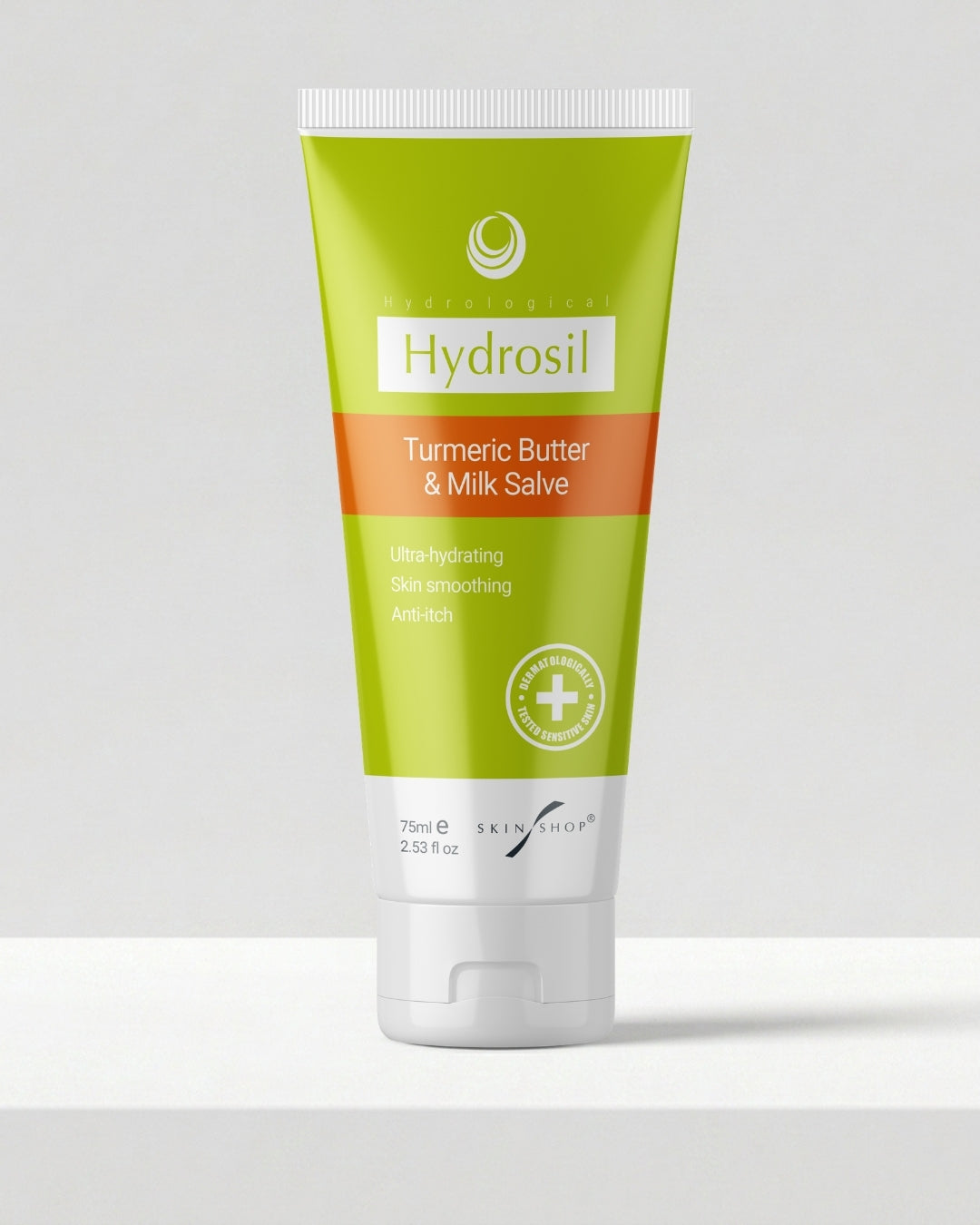
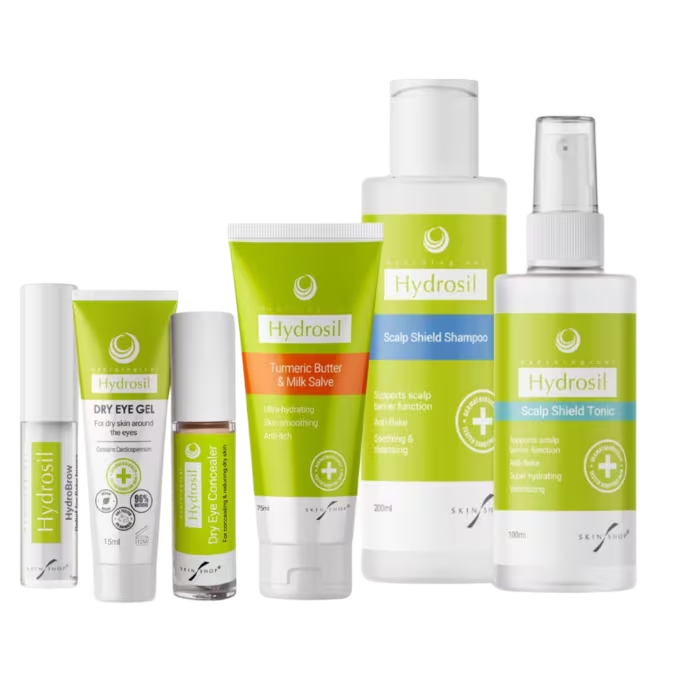
I recommend switching from a moisturiser to a salve, especially overnight, during longer periods of higher heated conditions. Try Hydrosil Turmeric Butter & Milk Salve, which contains a skin saving rich butter infused with anti-inflammatory turmeric, plus hypoallergenic donkey milk to sooth and smooth rough dry skin and a plant ‘steroid’ for reducing itching and irritation.
Slather the whole face at night with a salve and apply to dry patches such as around the nose, between the eyebrows and on dry rough cheeks during the day under any cosmetics or other day skin care products.
3. Don’t Wash Your Face With Water Or Exfoliate
This is not the time to be scrubbing your face with exfoliants or frequently washing your face with facial cleansers. In fact, its best if you try to avoid washing your face at all with water during these periods of extremely low air humidity.
Tap water is caustic and contains chlorine and both can whip moisture quickly from the surface of the skin. And while exfoliating can help clean out pores, it does strip away essential oils from the surface of the skin so its best avoided when the skin is in conditions when its struggling to retain moisture.

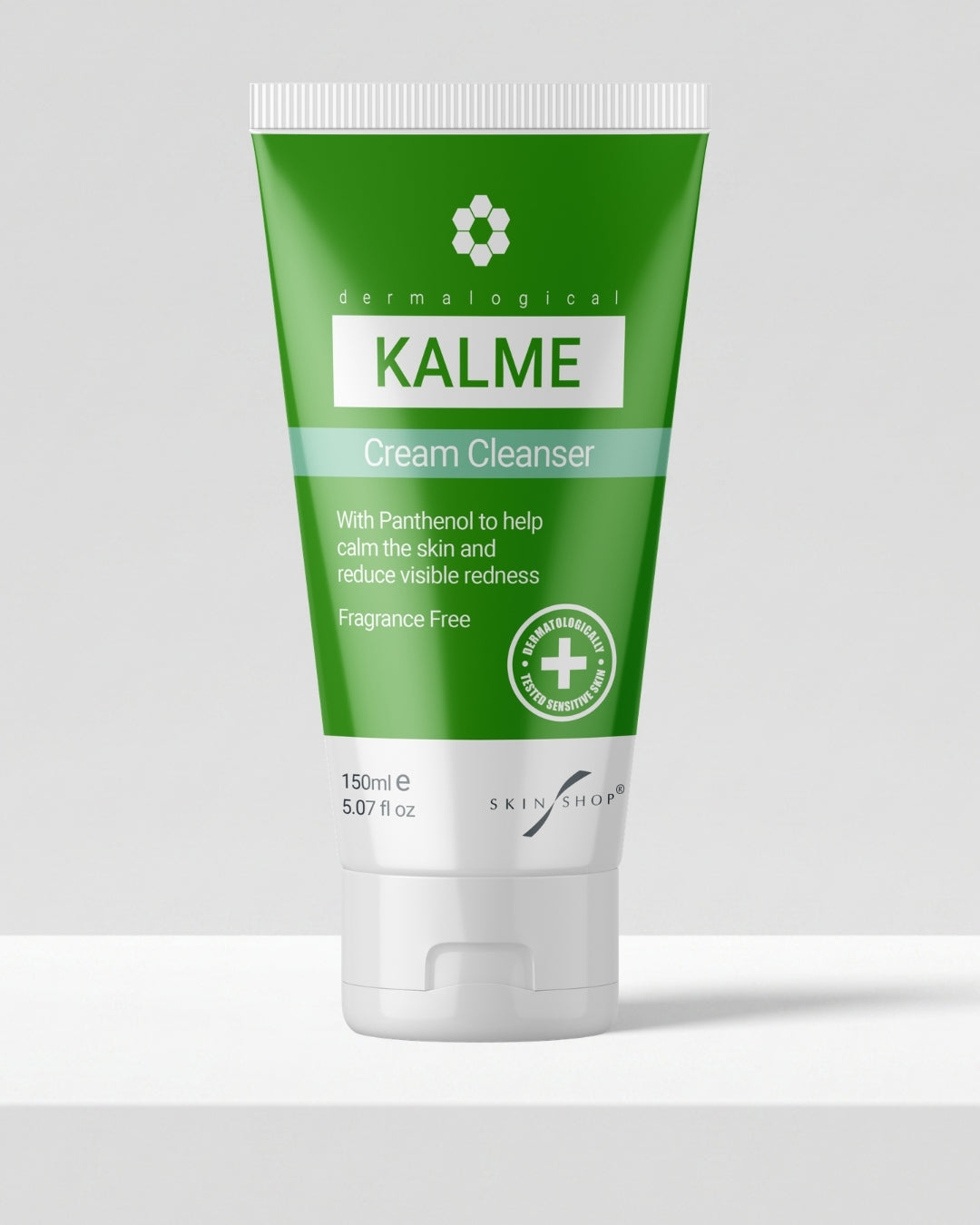
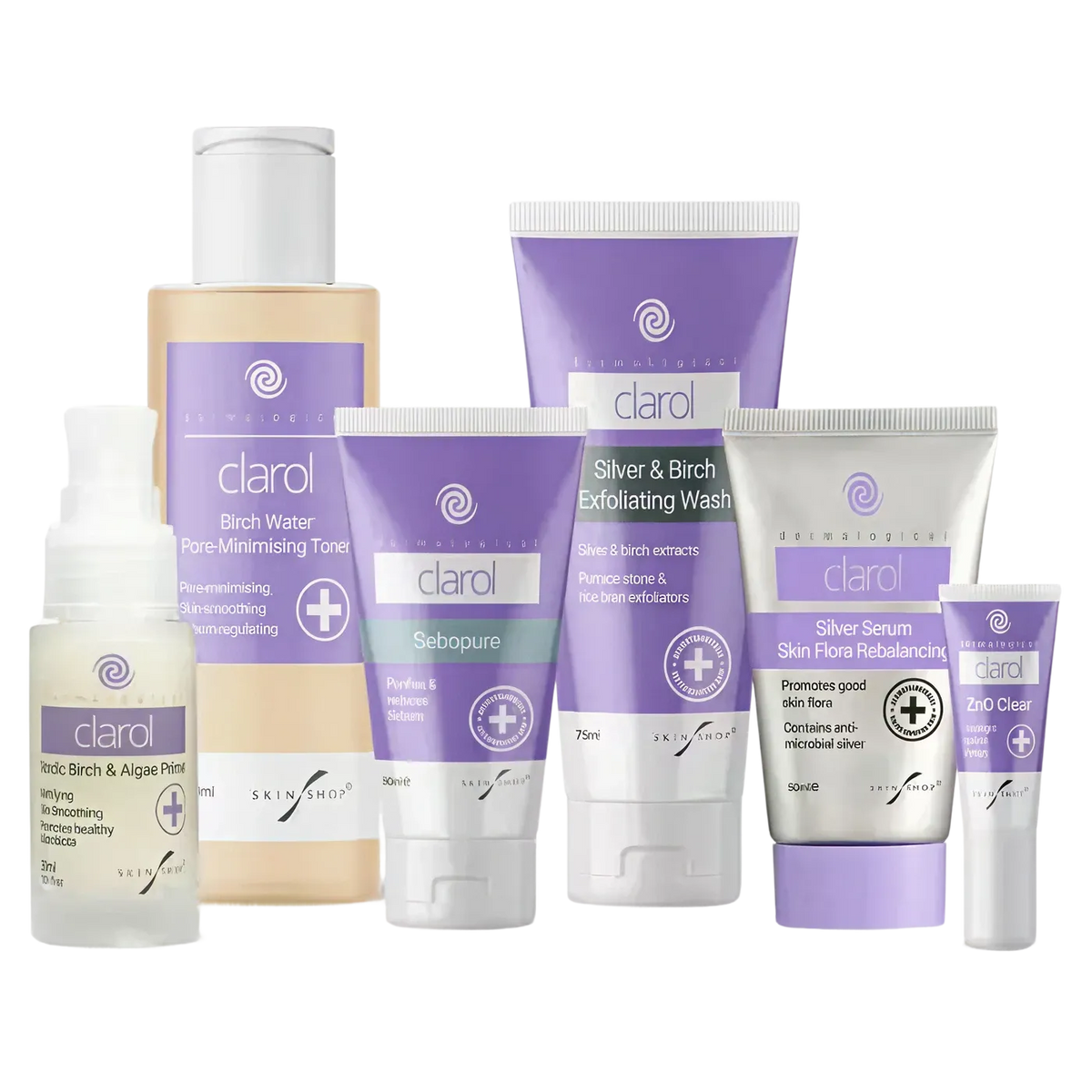
Instead switch to a water-free cream cleanser to clean skin while retaining as much moisture as possible during the cleaning process. Try Kalme Water-Free Cream Cleanser that contains anti-redness and moisturising ingredients while effectively removing dirt, grease and make up. If you feel your skin isn't clean enough after cream cleansing, give it a second cleanse with a clarifying toner, this is preferable to cleansing it with water. Try Clarol Birch Water Pore-Minimising Toner, a bioactive skin toner containing two Nordic plant extracts, Nordic Birch Sap and Wild Red Clover, which helps to minimise open pores and creates a smoother skin tone and will remove any residue or lingering make up left from the cream cleansing.
4. Layer Serums Under Other Products
Redness and tightness, both typical symptoms of central heating face, are caused due to underlying inflammation triggered by a combination of a compromised skin barrier function and increased heat. Controlling underlying inflammation and tightness is key to preventing a skin flare which can result in red itchy and dry skin for weeks.

However, overburdening sensitive red skin with heavier oilier moisturisers can cause more problems than it solves. With dry skin, red skin and sensitive skin its more effective to layer moisturisation. I love the use of serums as a means of doing this. Used sparingly in a thin coat under other products they absorb quickly and offer an extra layer of protection without overburdening skin.
Ideally you want to look for serums that contain prebiotics, these are foods that nourish good skin bacteria that helps maintain and repair skin barrier function. This helps ‘feed’ the skin barrier and keep it as robust as possible. Keeping inflammation at bay is also crucial for preventing red skin and tight skin flares. So, look for anti-redness ingredients in your base coat serum. Try Kalme TeQ Serum which contains two extracts of Mexican agave, both of which are potent skin prebiotics and more hydrating that hyaluronic acid as well as proven anti-redness ingredient form young caper buds.
Apply your serum am and pm in a thin layer after cleansing and before applying any other skin care products or cosmetics.
5. Always Opt For An Outdoor SPF
UV damage is as much of a risk in winter as summer, in fact if there’s snow or frost on the ground the UV rays can be reflected back onto the skin more intensely. Cold winds and winter sun can cause a double whammy of wind burn and sun burn which can further damage skin barrier function, so a daily SPF is essential to prevent central heating complexion getting worse.
I favour mineral as opposed to chemical filter SPF’s especially for sensitive skin and red skin. Chemical filter sun creams can become unstable when exposed to UV light and so pose a greater risk of skin reactions in sensitive skin.

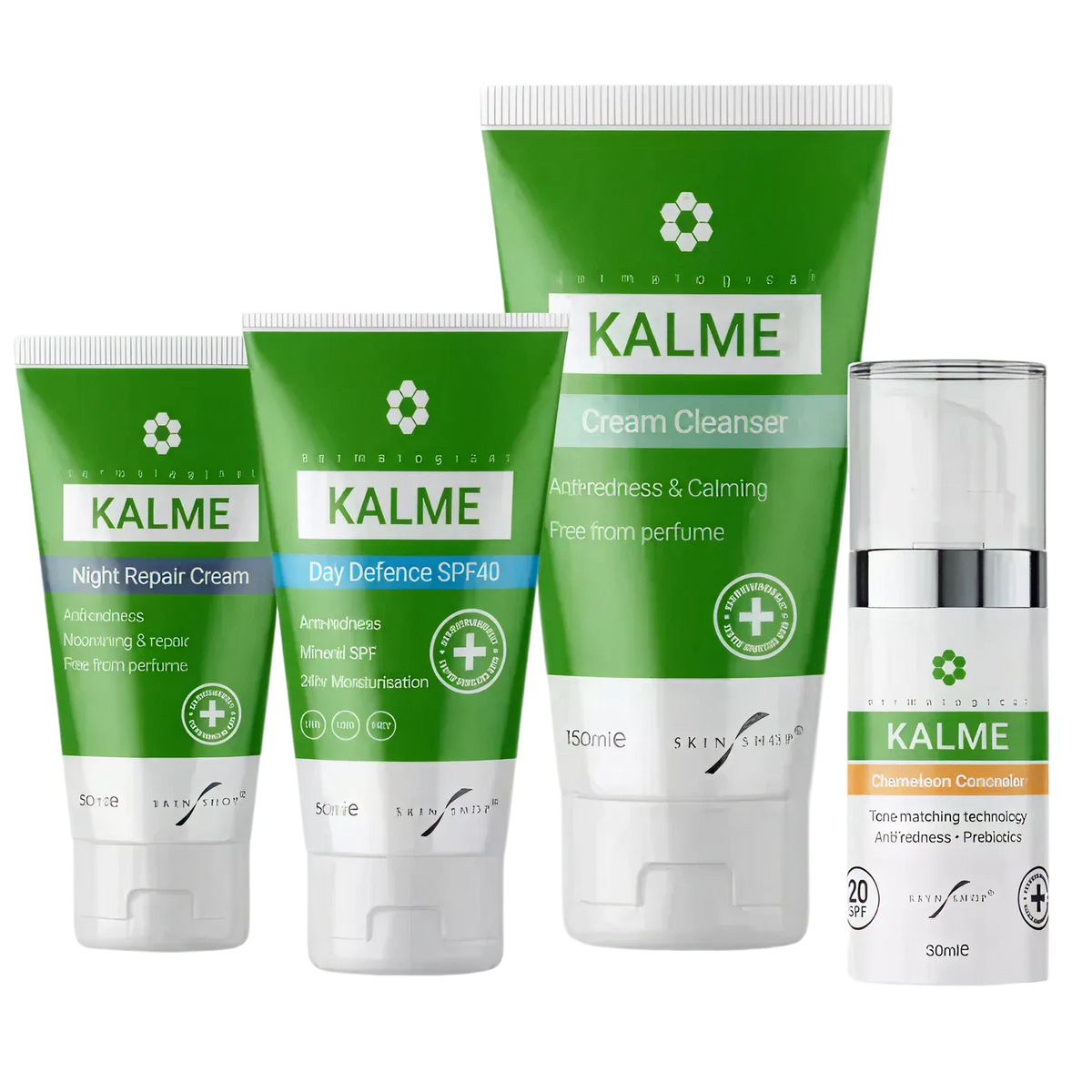
SPF’s should be at least factor 30 even in winter and those containing zinc oxide as opposed to titanium dioxide are even more stable for sensitive skin. Zinc oxide also has the added benefit of being anti-inflammatory so is excellent for controlling underlying inflammation and redness. Try Kalme Day Defence SPF40, a hard-working daily SPF for red skin and sensitive skin that contains a patented anti-redness ingredient along with antioxidants to reduce inflammation, 24-hour moisturisation and a micronized zinc oxide SPF40.
6. Apply A Balm Overnight On Lips & Nostrils
Lips and nostrils can become particularly dry and sore during periods of higher central heating as they can get easily chaffed from lack of moisture and further moisture is zapped from the lips from hot food and drinks as well as from the nostrils from nose blowing of runny noses from cold outdoor conditions and increased lip licking, which can happen unconsciously through the night during dry indoor conditions.

A lip balm is essential for avoiding crusty lips and a red flaky nose. In addition, any localised trauma to the lips and around the nose can trigger a cold sore outbreak, which is caused by the herpes simplex virus that lies dormant in the skin around the mouth and nose in approximately 50% of the population.
Using a lip balm several time a day and overnight on the lips and the area around the nostrils can help protect and prevent dry air damage to these vulnerable areas. Try Lip Q Liquorice Balm, an odourless and transparent balm that contains a concentrated extract of liquorice root which has been proven in studies to dampen the activation mechanism of the herpes simplex virus. The balm was trailed by the Herpes Virus Association and found to reduce the frequency and intensity of cold sore outbreaks if used regularly between outbreaks.