Skin Features
Guidance for confident skincare choices

Are you suffering from central heating complexion?
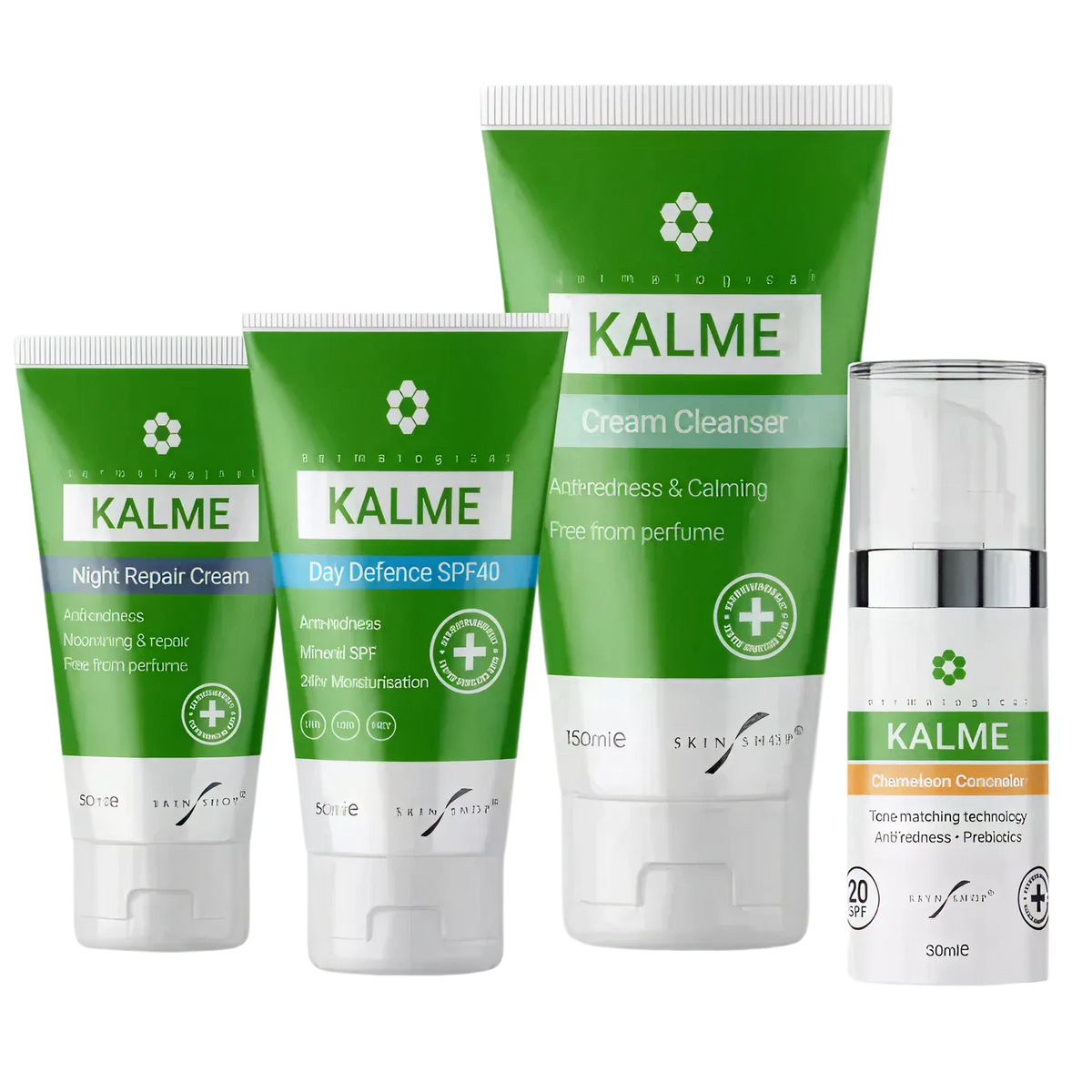
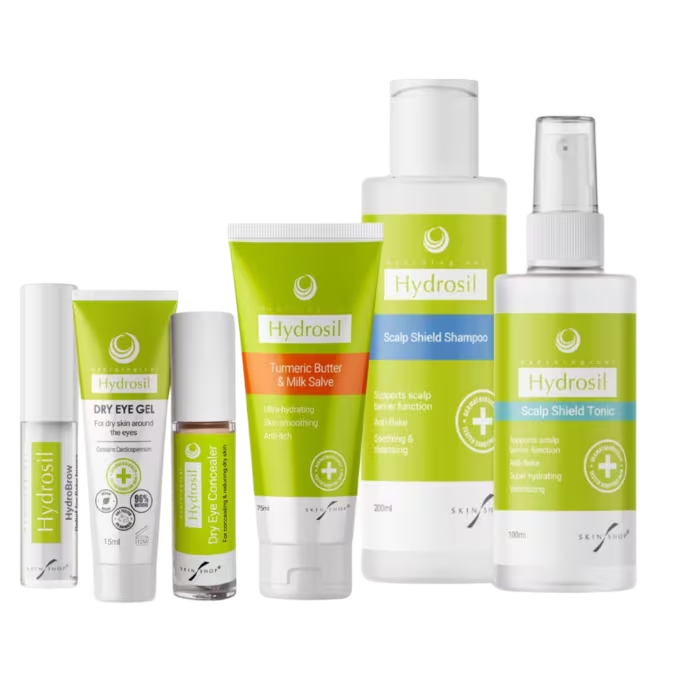
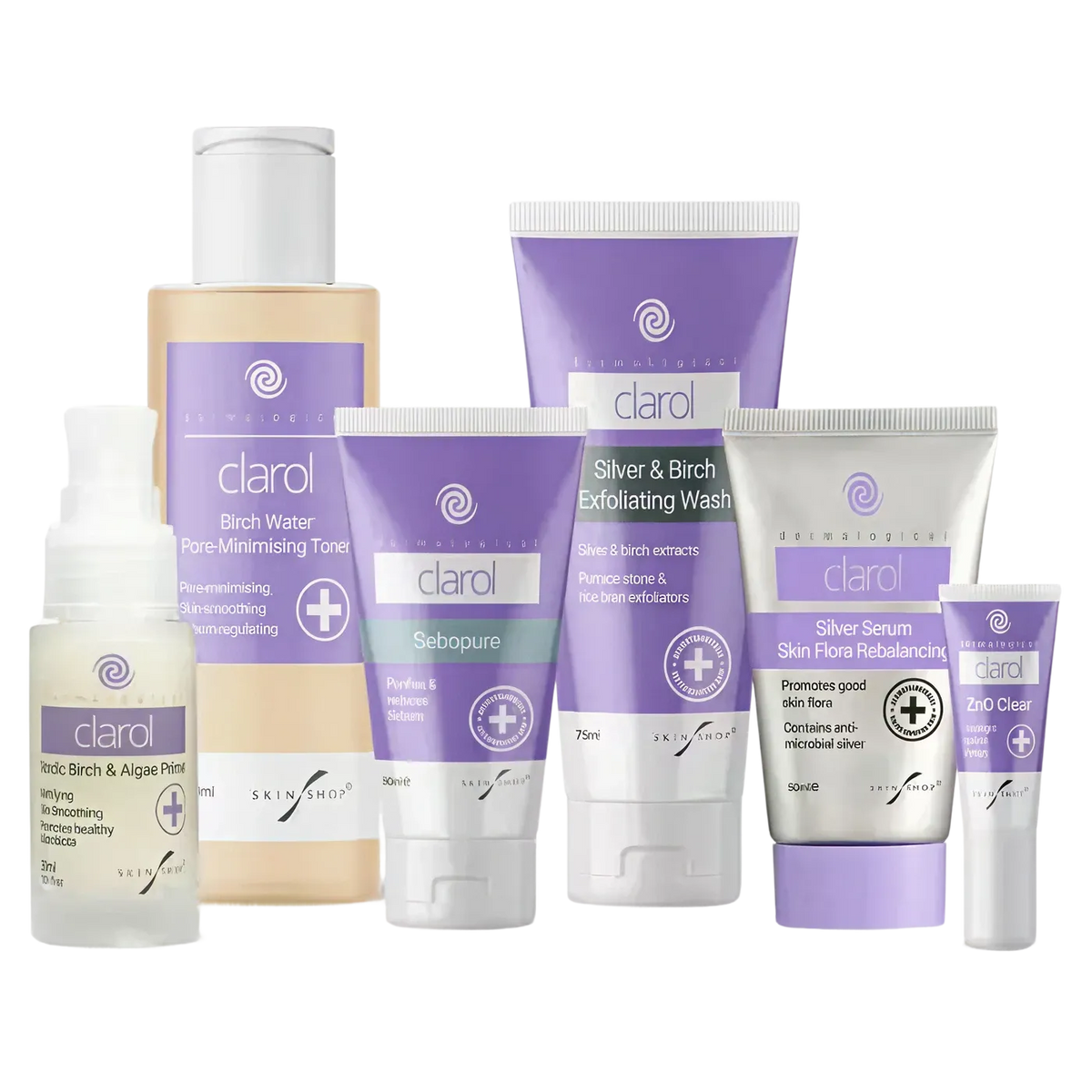
Are you waking up in the mornings at the moment with uncomfortable dry, red and tight feeling skin? If so it’s likely that you are suffering from a common condition called ‘central heating face.’ As the cold snap intensifies, many people are turning up their central heating a few notches or leaving it on for longer periods to cope with the plunge in outdoor temperatures. While this might make for a much cosier weathering of these icy and snowy conditions it can have quite a negative impact on your skin especially if you are already prone to redness, sensitive skin and dry skin or are experiencing the turbulance of menopausal skin. Dryness, tightness and redness, all of which can take on a more permanent stature if left unattended, can be a fall out from increased exposure to centrally heated indoor conditions which can last for months after the cold snap has eased so it’s vital to make sure you protect and treat reactive and dry skin during cold snap conditions when central heating is higher and on for longer periods. Heavily heated houses zap the humidity from the indoor air, which in turn does the same to skin. If your skin already has a compromised skin barrier from conditions such as rosacea, eczema or psoriasis, then spending prolonged periods in centrally heated conditions can accelerate TEWL (trans epidermal water loss) resulting in redder, drier and tighter skin that can feel very sensitive and itchy. Dermatologist Dr Eva Melegh outlines 6 ways to combat central heating complexion and protect skin from longer-term damage that can be triggered by periods of increased indoor heating. 1.Practice Household Habits That Increase Humidity While de-humidifier machines are the best way for increasing the humidity in a room, they are expensive. There are several household habits that can help increase humidty indoors. Leaving a bowel of water in your room, preferably near a radiator, can be a cheaper way to help increase the air humidity in the room when you sleep although it will not be as effective as a humidifier. Use a wider shallow bowl and place it near a radiator as this will help speed up the evaporation process. Boiling any food in water with the lid off can also help increase humidity in a room. You can save money and increase humidity indoors by reducing the use of tumble driers and let damp clothes dry on a rack near radiators. Other ways to increase indoor humidity are after showers leave the shower door and bathroom door open to let the steam into other areas of the house. Allowing hair to dry naturally without blown drying can also help not only increase humidity but also helps retain more moisture in the scalp to reduce the risk of dry scalp. 2. Switch to a Skin Barrier Saving Salve The key to preventing or reducing central heating face is to preserver and protect the skin barrier. The best way to do this is to use a skin care product that doesn’t get absorbed as quickly and so keeps an physical effective ‘barrier’ for the skin against the dry air for longer. I recommend switching from a moisturiser to a salve, especially overnight, during longer periods of higher heated conditions. Try Hydrosil Turmeric Butter & Milk Salve, which contains a skin saving rich butter infused with anti-inflammatory turmeric, plus hypoallergenic donkey milk to sooth and smooth rough dry skin and a plant ‘steroid’ for reducing itching and irritation. Slather the whole face at night with a salve and apply to dry patches such as around the nose, between the eyebrows and on dry rough cheeks during the day under any cosmetics or other day skin care products. 3. Don’t Wash Your Face With Water Or Exfoliate This is not the time to be scrubbing your face with exfoliants or frequently washing your face with facial cleansers. In fact, its best if you try to avoid washing your face at all with water during these periods of extremely low air humidity. Tap water is caustic and contains chlorine and both can whip moisture quickly from the surface of the skin. And while exfoliating can help clean out pores, it does strip away essential oils from the surface of the skin so its best avoided when the skin is in conditions when its struggling to retain moisture. Instead switch to a water-free cream cleanser to clean skin while retaining as much moisture as possible during the cleaning process. Try Kalme Water-Free Cream Cleanser that contains anti-redness and moisturising ingredients while effectively removing dirt, grease and make up. If you feel your skin isn't clean enough after cream cleansing, give it a second cleanse with a clarifying toner, this is preferable to cleansing it with water. Try Clarol Birch Water Pore-Minimising Toner, a bioactive skin toner containing two Nordic plant extracts, Nordic Birch Sap and Wild Red Clover, which helps to minimise open pores and creates a smoother skin tone and will remove any residue or lingering make up left from the cream cleansing. 4. Layer Serums Under Other Products Redness and tightness, both typical symptoms of central heating face, are caused due to underlying inflammation triggered by a combination of a compromised skin barrier function and increased heat. Controlling underlying inflammation and tightness is key to preventing a skin flare which can result in red itchy and dry skin for weeks. However, overburdening sensitive red skin with heavier oilier moisturisers can cause more problems than it solves. With dry skin, red skin and sensitive skin its more effective to layer moisturisation. I love the use of serums as a means of doing this. Used sparingly in a thin coat under other products they absorb quickly and offer an extra layer of protection without overburdening skin. Ideally you want to look for serums that contain prebiotics, these are foods that nourish good skin bacteria that helps maintain and repair skin barrier function. This helps ‘feed’ the skin barrier and keep it as robust as possible. Keeping inflammation at bay is also crucial for preventing red skin and tight skin flares. So, look for anti-redness ingredients in your base coat serum. Try Kalme TeQ Serum which contains two extracts of Mexican agave, both of which are potent skin prebiotics and more hydrating that hyaluronic acid as well as proven anti-redness ingredient form young caper buds. Apply your serum am and pm in a thin layer after cleansing and before applying any other skin care products or cosmetics. 5. Always Opt For An Outdoor SPF UV damage is as much of a risk in winter as summer, in fact if there’s snow or frost on the ground the UV rays can be reflected back onto the skin more intensely. Cold winds and winter sun can cause a double whammy of wind burn and sun burn which can further damage skin barrier function, so a daily SPF is essential to prevent central heating complexion getting worse. I favour mineral as opposed to chemical filter SPF’s especially for sensitive skin and red skin. Chemical filter sun creams can become unstable when exposed to UV light and so pose a greater risk of skin reactions in sensitive skin. SPF’s should be at least factor 30 even in winter and those containing zinc oxide as opposed to titanium dioxide are even more stable for sensitive skin. Zinc oxide also has the added benefit of being anti-inflammatory so is excellent for controlling underlying inflammation and redness. Try Kalme Day Defence SPF40, a hard-working daily SPF for red skin and sensitive skin that contains a patented anti-redness ingredient along with antioxidants to reduce inflammation, 24-hour moisturisation and a micronized zinc oxide SPF40. 6. Apply A Balm Overnight On Lips & Nostrils Lips and nostrils can become particularly dry and sore during periods of higher central heating as they can get easily chaffed from lack of moisture and further moisture is zapped from the lips from hot food and drinks as well as from the nostrils from nose blowing of runny noses from cold outdoor conditions and increased lip licking, which can happen unconsciously through the night during dry indoor conditions. A lip balm is essential for avoiding crusty lips and a red flaky nose. In addition, any localised trauma to the lips and around the nose can trigger a cold sore outbreak, which is caused by the herpes simplex virus that lies dormant in the skin around the mouth and nose in approximately 50% of the population. Using a lip balm several time a day and overnight on the lips and the area around the nostrils can help protect and prevent dry air damage to these vulnerable areas. Try Lip Q Liquorice Balm, an odourless and transparent balm that contains a concentrated extract of liquorice root which has been proven in studies to dampen the activation mechanism of the herpes simplex virus. The balm was trailed by the Herpes Virus Association and found to reduce the frequency and intensity of cold sore outbreaks if used regularly between outbreaks.
Learn more
7 New Year Hacks to Heal Holiday Skin Havoc
New year new you right? Unfortunately, your skin may not be quite in step with the pace of your new year’s resolutions. After two weeks of overindulgence, late nights, not enough sleep, party make up and way too much alcohol, skin can look more like its at the end of a long and tiring journey rather than that at the start of a bright new beginning. Getting skin back on track in the New Year needs some special attention to address some of typical skin issues that may be blighting your new year complexion. Seven skin experts highlight some of the most common skin issues that many of us face after the festive season and to offer their best advice on how to deal with them so ensure your new year skin gets off to a clearer and calmer start. 1. Bloated Post-Festive Face An increase in salty and fatty foods salt intake causes your body to retain fluid, leading to puffiness especially in the face. Dehydration from excessive alcohol can make your body hold onto the fluid it has, causing a bloated or puffy face. Not enough or disturbed sleep can also lead to facial puffiness as can elevated levels of the stress hormone cortisol. Consultant dermatologist Dr Eva Melegh says, “an excellent and simple remedy for a puffy face, besides drinking more water, is coconut water due to its potassium and hydrating properties, which reduce fluid retention and inflammation. Drink a glass of coconut water first thing in the morning and avoid coffee for a few days. You can also apply it topically as a toner by dabbing it on the skin with a cotton ball. For a more intensive treatment, freeze it into ice cubes to gently massage over the face. Or make your own face mask using coconut water with other ingredients like turmeric and a drop of coconut oil mixed into a paste and applied directly to the face and then rinsed off after 10-15 minutes." 2. Itchy Dry Eyelids Itchy dry eyelids can be a post-festive skin issue whether you normally suffer from dry skin or eye eczema or not because the eyes are one of the first places to get affected by low humidity weather, central heating, lack of sleep and party makeup overload. Professional makeup artist Helen Andrew, who suffers from bouts of eye eczema herself, says: “As a general rule when having an eye eczema flare up I tend to avoid putting any make up directly onto the irritated skin. Here’s a few of my top tips for managing dry flaky and itchy eyelids; Firstly, using a life-saver of a product for my eye eczema prevention called Hydrosil Dry Eye Gel has been a game changer for me! Where it during the day under all make up and at night. Just make sure you allow 5-10 minutes for the gel to really absorb into the skin before applying your make up, this will maximise the benefits without moving the gel when applying makeup on top. Avoid make up which contains talc, perfume, zinc and preservatives. These are all common irritants found in makeup.A lot of powder eyeshadows can contain talc, so I would opt for a cream-based eyeshadow to help avoid irritation. Clean your eyes and lashes thoroughly! Asides from makeup, we touch our eyes throughout the day usually without realising but especially during those hay fever months when rubbing our itchy eyes becomes more common. Our hands touch many surfaces throughout the day, gathering dirt we cannot physically see so daily cleansing is a routine we must get into the habit of doing! Cleaning the root of my lashes twice a day with diluted baby shampoo has hugely helped to keep my symptoms under control, dipping a cotton bud into the solution and running it along my lash line (top and bottom) really helps to remove the build-up of bacteria that begins to form on the lashes through the use of makeup and the general outdoor elements, pollution and dirt etc. I use one end of a clean cotton bud for each lash line to avoid cross contamination.” 3. Congested Pores The increase in fatty rich foods over the festive season, higher levels of cortisol from the stress of large family gatherings and late night and more party make up than normal can mean that sebum production can increase, causing greasy skin and clogged congested pores. Dr Barbara Brockway, a skin Biochemist and lecturer at Reading University says; “It’s a common misconception that excess sebum is the cause of acne triggers, and treatments that aim to dry up or reduce sebum production are not necessarily aiming at the root cause of the problem. It’s not sebum itself that is the enemy, it’s rancid sebum. Rancid sebum is caused by the process of oxidisation when the sebum is mixed with oxygen on reaching the skin’s surface and starts to rot. The acne bacteria’s main food source is rancid sebum, and so the more food it feeds off the quicker it multiplies leading to pore blockages, inflammation and of course acne. Pixalia, which is the principle in the Clarol Sebopure is a polyphenol rich extract with seven scientific studies showing its effectiveness for helping adult acne and its function for preventing acne is relatively simple. Its main function is that it prevents the oxidation process of sebum, keeping sebum preserved and pure. If sebum remains pure the acne bacteria is effectively starved, resulting in less pore blockages and acne prevention yet without damaging or drying surrounding skin. Sebum is actually the skin’s natural moisturiser so providing it remains pure and doesn’t get contaminated or rancid, a high production of it can be beneficial to adult skin in terms of maintaining moisture and conditioning.” 4. Red Cheeks A higher intake of spices or rich food and more alcohol as well as lack of sleep, stress and moisture zapping central heating and indoor log fires with cold dry temperatures outside leave sensitive skin flushed and dry, especially on the cheeks. Dermatologist Dr Eva Melegh says; "Frequently flushed or red skin is caused by blood vessels opening and blood rushing to the surface of the skin, a condition called rosacea. But even people without rosacea or in the early stages of it can still experience lingering flushed red skin after too much excess and stress. If the redness lingers and is accompanied by skin sensitivity and sometimes bumpiness it’s a sure sign it’s likely to be a rosacea flare. “People over 50 with fair complexions are more prone to developing rosacea, although darker skin tones can also have it it’s just not so obvious to see it. Age is a risk factor because the blood vessels become weakened and less elastic, meaning they gape open for longer when the blood rushes in and so the redness lingers and is a deeper red color, often described as ‘liver red’. “When rosacea flares, even washing the face with water can trigger red flushing due to the sudden change in temperature on the surface of the skin. Likewise cold winds, central heating and other sudden temperature changes can trigger a rosacea flare making the festive period a prime time for a red skin flare. Dedicated skincare with a regular routine and not lots of changing or new ingredients is the best way to reduce red skin flares along with cutting out alcohol and spicey food for a few weeks, wearing an SPF daily and not washing your face with tap water. Kalme Skincare is a complete dedicated rosacea prevention skincare range for very sensitive skin prone to rosacea and contains targeted ingredients for the multiple symptoms of rosacea such as anti-redness, prebiotic skin repairing, mineral SPF40, anti-inflammatory antioxidants, water-free cleansing and a treatment concealer. Due to it being a complete skincare range, there’s no need to use any other products which means reactive red skin won’t be getting any nasty surprises from problematic skin care ingredients." 5. Crusty Lips The herpes simplex virus that causes cold sores affects over 50% of the population and lies dormant in the skin around the lips until its activated, usually when the body’s immune system is lowered or when there is any trauma to the lips such as dryness or chapping. This means the post-festive period is a prime time for a cold sore outbreak. But there’s not much available at chemists for preventing the risk of a cold sore outbreak. Most treatments are for one a sore has arrived, by which time it will typically be at least a week before it starts to heal. Marian Nicholson from the Herpes Viruses Association says; “A trial by the Herpes Virus Association found that a lip balm containing a highly concentrated extract of glycyrrhizic acid (liquorice root) reduced the severity and duration of cold sore outbreaks for over 73% of subjects tested and, furthermore, 83% of subjects using the Lip Q Liquorice Balmreported experiencing less severe outbreaks and also helped reduce the frequency of cold sore outbreaks if used regularly, making it one of the few products with a proven cold sore preventation action.” 6. Scratchy Scalp After a period of more blow dries than normal, and lots of styling products and party hair along with drier colder weather, post-festive scalps can be left feeling dried out, flaky and irritated. But be careful not to assume this is normal dandruff, which is caused by fungal overgrowth. Post-party dry scalp is more likely to be dry scalp dandruff caused by mild scalp reactions to hair products and overuse of hair driers. Trichologist Tony Maleedy says: “Conventional anti-dandruff shampoos contain anti-fungal agents which can actually make dry scalp dandruff considerably worse. You need to use a shampoo specially for dry scalp dermatitis. I trialled Hydrosil Scalp Shield Shampoo which is formulated for sensitive scalps or conditions such as scalp eczema and scalp dermatitis. In addition to the anti-flaking and anti-inflammatory ingredients in the shampoo, the product’s Ph balance is 6, which is very close to the skin’s natural Ph of 5. Most OTC shampoos have a very high Ph but this high Ph is too harsh for sufferers of dry scalp dandruff and can actually make the flaking worse. The results of the trial carried out at Bath University showed a very high success rate of Hydrosil Scalp Shield Shampoo not only for clearing the scalp of dermatitis scales and flakes but also preventing their return, reducing any underlying erythema (inflammation) and causing a marked reduction in dryness, irritation and sensitivity of the scalp.” 7. Irritated Intimates Vaginal discomfort and dryness effects 1 in 4 women and the festive season can be a problematic period for this uncomfortable skin condition due to stress, disturbed sleep, dehydration, increased sexual activity and too much alcohol. Intimate itching, irritation and dryness are a common issue after the festive season. When considering ways to rejuvenate skin after the havoc of the festive period, intimate skin should not be forgotten. Dr Debjani Mukhopadhyay, consultant NHS gynaecologist says; 'Vaginal dryness is caused by acidic pH level of the vagina becoming more alkaline, which is ideal for bad bacteria to flourish and infections to develop. The use of restorative prebiotic compounds, such as in In2mate Natural Moisturiser, in vaginal skincare encourages the growth of good bacteria which studies show can help repair irritated, chafed and infected skin in vaginal skin and help with vaginal dryness prevention. "
Learn more
5 Ways To Combat Christmas Stress Through Your Skin
Christmas is a time for rejoicing and spending time with family and friends, but it can also bring a lot of stress due to house guests, large family gatherings, large meal preparation, last-minute Christmas shopping and travel plans. One of the first places where stress is likely to appear is on your skin and having irritating or uncomfortable skin issues over the festive season is a sure way to make an already potentially stressful time much worse. “Skin typically suffers at Christmas for anyone with problem skin conditions due to increased levels of stress, temperamental weather, stuffy indoor environments and increased alcohol and fairly extreme changes in diet ,” says dermatologist Dr Eva Melegh. “Atopic skin conditions, red and sensitive skin, acne-prone skin, scaly skin and cold sores are all recurrent and chronic skin conditions that can flare up during the festive season, adding to heightened Christmas stress.” Dr Melegh offers five ways to combat Christmas stress via your skin. 1. 1Boost good skin bacteria for better mental health A new study (1) has discovered a direct link between improved skin quality and better mental wellbeing, measured via levels of good skin bacteria. The new study examined skin from the face, scalp, underarm and forearm of over 50 participants. The study found that higher levels of a beneficial strain of the skin bacteria Cutibacterium, which is important for building and maintaining skin barrier function, was directly linked to improved mental health lowered stress and better sleep. Cutibacterium bacteria showed consistent associations with psychological wellbeing across multiple body locations but its presence in higher levels on the face was the area most effectively linked to reduced stress. Skincare products that contain prebiotics feed good skin bacteria. This is one of the most effective ways to increase levels of good bacteria on the skin. Increased good skin bacteria also helps prevent inflammation and infection from acne lesions. Clarol Silver Serum, which contains a silver ingredient that feeds good skin bacteria while being repellent to bad skin bacteria, including acne bacteria. Used daily it can quickly alter the bacterial balance of the skin towards an abundance of good skin bacteria. 2. Reduce Inflammation For Less Redness Reducing inflammation in the body can significantly help reduce inflammatory skin reactions like rosacea flares as well as atopic itchy skin flares and psoriasis flares. Taking a super antioxidant in the run up to Christmas can significantly help calm down inflammatory skin responses. Reservatrol is one of the strongest antioxidants available and is a natural compound found in plants like red grapes, peanuts, and berries. It’s known for its anti-inflammatory properties and can be taken as a daily supplement. Experts also suggests (2) that anti-inflammatory spices such as turmeric, ginger, cinnamon, and cumin can also help reduce inflammation. Taking a probiotic or eating probiotics foods such as yogurt, sauerkraut, kimchi, miso, tempeh and kombucha, can also significantly help to reduce inflammation. 3. Calm down skin sensitivity Studies confirm that people with sensitive skin suffer higher levels of disrupted sleep and chronic emotional stress (3) To calm down skin sensitivity in the run up to Christmas, avoid skincare products, scents or aftershaves that are highly perfumed. Perfumed products are a leading cause of skin reactions and irritation. The stronger the scent of the product the more likely it is to cause skin sensitivity when used regularly on skin. Avoid washing your face regularly with water when you cleanse or clean your skin. Water is a caustic substance that can be quite harsh on skin. It also contains chlorine which can increase the risk of the skin becoming intolerant to the chlorine content of water if it’s exposed to tap water several times a day. Instead use a cleansing oil or water-free cream cleanser to clean your skin of cosmetics and dirt. After shaving, the skin is particularly vulnerable to sensitivity. If the skin becomes inflamed after shaving due to skin reactions to products, then this leads to skin barrier function damage and eventually dryness and flaking skin, which in turn increases the sensitivity of the skin. Wearing a barrier de-sensitising base cream without any chemicals or perfumes in it can significantly reduce the skin’s reactionary response. Kalme Undercoat is a light base cream that contains a specific de-sensitising ingredient that can help reduce skin sensitivity by up to 70% and should be worn under all cosmetics as well as used after shaving. 4. Dampen Itching Itchy skin can be hugely disruptive to sleep, which can then trigger a whole cascade of symptoms from a lowered immune system to depression and emotional stress. The reason why vulnerable or affected skin becomes itchier at night is that the body releases more heat at night and blood flow to the skin increases. Naturally occurring corticosteroid hormones which dampen down inflammation and itching are also in lower production at night. At the same time there's increased activity of cytokine at night, which are molecules that coordinate cells communication during immune responses, which can increase skin itching. Avoid any clothing that rubs on the affected area and try and keep it as aired and dry as possible until the skin improves. Shower in tepid water rather than hot water to reduce evaporation. Ideally sleep naked and keep the area from getting sweaty whenever possible. If sweat does build up, try and shower the dry sweat off as soon as possible and re-moisturise afterwards. Use a salve rather than a moisturiser as its stay longer on the skin and is more intensive. Hydrosil Turmeric Butter and Milk Salve which contains a plant-based ingredient that mimics the action of steroids to quickly reduce itching, as well as anti-inflammatory turmeric and soothing hypoallergenic donkey milk. Iron deficiency can also cause itchy skin. If you are suffering from a few of the other symptoms of iron deficiency alongside having itchy skin, it’s worth having your iron levels checked to see if they are low. Supplementing with iron can quickly help reduce itchy skin. There is evidence to suggest that a magnesium deficiency can cause dry skin or make skin prone to dryness worse. Supplementation with magnesium can help reduce the inflammation caused by conditions which lead to dry and itchy skin, such as eczema, psoriasis and atopic dermatitis. Melatonin is a hormone that your brain produces in response to darkness. Increased melatonin production can help aide better and more profound sleep and override restlessness from itchy skin. The amino acid tryptophan helps produce serotonin. Serotonin binds with certain enzymes to produce melatonin. Turkey contains tryptophan so a traditional Christmas lunch is a great way to boost melatonin. Daylight in the morning along with exercise also aids melatonin production. Alcohol has the effect of widening blood vessels, sending more blood to warm your skin at night which can cause increased itching. Try and keep your alcohol intake to a minimum, especially before bed as alcohol is also a diuretic so can pull moisture away from the skin, causing dehydration and making skin even drier and itchier overnight. 5. Prevent viral activity Stress, a lowered immune system from festive colds, stuffy hot environments, lack of restful sleep and dehydration can all cause the dormant herpes simplex virus that causes cold sores to wake up and cause an outbreak, making Christmas a prime time for a cold sore outbreak. Over 60% of the population carry the herpes simplex virus (4). The dry and often intense heat from log fires is a sure way to quickly develop hot, dry and dehydrated lips. Heat and dryness are an assured combination to trigger a cold sore. Keep your distance from log fires and try and turn your face away from direct heat from log burning fires. Sudden heat on the lip area from festive hot drinks like mulled wine and Irish coffees can trigger a cold sore as heat irritates the skin and causes micro inflammation which can activate the dormant cold sore virus in the skin around the lips. Try to only sip on cool temperature festive beverages, like champagne. Any trauma to the lips can trigger a cold sore outbreak and aside from chapping from dehydrated lips, abrasive foods such salty festive snacks, are the easiest way to damage lips and risk a cold sore outbreak. Tiny micro cuts from crisps and crackers to the lips and corners of the mouth raise the risk of triggering a cold sore. Salty nuts are a particular problem for cold sore prone lips. The cold sore virus requires arginine (amino acid) to replicate and thrive in your body. Depriving the virus of arginine can help reduce the duration and severity of a cold sore. Nuts are one of the richest sources of arginine so to ensure you reduce your risk of a cold sore outbreak, keep your mitts out of the nut bowl. Studies have shown (5) that liquorice root has a strong anti-viral action and is particularly effective on the cold sore virus. The key cold sore fighting ingredient in liquorice root is glycyrrhizic acid (GA). GA specifically targets the genes that are required to maintain the virus in its latent state by interfering with the production of special proteins that feed the infected cells. Lip Q Liquorice Lip Balm is a natural, transparent and odourless lip balm containing a highly concentrated extract of liquorice root which if applied regularly, according to a study carried out by the Herpes Virus Association, can help prevent the intensity and frequency of cold sore outbreaks, Refs 1. British Journal of Dermatology, Volume 193, Issue Supplement_2, October 2025, Pages ii6–ii14, https://doi.org/10.1093/bjd/ljaf177 2. https://nationaleczema.org/blog/ways-to-avoid-inflammation-if-have-eczema/ 3. https://www.cosmeticsdesign-europe.com/Article/2025/09/17/is-modern-living-damaging-skin-galdermas-new-global-study-says-yes/ 4. https://www.who.int/news-room/fact-sheets/detail/herpes-simplex-virus 5. The Journal of Clinical Investigation pg 591Francesca Curreli,1 Alvin E. Friedman-Kien,1,2 and Ornella Flore1,2 1Department of Microbiology and 2Department of Dermatology, New York University School of Medicine, New York, New York, USA.
Learn more
12 Days To Calmer Clearer Christmas Skin
Christmas fever is already here. However, for those who suffer from common chronic skin conditions such as acne, rosacea, psoriasis, eczema and cold sores, that Christmas fever can quickly turn into a Christmas flare up. Stuffy heated environments indoors, cold biting winds outdoors, increased alcohol, a change in diet and less sleep plus the increased stress of travel plans, gift-shopping and large family gatherings are all triggers for an uncomfortable Christmas skin flare. Add to that new cosmetics, skincare products and perfumes that often comes as gifts at Christmas and your skin could be dreading Christmas this year. Dermatologist Dr Eva Melegh gives 12 steps to calmer and clearer Christmas skin this year. Day 1 - Dust Off Decorations We get the Christmas decorations fake trees out once a year and often they are stored in lofts or outhouses for the remainder of the year. This means that they will typically be coated in dust and perhaps also some mould both of which can trigger skin allergies in people with dermatitis or atopic skin. Therefore, always thoroughly dust off Christmas decorations before taking them into the house and preferably leave them outside to air for a few hours. If it’s possible to spray them off with some water that can also help. Day 2 - Simplify Skincare Routine Calming sensitive skin prone to rosacea and break outs down before the festive period is essential to staving off a flare up or break out over Christmas and new year. The best way to do this is by simplifying your skincare regime. For a few weeks before the festive period is to try and cut out as many chemicals and perfumes being applied to skin via skincare products. Try and switch to chemical and perfume free skincare products and reduce your skincare to the bare minimum a few weeks before Christmas. The less products you use the better. Many people do the opposite in a bid to try and get clearer skin for the party season by increasing their skincare with facials, exfoliants and face masks, but this can do more harm than good for sensitive skin. Using a de-sensitising moisturiser that is free from chemicals and perfumes can dramatically help calm skin down in the run up to the festive season. Kalme Undercoat is a light perfume-free and chemical-free base cream that can be worn as a stand alone cream or under any cosmetics and contains a special tetra-peptide proven to reduce the skin’s sensitivity and protect it from potential irritants. Day 3 - Turn Down The Heat Christmas is that time of year when we tend to spend more time couped up indoors in centrally heated environments or in front of cosy indoor fires. Lowering the central heating can help conserve skin as too much heat can be very drying for skin, especially if its prone to dryness or is atopic. One of the first areas to feel the effects of centrally heated environments are eyes because the delicate skin around the eyes holds less moisture than the skin elsewhere on the body and face. As soon as the skin around the eyes and on the eyelids becomes dry it can start to feel itchy and over sensitive and trigger conditions such as blepharitis and eye eczema. Therefore, it’s important to pay special attention to the skin around the eyes as soon as the central heating goes on. Slathering on layers of eyes creams as this can cause puffiness in the mornings. Lighter gels and serums are best for use around the eyes but used more frequently. Hydrosil Dry Eye Gelcontains a plant steroid equivalent proven to help reduce irritation, itching the dryness around the eyes which can be worn under cosmetics as well as overnight. Intimate vaginal skin can also be very susceptible to central heating at night, causing vaginal dryness and irritation. Avoid wearing underwear when sleeping and using an intimate moisturiser can help guard against vaginal dryness from centrally heated bedrooms. In2mate Moisturiser is an almost 100% natural and perfume-free intimate moisturiser that contains a patented antioxidant PROTEOLEA® which helps rejuvenate vaginal skin by slowing down skin cell damage and improving flexibility plus a prebiotic Biolin ®, proven to help increase the good flora in the vagina while reducing the growth of bad vaginal bacteria to maintain healthier intimate skin. Day 4 - Prepare Skin With Prebiotics Prebiotics are one of the most helpful ingredients for applying to the skin to fundamentally aide in repairing skin barrier function in dry, fragile, sensitive and red skin. They can also help with skin prone to acne and so preparing the skin well in advance for the onslaught of festivities make be one of the best investments you can make in your skin. There’s often a confusion about the difference between probiotics and prebiotics. Probiotics are ‘good bacteria’. Prebiotics are essentially food for goodbacteria Unlike probiotics, prebiotics do not. need to be kept 'live' and so are much easier to formulate into creams and serums for the skin. Applying these to the skin is effective because the prebiotics boost in the skin’s natural production of good skim bacteria. Good skin bacteria can be depleted through a number of causes, from chemicals in skincare and pollution to antibiotics and medications. Levels of good skin bacteria can also become low due to skin conditions that damage the skin’s barrier function such as eczema and rosacea, as well as hormonal changes to the skin during menopause. Prebiotics can also help prone skin to acne whose good skin bacteria levels are often hugely damaged by the frequent use of anti-bacterial agents in most standard acne skin care. Applying prebiotics to skin helps good skin bacteria to thrive and replenish a healthier skin microbiome which fundamentally aides in helping to repair skin barrier function in order to reduce redness, dryness and sensitivity. Kalme TeQ Serum is a natural fragrance-free serum that contains two potent skin prebiotics extracted from Mexican agave that are more hydrating than hyaluronic acid and flood the skin with an abundance of good bacteria food. Day 5 - Minimise Party Make Up The more sparkly and the deeper the colours of make up the more likely it is to contain chemicals that can be problematic for skin such as parabens, imidazolidinyl urea, and formaldehyde-releasing agent and synthetic colorants, like FD&C Red 40, can trigger reactions. The glitterier the make up the more likely it is to contain metals which can cause allergic reactions and additionally nickel is often found in applicators or adhesives for false eyelashes. Stick to mineral foundations and eyeshadows in lighter shades without glitter or sparkle. Day 6 - Invest in a Salvation Salve Salves are a saviour for dry skin in winter and can be very beneficial if added to daily skincare routines and used liberally over the holiday season. Use them on all areas of rough dry or cracked skin such as elbows, ears, nostrils, eyebrows, knees and feet. Hydrosil Turmeric Butter & Milk Salve is a rich salve with naturally active ingredients that have a proven anti-inflammatory and soothing action for very sensitive dry skin and skin prone to eczema. Day 7 – Ditch The Blow Dries When talking about sensitive skin and skin conditions everyone always talks about skin care. But, in fact, what you use on your hair can also drastically affect sensitive skin as well as cause itchy scalp. Hairdressers are typically booked out over Christmas and New year with people rushing to have their hair done for the party season. So before you head to the salon for that festive new do, switching to a more natural and clarifying hair care product for a week before Christmas will give your scalp a much-needed break to calm down before the party season. Hydrosil Scalp Shield Shampoo and Scalp Shield Tonic are perfume and chemical free hair care products for dry scalps that contain proven ingredients designed to repair and bolster scalp barrier function. It’s also helpful to avoid blow dries for at last a week before the party season kicks off. It doesn’t mean you have to have simpler flatter hair forever; it just helps prepare your skin and scalp for the onslaught of styling products and blow dries over the party season. Day 8 -Shower in Tepid Temperatures It’s tempting when relaxing during the holiday season to take long, hot showers instead of having to rush out the door to work. However, prolonged exposure to hot water can damage the outer layer of skin cells, preventing them from locking in moisture. This will, of course, exacerbate dry skin. A water temperature between 96-99F is recommended if you have dry, sensitive skin. Basically, you want the temperature to be lukewarm or around the same temperature as your skin (about 98 degrees). If you get out of the shower and your skin is red and flushed, your shower temperature is probably too high. Be aware of how often you’re washing. Showering too often can irritate the skin and cause dryness. Those with sensitive skin should shower once per day to avoid irritation. If you're doing more fitness over the holiday season, try to schedule your workouts before your daily shower. And on days you don’t do anything that causes you to sweat, you may consider just rinsing off in the shower instead of using any cleanser. Day 9 -Seek Winter Daylight Skin Therapy Get out for a stroll or some exercise during the day. The UV rays promote vitamin D production, even o overcast days. Daylight exposure stimulates the skin to produce vitamin D, which is essential for skin cell regeneration and strengthening the skin barrier. Vitamin D is important for cell growth and repair, and its anti-inflammatory effects can help speed up the healing process for some skin conditions. Day 10 -Avoid Quick Skincare Fixes It’s tempting when pressed for time, traveling for short stay overs at friends or family or in hotels to want to find some last-minute festive ‘glow ups’ and resort to quick or convenient skincare fixes such as cleansing wipes, exfoliants, face masques, under eye anti puffiness patches, all in one products and hotel skincare products. But these quick ‘fixes’ rarely fix anything and in fact if you have sensitive skin can often ended up causing more problems than solving them. Always take travel sizes of your trusted products with you or decant from your at-home containers into small travel containers and avoid anything that you haven’t tried and teste that promises to give you ‘instant’ results. Any ‘glow up’ treatments should be done as part of a structured skincare routine over a period of weeks not days and should be thoroughly road tested before the holiday season begins. Day 11 - Skip Salty Sharp Snacks Any trauma to the lips can trigger a cold sore outbreak and aside from chapping from dehydrated lips, abrasive foods such salty festive snacks, are the easiest way to damage lips and risk a cold sore outbreak, which effect over 50% of the population. Tiny micro cuts from crisps and crackers to the lips and corners of the mouth raise the risk of triggering a cold sore. Salty nuts are a particular problem for cold sore prone lips. The cold sore virus requires arginine (amino acid) to replicate and thrive in your body. Depriving the virus of arginine can help reduce the duration and severity of a cold sore. Nuts are one of the richest sources of arginine so to ensure you reduce your risk of a cold sore outbreak, keep your mitts out of the nut bowl. Assume that the festive season is a likely time for a cold sore flare ups and take preventative action. Lip Q Liquorice & Melissa Lip Gel is a natural rescue lip gel that contains Glycyrrhizic Acid (GA) extracted from Liquoirce root. GA interferes with the production of special proteins that feed cells infected with the herpes simplex virus that causes cold sores. Published research and a trial by the Herpes Virus Association found that GA applied topically at vulnerable skin can help prevent the intensity and frequency of cold sore outbreaks. Day 12 - Resist Temptation to Test Beauty Gifts Finally, the big day has arrived, and you’ve been gifted some of the latest beauty must-haves and scented what-nots from well-meaning friends and family. As much as it may offend, do not feel tempted or pressurised to use new beauty gifts or scents on Christmas Day. This is the most likely way to give yourself a skin reaction which could ruin the festivities. Store gifts away until after the festive season, take time to check the ingredients and if you decide to use them patch test them on small areas of your skin first before slowly introducing them into your skincare routine.
Learn more
6 reasons why scalp psoriasis keeps coming back
Scalp psoriasis is an infuriating condition that causes intense itching, discomfort and flaking of the scalp. It can also be fairly visible along the hair line and behind the ears. Scalp psoriasis is very common, with approximately 2-3% of the population suffering from psoriasis and 80% of those getting it on their scalp (1) . Scalp psoriasis is a chronic condition and there is no scalp psoriasis cure, but there are several things you can do to help prevent the severity and frequency of scalp psoriasis triggers, from regularly using a scalp conditioner to avoiding drinking energy drinks. Here's 6 things that might becuasing your scalp psoriasis to keep coming back; Not Using Conditioner Although many scalp psoriasis suffers will use a scalp psorisisi shampoo, they often dont opt to use a regular conditioner, which can be a mistake. This is usually because when scalp psoriasis flares up, in the first cycle of the plaques forming, the scalp can become quite oily and oozy, leaving hair feeling greasy and lank. However, as the scalp psoriasis begins the second phase of recovery when the plaques have stopped accumulating and are dispersing and receding, the skin scales can become extremely dry, crusty and silvery. Its this phase that can be potentially more damage than the initial flare up and can also lead to an increased risk of hair loss (2) “Dryness from receding scalp psoriasis scales can cause damage to the scalp barrier function, leaving it much more vulnerable to the next psoriasis flare, which can be trigger by damage or trauma to the scalp. It can also cause hair loss. Using a treatment conditioner aimed at softening and moisturising the scalp is as crucial as using a shampoo to address the scale build up in the first place as it softens and disperses dry scales and helps the scalp to repair itself as quickly as possible after a psoriasis flare. In addition many scalp psoriasis shampoos, while being effective at reducing the inflammtion of a scalp psoriasis flare, can be quite drying so often exacerbate the dryness phase after the plaques and inflammation have started to receed. Therefore a post shampoo conditioner is equally as imporant as the treatment shampoo for scalp recovery,” says dermatologist Dr Eva Melegh. Oregon Anti-Plaque Conditioner is a chemcial-free and perfume-free conditioner specifically for scalps prone to psoriasis and contains intensley moisturising ingredients along with anti-plaque ingredient Oregon grape root extract to help the scalp barrier re-generate as quickly as possible after a scalp psoriasis flare up. Blow Dries Blow drying hair with scalp psoriasis can make the recovery phase dryness much worse. The nerve endings in the scalp after a scalp psoriasis flare are also more sensitive and so blow-drying hair can cause the scalp to feel both itchier, drier and more sensitive after a blow dry. The American Academy of Dermatology recommends letting hair dry naturally without using a hair dryer if you are having a scalp psoriasis flare. If you do need to blow dry, use the coolest setting available to minimize heat exposure and don't hold the dryer in one place for too long. Keep it constantly moving to prevent heat buildup on your scalp. Frequent Sore Throat Frequent sore throats and sinus infections can also be a trigger for repeated flares of scalp psoriasis (3). If you experience frequent sinus infections rinsing the nose with salt water may help decrease this drainage. Gargling daily with warm salt water can also help stave off re-infection of a sore throat. Using an immune boosting throat spray such an echinacea throat sprays can help prevent re-occurring sore throats (4) Smoking & Vaping Studies confirm that ingestion of nicotine via any form is linked to a much higher risk of not only developing psoriasis but of more frequent more sever flare ups of psoriasis (5) Nicotine connects with acetylcholine receptors all over the body, including in the skin cells and inflammatory cells and both cell types are involved in triggering psoriasis. Research has found that nicotine compromises the immunity of skin cells, making an inflammatory response, including the red plaques of psoriasis, much more likely (6). Hot Showers “Showering in hot water can be trigger for repeated scalp psoriasis flares,” says Dr Melegh. “Unfortunately, the hotter the water it is, the more oil and moisture is removed from your skin. The longer you're in the shower, the more that this process is prolonged. Taking shorter lukewarm showers is more protective for your skin and scalp if you suffer from psoriasis.” Energy Drinks Studies have found that the amino acid taurine may trigger psoriasis and psoriatic lesions also contain elevated amounts of taurine (7) Taurine is a common ingredient in energy drinks, with some brands containing significant amounts. It’s often added along with caffeine and sugar to increase alertness and energy. Refs; https://www.medpagetoday.com/reading-room/aad/psoriasis/118107 https://pmc.ncbi.nlm.nih.gov/articles/PMC9809430/ https://www.aad.org/public/diseases/psoriasis/triggers/flares https://pmc.ncbi.nlm.nih.gov/articles/PMC3351972/ https://pmc.ncbi.nlm.nih.gov/articles/PMC5683129/#b10-ptt-6-065 https://pmc.ncbi.nlm.nih.gov/articles/PMC1747794/ https://pmc.ncbi.nlm.nih.gov/articles/PMC5577063/
Learn more
5 ways to soothe and strengthen sensitive winter skin
Winter is the worst time of year for sensitive skin due to low air humidity and dry biting winds outside and central heating inside. Sensitive skin can be a trigger for several skin conditions including rosacea, eczema and dematitis. A new study (1) that was presented at the European Academy of Dermatology and Veneriology Congress in September found that sensitive skin is a worryingly growing issue. The study was one of the largest global surveys on sensitive skin ever conducted. The study confirmed other reports that today almost 70% of people globally are affected by sensitive skin, an increase of almost 68% in the last twenty years and the figure is rising year on year. The study highlighted that people living in urban environments suffered 16% more from sensitive skin than those living in non-urban environments. Sensitive skin is associated with impaired function of the outermost layer of the skin (epidermal barrier), increased permeability of the skin, and high loss of water through the skin (transepidermal water loss). People with sensitive skin have a thinner outermost layer (stratum corneum) and a compromised skin barrier allows irritants or allergens to penetrate the skin and also doesn’t effectively protect nerve endings. The biggest issue that arose from the issue of sensitive skin, according to the new study, was that is caused an elevated level of inflammation in the body as a compromised skin barrier sends an alert signal to the brain that the body is in danger and so triggers a defensive inflammatory response. Inflammation is the main trigger for skin issues such as redness and itching. The study also found that people with sensitive skin also had higher levels of oxidative stress, which is the main cause of premature ageing in skin. People with sensitive skin also suffered higher levels of disrupted sleep and chronic emotional stress. Other studies (2) have found that women suffer more from sensitive skin than men. This is likely to be because female skin is thinner and therfore more susceptible to disruption. Women's skin is also more prone to dehyrdration due to fluctuations in female hormones (namely ostreogen), whic is another factor that makes women more prone to developing sensitive skin compared to men. “Women suffer from sensitive skin more than men, especially in later life as skin becomes thinner and more fragile around menopause and also because women tend to use cocktails of cosmetics and chemical or perfumed skin care products on their skin,” says consultant dermatologist Dr Eva Melegh. However, the number of men experiencing sensitive skin is also gradually increasing due to the widespread use of shaving products and cosmetics. Furthermore, people who excessively consume spicy foods, coffee, alcohol, and slimming products have also been found to be at an increased risk of developing sensitive skin. The long-term effect on skin barrier function from the widespread use of semaglutides for weight loss has yet to be studied. Studies have also found a correlation between decreased diversity of the skin microbiota, caused by overuse of antibiotics and anti-bacterial skin care products, and sensitive skin (3). Cold wintry weather with low humidity can make sensitive skin issues worse. Dr Melegh gives 5 ways to sooth and strengthen sensitive winter skin; Apply Skin Prebiotics Skin prebiotics to help address dryness caused by a weakened skin barrier function and also contributes to atopic skin issues, redness and rosacea. Additionally, during perimenopause skin barrier function is weakened by a drop in oestrogen production. Try Kalme TeQ Serum which contains a skin prebiotic from agave extract and is both super hydrating and skin barrier function repairing for skin prone to redness, extreme dryness and sensitivity. Don't Wash Face with Water Water is a caustic substance that is harsh on sensitive skin. It can dry it out and also the temperature change from cold water to warm central heating indoors or war water to cold winter weather outdoors can trigger a sensitive red skin flare. Tap water also contains chlorine which can increase the risk of the skin becoming intolerant to the chlorine content of water if it’s exposed to tap water several times a day. Instead use a natural gentle cleansing oil such as rosehip or a water-free cream cleanser to clean your skin of cosmetics and dirt instead of using water. Wear a Daily Mineral SPF Wear a day cream with a mineral based daily SPF (even on cloudy days) to protect skin from UV damage from sun and daylight, which can break down skin barrier function and increase the risk of sensitivity and redness. Zinc of one of the best mineral SPF for sensitive skin as it has the lowest reactivity of any mineral-based SPF. Supplement with an Antioxidant Reducing inflammation in the body can significantly help reduce inflammatory reactions in skin so taking a super antioxidant over the winter months can help calm down inflammatory skin responses. Reservatrol is one of the strongest antioxidants available and is a natural compound found in plants like red grapes, peanuts, and berries. It’s known for its anti-inflammatory properties and can be taken as a daily supplement. Use a De-Sensitising Base Cream Under Cosmetics Skin reactions to cosmetics are very common in people with sensitive skin so wearing a barrier de-sensitising base cream without any chemical or perfumes in it under any cosmetics can significantly reduce the skin’s reactionary response to irritants. Kalme Undercoat is a light base cream that contains a specific de-sensitising ingredient that can help reduce skin sensitivity by up to 70% and should be worn under all cosmetics as well as used after shaving. Refs 1.https://www.cosmeticsdesign-europe.com/Article/2025/09/17/is-modern-living-damaging-skin-galdermas-new-global-study-says-yes/ 2. https://www.sciencedirect.com/science/article/pii/S2950306X2400013X 3. H.L. Keum, H. Kim, K.J. Kim, et al. Structures of the skin microbiome and mycobiome depending on skin sensitivity Microorganisms, 8 (7) (2020), p. 1032, 10.3390/microorganisms8071032
Learn more
6 ways to wage war on winter Bacne
Back acne or bacne, is predominantly caused by a combination of clogged pores, because sebaceous glands are located in high density on the chest and back, and friction. Studies show that about 10% of the population suffer from bacne (1) and men are more prone to it than women due to higher androgen production. There’s a difference between facial skin and back skin in terms of pH, thickness, and distribution of sebaceous glands. The microbiota that lives on the back is also slightly different to the face (2). Studies suggest that back skin is more vulnerable to acne than facial skin due to various contributing factors such as sweat, oil, friction, and pressure and bacne is often more stubborn to treat than facial acne. Back sweat that is the left on the skin and not aired or dried is the main trigger for bacne, which is why winter can often become a hot bed for spotty backs as sweating under heavier and non breathable winter clothing is common as is exercising under more layers of clothing or exercising indoors. In addition, sweating at night due to central heating can also add to the problem. Dermatologist Dr Eva Melegh gives six tips on how to wage a war on winter bacne; 1.Use a back loafer Daily exfoliation in order to remove dead skin cells from the back is crucial for managing bacne. Loafers are an excellent tool for carrying out manual exfoliation of the back and ones with longer handles mean you can exfoliate your own back without someone else’s help. 2. Change bed sheets weekly Sweaty sheets which harbour external bacteria on them are a major contributing factor to bacne. Either sleep in light cotton bedclothes to protect the back from the sheets (although this doesn’t allow the back to air as well overnight) or preferably wash bed sheets at least once a week. 3. Keep Back Sebum Pure Back sweat glands produce a lot of sebum but constantly trying to scrub away sebum or using products to try and dry it up causes the body to produce even more sebum so it’s a loosing battle. Sebum is only a problem once it becomes rancid when it oxidises with external bacteria when it reaches the surface of the skin. If sebum can pass out through the skin pores without becoming contaminated and clogging the pore and causing infection, then largely the formation of bacne is avoided. After manual back exfoliation, preferably in the evenings to clear away any old and accumulated sweat and bacteria, try Clarol Sebopure, a light skin serum that contains a sebum purifying ingredient made from wild mustard leaf that helps preserve the sebum as it passes out through the skin pore overnight. 4. Avoid back packs Back packs either for daily use or use during sport are a significantly contributing factor to a build up of back sweat. The more the back sweats, the more likely that bacne will start to form as it’s the bacteria lurking in the old back sweat that mixes with the back sebum that causes bacne. Add to this the friction from the back pack and you have the perfect storm for a bout of bacne. 5. Less back friction Gym works outs and gym clothing that loads more friction on the back is more likely to result in bacne. So, weights that are placed on the top of the shoulders or sport clothes that are tight on the central shoulder blades can cause excess friction. When working out on gym machines with back rests it’s helpful to place a towel on the back rest to soak up excess swear and to offer a little more glide from back friction when wight bearing. 6. Increase good back bacteria The back often attracts a lot of bad bacteria due both to the area of the back itself, accumulated sweat, bacteria from chair rests, public transport, gym equipment and people’s hands as well as unwashed clothing and bedsheets. To help prevent the back becoming overrun with bad skin bacteria it’s crucial to make sure good back bacteria, which is weaker than bad skin bacteria, is kept at optimum levels as this helps keep the level of bad back bacteria in check. You can do this by applying topical products that feed and bolster good skin bacteria such as Clarol Silver Serum, which contains a patented silver ingredient that feeds good skin bacteria while also being repellent to bad skin bacteria and stay active on the skin for up to eight hours. This is an ideal product to use in the mornings before heading out for the day to work, or before gym workouts of exercise to help keep the back teaming with good skin bacteria. Ref’s 1, https://www.dermatologytimes.com/view/all-you-need-to-know-about-back-acne#:~:text=Truncal%20acne%2C%20or%20back%20acne,of%2070%25%20to%2085%25 2. Dagnelie MA, Montassier E, Khammari A, Mounier C, Corvec S, Dréno B. Inflammatory skin is associated with changes in the skin microbiota composition on the back of severe acne patients. Exp Dermatol. 2019;28(8):961-967. doi:10.1111/exd.13988
Learn more
6 woes that rainwater can wage on problem skin
After a hotter and drier summer than we have seen in the UK and Europe for years, the rain has finally arrived. The first of what looks to be a carousel of autumnal storms have begun, bringing with it low pressure and plenty of rain. With many areas of the UK and Europe suffering drought this year, the land could do with a good drenching. However, for skin, rainwater isn’t quite so advantageous. “Rainwater, in particular wintry colder rain in urban environments, can be especially problematic for those suffering from atypical skin,” says consultant dermatologist Dr Eva Melegh. “The combination of pollutants, an acidic pH and dirt contained in a lot of urban rainwater can have a detrimental effect on several sensitive skin conditions.” Dr Melegh outlines 6 skin conditions that can be triggered by rain and how to protect skin from a these watery woes; 1. Eczema and rain Rainwater in the UK is quite acidic, which can be a trigger for a flare up for eczema. Minerals and chemicals in rainwater can also strip the skin of its natural oils, leading to dryness, which is a particular problem to eczema prone skin and atopic skin. Damp humid conditions during and after heavy rainfall can also increase the risk of bacterial and fungal skin infections, raising the risk of open eczema and lesions becoming infected. Rainwater carrying pollutants can quickly stick to hair and eyebrows, which can trigger to scalp irritation, scalp eczema, eyebrow eczema and eyebrow dermatitis, especially for people with porous hair cuticles. Excessive moisture from rain can disrupt the scalp's natural balance, which can cause a weakened scalp barrier function that can lead to scalp irritation from TEWL (trans epidermal water loss). How to protect eczema-prone skin & scalp from the rain Using heavier emollients isn’t necessarily the answer here as the pollutants in the rain can stick to stick heavy creams and overburden skin. They can also get washed off with rain. For skin salves are better skin protectors than creams in rainy conditions. Look for products that contain natural anti-inflammatories as well as hydrating ingredients. Some additional prebiotic ingredients for skin barrier repair would also be highly beneficial. Try Hydrosil Turmeric Butter & Milk Salve which contains concentrated turmeric, one of nature’s best anti-inflammatories, a plant-steroid that mimics the action of chemical steroids with the associated risks to reduce itching and hypoallergenic donkey milk to hydrate an soothe dry itchy and atopic skin. Also be mindful to also treat scalps prone to irritation and flaking during rainy weather with products that reduce scalp inflammation and repair scalp barrier function. Try Hydrosil Scalp Shield Tonic sprayed on clean damp hair. It contains a plant steroid to reduce itching and a prebiotic to repair scalp barrier function to reduce TEWL (trans epidermal water loss) helping to prevent itching and flaking. Reducing hair and scalps getting damp by using a waterproof hood or umbrella can also help reduce the risk of bacterial overgrowth o the scalp. Increased hair drying of damp rain-drenched hair can also increase scalp dryness which will only add to the problem. 2. Psoriasis and rain Psoriatic skin is particularly vulnerable to low pressure weather that brings rains and storms as not only can the rainwater itself be problematic, but studies have also found an increase in the formation of scaly skin when exposed to low pressure weather (1). There’s also much less sun in rainy conditions and studies show that psoriasis improves with UV exposure (2). Damp conditions during heavy rainfall can increase the risk of bacterial and fungal skin infections, raising the risk of open psoriasis lesions becoming infected. How to protect psoriasis from the rain Try not to let clothes get damp from downpours and if they do then don’t sit in them for long periods afterwards as this can help bacteria breed quickly in warm damp skin crevices which can exacerbate psoriasis flares. Keep skin and scalps prone to psoriasis protected against the rain by using skincare that is dedicated to preventing scale build up. Try Oregon Skincare which is a skin and hair re range that contains Oregon grape root which studies have shown helps inhibit skin cell turnover (3) as well as moisturise and calm psoriatic skin. 3. Acne and rain Urban rainwater often contains dirt and soot particles that can quickly clog pores and lead to acne breakouts. Damp humid conditions during heavy rainfall are ripe for bacteria to breed quickly so this can increase the risk of bacterial overgrowth in acne-prone skin, leading to worsening symptoms. People with open or wider pores are particularly vulnerable to rain-borne dirt and bacteria and the dirty water can easily enter the open pores and cause blockages, blackheads and infected pores. How to protect acne from the rain The main issue for acne during rainy conditions is the risk of increased bacterial on the skin and open pores. But using harsh anti-bacterial products to control the bacterial growth tends to end up killing off all the good skin bacteria to, meaning that in the long-term the acne breakout cycle gets increasingly worse. The idea is to only inhibit the growth of bad skin bacteria in damp weather. Try Clarol Silver Serum a light skin serum that contains a smart anti-bacterial agent made from a patented silver extract that starves bad skin bacteria causing it to gradually die off but feeds good ski bacteria. It stays active on the skin for eight hours, meaning if applied twice a day it constantly works at re-balancing bacterial overgrowth to help prevent acne forming and to make skin more roust against repeated acne breakouts and can be worn under cosmetics. 4. Rosacea and rain Rainwater can contain minerals or pollutants that can trigger underlying inflammation in rosacea-prone skin as well as cause uneven skin tone. High humidity in damp rainy conditions can cause blood vessels to widen, increasing blood flow to the face and increasing the risk of a rosacea flare. Dirty and polluted rainwater can also compromise skin barrier function, allowing more external bacteria to get into the inflamed open pores of rosacea-prone skin and make the underlying inflammation and redness worse. The sudden temperature changes of cold rain on warm skin can be an instant trigger for a rosacea flare. How to protect rosacea from the rain The two best methods to reduce the risk of a rosacea flare is to be mindful of all potential inflammation triggers and use preventative anti-inflammatory skincare along with making sure to use an SPF despite the fact that it’s raining as UV rays still penetrate through rain clouds. During rainy conditions try and prevent rain landing directly on your face by using a large umbrella. This reduces the risk of an inflammation trigger caused a rapid temperature change when the cold rain hits warm skin. Avoid hot drinks or eating hot food straight after coming in from rainy conditions outside and try and wait at least an hour before turning the heating on when coming side from rainy conditions. Use targeted anti-inflammatory skincare with a mineral SPF of at least 30. Try Kalme Skincare, a complete rosacea-care range that contains a basket of anti-redness and anti-inflammatory ingredients targeted specifically at rosacea-prone skin along with a pure zinc mineral SPF40 for daily use. 5. Intimate irritation and rain It’s more the humidity of rainy conditions and unbreathable waterproof clothing during heavy rainfall that increases the risk of intimate bacterial and fungal skin infections, raising the occurrence of vaginal itching and discomfort due to bacterial and fungal overgrowth (4). How to protect intimate skin from the humidity and rain Don’t wear too many layers of clothing under waterproof outer clothes, especially around the crouch area. If possible, avoid nylon tights and try to wear longer length skirts under waterproof clothes rather than trousers. Stick to breathable natural fabric underpants and make sure intimate areas are thoroughly dried after washing. Once in the house, if possible, remove underwear and wear house clothes that are breathable and not tight fitting. Use protective intimate skincare that is chemical and perfume free with protective ingredients to guard against bacterial and fungal build up. Try In2mate Skincare, an intimate skincare range that contains ingredients to reduce bacterial and fungal build up, as well as gently moisturising ingredients and prebiotics designed specifically for intimate skin that helps increase growth of good bacteria in internal and external vaginal skin to protect against bad bacterial overgrowth and keep vaginal pH at a healthy level. 6. Sensitive & Reactive skin and rain Studies show that increased rainwater and flooding risks can damage skin by carrying pollutants, especially in more urban areas, that can cause irritation, especially in sensitive skin and skin prone to dermatitis (5). Rainwater carrying pollutants can quickly stick to hair and eyebrows, which can trigger both contact scalp dermatitis and eyebrow dermatitis. How to protect sensitive skin from the rain Use a skin barrier protection cream that helps to reduce the sensitivity response mechanism in sensitive skin. Try Kalm Undercoat that contains a specific ingredient that can reduce skin sensitivity by up to 70% and can be worn as a standalone moisturiser or under all cosmetics or other skin care products. Refs: https://pubmed.ncbi.nlm.nih.gov/24528115/ https://pubmed.ncbi.nlm.nih.gov/21271993/ https://pubmed.ncbi.nlm.nih.gov/30666279/ https://www.sciencedirect.com/science/article/pii/S2667278222000517 https://pubmed.ncbi.nlm.nih.gov/37336870/
Learn more
6 Rules To Reduce Running Pain
With the nights starting to draw in and time and weather for outdoor fitness becoming more problematic, many people turn to running as an efficient way to maintain winter fitness, get some much needed fresh air and it’s an activity which can be done in most weathers and also when its dark. However, even experienced runners can be vulnerable to running-related pain and injury, but beginners or less consistent runners are even more at risk. Studies show (1) that approximately 50% of running injuries are reoccurring, meaning if you have a former injury either from running or something else, your risk of future injury from running is higher. Most running injuries affect the lower body, primarily the knees, followed by shins, Achilles tendon and foot injuries, but it can also the lower back. Inflammation from overuse and RSI (repetitive strain injury) are the most commons causes of running pain. First signs of common running pain that could lead to injury are; Tightness in the Achilles tendon when you are walking but that can also continue to ache when you rest. This is commonly known as shin splints. A dull aching pain in one or both of your hip joints Pain and tenderness in the outer part of the knee joint, knows as runner’s knee. Swelling, fluid and pain on one or both of the ankle joints. Tension and pain in the lower back A consistent pain when walking, which is sometimes sharper when more weight is put on it, on the bottom of the foot or heel. This is known as plantar fasciitis. If you experience any of these types of running pain you should stop running and begin an injury recovery procedure as soon as possible; Apply ice or a cold compress to the affected area and if you can raise the affected area to above heart level as much as you can while icing it. Compression on the affected area can also help reduce inflammation and so speed up recovery. Use a compression sock or compression band om the area if possible. But the best way to try and avoid running pain is to take a preventative strategy when starting a regular running routine. Here’s 6 rules to help reduce the risk of running pain; 1. Use a topical anti-inflammatory as a post-run therapy for painful niggles Although you may to have developed an actual injury, many runners experience small niggles when running regularly. They are not enough to stop you running but they should not be ignored. The main thing with niggles is to treat them early by reducing inflammation and improving flexibility of the affected area. A good combination for this is to immediately stretch the affected area after running and then post-shower apply a topical natural pain relief and anti-inflammatory therapy to bring down any niggling inflammation and prevent stiffness before your next run. Try Actimas Celafen which contains a patented long chain fatty acid complex called celadrin which has been found in research (2) to help reduce pain and stiffness in muscles and joints within 30 minutes of application. 2. Never run when you are tired or feeling under the weather If you’re feeling tired or run down or a bit unwell, avoid running. Running is quite demanding on the body so if you are about to go down with an illness or are tired on run down you are likely to make the illness worse and also increase your risk of muscle or tendon damage. 3. Invest in running insoles and wear them daily Insoles specifically for running can be bought and inserted into your normal running trainers. It’s a good idea to regularly replace your running in soles to make sure they are giving you the maximum support. If you are running quite intensively it can help to insert these insoles into your normal daily shoes too if you are doing a lot of walking about during the day. This is an excellent way to help prevent potential running pain and injury as they are essentially a protective tool. 4. Don’t increase the length and intensity of your running by more than 10% a week A gradual approach to increasing the length and intensity of your run, is the best way to avoid running pain and injury. Experts suggest (3) that no more than a 10% weekly increase is the best guide to increasing your run to avoid injury. 5. Invest in a foam roller Foam rolling helps to relax tight muscles, relieves tension and improves blood flow and ideally should be used after every run as part of your post-run stretching and recovery routine. 6. Hydrate within 15 minutes and eat some protein within 30 minutes post-run It’s important to hydrate after any sport but with running nit particularly important as most people find it hard to hydrate properly in the middle of a run. So after a run its crucial to make sure you hydrate sufficiently within 15 minutes of finishing your run and preferably before you have a shower as the hydration will lubricate the muscles and tendons before the shower then relaxes them. After hydrating always have a protein-rich snack no matter what time of the day it is, this will refuel your muscles and immediately kickstart the repair process. Refs: 1. https://pmc.ncbi.nlm.nih.gov/articles/PMC8500811/ 2.https://pmc.ncbi.nlm.nih.gov/articles/PMC6921950/#:~:text=The%20cetylated%20fatty%20acids%20mixture%20from%20Celadrin,of%20chondrogenic%20markers%20under%20chondrogenic%20induction%20conditions. 3. https://rdcu.be/eGH4w
Learn more
The 5 most common causes of post-holiday gym pain and injury
For many of us our back to work routine often also includes a back to the gym routine too and many people push themselves harder during this period due to perhaps some weight gain over the summer holiday period. Summer breaks and holidays can result in many of us letting our gym routines slip, which means that heading back to gym after several weeks break can lead to a greater risk of joint pain and muscle pain caused by injury or strain. Ignoring gym pain can lead to long term issues that may mean you have to stop going to the gym at all for long periods of recoevry time. Staying injury-free while going back to regularly working out in the gym is crucial for being able to maintain a regular gym routine over a longer period. The two most common causes of gym injury and gym pain are the ‘no pain no gain’ mind set, especially when it comes to weight training and secondly a lack of belief in the importance of rest days. Trying to push through aches and pains can lead to serious gym injuries, and overtraining without rest days can lead to diminishing returns and exhaustion. Overtraining can also cause midday fatigue, excessive soreness, and muscle cramps. Here are 5 of the most common causes of work out pain and injuries and how to try and prevent them; RSI A repetitive strain injury (RSI) is when the muscle of the ligament is repeatedly over-used and/or stretched beyond its limits, which leads to tears or inflammation. These are common injuries if you are weightlifting, running, or doing other repetitive high-impact exercises. How to prevent RSI Warm up properly before working out Concentrate on correct technique rather than just heavier weights Frequently vary how many repartitions you do and what part of the body you are working out Don’t go too hard too many or too fast on the repartitions Always do a thorough stretching routine after working out Don’t continue exercise through any pain Tendinitis Another condition that occurs from weightlifting and circuit training is when the tendons that connect the muscle to bones become inflamed from over-use. How to prevent tendinitis Start off with low-impact exercises Slowly and gradually increase the intensity and duration of workouts Stretch the muscles that are going to be used before and after working out Shoulder Tears Rotator cuff tears are one of the most common shoulder injuries that gym-goers suffer from a result of heavy weightlifting or performing over-head exercises with poor form. How to prevent shoulder tears Do shoulder warm up exercises using resistance bands before starting any weightlifting Slowly strengthen your shoulders by doing exercises such as the shoulder press and lateral raises Ensure you are using proper form when lifting weights Avoid overtraining the shoulders as they are more fragile than you think If you feel pain, don’t push through it ACL knee injuries Tearing or straining your ACL or meniscus injuries (an injury to one of the bands of rubbery cartilage that act as shock absorbers for the knees), commonly occur from exercises such as squats, lunges, and jumping. How to prevent ACL knee injuries Keep the muscles around the knee strong with warm up exercises, squats and lunges without weights Avoid overtraining the knees. Remember that knees continue to get ‘worked out’ just from walking around to you need to be extra careful with knees not to over-work them during work outs. Gradually increase the intensity, weights and duration of knee workouts Wear proper supportive and grippy footwear Back Strain Muscle strains and herniated discs in your back can occur when you do exercises such as deadlifts and squats or use a bad lifting technique. How to prevent back strain Ensure you back muscles are strong by doing interim warm up or form building exercises such as rows and pull-ups or swimming. Pay very close attention to the using the correct technique Always bend your knee when setting up or putting back weights for your work out Avoid overtraining your back. The back can take less repeated workouts on a day-to-day basis than many other parts of the body. Only use weights that you can comfortably lift. Incorporate multiple and varied back stretches into your routine and take time to do them properly. 5 regular habits that can help reduce the risk of gym pain and injury 1. Drink more liquids when working out Dehydration doesn’t seem like a risk for injury but in fact research shows that it can lead to more injuries if gym-goers do not drink enough water or liquids (1). Take regular breaks during a workout to re-hydrate. 2. Warm up with resistance bands before any weightlifting Use resistance bands with low resistance and high reps to gently warm up muscles before starting weightlifting in order to increase blood-flow to the muscles. 3. Take 2-3 full rest days a week Studies show that taking 2-3 full rest days per week if you are working out intensively and strength training. This is the optimum for proper muscle recovery and strengthening (2). On rest days literally do no exercise other than gentle walking 4. Cross train at least twice a week Studies show that low-impact cross-training interspersed with more intense weightlifting helps improve results as well as reduces the risk of injury (3) . 5. Treat persistent soreness & reduce inflammation If you constantly feel sore, this could be a sign of overtraining. While being sore after a workout is beneficial because it tells you your muscles were working out properly, persistent soreness and inflammation is a sign you need to rest (until the soreness stops) and treat the injured area to reduce the inflammation. Using a topical anti-inflammatory therapy to help reduce inflammation and decrease stiffness can speed up recovery. Try Actimas Celafen, which is a topical formula that offers natural joint pain releif via a patented long chain fatty acid complex called celadrin that has been found in research (4) to help reduce pain and stiffness within 30 minutes of application, which is faster than many oral painkillers while not carrying any of the negative side effects of painkillers. Bristol-basedGP Dr Donald Grant who carried out a consumer trial using Celafen for patient joint pain and inflammation says: “There’s good evidence for the efficacy of long chain fatty acids in preparations such as Celafen ™ for the treatment of muscle and joint pain and stiffness. In my opinion it if preparations like Celafen help reduce people’s dependence on painkillers, and there is good evidence to suggest that it might, this can only be a good thing.” References 1. https://pmc.ncbi.nlm.nih.gov/articles/PMC1323290/ 2. https://www.scienceinsport.com/sports-nutrition/how-many-rest-days-a-week/#:~:text=It%20is%20generally%20recommended%20that,rest%20and%20can%20recover%20adequately. 3. https://fitness.edu.au/the-fitness-zone/cross-training-for-enhanced-performance/ 4.https://pmc.ncbi.nlm.nih.gov/articles/PMC6921950/#:~:text=The%20cetylated%20fatty%20acids%20mixture%20from%20Celadrin,of%20chondrogenic%20markers%20under%20chondrogenic%20induction%20conditions.
Learn more
New studies prove that menopause is a trigger for arthritis
While some ‘aches and pains’ are often mentioned by doctors as a symptom of menopause, full blown arthritis is not sited as a menopausal symptom, yet an increasing bank of research is discovering that menopause can be a significant trigger from the onset of osteoarthritis (OA) and rheumatoid arthritis (RA) and would also go on to explain why more women tend to suffer from joint pain and arthritis than men. Until recently little has been known about the effects of oestrogen on joint inflammation, but studies are now finding that the sudden drop in oestrogen production at the start of the menopause can trigger a rapid onset of arthritic symptoms. The global number of cases of OA have risen by more than 130% over the past three decades among women who have gone through the menopause, according to research published in the open access journal BMJ Global Health (1). In 2020 alone, an estimated 595 million people worldwide were living with the condition, comprising nearly 8% of the world's population, with postmenopausal women at heightened risk. Other studies suggest that menopausal OA mainly affects the joints in the fingers and hands. Often small lumps will occur on either side of the affected joint. In the BMJ Global Health study specifically, hand osteoarthritis in menopausal women were found to nearly twice as high as they were in men of the same age. Hand and other osteoarthritis showed the fastest growth among 55–59 and 60–64-year-old women over the past decade. A deeper understanding of the biological mechanisms that underlie the correlation between OA and menopause have been uncovered in a new study this year led by researchers at Spaulding Rehabilitation and published in Nature Aging. (2) The study found that protein interactions in cartilage are changed in OA and that menopause-induced loss of oestrogen and progesterone promotes extracellular matrix degradation and chondrocyte deterioration. The study also found that HRT helped reverse this damage. Another recent study (3) last year provides evidence of an increased risk of rheumatoid arthritis (RA) among post-menopausal women compared to pre-menopausal women. The random-effects analysis revealed a statistically significant association, with post-menopausal women having 35% higher odds of developing RA than their pre-menopausal counterparts. Furthermore, the study showed that women who experienced early menopause had nearly three times higher odds of developing RA than those who underwent menopause at a normal age. What this and other studies prove is that the role of reproductive hormones around menopausal transition, particularly oestrogen, in RA pathogenesis is significant. Oestrogen has both immunosuppressive and immunostimulatory effects depending on levels. This dual effect may explain the varying impacts of HRT depending on dose and duration. While theoretically protective, long-term HRT use has been associated with increased RA risk. Oestrogen loss leads to a Th1-dominant immune response, which may also drive RA pathogenesis. Progesterone, on the other hand, inhibits Th1 and Th17 pathways and may have a protective effect on the progression of RA. What these recent studies show is that the burden of arthritis and joint pain among menopausal women continues to escalate, which is something that should be recognised more by doctors as a direct symptom of menopause, although what to prescribe for this type of menopausal arthritis may also cause some degree of debate among doctors. GP Dr Donald Grant says; “Anything that can lower the reliance and habitual use of conventional painkillers for arthritis is a bonus because they so often do carry negative side effects for many patients using them on a long term and regular basis. It’s also worth bearing in mind that studies looking at the value of Paracetamol and Ibuprofen in the treatment of arthritis could not reliably conclude whether Paracetamol was better than Ibuprofen or whether either was better than nothing at all for ‘arthritic’ pain. So, taking this into account, it’s questionable if conventional painkillers even work that well on the pain caused by arthritis yet they carry many common side effects which are not very pleasant for the patient. So, anything that has similar (or perhaps even better) effects without any negative side effects is definitely worthy of investigation.” Dr Grant highlights 3 ways to help prevent and manage menopausal-related Arthritis without the use of medicated painkillers. Control early aches and pains Most people or doctors would not feel comfortable prescribing regular NSAID’s (Non-Steroidal Anti-Inflammatory Drug) either as a cream or a tablet without having diagnosed and fairly advanced arthritis, which is often not the case with the often rapid onset of menopausal arthritis. However, using a natural anti-inflammatory therapy on menopausal arthritis pain sites can help manage and relieve menopausal related joint pain. Actimas B&C Joint Rub contains both extracts of Frankincense (boswellia) and Myrrh (commiphora) which both have a solid bank of published research on their anti-inflammatory activity, and there’s some specific research on their anti-inflammatory action on joint swelling and arthritis making them a great optoin for natural joint pain relief. The resin extracted from Frankincense contains acids which inhibit pro-inflammatory enzymes, and in particular one of these acids is the most potent inhibitor of 5-lipoxygenase, an enzyme responsible for inflammation. Myrrh has also been widely studied for both its anti-inflammatory and analgesic effects, it’s one of nature’s pain relievers. So, by combining these two spices together in one formula we’ve got a potent anti-inflammatory action combined with natural pain relief but, as my study showed, with no negative side effects. This is exactly what’s needed when dealing with arthritic pain. Take supplements to build stronger joints Studies recognised by The Arthritis Research Campaign, found that the two supplements glucosamine and chondroitin sulphate taken in combination help in preventing the onset of OA by helping to build stronger bone cartilage. Eat more selenium Several published studies have found that low levels of selenium in people’s diets can increase the risk of osteoarthritis as the mineral acts as a protective antioxidant. British women are particularly at risk because studies have shown that levels of selenium are very low in British soil, meaning that many foods grown in the UK lack beneficial levels of selenium, which may be part of the reason why OA is on the rise in the UK. References Xu, H., et al. (2025). Global burden of osteoarthritis among postmenopausal women in 204 countries and territories: a systematic analysis for the Global Burden of Disease Study 2021. BMJ Global Health. doi.org/10.1136/bmjgh-2024-017198. Gilmer, G., et al. (2025) Menopause-induced 17β-estradiol and progesterone loss increases senescence markers, matrix disassembly and degeneration in mouse cartilage. Nature Aging. doi.org/10.1038/s43587-024-00773-2. Menopausal state and rheumatoid arthritis: a systematic review and meta-analysis Negin 1, Mohammad Jokar 2, Arnoosh Ghodsian 3, Hossein Kargar Jahromi 4, Vahid Rahmanian 5,✉ 2024 Sep 11; Collection date 2024. PMCID: PMC11441135 PMID: 39350181
Learn more
5 hacks for handling oily summer skin
If you suffer from oily skin, the hot humid summer weather can mean that oily skin starts to become hard to manage. Excess sweating, suncreams, hot swollen skin and external bacteria and dry dust and dirt in the air can send sebum production into overdrive and leave skin feeling extra oily which can cause make up to run and skin to look shiny, as well triggering breakouts as the excess sebum pools in swollen open skin pores. However, while it’s understandable to see sebum as your enemy if you suffer from oily skin, in fact sebum is your body’s mechanism for protecting skin against any perceived threat. Any minor reactions to cosmetics or sun creams, swollen skin, over-scrubbed skin or sunburned skin triggers sebum to come to rushing to the rescue. It’s your skin’s natural healing moisturiser. In short, sebum is not your skin’s enemy, in fact it’s the skin saviour so you don’t want to try and stop it, you just need to work with it by helping it to process in a healthier way that avoids secondary problems that can result in high sebum production. Here are a dermatologist's five essential skincare hacks that can help improve sebum control in summer weather and keep oily skin feeling calmer, clearer and cleaner. Exfoliating Exfoliation is a tricky one because while its excellent for unclogging congested pores and improving skin cell production in oily skin, too much exfoliation can cause skin to become more sensitive and dry which in can trigger increased sebum production. On the other hand, during the summer months when oily skin can have a tendency to ramp up sebum production, it’s beneficial to increase exfoliation. Dermatologist Dr Eva Melegh says, “when increasing exfoliation to perhaps daily when the skin is especially oily, it’s important not to use a harsh exfoliant such as those containing salicylic acid or increasing the use of chemical exfoliants. Doing this can result in making the skin more sensitive and drying it out which will only trigger more sebum production.” If you begin to exfoliate more often such as during summer weather, it’s more effective and better for your skin to switch to a more natural and gentler exfoliant with ingredients that mimic the actions of harsher chemical exfoliants but in a less severe way to keep pores clean without risking triggering dryness or sensitivity. Clarol Silver & Birch Exfoliating Wash contains two main ingredients are Birch Bark and Microsilver ™. Birch Bark contains natural and gentler equivalents of both salicylic acid and methyl salicylate which are found in chemical form in many exfoliating products aimed as oily and acne prone skin. Microsilver is a smart naturally derived anti-bacterial agent that kills off bad acne bacteria while feeding good skin bacteria, effectively re-balances skin flora. Purifying The key to not only preventing pore clogging from increased sebum production but also to controlling how much excess sebum is produced is not trying to dry up sebum, which only results in the body producing more sebum to compensate, but to keep the sebum being produced pure and uncontaminated. Acne isn’t caused by greasy skin, it’s the sebum pooling and then going ‘rotten’ in the skin pore that causes the problem. Acne is caused by the oxidisation of excess sebum as it reaches the skin’s surface mixed with external dirt and bacteria. This contaminated mix causes the sebum to quickly become rancid, leading to pore blockages and inflammation. “What works better for both controlling and regulating increased sebum production is to keep the sebum preserved and clean as it passes out through the skin pore. This method of subtle intervention doesn’t alert the body to produce more sebum, if anything it’s likely to signal the body that there is less urgent need to produce so much sebum and so it will naturally start to regulate itself,” says Dr Melegh. Clarol Sebopure is an innovative treatment whose sole function is to keep sebum production pure via a patented ingredient derived from wild mustard leaf oil called Pixalia™. Pixalia™ has been proven as an active sebum preserver. This ingredient doesn't attack the skin’s natural sebum production process through the use of sebum blocking mechanisms. Sebopure works in harmony with the skin’s natural sebum production, keeping sebum pure to prevent acne while not damaging or drying skin. Toning Toning is beneficial for oily summer skin because toners are lighter than normal cleaners so they help to remove excess oil, dirt, and makeup residue that can clog pores while also helping to balance the skin's pH, making it less prone to excess oil production and minimizing the appearance of pore. Toners help to create a clean base for other skincare products, giving them better ‘sticking power’ on oily skin. “Toners are excellent for cleaning oily skin, especially in summer as they are a lighter alternative to normal cleansers. Ones with pore-minimising ingredients can be especially useful for oily summer skin. A double system of cleansing first with a gentle exfoliant followed by a toner to which will clean away all residue and freshen up oily skin and tighten gaping skin pores is a great way to clean oily summer skin. You can put toners in the fridge in hot weather for an even fresher feel on hot oily skin.” Clarol Nordic Birch Pore-Minimising Toner is a bioactive skin toner containing two Nordic plant extracts, Nordic Birch Sap and Wild Red Clover, which is designed to help to minimise open pores and balance tone in oily acne-prone skin. Studies show that Nordic Birch Sap, which grows throughout the Nordic region and in particular in Finland, helps improve skin tone and elasticity and leaves the skin with a smoother texture thanks to the birch sap’s natural film-like protective and skin smoothing composition. Extract of Wild Red Clover, that grows in abundance in Artic regions, is incorporated into the patented extract Miniporyl ™ and is proven to help tighten gaping skin pores and give an instantly smoother skin tone, The combination of these two Nordic bioactives helps to improve texture and smoothness and shrink open pores in oily and acne-prone skin. Priming Primers are an essential addition to your skincare routine if you suffer from oily summer skin as they help to soak up excess oil throughout the day and reduce that dreaded shiny appearance. All primers are not born equal ad though some may work for their primary function, they can trigger the body to start producing more sebum if they are too basic in their function, acting more like blotting paper without any other therapeutic or protective actions. If you suffer from oily skin that is prone to acne you want a primer that also includes other ingredients for guarding against acne. “Primers for oily skin are effective in the short term for the application of cosmetics, however if they use talc ingredients or silicone, in the longer term this can end up causing congestion in the skin pore which combined with excess sebum can lead to inflammation and acne. It’s better to look for primers whose only focus isn’t to simply ‘blot’ sebum, they need to also have therapeutic ingredients with some preventative and protective action,” says Dr Melegh. Clarol Nordic Birch & Japanese Algae Mattifying Primer is formulated with a bioactive blend of Nordic Birch sap, Japanese Algae and a targeted skin prebiotic. The lightweight primer forms a breathable, invisible bioactive barrier that helps reduce the impact of external irritants while refining skin texture, reducing inflammation and underlying redness and improving the appearance of uneven tone and creates a matt base for other products. The sap from the birch tree has been proven in studies to help improve elasticity and integrity of damaged skin as well as offering an immediate skin-smoothing action due to the natural film-like composition of the birch sap. The Japanese Algae extract (Sacran) is derived from Aphanothece sacrum, a rare freshwater alga traditionally cultivated in Japan and known for its exceptional water-retention and skin-shielding properties. Sacran forms a breathable, protective film over the skin, helping to defend against external irritants like pollution and bacteria. The primer also incorporates a plant-based skin prebiotic Inulin, which is extracted from chicory root (Cichorium intybus). It works by supporting the balance of the skin’s natural microbiota, helping to maintain a healthy skin environment. By encouraging the growth of beneficial surface bacteria, Inulin helps reinforce the skin barrier, smooth texture, and reduce moisture loss. Protecting Sometimes it’s mistakenly thought that sun can help ‘dry out’ oily skin or that oily skin is more resilient against UV damage. Both of these are a myths. Oily skin is just as vulnerable to UV damage as normal skin. In fact, if oily skin gets sun damaged often the body will produce even more sebum to try and address the damage. “When the skin gets sun burned it first becomes inflamed and then it becomes dry. If you suffer from oily skin, then sun damage is likely to trigger an increase in sebum production,” says Dr Melegh. However, many suncreams can add to the oiliness of skin as they are oily formulas. So while it’s very important to use an SPF if you have oily skin, which SPF you use can makes a huge difference to helping or hindering oily skin. Mineral SPF’s and in particular those containing zinc oxide are great for oily skin because they offer high factor sun protection, the zinc itself has excellent sticking power and so doesn’t slide off oily skin and zinc oxide has a natural anti-inflammatory effect so helps keep skin calmer. Kalme Day Defence contains pure zinc oxide SPF plus an anti-redness ingredient take from young caper buds and potent antioxidants to help calm down inflammation. It’s also free from perfumes ad chemicals and so great for very sensitive skin. When applied it has a mildly mattifying effect making it ideal for oily skin.
Learn more
5 Heatwave Skin Scares That Can Affect Anyone
The whole of Europe including the UK is experiencing some of the hottest heatwaves on record this summer and more are on the way. This means that many people may be experiencing heat-related skin issues that they have perhaps never had before because extreme heat can trigger some skin scares that can affect anyone, not just people with problem skin. Dermatologist Dr Eva Melegh highlights five common skin scares that can be triggered by extreme heat and affect anyone and how best to deal with them. 1. Polymorphic Light Eruption (PLE) PLE is effectively an allergic reaction to the sun and appears as a skin rash that is often mistaken for heat rash but it’s actually a skin allergy. It’s more common in younger people and affects women more than men, although early teen boys are also at higher risk, especially in the ears. People with fair complexions are also more at risk. PLE rashes happen after being in the sun and while a PLE rash usually goes away on its own within 5-7 days, it can keep coming back for several weeks after it’s been triggered. If the blisters pop or the heads get scratched off it can also get infected quite easily from external bacteria getting into the open blisters. The main symptom of PLE is a rash on the skin that appears after sun and extreme heat exposure, usually within a few hours or days and often becomes very itchy. The rash usually comes in large red patches often with small skin blisters and it can feel like it’s burning. Strangely PLE rashes often do not appear on skin exposed to sun but on areas that are not exposed to the direct sun such as the chest, buttocks and under the arms, but which have been exposed to extreme heat. Another common place for PLE to appear is on the ears, often with small itchy blisters appearing. How best to treat PLE Antihistamines are quite effective for tacking repeated PLE rashes. Calamine lotion is also effective for reducing the itching of the blisters and cool baths or showers also help to ease the itching. Reducing the levels of bad skin bacteria on the surface of the infected skin can also help. Try Clarol Silver Serum which contains a patented silver ingredient that is repellent to bad skin bacteria while feeding good skin bacteria which can speed up wound healing. If the rash gets worse after a week it’s best to see a doctor. 2. Heat Rash Heat rash is effectively a skin reaction to excessive sweat and is caused when sweat glands get clogged due to skin pore inflammation from heat. Small red bumps appear that feel prickly and hot. It often appears quite quickly in sun exposed skin and tends to be most common in areas that accumulate a lot of humidity and sweat such as under the arms, under breasts, on the neck under longer hair, behind knees and in elbow creases and in the crouch area (especially in babies wearing nappies). Up to 30% of adults experience heat rash and it’s even more common in babies and young children because their sweat glands and ducts are still growing, and their bodies may not control their temperatures as well as adults do. Heat rash is more likely to happen if the hot weather is also quite humid. How best to treat Heat Rash Imediatey remove restrictive or sweaty clothing and cool skin down by getting into a cooler shaded area. If possible, immediately have a cool shower and don’t scrub the affected skin, just gently rinse it. Dry the affected area well before putting clothes back on and avoid applying any heavy moisturisers or sun creams until the rash has gone. Once the rash has gone, gently exfoliate the affected areas to remove any lingering dead skin cells that may have got trapped in the inflamed skin pores. Try Clarol Silver & Birch Exfoliating Wash (www.clarol.co.uk) which contains extracts of birch bark to gently clean out clogged skin pores and a patented silver ingredient that reduces the growth of bad skin bacteria that could lead to infection and encourages the growth of good skin bacteria which may have got depleted when the skin’s surface was damaged by the rash. 3. Sun Cream Allergies Sun cream allergies can happen through a combination of factors, namely the skin becoming more sensitive due to heat and inflammation, excess sweat mixing with the ingredients of the sun cream, other external chemicals in particular chlorine from pools mixing with the ingredients of the suncream and the ingredients in the sun cream itself becoming less stable and more reactive due to the extreme heat. Sun creams allergies appear as a furious red rash at the site of the reaction to the sun cream, which can become very inflamed and uncomfortable. Around the eyes and on the face and neck are areas particular vulnerable to sun creams allergies. The skin at the site of the rection and near it can sometimes become very swollen. How best to treat a Sun Cream Allergy Sun creams with chemical filters as well as perfumes have a tendency to become more unstable in extreme heat. The best sun creams to reduce the risk of sun cream allergies are mineral sun creams, which provide a physical barrier to the suns rays as opposed to a chemical filter. This typically means they contain less chemicals and also the physical block from the sun’s rays means they become less unstable when exposed to extreme heat. Zinc Oxide is the most stable of all the mineral SPF’s, making it the least likely to cause a sun cream allergy, even in sensitive skin. Try Kalme Day Defence SPF40 which is very low in chemical ingredients and contains a pure zinc oxide SPF as well as natural anti-inflammatory ingredients to reduce inflammation and redness. Using a barrier cream under sun creams can also minimise the risk of sun cream reactions. Try Kalme Undercoat which is a light cream designed to be worn under sun creams and cosmetics to reduce the risk of skin reactions thanks to a specific patented de-sensitising ingredient which dampens the skin’s reactive responses. 4. Sweat Chaffing Sweat chaffing is caused when the skin becomes irritated and inflamed due to friction that typically occurs when skin rubs against skin and combines with sweat and heat. The skin becomes swollen from the heat (often meaning that skin which does not normally rub together starts to make contact) and then the friction disrupts the surface of the skin and sweat gets into the friction abrasions and causes a skin reaction, which leads to raw red skin and a painful burning sensation. How best to treat Sweat Chaffing Avoiding tight clothing and wearing sweat absorbing and anti-friction materials is the main prevention of sweat chaffing. Rinsing off abrasives like salt and sand after swimming can also help prevent sweat chaffing. Showering off sweat regularly also helps reduce the risk of sweat chaffing. Using talc in areas prone to chaffing can also help keep skin drier. An anti-chaff balm applied to vulnerable areas can also help especially before embarking on any physical exercise or walking longer distances in the heat. In the intimate areas such as between buttocks, in the labia region and in the groin folds it’s important to use skincare products (both to wash and to protect skin from chaffing) specifically designed for this area without any chemicals, perfumes, alcohol or petroleum. Try In2mate Moisturiser and In2mate Wash which are over 99.9% natural and contain prebiotics to help with intimate skin repair from minor abrasions and also ingredients to help reduce bacterial and fungal build up in chaffed intimate skin which can lead to infection and vaginal itching. 5. Sweaty Scalp Dermatitis The scalp in an area that typically most people forget about in the heat yet its potentially one of the most vulnerable areas of skin in very hot weather. Not only is it likely to get sunburned, but the scalp is also the area of skin most likely to experience the greatest build-up of sweat due to hair and the fact that the body expels the most amount of heat through the head. This means that contact scalp dermatitis from sweat is very common in extreme heat, even in people who don’t normally experience dermatitis. Sweaty scalp dermatitis can appear like dandruff as the scalp becomes first irritated and itchy and then it gets dry due to a damaged scalp barrier function from sunburn and inflammation, plus chemicals from normal shampoos and irritants like chlorine from pools, causing it to flake. But scalp dermatitis is not the same as normal dandruff, which is caused by a fungal infection of the scalp. The main way to identify scalp dandruff is that is normally becomes extremely itchy and the flakes are usually small and white, and there’s a lot of them. How best to treat sweaty scalp dandruff The first thing to understand about scalp dermatitis is that anti-dandruff shampoos do not work for it, in fact they can make it worse. Chemicals and perfumes in normal shampoos can also exacerbate it. It crucial to switch to a shampoo and scalp treatment that is specifically for treating scalp dermatitis. Try Hydrosil Scalp Shield Shampoo and Scalp Shield Tonic which both contain a natural plant steroid to calm down the inflammation and itching, a prebiotic to repair scalp barrier function and are perfume and chemical free. The scalp tonic is particular effective as it’s a leave-in formular which means its stays active on the scalp for several hours helping to calm down itching and inflammation and repair scalp micro damage.
Learn more
4 ways a sunburned scalp can trigger other health issues
The sun is particularly strong during the current ‘Mediterranean Melt’ heatwave that has engulfed the UK. While most of us know the importance of wearing suncreams to protect our skin from UV damage, one area that many people forget about is the scalp. Skin specialists are warning this week that people with baldness or thinning hair or very fine hair need to take particular care during sunnier weather when the sun is particularly strong, as the scalp is one of the most sun-exposed areas of the body. Two skin care experts warn of four potential health issues that can be triggered by sunburn to the scalp and how to prevent being at risk. Skin Cancer Dermatologist Dr Eva Melegh says: “Research shows almost 90% of melanoma cases are caused by cellular damage from UV rays from the sun with the scalp being the second most common site for melanomas in men. “It’s not just when sunbathing or by the beach or pool that people need to take precautions. Any outdoor activity such as sport, mowing the lawn or doing outdoor chores, can expose the scalp to direct UV rays. “I’d primarily advise protecting exposed scalps from direct sun by wearing a hat. Be careful what type of hat you use. While many people opt for loose weave basket hats or mesh-style caps for ventilation, these can let through UV rays through the little gaps in the fabrics. I’d recommend using a cap or hat made from lightweight but solid material with ventilation around the sides rather than on the top of the head. A hat with a wide brim that covers the ears and back of the neck is advisable. “Second best is the application of a high factor physical block SPF cream to the whole scalp if the scalp is without hair, as well as to the tops of the ears and back of the neck. Zinc oxide mineral SPF physical block creams are highly effective at blocking UV rays and are also the least reactive of all SPF creams. They also have a good ‘stickability’ factor, but I would recommend reapplying an SPF after swimming or after profuse sweating. A Cancer Research UK survey found that less than 40% of people take their sun cream with them to apply throughout the day. Try Kalme Day Defence SPF 40 which not only contains a pure zinc mineral SPF but has the added benefit of 24-moisturisation and anti-redness ingredients.” Dry Scalp Dandruff Consultant London Trichologist Tony Maleedy, says, “Dry scalp dandruff caused by very dry skin as a result of sunburn to the scalp often gets mistaken for normal fungal dandruff, but the two conditions are very different and in fact using normal anti-dandruff shampoos on sunburned dry scalp can often make the flaking and itching worse. The problem is that only a small bit of sunburn can have disastrous effects. “In addition, during hot weather people are more likely to be coming into contact with chlorine from swimming pools, and chlorine has a very drying effect on scalps so coupled with sunburn you can end up with an acutely dry scalp if you don’t watch out. “To help prevent dry scalp dandruff it’s essential to protect the scalp with high factor SPF creams and hats. But it’s hard to apply an SPF cream through hair so often the scalp does get exposed to sunburn. So, if you do start to experience a flaky scalp with small white flakes and fairly intense itching during hotter weather when you’ve been outside you can usually safely assume it’s dry scalp dandruff and not fungal dandruff. “For this you need to use hair products with ingredients that are specifically for dry scalp dandruff and without chemicals or perfumes to quickly alleviate the itching and bring down the underlying inflammation as well as repair the damage to the scalp barrier. I conducted a trial at Bath University on a shampoo for treating dry scalp called Scalp Shield Shampoo by UK skincare brand Hydrosil.The shampoo’s pH balance is 6, which is very close to the skin’s natural pH of 5. Many normal shampoos have a pH that is too high for scalps suffering from dryness, itching and acute sensitivity.The results of the trial showed a very high success rate for only for clearing the scalp of flakes caused by dryness but also preventing any underlying erythema (inflammation) and causing a marked reduction in irritation and sensitivity of the scalp.” Hair Loss Dermatologist Dr Eva Melegh says: “Any constriction or trauma to the hair follicle runs a greater risk of increasing hair loss. Sunburn to the scalp causes two things, underlying inflammation of the scalp which can temporarily constrict blood flow to the hair follicle and then itching and irritation, leading to scratching of the scalp, which can cause trauma and damage to the skin around the hair follicles. “Once damage has been done to the scalp skin, external bacteria and irritants can easily and quickly get into the scalp wounds and cause further inflammation and trauma to the scalp, leading to an increased risk of hair loss. “It’s therefore crucial with a sunburned scalp to quickly try and bring down inflammation and reduce itching. Irritants from normal shampoos which typically contain perfumes and solvents can also get into micro scalp wounds caused by scratching, triggering skin reactions and inflammation. “Stick to shampoos without perfumes or solvents or high levels of preservatives in and avoid blow drying hair while the scalp is dry and itching, as this can increase TEWL (Trans Epidermal Water Loss) and make the scalp even drier, itchier, and flakier. Use anti-inflammatory and repairing leave-in scalp sprays and moisturising conditioning creams and let hair dry naturally.” Contact Scalp Dermatitis Trichologist Tony Maleedy, says, “While away on holidays people will often not be using their normal hair products and often end up using poor quality hotel shampoos which are packed full of preservatives and perfumes that may irritate. These chemicals and perfumes can quickly irritate an already sensitive scalp suffering from sunburn and lead to contact scalp dermatitis flares. If possible, it’s best to take your normal shampoo with you. Excessive sweating can also trigger scalp contact dermatitis as excessive sweat, when left on the scalp for a long time, is also an irritant that can lead to contact dermatitis. So, while wearing a hat is crucial for protecting the scalp from sun, in the shade you need to air the scalp to reduce the build-up of scalp sweat. It helps to shower off the scalp with pure clean water both after exposing it to chlorine and also if it becomes very sweaty and hot.”
Learn more
6 hacks to prevent heatwave havoc for problem skin
After a few rather disappointingly chilly weeks things are about to get hot hot hot! The heatwave currently engulfing much of Europe is heading our way. So, while you’re planning BBQs and selecting this season’s swimwear must-haves, give a thought to your skin, especially if you suffer from sensitive or problem skin conditions such as eczema, acne and rosacea. And if you are prone to cold sores, the extreme heat can also be a trigger. To add flames to the fire, the older you are, the more your skin struggles to cope with an increase in heat exposure. Studies (1) reveal that younger skin is faster to acclimatise and protect itself against a rise in temperature than more mature adult skin. Research also suggests that a rise in temperature is particularly problematic for atopic skin, such as skin prone to eczema and dermatitis as it can accelerate skin barrier dysfunction (2) and increase TEWL (trans epidermal water loss). With the help of skincare experts, here are 6 skin hacks on how to prevent your skin from wreaking heatwave havoc. Preserve Pure Sebum The heat makes the skin sweat more, which means the skin starts to produce more sebum; so hot skin can quickly become greasier, which leads to pooling of sebum in the skin pores and trigger an acne breakout. Biochemist Dr Barbara Brockway from Reading University says, “It’s a common misconception that excess sebum is the cause of acne and treatments that aim to dry up or reduce sebum production are not necessarily aiming at the root cause of the problem. Sebum is the skin’s natural moisturiser and is highly beneficial to adult skin in terms of maintaining moisture and conditioning, especially during hot weather. So, sebum itself isn’t the enemy, it’s rancid sebum. Rancid sebum is caused by the process of oxidisation when the sebum is mixed with oxygen on reaching the skin’s surface and starts, essentially, to rot. The acne bacteria’s main food source is rancid sebum, and so the more food it has to feed off, the quicker it multiplies, leading to pore blockages, inflammation, and of course acne. Pixalia is a polyphenol-rich extract with multiple scientific studies showing its effectiveness in preventing the oxidation process of sebum, keeping sebum preserved and pure. Pixalia is the principal ingredient in the topical skin serum Clarol Sebopure and, when used daily in hot weather, will aid in keeping sebum pure as it passes out through the pore. If sebum remains pure, the acne bacteria is effectively starved, resulting in less pore blockages and less acne, yet without damaging or drying surrounding skin. Supress Skin Swelling When the skin gets hot, it swells up, and skin inflammation is the main trigger for skin flares in both atopic skin and skin prone to rosacea. Dermatologist Dr Eva Melegh says, “When the skin gets hot, circulation to the skin’s surface increases, causing swelling. For both atopic skin and skin prone to rosacea, this can be a trigger for a flare-up. The key is to keep inflammation of the skin to the minimum during hot weather. This means staying in the shade and avoiding direct sun, keeping skin cool with looser clothing and staying near ventilated areas. Air conditioning is great for staying cool, but it also quickly dries out skin, which can be another trigger for atopic and rosacea flares. Skincare can also greatly aid in controlling skin swelling. For heatwave atopic skin, I’d recommend an unperfumed hypoallergenic skin salve (so it doesn’t slide off so easily with sweat), with a focus on anti-inflammatory ingredients such as Hydrosil Turmeric Butter & Milk Salve. Turmeric is a potent anti-inflammatory, and the salve also contains donkey milk, which is the most hypoallergenic of all milks, as well as a plant steroid that helps relieve itching. For skin prone to rosacea, which I suffer from myself, I’d recommend Kalme Day Defence.which is a day dream with a zinc mineral SPF 40. Zinc is very beneficial for rosacea-prone skin as it’s the SPF with the lowest reactivity and it’s also a natural anti-inflammatory. This multi-tasking day cream also contains an anti-redness ingredient, which has been proven to reduce redness up to 70%, as well as a potent antioxidant, both of which help control heat-triggered inflammation.” Bump Up Good Skin Bacteria As the temperature of the skin rises, skin barrier function begins to be compromised, resulting in more external bacteria getting into the gaping skin pores, leading to acne breakouts and blackheads. Professional makeup artist and owner of Buff Makeup artistry Jo Crossley says: “When it gets hot, sweat and makeup mix to create a perfect concoction for external bacteria to get into stretched pores and cause breakouts. So, keeping good skin bacteria bumped up while suppressing the growth of bad bacteria is key to keeping skin clear during hot weather. I first discovered Clarol Silver Serum when I was suffering from frequent breakouts. This serum’s function is very simple, it feeds good skin bacteria and starves bad skin bacteria. My skin reacted to traditional over-the-counter spot treatments, and Silver Serum not only keeps my skin clear, but never dries or irritates it. The serum also helps diminish the redness that remains, long after an acne breakout has died down. I recommend Silver Serum to all my clients, particularly brides with summer weddings coming up, who may be prone to breakouts, and if you wear it under makeup, even in hot sticky weather, it stops bad bacteria invading your skin. I’ve been told by some of my clients who have applied it several times a day, without any dryness or sensitivity, and have been overjoyed by how clear their skin has become. For me, it’s a total skin-saver for acne-prone skin in hot sticky weather.” Do Not Disturb Dormant Cold Sore Virus Surprisingly, 50% of the population carries the herpes simplex virus that causes cold sores. The virus lies dormant in the skin around the lips until it’s ‘woken up’ by triggers, and heat and sun are one of the most common triggers for a cold sore outbreak. A trial by the Herpes Virus Association found that a natural lip balm containing a highly concentrated extract of glycyrrhizic acid (liquorice root) reduced the severity and duration of cold sore outbreaks for over 73% of subjects tested, and, furthermore, 83% of subjects using the Lip Q Liquorice Balm reported experiencing less severe outbreaks while using the Liquorice Balm. Marian Nicholson from the Herpes Viruses Association says "Lip Q Liquorice Balm performed well with respondents showing a marked reduction in severity and duration of their cold sore outbreaks. In light of this research, we are happy to recommend this treatment to our members, especially during hot and sunny weather." Block Intimate Bacterial Build Up Heat and sweat are the two biggest triggers for bacterial build up in intimate skin which can quickly lead to vaginal itching, intimate discomfort, and vaginal dryness. This can be particularly problematic for women post-pregnancy and around menopause, when vaginal irritation is already more frequent due to hormonal disruption. Dr Debjani Mukhopadhyay, consultant NHS gynaecologist says 'Vaginal irritation can be triggered by heat and sweat build up, which, when combined with disruption in the production of oestrogen, can lead to the acidic pH level of the vagina becoming more alkaline, which is ideal for bad bacteria to flourish and infections and irritation to build up. The use of prebiotic compounds in intimate skincare such as the one used in In2mate Moisturiser encourages the growth of good bacteria, which studies show can help repair infected skin in vaginal tissue and relieve itching and discomfort.” Avert Antagonised Eyes The heat can trigger allergic reactions and rashes in skin, and one of the most common places for this to occur is on the eyelids. Heat, combined with pollen and plant allergies, chemicals from SPF creams, sweat and cosmetics, and the added risk of oestrogen disruptions around menopause which can trigger blepharitis (a reactive inflammation of the skin around the eyes), means that hot weather is a red alert for inflamed, itchy eyes. Helen Andrew, celebrity makeup artist, says: “I suffer from eye eczema, and heat is always a trigger. My flare ups are usually on the eyelids. My number one recommendation for controlling flare ups is a miracle little product called Hydrosil Dry Eye Gel , which is a light eye gel that contains a natural plant steroid that instantly calms itching and inflammation and is perfect for wearing under cosmetics and any SPF eye products. I wear it under all eye makeup, and I use it on all my models who are prone to allergies or eczema. Be wary of what makeup removers you use as many of them contain solvents which can trigger a flare up. I love using natural raw organic coconut oil to remove makeup, it’s safe on the skin, naturally antibacterial, and is great at breaking down the products on your skin. I melt a small amount in my hands and massage gently into the skin paying attention to the lash area too, then rinse away with lukewarm water and continue with my cleansing routine (oils can clog the pores, so it is important to use a hypoallergenic cleansing wash afterwards). During the heat, clean your lashes thoroughly! Sweat and pollen gather on lashes, and we tend to rub our eyes more due to these factors, which then brings external bacteria onto the lashes and eyelids. Cleansing lashes daily with diluted baby shampoo can hugely help keep symptoms under control. Just dip a cotton bud into the shampoo solution and run it along the lash line (top and bottom). This really helps to remove the build-up of bacteria that begins to form on the lashes in hot sticky weather. Make sure to use one end of a clean cotton bud for each lash line to avoid cross-contamination.” Ref: https://pmc.ncbi.nlm.nih.gov/articles/PMC3524686/ https://www.sciencedirect.com/science/article/abs/pii/S1081120623005690
Learn more
New survey finds that acne is a major concern for brides-to-be as marriage comes back in favour among Gen Z
Wedding season is likely to become an increasingly more important time of the year as marriage is back in favour, especially among younger people, according to a new survey by The Times newspaper (1). Due to the high cost of living and the disillusionment with casual hook ups from online dating apps and the subsequent lack of stability, shared common values and companionship, Gen Z are finding the idea of marriage more appealing than their former generations and are getting married at ages not seen since the 1960s and ’70s. The recent survey by The Times showed that young adults today are more in favour of marriage than 20 years ago. In 2004, 78% of people aged 18 to 30 considered casual sex a normal part of young adult life. Now, only 23% of young adults feel this way and a third believe they should get married before having children. So, with preparations for the season of getting hitched well underway, what are the main considerations of today’s young bride and bridegroom-to-be? A new survey by UK skincare brand Skin Shop found that over 60% of brides-to-be admitted that the condition of their wedding day skin was a major worry with over 70% saying it came in their top five main concerns. Wedding season coincides with Acne Awareness Month in June which aims to raise awareness of acne, which recent studies estimate affects 50% of adult women at some point. This means that for a large percentage of brides-to-be, having an acne break out on their big day is a high probability given that planning a wedding ticks the box of almost every one of the break-out acne triggers. From stress to dieting and new cosmetics, the run up to a wedding is a danger zone for acne-prone skin. The new survey by Skin Shop found that by far the biggest skin fear of brides-to-be was an acne break out, which worried almost 95% of those surveyed. The other two major worries were dry skin and flaky skin or red skin and flushed skin, with over 60% saying a skin break out would really affect them on their wedding day. Over 70% of brides-to-be said that having clear skin would be a major boost to their happiness and confidence on their wedding day. Acne used to be mostly consigned to teenagers but increasingly research reveals that adult acne is now dramatically on the rise, in particular in women in their 20s-40s. “Adult acne is often formed as clumps of smaller pus-filled or bumpy spots under the surface rather than individual larger blackheads or pustules as with teen acne and is also often accompanied by a bumpy and red complexion that is more sensitive and drier,” says consultant dermatologist Dr Eva Melegh. Although getting spots as an adult seems unfair, the good news for brides-to-be is that the problem (and solution) is being increasingly targeted by modern skincare technologies and is often more responsive to treatments than teen acne. “Adult acne is often less severe and can be dramatically improved with targeted skincare treatments, but it’s no use trying to use acne products aimed at teen skin on adult breakouts as the results won’t necessarily be the same,” says Dr Melegh. Jo Crossley, professional Make-up Artist and Owner of Buff Make-up Artistry who specialises in bridal make up says. “Bridal breakouts are the dread of so many of my brides yet unfortunately they are very common. Due to the intense stress of organising such an important event along with pre-wedding diets and new skincare procedures that many brides embark upon in order to look their absolute best for their big day, the risk of skin becoming more reactive and breaking out is quite high.” Dr Melegh highlights some common triggers of bridal breakouts; New beauty products and cosmetics Adult acne is primarily a sensitive skin issue rather than a hormonal one, largely due to a build-up of intolerance in adult skin to chemicals in skincare and cosmetic products, leading to acne-like reactions. Fake tanning products are particularly problematic triggers for skin reactions. So, switching to new and untested skincare products or beauty treatments in the weeks before your wedding day is often best avoided. Stress-related hormonal flux Stress triggers hormonal changes, including increased cortisol and testosterone levels, which in turn increase sebum production, leading to more clogged pores and congested skin. Stress also increases inflammation in the skin, which is another tick for a heightened risk of a breakout. Stress also slows down wound healing which means that when the skin does break out when under stress, lesions can tend to be more profound. Over-exercising. In the quest for a toned body for your wedding day, ramping up the exercise in the run up to getting married is common practice. However, for skin prone to breakouts, this can cause issues. Testosterone increases with exercise in both men and women, which creates an excess of sebum, and too much sebum causes a build-up of oil and dead skin cells in hair follicle pores. Bad skin bacteria then make their way to the blockage, and this can lead to breakouts and blackheads. Crash Dieting Wanting to shed a few pounds before your wedding day is something many people aspire to, but crash diets can have a negative effect on skin as they can cause subtle shifts in hormonal balances, especially in women. If the plan is to lose some weight before a wedding it's best done over longer periods of time with small amounts of weight being lost per month over a period of 3-4 months rather than any form of crash diets over shorter periods of time. The key to controlling acne breakouts is to try and keep hormones as balanced as possible during the run up to your wedding day. Jo Crossley and Dr Melegh give their 5 tips on how to best prevent a bridal breakout. 1. 1. Don’t Blitz Bacteria “Trying to blitz away the risk of an acne breakout by upping the use of anti-bacterial cleansing products in the run up to a wedding can actually have the opposite effect by drying out skin and making it more sensitive and therefore more vulnerable to an acne breakout due to damaging the skin barrier,” says Dr Melegh. 2. 2. Feed Good Skin Bacteria “The run up to a wedding means that skin is often under stress, as well as being more burdened by new cosmetics and make-up trials,” says Jo Crossley. "which is why I recommend Clarol Silver Serum to all my brides who may be prone to breakouts. This little miracle of a product, which I swear by for myself, builds up levels of good skin bacteria. The serum also helps to heal and diminish the redness that often remains on adult skin prone to acne. It’s kept my hormonal skin clear for years and I’ve been told by so many of my brides who have applied it several times a day and under all make-up testing sessions for a few weeks before their big day that they’ve been overjoyed by the results as it gave them smoother and clearer skin for their big day.” 3. 3. Get Zealous With a Zinc SPF “Many brides-to-be love the idea of a sun-kissed complexion for their big day but sun damage can further add to inflammation and redness and therefore damage the skin barrier further which leads to more bad skin bacteria entering the epidermis and increases the risk of a breakout plus a red and inflamed underlying complexion,” says Dr Melegh. “Using a daily SPF is crucial for skin prone to adult acne. But not all sun creams are suitable for acne prone. A mineral SPF containing zinc is ideal as pure zinc does not irritate sensitive skin and also has an anti-inflammatory action on spots and underlying redness,” says Dr Melegh. “I recommend Kalme Day Defence which I use myself for controlling my sensitive, red and bumpy complexion. It contains a specific anti-redness ingredient from caper buds, a super strong antioxidant to reduce inflammation and a pure zinc mineral SPF to protect very sensitive and red skin as well as skin prone to acne rosacea from UV damage.” 4. 4. Steer Clear of Self-Tanners “Self-tanning products can be great for an instant sun-kissed complexion, but they are also notorious for triggering breakouts,” says Jo Crossley. “They can also sometimes react with cosmetics and so I always advise my brides who have sensitive skin prone to breakouts to steer well clear of self-tanners in the run-up to their wedding and to let me create a sun-kissed look with bronzers.” 5. 5. Don’t Dry Up Sebum “Sebum is very important for adult skin as it’s more prone to dryness and damage and sebum is the skin’s natural moisturiser so adults need all the sebum they can get. So even if you have adult acne, you should avoid products that claim to inhibit sebum production. These might be OK for oily teen skin, but they are not ideal for adult skin,” says Dr Melegh. “A better option for controlling adult acne while making sure skin doesn’t become dry and flaky is to let sebum flow freely but use a product that helps purify sebum so that it does not oxidise on the skin’s surface which can then lead to pore blockages and spots. “Clarol Sebopure is a unique product that contains a natural sebum preserver that helps keep sebum uncontaminated as it reaches the skin’s surface, allowing it to pass out through the skin pore without pooling and contaminating.” Ref: 1. 1. https://www.thetimes.com/uk/society/article/gen-z-marriage-sex-relationships-survey-27s7n5297
Learn more