Skin Features
Guidance for confident skincare choices

Seven tips to win against winter psoriasis flares
The winter is possibly the worst time of year if you suffer from psoriasis as it brings multiple psoriasis triggers. The only good thing about it, according to many psoriasis sufferers, is that you spend much of the time with your skin covered up. However, in terms of the skin condition itself as opposed to just having more opportunities to cover it up with clothing, winter is a time when people often get their worst psoriasis flares. The drop in air humidity coupled with the turning of central heating can ap moisture from skin which can make itchier and drier, which can trigger a psoriasis flare. In addition, the lack of sun during the dark short winter days can also make psoriasis flares more likely as UV light helps relive psoriasis flares But you don’t have to dread winter by succumbing to winter flare-ups. Dermatologist Dr Eva Melegh gives seven tips to help manage the severity and frequency of winter psoriasis flares. 1.Time for Tea While drinking hot drinks is a great way to stay warm in winter drinking more coffee can be detrimental to skin prone to psoriasis. Instead drink more tea, in particular green tea, ginger and turmeric teas as these all contain natural anti-inflammatories which can help manage skin flares. Drink at least 4-6 cups of these herbal teas a day during the winter months 2. Safe Keep Your Scalp Scalps are particularly vulnerable to dryness during the winter months so its important during this problematic time of year to switch up your shampoo for one that helps to supress plaque formation and doesn’t contain any chemicals or perfumes that might trigger irritation when the scalp is dry and sensitive. Try Oregon Shampoo and Oregon Conditioner. The psoriasis shampoo, which is designed for use on scalp psoriasis, contains plant-derived ingredients that help to regulate skin cell turn-over and so helps to control the formation of skin plaques and the conditioner contains chemical and perfume free ingredients to deeply moisturise the scalp and hair. If possible wrap damp washed hair with the psoriasis conditioner applied, in a towel for 10-15 minutes before rinsing off conditioner with tepid water. 3. Up Your Omegas Fish from oily fish such as mackerel and sardines can hugely help improve the moisture and flexibility of skin prone to psoriasis. Tinned fish is just as beneficial when it comes to getting your daily dose of omegas as fresh fish so there is no excuse that you can’t get to the fish market. Just stack up on tinned fish and eat it mashed on toast or muffins for breakfast, or on a baked potato or with pasta or rice for main meals. For vegetarians eat vegetables drizzled with flaxseed and linseed oils. 4. Layer Up Naturally Puffa coats may keep the chill away, but they can also be insulating, which may exacerbate psoriasis flares. Instead of one big jacket, wear several layers of cotton with something woollen o the outer layer for added warmth. Cotton and wool fabrics are a smarter choice for people with psoriasis because they breath better. Synthetics, nylon, and polyester lack the absorbing properties of cotton, which can make you sweat more. 5. Get Your Oats Bathing in colloidal oats can be highly beneficial over the winer months to skin prone to psoriasis particularly before bed in order to reduce itching and soften rough and irritated skin patches. Just make sure the bath water isn’t too hot as this can trigger flares. 6. Protect Problematic Patches If you have psoriasis, you’ll know the areas where you have a tendency to get flares. For many people its in the skin crooks where it most common, such as behind the ears and knees and on the elbow cracks and below the breasts. Extremities such as hands and feet also tend to get more affected. Rather than waiting for skin flares to appear on these areas, treat them between flares with intense skincare. Serums and salves are better than moisturisers for these problematic patches. Try Oregon Rescue Serum, an intensive but non-sticky natural psorisis treatment serum containing a plant extract or Oregon Grape Root which is proven to help supress skin cell production and so acts as an effective preventative where psoriasis skin plaques have a tendency to break out. Apply the serum twice daily and preferably to damp skin post bathing and allow time for it to sink in before wearing clothes or bed clothes. 7. Expose Yourself Even though its cold outside, exposing your skin to the daylight can still hugely benefit skin prone to psoriasis. It’s a misconception that is has to be bright and sunny for the skin to benefit from UV exposure. Cloudy overcast days still allow UV rays through so getting your skin out for at least half and hour to an hour a day preferably in the middle of the day in winter can help you get a regular dose of UV light therapy for your psorisis. Exposing the underside of the wrists, the scalp, back of the neck and the legs and arms can all help give a boost of vitamin D and aides in supressing psoriasis flares. Body warmers and insulated shorts iwth warm boots and gloves are a great way to keep the body and extremities warm while still exposing the arms and legs.
Learn more
Why prebiotics are an SOS for dry skin, sensitive skin and red skin
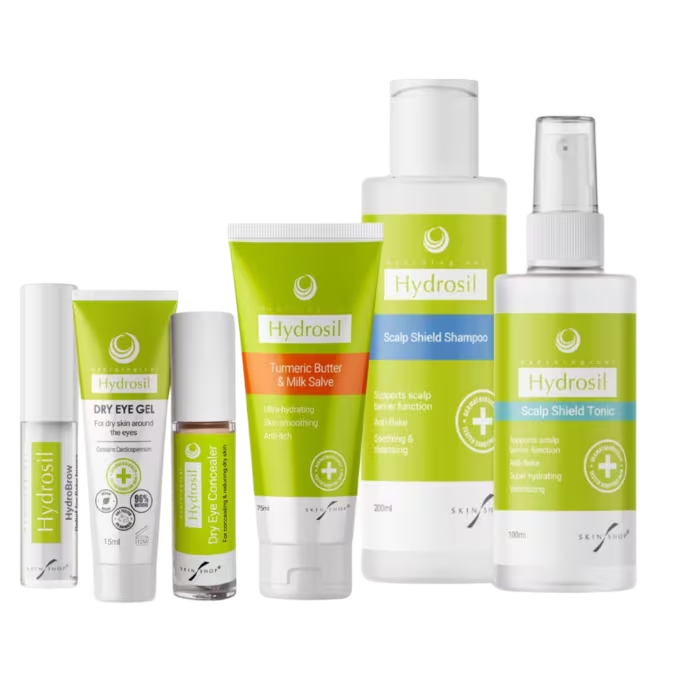
Prebiotics are one of the most helpful ingredients for applying to the skin to fundamentally aide in repairing skin barrier function in dry, fragile, sensitive and red skin. They can also help with skin prone to acne. What's the difference between probiotics and prebiotics? There’s often a confusion about the difference between probiotics and prebiotics. Probiotics are the good bacteria on our skin that keep it balanced and healthy. Prebiotics are essentially foods consumed by probiotics, so feeding the skin with prebiotics helps the skin’s natural levels of probiotics thrive and multiply. It’s complicated to make formulations suitable for probiotics to be applied to the skin as to be effective they need to be kept live and at certain temperatures and so are not easy to store for longer periods of times suspended in skincare formulas. However, prebiotics do not need to be kept 'live' and so are much easier to formulate into creams and serums for the skin. Applying these to the skin is effective because the prebiotics promote and boost in the growth of probiotics on the skin. Good skin bacteria can be depleted through a number of causes, from chemicals in skincare and pollution to antibiotics and medications. Levels of good skin bacteria can also become low due to skin conditions that damage the skin’s barrier function such as eczema and rosacea, as well as hormonal changes to the skin during pregnancy and menopause, which can cause changes in all skin including intimate vaginal skin. Prebiotics can also help acne-prone skin whose good skin bacteria levels are often hugely damaged by the frequent use of anti-bacterial agents in most standard acne skin care. The skin, like the gut, is teaming with a network of microbiomes, which are natural and ever-shifting collections of microorganisms which work to promote healthier skin. Applying prebiotics to skin helps probiotics to thrive and replenish a healthier skin microbiome which fundamentally aides in helping to repair skin barrier function in order to reduce redness, dryness and sensitivity and well as helping to replenish and rejuvenate skin quality, including internal vaginal skin. What do you need to be cautious about when using prebiotics for skin? An important consideration for prebiotic skin care is that it comes in stable packaging, not jars or pots where light and air exposure can spoil the effectiveness of the overall formula. It's bes to select opaque, air-restrictive bottles for formulations containing prebiotics. You should also look for prebiotics in fragrance-free formulas to ensure optimal soothing effects since fragrance is a known skin irritant. People of all ages can benefit from the valuable support prebiotics provide, especially those with a compromised skin barrier or sensitivity. What are some of the best sources of prebiotics in skincare? Chicory Root A potent natural plant-based skin prebiotic is taken from chicory root. Dermatologist Dr Eva Melegh says, “Biolin, which is a patented skin prebiotic made from chichory root, is an excellent skin prebiotic as it supports the restoration of the microbiota environment in skin and helps skin recover and replenish skin barrier repair faster while at the same time repressing the growth of harmful skin bacteria. It’s ideal for use in formulations for dry and atopic skin, skin prone to rosacea, redness and sensitivity as well as vaginal skin prone to dryness and irritation.” Biolin is excellent for repairing skin barrier function which is why is can be found in several Hydrosil products designed for atopic skin and skin prone to eczema and extreme dryness and irritation. Hydrosil Dry Eye Concealer, Hydrosil HydroBrow, Hydrosil Scalp Shield Shampoo and Scalp Shield Tonic all contain Biolin as it aides in fast and effective skin barreir repair. The underlying casue of eczema, scalp eczema, scalp dermatitis, eyebrow eczema, eye eczema and atopic skin and very dry skin is either an underlying malfunction that causes damage to skin barrier function that allows moisture to escape from the skin more easily or a damaged skin barrier function from contact dermatitis from external irritants and chemcials and perfumes in skin and hair care products. Biolin is also present in In2mate Moisturiser and In2mate Lubricant for aiding with vaginal dryness and irritation both internally and externally and restoring a healthier vaginal microbiome. Kalme ChameleonConcealer for skin prone to rosacea also contains Biolin for helping to repair skin barrier function in red, dry and hypersensitive skin. Agave Agave, the plant use to make tequila, is another of nature’s potent skin prebiotics and is especially good for intense moisturisation and anti-redness making it excellent for skin prone to rosacea. PreBIULIN AGA agave extract, found in Kalme TeQ Serum, is a patented prebiotic taken from the agave plant that is repellent to a particular skin bacteria associated with triggering rosacea flare ups, called bacillus oleronius. “Skin prone to rosacea has a volatile reaction to an increase of bacillus oleronius bacteria that results in the classic cyclical symptoms of redness, inflammation and hyper-sensitivity”,” says Dr Melegh. “So reducing this particular bacteria and promoting the growth of beneficial bacteria can be hugely beneficial to skin prone to rosacea.” Aside from reducing bacillus oleronius, PreBIULIN AGA also helps replenish the skin’s microbiome, which is typically damaged from repeated rosacea flares and leads to dryness and tightness of the skin, a common symptom of rosacea. PreBIULIN AGA is also proven to be more moisturising than Hyaluronic Acid, and so prevents the extreme dryness associated with rosacea. Kalme TeQ Serum contains a second extract of pure Blue Agave, whose science name is Agave Tequilana (TeQ) that has prebiotic properties to help reinforce the action of PreBIULIN AGA as well as offering additional hydration and an anti-inflammatory action.
Learn more
5 reasons why menopause can trigger cold sores and how to prevent them
In support of World Menopause Day we’re talking all things related to menopause, one of which is cold sores. Cold sores can be one of the menopausal symptoms if you are of menopausal age and you’re in the 50% of people who suffer from cold sores. You may find that as you begin to enter the stages of menopause your cold sore outbreaks are increasing both in intensity and frequency. Consultant dermatologist Dr Eva Melegh outlines five reasons why menopause can trigger cold sore outbreaks and five tips to help prevent them Menopausal Hormonal Flux Fluctuating hormone levels are one of the common cold sore triggers. Many women who suffer from cold sores get outbreaks during the onset of their periods. So imagine what the hormonal flux of entering menopause can do! During perimenopause female hormones can fluctuate wildly sometimes from week to week and so the likelihood of cold sore being triggered more often and often with more intensity is significantly heightened during the initial stages of menopausal change. 2. Menopausal Make Up Mistakes Many people have relied on a similar cosmetic routine for most of their adult life but as menopause looms, it might be time to switch up old habits in order to adapt to changes that happen in the skin as women enter menopause. And that goes for lipsticks too. Anything that dries out the lips in a hazard to lips prone to cold sores but matt lipsticks and long-stay lipsticks are particular culprits so if you’ve been relying on these as part of your make up go-to’s, it may be time to make a change. The very ‘mattness’ of matt lipsticks relies on drawing moisture out of the lips for the colour to stay put for longer and for there to be no shine. 3.Menopausal Insomnia The menopausal decline of oestrogen contributes to disrupted sleep by causing menopausal symptoms from hot flushes and sweats (vasomotor symptoms). Lack of sleep directly weakens the immune system. The cold sore virus lies dormant in the skin around the lips waiting for any weakness. As soon as immunity is impaired, the cold sore virus sees it’s opportunity to take hold and get activated. 4. Menopausal Dry Lips The decline in oestrogen also causes the skin to become drier and more brittle as oestrogen is directly involved in the production of collagen which keeps skin more elastic. This drop in collagen production is seen in the body’s extremities first and often the lips along with eyes are one of the first places to suffer menopausal dryness. Dry lips can flake chap and crack more easily. Any form of micro trauma to lips allows the cold sore virus to rush in a wreak havoc. 5. Menopausal Anxiety & Depression Low mood, anxiety and depression are all common menopausal symptoms and can lead to both insomnia and a lowered immune system, both of which can trigger a cold sore. In addition, anti-depressant medication can also be a cause for hormonal changes which can trigger cold sores. Anxiety can also cause us to lick our lips more, touch our mouths, chew our lips more and generally agitate the mouth area, which can also trigger a cold sore outbreak. 5 tips to prevent menopausal cold sores Lavish Lips With Liquorice Lip Q Liquorice Balm is a natural lip balm designed for daily use which contains a highly concentrated extract of glycyrrhizic acid (liquorice root extract.) Glycyrrhizic acid has found in published research to have anti viral action and a trial by the Herpes Virus Association found Lip Q Liquorice Balm reduced the severity and duration of cold sore outbreaks for the majority of trial participants. Hold Off Hot Lips Heat, especially sudden heat on the lip area, can trigger a cold sore as heat irritates the skin and causes micro inflammation which can in turn activate the dormant cold sore virus in the skin around the lips. Tone down the heat and let your hot drink cool down to a tepid temperature before drinking it. Say No To Nuts The cold sore virus requires arginine (amino acid) to replicate and thrive in your body. Depriving the virus of arginine can help reduce the duration and severity of a cold sores. Nuts and seeds are one of the richest sources of arginine so if you feel any tingling of a cold sore coming, say no to nuts. Crank Up Collagen Type 1 collagen is considered the best type of collagen supplement for menopause as it has an abundant role in supporting skin, hair, and nail health, as well as promoting bone strength and joint flexibility. Lap Up Liquorice & Lemon Balm Tea Liquorice root extract has a specific anti-viral action so is useful as a preventative against the herpes simplex virus that causes cold sores. Its also has mild sedative effects so can aide in better sleep is drunk before bedtime. Lemon Balm also has an anti-viral action and can be drunk as a herbal tea. A combination of these two anti-viral teas drunk daily at tepid temperatures or as cold tea drinks can aide in the prevention and management of cold sore outbreaks.
Learn more
4 central heating skinmares and how to avoid them
OK we’ll have to finally admit it, summer is well and truly over. As the weather has taken a distinctly chillier air over the last week, its that time of year when we start to think about turning the central heating on again. In fact many of us already have. While this can be a welcome thought for cosiness and comfort, for skin it can be the start of a bit of skinmare, especially if you suffer from any dry skin conditions such as eczema or psoriasis. Dermatologist and venereologist Dr Eva Melegh and professional Make Up artist Helen Andrew discuss four ways the central heating can affect skin and the best ways to avoid them. Intimate Itching “Few people think about how heating can affect fragile vaginal skin,” says Dr Eva. “Intimate vaginal skin can be very susceptible to central heating at night. Centrally heated bedrooms can become very dry with low humidity that can casue vaginal dryness overnight, leaving it drier and itchier during the day, especially before and during menopause. “It’s crucial as the central heating goes on to make sure you safeguard delicate vaginal skin by moisturising both inside and outside before bed. “Using an external fragrance-free intimate moisturiser and internal lubricating natural lubricant can hugely help guard against vaginal dryness from centrally heated bedrooms. “In2mate Natural Moisturiser and In2mate Lubricant contain skin repairing prebiotics, moisturising agents and guard against fungal and bacterial build up, while being over 99% natural and free from perfumes. The lubricant is not just for sexual activity but can be used daily overnight to help repair and replenish internal vaginal skin while the moisturiser keeps external vaginal skin supple and moisturiser and protected it from dryness, chaffing and irritation. “Also avoid wearing underwear when sleeping and use bedding that helps keep intimate skin aired.” Inflamed & Itchy eyelids The first to feel the effects of centrally heated environments are the eyes. Most people spend all day in a heated office and then all night in a centrally heated house. This can quickly dry the delicate skin around the eyes which holds less moisture than the skin elsewhere on the body and face. As soon as the skin around the eyes and on the eyelids becomes dry it can start to feel itchy and over sensitive and trigger conditions such as blepharitis and eye eczema. “This then can trigger a reactive chain in the skin around the eyes where it starts getting more irritated by cosmetics, contact lens solutions, make up removers and cleansers, as well as environmental irritants,” says Helen. “This is why it’s imperative to pay special attention to the skin around the eyes as soon as the central heating goes on. “But it’s no use slathering on layers of eyes creams as this can cause puffiness in the mornings. Barrier protection and keeping irritation under control are the keys to controlling dry eyes and itchy eyes from central heating. “Lighter gels and serums are best for use around the eyes but used more frequently such as when you get in from work, before bed and under all eye cosmetics during the day. “I use Hydrosil Dry Eye Gel both on myself and on my models and clients who are prone to getting itchy eyelids as it contains a plant steroid equivalent to help reduce irritation, itching the dryness around the eyes. Its brilliant for use under cosmetics and literally stops all reactions to make up. It has been a game changer for me during the winter months! Just make sure you allow 5-10 minutes for the gel to really absorb into the skin before applying your make up, this will maximise the benefits without moving the gel when applying makeup on top. “Also avoid make up which contains talc, perfume and preservatives. These are all common irritants found in makeup. A lot of powder eyeshadows can contain talc, so I would opt for a cream based eyeshadow in winter. “Cleaning the roots of your lashes twice a day with diluted baby shampoo can help keep symptoms under control. Dip a cotton bud into the solution and running it along the lash line (top and bottom) really helps to remove the build-up of bacteria that begins to form on the lashes through the use of makeup which can get into tiny micro cracks in dry eye lids and lead to inflammation and itching. Use one end of a clean cotton bud for each lash line to avoid cross contamination.” Flaky Scratchy Scalp We tend to blow dry our hair more in winter than summer as its not nice to head outside into the cold air with damp hair. However, blow drying hair dries out the scalp at the best of times buy when combined with the central heating going on it can trigger a bout of very dry scalp, itchy scalp and flaky scalp. “Daily blow drying of hair is a main culprit for causing scalp dryness and flaking. This goes for normal scalps as well as scalp prone to eczema, dermatitis or scalp psoriasis. If you have a dry, itchy or flaky scalp, try to let hair dry as much as possible in the house naturally before blow drying. Use a lower heat when blow drying,” says Dr Eva Once the scalp becomes dry and starts to flake then scalp barrier function is compromised, especially if you already have an underlying dry skin condition such as eczema. “Hydrosil Scalp Shield Tonic is a natural scalp tonic for dry scalps containing proven ingredients to help support and improve scalp barrier function as well as reduce itching and irritation. “It contains a patented polyfructose extract from chicory root (Cichorium Intybus) which is a plant-based prebiotic complex that is proven to repair and strengthens scalp barrier function by encouraging the growth of beneficial scalp microbiota while inhibiting the growth of none-beneficial microbiota. “Use this scalp spray liberally while hair is still damp, wrap damp hair in a towel and then allowed it to dry naturally for as long as possible before drying with a hair drier on a lower heat. “If you suffer from scalp psoriasis, try Oregon Anti-Plaque Shampoo and Anti-Plaque Conditioner. Both are contain plant-derived ingredients, are coal-tar free and low odour. The main plant-based ingredient Orgeon Grape Root, has been shown in studies to help inhibit skin cell turnover and they also both contain plaque-softening and scalp moisturising ingredients.” Blistered & Chapped Lips Central heating overnight is a nightmare for lips as they tend to dry out overnight. Add a blocked nose to this and you can often wake up with chapped and cracked lips. If you are part of the 50% of people who suffer from cold sores this can be an instant trigger for a cold sore outbreak. “Any micro trauma to the lips can trigger a cold sore outbreak. Dryness and chapping are a common trigger and therefore need to be avoided as much as possible,” says Dr Eva. “Wearing a natural and nourishing lip balm several times a day helps guard against chapping and lip dehydration. Wearing a lip balm that also has an anti-viral action to help guard against cold sore outbreaks is doubly beneficial. “LipQ Liquorice Balm does both of these things while being 100% natural, neutral in colour and perfume free. It contains a concentrated amount of liquorice root extract which has been proven in studies to have anti-viral action and the balm itself has been trialled by the Herpes Virus Association on cold sore sufferers and was found to help reduce the frequency and intensity of cold sore outbreaks.”
Learn more
As UK is ranked 8th acne hot spot in the world - 4 tips to permanently reduce acne breakouts
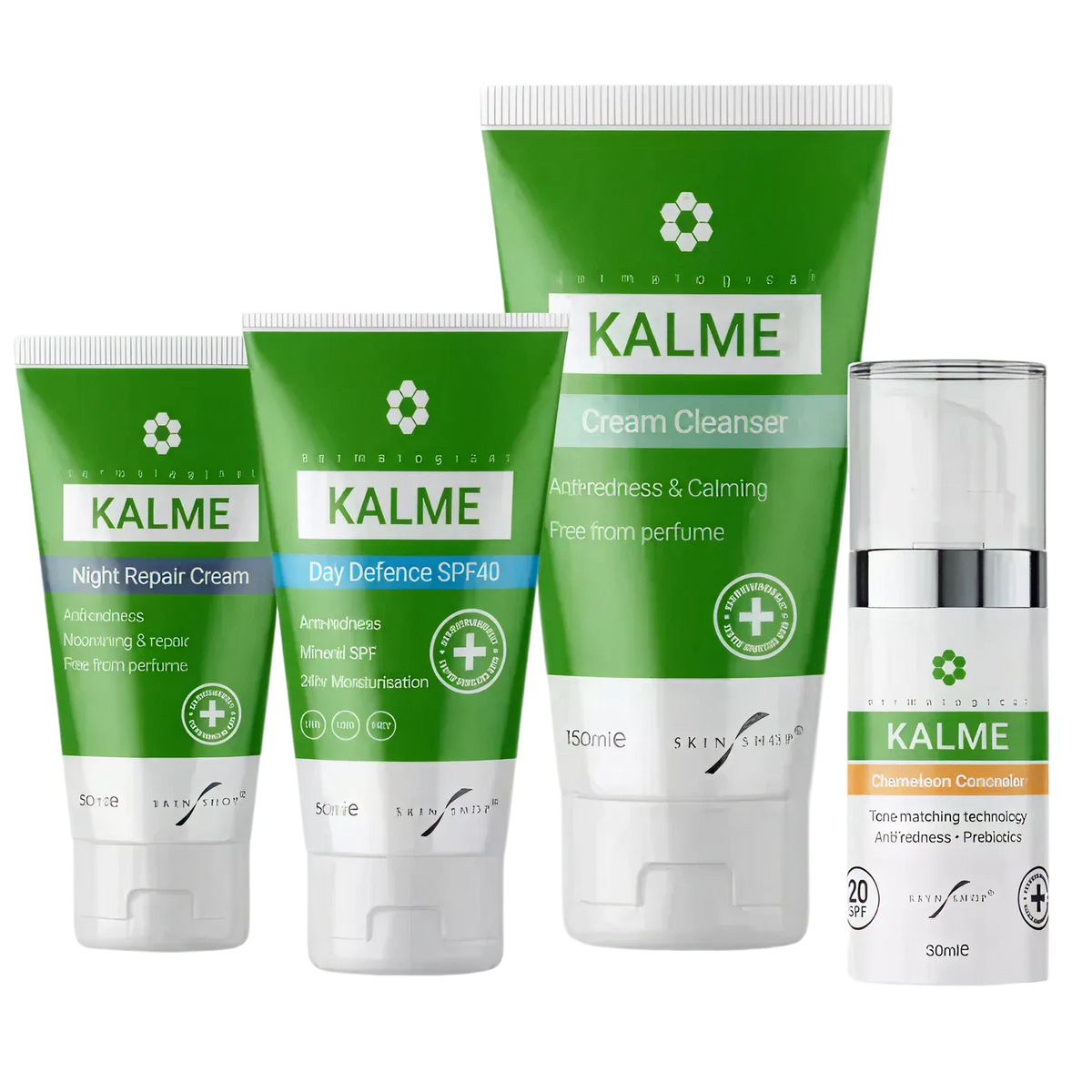
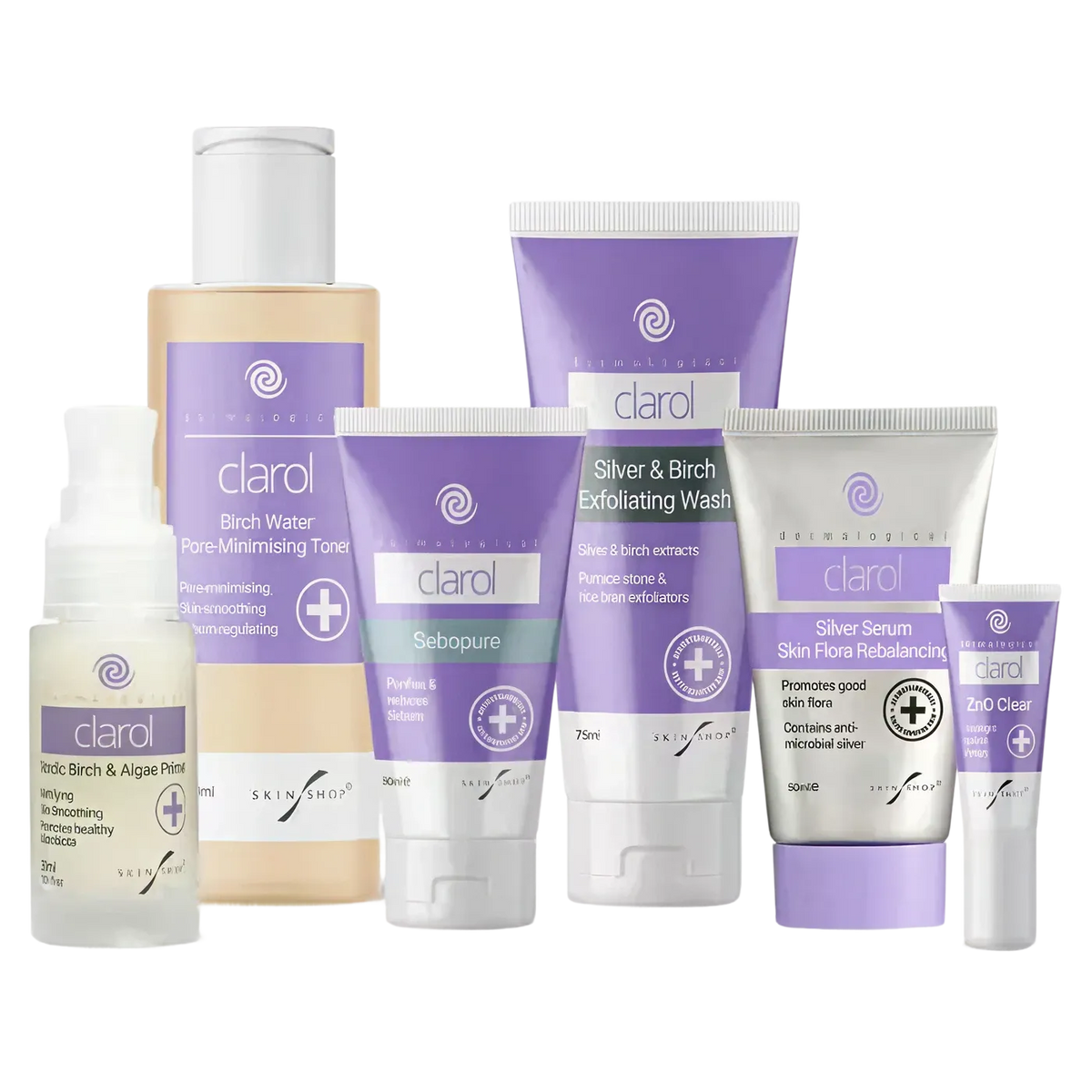
The UK has been ranked 8th worst hot spot for acne according to brand new survey published this week in the British Journal of Dermatology (BAD). A new study found that teens and young adults under the age of 24 in over 200 countries surveyed, including the UK, have seen a significant rise in acne rates since the 1990’s. The UK ranked the 8th highest in acne rates in the global survey with a 14% acne prevalence, while Germany followed by Portugal had the highest acne increase rates and Romania and Albania had the lowest. The only country not to see an increase at all in acne was New Zealand. BAD has suggested in response to the survey that the rise in acne rates could be in large part due to environmental factors such as pollution from urban living. They also concluded that the real rate of acne could be much higher as many people do not seek an official diagnosis of their acne. A BAD spokesperson was keen to raise awareness as a response to the survey that as well as the profound psychological impact of untreated acne, some people suffer permanent scars and that more support and acne treatment for acne sufferers was needed in national healthcare. “A modern type of ‘urban’ acne is on the rise because it is a combination of hormonal acne with environmental acne, making it particularly complex to treat as treatments need more than one action to help reduce and prevent it,” says Consultant dermatologist Dr Eva Melegh. “Higher levels of cortisone hormones from the daily stresses of city living combined with the hormonal flux of puberty are exacerbating this type of acne. “Add to this a rich and complex mix of foreign bacteria, cigarette and engine smoke, skin damage from air conditioning systems and pore clogging oily particles in the air and you have a perfect storm for acne to thrive in. “The pollution damage to skin plus the higher levels of stress cortisone hormones means that urban skin becomes overwhelmed and the natural skin cleaning processes can fail resulting in congested and inflamed skin. ‘Products to treat modern acne need to be multi-functional and not too harsh. They need to actively preserve the skin’s natural defences against acne while also helping protect the skin in certain areas where it may get overwhelmed from environmental damage,’ says Dr Melegh. Dr Melegh gives her 4 tips on how to prevent and reduce environmental acne Tip 1: Replenish bacterial balance Modern urban environments contain a complex and foreign mix of damaging bacteria that our skin is not used to dealing with. This mix of foreign bacteria further increases the risk of infected blocked pores because the excess sebum attracts the bacteria and creates an ideal habitat for it to quickly breed and multiply. However, simply using strong anti-bacterial products aimed at mostly teen acne can lead to further issues for urban acne, especially in adult skin. Urban skin needs higher levels of protection and so it’s crucial that things like skin barrier function remain in good condition to prevent moisture from escaping and bacteria from getting in. Skin barrier function is maintained via good skin bacteria. Using normal anti-bacterial products for acne wipes out all skin bacteria, both good and bad, resulting in drier and more fragile skin that then lets in more foreign bacteria that leads to more acne. So, maintaining or preferably increasing levels of good skin bacteria in urban skin is the most effective way to protect skin from bacterial acne. Some modern skin care products contain ‘smart’ anti-bacterials in that they only attack bad skin bacteria and preserve good skin bacteria. This is an ideal action for preventing and protecting the skin against urban acne. Clarol Silver Serum contains a naturally sourced smart antibacterial agent made from micronized silver that starves bad skin bacteria while feeding good skin bacteria. It should be used twice daily, both at night and under all cosmetics and other skincare products during the day. Tip 2: Reduce oxidative skin stress & inflammation Oxidative stress on the skin appears as inflammation and redness. Oxidative stress is much higher in urban environments. Pollution as well as UV damage can increase oxidative stress on the skin causing the skin’s natural defences to become overwhelmed, leading to hypersensitivity and redness accompanied by acne pustules. This is where targeted skincare can come to the rescue. Skincare containing high levels of protective antioxidants as well as anti-redness and UV protection can significantly help reduce oxidative stress and inflammation. In the case of urban acne, skin care should differ from anti-ageing skincare containing antioxidants because acne prone skin is also prone to oiliness and pore blockages. Antioxidant skincare aimed at anti-ageing is often quite rich and heavy and so is not ideal for skin prone to acne. Kalme Day Defence is a light protective day cream for very sensitive and acne-prone skin that can be worn as a stand-alone product or under cosmetics. It contains a plant-based potent antioxidant along with a plant-based anti-redness ingredient from young caper buds plus a pure zinc mineral SPF 40 which not only protects against UV oxidative damage but also has a natural anti-inflammatory action. Tip 3: Keep sebum pure It’s well known that increases sebum production often causes acne. Several studies have proved that skin in urban environments produces more sebum than skin in more rural environments. Increased sebum production can lead to more oxidisation of sebum as it reaches the skin’s surface causing pore blockages that lead to acne. However, trying to dry up or reduce excess sebum production in urban skin can lead to other issues as sebum also offers certain levels of protection for urban skin. Sebum is nature’s moisturiser for our skin and urban skin needs to stay hydrated. The biggest threat from environmental damage to skin hydration is air conditioning. Congested and dry skin often starts producing more sebum to protect it from further damage so reducing sebum is not an ideal solution for urban acne. What works better for controlling pore blockages from increased sebum production while not reducing sebum is to keep the sebum preserved and clean as it passes out through the skin pore. There are modern skincare products that help achieve exactly this which makes them ideal for using on skin exposed to urban environments to help prevent urban acne. Clarol Sebopure is a sebum-cleaning product that contains a unique plant-based sebum preserver ingredient that helps reduce sebum contamination from oxidisation. It can be worn at night and under other cosmetics and skin care products during the day. Tip 4: Avoid Washing with Water Washing your face with water daily can actually also be an environmental factor that is adding to the damage to your skin. Water is a very caustic substance that also contains chlorine and so if you have sensitive skin prone this alone can trigger inflammation and reactivity. Open pores and blackheads are typical symptoms of urban living and pollution as both cause a decrease in elasticity and collagen production in the skin itself, which is why it causes pores to end up gaping open more. Stripping away essential skin oils that help keep the skin more elastic through daily facial washing with foaming cleansers and water can make the skin less elastic and so leave pores more open. The best way to clean urban acne-prone skin is to do a double cleanse system first with a water-free cream cleanser or a natural light facial oil such as rosehip oil or squalene to remove the majority of the dirt and cosmetics, then use a cleansing toner to remove any traces of dirt of make up left from the first cleanser while toning skin and reducing pores. Kalme Water-Free Cream Cleanser is a gentle perfume and chemical free cleanser with moisturising ingredients to gently cleanse away dirt and make up while leaving skin moisturised. Clarol Birch Water Pore-Minimising Toner is perfume free with plant-based equivalents to salicylic acid to gently clean out any left-over dirt from skin pores after cleansing and help dilate gaping pores and aide pore reduction.
Learn more
4 ways to safeguard sensitive skin from Halloween havoc
Halloween is a time to release your inner ghoul, but without careful preparation your sensitive skin might end up a horror story too. Halloween make up, hair dynes, costumes and body art can all be triggers for skin flares, acne break outs and contact dermatitis reactions. Dermatologist Dr Eva Melegh offers four tips to safeguard your skin against becoming a victim of Halloween havoc. 1. Eye Frights Most Halloween make up centres around the eyes in order to create monstrous effects. The use of fake eye lashes, coloured contact lenses and heavy eye make are common to create many ghoulish impressions. However the skin around the eye is particularly sensitive and so reactions to heavy costume make up, particularly dark colours, glitters and the glue in fake lashes are common and can trigger eye contact dermatitis, eye eczema or a flare of blepharitis, which can leave eyes red, itchy and inflamed for weeks after the horrors of Halloween night are over. Protecting eyes from the sudden onslaught of Halloween make up can prevent a great deal of discomfort afterwards. Try Hydrosil Dry Eye Gel which is a plant-based light eye gel containing a plant equivalent to steroids to help keep skin around the eyes calm and helps protect it from potential skin reactions to eye make up if applied before the eye make. And then after it has been removed. 2. Make Up Remover Torment Make up removers are generally a nightmare for sensitive skin anyway as they contain solvents that can irritate skin and trigger skin reactions. Make up remover wipes are the worst culprits so when it comes to removing heavy Halloween make up, don’t be tempted to use make up remover wipes. Instead loosen stubborn make up with a natural facial oil first like rosehip oil. Then use a chemical free cream cleanser to remover the majority of the makeup. Try Kalme Cream Cleanser which is perfume and chemical free and contains calming and anti-redness ingredients to calm down reactive skin. Finally, if the skin is still not feeling clean do a double cleanse with a gentle pore cleaning toner. Try Clarol Birch Water Pore Minimising Toner which is chemical and perfume free and contains birch bark which is natural alternative to salicylic acid and helps to dissolve any residue make up in clogged pores and reduce the appearance of open pores and hlep prevent acne break outs. 3. Scalp Scares Temporary hair dyes, hair spray and gels are harsh on scalps and can quickly and easily trigger scalp reactions which can lead to irritated and itchy scalp followed by dry scalp or scalp eczema flaking for weeks after Halloween. When rinsing out hair dyes, or hair gels and sprays try to avoid using even more chemicals in shampoos as the scalp will already been quite sensitive and reactive after the chemicals in the products that have been use for Halloween hair. Use a chemical and perfume free shampoo designed for use on sensitive scalps for the first 2-3 washes after Halloween and then use a leave in hair product designed to calm sensitive scalps and repair scalp barrier function which will have been damaged my Halloween hair styles. Try Hydrosil Scalp Shield Shampoo and Scalp Tonic which contains plant equivalents to steroids to help calm down any minor scalp reactions as well a plant -based skin prebiotic to help repair scalp barrier function. 4. Lip Jitters Lipsticks in dark matt colours, lip glitters, costume lip jewellery and all manner of other scary mouth make up effects combined with cold Halloween night air can quickly cause micro damage and dryness to lips. Chaffing and micro abrasions are a red alert for triggering a cold sore outbreak, which is caused by the herpes simplex virus that lies dormant in the skin around the lips and is suffered by approximately 50% of the UK population. Add to this October being the most active season for colds and you could have a perfect storm for a cold sore outbreak which can last up to two weeks after Halloween. Protecting lips with a cold sore prevention balm worn under Halloween make up could help save you from weeks of discomfort. Try Lip Q Liquorice Balm which is a 100% natural, clear and odourless lip balm containing a highly concentrated extract of liquorice root which has been proven by the Herpes Virus Association to help reduce the severity and frequency of cold sore outbreaks.
Learn more
Doctor's 4 tips for managing chronic joint pain with best natural alternative to painkillers
The most common treatment for arthritis and chronic joint pain such as fibromyalgia is Non-Steroid Anti-Inflammatory Drugs (NSAID’s) Some common symptoms of arthritis and joint pain are pain, stiffness, reduced joint range of movement and limitations to normal daily activities, such as getting up from a chair, walking, balance and ascending/descending stairs. However, long-term use of NSAID’s are not ideal as they can have negative side effects such as causing stomach upset and dizziness. Bristol based GP Dr Donald Grant gives four bits of advice on the effectiveness of painkillers, how long you should use them for and what's a good natural joint pain relief alternative. 1. Painkillers are not necessarily more effective while causing more side effects For the treatment of joint inflammation and arthritis the use of anti-inflammatories and strong pain killers is probably greater than it needs to be and there is no concrete evidence that strong anti-inflammatories are any more effective than mild ones. The potential risks of NSAID’s are well known which is why some patients understandably wish to avoid taking anti-inflammatory tablets for long periods. It’s also worth bearing in mind that research published in the British Medical Journal concluded that long term use of non-steroidal anti-inflammatory medications, commonly prescribed in the UK for arthritic type pain, were only slightly better than placebo. Other studies looking at the value of Paracetamol and Ibuprofen in the treatment of arthritis could not reliably conclude whether Paracetamol was better than Ibuprofen or whether either was better than nothing at all for ‘arthritic’ pain. So, taking these and other studies into account, it’s questionable if conventional painkillers even work that well on reducing the pain caused by arthritis yet they carry many common side effects which are not very pleasant for the patient. 2: How long is too long when it comes to taking painkillers? There is not set answer to this as it depends on the individual. However, even if a patient is trying to avoid long term use of strong painkillers, sometimes it’s necessary to use an anti-inflammatory for a week or two to dampen down inflammation. 3: Is mixing oral painkillers and topical pain relief creams generally safe, and is there a time limit? Anything that can lower the reliance and habitual use of conventional painkillers is a bonus because they so often do carry negative side effects for many patients using them on a long-term basis. So combining them with topical natural pain relief with no negative side effects or time limit is exactly what’s needed when dealing with arthritic pain. 4: What would you recommend as a long-term topical pain relief alternative to painkillers? The key is to reduce inflammation so anything that has similar effects on reducing inflammation without any negative side effects is, in my opinion, definitely worth trying, even if it can’t fully replace the use of painkillers if it can reduce the reliance on them then that is good result. In my experience there’s good evidence for the efficacy of long chain fatty acids in preparations such as Actimas Celafen ™ for the treatment of chronic joint pain and stiffness. Celafen™ is a natural product that works by lubricating the cell membranes and repelling inflammatory chemicals responsible for the pain, stiffness and reduced mobility associated with arthritis and contains the three ingredients celadrin ®, arnica and menthol. It’s also proven to work quickly. within about 30 minutes, which is about the same if not quicker than a painkiller. Several pieces of published research, including two studies published in the Journal of Rheumatology, have measured the effect that celadrin® has on arthritic symptoms with convincing results. In my opinion if it can help reduce sufferer’s dependence on NSAIDs, and there is good evidence to suggest that it might, this can only be a good thing as joint pain is a chronic condition and long-term use of painkilling drugs is not an ideal solution.
Learn more
Simple Tips For Stronger Post-Summer Skin
Despite that lovely post-summer glow, summer takes a toll on your skin. It makes it drier, redder, more sensitive, more congested and often causes uneven skin tone. So post-summer skincare needs to address all these issues while also helping to repair and strengthen skin to get it ready for the onslaught of back-to-work stress and winter weather. Typically, during summer and summer holidays our skin gets exposed to UV damage, chemical suncreams, salt water, chlorinated pool water, air conditioning, additional sweat and often cheap hotel skin care and hair care products. In order to repair the summer skin damage, you don't need a complex system of skin care, in fact less is most definitely more. Instead of using an even wider variety of products to try and combat the effects of summer skin damage, it’s better to reduce the amount of chemicals and complex skincare products you usually use and simplify your skincare routine for a period of time post-summer in order to calm down dry skikn, over-reactive skin and red skin as well as clear congested skin. The focus needs to be on the fundamentals of repairing skin by replenishing the skin's natural defeneces. Here are five tips to simplify your post-summer skincare routine to help re-build clearer, calmer and less sensitive post-summer skin. 1. Boost Good Skin Flora UV exposure, external irritants like chlorine from pools, chemicals in sun creams, make up removers to take off water proof make up, harsh cleansers to remove sun creams and hotel toiletries can all contribute to reducing and damaging the skin’s levels of good skin bacteria. Good skin bacteria is what keeps the ski more resilient against breaks outs and flare ups. Once healthy levels of good bacteria begin to deplete, bad ski bacteria finds it easier to get into the dermis and multiply quickly, leading to spots, inflammation and irritation. So you post-summer skincare should include one simply product whose job it is to build back up your good skin bacteria. Try Clarol Silver Serum which contains a smart silver ingredient that feeds good skin bacteria to help it grow and multiply, while being repellent to bad skin bacteria growth. Use after cleansing in a thin coat under make up or as a stand alone serum. 2. Reduce Skin Sensitivity Post-summer skin is typically much more sensitive than normal. Skin sensitivity is tricky as its often doesn’t go away of its own accord and in fat often gets worse if not caught fairly early on. Add to that the stress of going back to the work, kids back at school, the start of the Autumn flux of weather and the likelihood of a lowered immune system from seasonal colds you can end up with increasingly sensitive post-summer skin. Using a de-sensitising base cream with no chemicals or perfume in it can hugely help reduce and address the risk of escalating post-summer skin sensitivity. Try Kalme Undercoat which is a one-stop desensitising light base cream that can be used under make and SPF’s, after shaving, under any perfumes or as a standalone product to help reduce skin sensitivity and to help dampen skin reactions to any triggers such as cosmetics or shave gels and external irritants like pollution. 3. Purify Sebum During hotter weather typically the skin will product more sebum as we sweat more. Add to that frequent applications of sun creams or tinted SPF moisturisers, a change in diet to greasier a richer foods and you have yourself a perfect environment for increased skin congestion. However, scrubbing away at post-summer skin with exfoliations and cleansers or using sebum inhibiting products might end up causing more harm than good, especially when the skin is more sensitive, dry and fragile after summer. Increased sebum is actually very beneficial for summer skin as its nature’s moisturiser and protector. The main issue is not the increased sebum itself, it’s when it pools in the skin pore and mixes with external bacteria and air and becomes contaminated. That is when spots and inflammation appear. By keeping sebum pure when it passes out through the skin pore, your summer skin gets all the benefits and none of downsides of increased sebum production. You want these benefits to carry on through the post-summer period to make sure your skin stays naturally hydrated. Try Clarol Sebopure which contains a plant-based sebum purifying ingredient take from mustard leaf that acts as a natural ‘preserver’ on sebum, preventing it from going rancid when it reaches the surfaces of the skin and pushes out through the skin pore. Sebopure can be worn in a thin layer under cosmetics and overnight to help reduce and prevent congestion during the post-summer period when ski is still producing more sebum. 4. Repair Skin Barrier Function UV damage, dehydration, external abrasives like salt water and minor skin reactions to sun creams can all weaken and damage skin barrier function and increase water loss in skin, causing dryness and tightness, especially if you are prone to dry skin conditions like eczema or psoriasis or inflammatory dry skin conditions like rosacea. Moisturising more doesn’t address the problem, its repairing skin barrier function while at the same time reducing inflammation, in particular overnight when skin cell production increases, which is essential to rescuing post-summer skin and replenishing dryness. Skin prebiotics are excellently effective at repairing skin barrier function as they supply what the skin need to repair itself. Try Kalme TeQ Serum which contains two different agave extracts which are both potent skin prebiotics, as well as being more hydrating than hyaluronic acid. The serum also contains a caper extract which is proven to reduce redness and sensitivity caused by underlying inflammation. 5. Avoid Washing Skin With Water You might be tempted after a summer holiday to practice cleaning your skin more, especially if it feels congested. However, be aware that water is a very caustic substance that also contains chlorine and so for post-summer sensitive and dry skin, its can actually make things worse. Equally importantly it’s the temperature difference of using either warm or cold water to wash your face that can also trigger rosacea or sensitive skin flares due to the vascular dilation of the blood cells below the skin’s surface. Water-free cleansing with a moisturising cream-cleanser for very sensitive skin is much more beneficial for post-summer skin suffering from redness, dryness and sensitivity than daily facial washing. Try Kalme Water-Free Cream Cleanser which is free from chemicals and perfumes and contains natural moisturising ingredients to gently cleanse off dirt and make up without drying skin or triggering any sudden temperature changes.
Learn more
Five ways to combat post-summer dry scalp
After a lovely summer holiday, you may find that although you return with a glowing tan and a feeling of relaxed wellbeing, your scalp on the other hand may not be in quite such good condition. Flaking dry scalp after summer holidays is very common and can last for weeks after you get home causing irritation and itching accompanied by acute dry flaking which can be very visible on clothes. Many people make the mistake of thinking that their post-holiday dry scalp flaking is dandruff. Normal dandruff is caused by fungal overgrowth on the scalp and is not the same as dry scalp dandruff and treatments for the two are very different. If you often suffer from dandruff as other times of the year than perhaps your post summer holiday flaking is also normal fungal dandruff. Normal dandruff is also not typically accompanied by a very itchy scalp. However, if you don’t usually suffer from dandruff but are experiencing a dry itchy scalp with lots of fine dry white flakes in the weeks after you return from summer holiday, it’s much more likely that you are suffering from dry scalp. People can suffer from both norma fungal dandruff and dry scalp dandruff, so it’s important to distinguish between the two. Crucially if you use normal anti dandruff shampoos on dry scalp you can end up making the condition even worse. Dermatologist Dr Eva Melegh gives her top five tips on how to prevent and treat post-summer holiday dry scalp. 1. Hold On Hotel Hair Products Most hotel shampoos are heavily scented and contain harsh preservatives and foaming agents which are used in very cheap shampoo formulations to make them last longer and cost less to make. Switching for hotel shampoos from our normal hair care products can quickly lead to scalp contact dermatitis and end in dry scalp and scalp irritation. Contact dermatitis of the scalp from hotel hair products can cause extreme itching. 2. Avoid Anti-Dandruff Shampoos Normal dandruff is caused by a fungus called Pityrosporum ovale that grows on the scalp. Anti-dandruff shampoos and treatments contain harsh antifungal agents to kill the fungus on the scalp. However approximately 40% of dandruff is actually caused by dry scalp flaking due to scalp dermatitis and in post-summer holiday scalp issues its likely to be much higher. 3. Ditch the Daily Blow Dries Your scalp is likely to be much drier than normal when you return from holiday due to increased sun exposure and maybe even some scalp sunburn, dehydration from increased sweating in hotter climates reduced humidity from hotter climates and dryness caused by chlorine in pools and sea salt on the scalp. Blow drying hair dries out the scalp at the best of times to during the post-holiday period it’s a good idea to dry and reduce the amount of blow drying you do to the bare minimum. For 2-3 weeks after returning from holiday try and let hair dry naturally and only use the hairdryer once the hair is almost dry and use it on a lower heat than normal. Daily blow drying of hair is a main culprit for causing scalp dryness and flaking. If you have a dry, itchy or flaky scalp, try to let hair dry as much as possible naturally before blow drying. Using a lower heat when blow drying and applying a conditioner such as the Oregon anti-plaque conditioner by the Skin Shop will help prevent any dryness. 4. Diet Dynamics It’s not unusual for our diets to change quite dramatically when we got on holiday. The scalp is very sensitive to changes in diet so your scalp will probably be the first place that suffers. It’s hard to control diet changes when you go on holiday as often you are eating foreign food and eating out in restaurants more so there will have already been one big diet shift during your holiday. However, it’s easier to control what you are eating mor when you get home as often you are preparing your own food so on returning from holiday be aware of sudden diet changes. If you were eating more or less of something while on holiday, if possible, try to keep up that eating pattern and then slowing adapt back to your normal diet at home rather than immediately switching diet. 5. Replenish Scalp Barrier Function Post-holiday dry scalp can be triggered by a reduced scalp barrier function caused by contact dermatitis from external environmental irritants or chemicals in hotel hair care products as well as sunburn. Back to work stress can also add to a reduced scalp barrier function, especially if you already have an underlying dry skin condition such as eczema. Hydrosil Scalp Shield Tonic is a natural scalp tonic for dry and sensitive scalps containing proven ingredients to help support and improve scalp barrier function as well as reduce itching and irritation. It contains a patented polyfructose extract from chicory root (Cichorium Intybus) which is a plant-based prebiotic complex that is proven to repair and strengthens scalp barrier function by encouraging the growth of beneficial scalp microbiota while inhibiting the growth of none-beneficial microbiota.
Learn more
5 tips to prevent summer dry feet and cracked feet
Dry feet and cracked heel are a common summer skin fatality because the combination of dehydration, lower air humidity environmental factors and summer footwear choices can lead to the feet becoming especially dry which can causes cracked skin. Dermatologist Dr Eva Melegh gives her top five tips on how to avoid developing dry and cracked feet this summer. Dry Feet Fatality 1 – Sandy Feet There is often nothing that reminds us of summer more than the feeling of bare feet on sand. However unfortunately bare foot frolics in the sand can be one of the fastest ways to develop dry and cracked summer feet. If the sand is warm from the sun, which is often the case in summer, then it can make things even worse. The combination of the abrasiveness and dryness of the sand, the heat and often the salt from the sea all quickly draw moisture out from the soles of the feet. Hot sand can actually cause mild burns to the soles of the feet leasing to dryness and cracking. Walking barefoot anywhere where the ground is hot, such as o concrete or wooden decking that has heated up in the sun can cause mild burns to the soles of the feet and lead to dryness. Dry Feet Fatality 2 – Summer Sandals & Flip Flops Although we all love sandals and flip flops in the hot weather, in fact if you suffer from dry feet, dry heels or cracked heels wearing any footwear for long periods of time or for long walks that leaves parts of the foot exposed during hot weather is best avoided, especially any footwear that leaves heel or toes exposed. Synthetic insoles are also not ideal as they don’t breathe and create more chaffing and friction. Investing in a pair of leather and padded insoles can make a huge difference for preventing dry summer feet. Thin cotton and silk mix socks are also an excellent preventative for dry feet as they reduce both sweat and friction, which are two of the main triggers for foot eczema flares. Thoroughly moisturising feet before putting them into socks is what can make the biggest difference to improving cracked heels and summer dry feet. I recommend using a salve on dry feet rather than a moisturiser as salves are more intensive, thicker and stay on the skin for longer. Hydrosil & Turmeric Butter Milk Salve is ideal for dry feet and cracked heels as the turmeric butter is an intensely moisturising formula as well as anti-inflammatory and the donkey milk, which is the most hypoallergenic milk of all milks so ideal for skin prone to eczema, is an ancient remedy and has been used since Egyptian times for softening dry and cracked skin. Repeating the foot salving process in the morning and at night and wearing thin cotton socks overnight can also help prevent overnight foot dryness. Dry Feet Fatality 3 – Grassy Feet Larking around on the grass with bare feet is one of the joys of summer. However, if you have sensitive skin and especially if you suffer from allergies, running around on grass can cause skin reactions of the soles and side of the feet which can leading to inflammation, itching and dryness. Summer foot contact dermatitis is very common due to feet being in contact with grass and foliage that can trigger contact skin allergies. Dry Feet Fatality 4 – Chlorine Feet Chlorine from pools contains chemical agents that serve to quickly dry out skin, especially feet. Things get even worse when entering and exiting swimming pools via hot tiles or concrete around the pool’s edges. Wearing flip flops or sliders up to the pool’s edge before getting in can help reduce any burning from hot pool tiles. Putting on some kind of waterproof barrier protection such as Vaseline before swimming in pools can also help protect feet from the drying effect of chlorine. Shower feet of thoroughly with clean cool water on exiting the pool and once they have dried re moisturise feet with a rich moisturising salve and preferably slip then into a pair of silk or cotton socks for a while to let the salve really sink in. Dry Feet Fatality 5 – Sunburned Feet Feet are often forgotten in the applying of sun creams. But they are as important as everywhere else on the body as the skin on the feet is not only thinner but is often not used to sun exposure, so the feet burn very easily. When lying on your front to sunbath, remember the soles of your feet are exposed directly to the sun, which means they will burn quickly and easily. So preferably cover your feet or remember to apply sun cream to the bottoms of your feet as well as the tops. Dry Feet Rescue Regime - Do a foot soak once a day before bed with oil infused warm water. Or with oat water or milk of you can get some. Soak your feet in warm water or warm oat milk with a few drops of natural oil like rosehip oil for about 20 minutes. - Use a loafer on soaked feet to gentle exfoliate away dead or flaking skin. - Next, use a mild foot file or pumice stone to slough off dead skin on rough areas namely the heels and along the sides of the feet. Don’t scrub too hard, do circular gentle movements. - Finish off by drying the feet, especially between the toes and then applying a rich un-perfumed salve in a generous layer to the whole foot. - Put freshly salved feet into thin cotton socks and then wear slippers or house sliders to walk around the house.
Learn more
Londoners officially have the driest skin according to a new survey!
A recent OnePoll study of 2,000 adults has found a huge 42% of Londoners often struggle with dry skin. The main culprits for this dry skin epidemic in the UK’s capital according to the skin survey were Londoners showering habits plus cold dry UK weather. The research found that a whopping one in 10 adults living in London experience dry skin ‘all the time’. Consultant dermatologist Dr Eva Melegh gives her expertise and advice on what causes dry skin from London living and tips to prevent it. “City living, especially in a mega city like London, is harsh on skin. The UK climate is typically low in humidity and cold plus the hardness of the water in London also doesn’t help matters and explains why Londoners in particular suffer so much from dry skin,” says Dr Melegh. “The pollution, central heating and air conditioning inside offices, accommodation and public buildings coupled with frequent showering in hot hard water is a perfect storm for dry skin. Add the UK’s low humidity biting cold winter months and dry high UV index weather in the summer months and it’s no wonder Londoner’s skin is suffering more than most.” Dr Melegh’s gives her top 4 tips to help prevent the most common types iof London dry skin; 1. London Dry Feet Believe it or not people tend to do more walking in large cities than they do in the countryside, so London feet get a real battering. Unlike when hiking in the countryside, often people are walking thousands of steps a day in London wearing unsuitable work shoes rather than hiking boots. Blisters, chaffing, sweating and sole friction are all typical foot issues for London feet. Plus walking on concrete heated up by the sun and general traffic pollution can also mean that London feet are often hot as well as being bashed about by unforgiving office footwear. All this can lead to dry, swollen and broken feet. Wearing any footwear that leaves parts of the foot exposed to city elements is best avoided, especially any footwear that leaves heel or toes exposed. Synthetic insoles are also not ideal as they don’t breath and create more chaffing and friction. Investing in a pair of leather and padded insoles for work shoes can make a huge difference for preventing city dry feet. Thin cotton and silk mix socks are also an excellent preventative for city dry feet as they reduce both sweat and friction, which are two of the main triggers for eczema flares. Always thoroughly moisturising feet before putting them into socks makes a world of difference. Repeating this process at night and wearing thin cotton socks overnight can also help prevent overnight foot dryness. 2. London Dry Scalp The scalp is often one of the first places where dry skin manifests itself when living in a large city like London. The pollution and soot that clings to hair can inflame the scalp. Inflammation of the scalp can damage scalp barrier function and cause TWL (transdermal water loss). The more frequent washing of hair due to the pollution and soot using hot hardened London water can then dry out the scalp further. The subsequent itching and scratching of the scalp can then cause further damage to scalp barrier function causing more TWL. It’s a vicious cycle that needs to be broken if the scalp is to recover. Dry scalp dandruff is different to normal fungal dandruff. Dry scalp dandruff causes small dry white flakes and is accompanied by a very itchy scalp. Fungal dandruff causes larger more greyish greasy flakes and its typically not that itchy. Dry scalp dandruff will likely to be made considerably worse by anti-dandruff shampoos. It’s crucial to swap to a shampoo and hair products that do not contain solvents like most normal OTC shampoos and which are designed to reduce inflammation of the scalp and repair scalp barrier function. Hydrosil Scalp Shield Shampoo and leave-in Scalp Shield Tonic are both designed for treating dry scalp dandruff and irritation and contain plant-based equivalents to steroids to reduce scalp itching plus plant-based prebiotics to help repair and replenish scalp barrier function. 3. London Dry Lips Dry lips are an issue for city dwellers because the lack of quality clean air outside and air conditioning inside combined with low humidity in climates such as London means that lips dry out quickly. Matt and long-duration lip sticks often worn for workwear also add to the problem along with dehydration from city perspiration. We also lick our lips more frequently when stressed so commuting and work stress of city living is mean on lips. 50% of the UK population carry the herpes simplex virus that causes cold sores, and cold sore sufferers are more concentrated in heavily populated areas such as London as cold sores are passed on through saliva from a person with a live cold sore. Dry cracked lips and stress are the two main cold sore triggers which means cold sores are a common occurrence for Londoners. Cold sore preventation treatments are few and far between as most cold sore treatments from the chemist as only for once a cold sore rears its ugly head. A lip balm that has been trialled by the Herpes Virus Association and shown to have a preventative effect on cold sore outbreaks is Lip Q Liquorice Balm containing a concentrated extract of glycyrrhizic acid (liquorice root) which published research has shown interferes with the production of proteins that feed the cold sore virus. Being a natural lip balm it also keeps lips moisturised and conditioned to help prevent dryness and chapping. 4. London Dry Hands & Legs Shaving and waxing plus low humidity and pollution makes London legs particularly vulnerable to dryness. Hands that are constantly exposed to the elements, constantly in use and constantly being washed are also targets for city dry skin. Disinfectant hand washes are quite essential when trying to avoid getting germs from city living but they pay havoc on skin. What can be helpful to reduce the need for hand sanitisation is to wear thin cotton gloves when travelling in public transport and touching communal surfaces and then removing them once at your destination. Similarly trying not to use your phone or tablet keypad while on public transport can also lessen the need for hand sanitisation. For legs daily gentle exfoliation of dry leg skin with a non-perfumed exfoliant can help increase skin cell turnover. Try turning down the heat on your shower and use tepid rather than hot water and shower as quickly as possible. Use a salve rather a moisturiser on lower legs, hands, knees and elbows as salve’s tend to be more intensive and stay longer on the skin. A salve that contains anti-inflammatory as well as moisturising ingredients can help stop dry skin becoming irritated and itchy too, which can make the problem worse. Hydrosil Turmeric Butter & Milk Salve is a non-perfumed skin salve that contains turmeric and donkey milk. Turmeric is well-researched for its anti-inflammatory effects, the issue is that it doesn’t pass easily across the skin barrier so in topical form it often doesn’t get enough ingredient into the skin to be that effective. However, when whipped in high concentrations into a butter in the patented turmeric butter in this salve, it appears to have solved this issue. Donkey milk is the most hypoallergenic of all milks and so this donkey milk salve is ideal for soothing and moisturising on dry, sensitive and atopic skin.
Learn more
6 tips for better sleep if you suffer from itchy skin
If you suffer from a skin condition such as eczema, psoriasis or atopic dermatitis the itching of your skin can get significantly worse at night, especially as the nights start to get warmer in late Spring and summer. In addition, even if you don’t suffer from a specific skin condition but are going throughother hormonal changes such as pregnancy or menopause or are recovering from illness, your skin can also become itchier at night. Itchy skin at night can be hugely disruptive to sleep, which can then trigger a whole cascade of symptoms from a lowered immune system to depression. The reason why vulnerable or affected skin becomes itchier at night is that the body releases more heat at night and blood flow to the skin increases. Naturally occurring corticosteroid hormones which dampen down inflammation and itching are also in lower production at night. At the same time there's increased activity of cytokine at night, whic are molecules that coordinate cells communication during immune responses, which can increase skin inflammation. In addition, skin loses more water at night, resulting in dryness that can make already dry skin conditions even worse. Finally, during the menopause and pregnancy, changes in the level of the hormone oestrogen may cause dryness, itchy skin, or flushed skin which can get worse at night due to the increase in blood flow to the skin. Some menopausal women describe menopausal skin as feeling like ants crawling under their skin. Here consultant dermatologist Dr Eva Melegh gives six tips on how to get better sleep if you suffer from itchy skin. 1. Supplement Skin Iron deficiency is usually associated with fatigue, poor circulation and hair loss, but it can also cause itchy skin. It you are suffering from a few of the other symptoms of iron deficiency alongside having itchy skin, it’s worth having your iron levels checked to see if they are low. Supplementing with iron can quickly help reduce itchy skin. There is also evidence to suggest that a magnesium deficiency can cause dry skin or make skin prone to dryness worse. Supplementation with magnesium can help reduce the inflammation caused by conditions which lead to dry and itchy skin, such as eczema, psoriasis and atopic dermatitis. 2. Switch Shampoo The scalp is particularly vulnerable to increased itching at night due to the additional heat and sweat generated from the had being on a pillow and the additional blood flow from the body being horizontal. An itchy scalp can be especially disruptive to sleep. Chemicals and perfumes in normal shampoos and hair care products whose residue stays on the scalp even after washing can become more irritating to the skin once they are heated up as the chemicals become more reactive. Switching to a shampoo that is perfume and chemical-free and also contains ingredients designed to reduce itching and inflammation can hugely improve itchy night scalp. Hydrosil Scalp Shield Shampoo and leave-in Scalp Shield Tonic both contain natural patented complexes proven to improve scalp barrier function via plant prebiotics that encourage the growth of beneficial scalp microbiota and plant sterols to instantly relieve and reduce itchy scalp. 3. Opt for Oat Milk Drinking dairy-based milks can, in atopic skin, make itching worse, especially if drunk before bed. However, switching to oat milk instead can have the opposite effect and can help with soothing itching and irritation in dry or itchy skin. A warm oat milk drink before sleep can help calm down nighttime itching. If you have a bathtub then bathing in colloidal oatmeal before bed along with drinking oat milk can also have a very soothing effect on itchy skin. 4. Make More Melatonin Melatonin is a hormone that your brain produces in response to darkness. Increased melatonin production can help aide better and more profound sleep and override restlessness from itchy skin. You can get melatonin on prescription as a supplement if your sleep is being drastically compromised by itchy skin, but it’s advisable to try an increase it naturally first if possible. The amino acid tryptophan helps produce serotonin. Serotonin binds with certain enzymes to produce melatonin. Food containing tryptophan include chicken, turkey, bananas and peanuts. By getting sunlight or daylight in the morning along with exercise, you can also aide melatonin production. However, exposure to artificial light, including blue light, at night, may interfere with melatonin production. Electronic devices that emit blue light include mobile phones, televisions, tablets and laptop screens so avoiding these in the few hours before sleep can help aide in melatonin production as can sleeping in a dark room. 5. No Booze Before Bed Alcohol is not only a stimulant that can prevent restful sleep it also has the effect of widening blood vessels, sending more blood to warm your skin at night which can cause increased itching. Alcohol is also a diuretic so can pull moisture away from the skin, causing dehydration and making skin even drier and itchier overnight. 6. Subdue Skin Sensitivity Aside from moisturising at night, reducing the skin’s reactivity over night can help dampen down itchy skin night triggers. Underneath your night moisturiser try using a de-sensitising barrier cream to help counteract the tendency for sensitive skin to become more reactive at night. Kalme Undercoat is a base coat barrier cream that contains a specific ingredient that helps sifnificantly reduce the skin’s reactivity making it useful for applying to areas prone to itchiness at night. It is also perfume and chemical-free.
Learn more
6 summer triggers of contact dermatitis
Although there’s still some debate among skin specialists about what exactly causes contact dermatitis (CD), it’s generally agreed that CD is an inflammatory response to irritants and allergens as opposed to a skin barrier dysfunction, which is what causes eczema. This makes early summer a particularly tricky time for CD sufferers as there are a number of triggers for contact dermatitis that are in abundance at this time of year. Consultant dermatologist Dr Eva Melegh takes us through six of the most common summer triggers for CD and how best to minimise them; 1. Pollen Contact Dermatitis Pollen is a common trigger for CD. The exposed areas that are most commonly affected by airborne allergens like pollen are the face, hands, neck, upper chest, and forearms. Eyelid dermatitis and blepharitis is common with pollen and can sometimes be the only affected site. If pollen gets inside clothing or if you sit in pollen, the areas of skin that are covered by clothing can also get effected. Reduce risk of CD from pollen Antihistamines can help calm down skin reactions from pollen. Invest in a protective eye gel that can be used around the eye area that is designed to reduce and manage eye eczema and eye dermatitis during the pollen season. Wear it daily either under make up on on its own. Hydrosil Dry Eye Gel contains a plant steriod that is safe for use around the eye area and brings instant relief to itching and inflammation from pollen triggered CD around the eye area. Remove outdoor clothes once in the house and shake them off outside before washing them. Shower (and rinse hair) and change to indoor clothes when returning home. Avoid getting into bed before washing off pollen from outside. Try not to sit or lie in long grass Avoid using hair products like hairspray or gel as this can cause pollen to stick to the hair and trigger CD around the hairline, behind the ears and on the neck area. 2. Sun Cream Contact Dermatitis Ingredients in many suncreams can trigger CD, especially in the areas around the eyes. Chemical filter sun creams can be more problematic for CD than mineral sun creams as they tend to have a high incidence of skin reaction. Reduce CD from sun creams Use a de-sensitising barrier cream under suncreams. Kalme Undercoat contains a specific ingredient that helps dampen down the skin’s reactivity and can be worn under all suncreams to reduce the risk of CD reactions. Avoid sun creams with perfumes in Stick to mineral sun creams rather than chemical filters. Zinc oxide is the best mineral SPF for skin prone to CD because it has the lowest reactivity when exposed to UV rays. Kalme Day Defence SPF25 has a pure zinc oxide SPF and also a ingredient to help dampen down redness and is certififed for use on sensitive skin. 3. Dust Mite Contact Dermatitis Dust mites are a known trigger for CD and in early summer the prevalence of dust mites often increases due to an increase in humidity, which causes them to start reproducing faster. Reduce risk of CD from dust mites Use a dehumidifier to keep humidity levels between 40 and 45% to prevent dust mites from reproducing. Keep the indoor temperature thermostat set below 70 Air your duvet and non-washable bed clothes but be careful not to also get these covered in outdoor pollen too. Air them in a place not close to plants or grass. Hoover carpets more regularly and, if possible, get carpets steam cleaned professionally at the start of Spring. Wash bedding such as pillowcases, sheets and sheet protectors on a high heat wash weekly. Putting bed laundry through a hot dryer also kills dust mites Children’s soft, stuffed toys are known to harbour dust mites. Putting them in the dryer for an hour, freezing them overnight or washing them in water mixed with eucalyptus oil are effective ways to reduce dust mite numbers. 4. Pet Hair Contact Dermatitis In eary summer pets tend to start shedding more hair than normal as they get rid of thicker winter coats as the warmer weather arrives. This means that CD triggered by pet hair, which often appears as hives (small red raises bumps and rashes), is often much more common in warmer weather. Pet hair can often be the most severe of all the hot weather triggers for CD sufferers. Reduce risk of CD from pet hair Keep animals out of bedrooms and away from sofas and armchairs Have hard surface areas where pets rest and sleep Ask a person without allergies to brush and wash your pet at least once a week, outside of the house Use vacuum cleaners with HEPA filters that remove allergens from surfaces and the air, trapping them inside the filter. Change clothes after prolonged contact with your pet. 5. Sweat Contact Dermatitis Perspiration (sweat) is one of the most commonly reported aggravators in CD and early summeris a time when sweating increases due to the sudden and multiple changes in temperature during temperamental warm weather. Sweat mainly consists of water, urea, lactate, and minerals. A buildup of these chemicals on the skin can be a trigger for CD particularly in areas of the skin that build up sweat and are not easily aired such as the groin, under the armpits and breasts, in the cracks of arms and knees, on the neck under longer hair and on the scalp. Itchy scalp and scalp dermatitis is very common in Spring weather. Reduce risk of CD from sweat Wear clothing in light layers, that are easy to remove as soon as it gets hot and which keep the skin more ventilated. Wear natural fabric and looser fitting underwear Use hair products that don’t contain perfumes or chemicals and that specifically help reduce itching and inflammation of scalp dermatitis. Hydrosil Scalp Shield Tonic is a leave in scalp tonic that contains a plant sterol that reduces itchy scalp as well as plant prebiotics to help repair damaged scalp barrier function to reducing flaky scalp and dry scalp. Avoid synthetic fabrics that trap in heat Shower off dried sweat as soon as you get in. Leaving old and dried sweat on skin for long periods of time increases the risk of CD. Moisturise straight after showering, preferably with a salve to make sure vulnerable areas do not become dry and irritated, which can happen after increased perspiration. Hydrosil Turmeric Butter & Milk Salve is designed for skin prone to dermatitis and eczema which contains ingredients to hydrate areas of dry sensitive skin and also calm down inflammation via its high content of turmeric and soothing hypoallergenic donkey milk. 6. Public Seating Contact Dermatitis As the warmer weather arrives and we risk baring our legs and move into wearing shorts and skirts it’s important for CD sufferers to take extra care when sitting on any public seating areas or on public transport. Public seating areas and seats on public transport are frequently washed with industrial cleaning products which can cause havoc with skin prone to CD. In addition, materials like concrete and some plastics contains chemicals that can trigger CD. Reduce risk of CD from public seats Avoid direct skin contact with public seating materials If wearing shorter garments of clothing its helpful to always carry a small natural fabric towel or scarf with you to place on the public seat to avoid skin contact with the seat.
Learn more
NHS worker's rosacea triggered by cooking Christmas dinner finds best rosacea cream which clears her skin in weeks
Mum of two Anna, 44, is a project manager for the NHS from Gloucestershire Anna says: ‘Christmas day three years ago turned into a nightmare when a few red spots on my cheeks suddenly turned in a red-hot furnace on my skin. I was helping my husband cook the Christmas lunch and having some wine, and the heat from the cooking plus the wine made my skin suddenly erupt. I didn't know then that this combination had been one of the classic rosacea triggeres which had kicked off my first rosacea flare. It felt like my skin went crazy. I rushed upstairs to try and splash some cold water on it but that just made it worse. I thought it was just some kind of reaction to something I had eaten or drunk or some kind of cooking spice I had maybe rubbed into my skin accidentally. But the bumpy redness remained for the rest of the Christmas holiday. I buried my head in the sand for a while after Christmas to see if my skin cleared up on its own as I was still convinced it was some kind of reaction maybe to a new perfume I’d had as a Christmas gift. But by April it still hadn’t gone down and I had begun to feel really upset having so many spots at my age. In the end when I realised it was not going to go away, I went to see my doctor. My GP diagnosed me with rosacea and recommended an antibiotic cream that I'd need to use for eight weeks but said there was a good chance it would come back once I stopped using it as rosacea was a chronic condition that didn’t go away and usually got worse with age. I left the appointment feeling really dismal. I’d decided on leaving the doctor’s that I wasn’t going to use the antibiotic cream as I couldn’t face the idea of the spots and redness coming back worse than it was as soon as I finished the cream, what was the point? I didn’t want a quick fix and I knew there was no one-stop rosacea cure. I wanted a long-term solution. I didn’t want to keep living in fear of my skin erupting at any moment. After seeing how much I was suffering my husband started researching 'natrual rosacea treatment' online and that is when he came across an article from someone who'd tried a rosacea product range called Kalme and it had massively helped her rosacea. He showed it to me, and we checked it wasn’t medicated or had a time limit on how often you could use it. We also read through some other reviews on the Kalme products and there seemed to be a lot of women about my age who had gone through more or less the same symptoms as me and who had also decided to give up on the medical route and look for an alternative and loads of them had said Kalme had come to the rescue. My husband encouraged me to give the Kalme products a go. The improvement with Kalme was not immediate but then it said on the information that it was not designed as a quick fix, but a rosacea management programme aimed at reducing the frequency and intensity of flare ups, which seemed to me a responsible approach. As promised, I noticed a gradual improvement in my rosacea over about a three-month period. During this time there was a very clear improvement in my skin - the spots had gone and the redness was only very subtle, rather than the furious redness I'd previously had and my skin was generally much less reactive and felt more comfortable and less tight and sore. Since using Kalme my skin has stayed more or less clear for two years. I know the rosacea is always there, but it feels like the Kalme products keep it under control. I still have the odd flare up where my cheeks and nose go red for about half an hour, but the spots, bumpiness and constant livid redness has thankfully never returned and I know I have Kalme to thank for that. Hopefully this Christmas isn’t going to be ruined by my crazy skin.”
Learn more
4 Causes Of A Red Bumpy Nose
A red bumpy nose can often be glaringly apparent at Christmas time, due to the colder dry weather outside, warm stuffy crowded rooms inside and increased alcohol and rich food. A red nose with bumps is a condition called rhinophyma and it’s often mistaken at times of festivities like Christmas as a sign of the sufferer drinking too much alcohol. In fact, rhinophyma is a result of untreated or later stage rosacea, an underlying hereditary skin condition that causes the blood vessels under the skin’s surface to dilate and be hypersensitive causing the surface of the skin to become red and swollen. Here’s 4 causes of a red bumpy nose; Male Rhinophyma is more common in men than women, especially after the age of forty. Fair Complexion Rhinophyma us more common in people with fair complexions, especially if you have red or fair hair. The condition is most common in people with Irish, Scottish, Eastern European or Scandinavian heritage. Frequent Blushing If you were always an easy blusher as a child and young person then you are more likely to go on to develop Rhinophyma when you are older. Irritated Eyes An often burning or gritty feeling in your eyes and frequent blepharitis, an inflammation or your eyelid, are both symptoms that commonly appear along with Rhinophyma. These are the most common symptoms of Rhinophyma; Thickening of the outer layers of skin on the nose A swollen, bulbous shape to the nose Enlarged skin pores on the nose Greasy skin on the nose Bumps and pimples, often mistaken for acne on the nose and cheeks Red skin tone on the nose and on the cheeks Very sensitive and reactive skin Symptoms that occur in cycles Treatment of rhinophyma Antibiotics Topical and oral antibiotics are often prescribe to reduce inflammation and redness. However, these can only be taken for limited periods and as Rhinophyma is a chronic skin condition treatment of the condition with antibiotics is not long term and often ends up in cycles of recurrent flares of the symptoms when the antibiotics end. Preventative Skin Care for Rhinophyma The earlier that Rhinophyma is caught and treated the better the outcome for managing and reducing Rhinophyma symptoms. Non-medicated skincare to reduce inflammation and redness as well as tighten open pores and purify sebum production can significantly help to reduce symptoms. Physical Sunblock - Sun is one of the main triggers for Rhinophyma flares, so wearing a sun block on your nose every day is crucial for preventing the progression of the condition. Mineral sun blocks as better than chemical filters as they are less reactive on the skin so excellent for very sensitive skin and they also provide a physical barrier to UV rather than just a filter. Zinc Oxide in particular is the best mineral SPF for very sensitive and reactive skin. Try Kalme Day Defence SPF25, which contains a pure zinc mineral block plus anti-redness and de-sensitising ingredients for rosacea-prone skin. Cleansing – Daily cleansing out of the pores is important for preventing the progression of Rhinophyma. Cleansing of Rhinophyma should not done with water and be gentle and help to reduce pore gaping. Try a double cleansing routine on the nose and cheek area using Kalme Water-Free Cream Cleanser on the first cleanse followed by Clarol Birch Water Pore-Minimising Toner on the second Cleanser. Sebum Purifying – Rhinophyma often produces more sebum leaving the nose looking and feeling greasy. Its important not to be tempted to use sebum drying or blocking skin care as this can be harsh on sensitive skin and also the skin needs the sebum to keep it more robust and moisturiser as frequent flares of Rhinophyma can damage skin barrier function on the nose meaning that moisture escapes more easily and external bacteria enters more easily too. Try Clarol Sebopure after cleansing which contains a sebum purifying ingredient which helps prevent contamination of the excess sebum as it passes out through the skin pore, therefore helping to prevent it pooled in the skin pores and causing blockages, inflammation and pimples. Spot-On Overnight Treatment - Skin cell production increases at night which means spots form more quickly at night so overnight targeted spot treatments on emerging spots or areas prone to spots ca help control symptoms. Try Clarol ZnO Clear dabbed on emerging pimples on the nose and cheek area after cleansing at night. It contains pure zinc oxide which has an anti-inflammatory action on emerging spots and can bring down inflammation and redness overnight. Anti-Inflammatory Eye Cream – If you also have the tale tell red and inflamed eyelids that often accompanies Rhinophyma, then an anti-inflammatory eye cream can help reduce redness and irritation. Steroid creams are not advised for use around the eye area. Try Hydrosil Dry Eye Gel, which contains a phytosterol, which is a plant equivalent of a steroid and is safe to use around the eyes whenever needed. It helps bring down irritated, itching and redness on the eyelids.
Learn more
5 Causes Of Dry Cracked Hands
Dry cracked hands are a wintertime dread for many people. Cracked dry hands are usually caused either by an underlying skin condition, namely eczema or psoriasis or from contact dermatitis from cleaning products and other chemcial products. Less common causes are conditions such as exfoliative keratolysis. Drier and low humidity cold weather conditions as well as dry internal central heating can also trigger dry cracked hands or exacerbte underlying conditions that cause dry cracked hands. It’s important when choosing the best hand cream for dry cracked hands and dry cracked fingertips to make sure it’s not simply moisturising for dry skin but also that its hypoallergenic and free from any ingredients that can make underlying skin conditions such as hand eczema, hand psoriasis and hand dermatitis worse. Dermatologist Dr Eva Melegh outlines five causes of dry cracked hands and how to help manage and prevent them; 1. Contact Dermatitis This is a condition that causes red, swollen and dry cracked hands which is caused by repeated exposure to an irritant. Common culprits are household cleaning products, bleach, washing up liquid, shampoos, hair dyes and other dyes, cooking spices and some other active cooking ingredients such as live yeasts, solvents, latex and perfumed hand creams or skin care products. Contact with keyboards can also sometimes cause contact hand dermatitis on the fingertips. The condition usually appears as hot red irritated and often swollen skin all over the hands that flares up soon after contact with the irritant(s) and then dies down to leave flaky very dry hands and sensitive hands. Hand creams used to re-hydrate hands suffering from contact dermatitis should always be hypoallergenic. Avoid hand creams with any perfumes in, as well as ones that contain MI, SLS, Lanolin, petroleum or alcohol. Ideally use a rich salve that’s low in chemical preservatives, is certified for use on sensitive skin and contains low-reactivity and hypoallergenic moisturising ingredients. Its also helpful if the hand cream has anti-inflammatory ingredients. Hydrosil Turmeric Butter & Hypoallergenic Milk Salve contains super hydrating hypoallergenic donkey milk to soften and soothe dry sore hands plus a special turmeric butter to intensely hydrate dry skin and bring down inflammation and the phytosterol cardiospermum to help reduce any itching and irritation. Also wear cotton gloves inside protective latex gloves when using any household cleaning products and non-latex gloves when washing hair with normal shampoos or exposing hands to any active or spicey cooking ingredients, dyes or solvents. 2. Exfoliative Keratolysis. This dry cracked hand condition typically affects young adults often involved in physically active jobs or sports. It’s characterised by peeling palms of the hands and peeling fingertips, normally without any itching. Exfoliative Keratolysis does not typically require treatment, as the condition tends to resolve itself with little discomfort. However, protection from irritants such as detergents and solvents and using non perfumed and chemcial-free hand creams containing lactic acid or urea are recommended. Also wear cotton gloves inside protective latex gloves when using household cleaning products. 3. Hand Eczema Like any form of eczema on the skin, hand eczema is caused by an underlying fault or malfunction in skin barrier function that allows moisture to escape from the skin more easily than in healthy skin. Menopause is a common trigger for hand eczema as the drop in oestrogen causes the skin to become suddenly drier, which if there's an underlying tendency towards eczema can trigger a chronic flare of hand eczema. Hand eczema often gets worse and flares more during cold dry low humidity weather. Hands are particularly vulnerable to hand eczema as they are an extremity and also the skin is often exposed to elements and friction, making the symptoms of hand eczema worse. Hand eczema often appears as pink and very itchy patches of skin particularly between the fingers and around the nails and on the fingertips as well as on the wrists. The affected skin can often crack open and bleed if scratched frequently. The first port of call for treatment are hydrocortisone creams. However, prolonged or repeated use of hydrocortisones are generally discouraged and so management in between flares with natural alternatives such as the phytosterol cardiosperumum found in Hydrosil Turmeric Butter & Hypoallergenic Milk Salve plus the anti-inflammatory action of turmeric can help reduce the reliance on and prolong periods between hydrocortisone usage. Also wear cotton gloves inside protective latex gloves when using any household cleaning products and also wear just the cotton gloves overnight after applying hand salve to lock in moisture. Try to sleep with the central heating as low as possible in colder months and if possible sleep with a humidifier at night. 4. Hand Psoriasis Psoriasis is a skin condition whereby the immune system becomes overactive, causing skin cells to multiply too quickly. Hand psoriasis is a common area for psorisis to appear as psoriasis can be triggered by contact with irritants as well as dryness and abrasion. Hand psoriasis appears as distinct disk-shaped patches of reddish grey scaly skin that become inflamed and sometimes a bit itchy. Steroid creams and coal tar treatments are often prescribed for hand psoriasis along with vitamin D3 ointments. As with all topical steroids, limited and short term use is recommend so alternatives to steroid creams to use between flare ups as a preventative measure can be very beneficial to managing hand psoriasis. Oregon Rescue Serum is an intensive skin serum designed for use on skin prone to psorisis and is for use on smaller patches of sore and hard to heal skin, making it ideal for use on hand psoriasis. The serum contains Oregon Grape Root (OGR) which has been extensively examined for us on psoriasis in several published studies. OGR contains with inhibitory activity against skin cell production and so can help manage the intensity and frequency of psoriasis flares. The serum is free from perfumes and chemicals including Sodium Lauryl Sulphate or parabens and contains no oil or coal tar ingredients. 5. Disinfected Hands If you work in a job or have a hobby where you constantly need to disinfect and clean your hands or you are a parent tending to an infant, this can lead to your hands being stripped of all their beneficial skin bacteria which can damage skin barrier function and lead to extreme dryness, cracking and flaking. Scrubbing hands with a nail brush or loafer is a very abrasive and may cause micro damage to sensitive and over-used hands that can make the dryness and inflammtion worse. It’s better to soak hands and nails in warm (not hot) water with some natural oil in it such as rosehip or even normal olive oil to clean them. If you have to frequently disinfected your hands, its benefical to counter act this by using a hand cream that will build up the good skin bacteria on your hands. Clarol Silver Serum is a skin serum that contains a silver ingredient that fuels the growth of beneficial skin bacteria while inhibiting the growth of bad skin bacteria from external factors. If your hands are frequently needing to be washed and disinfected use this serum after cleaning the hands and before applying a hydrating hypoallergenic perfume-free and chemcial-free hand cream.
Learn more