Skin Features
Guidance for confident skincare choices

4 ways seawater can benefit problem skin including eczema, psoriasis, rosacea and acne
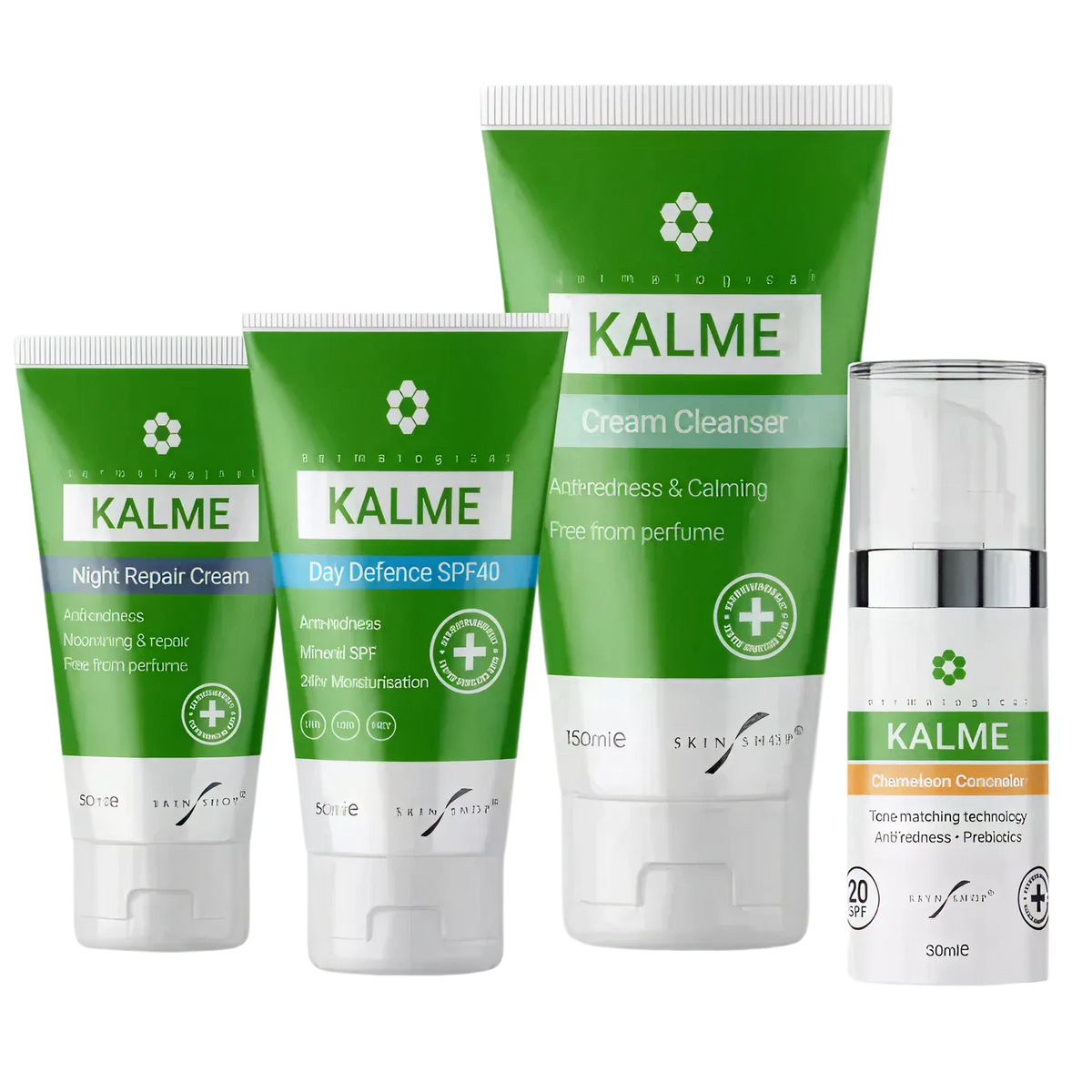
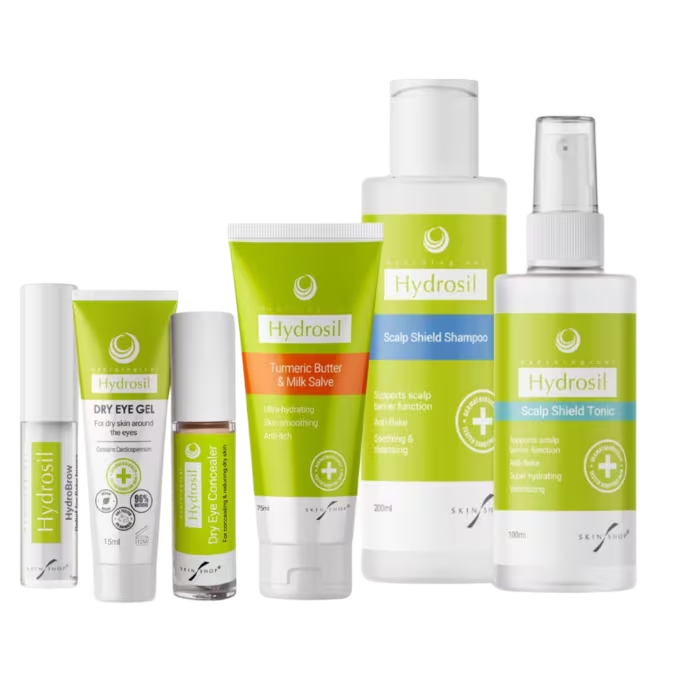
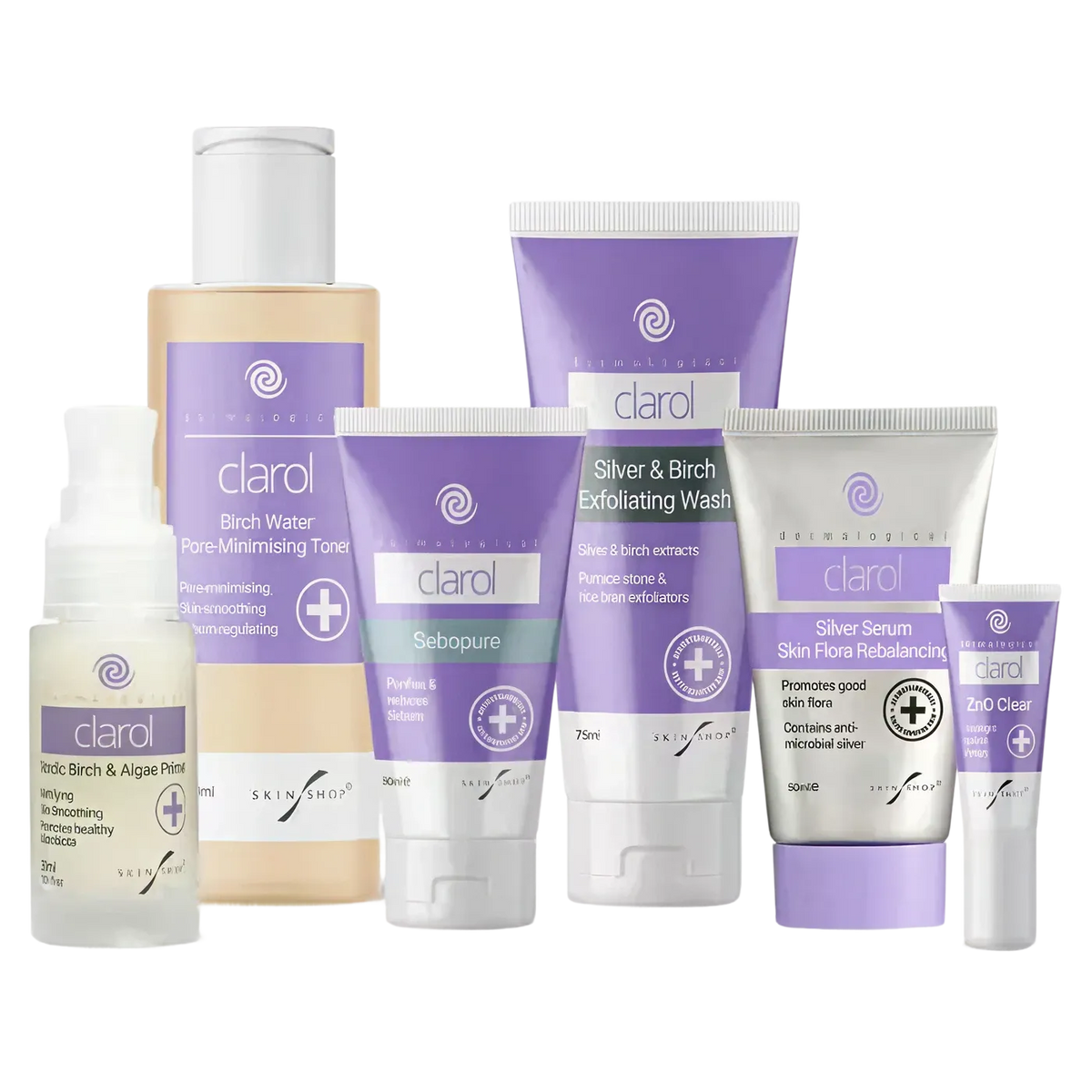
With this summer looking like it’s going to break temperature records in the UK, many of us will be getting tempted for our first dip in the sea of the year (unless you’ve already taken the plunge). Seawater swims may not only be great for your state of mind, evidence from a preliminary trial carried out by Portsmouth and Sussex Universities in partnership with the NHS Trust (1), suggests swimming in the sea significantly improves mental wellbeing, but it could also be beneficial for problem skin too (2) All seawater contains salt (sodium), but seawater also has an abundance of other minerals (magnesium, calcium, zinc, iodine and sulphur) that are beneficial to problematic skin. And the deeper the water the richer and purer the seawater minerals become. From improving wound healing to reducing inflammation and exfoliation, swimming in seawater can be beneficial for skin conditions such as eczema, psoriasis, rosacea and acne. Here’s four ways that research proves how seawater can help improve problem skin conditions plus a skin doctor’s tips on how to boost the skin benefits of salt water for different skin conditions while avoiding the risks. Seawater Improves Eczema Swimming in sea water might be beneficial to atopic skin prone to eczema and dermatitis. Studies have proved that some of the minerals naturally present in seawater, in particular magnesium which is the third most abundant element in seawater, can help improve skin barrier function and reduce inflammation in atopic skin. One study (3) found that people with atopic skin who were submerged in salt water for 15 minutes had significantly improved skin barrier function compared with the control skin that was submerged in normal tap water. Skin hydration was enhanced in the skin submerged in salt water and skin roughness and redness were significantly reduced after bathing in the salt water. Boost the benefits of seawater for eczema Dermatologist Dr Eva Melegh says, “after bathing in seawater it’s important to hydrate atopic skin once it has dried out from being in the sea because many benefits can be lost if salty skin gets too dry. Use a skin salve as opposed to a cream as they are more intensive and longer lasting on dry salty skin and pick one with anti-inflammatory ingredients to enhance the benefits of seawater. Select one without perfumes or chemicals specifically for atopic skin. Try Hydrosil Turmeric Butter & Milk Salve, which contains anti-inflammatory turmeric in a rich blended butter, a plant-based steroid to reduce itching and soothing and hydrating hypoallergenic donkey milk. “Don’t forget your scalp. If you suffer from atopic skin it's likely your scalp will become drier after immersion in salt water. Try Hydrosil Scalp Shield Tonic sprayed onto damp salty hair and scalp, which is a non-greasy scalp spray that contains a plant-based steroid to reduce itching and inflammation on the scalp and a natural skin prebiotic to help repair and boost scalp barrier function.” Seawater Improves Psoriasis Several studies have confirmed that bathing in salt water is beneficial to skin prone to psoriasis. One study (4) found that the minerals in the salt water when skin was submerged for 60 minutes had a positive effect on psoriatic skin. A larger study (5) on over 2000 people with psoriasis found that the combination of salt water submersion combined with UV therapy, had a positive effect on skin prone to psoriasis. This study would suggest that seawater bathing combined with controlled sun exposure could offer a dual benefits to psoriatic skin. Boost the benefits of seawater for psoriasis Dr Melegh says, “Sun and salt water can be an effective tonic for skin prone to psoriasis but be careful not to overdo the sun exposure as sunburn can do more harm than the benefits of UV light on psoriatic skin. Only expose skin to direct sun for 20-30 minutes then get into the shade. Let skin dry out and then apply a cream that is specifically formulated for skin prone to psoriasis to re-hydrate skin after saltwater immersion and UV exposure. Try Oregon Maintenance Cream, which contains a plant extract called Oregon grape root, which studies have proven helps dampen skin cell production. Seawater Improves Rosacea The association between the benefits of seawater and rosacea is not straight forward because other environmental elements of swimming in oudoor salt water such as UV rays from the sun and abrasion from sand and wind could have a detrimental effect on skin prone to rosacea. However, salt water itself could in fact aid skin prone to rosacea. One study (6) found that seawater helped reduce swelling, redness, dryness and itchiness in skin as well as dampen down hypersensitive skin reactions. In addition, seawater contains trace minerals of zinc, which multiple studies have shown can have beneficial effects on rosacea flares due to its anti-inflammatory effects (7). Boost the benefits of seawater for rosacea Dr Melegh says, “Zinc is well-documented to be beneficial to skin prone to rosacea while zinc oxide is one of the best physical SPF’s for very sensitive skin. So, as well as exposing skin prone to rosacea to the benefits of zinc and other beneficial minerals present in sea water, make sure you also protect skin from UV damage, which is the number one trigger for rosacea flares, by using a zinc-based SPF cream when by the seaside to double up the skin benefits of zinc for rosacea. Try Kalme Day Defence SPF40, which contains a pure zinc oxide SPF, as well as anti-redness ingredients plus a 24-hour moisturisation ingredient and anti-inflammatory antioxidants.” Seawater Improves Acne Seawater can benefit acne in two ways, first due to its anti-inflammatory effects and secondly due to the physical exfoliating effect of salt on the skin which can help to clean out congested pores. One study (8) found that sea silt (the sediment found in saltwater sea beds and estuaries) helped reduce inflammation and underlying redness in skin prone to acne. Boost the benefits of seawater for acne Dr Melegh says, “Mineral rich sea water silt (the muddy substance you find on saltwater sea beds) is a fantastic natural exfoliant and anti-inflammatory for skin prone to acne. However sweaty beach days and SPF creams can cause additional sebum and grease to accumulate in the skin pores. But don’t be tempted to turn to sebum drying products after your day at the beach. Sebum is nature’s moisturiser and after exposing skin to salt water it will already be drier than normal. So you want to keep all the moisture you can while making sure the sebum doesn’t accumulate and clog in the skin pores. “Try Clarol Sebopure, a light serum that contains a unique natural sebum purifying ingredient that helps keep sebum pure and clean as it passes out through the skin pore, preventing pore blockages without inhibiting sebum production.” Ref: 1. 1. https://www.bbc.com/news/uk-england-hampshire-68678459 2. 2. https://pmc.ncbi.nlm.nih.gov/articles/PMC5221345/ 3. 3. https://pubmed.ncbi.nlm.nih.gov/15689218/ 4. 4. https://pubmed.ncbi.nlm.nih.gov/4023031/ 5. 5. https://pubmed.ncbi.nlm.nih.gov/32368795/ 6. 6. https://pmc.ncbi.nlm.nih.gov/articles/PMC5221345/ 7. 7. https://www.jintegrativederm.org/article/92516-naturally-occurring-antioxidants-for-treating-rosacea 8. 8. https://medicaljournalssweden.se/actadv/article/view/9170/12653
Learn more
What's the difference between morning and evening joint pain and how's best to manage it?
Arthritis and other joint conditions cause pain and stiffness in the joints and affect 17 million people in the UK. This includes an estimated 10 million people with osteoarthritis (OA), of which 5.4 million have knee OA and 3.2 million have hip OA. Approximately 450,000 adults have rheumatoid arthritis (RA), and 190,000 adults are estimated to have psoriatic arthritis. There’s also some evidence to suggest that changes in hormones during the onset of menopause can trigger a form of ‘menopausal arthritis’ in women whereby joints become more inflamed and less mobile due to the sudden drop in female sex hormones. This type of arthritis can improve post-menopause or with the administration of HRT. Another form of arthritis is ‘reactive arthritis’, which is a type of temporary arthritis triggered by infections in another part of the body, most often the intestines, genitals or urinary tract. Food poisoning (salmonella) along with bacterial infections such as shingles and the sexually transmitted bacteria Chlamydia are common triggers for reactive arthritis and for chlamydia it is more common in men than women. This condition, which can often affect younger people, usually causes quite a rapid onset of inflammation and stiffness in the joints in the knees, ankles and feet with symptoms usually disappearing within 12 months. Despite differing causes of joint pain, treatments for it are often similar in the form of pain-relieving medications (NSAID’s) and topical pain-relieving treatments. There is rising concern about long-term use of NSAID’s because they come with a list of negative side effects, so the use of forms of natural joint pain relief to reduce reliance on medicated pain relief are generally encouraged as much as possible. However, there’s a difference between the type of joint pain often experienced in the mornings and joint pain experienced in the evenings. Knowing the difference can help sufferers tailor their joint pain management treatments more effectively. With the help of Bristol-based GP Dr Donald Grant here’s some suggestions on how to best manage morning and evening joint pain. Morning Joint Pain Morning joint pain tends to be more about stiffness and lack of mobility. This is due the amount of synovial fluid circulating around the joint being depleted and also thickening due to lack of movement during sleep. For people who suffer from osteoarthritis (OA), this morning stiffness may also be added to from a breakdown in the cartilage that covers the ends of the bones. Morning stiffness from OA is often quite short-lived, usually easing within approximately 30 minutes. For those with rheumatoid arthritis (RA) it may linger for longer. How to ease morning joint pain Managing morning joint pain should focus on aiding joint lubrication as much as possible. Apply a joint lubricating cream to morning bed joints Topical preparations that are focused more specifically on joint lubrication can be effective for morning joint stiffness as these can help relieve the feeling of lack of mobility more quickly. Applying topical joint lubricating preparations 20-30 minutes before getting up while you are still warm in bed can aide the process even more. Actimas Celafencontains a specific long-chain fatty acid preparation which has been shown to aide in joint lubrication and is proven to take effect within 30 minutes of application. GP Dr Donald Grant, “There’s good evidence for the efficacy of long chain fatty acids in preparations such as Celafen for the treatment of chronic joint stiffness.” Do a gentle bed stretching routine Before getting out of bed, do some gentle stretching for 5-10 minutes while you are still warm under the covers. Start with gently doing wrist and ankle circles. Then bend your knees. Gently lift one hip and then the other off the bed and slightly rotate it upwards. Turn onto your front and stretch your arms gently forward with your knees in a kneeling position to stretch out your lower back. Gently rotate your head clockwise and then anticlockwise. Have A Warm Shower The warmth of the shower or bath can help further relieve stiff joints by boosting circulation to the joints. Put on a pre-warmed bath robe after showering to continue to keep morning joints warm. Drink Plenty of Hydrating Warm Liquids Drinking warm teas such as ginger and turmeric or warm water with lemon helps quickly hydrate the body. Drink at least two glasses or mugs of these before having a morning coffee. Eat A Joint-Lubricating Breakfast Omega oils are found in the richest sources in oily fish but are also found in seeds and nuts. Eating an omega-rich meal is ideal for breakfast to help speed up the lubrication of stiff morning joints. Tinned sardines, mackerel or herring, smoked salmon, sunflower seeds, flaxseeds and chia seeds, nut milks and butters (in particular walnuts) and omega 3 enriched eggs are some of the highest food sources of omega oils. Consider adding joint-lubricating supplements with breakfast Adding omega oil supplements along with glucosamine and chondroitin to your morning routine can help with lubricating joint cartilage and many studies have shown that chondroitin helps reduce joint stiffness. Evening joint pain Joint pain experienced at night can be brought on by chronic conditions such as all types of arthritis, ankylosing spondylitis and fibromyalgia. What usually characterises evening joint pain is inflammation. Joint pain at night often feels achy and sore, creating a burning or throbbing sensation. Repeated use and strain on joints during daily tasks mean that in the evenings joint swelling spikes. At night levels of cortisol (your anti-inflammatory hormone) dips, while pro-inflammatory proteins like cytokines surge. For arthritis and joint-pain sufferers, this means swelling and pain ramp up. In addition, production of the hormone prolactin spikes which while aiding sleep, also increases inflammation. Nerve pain that is typical of fibromyalgia can be felt more at night and can manifest itself as tingling, or ‘pins and needles’. Body temperature changes in the evenings are also a possible cause of nerve pain, because experts believe that when the temperature drops at night, damaged nerves may interpret the change as pain or tingling. How to ease evening joint pain Managing evening joint pain needs to focus principally on reducing inflammation as effectively as possible. If an evening pain flare is particularly bad, then it may be necessary to use NSAID medication that are available on prescription. However, its widely agreed that trying to limit the use of these medications via alternative methods such as natural fibromyalgia pain relief, is preferable due to the side effects of mediacated pain relief. Dr Grant says, “Anything that can lower the reliance and habitual use of conventional painkillers is a bonus because they so often carry negative side effects for many patients using them on a regular basis. It’s also worth bearing in mind that studies looking at the value ofParacetamol and Ibuprofen in the treatment of arthritis could not reliablyconclude whether Paracetamol was better than Ibuprofen or whether either was better than nothing at all for ‘arthritic’ pain. Research published in the British Medical Journal concluded that longterm use of non-steroidal anti-inflammatory medications, commonlyprescribed in the UK for arthritic type pain, were only slightly better thanplacebo. So, taking these studies into account, it’s questionable if conventional painkillers even work that well on joint inflammation yet they carry many common side effects which are not very pleasant for the patient.” Apply an anti-inflammatory joint cream to evening joints Essential oil preparations with anti-inflammatory actions can be effective for bringing down evening joint inflammation. Boswellia (frankincense) has been widely studied for the use of joint inflammation as it contains pant chemicals called boswellia acids, which have anti-inflammatory effects. Commiphora (Myrrh) has also been widely studied for its anti-inflammatory effects on joint inflammation. Actimas B&C Joint Rub contains both these essential oils in high concentrations and has been shown in two studies by UK doctors as well as wider scientific studies to help quickly relieve the pain from joint inflammation. Dr Grant, who carried out one of the studies says. “Both extracts of frankincense and myrrh have a solid bank of published research on their anti-inflammatory activity, and there’s some specific research on their anti-inflammatory action on arthritic joint swelling. The resin extracted from frankincense contains acids which inhibit pro-inflammatory enzymes, and in particular one of these acids is the most potent inhibitor of 5-lipoxygenase, an enzyme responsible for inflammation. Myrrh has also been widely studied for both its anti-inflammatory and analgesic effects. By combining these two spices together in a formula we’ve got a potent anti-inflammatory action, as my study showed, with no negative side effects. This is exactly what’s needed when dealing with evening joint inflammation.” Put your feet up Elevation of the feet is a simple way to help reduce swelling in the knees and feet because it slows blood flow and fluids to the affected area which can help ease inflammation. Keep shoes on until you sit down Standing with your feet can make evening joint inflammation worse. One way to minimize this is to wear comfortable, supportive shoes in your house as bare feet can intensify pain. Consider buying a supportive pair of shoes or slippers for indoor use only. Adding a cushioned mat in front of the stove or sink can also help reduce pressure on your leg and foot joints while doing kitchen chores and cooking. Use a cooling compress Joint inflammation often causes additional heat so using a cooling compress on swollen even joints while also elevating them can help bring down inflammation. Drink anti-inflammatory drinks and avoid alcohol Green tea is well known for its anti-inflammatory effects so drinking it in the evenings can help, although avoid drinking it last thing before bed as it contains caffeine, although relatively low levels,approximately 29 milligrams (mg) per cup, compared with black tea, which has 48 mg per cup, and coffee, which has 96 mg per cup. Studies have also found that tart cheery juice contains compounds that can modulate inflammatory signalling pathways, helping to reduce inflammation in the joints. Alcohol, on the other hand, can increase inflammation because when the body breaks it down it releases inflammatory proteins. Also, some studies have shown that alcohol reduces levels of anti-inflammatory bacteria in the gut. Avoid inflammatory foods at night Food which can increased inflammation in the body include highly processed foods, sugary foods, refined grains like white bread and rice and saturated fats in red meat and full fat dairy products, so try to avoid or reduce the amounts all of these for your evening meal. Take MSM with dinner Methylsulfonylmethane (MSM) has been shown to have anti-inflammatory effects. One study found that taking an MSM supplement with dinner help, over time, reduce inflammation of the knee joints overnight.
Learn more
Is skin microdosing the key to managing eczema?
Don’t panic, skin microdosing is not about adding anything mind-altering to your moisturiser! Skin microdosing is a concept that is gaining a positive reputation among skincare experts as a potentially effective way of managing sensitive skin conditions, especially conditions such as eczema and very sensitive skin. If you have atopic skin and suffer from eczema, then you will be more aware than most of that dreaded feeling of burning skin and stinging skin from a newly applied skincare product. With eczema in particular, the typical line of defence during an eczema flare is the temporary application of topical steroids, which are on prescription. However, steroids can and should only be used for limited periods of time due to their negative side effects on skin such as permanent skin thinning. Topical steroids when used suddenly on an eczema flare can often cause burning and stinging due to the high concentrations of the active ingredients in them. The skin essentially gets quickly overloaded and can react as its not accustomed to the ingredients. Dermatologist Dr Eva Melegh says, “the theory about microdosing skincare is to use much lower percentages of active ingredients that are safe for daily use in order to gradually build up the skin’s tolerance to the actives and it helps to begin this process when atopic skin is not in a reactive state, such as in between flares. Topical steroids are not ideally a long-term management option for atopic skin so finding gentler active alternatives that can be applied daily is something that can greatly benefit the management of atopic skin.” Overloading atopic and very dry skin with heavy emollients and multiple active ingredients and then perhaps adding topical steroids to the mix during an eczema flare can cause atopic skin to become highly reactive. “By introducing fewer actives, in smaller doses to your routine when atopic skin is more stable, there's likely to be less irritation and less disruption to the skin barrier, which in skin prone to eczema is already compromised and so it is even more important not to cause any additional inflammation or reaction,” says Dr Melegh. “When introducing any actives to atopic skin, it's essential to start slowly, in terms of usage. Starting with only using the product 1-2 times a week on a small patch of skin that is typically affected and slowly over a period of time increasing the area of skin while gradually increasing usage until you are using it daily, is how to begin a microdosing skincare regime for atopic skin. “What you want to do is avoid triggering your skin in any way because if it is triggered initially by the new active you are using, then it can take much longer for the skin to tolerate that active. However, if you are careful to introduce the active gradually onto smaller and less reactive areas of skin this can help the skin to be more tolerant of the active ingredient so you can begin to use it on more problematic areas.” How to microdose dry, reactive and atopic skin Dr Melegh gives her tips for skin microdosing atopic skin Start with a new product for your skin when it is not in the middle of a flare up. Avoid applying it to any broken or open skin lesions in the first few weeks of use. Do not combine a new product for your eczema with topical steroid use Don’t introduce the new active to your skin straight after using topical steroids Incorporate the new active products into your skincare routine one at a time. Look for products that contain only 1-2 active ingredients with a suspension that is non-chemical, un-perfumed and with low levels of preservatives in it. Start with the new active using it just 1-2 times a week and then if your skin is OK start adding more days until you are using it daily. Remember that for reactive and sensitive skin that small amounts and a gradual increase in the frequency of use is key. Try not to be impatient with the increased usage, even if you are seeing positive results. Be careful what cleanser you use to clean your skin before using the new actives on your skin. Use a gentle cream cleanser without any chemicals or perfumes. If you are using an active around the eyes, avoid using makeup removers just before using the product. Apply the new active in the evening so that you don’t need to apply any cosmetics over it. Don’t apply the active just before bed. Apply it a few hours before bedtime so you are not immediately lying horizontal after applying it. Avoid going out in the direct sun when first using the new active on your skin. Make sure skin isn’t too hot such straight after a shower or after sport when first using an active on your skin. Once you are using the product daily with no issues you can look at introducing another product if needs be and if suitable you can begin to use the new active under cosmetics during the day. Products for microdosing atopic skin and eczema - Applying new actives to clean skin is essential as you don’t want to mix cosmetics or other potentially problematic products with the new active. Products to clean skin can themselves contain ingredients that may put atopic skin in a slightly heightened state of reactivity for a period after using them as they often contain astringents and anti-microbial ingredients. Even water can temporarily make sensitive skin more reactive. So while you want your skin clean, you don’t want your skin feeling stripped of its natural oils or 'on edge' before trying a new active on it. Opt for a very gentle perfume-free and chemical-free cream cleanser for removing dirt and make up before using the new active. Try Kalme Cream Cleanser for sensitive and reactive skin which contains gentle moisturising ingredients. - Unlike chemical steroids that can only be used for short periods of time, phytosteroids (from plants) are not as strong and can be used on a regular and longer-term basis making them ideal for microdosing. However, they are still ‘actives’ so it’s important when introducing a topical phytosteroid to your skin that you follow the advice above on the best way to do this in order to avoid triggering your skin. Try Hydrosil Turmeric Butter & Hypoallergenic Milk Salve, which contains two actives turmeric, which is widely known for its anti-inflammatory effects and a phytosteroid called Cardiospermum, which comes from a South American vine and has been widely studied for its steroid-mimicking effects on atopic skin. If you have eye eczema or blepharitis, there’s also a Hydrosil Dry Eye Gel which contains the same phytosteroid in a light gel suspension specifically for use around the eyes. - Skin barrier function is compromised and damaged by repeated atopic skin flares so building it back up can be highly beneficial for generally strengthening and repairing the skin after an atopic flare. Try Kalme TeQ Serum which contains an extract of Mexican blue agave, a natural skin prebiotic that is proven to help replenish good skin bacteria. Good skin bacteria is the building block for skin barrier repair and the agave active comes in a plant-based squalane suspension which is highly hydrating. - Often in the skincare routine of people with atopic skin, the scalp is forgotten. Yet dry itchy scalp is common in people with atopic skin. In the same way that microdosing the skin can help manage atopic flares, the same can be said for the scalp. Opt for non-perfumed, chemical free and gentle shampoos (such as baby shampoos) and steer well clear of anti-dandruff shampoos as the anti-fungal agents in them do not treat dry scalp dandruff or scalp eczema and can often make it worse. After cleansing hair try Hydrosil Scalp Shield Tonic, which is a light non-greasy spray tonic that contains a complex of plant-based phytosteroids to help calm itching and irritation in reactive scalps.
Learn more
5 skin conditions that can be triggered by hay fever
It’s officially the start of hay fever season and with a mini heatwave on its way, it’s likely to kick off with full force this year. Hay fever affects around 16 million people in the UK, which is approximately one in four of the population. People in the UK suffer more hay fever due to the high pollen counts, which come in three phases, tree pollen from March to May, grass pollen from May to June and weed pollen from June to August. However, as temperatures have risen, grass pollen seasons may start even earlier than May. Grass pollen allergies are by far the most common type of hay fever affecting 90% of sufferers and are also often the most troublesome. The areas in the UK with some of the highest levels of hay fever sufferers are Wales and Northern Ireland. Hay fever season can become even more uncomfortable for those who suffer from skin conditions as hay fever can trigger certain skin conditions meaning that many people suffer from a double whammy of symptoms during hay fever season. Dermatologist Dr Eva Melegh highlights some of the most common skin conditions that can be triggered by hay fever and how to prepare for managing them. Hay Fever and Rosacea Seasonal allergies such as hay fever can also be a trigger for rosacea flares due to the fact that hay fever causes inflammation in the skin and around the eyes and inflammation of the facial skin is a direct trigger for rosacea flares because the two conditions are both inflammatory responses. Dr Melegh suggests always wearing a mineral-based SPF of at least 30 to reduce the chance of UV inflammation adding to the allergy-triggered inflammation and using skin care with anti-redness and desensitising ingredients to control red skin flares during hay fever season. Try Kalme Skincare, with specific anti-redness and anti-inflammatory ingredients plus a pure zinc oxide SPF 30. Dr Melegh also suggests wearing protective sunglasses and avoiding washing the face with cold water to remove pollen dust as the sudden change in temperature can trigger a rosacea flare. Instead use a gentle cream cleanser plus gentle toners to remove pollen dust and dirt from sensitive rosacea-prone skin. Hay Fever and Eczema Studies show that if you suffer from eczema, you are also more likely to suffer from hay fever, in fact about 80% of children with eczema also get hay fever and about 35% of adults who have eczema as adults or had it as children also suffer from hay fever. Hay fever can trigger flare ups of eczema as both conditions have an over-reaction in both the skin and respiratory system to external irritants. So, when hay fever kicks off it appears to often have a domino effect in skin making it become hyper reactive and often triggering atopic skin flares. Dr Melegh suggests starting to treat areas prone to eczema before any flares have started to appear with suitable preventative skin care in the run up to hay fever season to help manage and reduce the risk of eczema flares. Try Hydrosil Turmeric Butter & Milk Salve, which contains anti-inflammatory turmeric to reduce redness and irritation, hypoallergenic donkey milk to calm and hydrate atopic skin and a plant steroid to quickly relieve itching. In addition, Dr Melegh advises avoiding any sun damage to eczema prone skin, rinsing off pollen as soon as possible when getting in from outside, wearing natural fibre clothing to cover skin when outside to protect from UV damage and from pollen getting directly on the skin, keeping windows closed at night and trying to do outdoor activities such as sport and gardening in the earlier mornings when there is still some dew on the grass rather than in the evenings. Hay Fever and Blepharitis Blepharitis is a condition that causes inflammation of the eyelid leading to swelling and itching. It can also affect tear duct production. There are many possible causes of blepharitis, but the most common ones are reactions to make up and sun creams, contact lens solutions, hormonal changes in particular menopause, external irritants and also a tendency towards eczema on other areas of skin. Any form of trauma or inflammation of the skin around the eyes can trigger blepharitis so hay fever is a real risk factor. Excessive rubbing of the eye area can trigger a flare of blepharitis. Dr Melegh advises always wearing sunglasses during pollen season and not wearing mascara during the day, as pollen can stick to it. Treating the eyelids with anti-inflammatory eye care also greatly reduces the risk of a blepharitis flare up. Try Hydrosil Dry Eye Gel, a light non-sticky eye gel which can be worn under make up and overnight, which contains a natural plant-steroid safe for use around the eyes to control and reduce itching and inflammation on a daily basis. Hay Fever and Acne Hay fever can aggravate acne due to the inflammation caused by the immune response which leads to swelling of the skin. Additionally, certain Spring allergens can be comedogenic (pore-blocking substances) which could potentially lead to increases blocked pores and acne breakouts. Dr Melegh points out that repeatedly rubbing or touching the skin due to irritation and sneezing can irritate existing acne lesions and transfer more external bacteria into them and lead to further inflammation. Therefore, Dr Melegh advises that if you suffer from hay fever it's important to make sure you also take more preventative care to reduce the risk of acne breakouts during the hay fever season, in particular making sure skin pores don’t get congested. Try Clarol Sebopure, which is a light skin serum that contains a unique sebum purifying ingredient that helps keep sebum pure and uncontaminated as it pushes out through the skin pore. Hay Fever and Cold Sores Cold sores affect half the population and one in four people get hay fever so the likelihood of having both is quite high. Any trauma to the lips or sudden fluctuations in the immune system can trigger a cold sore, making hay fever a prime trigger. Constant nose wiping from sneezing, inflammation of the skin around the nose and mouth as well an immune system in overdrive can all activate the cold sore virus that lies dormant in the skin around the mouth. Dr Melegh advises taking extra care of cold sore prone lips if you suffer from hay fever. Avoid direct sun on the lips, as well as not sipping on hot drinks and avoiding abrasive foods like crisps and crusty bread. Use soft fabric handkerchiefs to blow hay fever noses rather than abrasive paper tissues and wear a daily cold sore preventing lip balm. Try Lip Q Liquorice Balm, which is a 100% natural odourless lip balm that contains concentrated glycyrrhizic acid (liquorice root) that has a proven anti-viral action against the cold sore virus and has been trialled by the Herpes Virus Association.
Learn more
6 Gardener’s Spring Skin Savours
One thing that’s more certain than the weather this Spring is that gardens will soon be in full bloom, come rain or shine. So, for green-fingered enthusiasts Spring means a time of increased outdoor manual work. Which is wonderful for our gardens but perhaps slightly less of a welcome season for skin and joints. Manual work with tools to dig, plant and prune blooming gardens and flowerbeds is harsh on both hands and knees as well as on joints. Hours spent outside also means skin is exposed to sun and outdoor blustery weather so skin can also become more vulnerable to UV damage and inflammation. Sore hands, cracked fingers, chaffed knees, blisters, sunburn and ruddy red skin are common gardener’s skin woes which can also aggravate skin conditions such as rosacea, hand eczema and dermatitis. In addition, being submerged in pollen bursts for hours can aggregate eyes, especially of you are prone to hay fever or allergies, its can also trigger underlying skin conditions such as eye eczema or blepharitis. Stiff joints and swollen joints are also common ailments of hours spent doing repetitive manual work and bending and kneeling, which ca trigger osteoarthritis pain flares. Dermatologist Dr Eva Melegh gives 5 top tips to prevent typical gardener’s skin woes; 1. Skip Scrubbing If you love gardening, then it’s likely that you don’t mind getting your hands dirty. However, when it comes to cleaning hard-working gardening hands, it’s important not to use over scrub hands or use stronger forms of detergents, hand washes or soaps to get the dirt off. Even if fingers and nails are stained, never be tempted to use any form of bleach or solvents to get the dirt off. Most dry hand skin conditions such as eczema, dermatitis and exfoliative keratolysis are made worse by exposure to irritants such as soaps, detergents and solvents. Scrubbing hands with a nail brush or loafer is also very abrasive and may cause micro damage to sensitive and over-used hands that can trigger an eczema flare. It’s better to soak dirty hands and nails in warm (not hot) water with some natural oil in it such as rosehip or even normal olive oil until the dirt gently soaks off. 2. Switch To Salves Aside from gardening, the fact that sore and dry hands, cracked fingers, cracked palms, dry knees and cracked knees can also be caused by underlying skin conditions such as eczema and dermatitis, any products used to re-hydrate dry hands and dry knees should be hypoallergenic. Gardening can trigger flares ups of existing skin conditions as well as cause damage to normal skin too. So, it’s best to avoid products with any perfumes in, as well as ones that contain MI, SLS, Lanolin, petroleum or alcohol. Use salves on sore, cracked and dry hands and dry chaffed knees rather than creams as they tend to have more staying power and offer more intensive hydration on areas of rough dry and damaged skin. Preferably look for salves that contain anti-inflammatory ingredients to help reduce swelling and irritation of dry and damaged fingers, hands and knees. Try Hydrosil Turmeric Butter & Milk Salve, for relieving dry, cracked and chaffed gardener’s hands and knees. It contains highly concentrate turmeric to aid with inflammation along with hypoallergenic donkey milk to sooth and moisturise and plant steroid cardiospermum to reduce itching and irritation. 3. Guard Skin Against Gardening Gloves If you are wearing gloves to do the gardening that’s great as they help protect hands from damage. However, gardening gloves can also be quite abrasive to hands, especially if you are doing heavy gardening work. In addition, the materials of many gardening gloves combined with the sweat the builds up inside the glove can be irritating to hands prone to eczema, dermatitis and exfoliative keratolysis and lead to a flare up of dryness and cracking. To avoid this, wear a pair of thin cotton inner gloves under your gardening gloves. 4. Slather On SPF Gardener’s skin is exposed to the elements, whether its sunny or not, skin which has been hidden away during winter will be extra vulnerable to UV damage. If you suffer from sensitive skin conditions such as rosacea or eczema, then skin is even more vulnerable. Wearing a wide brimmed hat is the first step to guarding against UV damage plus an SPF, which crucial for protecting gardener’s skin during the unpredictable Spring weather. Mineral SPF’s are much better for sensitive skin than chemical filters, and zinc oxide is particularly effective as it is very stable when exposed to UV rays and also has anti-inflammatory properties so helps in keeping skin prone to inflammation and redness calmer. Try Kalme Day Defence, a pure zinc mineral SPF with added anti-redness ingredients to not only protect from UV damage but aide in preventing flares of ruddy and red skin. 5. Alleviate Aching Joints Repetitive Strain Injury (RSI) and aching joints are common complaints for gardeners due to all the bending, kneeling, digging, weeding and pruning required in quite a short burst of time in order to cope with the sudden bloom of Spring gardens. Make sure that you have enough medication to get you through Spring period. Plan ahead to ensure that you have everything you need and don't run out. Rather than just relying on taking oral painkillers to help ease the pain which can upset your stomach, look into natural topical joint pain relief aides that can help keep painful joints less inflamed. These topical treatments work well on gardener’s aches and pains and the majority of them are on knees and hands which are close to the skin’s surface and so can be easily reached by topical pain-relieving balms and creams. Try Actimas B&C Joint Rub, which contains high concentrations of both frankincense and myrrh, both well-documented essential oils proven to bring relief from pain of joint inflammation. 6. Avoid Allergy Eyes Plant and free pollens are at their strongest during Spring and can cause havoc with eyes, especially if you are prone to allergies and hay fever. Birch tree pollen is the first pollen to appear in the hay fever season. Around 25% of hay fever sufferers are allergic to birch tree pollen. The ragweed plant is also highly allergenic. Oil seed rape, oak, grass and nettles are also all common plants for hay fever sufferers to react to. Plants can also cause allergies on the skin. Phytophotodermatitis is an allergic reaction caused by the chemical mix of UV light and the juices produced by certain plants and shrubs that bloom in Spring in most English gardens and countryside. Phytophotodermatitis causes hay fever like symptoms as well as rashy, red skin. Try to garden in the mornings while plants are still dewy as there is less pollen in the air. Wear sunglasses to dry and reduce the amount of pollen entering the eyes. After gardening take a bath or shower as soon as possible to reduce itching and rashes. Use an eye product that contains anti-inflammatory ingredients both during the day and at night to keep eyes calmer and less itchy. Try Hydrosil Dry Eye Gel, a light eye gel that contains and natural plant steroid that can aide in reducing allergy-triggered puffy eyes, itching and redness from Spring garden irritants.
Learn more
Could your acne actually be rosacea?
All spots are not born equal and just because you have spots doesn’t mean you have acne. They could be a sign of a different skin condition depending on how they are formed and what other symptoms come with them. It's not easy to get a referral to see a dermatologist so its not unusual that skin conditions such as acne are diagnosed by a GP, who will suggest treatments accordingly. But what if your acne is actually something else, such as rosacea? Using treatments for the wrong skin condition could be making your skin worse or at the very least not helping improve your skin as much as it could be improved with the correct products for your skin condition. Rosacea symptoms can, especially in the early stages, look very similar to adult acne. “Rosacea in its initial stages is one of the most misdiagnosed skin conditions. However, catching and treating rosacea in its earlier stages is the most effective way of not letting it intensify and spread,” says Dermatologist Dr Eva Melegh So how do you know if you have adult acne or rosacea? Dr Melegh gives her guide on how to tell the difference between adult acne and rosacea. Adult acne The main symptoms and manifestations of adult acne are; Acne lesions tend to form on the lower part of the face along the jawline and around the mouth and nose as well as along the lower hairline and also the upper back. This is due to usually to raised cortisol from stress and hormonal disruptions. Most common age for adult acne is between 18-35 and affects men and women It’s usually accompanied by higher levels of stress Adult acne is not generally hereditary It can be triggered in women by use of hormonal contraceptive options or during or post pregnancy. It can be triggered in men and women from increased intensive exercise and weightlifting. Steroid use for muscle building also increases the risk of adult acne. In women it may get worse during menstruation The acne lesions can often form deeper in the skin and take 2-4 days to emerge to the skin’s surface and be painful with pressure and isolated inflammation There is often the presence of blackheads along with the isolated acne lesions The skin between the live acne is typically not affected Skin is not especially sensitive Skin tends to be a bit oilier Treatments that usually lead to improvements for adult acne Rosacea The main symptoms and manifestations of rosacea are; Small puss-filled spots tend to form on the cheeks, end of the nose and between the eyes in a butterfly effect. Most common age for rosacea is age 40+ and is more common in women, although men can also develop it. It’s often hereditary. Acne lesions come in the form of close clusters of small surface pustules that form quickly, often overnight or within less than 24 hours and burst quite quickly after appearing. The skin between or under the acne lesions is typically inflamed, red and bumpy and comes and goes in ‘flares, some of which can be quite severe and appear very suddenly, leaving skin feeling like its burning. Over the longer-term if left untreated the redness can become more permanent. Often the end of the nose becomes red and inflamed Skin flares are triggered by sudden temperature changes from hot to cold or vice versa, UV exposure, spicy food or alcohol (especially fizzy alcohol). Chemicals and perfumes in normal skincare products and cosmetics can also trigger acute reactive skin flares. Flares can also be triggered by acute emotional stress or embarrassment. Pregnancy and menopause can also be triggers Skin is typically very sensitive and reactive Skin can be oily in some patches but also become very dry and tight in patches, especially when the red skin and acne flare is in recession. Skin tone can often change, sometimes daily. Dr Melegh’s skincare tips on how to effectively manage adult acne Adult acne responds well to combinations of skin barrier repairing, sebum purifying and anti-inflammatoryskincare regimes for sensitive skin rather than anti-bacterial treatments. The key to treating adult acne is maintaining the integrity and balance of the healthy skin around the acne, while at the same time reducing the levels of bad bacteria that lead to forming acne. It’s crucial that skincare regimes and products do both as adult skin is more fragile, drier and sensitive. Avoid products aimed at oily skin or teen acne which contain harsh anti-bacterial chemicals such as benzoyl peroxide or azelaic acid. Increase good skin bacteria to help skin fight acne bacteria. Try Clarol Silver Serum which contains a smart silver ingredient that inhibits the growth of bad skin bacteria while promoting the growth of good skin bacteria. Don’t exfoliate skin too often. 1-3 times per week is sufficient, not daily. Avoid using products that dry up or inhibit sebum production as adult skin needs all the natural moisturisation it can get. Instead use products that purify sebum production in order to prevent congestion, such as Clarol Sebopure. Use water-free cleansers with moisturising ingredients instead of foaming cleansers Use a toner. Ideally ones with pore minimising ingredients to clarify and further clean skin after cleansing such as Clarol Birch Water Pore-Minimising Toner. Dr Melegh’s skincare tips on how to effectively manage rosacea Rosacea is a more complex underlying skin condition than adult acne with multiple symptoms. It’s also a chronic skin condition that is caused by underlying vasodilation of skin cells and it tends to get worse with age. If caught in its early stages is can be minimised and controlled with a regimented and targeted skin care routine with over-the-counter targeted products and lifestyle changes. Medicated products and antibiotics may be needed for more severe symptoms though rosacea is renowned for not responding or reacting to medicated products so there’s unfortunately no single ‘fits all’ solution for this tricky skin condition. If left untreated it can spread to more areas of the face and the redness and bumpiness of the skin can become permanent. It can also spread into the eyes. Gentle and moisturising water-free cleansing Avoid make-up removers Avoid the use of harsh manual or chemical exfoliants Avoid using water for washing the affected areas as this can cause sudden temperature changes which can trigger flares Only use skincare products without perfumes Opt for targeted products that contain anti-redness, anti-inflammatory and de-sensitising ingredients plus prebiotics and which offer to treat the multiple symptoms of rosacea and not just the redness such as Kalme Skincare Layer lighter creams and serums rather than singular heavier products so as not to over-burden reactive and fragile skin. Use daily mineral UV protection in all weathers. Zinx Oxide is the best mineral SPF for skin prone to rosacea as zinc is the least reactive mineral and also has an anti-inflammatory action. Use dedicated treatment concealers for skin prone to rosacea to disguise redness rather than normal cosmetics Avoid direct sun exposure Avoid regularly switching skin care products and ingredients
Learn more
7 health conditions which can cause rosacea
Rosacea is a condition that is caused by dilation of blood cells below the skin’s surface caused by an underlying inflammatory response. The dilation of the blood cells causes the typical flushing associated with rosacea and eventually leads to leaking capillaries (thread veins). An estimated 415 million people worldwide have rosacea, which is about 5.46% of the global adult population. The inflammatory response elements known to be responsible for rosacea triggers has led researchers to link it to several other inflammatory health conditions. What’s not clear is whether a genetic predisposition to rosacea is the primary link to other inflammatory health conditions or that other inflammatory health conditions are what triggers rosacea as a secondary condition. Dermatologist Dr Eva Melegh says. “If you suffer from one of the following seven health conditions and also find you’re getting frequently flushed and bumpy red skin, thread veins and cycles of small itchy pustules on the cheeks and nose area, it’s likely you may also have rosacea.” Hay fever Rosacea of the skin can also occur in the eyes and manifests as red, burning and watery eyes. Hay fever symptoms can appear similar to those of ocular rosacea. “Ocular rosacea that does not have other symptoms of rosacea is often misdiagnosed as allergies or hay fever. Yet in about 20% of people with rosacea, ocular signs are the first indication of the condition,” says Dr Melegh. To make diagnosis even more problematic,allergies such as hay fever can also be a trigger for rosacea flares. “People who suffer from hay fever or allergies are more likely to also suffer from rosacea as well. The two conditions are both inflammatory responses, yet they require different treatments so it’s important to get diagnosed properly,” says Dr Melegh. Cystitis A recent study on 65 people with rosacea at Johns Hopkins University and published in the American Academy of Dermatology identified associations between rosacea and urogenital diseases such as urinary tract infection (cystitis). The researchers concluded that it was likely that the connection between rosacea and cystitis involves mechanisms that underlie chronic inflammatory conditions coupled with barrier skin tissue issues. Acid Indigestion The most common cause of acid indigestion is low stomach acid production (hypochlorhydria)and several studies have found that a significant amount of people with rosacea also have hypochlorhydria. “Many studies have found links between rosacea and acid indigestion, which may be linked to an underlying inflammation of the stomach lining,” says Dr Melegh. At the top of the stomach (a muscular bag) there’s a ring muscle called the lower oesophageal sphincter (LES). It opens to allow food in via the oesophagus (food pipe) and closes when the stomach is full and very acidic. The acidity is thought to be a trigger for this muscle to shut. If the lower oesophageal sphincter is open, even a little, the food mass backs up into the oesophagus and cause a burning sensation which is known as acid reflux. 4. Anxiety-linked depression Stomach acid (hydrochloric acid) is a strong acid which is essential for digesting food, controlling of bacteria and absorption of essential vitamins from food. In addition, hydrochloric acid also stimulates the release of an exclusive carrier protein necessary for the transportation of vitamin B12 which is crucial for brain and nervous system function as well as the formation of red blood cells. Studies have found that hypochlorhydria results in reduced absorption of vitamin B12 which may be why there’s a link between rosacea and symptoms of anxiety linked depression. 5. Celiac disease Rosacea has a significant association with celiac disease (wheat intolerance) Researchers in Denmark conducted a population-based, case-control study of 6,759 patients with rosacea. Women with rosacea on the study were found to have a significant association with celiac disease. “This may be due to an underlying inflammation of the stomach lining that causes sensitivity to wheat-based products,” says Dr Melegh. 6. Diabetes Research published in the European Journal of Dermatology found a possible relationship between rosacea and insulin resistance – a metabolic disorder that may be a precursor to diabetes. In the study insulin resistance was calculated according to a standard method that compares insulin and glucose levels in the blood. The researchers measured these physical parameters and others in 47 rosacea patients and 50 individuals without rosacea. The results found that rosacea patients were significantly more likely to have insulin resistance. The researchers suggested that the potential association between rosacea and insulin resistance may be explained by the fact that increased inflammatory cytokines and oxidative stress occur during the pathogenesis of both rosacea and insulin resistance. 7. Arthritis Most people don't associate skin conditions with arthritis, but in fact, the skin is also an organ affected by rheumatoid arthritis (RA). “Autoimmune diseases such as RA can cause inflammation of the blood vessels in the skin which can be a trigger for rosacea flares,” says Dr Melegh. Rosacea occurs more than three times more often in women than men, which is a similar ratio seen in people with RA. A Danish study at the University of Copenhagen found a link between rosacea and autoimmune diseases including RA. The study found that women with rosacea were more than twice as likely to have a concurrent autoimmune disorder like RA than their rosacea-free counterparts. Dr Melegh’s 5 skincare tips for managing rosacea “There's no definitive rosacea cure as it’s a chronic rather than an acute skin condition. However, it can be managed successfully, typically with a combination of some limited medication, targeted skincare products and a regular skincare routine with certain skincare precautions,” says Dr Melegh. 1. Use dedicated skincare Use skincare that is specifically formulated for use on skin prone to rosacea and use it between flares and not just when a flare occurs. This should ideally involve more than one product as rosacea is a skin condition with several symptoms that manifests in cycles which require a multi-tasking skincare regime and not just one-off products. Try Kalme Skincare, a range of non-perfumed and chemical-free products containing targeted ingredients such as anti-redness and prebiotics for dealing with the cyclical symptoms of rosacea. 2. Avoid frequently changing products Skin prone to rosacea tends to be hypersensitive and takes time to adjust to and accept new skincare ingredients. If a skincare regime gives positive results, stick to it and don’t switch it or try mixing it with other products. 3. Use a daily SPF UV rays are one of the most common triggers for rosacea flares as UV damage causes localised inflammation of the skin. Therefore, if you suffer from rosacea, always use a daily SPF in all weathers. Physical mineral SPF’s such as zinc oxide are preferable to chemical filter SPF’s for rosacea-prone skin as they are less reactive and remain more stable when exposed to UV light. 4. Don’t wash skin with water Temperature changes can trigger rosacea flares and so washing the face with water, either warm or cold, can cause a sudden temperature change. Instead use water-free cleansers with moisturising ingredients to clean skin and remove cosmetics. 5. Select perfume-free skincare Perfumes in skincare can commonly cause minor reactions in sensitive skin and so are best avoided. Any skincare recommended for skin prone to rosacea, a reactive skin condition, should not contain perfumes.
Learn more
5 tips to prevent winter intimate itch
We might all be donning our woolly hats and gloves and wearing our winter SPF’s to protect our skin from the elements, but another area of the body that surprisingly suffers from the perils of cold winter weather is the vagina. Dry low-humidity winter air and moisture-zapping central heating combined with heavier non-breathable winter clothing and impaired immune systems from multiple winter colds and flu, or antibiotic recovery can all result in vaginal itching, dryness and discomfort. This can be particularly problematic for women in menopause as well as post-pregnancy but can also affect women during menstruation and/or after winter illnesses. Venereologist Dr Eva Melegh offers her five tips to help help your imtimates weather the winter more comfortably. Boost Good Vaginal Bacteria Healthy bacterial balance in intimate skin is crucial for maintaining good intimate health. The humid and airless environment of intimate skin under heavy winter clothes or tights combined with a lowered immunity from winter illnesses and especially if recovering from antibiotics, makes an ideal environment for the breeding of bad bacteria. Using intimate skincare which replenishes good intimate bacteria can help prevent an imbalance of bad bacteria overgrowth during the winter months. In2mate Skincare contains a patented prebiotic Biolin ® which has been proven to help increase the good flora in the vagina while inhibiting the growth of bad vaginal bacteria. An acute increase in bad vaginal bacteria can increase the risk of bacterial vaginosis, but even small increase can cause intimate irritation and itching. Biolin ® also repairs and strengthens vaginal skin weakened by menopausal dryness and thinning or pregnancy as well as chaffing and abrasions from sexual activity and sport. In2mate products, which are over 99% natural and perfume-free, also contain Levan, a natural plant fructose that protects plants from dryness by locking in moisture via a natural microfilm (slime) spread over the plant’s leaves. Levan is used in In2mate Natural Lubricant for daily use to relieve internal vaginal dryness and discomfort. Banish Bathing In Bubbles During the winter months we’ve more likely to enjoy long soaks in the bath. However, its important during winter to baths to avoid scented bath products such as bubble baths. These products can disrupt the pH balance of the vagina and affect vaginal health. Stick to unscented natural bath products if you want to add a moisturiser in your bath water such as rosehip oil or argan oil and then fill your senses by lighting your favourite scented candle. Air Your Intimates Heavy winter clothing, activewear and tights can have a negative effect on intimate health as they do not allow the vaginal area to breath. Bacterial build-up and yeast overgrowth can both be triggered by warm and sweaty environments without ventilation, so opt for natural breathable fabrics such as 100% cotton -this is one of the best options for supporting your vaginal health when wearing heavier winter clothing. Also try to allow your vagina some natural ‘breathing space’ every day – try to go underwear free for at least a few hours, ideally overnight. If the intimate areas has become very sweaty during the day such as at work or during exercise, try and rinse the sweat off your intimate skin and air it as soon as possible. Don’t leave the sweat to dry and sit on the skin for long periods of time. Get Strict On Sugar Christmas and Valentines wasn’t long ago and Easter is around the corner and we tend to spend a lot more time in front of the TV during winter! It’s no wonder we can all be guilty of increasing our sugar intake during the long winter evenings. However, sugar is literally like fuel for bad bacteria or yeasts to build up in the vagina. Try to keep a strict eye on your sugar intake during this period of winter. Opt for darker chocolate that’s 75% cocoa as it contains much less sugar compared to milk chocolate and is loaded with antioxidants which may positively affect your health. Be especially aware of hot drinks such as flavoured coffees which can contain surprisingly high levels of sugar along with sugary winter alcoholic drinks, such as Irish coffees. Hydrate With Herbs To help keep winter intimate itching at bay, keeping well-hydrated is vitally important, so ensure you’re drinking 6-8 glasses of unsugared fluids per day. If you’re not consuming enough fluids, your vagina is one of first places that may be prone to dryness, and this can lead to itching. Warm water with lemon or a dash of unsweetened cordial and warm herbal teas are the ideal way to both warm you up when its chilly outside while hydrating you at the same time.
Learn more
An SOS for ski season skin
Snowy and very and high-altitude cold mountain conditions can play havoc on sensitive skin conditions such as rosacea, eczema and cold sores due to exceptionally low air humidity, ultra drying indoor heating, strong snow reflecting UV rays and abrasive dry cold winds. Dermatologist Dr Eva Melegh runs us through some of ways your ski holiday skin may get triggered and how best to deal with them. Flaky Mountain Brows Brows are often left quote exposed to the elements when skiing as they poke out above goggles and sunglasses. The cold dry air can quickly dehydrate brows and leave them flaky and itchy. Ski Skin SOS Avoid using barrier salves like Vaseline on exposed brows as this doesn’t address the underlying cause of itching and flaking. Repairing and replenishing brow barrier function is the key to keeping ski brows from dryness and flaking. Use a brow product with anti-inflammatory and prebiotic ingredients. Temperature Transition Toll Going from hot heated chalets and log fires and lunch time restaurants into cold snowy mountain conditions is one of the fasted ways to trigger a rosacea flare if you suffer from it and even you don’t, you can end up with a ruddy red complexion. Ski Skin SOS While not being able to stay at such a constant temperature during high-altitude winter weather is near on impossible, reducing the extremities of these temperature changes can help reduce the likelihood of triggering a red skin flare. Showering in the morning rather than the evening can help as skin is acclimatised and warm from being in bed. Having a hot shower immediately after getting in from skiing is likely to cause the most extreme temperature change. Even waiting a few hours until your skin has acclimatised to indoor warmth before showering can help limit the suddenness of the temperature change. Wearing a snood around the lower face when first heading out in the morning can also take the skin shock factor out of the temperature change. Using skincare with anti-redness ingredients is very helpful for dampening red skin flares and keeping skin calmer. Ruddy Rawness As the temperature plunges you can find skin becoming more inflamed and spottier, especially if you suffer from rosacea. It’s tempting when you see signs of acne starting to appear to start exfoliating more to try and scrub away the problem. This is one of the worst things you can do during a ski holiday as your skin is likely to already be drier than normal and additional exfoliation can make things worse leaving you with ever drier and more sensitive skin. Ski Skin SOS The best thing to do on a ski holiday if you suffer from rosacea or dry and sensitive spotty skin is avoid exfoliating altogether. Instead switch to a water-free cream cleanser with additional moistursing ingredients to clean your skin while you are skiiing. Heavy Isn’t Helpful Using a heavier based cream during skim holiday conditions to combat dryness may seem like a good idea but for sensitive and reactive skin it often make things worse as heavier creams tend to contain more complex ingredients which can trigger very sensitive skin. Ski Skin SOS Layering lighter products for extra moisture is better than switching to a heavier cream. Use serums that you can layer under your normal skincare products for additional moisturisation. Layering a serum under your moisturiser and night cream can offer your skin additional moisturisation without over burdening it. If you suffer from a sensitive skin condition, it’s important to select a serum that specifically addresses your skin type and ones that contain skin barrier repairing ingredients such as prebiotics, can be especially beneficial for helping to replenish and repair a weakened winter skin barrier in skin conditions such as eczema and rosacea. Exposed Extremities Noses, chins and ears are the exposed extremities that can become very dry chaffed and sore from exposure to dry cold hash mountain conditions. Ski Skin SOS Salves are much more effective for these extremities than creams as they tend to stay put on the skin for longer. Ones which contain anti-inflammatory ingredients are especially beneficial. Snowy Sun Snow reflects UV light off it and can actually intensify the UV rays therefore SPFs in snowy high-altitude conditions are more important than ever. Ski Skin SOS It’s crucial to wear a daily SPF of at least SPF40 while on ski holidays and make sure your SPF contains moisturising ingredients due to the high-altitude dryness. For skin already prone to redness and sensitivity, a mineral SPF such as zinc oxide is more beneficial than a chemical filter as they are less reactive and more stable when exposed to high-altitude UV rays. Zinc oxide also has anti-inflammatory properties so is beneficial for reducing red and inflamed skin. SPFs with additional moisturisers are advantageous and if your ski SPF also contains anti-redness ingredients, then all the better. Dry Mountain Eyes The skin around the eyes is particularly vulnerable to dry, cold conditions as well as the dehydration from higher heating at night or higher altitudes. This delicate area can start to feel dry and irritated, both on the eyelids, around the crow’s feet area and in the brows, especially if you sometimes suffer from eye eczema or blepharitis. It can be logical to think about switching to a thicker more intensive eye product to try and counter the dryness. However, this can often lead to irritation and puffiness and if the skin around the eyes is already prone to sensitivity and inflammation then a heavier eye product can add to the puffiness. Skin Skin SOS The main issue with the skin around the eyes during cold wintry conditions is the itchiness and discomfort as the skin is more sensitive as opposed to being simply drier. Products that can deal with this is the solution to the problem rather than trying to use products that only address dryness. Lightweight Gels with anti-inflammatory action are more beneficial to dry winer eyes and can be worn during the day under SPF’s and at night under night creams. Cracked Cold Lips With high dry mountain winds outside and dry centrally heated environment insides, ski holidays are a time when lips get very dry and often chap or crack. Even the smallest injury or abrasion to lips prone to cold sores significantly increases the risk of a cold sore outbreak. A sure sign that a cold sore is on its way is a tingling or itching feeling on your lip at the site the cold sore is going to appear about 2-3 days before a small hard lump begins to form at the site of the emerging cold sore. Ski Skin SOS Start drinking a lot of water and reduce drinking alcohol. Avoid hot drinks getting in contact with the lips and don't touch the lips. Drink tepid Liquorice Tea and apply a cold sore preventing lip balm several times a day at the first warning signs of a cold sore. Use a clean dry finger to apply the balm and rinse your finger immediately afterwards. This carefully selected customised Ski Skin Rescue Pack has been chosen to help your skin weather these ski season ski woes, and contains; - Turmeric Butter & Milk Salve for immediate rescue and relief for very dry, irritated, chapped and cracked extremities. Contains anti-inflammtory tumeric and natural plant-derived steroid-mimicking ingredients to relieve itching and irritation plus hydrating and calming hypoallergenic donkey milk. - Kalme Day Defence contains a pure micronized zinc pysical mineral sun block SPF40 with anti-redness ingredient and 24-hour moisturisation for protecting against UV damage, dryness and dampeninng redness and skin flares. - Lip Q Lip Balm for protection against cold sores triggered by chapped and cracked cold snap lips. This 100% natural and odourless balm contains highly concentrated liquoice root extract and has been trialed by the Herpes Virus Association and proven to help prevent the frequency and intensity of cold sor outbreaks. - Hydrosil Hydrobrow helps prevent and relieve dry flaky and irritated brows brought on by ultra cold weather conditions using brow barrier replenishing prebiotics. - Hydrosil Dry Eye Gel gives instant relief from dry and itchy high-altitude eyes using natural plant-derived steroid-mimicking ingredients in light eye gel that can be worn under cosmetics, SPF creams and night creams. - Kalme TeQ Serum contains ultra-hydrating and prebiotic skin barrier repairing agave exracts in an easily-absorbable perfume-free and chemeical-free serum with anti-redness action to prevent and relieve red and tight and sensitive apres ski skin.
Learn more
5 causes of winter dandruff
During colder drier winter weather, do you find your scalp starts to get itchier with perhaps small dry fine white flakes forming? If you suffer from dandruff at other times of the year, this may not be the same thing as your normal dandruff, which is caused by fungal overgrowth on the scalp and produces larger greasier and greyer flakes. Winter dandruff is usually something different, caused by scalp issues which trigger dry and irritated scalp as opposed to fungal growth and for which normal anti-dandruff shampoos don’t work, in fact they can even make it worse. Winter dandruff can also affect people who never normally get dandruff as its not really ‘dandruff’ in the typical sense of word, its dry scalp, which can affect anyone under certain circumstances. Treatments for dry scalp dandruff are very different from how to treat normal dandruff. Dermatologist Dr Eva Melegh highlights the main causes for winter dandruff and what to do about them. Dry Winter Air The single most common cause of a dry scalp and itchy scalp is simply the environment. In most northern climates, winter translates into cooler, drier air. During the summer, your skin has an easier time maintaining moisture because of all the extra humidity in the air. In winter, when the air is drier, your skin loses moisture to the air and must work much harder. This is worsened by the system shock attached to colder air. Your skin’s job is to maintain homeostasis, and it’s harder for your skin to achieve that if it’s flipping back and forth between cold outdoor air and warm rooms. Lack of vitamin D Lack of vitamin D from little or no sun is a classic trigger for a flare of scalp psoriasis because UV rays help supress skin cell turnover that is the root cause of psoriatic plaques. Scalp psoriasis is one of the most common places for psoriasis to appear first and is often mistaken for normal dandruff. Psoriasis affects around 2% of the UK population. It is caused by an acceleration of skin cell production. Normally a skin cell matures in 21-28 days. Psoriatic cells, however, turn over in 2-3 days and in such profusion that the live cells reach the surface and accumulate with the dead cells still in visible plaques. Coal tar shampoos are commonly prescribed for treating scalp psoriasis but are messy, smelly and not particularly effective. Instead try Oregon Shampoo and Conditioner , two hair care products developed by a UK trichologist and trialled at Bath University for use on scalps prone to psoriasis that contain a plant-based ingredient from Oregon grape root that studies show help supress skin cell turnover. 95% of users on the trial found that Oregon hair care products improved itching and dryness and softened and reduced scalp plaques without irritation or dryness and with very low odour. More frequent blow drying We’re often told that stepping into wintety weather with wet hair is bad for us, which may be true when it comes to staying warm and preveting catching a winter chill. Unfortunately, frequently blow-drying hair isn’t healthy for your scalp as the intense heat dries out the scalp, worsening the moisture loss you already experienced from having a hot shower. Further still if you use a shampoo with de-greasing ingredients, your scalp will be even more dry and irritated. Its best to wash hair in the evening in winter to allow more time for the hair to dry naturally indoors. Switch to a shampoo that doesn’t contain harsh de-greasing agents, and which also contains ingredients to replenish and repair scalp barrier function to reduce irritation and dryness. Try Hydrosil Scalp Shield Shampoo and Scalp Shield Tonic (which is a light non-greasy leave-in formula). Both contain a plant-derived ‘steroid’ to reduce itching, plant-based prebiotics to repair skin barrier function and are chemical-free and perfume-free. Winter Hats Unfortunately, our efforts to protect our head and face from the weather also wreak havoc on our scalp. When you cover up in the winter with a winter hat, you keep your head warm, but you also create a warm, sweaty environment for bacteria to flourish. So, we can ed up with bacterial overgrowth on the scalp combined with dryness, which creates intense itching and dry fine flaking. Better options are earmuffs or a thermal headband, designed to keep the ears warm but leave the top of the head open and aired. Hot Showers and Dry Indoor Heating Everyone likes to take a hot shower on a cold morning, or a hot bath to warm your bones after a long day out in the cold. Unfortunately, for your scalp the benefits are not so great. Hot water can dry out and irritate your skin. It strips your skin of oils that were already scarce due to cold air, and it prevents your skin from locking in moisture. Once you step out of the shower, the effect gets worse thanks to a dry, warm environment cultivated by central heating, resulting in a dry, itchy scalp. Showering in more tepid temperature water can help ease the problem along with turning the heating down overnight.
Learn more
Skin experts' suggestions to make sure your skin doesn’t sabotage Valentines
Valentines is one of the most romantic dates on the calendar so making sure it goes smoothly can mean a lot. Along with plans for a gorgeous outfit and inspirational venue - make sure your skincare preparations will ensure you have lovely skin too. Valentines is a time when skin confidence is more important than ever. Yet the anticipation of it combined with people often trying out new cosmetics or having cosmetic treatments such as fillers combined with the time of year it occurs which is high flu and cold season, can mean that skin issues like cold sores or acne break outs are quite likely. It’s also a time when intimate comfort is of particular importance both for self-confidence as well as intimate health. The most effective way to avoid these very common skin issues is via preparation and preventative action well in advance of the date itself.” Skin experts highlight three of the most common skin issues that can crop up in the run up to Valentines and how to make sure they don’t sabotage a Valentines date. Cold Sores Cold sores are typically triggered by three common factors, UV light, lowered immunity and localised trauma to the lips. So firstly, if you are either going away on a sunny break or winter ski holiday for Valentines or thinking of topping up your tan in a tanning salon before your date, then be aware that sun or UV rays are a prime trigger for a cold sore outbreak. If you have recently suffered from flu or a cold in the weeks previous to Valentines, you’ll also be at a much higher risk of a cold sore outbreak. Finally, any trauma to the lips can trigger a cold sore so if you have scheduled to have lip fillers before Valentines, maybe think again as research shows that lip fillers often trigger the cold sore virus that lies dormant in the skin around the lips. Anything that dries out the lips can also trigger cracking and chapping. Exercising outside in cold dry winds and matt lipsticks and long-stay lipsticks are particular culprits for chapped lips. Abrasive foods such as crusty bread and crisps, are also an easy way to cause micro damage to lips and risk a cold sore outbreak. Cold Sore Prevention SOS There are very few options available for actually preventing cold sores, most pharmacy products are for use once a cold sore has appeared, by which time the sore is contagious and any close physical contact or kissing it best avoided. What the experts suggest; Lip Q Liquorice Lip Gel has been proven by the Herpes Virus Association to reduce the frequency and intensity of cold sore outbreaks. Marian Nicholson from the Herpes Viruses Association says; "Research on liquorice root extract as a preventative for cold sores was interesting so we carried out an in vivo trial. Quite often results which look impressive in a test tube are not as effective in real life testers. However, the Lip Q formula containing liquorice root extract performed well with respondents showing a marked reduction in severity and duration of their cold sores which is why we’re happy to recommend this product as a preventative to our members.” So, consider priming your lips with liquorice in the run up to Valentines and you could help prevent cold sore outbreak before your date. Break Outs Acne breakouts often come at the worst times and Valentines is no exception, especially if you suffer from oily skin. Many people who suffer from acne will be tempted to turn to products to try and dry up or scrub away sebum in the hope this will reduce the risk of a breakout before their Valentines dates. However, acne itself isn’t caused by the over-production of sebum. In fact, a higher production of sebum is very good for skin as it’s the skin’s natural moisturiser. The nature of sebum production is that the more you try and dry it up or cleanse it away, the more the skin will produce, and you can end up in a vicious cycle. It’s the pooled sebum in the skin pore going rancid due to mixing with external bacteria that causes acne, not the sebum itself. Acne Prevention SOS So many acne sufferers are facing a never-ending battle when it comes to sebum control. The best way to deal with the issue of oily skin and break outs is to focus on the sebum itself and reducing the risk of contamination as it passes out through the skin pore. What the experts suggest; Clarol Sebopure contains a sebum-preserving ingredient called Pixalia that prevents sebum contamination by keeping sebum pure as it pushes out through the skin pore. Dr Barbara Brockway, an independent skin Biochemist at Reading University says, “It’s a common misconception that excess sebum is the cause of acne and treatments that aim to dry up or reduce sebum production are not aiming at the root cause of the problem. It’s not sebum itself that is the enemy, it’s rancid sebum. Rancid sebum is caused by the process of oxidisation when the sebum is mixed with oxygen on reaching the skin’s surface and starts to oxidise. The acne bacteria’s main food source is rancid sebum, and so the more food it feeds off the quicker it multiplies leading to pore blockages, inflammation and of course acne. Pixalia is a polyphenol rich extract with seven scientific studies showing its effectiveness for helping adult acne and its function for preventing acne is relatively simple. Its main function is that it prevents the oxidation process of sebum, keeping sebum preserved and pure. If sebum remains pure the acne bacteria is effectively starved, resulting in less pore blockages without damaging or drying surrounding skin.” Using this sebum-purifier in the run up to Valentines could help avoid the congestion that leads to acne as well as leaving skim less flaky and dry and more supple for a natural Valentines glow up. For any deeper down emerging spots, anti-inflammatory measures are the most effective way to tackle the issue and hopefully prevent the emerging spot from surfacing. What the experts suggest; Clarol ZnO Clear a 100% natural zinc oxide spot-on overnight treatment that quickly reduces the inflammation of isolated emerging spots. Dermatologist Dr Eva Melegh says, “Zinc oxide is one of nature’s best anti-inflammatories when it comes to skin. It helps bring down inflammation with a very low risk of irritation. If caught early enough, reducing the inflammation of an emerging acne lesion helps lessen the congestion and oxidisation potential and can, with a bit of luck, prevent the lesion rising to the surface of the skin.” So let you can let nature’s little miracle-worker do all the hard work while you get your beauty sleep for your big date. Intimate Issues It might make us blush to admit it but making sure intimate skin is feeling comfortable and healthy before Valentines could be one of the most important skincare preparations of all. Yet during a time when immune systems are often at an all-year low and intimate areas are trapped inside heavier and unbreathable clothing and tights due to the cold weather while also being a time when Valentine’s preparations such as intimate depilation are more likely, intimate health is often compromised in the run up to Valentines. Intimate Issues Prevention SOS Any trauma to the intimate skin from depilation can trigger intimate irritation and raises the risk of bacterial infection. Vaginal bacterial imbalance from antibiotics taken for winter ailments raise the risk of both fungal and bacterial overgrowth and coupled with the airless and sweaty environment inside heavier winter clothes and tights, mean this is vulnerable time for intimate itching and discomfort. Scented intimate washes, creams or lubricants can also lead to uncomfortable vaginal itching and vaginal dryness. What the experts suggest The In2mate range are three intimate products, a wash, an intimate moisturiser and an everyday vaginal natural lubricant, that contain targeted plant-based ingredients including prebiotics and antioxidants, to repair microdamage to intimate skin, reduce itching from bacterial and fungal build up and lubricate and rejuvenate intimate skin internally and externally using over 99% natural and completely perfume-free ingredients. Dr Debjani Mukhopadhyay, consultant NHS gynaecologist says; 'Vaginal dryness and irritation can lead to the acidic pH level of the vagina becoming more alkaline, which is ideal for bad bacteria and fungal growth to flourish and infections to develop. The use of restorative and prebiotic compounds in vaginal skincare such as those in in2mate products encourages the growth of good bacteria which studies show can help repair chafed, weakened and infected skin in vaginal tissue.” Prepare your intimates by making sure any microdamage, bacterial build-up and irritation are soothed and sorted before the Valentines adventures begin. A complete Valentines Skin SOS Pack includes all the Valentines Skin SOS products for a generously discounted price.
Learn more
6 tips to reduce a winter ruddy red face
Winter can be a beautiful time of the year with majestic frosty mornings, stormy seas, watery winter skies and cosy evenings by the fire. However, for skin, it isn’t quite such a rosy picture, well in fact that isn’t quite true! It can be a very rosy picture indeed, especially if you suffer from sensitive skin, red skin and rosacea. Although even if you don’t, the harsh winter weather can leave even resilient skin with ruddy cheeks and red and raw feeling skin. “The dry cold lack of humidity during the winter months coupled with sudden temperature changes from indoor heat to outdoor cold plus recovery from winter illnesses can leave skin extra sensitive, inflamed and dry," says dermatologist Dr Eva Melegh. “For those suffering from ultra-sensitive inflammatory skin conditions such as rosacea, it can be ten times worse and can leave skin red, raw and painful.” Dr Melegh gives six potential winter triggers for a red face flare and tips on how to reduce the risk of winter red skin flares and winter ruddy skin. Temperature Transitions Going from hot to cold during the cold winter weather is one of the biggest triggers for a ruddy red skin flare up, although these temperature transitons are sometimes unavoidable to some degree. While being able to stay at such a constant temperature during freezing weather is near on impossible, reducing the extremities of these temperature changes can help reduce the likelihood of triggering a red skin flare. Showering in the morning rather than the evening can help as skin is acclimatised and warm from being in bed. Having a hot shower after getting in from the cold outside is likely to cause the most extreme temperature change. Even worse is showering when getting in from work and then going out again into the cold. Wearing a scarf around the lower face when first heading out into the cold the mornings can also take the shock factor out of the temperature change. In addition, not turning the heat up too much in the car during short journeys can also help reduce the extremity of the temperature changes as can turning the heating down in the morning half an hour before leaving the house and not sitting near a heater or radiator in the office or immediately drinking a hot drink when coming in from the cold outside. Antibiotic Recovery Many people get prescribed antibiotics over the winter to help recovery from bacterial infections. Antibiotics are effective because they kill of a lot of bacteria in order to fight the infection. The trouble is not all bacteria is bad, in fact some is very beneficial for health. So, the downside of taking antibiotics is that we lose a lot of our good bacteria in the fight to combat infections - itls like collateral damage. This also applies to the skin, which needs a certain level of good skin bacteria to stay healthy and resilient. During recovery from antibiotics the skin barrier becomes weaker and more vulnerable letting moisture escape more easily causing dryness and allowing bad bacteria to get into the skin poor more easily and start multiplying. The result is drier and more inflamed red skin. To help the skin to recover healthier levels of good skin bacteria it can be beneficial to use skincare products that promote the growth of good skin bacteria. Clarol Silver Serum is a smart anti-bacterial serum that contains an ingredient made from silver that actively increases the production of good skin bacteria while being repellent to bad skin bacteria. Using this serum during the winter months after recovery from winter illnesses can help reduce inflamed red skin and winter acne. Washing With Water Winter skin is often already drier and more sensitive than normal but washing your face with water can actually make winter ruddy skin even worse. Water is a very caustic substance that also contains chlorine and so if you have very sensitive skin prone to rosacea this alone can trigger skin flares. But equally importantly in winter it’s the temperature difference of using warm water to wash your face and the stepping out into cold weather or vice versa that can also trigger a red skin flare due to the sudden vascular dilation of the blood cells below the skin’s surface. Water-free cleansing with a moisturising cream-cleanser is much more beneficial for winter skin prone to redness. Try Kalme Water-Free Cream Cleanser, which is a deeply moisturising cream cleanser that also contains an anti-redness ingredient to calm down red and ruddy skin. Richer Creams Using a thicker moisturiser during the winter when skin starts to feel drier is something that many people think will be beneficial for their skin. However, at a time when your skin is particularly vulnerable it’s unwise to test-run richer products with multiple heavier ingredients as these are likely to over-burden sensitive skin and may trigger a red skin flare, especially if the products contain alcohol, lanolin or perfumes or multiple preservatives. Layering lighter products for extra moisture is better than switching to a heavier cream. Use serums that you can layer under your normal skincare products for additional moisturisation. Layering a serum under your moisturiser and night cream can offer your skin additional moisturisation without over burdening it. However, if you suffer from a sensitive skin condition or your skin has become problematic in the cold weather it’s important to select a serum that specifically addresses your skin type and ones that contain skin barrier repairing ingredients such a prebiotics, can be especially beneficial for helping to repenish and repair a weakened winter skin barrier. Try Kalme TeQ Serum, which contains two types of skin prebiotic from the agave plant which are also more hydrating than hyaluronic acid as well as an anti-redness ingredient. Nose Wiping The constant wiping of a running nose can trigger a ruddier redder complexion for two reasons. The actual chaffing of the nose from the abrasion of nose wiping can damage the skin around the nose and allow bad skin bacteria to get in, causing inflammation and redness. In addition, the frequent wiping of the facial area can spread bacteria from one area to another on the face, spreading the problem into the cheeks and chin. Try to avoid wiping the nose altogether by dabbing running nostrils rather than wiping the whole nose and using a soft cotton handkerchief rather than more abrasive paper tissues can also cut down on the risk of damaging the skin. Winter UV Protection Cold dry winters are abrasive to skin, so winter skin often ends up being rawer and more open, meaning that UV rays penetrate the skin more easily which can trigger a red skin flare as UV damage is one of the most common triggers for red skin flares. Winter sun can be as damaging as summer sun to raw and wind-damaged skin so its crucial to always wear an SPF of at least 20 in winter conditions (and an SPF of 30 or more while staying at altitude in wintry weather) to protect against UV triggered red skin flare ups. For skin already prone to redness and sensitivity, a mineral SPF such as zinc oxide is more beneficial than a chemical filter as they are less reactive and more stable when exposed to UV rays. Zinc oxide also has anti-inflammatory properties so is beneficial for reducing red and inflamed skin. SPFs with additional moisturisers are advantageous during winter.
Learn more
5 winter skincare mistakes that could be sabotaging your skin
Winter isn’t a wonderland for sensitive skin. As temperatures plummet and central heating surges at home, or you are planning a winter sports holidays in the mountains, you can find yourself with super sensitive dry winter skin, tight ruddy red skin with acne or itchy dry eyelids and dry flaky brows or in many cases a combinatiion of several of these syptoms. Our normal skin care saviours may be doing more harm than good while in the depths of wintry weather leaving skin spottier, more sensitive, tighter, drier and redder than ever. Dermatologist Dr Eva Melegh runs us through some of the most common winter skincare mistakes and what’s best for your skin to help weather these harsh winter conditions. 1. Reaching for Richer Creams Mistake This is a classic mistake so many people make during the winter months, especially when away on winter sports holidays like skiing. As we start to feel skin become drier it’s tempting to get pulled into the alure of much richer creams to try and counteract the dryness. However, if you suffer from dry, sensitive skin or red skin such as rosacea or dry skin conditions such as eczema or psoriasis, the worst thing you can do at a time when your skin is particularly vulnerable is to test-run richer products with multiple heavier ingredients as these are likely to over-burden sensitive skin and may trigger a flare up, especially if the products contain alcohol, lanolin or perfumes or multiple preservatives. Winter Skin Fix The best thing during the winter months or while away on winter sports holidays to look for lighter serums that you can layer under your normal skincare products for additional moisturisation. Layering a serum under your moisturiser and night cream can offer your skin additional moisturisation without over burdening it. However, if you suffer from a sensitive skin condition or your skin has become problematic in the cold weather it’s important to select a serum that more specfically addresses your skin’s state. Try Kalme TeQ Serum for red, dry tight skin prone to rosacea, redness and tightness, which contains anti-redness ingredients and natural prebiotics made from blue agave that help repair skin barrier function as well as being more hydrating than hyaluronic acid. For very dry or atopic skin try Hydrosil Turmeric Butter & Milk Salve, an easy absorbable non-sticky salve that contains a natural plant steroid and anti-inflammatory turmeric plus hydrating hypoallergenic donkey milk that is advantageous for atopic skin and is light enough to be worn under day creams, SPF’s and concealers or night creams 2. Over Exfoliating Mistake As the temperature plunges you can find skin becoming more inflamed and spottier due to weakened skin barrier function. It’s tempting when you see signs of acne starting to appear to start exfoliating more to try and scrub away the problem. This is one of the worst things you can do during the depths of winter as your skin is likely to already be drier than normal and additional exfoliation can make things worse leaving you with ever drier and more sensitive skin. Winter Skin Fix The best thing to do in winter if you suffer from rosacea or dry and sensitive skin is to actually hold up on the exfoliation for a bit or at least reduce it to only a few times a week maximum. Its probably best to avoid it altogether on skiing holidays. When you do exfoliate, make sure to use an exfoliating product that offers particularly gentle and natural exfoliation with skin barrier repairing ingredients and has no harsh exfoliating factors in it. Try Clarol Silver and Birch Exfoliating Wash which uses natural birch bark to gently exfoliate skin (birch bark contains a natural equivalent to salicylic acid) and also contains Microsilver™ which had a duel advantage to red spotty winter skin as it supports the growth of good skin bacteria which is crucial for repairing skin barrier function to keep moisture locked in while being repellent to bad skin bacteria that can lead to pimples and break outs. 3. Washing With Water Mistake Winter complexions often appear blotchier and spottier. Its common to feel the urge to wash your face more often with water when complexions start to look more eruptive, but this is a huge mistake during the winter months. Water is actually a very caustic substance for sensitive skin, especially hard water and most tap water contains chlorine., which can be aggravating to sensitive skin. Washing the skin with water draws moisture away from the skin as it dries so can leave sensitive and blotchy winter skin feeling drier and tighter than before washing. Winter Skin Fix In winter its more advantageous to clean and cleanse the skin without using water at all. A mild and moisturising water-free cream cleanser will help skin to retain moisture while gently cleaning away dirt and make up. Try Kalme Water-Free Cream Cleanser which is designed for very sensitive skin prone to redness and dryness. 4. Skipping Your SPF Mistake You’d be forgiven for forgetting about SPF’s when you haven’t seen the sun in weeks or when you do it feels like its much weaker than summer sun, but when the weather turns freezing cold and there’s snow around or you are away on winter sport holidays, SPF’s are perhaps more crucial than ever. UV light penetrates through low lying cloud and if there is snow on the ground it reflects UV light off it and can actually intensify UV rays. Winter Skin Fix Wear a daily SPF of at least 20 for normal day wear at home and increase to SPF50 while on ski holidays and make sure your SPF contains moisturising ingredients. As an added bonus you can look for SPF’s that cancel out the redness of winter ruddy skin and adjust to your skin tone which is likely to be more changeable and blotchier in winter conditions. Try Kalme Chameleon Concealer SPF20 with anti-redness and moisturising ingredients with advanced tone-matching technology for coverage and protection of dry, red and sensitive skin. 5. Using a heavier eye product Mistake The skin around the eyes is particularly vulnerable to dry, cold conditions as well as dehydration from higher heating at night or higher altitudes. This delicate area can start to feel dry and irritated, both on the eyelids, around the crow’s feet area and in the brows, especially if you sometimes suffer from eye eczema or blepharitis. It can be logical to think about switching to a thicker more intensive eye product to try and counter the dryness. However, this can often lead to irritation and puffiness as if the skin around the eyes is already prone to sensitivity and inflammation then a heavier eye product can add to the puffiness. Some people even resort to products like Vasaline for dryness around the eyes and in the brows, which can exacerbate puffiness and inflammation while not addressing the underlying irritation. Winter Skin Fix The main issue with the skin around the eyes during cold wintry conditions is the itchiness and discomfort as the skin is more sensitive as opposed to being simply drier. Products that can deal with this are the solution to the problem rather than trying to use products that only address dryness. Try Hydrosil Dry Eye Gel, which is a lightweight gel that can be worn under day creams, cosmetics and night eye products that contains a natural plant steroid to immediately help calm down irritation and inflammation in skin around the eyes and on the eyelids. The same range also makes a brow serum, Hydrosil HydroBrow, with the same ingredient to relieve irritation plus a natural skin prebiotic to repair and replenish brow barrier function to quiclky prevent and relieve flakiness and itching.
Learn more
7 tips for keeping cold sore prone lips mistletoe mint for New Year’s Eve
New Year is a time when a kiss might mean the start of something new. So, keeping lips tip top for New Year’s eve is symbolic if you’re hoping for a kiss that signals the start of new beginnings, whatever they may be. Yet there is not a time of the year when a cold sore, if you’re in the 50% of people that suffer from them, is more likely to make a very unwelcome appearance. In the aftermath of Christmas overindulgence, the stress of family gatherings, too much alcohol, not enough sleep plus freezing dry winds outside and parched central heating inside not to mention the festive snuffles means that the run up to New Year is a red alert for a cold sore outbreak. The UK has seen a recent rise in the number of people falling victim to the herpes virus. A newly published survey from Llyoyds Pharmacy has found that certain STI’s are dramatically on the rise in the UK, with Oral Herpes (cold sores) being on the list. Two of the UK’s biggest Herpes Hotspots are Newcastle and Bristol. The herpes simplex virus that causes cold sores lies dormant in the skin around the lips waiting to pounce on any weakness be it a micro tear from chapped lips or a lowered immune system. If there isn't a live cold sore, then the herpes virus is not active. However, once a cold sore is ‘live’ it’s highly contagious. Even before the sore breaks out, when the cold sore is at its tingling stage, the emerging cold sore can be infectious. There are very few cold sore treatments avaible and even those that are have been removed from prescriptions in the UK. Even so, almost all cold sore treatments are for use only once the cold sore has emerged, by which point the sore is contagious and its also unlikely to dissapear in any less than 5-7 days no matter what treatment is used. So what can be done to try and prevent a cold sore forming in the first place? While there's no no cold sore cure, there are effective ways to lessen the frequency and intensity of cold sore outbreaks using preventative methods and treatments. Consultant dermatologist Dr Eva Melegh gives seven tips to hugely help your chances of giving cold sores the cold shoulder for New Year’s eve. 1.Lace Lips With Liquorice Liquorice root has a strong anti-viral action and is particularly effective on the cold sore virus. Lip Q Liquorice Lip Balm is a natural, transparent and odourless lip balm containing a highly concentrated extract of liquorice root which can help protect lips from cold sores, according to a study carried out by the Herpes Virus Association. The key cold sore fighting ingredient in liquorice root is glycyrrhizic acid (GA). GA specifically targets the genes that are required to maintain the virus in its latent state by interfering with the production of special proteins that feed the infected cells. 2. Prevent Parched Nights The combination of hours spent indoors in centrally heated houses combined with increased alcohol intake of can mean that overnight lips become severely dehydrated. Make sure you hugely hydrate before bed and try turning the heating down in your bedroom. Your lips will love you for adding an extra blanket rather than turning the heating up. 3. Forego Fireplace Basking There is nothing nicer than to sit neat a roaring log fire during the festive period. However, the dry and often intense heat from fires is a sure way to quickly develop get hot, dry and dehydrated lips. Heat and dryness are an assured combination to trigger a cold sore. Keep your distance from log fires and try and turn your face away from direct heat from log burning fires. 4. Go for Gloss Anything that dries out the lips is a hazard to lips prone to cold sores and matt lipsticks and long-stay lipsticks are particular culprits. The very ‘mattness’ of matt lipsticks relies on drawing moisture out of the lips for the colour to stay put for longer and for there to be no shine. Go for lip gloss or high-shine moisturising lip sticks. 5. Ditch Hot Drinks Mulled wine and Irish Whiskies are traditional festive favourites. But heat, especially sudden heat on the lip area, can trigger a cold sore as heat irritates the skin and causes micro inflammation which can activate the dormant cold sore virus in the skin around the lips. So, in the run up to New Year’s eve try to only sip on cool temperature beverages, like champagne! 6. Be Wary of Windy Winter Walks Dry cold winds are a sure way to cause lips to chap and crack. The second the lips have any trauma to them the cold sore virus sees a weakness and immediately jumps to life to try and take advantage of that weakness in the skin on and around the lips. 7. Stay Clear Of Salty Snacks Any trauma to the lips can trigger a cold sore outbreak and aside from chapping from dehydrated lips, abrasive foods such salty festive snacks , are the easiest way to damage lips and risk a cold sore outbreak. Tiny micro cuts from crisps and crackers to the lips and corners of the mouth raise the risk of triggering a cold sore. Salty nuts are a particular problem for cold sore prone lips. The cold sore virus requires arginine (amino acid) to replicate and thrive in your body. Depriving the virus of arginine can help reduce the duration and severity of a cold sores. Nuts are one of the richest sources of arginine so to ensure you reduce your risk of a cold sore outbreak, keep your mitts out of the nut bowl.
Learn more
6 causes of puffy festive eyes and how to prevent them
Under-eye swelling is a common cosmetic concern, but it’s even more likely during the festive season. The skin around your eyes is thin and delicate. Most people will experience under-eye swelling occasionally, and it will usually go away without treatment. Dermatologist Dr Eva Melegh highlights six reasons why you might experience festive puffy eyes and tips on how to prevent them. 1.Eating too much salt Extra sodium can make your body retain water. The excess water causes puffiness in the face and body. This is especially common the morning after a salty meal. The thin skin around your eyes is at higher risk of getting puffy. This leads to under-eye swelling or the appearance of under-eye bags. Your body will naturally eliminate the bloating and de-puff your eye area. This may take a few hours or longer. Cut salt in your festive diet to help soothe under-eye swelling. Limit or avoid processed and packaged foods and meats that have added salts. Drink plenty of water to help flush out the sodium. 2.Not enough sleep A research study found that not getting enough sleep can give you under-eye swelling. It can also cause droopy eyelids, red eyes, and dark circles under the eyes. A lack of sleep can weaken the muscles around your eyes. It can also lead to a loss of collagen, the elastic tissue , under the eyes. This causes fluid to collect in the area, making the area beneath your eyes to swell up. Under-eye swelling because of little sleep may last a few to 24 hours. 3.Christmas allergies Allergies can cause fluid to build up in your sinuses and around your eyes. This can lead to under-eye swelling. An allergic reaction can also make your eyes red, itchy, and watery. Common festive allergens include house dust mites, cigarette and cigar smoke, animal fur, perfumes in scented candles, pine needles and pinecones. 4.Cosmetic gifts Getting new perfumes and cosmetic for Christmas is a lovely gift to receive but your eyes and skin might be less delighted. If you suffer from sensitive skin, using a new perfume or new cosmetics from brands you are not used to using can trigger a bout of contact dermatitis around your eyes and on your eye lids. 5.Blocked tear duct Your tear ducts drain away tears and natural water in the eye. If they’re blocked, the fluid may collect around the eye. This can lead to under-eye swelling. Tear duct blockages are often caused by makeup particles especially if you have been wearing eye make up with glitter in or heavier darker colours. In most cases, it clears up on its own after a few days. Normally, a warm compress and washing out the eye with sterile saline help clear the blockage. In more serious cases, you may need treatment. 6.Dry Air Dryness due to central heating inside stuffy houses at Christmas and lower humidity of the colder weather outside is a sure way to end up with puffy festive eyes as the eye socket simply isn’t lubricated enough. How to reduce puffy festive eyes Use an anti-inflammatory & protective eye gel under make up Using an eye gel that contain anti-inflammatory properties can help prevent minor contact allergies from makeup and allergens as well as eye eczema flares. Try Hydrosil Dry Eye Gel which contains a plant-derived phytosterol that mimics the action of steroids but without the associated risks and helps to control minor skin reactions, redness, swelling and itching around the eyes and on the eye lids. Worn under make up it has a protective element. Get a good night’s sleepThere is a reason why beauty experts recommend you sleep for at least seven hours. Not only will it prevent dark circles, but it keeps those bags at bay too. Moreover, you should also watch the way you sleep. Sleeping with your head slightly raised can prevent fluid from building up around the eyes. Add an extra pillow under your bed.Remove makeup before bedIf you feel too lazy to remove makeup before going to bed, don’t do it, as it is a huge mistake. Falling asleep with eye makeup on will almost certainly cause morning puffiness. Cleanse your skin thoroughly prior to sleeping.Use Moisturising Eye Drops Over the festive season is a good idea to invest in some moisturising eye drops and use them twice daily as a preventative measure. Pass on the heavy eye creams It’s tempting when the air is dry to use heavier eye creams around the eyes to compensate. However, although this may moisturise the skin around the eyes it can end up making the eyes puffy. Stick to lighter serums and try and find one with caffeine in as caffeine solutions can help bring down puffiness. Store eye products in the fridge Cold contact can help reduce eye puffiness so storing your eye products in the fridge can deliver similar results as s cold compress. When you are ready to use the product, take it out of the fridge, and apply it with your fingertips in small dots around the eyes, and massage gently till it gets fully absorbed. Slash your salt As mentioned above, a high-sodium diet can lead to under eye bags, so you need to be careful about what you eat. The body retains water, which makes the whole body puffy. You have to reduce overall salt intake, not give it a boost. That doesn’t mean you can’t have the odd pig in blanket just don’t binge on high salt foods. Do less dairyDairy foods are highly inflammatory and can cause swelling, especially if you are allergic to it. Go easy on the cheese boards and custard and cream and the puffiness under your eyes may subside.Skip the sweet treatsCake, chocolate and cookies are scrumptious of course, but white sugar is one of the most inflammatory foods you can eat so may not help with the eye puffiness.
Learn more
5 tips to manage Christmas joint pain-flares
If you suffer from chronic joint pain from conditions such as arthritis or fibromyalgia you may find it a struggle to enjoy the holiday season due to the chronic pain and fatigue that often accompanies these conditions at this time of year. If so, you're not alone. The hustle and bustle of Christmas can be overwhelming for anyone, but for those with arthritis or fibromyalgia, it can be especially challenging. With more housework, food shopping and cooking to be done for house guests staying plus the additional stress of organising a family Christmas, joints can be pushed a lot harder than normal. Navigating the holiday season with joint pain doesn't have to be overwhelming. By prioritising self-care, setting boundaries, and seeking support when needed, you can still enjoy a festive and joyous Christmas. With some careful planning and by sticking to some essential guidelines, you can still have a joyful and meaningful holiday season. Here are five tips to help you navigate the Christmas season and keep your joints as pain-free as possible. 1.The Gift of Saying No One of the most important things you can do for yourself during the holiday season is to learn to say no. It's easy to feel pressured to attend every party, participate in every activity, and say yes to every request for help. However, this can quickly lead to burnout and exacerbate your joint pain symptoms. Remember, it's okay to prioritise your well-being and set boundaries. Don't be afraid to decline invitations or ask for help when you need it. 2. Stay Off The Sweets While indulging in holiday treats may be tempting, sugary and high-carb foods can actually worsen joint inflammation. Sugar and processed foods can cause inflammation in the body, leading to increased pain and fatigue. Instead of reaching for that extra piece of mince pie, try to opt for healthier alternatives like fruits, vegetables, and lean proteins. Your body will thank you for it. 3. Prepare Your Pain Relief Plan Make sure that you have enough medication to get you through the holiday period. Plan ahead to ensure that you have everything you need and don't run out. As a natural joint pain relief aid it's important to have handt some non-medicated anti-inflammatory pain-relief options to reduce your reliance on meicated pain relief. For aching, swelling and stiffness from arthritis, try Actimas B&C Joint Rub, which contains two ancient Christmas spices Frankincense and Myrrh, both with a proven strog anti-inflammatory action on joint pain. For fibromyalgia joint pain, Actimas Celafen contains long-chain fatty acids in a topical formula with proven anti-inflammatory results that are faster than most oral pain killers to excellent for dealing with sudden nerve ending pain flares. It’s also highly effective for improving mobility of stiff and inflexible morning joints. Apply Celafen in the morning while still warm in bed and leave to sink in for 15 minutes before getting up. If you start using these non-medicated pain-relief aides a few weeks ahead Christmas they have an accumulative effect so you can start to reduce the risk of having a chronic pain flare before it happens, therefore reducing the severity and perhaps even avoiding a flare altogether. Using non-medicated joint pain relief through the festive period instead of medicated painkillers may also mean you have less of a risk of getting an upset tummy. 4. Don't Be A Night Owl Staying up late to wrap presents, bake cookies, or attend late-night parties might seem like a good idea at the time, but it can wreak havoc on your joint pain symptoms. Lack of quality sleep can worsen pain, fatigue, and cognitive function, making it harder to enjoy the holiday festivities. To avoid exacerbating your symptoms, try to stick to a consistent sleep schedule and prioritise restorative sleep. Your body will thank you for it in the morning. 5. Hint You Need Help As a joint pain sufferer, it's important to recognise when you need help and not be afraid to ask for it. Whether it's asking a family member to help with household chores, enlisting a friend to assist with holiday shopping, or seeking support from a healthcare provider, don't hesitate to reach out for assistance. Dealing with heavy pans while cooking for large amounts of people ca be particularly taxing on hand and finger joints so make sure you get someone to assist in the kitchen if you are cooking. Remember, you don't have to do it all on your own. By asking for help, you can alleviate some of the stress and burden that can exacerbate your joint pain symptoms.
Learn more